









Home Blog Page 9

Davido, Omah Lay Top Spotify’s Most Shared Nigerian Song Of 2025

Spotify To Lay Off 6% Of Its Employees

Singer and songwriter David Adeleke, popularly known as Davido, and Omah Lay have emerged with the most shared Nigerian song of 2025 on Spotify, following the success of their collaboration, “With You”.

Spotify, in its 2025 Wrapped data for Nigeria, revealed that the track was the most forwarded and reposted song across private messages, group chats and public social media platforms during the year. According to the streaming platform, the ranking highlights the role of music as a powerful social connector among Nigerians, where songs are often used to communicate emotion and presence without words.

Spotify noted that the trend reflects how Nigerians increasingly use music as a form of digital expression, describing shared songs as a “personal handshake” that conveys thoughtfulness and connection.

Rema’s “Fun” ranked second on the list, driven largely by heavy sharing on Snapchat and Instagram, platforms where music is closely tied to self-expression and identity. Burna Boy’s “Love” followed in third place, gaining widespread circulation across WhatsApp, Instagram stories and Snapchat, with listeners describing the song as one that created shared emotional warmth across digital spaces.

Faith-based songs also featured prominently, with Lawrence Oyor’s “Favour” placing fourth, while “No Turning Back II” by Gaise Baba and Lawrence Oyor ranked fifth. Spotify said the strong showing of gospel tracks underscores the role of spirituality in everyday Nigerian digital life, as the songs were widely shared through WhatsApp groups, SMS messages and social media stories for encouragement and reassurance.

The data further showed that social listening features such as Blend, Friends Mix and collaborative playlists transformed music consumption into shared rituals. Jam sessions in Nigeria increased by 145 per cent compared to 2024, as friends, families, partners and even workplaces adopted real-time listening as a bonding activity.

Industry observers said the pattern of music sharing explains why certain songs travel faster than others, noting that Nigerians often share music to feel connected, express identity, uplift one another and reinforce a sense of belonging. Spotify concluded that every forwarded song or shared link in 2025 reflected music’s role as social glue, bridging private and public spaces and weaving individuals into community.
El-Rufai Dismisses Claims On 2027 Presidency As Fake

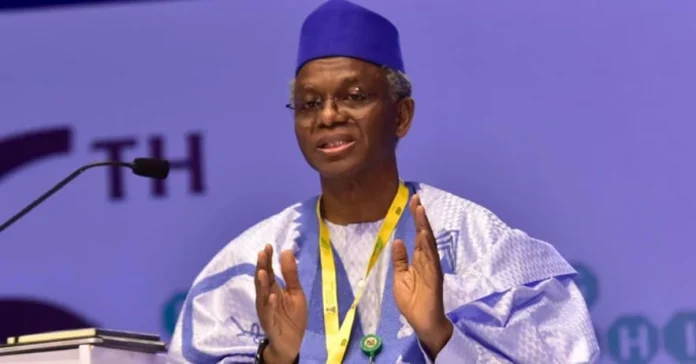
Former Kaduna State Governor, Nasir El-Rufai, has dismissed as false reports alleging that he commented on which region of the country should produce the President in the 2027 general election.

The viral claims, which circulated widely on social media, alleged that the African Democratic Congress (ADC) chieftain had said it was the turn of the South to produce the next president. The reports also suggested that El-Rufai was backing the Labour Party’s 2023 presidential candidate, Peter Obi, ahead of former Vice President Atiku Abubakar.

In a statement issued on Monday via his official X (formerly Twitter) handle, El-Rufai described the reports as “untrue” despite their widespread circulation.

He clarified that he had at no time made such remarks in any of his speeches, media interviews or on his verified social media platforms.

“My attention has been drawn to a trending fake news item alleging that I specified which region of the country should produce the president in 2027,” he said. “This claim is untrue, despite its virality. I did not make such a statement in any of my speeches, interviews or social media posts.”

El-Rufai noted that he maintains verifiable social media platforms where he directly expresses his personal views, adding that it was misleading to attribute to him opinions he did not publicly state.

He also cautioned against ascribing opinion articles written by other authors to him simply because he shared such pieces on his platforms, stressing that doing so amounted to misrepresentation.

“These clarifications are crucial as we confront both irresponsible politicking and the deliberate misuse of social media for the spread of fake news,” he said. “The wilful attribution to me of claims I did not make by fake news platforms is no justification for treating such platforms with any seriousness.”

The former governor urged media practitioners and members of the public to always verify information before publishing or sharing it, warning that society suffers when media leaders and influencers fail to uphold professional standards.

“In this age of turmoil and falsehood, the obligation to verify information before posting or publishing has become more important than ever. In this instance, it appears that some senior editors ignored this duty,” he said.

El-Rufai also called on all stakeholders to act responsibly to curb the spread of misinformation and what he described as irresponsible politicking, stressing that no views should be attributed to him unless they are explicitly expressed on his official social media platforms or during interviews with reputable media organisations.

FAAC Allocates N1.928 Trillion To FG, States, And Local Governments For November 2025

The Federation Account Allocation Committee (FAAC) has disbursed a total of N1.928 trillion for November 2025 to the Federal Government, state governments, and local government councils, the committee confirmed at its December meeting. The session was chaired by the Minister of State for Finance, Dr. Doris Uzoka-Anite.

The total allocation was drawn from gross revenue of N2.343 trillion, generated from statutory revenue, Value Added Tax (VAT), and the Electronic Money Transfer Levy (EMTL).

According to the FAAC communiqué, of the N1.928 trillion shared, the Federal Government received N747.159 billion, states were allocated N601.731 billion, while local government councils received N445.266 billion. Oil-producing states also received N134.355 billion as derivation revenue, representing 13 per cent of mineral revenue.

Before distribution, N84.251 billion was deducted as the cost of revenue collection, while N330.625 billion was set aside for transfers, interventions, and refunds.

The gross statutory revenue for November 2025 stood at N1.736 trillion, lower than October’s N2.164 trillion, reflecting a decline of N427.969 billion. From this, N59.993 billion was deducted as the cost of collection, and N273.925 billion allocated for transfers, interventions, and refunds, leaving N1.403 trillion for distribution among the three tiers of government and oil-producing states.

Under statutory revenue distribution:

Federal Government: N668.336 billion

States: N338.989 billion

Local governments: N261.346 billion

Oil-producing states (derivation revenue): N134.355 billion

VAT and EMTL allocations

The communiqué showed that VAT revenue dropped to N563.042 billion in November from N719.827 billion in the previous month, a decrease of N156.785 billion. From the VAT collection, N22.522 billion was deducted as collection costs, and N54.682 billion went to transfers, interventions, and refunds. The remaining N485.838 billion was distributed as follows:

Federal Government: N72.876 billion

States: N242.919 billion

Local governments: N170.043 billion

From the Electronic Money Transfer Levy (EMTL), a total of N43.400 billion was shared:

Federal Government: N5.947 billion

States: N19.823 billion

Local governments: N13.876 billion

Meanwhile, N1.736 billion was deducted as collection costs and N2.018 billion allocated for transfers, refunds, and savings.

The FAAC communiqué also noted a moderate increase in excise duty, but several major revenue lines recorded declines, including Petroleum Profit Tax, Hydrocarbon Tax, Company Income Tax (both upstream and general), Capital Gains Tax, oil and gas royalties, import duties, CET levies, VAT, EMTL, and other fees.

FAAC meetings determine the monthly allocation of federally collected revenues among Nigeria’s three tiers of government. Between January and July 2025, Nigeria’s 36 states cumulatively received N4.43 trillion, with oil-producing states accounting for about 35 per cent of total disbursements.

During this period, the top five recipient states were:

Delta – N50.70 billion

Lagos – N41.84 billion

Rivers – N41.65 billion

Bayelsa – N41.52 billion

Akwa Ibom – N40.39 billion

Among the top ten, the least recipient was Edo State with N17.84 billion, reflecting the continued impact of oil revenue and the 13 per cent derivation principle.

FAAC allocations remain a critical mechanism for ensuring fiscal balance across federal, state, and local governments while supporting development and governance priorities nationwide.

Senate Warns Against Multiple Budget Implementations

The Nigerian Senate has raised concerns over the Federal Government’s multiple budget implementations within the 2025 fiscal year, describing the practice as unacceptable to Nigerians.

Senators from the Committee on Finance highlighted the issue during a session with the federal government’s economic management team on the 2026-2028 Medium Term Expenditure Framework (MTEF) and Fiscal Strategy Paper (FSP). Sen. Danjuma Goje said the cycle of multiple budget rollovers must end, urging normalisation from next year. Sen. Oyewumi Olalere stressed the need for realistic budget proposals to prevent non-implementation from spilling into subsequent years.

Senators Victor Umeh and Ireti Kingibe questioned why the federal government had not addressed gaps in revenue targets despite borrowings approved by the National Assembly. Minister of Finance and Coordinating Minister of the Economy, Mr Wale Edun, explained that while the 2024 budget revenue targets had been met, the 2025 projections had not. Out of the projected N40 trillion for 2025, only N10 trillion was realised, leaving a shortfall of N30 trillion and forcing the rollover of 70 percent of capital projects to 2026.

Chairman of the Committee, Sen. Sani Musa, assured that budget projections and implementation would return to normal in 2026. He said a three-man ad hoc committee would work with the minister and Accountant-General of the Federation to ensure local contractors for 2024 projects are paid before December 31.

Musa urged the Chairman of the Federal Inland Revenue Service (FIRS), Dr Zacch Adedeji, to achieve the targeted N35 trillion revenue for 2026. Adedeji noted that FIRS collected N20.2 trillion in 2024 and N25.2 trillion in 2025, with previous collections used to cover shortfalls from past budgets.

The Minister of Budget and Economic Planning, Sen. Atiku Bagudu, and the Minister of State for Petroleum, Sen. Heineken Lokpobiri, defended the parameters set for the 2026-2028 MTEF and FSP, which include 1.84 million barrels of oil production per day, a $64.85 oil price benchmark, and an exchange rate of N1,512 to the dollar.

Naira Strengthens As CBN Boosts Forex Supply Amid 15% Market Drop

The naira strengthened across foreign exchange markets on Monday after the Central Bank of Nigeria (CBN) injected $250 million into the official window, addressing a 15% drop in foreign exchange inflows. The previous week had seen the naira lose N3 per dollar transaction as supply tightened.

The CBN sale of $250 million to authorised dealer banks helped ease pressure in the currency market, pushing the naira up by 0.18% to ₦1,451.82/$ at the official window. During Monday’s trading, the naira touched an intraday high of ₦1,455 and a low of ₦1,450. In the parallel market, the naira rose to ₦1,477/$ as market sentiment improved across both official and informal FX channels.

Last week, mixed performances were recorded in both segments. The official rate depreciated slightly by 0.28% to ₦1,454.41/$1 from ₦1,450.42/$1, while the parallel market appreciated to ₦1,485/$ from ₦1,495/$. The spread between official and parallel markets narrowed to ₦30.59/$ from ₦44.57/$.

Analysts attributed the decline in inflows to a 15% drop in the Nigerian Foreign Exchange Market, from $844.7 million to $716.3 million week-on-week. Foreign portfolio investors accounted for 32.98% of inflows, exporters 30.84%, the CBN 17.36%, non-bank corporates 16.94%, while individuals and others made up the remainder.

Oil market developments also weighed on the naira last week. Brent crude fell 4.05% to $61.17 per barrel, hitting the lowest levels since October 2024, amid oversupply concerns and expectations that US output would peak at 13.61 million barrels per day by the end of 2025 before slightly easing in 2026. OPEC projected global oil consumption to rise by 1.4 million barrels per day in 2026, primarily in non-OECD markets. Geopolitical events, including the US seizure of a Venezuelan tanker and ongoing Ukraine conflict negotiations, had minimal impact on prices, reinforcing supply fundamentals as the key driver.

Brent crude has traded at a year-to-date average of $68.40 per barrel, 14.34% below 2024’s $79.85 average, while Bonny Light closed at $63.74, down 3.09% on the week.

Equity Investors Gain ₦3bn As NGX Edges Higher

The Nigerian Exchange (NGX) recorded a soft rally on Monday as investors reacted to continued disinflation across equity and fixed income markets, pushing key indicators up by about ₦3 billion.

The All-Share Index inched up 4.62 basis points, a 0.003% gain, closing at 149,437.88, while market capitalisation rose by ₦2.94 billion to settle at ₦95.27 trillion. Despite the marginal gain, trading remained cautious with total volume and value declining by 3.24% and 54.31%, respectively, as investors focused on selective stocks amid Nigeria’s easing inflation rate of 14.45% in November 2025.

Approximately 553.16 million units valued at ₦13.27 billion were exchanged across 28,907 deals. FCMB led in volume with 16.79% of units traded, followed by ACCESSCORP at 12.39%, CONHALLPLC at 9.27%, FIDELITYBK at 6.53%, and JAIZBANK at 5.42%. VITAFOAM dominated value trading with 13.40% of total trade value. Among top performers, SOVRENINS gained 10%, followed by GUINNESS (+9.96%), MECURE (+9.88%), FIRSTHOLDCO (+9.86%), AIICO (+9.86%), and ALEX (+9.68%). PRESTIGE led losers with a 10% decline, trailed by FTNCOCOA (-8.16%), GUINEAINS (-7.69%), ROYALEX (-7.25%), NB (-6.86%), and TIP (-5.88%).

The market breadth closed positive with 28 gainers against 22 losers. Sector performance was mixed: Banking led with a 0.89% gain, Insurance rose 0.87%, Consumer Goods and Oil & Gas declined 0.79% and 0.05% respectively, while Industrial and Commodities sectors remained unchanged.

Nigeria’s Inflation Rate Slows To 14.45% In November

Domestic Airfares Increased As Transportation Fare Reduced - NBS

Nigeria’s headline inflation slowed to 14.45 per cent in November 2025, down from 16.05 per cent in October, according to the latest consumer price index report released by the National Bureau of Statistics (NBS) in Abuja. The rate is 20.15 percentage points lower than November 2024, when inflation stood at 34.60 per cent. On a month-on-month basis, headline inflation rose to 1.22 per cent from 0.93 per cent in October, indicating a faster pace of price increases compared with the previous month.

Food and non-alcoholic beverages contributed 7.78 per cent to the headline inflation, followed by restaurants and accommodation services at 1.87 per cent and transport at 1.54 per cent. The least contributors were recreation, alcoholic beverages, and financial services. Food inflation slowed significantly to 11.08 per cent year-on-year, down from 39.93 per cent in November 2024, largely due to the rebasing of the CPI. Month-on-month, food prices rose 1.13 per cent, driven by increases in tomatoes, cassava tuber, periwinkles, ground pepper, eggs, crayfish, melon (egusi), oxtail, and fresh onions.

Core inflation, which excludes volatile farm produce and energy, stood at 18.04 per cent year-on-year and 1.28 per cent month-on-month. Urban inflation was 13.61 per cent, while rural inflation was 15.15 per cent year-on-year. Among states, Rivers recorded the highest year-on-year headline inflation at 17.78 per cent, followed by Ogun at 17.65 per cent and Ekiti at 16.77 per cent. Plateau had the slowest year-on-year inflation at 9.13 per cent, followed by Kebbi at 10.32 per cent and Katsina at 10.60 per cent. Month-on-month inflation was highest in Bayelsa at 6.58 per cent, followed by Gombe at 5.11 per cent and Edo at 4.45 per cent, while Plateau recorded the slowest at -2.54 per cent, followed by Delta at -2.38 per cent and Kaduna at -2.24 per cent.

Food inflation was highest in Kogi at 17.83 per cent, Ogun at 16.52 per cent and Rivers at 16.11 per cent, and slowest in Imo at 3.52 per cent, Katsina at 3.65 per cent and Akwa Ibom at 4.52 per cent. On a month-on-month basis, food inflation was highest in Yobe at 9.52 per cent, followed by Katsina at 6.61 per cent and Ondo at 6.04 per cent, and slowest in Imo at -6.49 per cent, Nassarawa at -5.48 per cent and Enugu at -2.54 per cent. The CPI rebasing raised the index to 130.5 in November 2025 from 128.9 in October, updating the base year from 2009 to 2024 and using 2023 as the reference year for expenditure weights to reflect more current consumption patterns.

Insomniaq Debuts This December As Quickteller’s Bold New Music And Culture Experience

Quickteller, one of Africa’s leading digital payments platforms powered by the Interswitch Group, has announced the launch of InsomniaQ, a first-of-its-kind, all-night music and entertainment experience set to elevate Lagos’ iconic December experience. The maiden edition will run from the evening of December 21 into the early hours of December 22, 2025, at the Ballroom of the Lagos Continental Hotel, Victoria Island.

InsomniaQ promises a 12-hour non-stop entertainment event offering various performances and activities all night long, in line with the body’s natural rhythm. 

Created to capture the vibrancy and cultural energy that define Lagos in December, InsomniaQ is positioned to become Africa’s newest must-attend December destination. The concert blends diverse African soundscapes, creative expression, and immersive lifestyle experiences, offering a night curated for music lovers, diaspora returnees, cultural enthusiasts, and everyone drawn to the city’s festive season.

More than a concert, InsomniaQ represents a new cultural moment, one that celebrates the richness, depth, and diversity of African talent. With a lineup cutting across contemporary and alternative genres, the festival aims to introduce a bold, fresh, and unforgettable experience within Lagos’ already vibrant entertainment landscape.

Speaking on the purpose and vision behind InsomniaQ, Olawale Akanbi, Divisional Head, Growth Marketing (Quickteller Ecosystem) Interswitch, noted;

“InsomniaQ is an invitation to celebrate African creativity in a way that feels bold, fresh, and true to who we are. Quickteller has always been an essential part of the experiences people value, and this festival brings that connection to life in an entirely new dimension. As Lagos welcomes friends, family, and visitors from around the world each December, we are proud to introduce a platform that showcases our music, our culture, and the vibrant energy that defines this season.”

Through Quickteller, Interswitch continues to champion initiatives that go beyond digital transactions to enrich the everyday life of millions of Nigerians. InsomniaQ extends this mission by empowering cultural expression, unlocking creative opportunities, and supporting the continent’s growing entertainment ecosystem.

Fans, partners, and stakeholders are encouraged to stay awake as the countdown begins with what promises to be one of the most defining highlights of the entertainment landscape in Lagos during the month of December.

Nigeria’s Borders Now Better Protected, Says Interior Minister

FG Declares September 27 Public Holiday

The Minister of Interior, Dr Olubunmi Tunji-Ojo, has said that Nigeria’s borders are now better protected, attributing the progress to President Bola Tinubu’s commitment to strengthening national security under the Renewed Hope Agenda.

Tunji-Ojo asserted on Sunday in Lagos at the Theatre Arts and Motion Picture Practitioners Association of Nigeria (TAMPAN) Professional and Empowerment Summit 2025. The event, themed “The Right Man in Governance: Advancing Mr President’s Renewed Hope Agenda,” also saw the minister honoured as TAMPAN Man of the Year in recognition of his performance in office.

Represented at the summit by a former Ondo State Commissioner, Mr Dayo Awude, the minister said the Ministry of Interior has recorded significant improvements since the inception of the Tinubu administration. He listed prison reforms, strengthened border security architecture, the deployment of electronic gates at major airports and innovations in passport administration as key milestones.

According to him, the ministry has also cleared about 200,000 passport application backlogs, a development he described as a major boost to public confidence in public service delivery.

“The passport issue is just one example of what people can see and feel. The Honourable Minister has done much more than that,” Awude said. “Today, if you go to airports in Lagos or Abuja, you will find e-gates in operation. You no longer have to deal with unnecessary harassment by immigration officers.

“As long as you are a citizen with a valid passport, you scan it and proceed. That is the way forward. Our borders are better protected today, and our correctional facilities are also better than before. He has performed well across all sectors.”

Responding to questions on the clearance of the passport backlog, Awude said the challenge was inherited from the previous administration but was addressed because it was unacceptable to allow such a situation to persist.

“It was inherited, definitely. Someone did not do the job or did not have what was required to do it. When the current minister came in, he demonstrated that the problem could be solved, and he did just that,” he said.

In his remarks after receiving the award, Tunji-Ojo described members of TAMPAN as the “conscience of the nation” and urged them to be more creative, original and purposeful in their work.

Earlier, the Global President of TAMPAN, Mr Bolaji Amusan, commended the minister for bringing clarity, innovation and renewed focus to the Ministry of Interior. Amusan, popularly known as Mr Latin, said the minister’s reforms had helped to restore public confidence in services that directly affect millions of Nigerians at home and in the diaspora.

According to him, beyond institutional reforms, Tunji-Ojo has demonstrated courage and accountability by insisting on standards and placing national interest above personal or political convenience.

He added that the minister’s performance aligns closely with President Tinubu’s Renewed Hope Agenda, describing it as a practical example of how effective leadership can strengthen institutions and deliver sustainable results.

Amusan also noted that the creative industry is not only a major economic driver but a powerful tool for social reorientation, value projection and national unity, positioning it as a strategic partner in governance and nation-building.

He stressed that the honour bestowed on the minister was neither commercial nor routine, but a rare recognition reserved for individuals whose leadership has made a lasting national impact.

The TAMPAN president urged practitioners in the creative sector to uphold professionalism, unity and higher standards, while aligning their creative output with national development goals.

Highlights of the event included a drama performance by TAMPAN’s national troupe and a colourful parade by members of the association’s state chapters.

LASBCA Defends Partial Demolition Of Oshodi Building

The Lagos State Building Control Agency has defended its decision to partially demolish a storey building on Oladele Odusanya Street, off Ademulegun Street, Ireakari Estate, Oshodi-Isolo, saying the action became necessary after occupants ignored repeated warnings about the structure’s safety risks.

The agency issued the clarification on Monday amid speculations over the demolition, explaining that the property had been under close monitoring for several months due to its distressed condition.

In a statement signed by its Director of Public Affairs, Adu Ademuyiwa, LASBCA said the building was first inspected after signs of structural weakness were observed, prompting the issuance of an evacuation notice on March 3, 2025.

According to the agency, an engineering assessment revealed serious safety concerns, including a burst water pipe that had continuously soaked the building’s main support pillars, significantly weakening its stability and posing danger to occupants and neighbouring properties.

LASBCA said several follow-up evacuation notices were served over a nine-month period, but residents failed to comply despite repeated engagements aimed at preventing loss of lives and property.

The agency noted that the enforcement exercise aligned with the state government’s mandate to ensure public safety through proactive building regulation, stressing that the demolition was not arbitrary.

“With the building’s condition worsening and occupants declining to vacate, the agency had no choice but to carry out a partial demolition to avert imminent danger,” the statement said, adding that all actions taken followed due process.

LASBCA disclosed that evacuation notices, structural assessment reports and photographic evidence of the building’s compromised state were properly documented before the exercise.

Reaffirming its commitment to public safety, the agency urged residents across Lagos to comply with safety directives and evacuation notices, warning that disregard for such instructions could lead to avoidable tragedies.

Lagos State has witnessed repeated cases of building collapse in recent times, often attributed to non-compliance with safety regulations, poor construction practices and negligence by property owners. In October, a two-storey building reportedly collapsed at 54 Cole Street near Cemetery Bus Stop in the Oyingbo area, trapping an undisclosed number of persons.

Federation Account Inflows Rise To N23.06trn In 2025 — RMAFC

Nigeria’s Federation Account recorded a significant revenue boost in 2025, with cash inflows reaching N23.06 trillion within the first ten months of the year, representing a 7.6 per cent increase from the N21.43 trillion recorded in 2024, the Revenue Mobilisation Allocation and Fiscal Commission (RMAFC) has said.

The Chairman of the commission, Dr Mohammed Shehu, disclosed this on Monday in Abuja at a two-day National Stakeholders’ Discourse themed “Enhancing Fiscal Efficiency and Revenue Growth under the Nigeria Tax Act, 2025.”

Shehu said the 2025 performance marked a notable improvement on revenues recorded in previous years, including N11.93 trillion in 2023 and N21.43 trillion in 2024. According to him, total gross accruals of N11.93 trillion in 2023 reflected the early impact of fiscal reforms initiated under the current administration.

He explained that inflows rose sharply in 2024 as a result of improved coordination among revenue-generating agencies, stronger audit processes and enhanced compliance mechanisms. These gains, he said, were sustained and exceeded in 2025.

“Accruals for January to October 2025 alone reached N23.06 trillion, surpassing the full-year figures of previous years,” Shehu noted.

The RMAFC chairman attributed the growth to a combination of fiscal discipline, expanded digital revenue tracking systems and reforms that broadened the revenue base across both oil and non-oil sectors. He added that the improved inflows had strengthened statutory allocations to the federal, state and local governments, while reducing revenue volatility and dependence on oil earnings.

Shehu reaffirmed the commission’s commitment to monitoring revenue accruals and safeguarding Federation Account revenues through transparency and accountability measures.

He also disclosed that the Nigeria Tax Act, scheduled to take effect in January 2026, was the outcome of extensive consultations by the Presidential Committee on Fiscal Policy and Tax Reform. He said the committee’s work culminated in four tax reform laws, which received presidential assent in June, aimed at streamlining tax administration, reducing compliance costs and strengthening revenue governance.

According to him, the new Tax Act harmonises previously fragmented tax laws, eliminates duplication, improves the ease of doing business and is expected to create a predictable, transparent and sustainable fiscal environment.

Shehu said the stakeholders’ discourse was convened to deepen understanding of the Act’s implementation and encourage informed engagement, urging participants to interact with experts and help address public misconceptions.

Also speaking, the Minister of Solid Minerals Development, Dr Dele Alake, said the constitutional and statutory mandate of the RMAFC remained central to Nigeria’s peace, stability and governance framework. He noted that the effective implementation of the Tax Act would require close collaboration among all tiers of government, legislative bodies, institutions and the private sector to properly assess fiscal implications and enhance efficiency.

Alake added that the solid minerals sector presents significant opportunities, including for renewable energy development, and assured of the government’s commitment to governance reforms, investment and partnerships to strengthen Nigeria’s fiscal architecture and maximise economic benefits. He was represented at the event by Mr Peluola Olusegun.

In his remarks, the Chairman of RMAFC’s Fiscal Efficiency and Budget Committee, Mr Desmond Akawor, described the Tax Act as a major milestone in Nigeria’s reform agenda. He said the reforms are designed to modernise tax administration, strengthen compliance frameworks, plug revenue leakages and expand the revenue base across all tiers of government.

“For these reforms to achieve their intended outcomes, active participation, cooperation and a shared understanding among all relevant stakeholders are indispensable,” Akawor said.

Meanwhile, the Chairman of the Presidential Committee on Tax Reforms, Mr Taiwo Oyedele, said the new tax reforms are aimed at creating a fairer, simpler and more efficient tax system that supports economic growth and boosts government revenue. He added that from January, Nigerians would no longer be required to pay certain basic taxes, including those related to food, shelter and education, among others.

Insurance Practitioners Call For Efficient Reforms As Penetration Remains Low

Insurance

Insurance industry practitioners have warned that the sector’s ability to deepen penetration and compete effectively in the regional market will remain limited unless stakeholders pursue more efficient reforms, expand retail reach and fully embrace technology-driven operations.

The call was made at the 25th Adetunji Ogunkanmi Memorial Lecture in Lagos, where speakers argued that the long-term growth of the industry depends on extending coverage beyond traditional corporate accounts to millions of underserved households and small businesses.

Nigeria’s insurance penetration, measured as premium volume relative to gross domestic product, remains at about one per cent, placing the country among the lowest in sub-Saharan Africa. By comparison, Ghana’s penetration is estimated at about two per cent, Kenya at 2.3 per cent, while South Africa exceeds 13 per cent.

Industry operators said the wide gap reflects deep structural barriers, weak enforcement of compulsory insurance policies and limited adoption of digital channels capable of reaching mass-market consumers.

Managing Director and Chief Executive Officer of the Nigeria Liability Insurance Pool, Adeyinka Adekoya, said the sector’s long-standing dependence on a narrow base of corporate clients has constrained growth and exposed insurers to higher risks. She noted that the lack of a strong retail focus continues to limit premium expansion and overall industry resilience.

According to her, resilience is central to the industry’s sustainability, but retail penetration remains the missing link, as most insurers still concentrate on corporate clients while millions of Nigerians remain uninsured.

Adekoya said insurers must move away from generic products and develop solutions tailored to everyday needs, including micro-insurance, health, agriculture, asset protection and embedded insurance, which have helped drive adoption in other markets.

She added that technology is the most practical tool for reaching widely dispersed consumers, stressing that digitalising operations and offering multiple access platforms are essential steps for expanding insurance coverage across the country.

She urged operators to learn from fintech companies, whose success in penetrating underserved communities shows what can be achieved through aggressive digital-first models.

Adekoya also pointed to opportunities created by the new Nigerian Insurance Industry Reform Act, which replaces the 2003 law and strengthens enforcement of compulsory insurance policies such as motor third-party insurance, builders’ liability and group life cover, saying effective implementation could significantly boost penetration.

LASTMA Warns Motorists As Speed-Related Crashes Rise In Lagos

The Lagos State Traffic Management Authority has raised concern over the growing number of speed-related crashes on major roads across the state, warning motorists against reckless driving and poor vehicle maintenance.

The General Manager of LASTMA, Olalekan Bakare-Oki, expressed the concern in a statement issued on Monday while reacting to a lone-vehicle accident involving a Mazda commercial bus along the Lekki Toll Gate inward Sandfield corridor.

Bakare-Oki said preliminary findings showed that the crash was caused by excessive speed, which led to a sudden mechanical brake failure. The failure caused the driver to lose control of the vehicle before it crashed violently into the toll gate median infrastructure, leaving five passengers with serious injuries.

He explained that LASTMA operatives were immediately deployed to the scene, where they rescued two critically injured passengers. The victims were transported to a nearby medical facility by public-spirited individuals.

According to him, the Lagos State Ambulance Service later evacuated the remaining three victims, including the driver, for urgent medical attention.

Bakare-Oki said officers of the Rapid Response Squad provided security support throughout the rescue operation to ensure a safe and orderly evacuation process and to prevent secondary incidents on the busy corridor.

He cautioned motorists, especially commercial vehicle operators, against speeding and the use of mechanically defective vehicles on public roads, stressing that such practices continue to endanger lives.

The LASTMA boss urged all road users to adopt responsible driving habits, carry out routine vehicle maintenance and cooperate with traffic authorities to promote safer and more orderly roads across Lagos State.

ECOWAS Mandates 25% Reduction In Air Transport Charges From January 2026

The Economic Community of West African States (ECOWAS) has directed its member states to fully implement a 25% reduction in regional air transport charges, effective January 1, 2026, as part of efforts to curb high airfares and strengthen regional connectivity.

The decision was taken at the bloc’s 68th Ordinary Session, held on Sunday in Abuja, where regional leaders reaffirmed their commitment to making air travel more affordable across West Africa.

According to ECOWAS, the directive follows sustained concerns over the rising cost of air travel within the subregion. A resolution to cut passenger service and security charges by 25 per cent had earlier been adopted in June, in response to persistent increases in ticket prices.

Data from the African Airlines Association’s 2024 study on taxes and charges underscore the scale of the challenge. The report shows that West Africa remains the most expensive region in Africa to depart from by air, with travellers paying an average of $109.5 in taxes, charges and fees on international flights in 2022.

The study ranked Gabon as the costliest country in terms of aviation-related taxes and charges, followed by Sierra Leone and Nigeria. Niger Republic, Benin, Senegal, Liberia, Guinea and Ghana were also listed among the top 10 most expensive countries for air travel charges on the continent.

Despite the high cost of air transport, Central and West Africa together accounted for 18.5 per cent of Africa’s total air traffic in the first quarter of 2025, positioning the region as the continent’s third-largest aviation market.

In a communiqué issued at the end of the summit, ECOWAS further directed member states to remove certain taxes imposed on air transport services, citing international aviation best practices. The bloc said the measure is consistent with the principles and procedures of the International Civil Aviation Organisation (ICAO), which discourages the imposition of non-transparent and unrelated taxes on air transport services.

ECOWAS leaders also mandated the Commission to work closely with national ministries of finance and aviation authorities to ensure uniform implementation and strict compliance with the directive across all member states.

Pension Fund Assets Rise By N571.7bn In October

Nigeria’s pension fund assets rose by N571.7 billion in October 2025 to N26.66 trillion, driven largely by investment income and fresh contributions, despite persistent shortfalls in remittances by some state governments.

Data showed that total pension assets increased from N26.06 trillion in September 2025 to N26.66 trillion at the end of October, representing a 2.19 per cent month-on-month growth. Over the same period, Retirement Savings Account membership stood at 10.97 million, reflecting the number of workers from the public and private sectors enrolled in the Contributory Pension Scheme since its introduction in 2004.

Findings indicated that investment income played a major role in sustaining the growth of pension assets, even as several state governments continue to delay or default on monthly pension contributions. Analysts attributed the increase to new contributions, interest earned on fixed income securities, and net gains realised from equities and mutual fund investments.

Money market instruments recorded the strongest movement during the month, rising by 18.85 per cent to N2.88 trillion. Pension Fund Administrators were also reported to have pursued higher short-term yields through fixed deposits, leading to a 24.89 per cent increase in fixed deposits and bank acceptances, which climbed to N2.48 trillion.

In response to ongoing economic volatility, the National Pension Commission said it is reviewing existing investment regulations to further protect contributors’ funds. The proposed measures include expanding exposure to inflation-protected instruments, alternative assets such as infrastructure and private equity, and foreign-currency-denominated investments aimed at improving long-term returns and reducing risk.

Ncos, NHIA To Integrate Inmates Into National Health Insurance Scheme

The Nigerian Correctional Service and the National Health Insurance Authority have agreed to work together to integrate inmates in correctional facilities into the national health insurance coverage, in a move aimed at expanding access to essential healthcare services for all Nigerians.

The collaboration was announced on Monday in Abuja during a meeting between the leadership of both agencies, where they emphasised that healthcare is a critical pillar of rehabilitation, particularly for vulnerable groups and persons in custody.

Controller General of Corrections, Sylvester Nwakuche, who led a delegation to the office of the NHIA Director General and Chief Executive Officer, Dr Ohiri Kelechi, said inmates remain citizens of Nigeria and should benefit from health insurance to ensure their well-being while incarcerated.

Nwakuche noted that access to healthcare plays a key role in rehabilitation and reintegration, adding that the initiative would help address immediate medical needs while also reducing recidivism by supporting the overall health of inmates. He explained that inmates requiring referrals to external hospitals often face difficulties with payment, a challenge the insurance coverage is expected to resolve and thereby prevent avoidable deaths.

He added that correctional centres house some of the most vulnerable members of society, including women, children and babies born in custody, stressing the need for a robust health insurance framework to meet their medical needs and restore hope among those in detention.

In his response, Dr Kelechi assured the correctional service of NHIA’s full commitment to the initiative, stating that the authority is mandated to provide health insurance coverage to all Nigerians, including vulnerable populations and those in correctional facilities. He said access to quality healthcare is a right that should not be limited by personal circumstances.

Both agencies said they would jointly develop a comprehensive plan to integrate inmates into the existing national health insurance system. The coverage is expected to include preventive healthcare, mental health services and treatment for chronic illnesses.

The NCoS and NHIA reaffirmed their commitment to prioritising the health and rights of inmates within the national healthcare framework, describing the initiative as part of a broader effort to promote sustainable health outcomes and effective rehabilitation across the country.

Nigeria’s Inflation Rate Eases To 14.45% In November

Inflation Rate Rises To 24.08% - NBS

Nigeria’s headline inflation rate moderated to 14.45 per cent in November 2025, declining from 16.05 per cent recorded in October, according to the latest Consumer Price Index (CPI) report released by the National Bureau of Statistics (NBS).

The NBS said the figure represents a month-on-month decline of 1.6 percentage points and reflects a significant moderation when compared with the same period last year.

“In November 2025, the headline inflation rate eased to 14.45 per cent relative to the October 2025 headline inflation rate of 16.05 per cent. Looking at the movement, the November 2025 headline inflation rate showed a decrease of 1.6 percentage points compared to the October 2025 rate,” the bureau stated.

On a year-on-year basis, headline inflation was 20.15 percentage points lower than the 34.60 per cent recorded in November 2024. The NBS explained that the sharp decline was largely due to changes in the base year used for computation, noting that the comparison was based on a revised base year of November 2009 = 100.

However, the report indicated a slight acceleration in price increases on a monthly basis. Headline inflation rose to 1.22 per cent in November, compared with 0.93 per cent in October.

“This means that in November 2025, the rate of increase in the average price level was higher than the rate recorded in October 2025,” the NBS said.

Food inflation also declined on an annual basis, falling to 11.08 per cent in November 2025 from 39.93 per cent in November 2024, a drop the bureau again attributed to the change in the base year. On a month-on-month basis, however, food inflation increased to 1.13 per cent from a contraction of 0.37 per cent in October. The rise was driven by higher prices of staple food items such as tomatoes, cassava tubers, periwinkle, pepper, eggs, crayfish, melon, oxtail and onions.

Core inflation, which excludes volatile items such as energy and farm produce, stood at 18.04 per cent year-on-year in November, down from 28.75 per cent recorded in the corresponding period of 2024. On a month-on-month basis, core inflation moderated slightly to 1.28 per cent, compared with 1.42 per cent in October.

The report also revealed wide variations in food inflation across states. On a year-on-year basis, Kogi, Ogun and Rivers recorded the highest increases at 17.83 per cent, 16.52 per cent and 16.11 per cent respectively, while Imo, Katsina and Akwa Ibom posted the lowest increases at 3.52 per cent, 3.65 per cent and 4.52 per cent. On a month-on-month basis, Yobe, Katsina and Ondo recorded the highest increases, while Imo, Nasarawa and Enugu experienced declines.

Overall, the NBS said the average twelve-month inflation rate for the period ending November 2025 stood at 20.76 per cent, representing a decrease of 5.88 percentage points from the 26.64 per cent recorded in November 2024.

Reps Seek Urgent Overhaul Of Contributory Pension Scheme

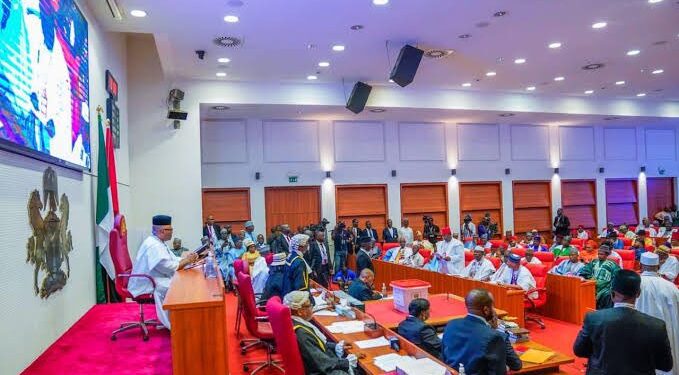
CBN: Reps Raise FG's Borrowing Limit To 15%

The House of Representatives has passed a motion calling for an urgent and comprehensive review of Nigeria’s Contributory Pension Scheme, citing widespread hardship, low pension payouts and rising poverty among retirees.

The motion, sponsored by Afuape Moruf Afolabi, was unanimously adopted on Wednesday, December 10, 2025. Lawmakers acknowledged that the scheme, established under the Pension Reform Act of 2004 and amended in 2014, was designed to guarantee retirement security for Nigerian workers but warned that it is no longer meeting that objective.

Members of the House expressed concern that pension payments under the scheme are too small to sustain retirees amid rising inflation and living costs. They also criticised the structure that allows retirees to access only 25 per cent of their savings as a lump sum, while the remaining 75 per cent is managed by pension fund administrators, often yielding returns viewed as inadequate by beneficiaries.

The House further raised issues around transparency in pension fund management, noting that poor disclosure and weak accountability have fuelled distrust among retirees. Lawmakers also pointed to disparities between retirees under the contributory scheme and those under the older defined benefit scheme, describing the gap as unfair and inequitable.

In its resolutions, the House urged the Ministry of Labour and Employment to work with relevant stakeholders to reform the pension framework and establish a system that is fair, sustainable and capable of guaranteeing dignity in retirement. It also called on the National Pension Commission to strengthen oversight of pension fund administrators through stricter regulation, improved transparency and measures that ensure fair investment returns in the interest of retirees.

Lawmakers further urged the commission to tackle the persistent problem of employers failing to remit pension contributions, recommending tougher penalties to enforce compliance. In addition, the House mandated its Committee on Pensions to investigate the shortcomings of pension fund administration and report back within four weeks to enable further legislative action aimed at improving retirees’ welfare.

Africa Aviation Remains Potential Not Performance, Says IATA

IATA Issues Guidelines
IATA Issues Guidelines to Airlines For COVID-19 Testing

For the global aviation industry, Africa remains a region of strong potential rather than strong performance, the International Air Transport Association has said.

Speaking during IATA’s media open days at its executive office in Switzerland, the association’s Director General, Willie Walsh, said Africa is expected to record faster traffic growth than the global average but continues to operate under some of the most difficult conditions in the world.

Walsh noted that while deliveries of new aircraft began to improve toward the end of 2025 and production is expected to accelerate in 2026, demand will still exceed the availability of aircraft and engines. He said that despite Africa’s growth outlook, the region continues to generate the smallest share of global aviation profits, with extremely thin margins.

According to him, Africa holds long-term advantages in renewable energy, particularly solar power, which could position the continent as one of the cheapest producers of renewable energy globally. He said this presents a significant opportunity for the production of low-cost synthetic aviation fuels over time, especially when compared with Europe, where renewable energy costs are higher despite strict mandates on the use of sustainable aviation fuel.

Walsh also identified digital passports as another major opportunity for Africa, stressing the importance of adopting a single global standard rather than fragmented national systems. He said a harmonised digital passport framework would be cheaper to implement and would offer a more efficient system for both governments and passengers.

Kamil Al-Awadhi, IATA Regional Vice President for Africa and the Middle East, echoed these views, saying Africa’s aviation potential is substantial. He said the continent is projected to record the third-fastest growth rate in the world over the next two decades and could be serving more than 400 million passengers annually by 2044.

Al-Awadhi pointed to positive developments such as improved visa openness and the growing adoption of e-visas, which support mobility and regional integration. However, he warned that real progress would depend on governments treating aviation as a development enabler rather than a revenue source.

IATA forecasts global air travel growth of 4.9 percent in 2026, slightly lower than the 5.2 percent expected in 2025. Africa is projected to exceed the global average with growth of about 6.0 percent in 2026.

Despite this demand outlook, Al-Awadhi said the financial position of African airlines remains weak. Of the estimated $41 billion global net profit forecast for 2026, African carriers are expected to earn only about $200 million, representing a margin of 1.3 percent, the lowest of any region. This translates to roughly $1.3 profit per passenger, compared with a global average of $7.9.

He said rising demand has not translated into sustainable profitability, adding that African airlines are capturing only a small share of aviation’s economic value due to structural constraints.

Al-Awadhi also highlighted inconsistencies in visa policies, noting that while 44 percent of African countries now offer e-visas, there is no standard approach across the continent.

He further criticised high airport charges and government levies, saying these costs undermine airline growth. He cited Tanzania as an example, where security-related charges can add as much as $48 to a one-way ticket or $96 to a return ticket, compared with charges of $3 or $4 in many other parts of the world.

According to him, excessive taxes, fees and levies make it difficult for airlines to grow and limit aviation’s contribution to economic development across Africa.

NCAA Unveils Digital Platform To Overhaul Aviation Licensing, Medical Certification

The Nigeria Civil Aviation Authority (NCAA) has introduced a new digital platform aimed at transforming the country’s aviation personnel licensing and medical certification processes, with full implementation scheduled for April 2, 2026.

The platform, known as the EMPIC Personnel Licensing and Medical Certification (PEL/MED) system, was officially launched on Monday at the NCAA headquarters in Abuja during a stakeholder engagement session involving key actors in the aviation sector.

Speaking at the event, the Director-General of Civil Aviation, Chris Najomo, said the ICAO-approved system would drastically reduce processing times for pilots and other aviation professionals, cutting procedures that previously took weeks down to a matter of hours.

According to him, the deployment of the EMPIC PEL/MED platform marks a major shift toward a fully digital regulatory framework, strengthening safety oversight, data integrity and operational efficiency within Nigeria’s aviation industry.

“This platform represents a fundamental modernisation of how we manage licensing, medical certification, inspector oversight, and compliance monitoring,” Najomo said. “It aligns with ICAO’s Global Aviation Safety Plan, the State Safety Programme and our broader objective of becoming a data-driven regulator.”

Najomo explained that the authority had adopted a phased implementation approach to ensure system stability, accurate data migration and adequate stakeholder preparedness ahead of the April 2026 deadline. He said the transition period would allow for final data validation, onboarding of aviation medical examiners, continued user support and the issuance of operational guidelines.

He added that once the transition period ends, the EMPIC PEL/MED system will become the mandatory platform for all personnel licensing and aviation medical certification transactions, in accordance with NCAA regulations.

Najomo also commended airlines, training organisations, aviation professionals and technical partners for their cooperation so far, urging them to actively engage with the system ahead of full deployment. He noted that the initiative would improve transparency and align Nigeria’s regulatory environment with international best practices.

For years, the aviation sector relied largely on manual and semi-digital processes, a situation Najomo said was no longer sustainable given the industry’s growing complexity and the demand for real-time regulatory oversight.

In a presentation at the event, the Director of Aerodrome and Airspace Standards, Godwin Gyang Balang, said Nigeria had joined other leading aviation regulators globally in adopting the EMPIC technology. He noted that the system includes built-in quality assurance features designed to improve data accuracy and reduce errors.

Balang added that four biometric data centres would be established in Abuja, Lagos, Port Harcourt and Kano to improve accessibility for aviation personnel and operators across the country.

BizWatchNigeria.Ng
Privacy Overview

This website uses cookies so that we can provide you with the best user experience possible. Cookie information is stored in your browser and performs functions such as recognising you when you return to our website and helping our team to understand which sections of the website you find most interesting and useful.