





By Boluwatife Oshadiya | May 19, 2026
Key Points
- Donald Trump says a planned US military strike on Iran was suspended following appeals from Gulf leaders
- Qatar, Saudi Arabia, and the UAE reportedly urged Washington to allow ongoing negotiations with Iran to continue
- Trump says the US military remains on standby if talks fail to produce a nuclear agreement with Iran
Main Story
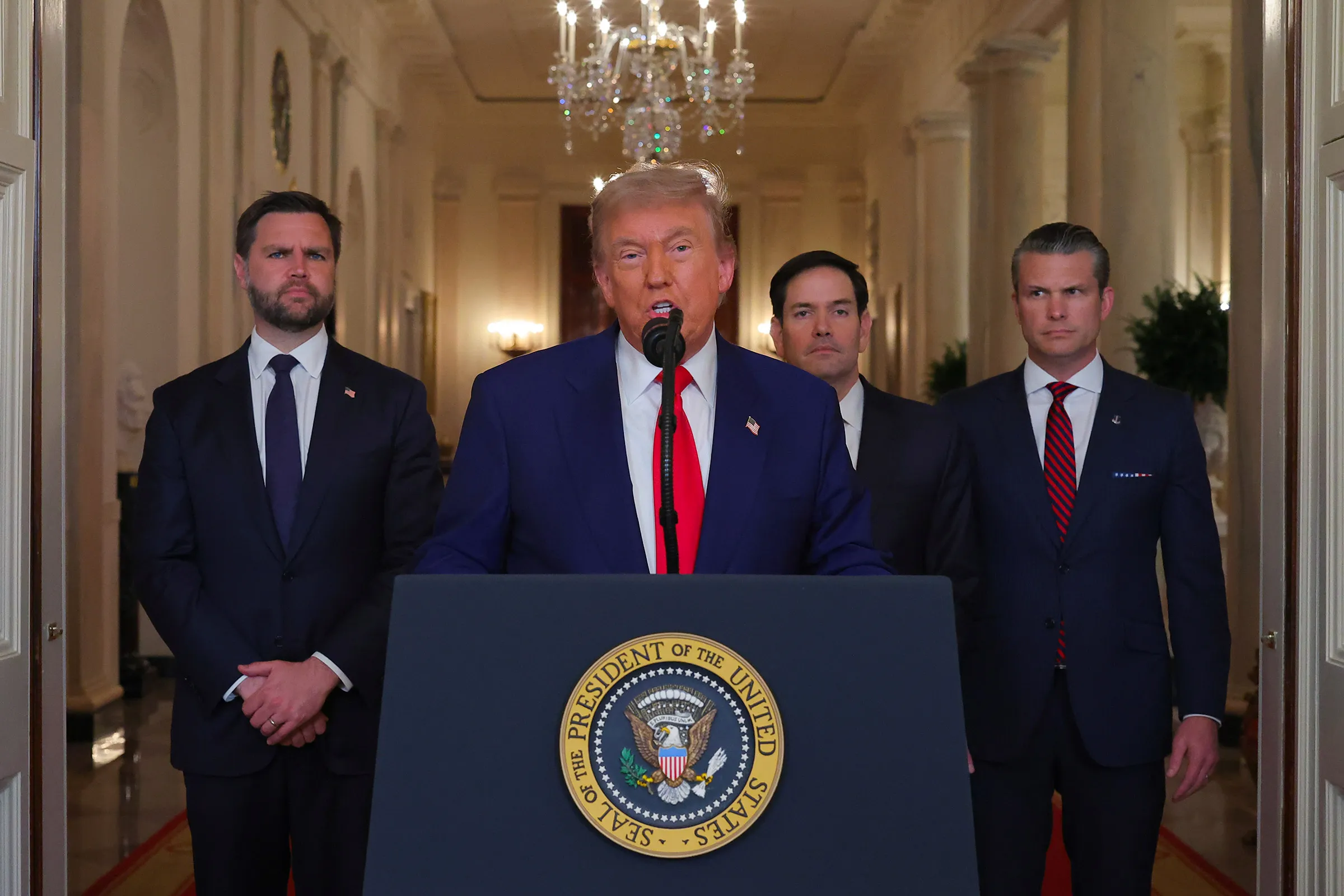
Donald Trump has announced the suspension of a planned United States military attack on Iran, saying the decision followed direct appeals from senior Gulf leaders who requested more time for negotiations with Tehran.
In a statement posted on his social media platform, Trump said the Emir of Qatar, Sheikh Tamim bin Hamad Al Thani, Saudi Crown Prince Mohammed bin Salman, and UAE President Mohamed bin Zayed Al Nahyan urged the US to delay a planned strike that was allegedly scheduled for the following day.
According to Trump, the Gulf leaders argued that “serious negotiations” are currently underway and that a diplomatic agreement acceptable to both the United States and Middle Eastern allies could still be reached.
Trump said the proposed agreement would guarantee that Iran does not obtain nuclear weapons, a longstanding policy objective of successive US administrations and regional allies in the Gulf.
The former US president added that he had instructed US Secretary of Defense Pete Hegseth, Chairman of the Joint Chiefs of Staff General Daniel Caine, and the US military to suspend the operation while maintaining readiness for a “full, large-scale assault” should negotiations collapse.
The statement comes amid heightened geopolitical tensions across the Middle East, where concerns over Iran’s nuclear programme, regional proxy conflicts, and maritime security have continued to unsettle global energy markets and diplomatic relations.
What’s Being Said
“Based on my respect for the above mentioned Leaders, I have instructed Secretary of War, Pete Hegseth, The Chairman of The Joint Chiefs of Staff, General Daniel Caine, and The United States Military, that we will NOT be doing the scheduled attack of Iran tomorrow,” Trump said in his statement.
“This Deal will include, importantly, NO NUCLEAR WEAPONS FOR IRAN,” he added.
Regional analysts say the intervention by Gulf leaders reflects growing concerns that a direct military confrontation between Washington and Tehran could destabilise oil markets, disrupt shipping routes in the Strait of Hormuz, and trigger broader security risks across the Middle East.
What’s Next
- Diplomatic negotiations involving the US, Iran, and Gulf states are expected to continue in the coming days
- Washington is likely to monitor Iran’s nuclear commitments before making further military decisions
- Energy and commodity markets may react to developments surrounding the negotiations and regional security outlook
Bottom Line
The Bottom Line: Trump’s decision to pause the planned military action signals the continued influence of Gulf allies in shaping US Middle East policy. The development also highlights how concerns over energy security and regional stability are increasingly driving diplomatic efforts to avoid direct military confrontation with Iran.