








Home Blog Page 36

FG, Quaint Energy Sign 8MW Hydropower Deal To Boost Power Supply In Oyo, Kogi States

 The Federal Government has signed a concession agreement with Quaint Energy for the development of two small hydropower projects totalling 8 megawatts (MW) in Oyo and Kogi States, in a move aimed at expanding Nigeria’s renewable energy capacity and improving rural electrification.

The agreement, sealed on Wednesday in Abuja, covers the 6MW Ikere Gorge Hydropower Project in Oyo State and the 2MW Omi-Kampe Hydropower Project in Kogi State.

Speaking at the signing ceremony, the Minister of Power, Chief Adebayo Adelabu, described the initiative as a significant milestone in the country’s drive to deliver sustainable, reliable, and affordable electricity to Nigerians.

“This partnership underscores our commitment to attract private investment and unlock the vast renewable energy potential within our states and communities,” Adelabu said. “The power sector remains a cornerstone of our national economic transformation plan, and our vision is clear — to deliver stable, affordable, and sustainable electricity that drives industrialisation, creates jobs, and promotes inclusive growth across all regions.”

The minister noted that the hydropower projects represent more than just infrastructure investments, describing them as strategic interventions designed to stimulate state-level electricity markets, enhance local productivity, and promote clean energy access.

“Once completed, these projects will provide reliable power to surrounding communities, boost agricultural processing, energise small industries, and strengthen rural economies across Oyo and Kogi States,” he added.

Adelabu also emphasised that the partnership reaffirms the Federal Government’s belief in private sector-led growth as a sustainable model for the Nigerian Electricity Supply Industry (NESI).

“Government’s role is increasingly that of an enabler — creating a conducive regulatory environment, ensuring policy consistency, and de-risking investments through credible partnerships,” he said. “Through public–private partnerships like this concession, we are unlocking capital, technology, and innovation from the private sector to deliver projects that directly impact citizens and strengthen national energy security.”

He commended Quaint Energy for its confidence in Nigeria’s power sector and pledged continued collaboration to ensure the project’s success in line with global standards of efficiency, safety, and environmental sustainability.

Responding, the Chairman of Quaint Energy, Femi Adeyanju, expressed gratitude for the partnership and assured the government of the company’s commitment to deliver on its obligations.

“These projects will not only benefit host communities in Oyo and Kogi States but will also contribute to Nigeria’s broader development goals by increasing access to clean and affordable energy,” Adeyanju said.

The 8MW hydropower concession marks another step in the Federal Government’s efforts to diversify Nigeria’s energy mix, decentralise electricity generation, and strengthen energy access in underserved areas.

When completed, the Ikere Gorge and Omi-Kampe hydropower plants are expected to provide off-grid power solutions to nearby communities, support agro-processing hubs, and enhance economic productivity — furthering the government’s commitment to renewable energy development and sustainable growth.
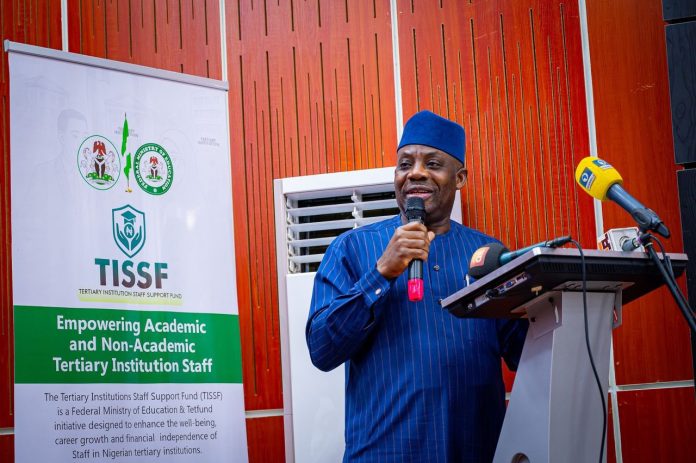

FG Abandons Mother-Tongue Policy, Reinstates English As Primary Language Of Instruction

 The Federal Government has officially scrapped the 2022 National Language Policy, which mandated the use of indigenous languages as the medium of instruction from early childhood education to Primary Six.

Announcing the reversal on Wednesday in Abuja, the Minister of Education, Dr Maruf Tunji Alausa, declared that English will now serve as the language of instruction at all levels of education, from primary to tertiary institutions.

Speaking at the opening session of the Language in Education International Conference 2025, organised by the British Council, Alausa said the decision was driven by evidence-based research indicating that the mother-tongue policy had negatively impacted learning outcomes across the country.

“The National Policy on Language has been cancelled. English is now the language of instruction in our schools, from primary to tertiary levels,” the minister stated. “One of the most powerful tools in education is language, and the role of English as the language of instruction will be strengthened across all subjects.”

Dr Alausa explained that the linguistic diversity across Nigeria made the implementation of the 2022 policy impractical and inconsistent. He cited cases where students taught primarily in their mother tongues struggled with national examinations conducted in English.

“We reviewed data across the geopolitical zones and discovered that overuse of the mother tongue from Primary One to Junior Secondary Three has caused significant learning setbacks,” he said. “Children often advance to higher classes without acquiring basic literacy and numeracy skills, and many eventually fail WAEC, NECO, and JAMB exams conducted in English.”

He further highlighted the complexities arising from regional linguistic variations.

“In Borno State, while Hausa is widely spoken, Kanuri remains dominant; in Lagos, areas like Ajegunle have diverse populations with teachers from other regions. These realities show that a uniform language of instruction is necessary for educational coherence and equity,” he added.

In her remarks, the British Council’s Country Director in Nigeria, Donna McGowan, said the conference aims to help policymakers, educators, and researchers across Africa, South Asia, and the UK explore how language can promote inclusion and improve learning outcomes.

The now-defunct 2022 National Language Policy was designed to promote indigenous languages and preserve Nigeria’s cultural heritage. However, it faced major implementation challenges such as inadequate teaching materials, poor teacher training, and the country’s vast linguistic diversity — with over 600 recognised languages, 29 of which are already extinct.

FG Suspends Planned 15% Import Duty On Petrol, Diesel

The Federal Government has shelved its earlier plan to introduce a 15 per cent ad-valorem import duty on Premium Motor Spirit (PMS) and Automotive Gas Oil (Diesel), the Nigerian Midstream and Downstream Petroleum Regulatory Authority (NMDPRA) has announced.

In a statement issued on Thursday via its official X handle, the Director of Public Affairs, NMDPRA, George Ene-Ita, confirmed that the proposed duty was no longer under consideration.

“It should also be noted that the implementation of the 15 per cent ad-valorem import duty on imported Premium Motor Spirit and Diesel is no longer in view,” Ene-Ita stated.

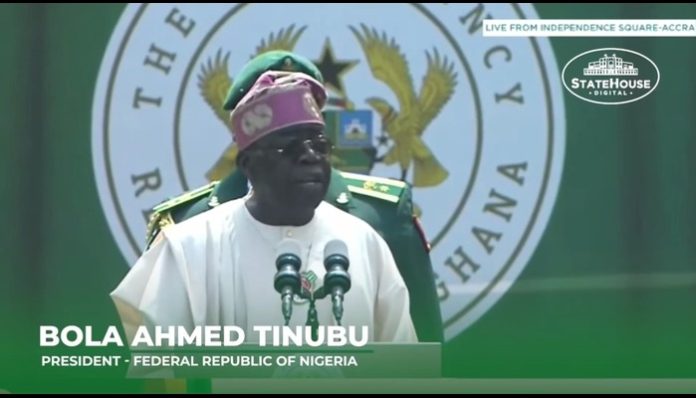
The suspension follows an earlier report that President Bola Tinubu had approved the introduction of the import duty as part of fiscal adjustments in the petroleum downstream sector.

Reassuring Nigerians of stable fuel supply, the NMDPRA disclosed that petroleum products are available in sufficient quantities nationwide, sourced from both local refineries and imports.

“There is a robust domestic supply of petroleum products — AGO, PMS, LPG, among others — sourced from local refineries and importation to ensure timely replenishment of stocks at depots and retail stations during this peak demand period,” the statement noted.

The agency cautioned against panic buying, product hoarding, or arbitrary price hikes, warning that such practices could disrupt market stability.

“The Authority will continue to monitor the supply situation closely and take necessary regulatory measures to prevent any disruption in the distribution of petroleum products across the country, especially during this period of high demand,” it added.

While appreciating the cooperation of stakeholders in the petroleum value chain, NMDPRA reaffirmed its commitment to maintaining energy security and ensuring uninterrupted fuel availability across the nation.

Nigeria’s Retail Market Nears AI Turning Point, Says Juliet Anammah

Nigeria’s retail industry is entering a new phase as artificial intelligence begins to shape how businesses operate and connect with consumers.

Juliet Anammah, Group Chief Sustainability and Corporate Communications Officer at Flour Mills of Nigeria, said this at the Africa Tech Alliance Forum in Lagos. She explained that the retail sector is ready for an AI transformation that will redefine customer experience and improve operational efficiency.

According to her, AI can help retailers predict demand, personalize offers, and manage inventory more effectively. As digital adoption deepens across Nigeria, she said businesses must start integrating intelligent systems to remain competitive.

Anammah noted that while global markets are already testing agentic AI systems that make independent decisions, Nigeria’s large and youthful population gives it an advantage in adapting to similar innovations.

She also called for responsible adoption. “We have to make sure technology supports people, not replaces them,” she said. “AI should help small retailers grow, not push them out of the market.”

Experts at the event agreed that the next stage of Nigeria’s digital economy will depend on how quickly both large and small retailers adopt automation and data-driven tools.

For many, the discussion signaled a critical shift. What was once an idea for the future is now becoming a business reality. Artificial intelligence is not just about selling more, but about selling smarter.

Lagos Takes Health Insurance To Rural Communities With Mobile Clinics

The Lagos State Government has launched mobile clinics to bring healthcare and health insurance services closer to residents in rural and hard-to-reach areas.

The initiative aims to improve access to medical care and boost participation in the state’s health insurance scheme. Officials said the new approach will help bridge the gap between urban and rural healthcare delivery.

According to the Lagos State Health Management Agency, the mobile clinics will visit remote and riverine communities several times a week. The teams will provide basic medical consultations, routine check-ups, and health education while enrolling residents into the insurance scheme on the spot.

The programme also encourages collaboration between government agencies, health insurers, and private healthcare providers. This partnership is expected to reduce out-of-pocket expenses for residents and strengthen public confidence in the state’s health system.

Officials noted that the mobile health initiative is still in its pilot phase. However, the government plans to expand it across more communities once early results are evaluated.

By taking health services directly to the people, Lagos hopes to ensure that no resident is left behind in its drive toward universal health coverage.

COWA President Launches Green Border Initiative, Empowers Widows At Seme Border

The Nigeria Customs Service (NCS), in partnership with the Customs Officers’ Wives Association (COWA), has unveiled the Kikelomo Shakirat Adeniyi Arena at Seme Border, turning a once-abandoned refuse site into a thriving community centre and coconut plantation.

The newly inaugurated arena, named after Mrs. Kikelomo Shakirat Adeniyi, wife of the Comptroller-General of Customs (CGC), symbolises a renewed commitment to environmental sustainability and community development under the Green Border Sustainability Initiative.

The event drew an array of dignitaries including the Oba of Seme, traditional rulers, security chiefs, and representatives of key government agencies.

The Green Border project has successfully reclaimed the previously degraded Seme corridor, converting it into a green zone through the planting of coconut trees — a crop with deep economic and cultural roots in Badagry.

During the tree-planting ceremony, Mrs. Adeniyi and the Oba of Badagry led other dignitaries in a traditional planting ritual involving the use of sugar, a symbolic gesture of prosperity and sweetness for the community’s future.

In her remarks, Mrs. Adeniyi distributed waste bins to various institutions, including the NDLEA and the Seme traditional council, urging proper waste management and recycling as part of a broader vision to “turn waste into wealth.”

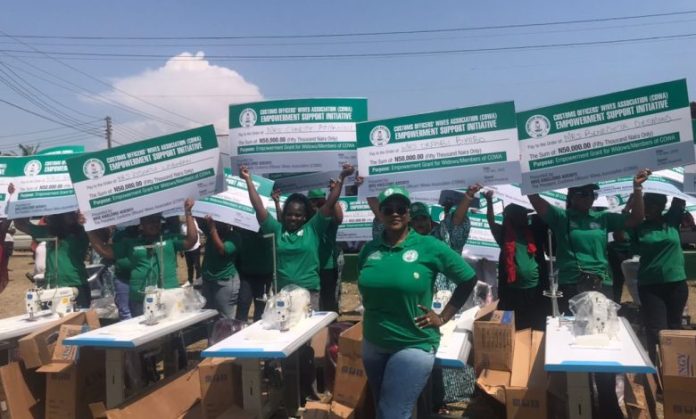
Demonstrating her deep commitment to economic inclusion, the COWA President presented cash grants of ₦50,000 each, alongside sewing machines, makeup kits, blenders, and gas cylinders to widows and women participants of the initiative.

In further support of the empowerment scheme, the Comptroller-General of Customs announced an additional ₦200,000 for each widow and a ₦10 million contribution to strengthen the overall programme — an acknowledgment of Mrs. Adeniyi’s remarkable efforts in advancing grassroots development.

Addressing healthcare disparities in the area, the Green Border Initiative also featured a medical outreach programme benefiting over 1,000 residents. The outreach provided free consultations, medications, and prescription eyeglasses for community members requiring vision correction.

Speaking at the ceremony, Comptroller Wole Adenuga, Area Controller of Seme Command, hailed Mrs. Adeniyi’s passion and leadership, noting that the initiative would leave a lasting legacy.

“Your name will be written in gold. This arena is a gift to the people and a testimony to your vision for a cleaner, healthier, and more empowered border community,” he stated.

The Kikelomo Shakirat Adeniyi Arena has now been formally handed over to COWA for continued management, ensuring that the centre remains a hub for community engagement, training, and empowerment.

About the Green Border Sustainability Initiative

The Green Border Sustainability Initiative is an environmental and socio-economic empowerment project spearheaded by Mrs. Kikelomo Adeniyi. It aims to promote sustainable livelihoods, environmental rehabilitation, and healthcare access in Nigeria’s border communities. Through this initiative, COWA seeks to empower women, widows, and youth while fostering peace, unity, and self-reliance across border areas.

NDDC Seeks Stronger Partnership With Traditional Rulers To Drive Sustainable Development

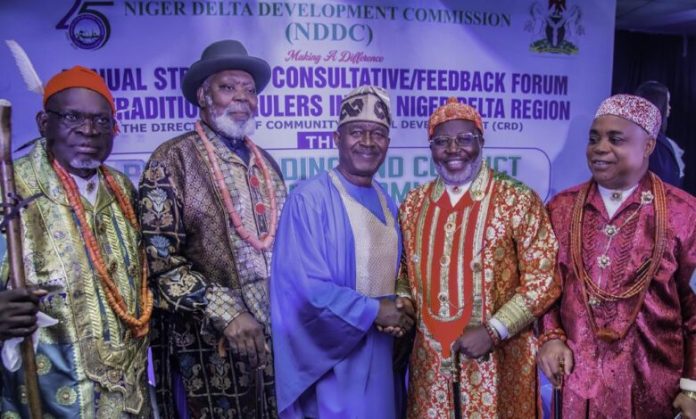
The Niger Delta Development Commission (NDDC) has called on traditional rulers across the Niger Delta region to deepen their collaboration with the Commission in promoting peace, unity, and sustainable development.

Speaking at the Annual Strategic Consultative Feedback Forum for Traditional Rulers in the Niger Delta, NDDC Managing Director, Dr. Samuel Ogbuku, emphasised that the support and guidance of traditional institutions remain vital to achieving the Commission’s developmental objectives.

Represented by the Executive Director of Corporate Governance, Hon. Ifedayo Abegunde, Ogbuku described the traditional rulers as “indispensable partners” in the Commission’s drive to ensure inclusive, people-oriented development.

“You are our essential partners in the quest for sustainable development in the Niger Delta, this forum enables us to gather valuable feedback directly from the custodians of our communities, understand their priorities, and identify critical areas for intervention. Only through such engagement can we strengthen our collaboration and deliver results that truly impact our people.” He said.

He added that sustainable progress in the Niger Delta cannot be achieved without the involvement of traditional institutions, whom he described as “the genuine voices and guardians of the people’s hopes and dreams.”

The NDDC boss stressed the importance of community peacebuilding and conflict prevention, noting that local councils and dialogue frameworks must be revitalised to promote understanding and unity among residents.

“Development cannot thrive amid division. We must strengthen our local conflict resolution mechanisms, revive traditional councils, and foster inclusive dialogue that engages men, women, and youth. Collaboration between traditional institutions, government agencies, civil society, and security forces is essential for peace and progress,” Ogbuku said.

Traditional Rulers Advocate Inclusion in Development Planning

In his remarks, the National Chairman of the Traditional Rulers of Oil Mineral Producing Communities of Nigeria (TROMPCON) and Chairman of the Delta State Council of Traditional Rulers, King Felix Mujakperuo, who was represented by the Pere of Akugbene-Mein Kingdom, King Pere Luke Kalanama, reaffirmed that peace is a prerequisite for development.

He recommended the creation of inter-kingdom conflict management committees to help prevent disputes and sustain harmony across communities.

Similarly, the Chairman of the South-South Monarchs Forum and Emohua monarch, King Sergeant Awuse, stressed the importance of involving traditional rulers from the onset of project planning and execution.

“You cannot give feedback on programmes you were not part of from the beginning. When traditional rulers are excluded from project conception, formulation, and implementation, it weakens community ownership and undermines the success of development initiatives.”

Also speaking, the Amayanabo of Twon-Brass, King Alfred Diete-Spiff, underscored that peace remains the bedrock of any meaningful development. He also called for the restoration of constitutional recognition for traditional rulers, lamenting that their roles have been diminished in recent constitutional frameworks.

“Traditional rulers are like pupils whose names are missing from the school register, we must be given our rightful place in the Nigerian Constitution, as was the case in the past, to enable us to contribute effectively to governance and national stability.”

The forum, attended by monarchs from all nine Niger Delta states, served as a platform for dialogue between the NDDC and traditional institutions on improving project delivery, fostering peace, and promoting community-driven development in the region.

Tension In Abuja As Wike, Soldiers Clash Over Ex-Naval Chief’s Land

A tense confrontation erupted on Tuesday at Gaduwa village in Abuja when soldiers reportedly prevented the Minister of the Federal Capital Territory (FCT), Nyesom Wike, and officials of the FCT Administration (FCTA) from gaining access to a disputed parcel of land allegedly owned by a former Chief of Naval Staff, Vice Admiral Awwal Gambo (retd.).

The property, located on Plot 1946, became the centre of controversy after the minister accused the former naval chief of developing the land without valid approval from the FCTA.

Visibly angered, Wike confronted the military personnel on site, demanding to see the necessary documentation authorising the construction.

“Show me the documents. You have no approval. We cannot continue with this impunity,” Wike charged. “How can someone of his status not reach out to me if there’s an issue? Instead, he sends soldiers to intimidate us? You cannot be higher than the government.”

However, a senior military officer present, identified as A.M. Yerima, denied any attempt to intimidate FCTA officials, insisting that the development was backed by valid papers.

“We are not intimidating anyone. The Admiral directed the men on site after securing proper approvals. The documents are complete,” Yerima maintained.

The situation escalated when Wike declared that the military “would never develop this land,” prompting a heated exchange with the officer. The disagreement turned personal as both men raised their voices before the minister ordered Yerima to “keep quiet,” to which the officer retorted, “I will not shut up.”

Enraged, Wike fired back, calling the officer “a very big fool” and gesturing toward him. The confrontation ended with the minister ordering the soldiers to vacate the site.

Speaking with journalists after the incident, Wike said he had spoken with the Chief of Defence Staff and the Chief of Naval Staff about the matter, emphasising that the FCTA would not tolerate “illegal development and land grabbing” in the capital city.

“I’ve spoken to the Chief of Defence Staff and the Chief of Naval Staff. They’ve assured me that this will be resolved. We are not here for a shootout or chaos, but I will not allow illegality to thrive simply because someone is a former service chief,” Wike said.

Veterans Condemn Wike’s Conduct

Following the incident, the Coalition of Military Veterans issued a strong statement condemning Wike’s verbal outburst.

In a release signed by its spokesperson, Abiodun Durowaiye-Herberts, the group described the minister’s remarks as “unbecoming of a public official,” arguing that no government representative should insult an officer performing his duties.

“How can a public office holder call an officer a fool on camera? If the minister was responsible, he should have resolved this matter privately through the Chief of Naval Staff,” the coalition stated.

The veterans warned that any attempt to sanction the officer involved would be met with stiff resistance, threatening to “occupy the office and residence of the FCT Minister” if disciplinary action was taken.

“A uniformed officer represents the authority of the Nigerian state. Disrespecting him undermines public institutions,” the statement added, demanding that Wike publicly apologise for his comments.

FCTA Aide Alleges Threat To Minister

Responding to the backlash, Wike’s Senior Special Assistant on Public Communication and Social Media, Lere Olayinka, alleged that armed military personnel had “threatened to shoot” the minister during the confrontation.

In a post on his official X (formerly Twitter) handle, Olayinka claimed that Vice Admiral Gambo had no title documents or building approval for the contested land.

“Because he was told to stop building on land without approval, the former Chief of Naval Staff sent armed military personnel to attack FCTA officials. Soldiers stationed at the site threatened to shoot anyone who tried to stop the illegal construction,” Olayinka alleged.

As of the time of filing this report, the Nigerian military had yet to issue an official response to the incident.

Tuesday’s confrontation marks the latest in a string of enforcement actions by the FCTA against alleged illegal developments across Abuja.

Just weeks ago, the administration demolished 11 police duplexes in the Apo District for being constructed under high-tension power lines.

Since assuming office in August 2023, Wike has intensified efforts to restore the Abuja master plan, tackling unauthorised land allocations, encroachments, and unapproved structures through a series of demolition exercises.

In a separate directive issued on Sunday, the minister gave property owners in Asokoro, Maitama, Garki, and Wuse districts a final 14-day grace period — from November 11 to 25, 2025 — to pay a ₦5 million penalty for violating approved land-use provisions or face enforcement action.

Land disputes and irregular allocations remain among the most contentious issues in the capital, but Tuesday’s altercation between the FCTA and the military may prove one of the most dramatic yet.

World Bank: Only 44% Of Social Benefits Reach Poor Nigerians

Despite billions of naira channelled annually into poverty alleviation, a new World Bank report has revealed that less than half of Nigeria’s social welfare benefits reach the poor.

In its latest publication titled “The State of Social Safety Nets in Nigeria”, released in November 2025, the World Bank found that only 44 per cent of total benefits from government-funded social protection programmes actually reach poor Nigerians, a glaring sign of inefficiency and poor targeting.

The report highlights weak funding, fragmented implementation, and poor programme design as key factors undermining the impact of Nigeria’s social safety-net system, leaving millions of vulnerable citizens without meaningful support.

According to the report, about 56 per cent of recipients of safety-net benefits are poor, yet they receive less than half of the total value distributed. This mismatch, the Bank explained, stems largely from how the programmes allocate a fixed amount per household rather than per individual — a structure that disproportionately disadvantages larger, poorer families.

“Safety nets expenditure is inefficient, with a smaller share of benefits going to the poor. While 56 per cent of the beneficiaries are poor, only 44 per cent of total benefits go to them,” the report stated.

Programmes such as the National Home-Grown School Feeding Programme (NHGSFP), which target individuals rather than households, are said to be less affected by this issue. However, the Bank noted that the school feeding scheme currently serves only pupils in grades one to three and lacks full national coverage, limiting its impact.

Low Spending, Minimal Impact

The report further revealed that Nigeria spends only 0.14 per cent of its Gross Domestic Product (GDP) on social protection,  far below the global average of 1.5 per cent and the Sub-Saharan African average of 1.1 per cent.

This minimal allocation, the World Bank warned, has had “almost no impact” on poverty, with all existing social protection programmes combined reducing Nigeria’s national poverty headcount by just 0.4 percentage points.

“At the existing level of expenditure, there is almost no impact on the overall poverty headcount rate. Low coverage, inadequate benefit size, and poor targeting have resulted in negligible poverty reduction,” the report added.

It further observed that while the federal government claims to have several ongoing intervention schemes — from conditional cash transfers to school feeding programmes — the actual effect on poverty remains insignificant due to inefficient benefit distribution.

Dependence on Donor Support

Another major concern raised by the World Bank is Nigeria’s heavy reliance on foreign donors for social safety-net financing. Between 2015 and 2021, donor assistance accounted for about 60 per cent of federal spending on safety-net programmes, with the World Bank alone funding more than 90 per cent of that support.

The report warned that such dependence exposes Nigeria to funding instability whenever donor support declines.

“There is an urgent need for Nigeria to create fiscal space for sustainable social safety-net programming,” the Bank cautioned.

Signs of Progress in NASSP

Despite the overall inefficiency, the World Bank acknowledged that the National Social Safety Nets Programme (NASSP), which leverages the National Social Registry (NSR) to identify vulnerable households, has produced encouraging results.

Among its beneficiaries, the NASSP reportedly reduced poverty by 4.3 percentage points and the poverty gap by 4.2 percentage points — nearly ten times higher than the combined impact of all other programmes.

With over 85 million individuals already captured, the NSR — now the largest social database in Sub-Saharan Africa — provides what the Bank described as a “ready-made platform” for more transparent, accurate, and efficient delivery of social assistance.

Government’s Target

Earlier this year, the Minister of Finance and Coordinating Minister of the Economy, Wale Edun, announced that the federal government aims to reach 15 million households, representing about 70 million Nigerians, through its digital cash-grant scheme.

He disclosed that about 8.5 million households had received at least one tranche of the ₦25,000 payment, while the remaining 6.5 million are expected to benefit before the end of the year.

However, with the World Bank’s new findings, analysts say the federal government faces a daunting task of improving both the reach and efficiency of its social protection framework if it is to achieve meaningful poverty reduction and social equity.

NIMASA DG Urges Stronger Port State Control To Boost Maritime Safety

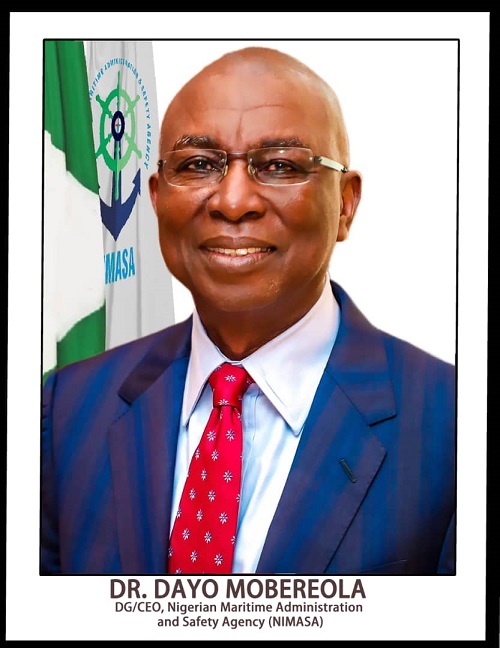
The Director General of the Nigerian Maritime Administration and Safety Agency (NIMASA), Dr. Dayo Mobereola, has underscored the importance of effective Port State Control (PSC) as a critical mechanism for enhancing global maritime safety and ensuring environmental compliance in shipping operations.

Dr. Mobereola made this known during the opening of a five-day Regional Train-the-Trainer Workshop on Port State Control for Member States of the Abuja Memorandum of Understanding (MoU), held in Lagos with support from the International Maritime Organization (IMO).

Represented by NIMASA’s Executive Director of Operations, Engr. Fatai Taiye Adeyemi, the DG described the workshop as a testament to Africa’s collective commitment to achieving safer, cleaner, and more efficient shipping practices.

“Your presence here demonstrates our shared resolve to strengthen maritime governance, enhance safety standards, and promote environmental protection across West and Central Africa,” he stated.

In a statement signed by the agency’s Head of Public Relations, Mr. Edward Osagie, the DG lauded the IMO, the Abuja MoU Secretariat, and technical partners for their consistent support in building regional capacity and advancing maritime safety across the continent.

Delivering a goodwill message, the IMO representative, Captain Ahmed Sewelam, reaffirmed the Organization’s commitment to assisting member states through technical cooperation programmes that promote uniform and effective PSC regimes globally.

“Effective regional cooperation and harmonized Port State Control practices are essential to eliminating substandard shipping and ensuring consistency across the region,” Captain Sewelam said.

He further highlighted that the workshop provides an opportunity for delegates to enhance inspection procedures, reporting mechanisms, and performance strategies towards advancing maritime safety and sustainability.

Similarly, the Secretary-General of the Abuja MoU, Captain Sunday Umoren, reiterated that capacity building remains central to the MoU’s objectives. He stressed that strong national systems and effective Flag State control directly influence the success of Port State Control operations.

“We must continue to strengthen cooperation and share best practices to sustain high standards of maritime safety and regulatory compliance across the region,” he noted.

The ongoing workshop has drawn participants from 22 countries across West and Central Africa, serving as another milestone in NIMASA’s efforts to consolidate Nigeria’s leadership in regional maritime safety, enhance environmental protection, and foster harmonized PSC standards for safer shipping operations.

Nigeria Strengthens Aviation Safety Standards With Improved Global Rating

Nigeria’s aviation sector has recorded a major boost as the country’s global compliance rating climbed to 75.5%, following a fresh audit by the International Civil Aviation Organisation (ICAO).

The new score reflects significant progress in safety oversight, airport operations, and regulatory compliance across the industry.

Minister of Aviation and Aerospace Development, Festus Keyamo, said the result underscores Nigeria’s steady alignment with international aviation standards. He explained that the improvement was achieved through reforms in airport management, personnel training, and tighter monitoring of air operations.

“This achievement confirms that our aviation sector is evolving toward global excellence,” Keyamo said. “We will continue to close existing gaps and target an even higher score in the next audit.”

The ICAO audit assessed several areas, including personnel licensing, airworthiness, flight operations, and air navigation. Nigeria scored high in air navigation and accident investigation but was advised to enhance documentation and regulatory enforcement.

Stakeholders described the result as a vote of confidence in Nigeria’s aviation system, noting that it could attract foreign investment and improve passenger confidence.

The development aligns with the federal government’s ongoing efforts to strengthen the aviation sector through policy reforms and infrastructure renewal.

With this progress, Nigeria moves closer to establishing itself as a trusted aviation hub in Africa.

FG Urges Aviation Operators To Strengthen Financial Transparency

FG Calls For Local, Foreign Investment In Aviation Sector

The Federal Government has called on aviation operators to strengthen transparency and adopt responsible financial practices in their operations. This directive aligns with Nigeria’s implementation of the Cape Town Convention.

At a recent aviation forum, the Nigerian Civil Aviation Authority (NCAA) and the Federal Ministry of Aviation and Aerospace Development emphasized that clear disclosure of financial and ownership arrangements is critical for safe and sustainable industry growth.

The Minister of Aviation highlighted that Nigeria’s compliance with international aviation financing standards has improved. He urged operators to adopt best practices and clean up internal systems to enhance investor confidence.

Financial experts note that improved transparency could reduce disputes over aircraft financing and regulatory penalties. They also see it as a step toward positioning Nigeria as a competitive regional aviation hub.

Interswitch Calls For Collaboration, Others to Drive Africa’s Digital Future

Africa’s leading integrated payments and digital commerce company, Interswitch, has reiterated the need for integrity, collaboration, and compliance as the foundation of sustainable innovation across the continent.

This was said at the grand finale of TechConnect 5.0 with the theme, “United Frontiers: Growth Powered by Innovation, Collaboration and Compliance” on Tuesday, 11th November, 2025 in Lagos.

The event gathered top executives, policymakers, and thought leaders from the fintech and banking industries to examine how Africa can align rapid digital growth with responsibility and trust.

Speaking at the media parley, Akeem Lawal, Managing Director, Payment Processing and Switching at Interswitch, said collaboration remains central to building Africa’s digital economy.

 “No single player can build Africa’s financial future alone, we must work together across sectors and technologies to make innovation meaningful in everyday lives.” He noted.

Lawal observed that one of the major challenges confronting the continent’s fintech landscape is fragmentation, with too many players working in silos. Stressing that Interswitch’s goal is to bridge these divides by connecting banks, fintechs, regulators, and merchants through interoperable systems that promote inclusivity and trust.

Again, Cherry Eromosele, Executive Vice President, Group Marketing and Communications at Interswitch, stressed that innovation must serve a purpose beyond profit.

 “Innovation should not only make payments faster. It should make life fairer, TechConnect has evolved beyond a thought-leadership forum. It now drives real solutions, from contactless payments that ease urban transport to tools that help small businesses thrive.” She said.

In his remarks, the Managing Director of Verve International, Vincent Ogbunude, emphasised that compliance and integrity are essential pillars for the continent’s digital growth.

“Compliance is not a constraint; it guarantees that innovation will last, without clear standards and consumer protection, progress will be short-lived.” He stated.

Discussions also highlighted Africa’s paradox of progress, while digital adoption continues to accelerate, significant inequalities persist, leaving millions excluded due to infrastructural gaps, weak policies, and economic uncertainty.

Other Interswitch executives present acknowledged that Africa’s digital revolution must be guided by collaboration and ethical principles, maintaining that building transparent, secure, and inclusive systems would enable the continent’s fintech ecosystem to earn global credibility and public trust.

TechConnect 5.0 concluded with a resounding message: for Africa’s innovation to endure, it must be anchored on integrity, inclusivity, and shared purpose, creating a financial system that truly leaves no one behind.

Army Unveils Official Portrait Of COAS, Lt. Gen. Waidi Shaibu — Warns Against Use Of Old Images

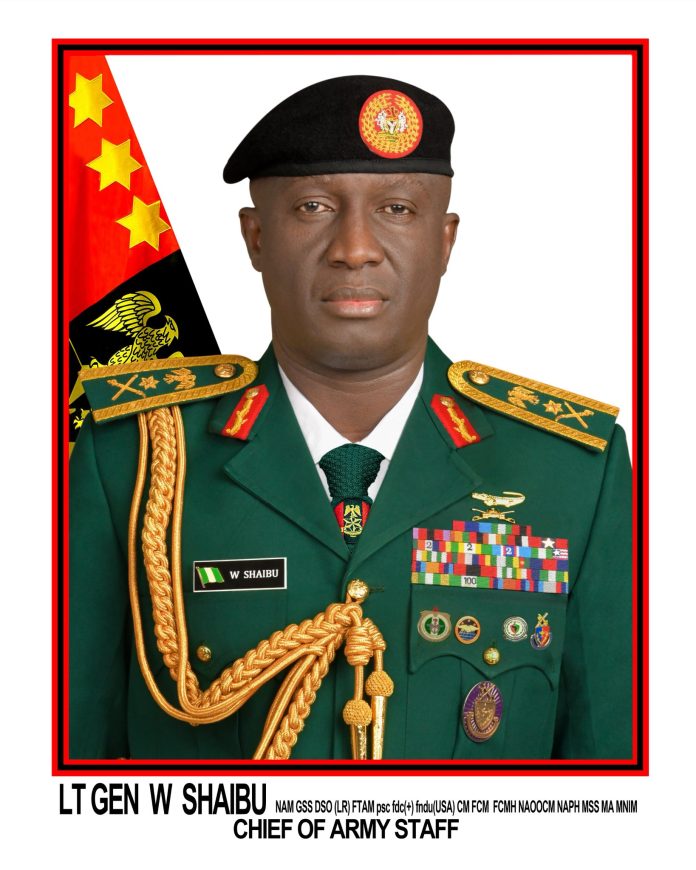
The Nigerian Army has unveiled the official portrait of the 25th Chief of Army Staff (COAS), Lieutenant General Waidi Shaibu, with a directive to the media and the public to desist from using outdated photographs of the Army chief.

In a statement released on its official X (formerly Twitter) handle on Tuesday, the Army said the move was aimed at standardising official references to its leadership and preventing the circulation of images that no longer reflect the COAS’s current rank or status.

“The Nigerian Army wishes to inform the general public, particularly the media community, that the official portrait of the Chief of Army Staff, Lieutenant General Waidi Shaibu, has been released. You are kindly requested to update your media archives and refrain from using previous photographs, especially those depicting the Chief of Army Staff with the rank of Major General,” the statement read in part.

The statement further clarified that an earlier portrait previously issued through its official handle should be disregarded. It emphasised the need for consistency across all platforms and official communications involving the Army’s leadership.

“Additionally, you are to disregard the initial portrait issued via this handle,” the Army added.

Commending the media for its continued professionalism, the Army expressed appreciation for journalists’ contributions to national security through responsible reportage.

“The Nigerian Army sincerely appreciates your professionalism, commitment, and invaluable contributions to national security through factual and responsible reporting of our activities,” it stated.

Lieutenant General Shaibu, who assumed office earlier this year as the 25th Chief of Army Staff, has since spearheaded strategic operations across the country aimed at strengthening internal security and operational efficiency.

The release of his official portrait, the Army noted, marks a formal representation of his current position, ensuring that the public and the media have a correct visual reference for Nigeria’s top Army officer.

WHO Raises Alarm As Diabetes Cases In Africa Hit 24 Million

The World Health Organisation (WHO) has revealed that over 24 million adults aged between 20 and 79 are currently living with diabetes across Africa — a figure projected to soar to 60 million by 2050 if urgent action is not taken.

In a statement marking the 2025 World Diabetes Day in Abuja on Thursday, the WHO Regional Director for Africa, Dr Mohamed Janabi, described the continent’s rising diabetes burden as “unprecedented,” attributing it to rapid lifestyle changes, increasing obesity rates, and inadequate access to preventive and primary healthcare services.

According to Janabi, nearly 12 million people — representing half of Africa’s diabetic population — remain undiagnosed, silently facing heightened risks of complications such as heart disease, kidney failure, blindness, nerve damage, and premature death.

“The scale and speed of this trend demand urgent and sustained action. Without intervention, diabetes will overwhelm our health systems, strain economies, and erode decades of development gains.”

The WHO chief stressed that health systems across Africa must be resilient, well-resourced, and capable of delivering continuous care — from prevention and early detection to long-term treatment and support.

He noted that this year’s World Diabetes Day, themed “Diabetes Across Life Stages,” underscores that the disease affects children, adolescents, adults, and the elderly alike, with each age group requiring tailored interventions.

“Diabetes spares no one. Prevention and care must extend across the entire life course.” Janabi said.

Dr Janabi recalled that in 2024, African member states endorsed the Framework for the Implementation of the Global Diabetes Compact in Africa, reaffirming their commitment to equitable and comprehensive care.

Under this framework, countries like Ghana and Uganda have begun integrating diabetes and cardiovascular services into primary healthcare, ensuring earlier detection and more accessible management.

The WHO, he added, is supporting countries in scaling up effective interventions through the WHO Package of Essential Non-communicable Disease Interventions (WHO PEN), now operational in 31 African countries, and the PEN-Plus initiative, implemented in 20 countries to expand access to quality, affordable chronic disease care at the primary level.

Janabi urged African governments to move beyond policy declarations and translate commitments into measurable results by strengthening governance, increasing funding for non-communicable disease programmes, and mainstreaming diabetes care into national health systems.

“The time to act is now. By investing in prevention, early diagnosis, and sustained care, Africa can reverse this worrying trajectory and secure a healthier future for its people.”

The WHO estimates that diabetes-related deaths and complications could rise sharply if current trends persist, underscoring the urgent need for coordinated regional and national responses across the continent.

Tinubu Meets Regional Development Minister, Commissions On Insecurity And Infrastructure Drive

President Bola Tinubu on Monday met with the Minister of Regional Development, Abubakar Momoh, and the leadership of seven regional development commissions at the Presidential Villa, Abuja, to discuss strategies aimed at tackling insecurity and accelerating critical infrastructure development across Nigeria’s geo-political zones.

Briefing State House correspondents after the closed-door session, Momoh said the meeting focused on strengthening collaboration between the federal and state governments to deliver sustainable development, particularly in the areas of security, road rehabilitation, and regional integration.

“The commissions are not the chief executives of their respective regions, but they are mandated to complement the work of both the federal and state governments, especially in addressing security challenges,” he said.

The minister noted that several commissions were already contributing to regional infrastructure, citing examples of road rehabilitation projects currently underway through state initiatives, including the 10-kilometre repair on the Benin–Warri Road in Delta State and work along the Sapele–Ogorode corridor in Edo State.

He added that such partnerships would be expanded nationwide as newer commissions begin full operations.

Momoh explained that the development commissions have adopted a four-phase master plan designed to rebuild and connect economic clusters across Nigeria. The first phase focuses on security, the second on sustainability, while the current third phase prioritises infrastructure renewal and market access to spur local productivity and regional trade.

He attributed the deplorable condition of many federal roads to years of neglect and weak institutional capacity, noting that the Federal Roads Maintenance Agency (FERMA) had not been “fully alive to its responsibilities for nearly a decade.”

“We are now taking a holistic approach — linking communities, opening up markets, and improving mobility — all of which are essential to national security and development,” he said.

Funding Challenges and Presidential Intervention

Addressing concerns over delays in releasing take-off funds for some newly established development commissions, the minister revealed that securing the necessary financial backing formed part of the discussions with President Tinubu.

He assured that the administration remains committed to empowering the commissions to deliver on their mandates, stressing that sustainable regional development is a cornerstone of President Tinubu’s Renewed Hope Agenda.

The meeting comes amid growing calls for decentralised development initiatives to tackle rising insecurity, improve infrastructure, and strengthen governance across Nigeria’s six geo-political zones.

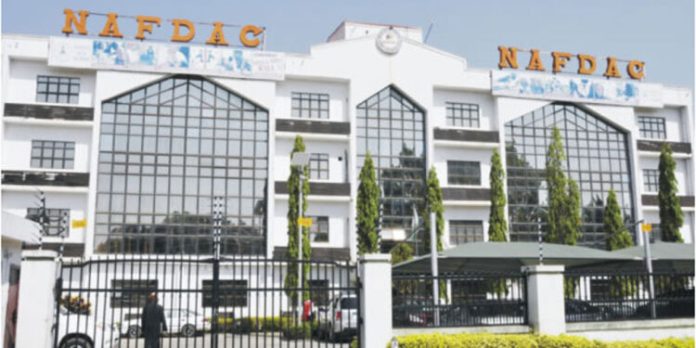
NAFDAC Sets December 2025 Deadline For Ban On Sachet And Small-Size Alcoholic Drinks

The National Agency for Food and Drug Administration and Control (NAFDAC) has announced a definitive ban on the production, sale, and distribution of alcoholic beverages packaged in sachets and bottles smaller than 200 millilitres, effective December 2025.

The agency’s Director General, Professor Mojisola Adeyeye, announced during a press conference in Abuja, describing the move as a decisive step to curb the public health risks associated with the widespread consumption of cheap, high-alcohol-content beverages.

“The proliferation of alcoholic drinks in sachets and small bottles has made them easily accessible, affordable, and concealable — leading to rampant misuse, especially among minors and commercial drivers,” Adeyeye said.

She noted that the abuse of these products has been linked to a surge in domestic violence, road accidents, school dropouts, and other social vices, warning that the trend poses a serious threat to national health and safety.

The ban follows a long-standing campaign by health authorities to control the sale of low-cost, high-strength alcohol in Nigeria. In 2018, NAFDAC, the Federal Ministry of Health, the Federal Competition and Consumer Protection Commission (FCCPC), and key industry bodies — including the Association of Food, Beverage and Tobacco Employers (AFBTE) and the Distillers and Blenders Association of Nigeria (DIBAN) — signed a five-year Memorandum of Understanding (MoU) to phase out such products.

The agreement was prompted by growing evidence that sachet and mini-bottle alcohol products were being consumed by children, teenagers, and drivers, exposing them to health and social risks.

While the initial ban was scheduled for 2023, manufacturers sought extensions to allow time for production adjustments and inventory clearance. The Federal Government consequently approved a one-year moratorium in 2024, extending the implementation deadline to December 2025.

Senate Resolution and Enforcement

Professor Adeyeye explained that the new directive aligns with a Senate resolution expressing concern over the availability of cheap alcohol, particularly its impact on youth and vulnerable groups.

“The Senate’s position is clear — no further extensions will be granted, manufacturers and retailers must ensure full compliance before the December 2025 deadline.” She said.

She emphasised that the measure is not punitive but geared towards protecting public health, adding that enforcement will commence in January 2026 in partnership with relevant law enforcement and regulatory agencies.

According to NAFDAC, the agency will intensify public awareness campaigns and stakeholder engagement to ensure a smooth transition to safer and compliant packaging.

The upcoming ban marks a significant step in Nigeria’s broader efforts to regulate alcohol consumption and curb its associated health and social challenges — particularly among young people and high-risk groups.

Israel Bids Farewell To Officer Hadar Goldin, 11 Years After His Death In Gaza

Hundreds of mourners gathered in the central Israeli town of Kfar Saba on Tuesday to pay their final respects to army officer Lt. Hadar Goldin, whose remains were returned by Hamas after being held in Gaza for more than a decade.

The military cemetery overflowed with attendees, some perched-on rooftops to witness the solemn ceremony, while others watched on large outdoor screens. The atmosphere was steeped in emotion as Israeli flags waved in the wind and mourners held aloft portraits of the young officer, accompanied by banners reading “We will remember forever.”

Goldin’s remains were returned to Israel on Sunday as part of a Gaza ceasefire deal brokered by U.S. President Donald Trump, bringing closure to an 11-year ordeal that gripped both his family and the nation.

His father, Simcha Goldin, described his son as a “Jewish warrior,” urging the crowd to uphold the values of unity and righteousness that Hadar embodied.

“Behave righteously and do not hate one another — that is Hadar’s legacy. Let there be a little more of Hadar in our daily lives.” He said.

Hadar Goldin, then 23, was killed on August 1, 2014, during Israel’s Operation Protective Edge in Gaza. He was leading a mission to destroy Hamas tunnels when he was ambushed, killed, and his body captured — just hours into a brief humanitarian truce.

For over a decade, his family campaigned tirelessly for his return. Tuesday’s burial marked the end of that painful chapter.

“Today is a hard day, but I am happy because Hadar’s coming was a dream,” In our army, we do not leave anyone behind.” said Israel Blumshtein, a 76-year-old resident of Kfar Saba.

Goldin’s twin brother, Tzur Goldin, said Hamas’s use of hostages was a deliberate attempt to weaken the moral fabric of Israeli society.

“They aim to destroy us from within. Our victory will be to uphold our founding principle, never abandoning one another.” He said.

Though the Goldin family held a symbolic funeral in 2014 after partial remains were recovered, efforts to retrieve the rest through prisoner exchanges had long stalled.

“It’s some kind of relief because he’s been there for more than 11 years,” said Aharon Gamzu, a 48-year-old software engineer who attended the funeral draped in the Israeli flag. “Every soldier trusts that the country will do everything to bring them home. That’s what Hadar’s return means to us.”

Standing beside him, Einat Carmel Gamzu added: “It was important to be here to give him a final honour, our honour for him and for Israel.”

Since the ceasefire took effect on October 10, Hamas has released 20 living hostages and the remains of 24 others, including Goldin. However, the bodies of four hostages seized during Hamas’s October 7, 2023, attack — which triggered the latest Gaza conflict — remain in the enclave.

Goldin’s burial brings a measure of closure to a story that symbolised Israel’s commitment to its soldiers — a nation’s promise that none of its sons or daughters will ever be forgotten.

— AFP

Naira Holds Steady As Weekly Forex Inflows Drop By 15.7%

The naira traded flat across the official and parallel foreign exchange (FX) markets on Monday as weekly inflows declined by 15.7 per cent, signalling weaker FX supply and mild pressure on the local currency.

Data from the Central Bank of Nigeria (CBN) showed that the naira depreciated marginally by 72 kobo, closing at ₦1,437.29/$1 at the Nigerian Foreign Exchange Market (NFEM), compared to ₦1,436.57/$1 recorded last Friday.

At the parallel market, also known as the black market, the naira slipped further, trading at ₦1,460/$1 on Monday from ₦1,455/$1 previously. Traders attributed the weakness to a decline in dollar liquidity following reduced inflows into the market.

A market report by Coronation Merchant Bank Research revealed that total forex inflows through the NFEM dropped to $899.20 million, down from $1.04 billion in the previous week. The bank attributed the decline to reduced participation by foreign investors and corporates.

According to the report, Foreign Portfolio Investors (FPIs) remained the dominant source of FX inflows, contributing 60.13 per cent (about $540.70 million) of total liquidity. They were followed by non-bank corporates (13.99 per cent), individuals (12.75 per cent), and exporters (12.56 per cent), while other channels accounted for just 0.56 per cent.

The slowdown in inflows also ended the naira’s two-week appreciation streak, with the official rate weakening by 1.03 per cent week-on-week to close at ₦1,436.58/$1. Similarly, the parallel market rate depreciated by 1.71 per cent week-on-week to ₦1,465/$1, widening the gap between both markets to ₦28.42/$1, from ₦18.27/$1 in the preceding week.

Despite the softer inflows, Nigeria’s gross external reserves rose marginally by 0.29 per cent to $43.32 billion as of October 6, 2025 — an increase of $127.10 million week-on-week. The slight improvement was supported by the $899.20 million inflows and relatively lower outflows of $822.60 million during the review period.

Analysts at Coronation Merchant Bank maintained a cautiously optimistic outlook, forecasting that the naira will likely remain below the ₦1,500/$1 mark in the short term.

“In the near term, the naira is expected to remain stable below ₦1,500 per dollar, supported by steady portfolio inflows into the fixed-income market and improved liquidity conditions,” the analysts said.

They, however, cautioned that sustaining market stability would depend on the CBN’s ongoing reforms, sustained investor confidence, and deliberate efforts to build external buffers amid global economic uncertainties.

Market participants expressed optimism that the moderation in inflows may be temporary, with Eurobond proceeds and seasonal remittances expected to bolster liquidity in the coming weeks.

Analysts further noted that the current FX dynamics underscore the sensitivity of Nigeria’s currency to external investment flows, global risk sentiment, and local policy execution.

With foreign portfolio investors still accounting for the bulk of inflows, experts predict that exchange rate movements will continue to mirror the pace of capital inflows and central bank interventions in the near term.

Presidency Mulls NNPC Restructuring As Oil Output Declines

The Presidency has hinted at a potential restructuring of the Nigerian National Petroleum Company Limited (NNPC Ltd.) amid mounting concerns over its dwindling oil production levels and the country’s struggle to meet output targets.

This was disclosed by the Special Adviser to the President on Energy, Mrs. Olu Verheijen, during the Nigerian Association of Petroleum Explorationists (NAPE) Conference held on Monday in Lagos.

Verheijen, who outlined a new roadmap to revitalise Nigeria’s oil and gas sector, emphasised that the government’s three-million-barrel-per-day production target can only be achieved through performance-based reforms, not institutional sentiment.

NNPC’s Output Under Scrutiny

The presidential aide raised concerns about the company’s performance, revealing that NNPC Exploration and Production Limited (NEPL) currently produces only 220,000 barrels per day, representing less than 10 per cent of the nation’s total output.

She questioned the NNPC’s financial and operational capacity to independently undertake the drilling campaigns required to significantly raise production levels.

“Unlike the era when international oil companies carried the NNPC in joint ventures, today’s environment requires that we ask the hard questions,” Verheijen said. “Can NNPC deliver the growth we need on its own balance sheet? If not, we must have the courage to restructure asset ownership and invite credible operators with the technical expertise, financial strength, and governance discipline to move the sector forward.”

According to her, revitalising the national oil company demands more than patriotic sentiment — it requires “performance-based stewardship” and strategic reforms that prioritise efficiency over bureaucracy.

A Framework for Sector Renewal

Verheijen presented a reform framework she termed the “Four Rs” — Reserves, Revenues, Reliability, and Responsibility, which she described as the pillars for sustainable energy growth in Nigeria.

On reserves, she noted that exploration must go beyond policy rhetoric, urging Nigeria to act decisively to attract fresh capital.

“Exploration is not a PowerPoint presentation — it is a high-risk venture, but risk has a price, and clarity is the discount. Since 2023, under President Tinubu’s leadership, Nigeria has worked to restore that clarity,” she said.

She cautioned that Nigeria must accelerate reforms to remain competitive in the global energy space. “Investors today are spoiled for choice. They will put their money where returns are clear, stable, and predictable,” she added.

Unlocking $8 Billion in Energy Investments

Highlighting the administration’s early achievements, Verheijen disclosed that in just 18 months, the government has unlocked over $8 billion in final investment decisions (FIDs) through projects such as Ubeta, Bonga North, and HI, with a clear line of sight to an additional $20 billion.

“These aren’t just signed papers — they represent shovels already in the ground,” she noted. “We are commercialising gas through long-term supply agreements, driving LNG expansion, and boosting gas-to-power and industrial utilisation to turn stranded resources into bankable assets.”

Verheijen said the government’s revenue agenda now extends beyond exports to domestic value creation, including expanding LPG and CNG adoption, boosting petrochemical and fertiliser production, and advancing local refining capacity to end fuel importation and strengthen regional energy security.

The presidential aide urged indigenous companies — such as Renaissance, Oando, Seplat, and Aiteo — to transition from small-scale operations to large-scale greenfield developments, citing landmark projects by Shell and ExxonMobil as models that “truly move the needle.”

“Independence must not mean inertia,” she said. “Our journey to three million barrels a day depends on local operators rising to the challenge of bold, technically sound, and capital-intensive exploration.”

Responding to the remarks, Chairman of NNPC Limited, Ahmadu Kida, reaffirmed the company’s commitment to transformation and collaboration.

“At NNPC Limited, we aim to be a company every Nigerian is proud of — a symbol of national achievement,” Kida said. “In the next five years, we envision NNPC as Africa’s undisputed energy champion, one that embodies excellence, innovation, and the spirit of national pride.”

He added that the company’s motto remains collaboration and inclusivity, with a focus on building strong partnerships to position NNPC as the continent’s energy company of choice.

BizWatchNigeria.Ng
Privacy Overview

This website uses cookies so that we can provide you with the best user experience possible. Cookie information is stored in your browser and performs functions such as recognising you when you return to our website and helping our team to understand which sections of the website you find most interesting and useful.