








Key Points
- African Perinatal Society urges pregnant women to begin antenatal care early.
- Experts say early detection can help prevent deaths linked to pre-eclampsia, diabetes and other pregnancy complications.
- Society plans regular training for frontline healthcare workers and support for underserved facilities.
Main Story
The African Perinatal Society (APS) has urged pregnant women to register for antenatal care early as part of efforts to reduce maternal and newborn deaths in Nigeria and across Africa.
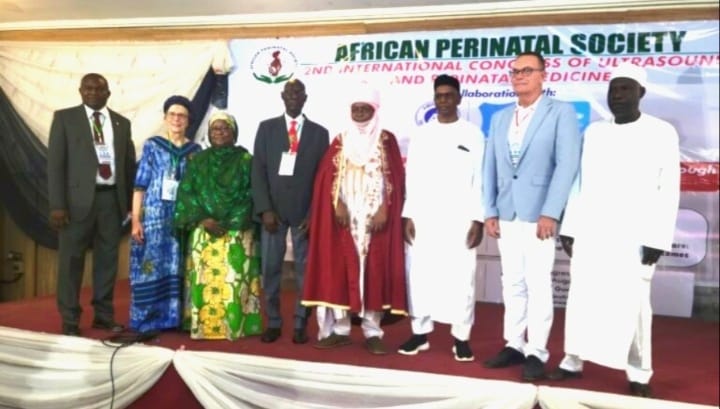
The society made the call during its Second International Congress of Ultrasound and Perinatal Medicine, organised in partnership with UNICEF and Aminu Kano Teaching Hospital (AKTH).
President of APS, Prof. Aliyu Dayyabu, said the congress was designed to bring specialists and other healthcare professionals together to develop practical approaches to tackling maternal and perinatal illness and deaths.
Dayyabu, a Consultant Obstetrician-Gynaecologist and lecturer at Bayero University Kano, said some international participants had also donated medical equipment to healthcare facilities that needed them.
He added that the society was planning to bring experts back from August next year for regular three-day training programmes targeting frontline health workers.
The training would involve nurses, midwives and doctors working across primary, secondary and tertiary healthcare facilities, with the aim of improving the quality of care available at community level.
The Issues
Prof. Vedran Stefanovic, a Professor of Obstetrics and Gynaecology and Maternal-Fetal Medicine from Finland, identified early antenatal booking as one of the most affordable ways of reducing maternal mortality.
He said early visits to healthcare facilities could allow conditions that threaten the health of mothers and babies to be detected and managed before they become severe.
Among the conditions he identified were pre-eclampsia, HIV transmission, diabetes and complications associated with large babies.
Stefanovic said women, particularly those living in rural communities, needed better information about the importance of starting antenatal care early.
He also called for stronger rural healthcare facilities and improved training for midwives so they could provide basic antenatal services and refer high-risk pregnancies promptly.
What’s Being Said
“Early antenatal booking is one of the most effective and affordable interventions for reducing maternal deaths.” — Vedran Stefanovic, Professor of Obstetrics and Gynaecology and Maternal-Fetal Medicine
“Many maternal deaths could be prevented if women visited health facilities early after becoming pregnant.” — Vedran Stefanovic, Professor of Obstetrics and Gynaecology and Maternal-Fetal Medicine
What’s Next
APS plans to continue working with healthcare professionals and partners to improve maternal, fetal and neonatal care.
Dayyabu said experts were expected to return from August next year to conduct regular three-day training sessions for frontline healthcare workers.
The society also intends to extend improved practices from tertiary institutions to primary and secondary facilities, particularly those serving rural communities.
UNICEF Health Manager, Dr Serekeberehan Seyoum, commended APS for its work in research, training and collaboration in maternal, fetal and neonatal health.
He said the congress, themed “Synergy in Practice: Transforming Perinatal Outcomes Through Obstetrics and Neonatal Partnerships,” could strengthen healthcare systems through scientific presentations, practical training and the use of modern technologies.
Bottom Line
Experts at the congress identified early antenatal care as a relatively affordable way to detect pregnancy complications before they become life-threatening. Expanding access to trained healthcare workers, stronger rural facilities and timely referrals will be crucial to turning that intervention into lower maternal and neonatal mortality.











 has urged pregnant women to register for antenatal care early as part of efforts to reduce maternal ...)