






Key Points:
• Utsev wants water engineers to use technology to improve resource management.
• Experts say infrastructure alone cannot guarantee Nigeria’s water security.
• NIWE calls for stronger governance, investment and professional leadership.
Main Story
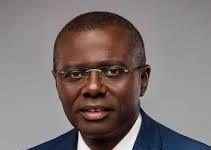
The Minister of Water Resources and Sanitation, Prof. Joseph Utsev, has called on Nigerian water engineers to develop practical solutions to the country’s water challenges through innovation, improved governance and sustainable resource management.
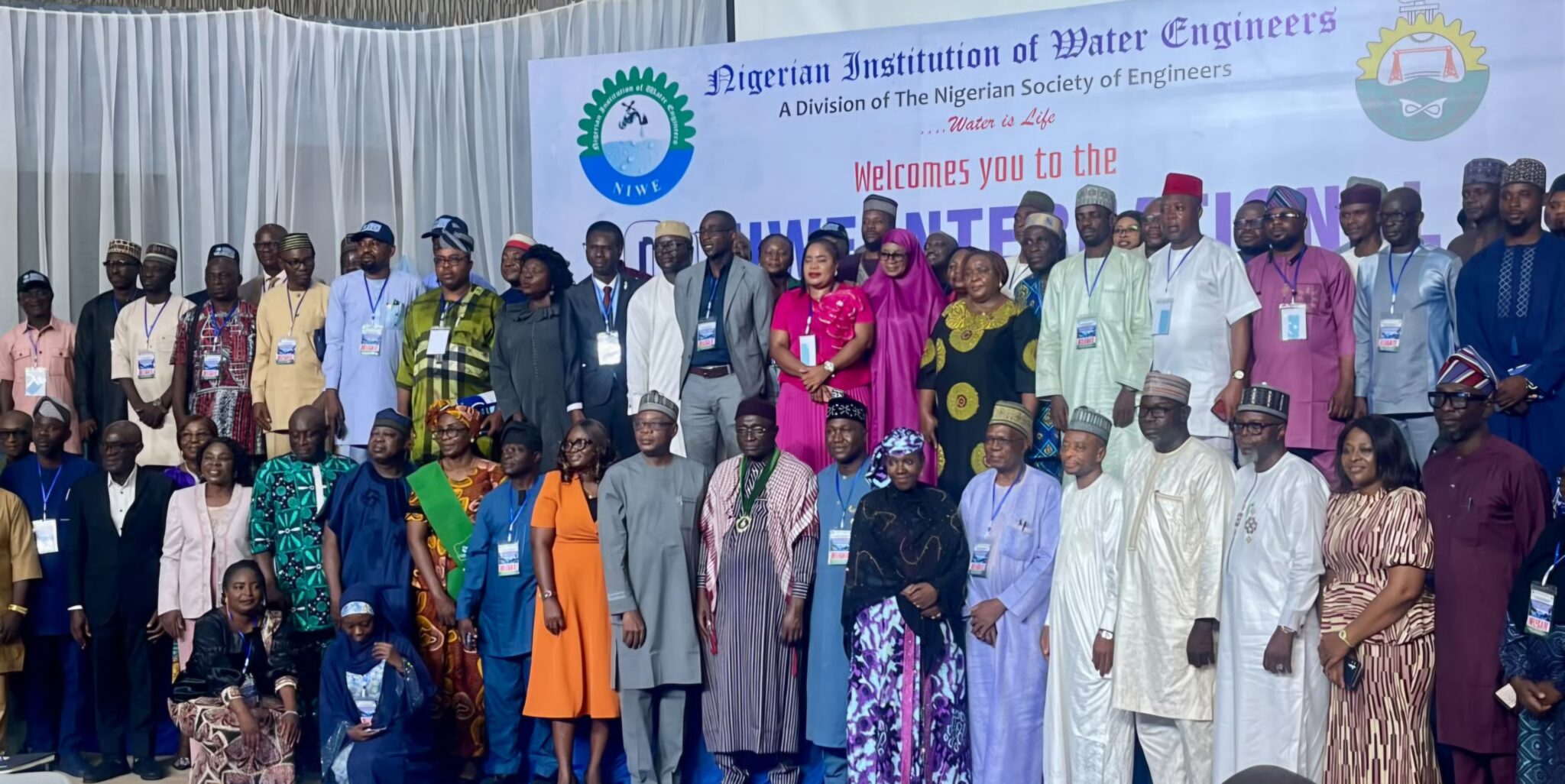
Utsev made the call on Tuesday in Abuja at the 9th International Water Conference of the Nigerian Institution of Water Engineers, NIWE.
The conference, themed “Effective Water Governance and Security: Innovating for a Resilient Future,” focused on the need to strengthen Nigeria’s capacity to manage its water resources in the face of growing pressures.
Represented by the Director of Dams and Reservoir Operations, Mr Ali Dallah, the minister identified climate change, rapid urbanisation, inadequate infrastructure and transboundary water management as major challenges facing the sector.
He said engineers needed to apply emerging technologies, including artificial intelligence, remote sensing and real time monitoring, alongside improved hydrological, hydrogeological and data management systems.
Utsev also called for closer cooperation between government agencies, professional bodies, universities, private businesses, development partners and local communities.
He said water sector challenges could not be addressed by a single institution and urged engineers to focus on solutions that could be implemented at scale and sustained over time.
The minister also urged participants to examine financing options for water projects, public private partnerships, climate resilient infrastructure, digital water management, dam safety, irrigation, sanitation and professional capacity development.
The President of the Nigerian Society of Engineers, Ali Rabiu, said achieving water security would require stronger institutions, evidence based policies, integrated planning, responsible management of resources and wider use of technology.
Rabiu said engineers remained central to the development of dams, treatment plants, irrigation systems, drainage networks and other infrastructure required for water security.
He, however, called for greater cooperation between engineers and government institutions, academic institutions, private sector organisations and international development agencies.
The Executive Director of the Nigeria Integrated Water Resources Management Commission, Dr Abdulmumuni Aminu Zaria, said recurring water problems and climate related impacts exposed weaknesses in the management of the country’s water resources.
Represented by the Director of Catchment Management and Water Utilisation, Sakinatu Jimeta, Aminu Zaria said infrastructure development must be supported by effective institutions, transparent resource allocation, reliable data and political commitment.
He called for innovative financing, including blended public and private investment, infrastructure bonds and climate adaptation funds, to address the country’s water infrastructure deficit.
The National Chairman of NIWE, Joshua Sanga, said the conference was intended to examine the challenges confronting the sector and identify ways to strengthen its resilience.
He listed inadequate access to safe water, sanitation deficits, flooding, drought, groundwater depletion, climate variability, ageing infrastructure and growing pressure on water resources among the sector’s challenges.
Sanga said water engineers had responsibilities beyond designing and constructing infrastructure, including contributing to the planning, protection and sustainable management of the country’s water resources.
The Issues
Nigeria’s water security challenge extends beyond the availability of physical infrastructure.
The speakers identified governance, financing, data, regulation, professional capacity and coordination among stakeholders as necessary components of effective water resource management.
Technology was also highlighted as a means of improving planning, monitoring and decision making across the sector.
What’s Being Said
“This is where innovation, technology and professional expertise become indispensable. The engineering profession, and NIWE in particular, has a critical role to play.” – Prof. Joseph Utsev, Minister of Water Resources and Sanitation
“Water security will not be achieved through infrastructure alone. Sound engineering must be complemented by institutional mandates, transparent allocation rules, data and political will.” – Dr Abdulmumuni Aminu Zaria, Executive Director, NIWRMC
“Our responsibility goes beyond designing and constructing infrastructure; we must contribute to the planning, management, protection and sustainable utilisation of our water resources.” – Joshua Sanga, National Chairman, NIWE
What’s Next
NIWE and other stakeholders are expected to use the conference to advance discussions on water governance, financing, technology, infrastructure development and professional capacity building.
Bottom Line
Nigeria’s water sector requires more than infrastructure investment. The conference placed innovation, effective governance, reliable data and collaboration at the centre of efforts to improve water security.