




Home Blog Page 79

How Nigerians can apply for ECOWAS $65,000 Startup Award

Key points

  • The Economic Community of West African States (ECOWAS) has opened applications for its second Startup Awards.
  • The programme offers a total of $65,000 in cash prizes to qualifying startups across the region.
  • Applications opened on Aug. 3, 2026, and close on Aug. 31, 2026.
  • The programme targets 60 startups across 12 ECOWAS member states and six sectors.
  • Selected startups will undergo virtual masterclasses from Sept. 21 to 25, followed by a physical event in Abuja from Sept. 28 to 30.
  • Winners will also receive investor access, regional visibility, mentorship and digital tools.
  • Nigerian startups can apply through the official ECOWAS Startup Awards application portal.

Main Story

Nigerian startups can apply for the second edition of the ECOWAS Startup Awards, a regional programme offering cash prizes and business development opportunities to innovative businesses across West Africa.

The ECOWAS Commission announced the programme on its X handle on Monday, saying the initiative is designed to identify, celebrate and scale innovative startups while advancing digital entrepreneurship, innovation and economic integration across the region.

Applications opened on Aug. 3 and will close on Aug. 31, 2026.

The programme targets 60 startups from the 12 ECOWAS member states across six sectors: EdTech and Skills Development; FinTech; HealthTech; AgriTech and Food Systems; CleanTech, Climate and Green Innovation; and Tourism, Hospitality and TravelTech.

The second edition follows the inaugural Startup Awards held in Niamey, Niger, in November 2021.

Selected startups will participate in virtual masterclasses from Sept. 21 to 25 before proceeding to a physical event in Abuja from Sept. 28 to 30. The programme will culminate in regional finals on Sept. 30.

The Issues

For Nigerian startups, the award offers access to funding, investors and regional markets at a time when many early-stage businesses face challenges accessing capital and scaling beyond their domestic markets.

However, applicants must demonstrate more than an innovative idea. The programme requires startups to have operated for at least two years, have a working product or service and provide evidence of market traction or scalability.

Applicants will also need to prepare financial information, a business plan, pitch deck and a one-minute pitch video, making the quality and completeness of their application important to the selection process.

Prizes and Benefits

The programme offers $65,000 in total cash prizes, with:

  • Winner: $30,000
  • First runner-up: $20,000
  • Second runner-up: $15,000

Beyond the cash awards, successful startups will gain regional visibility across ECOWAS member states and access to investors through deal rooms.

Other benefits include networking opportunities with founders, policymakers and development partners, as well as a six-month post-award acceleration and mentorship programme.

Selected startups will also receive digital tools, including computers, accessories and software.

Who Can Apply?

Nigerian applicants must meet the following requirements:

  • Be a citizen of an ECOWAS member state.
  • Operate a startup registered and based in an ECOWAS country.
  • Have been operating for at least two years.
  • Have a working product or service.
  • Demonstrate market traction or scalability.
  • Submit all required documentation.

How Nigerians Can Apply

Interested Nigerian founders should access the official ECOWAS Startup Awards application portal.

Applicants will first create an account using their full name, email address, telephone number and a password of at least 10 characters.

After registration, applicants can log into their dashboard and begin a new application. The application form contains Sections A through J and can be saved as a draft before final submission.

Documents Required

Applicants should prepare:

  1. National passport or ECOWAS-approved identity document of the lead founder.
  2. Recent passport photograph.
  3. Business registration certificate issued in an ECOWAS member state, where applicable.
  4. Two years of financial statements, management accounts or financial projections.
  5. Business plan of not more than 10 pages, single-spaced, in Times New Roman, 12-point font.
  6. Pitch deck of not more than 10 slides.
  7. One-minute pitch video in MP4, MOV or WebM format, with a maximum file size of 100 MB.

Selection Process

Selection will take place in two phases.

During the national selection phase, each member state will nominate half of its allocated slots, while the remaining slots will be selected through open public applications.

Finalists will then proceed to the regional finals in Abuja, where they will pitch their businesses before an independent jury comprising industry experts, investors and policy stakeholders.

Applications will be assessed using the following criteria:

Selection criterionWeight
Problem clarity and solution fit20%
Innovation and originality20%
Team capacity and execution ability15%
Market potential and scalability10%
Business model and financial viability10%
Social and economic impact10%
Alignment with ECOWAS priorities10%
Pitch/online voting/data integrity5%

What’s Next

Nigerian startups interested in the programme have until Aug. 31, 2026 to submit their applications.

Successful applicants will proceed to the virtual masterclasses in September before the physical Abuja event and regional finals later that month.

Founders should therefore ensure that their business registration documents, financial records, pitch deck, business plan and pitch video are complete before submitting their applications.

Bottom Line

The ECOWAS Startup Awards offers Nigerian startups more than a chance to win part of a $65,000 prize pool. The programme also provides access to investors, regional exposure, mentorship and digital resources that could help viable businesses scale across West Africa. For eligible Nigerian founders, the immediate priority is to submit a complete and compelling application before the Aug. 31 deadline.

NLC protest disrupts flights, strands passengers in Lagos, Abuja

Key Points

  • Labour unions disrupted domestic flight operations in Lagos and Abuja over unresolved demands.
  • NCAA urged the unions and airlines to return to dialogue.
  • United Nigeria Airlines suspended operations, while Air Peace reported blocked terminal access.
  • NCAA said flight safety remained uncompromised despite the disruption.

Main Story

Domestic air travel was disrupted in Lagos and Abuja on Tuesday as labour unions picketed airlines over unresolved demands, leaving passengers stranded and forcing some carriers to suspend or interrupt scheduled flights.

The action involved the Nigeria Labour Congress (NLC), Air Transport Services Senior Staff Association of Nigeria (ATSSSAN) and Trade Union Congress (TUC), with the dispute centred on the unionisation of airline workers and the remittance of statutory charges to the aviation regulator.

The Nigeria Civil Aviation Authority (NCAA), in response to the disruption, called for restraint and urged the unions to suspend the action pending the return of the Minister of Aviation and Aerospace Development, Festus Keyamo, who has been working to resolve the dispute.

In a statement signed by the Director General of Civil Aviation at the NCAA, Capt. Chris Najomo, the authority said the issues could have been addressed at a meeting called by the minister the previous week.

The meeting, however, could not take place because the airline operators failed to attend, the NCAA said.

The authority also sought to reassure passengers that the industrial action had not compromised flight safety and that it remained fully engaged in its statutory safety oversight duties.

United Nigeria Airlines subsequently suspended its flight operations, citing the labour action against domestic airlines.

The airline said it took the decision because passenger and crew safety remained its priority and assured affected travellers that they would receive information on revised flight schedules.

Air Peace also reported significant disruption to its operations after union members picketed its facilities in Lagos and Abuja.

The airline said access to its departure terminals at Murtala Muhammed Airport Terminal 1, including the Alpha and Zulu Terminals, Terminal 2 in Lagos, and the Nnamdi Azikiwe International Airport terminal in Abuja had been blocked.

According to Air Peace, the restrictions prevented scheduled departures from Lagos and Abuja and affected passengers travelling across its network.

The airline apologised to stranded passengers and said those scheduled to travel later in the day were being contacted as developments unfolded.

Both airlines said they were monitoring the situation and would provide further updates as efforts continued to restore normal operations.

The Issues

The dispute centres on workers’ unionisation and the remittance of statutory charges by domestic airlines. The industrial action has consequently affected flight schedules and access to airport terminals in Lagos and Abuja.

What’s Being Said

“We appeal to all parties to embrace dialogue and cooperation. We are confident that the matter will be resolved shortly and normal flight operations will resume as soon as practicable.” – Capt. Chris Najomo, NCAA Director-General of Civil Aviation

“Rather than compromise on safety, we have chosen to pause operations until normalcy is restored.” – United Nigeria Airlines

“We appreciate the patience and understanding of our passengers as we navigate this situation.” – Air Peace

What’s Next

The NCAA is urging the unions and airline operators to return to dialogue while awaiting the minister’s intervention. United Nigeria Airlines said it would resume operations once normalcy returned, while Air Peace said it would continue monitoring developments and updating passengers.

Bottom Line

The labour dispute has disrupted domestic air travel in Lagos and Abuja, leaving passengers stranded and forcing airlines to suspend or limit operations as efforts continue to resolve the underlying issues.

Ma’aji says patriotism drove alleged plot against Tinubu

Key Points

  • Colonel Mohammed Ma’aji says economic hardship and poor governance shaped his concerns about Nigeria.
  • He says the alleged plan was still at the mobilisation stage when he was arrested.
  • Ma’aji calls for improved military welfare, remuneration, pensions and stronger anti-corruption measures.
  • He appeals to authorities for leniency, saying the experience changed his approach.

Main Story

Colonel Mohammed Ma’aji, accused of involvement in an alleged plot to overthrow President Bola Tinubu’s administration, has said his actions were motivated by patriotism and concern over Nigeria’s worsening condition rather than personal ambition.

Ma’aji, according to Premium Times on Monday, said economic hardship, poor governance and declining welfare among Nigerians and military personnel influenced his concerns about the country’s direction.

He said his personal difficulty providing for his five children on his salary also heightened his concerns about the economic situation.

Ma’aji also raised concerns about the welfare of soldiers, particularly military personnel wounded during operations. He alleged that some injured soldiers receiving treatment at the 44 Nigerian Army Reference Hospital in Kaduna were not receiving adequate care.

He said the conditions affecting military personnel reinforced his belief that urgent measures were needed to change the country’s trajectory.

Ma’aji said the alleged plan involved mobilising officers who shared his concerns but maintained that the group had not reached the stage of executing any operation before his arrest.

According to him, the group was still seeking additional officers and resources and had yet to set a date for the proposed operation.

He also claimed that he personally financed much of the alleged plan, while Timipre Silva contributed about N400 million. He denied foreign involvement and said no date had been fixed for the proposed operation.

Ma’aji denied contacting some senior military officers but said widespread dissatisfaction within the military, alongside his unsuccessful promotion attempts, contributed to the revival of the alleged movement.

He called for a formal channel through which military officers could raise concerns with the Chief of Army Staff, Waidi Shaibu, without fear of victimisation.

Among his recommendations were improved remuneration and welfare packages for soldiers, better pension benefits, greater access to education and stronger measures against corruption in the country and the armed forces.

Ma’aji also criticised the removal of fuel subsidy, arguing that the policy should have been implemented gradually.

Following his arrest, he appealed to the authorities for leniency, saying his experience had caused him to reconsider his approach.

He said the alleged plot was not intended to destabilise the country and described the actions as being driven by patriotism and a desire for a prosperous Nigeria.

The alleged coup plot, which was uncovered in late September 2025, led to the cancellation of the October 1 Independence Day parade and changes in the military hierarchy, including the removal of Christopher Musa as Chief of Army Staff at the time.

The Issues

The allegations raise questions about military welfare, economic hardship, governance, internal channels for grievances within the armed forces and the consequences of alleged attempts to undermine constitutional government.

What’s Being Said

“What has happened has a very long history, and it is driven by patriotism and I love the job and country.” – Colonel Mohammed Ma’aji

“The summary of all this is that this action was driven by the desire to have a prosperous nation and country that we all can be proud of.” – Colonel Mohammed Ma’aji

“The plan was to get enough officers of like minds who could participate.” – Colonel Mohammed Ma’aji

What’s Next

Ma’aji is appealing for leniency while calling for reforms in military welfare, remuneration, pensions, education and channels for officers to raise concerns.

Bottom Line

Ma’aji maintains that patriotism, economic hardship and concerns about military welfare motivated his actions, while acknowledging that the alleged plan involved mobilising officers but had not reached the execution stage before his arrest.

Dollar To Naira Exchange Rate Today, August 11th, 2026

Dollar To Naira Exchange Rate

The exchange rate between the Naira and the US dollar, according to the data released on the FMDQ Security Exchange,the official forex trading portal, showed that the naira closed at 1367 per $1 on Tuesday, August 11th 2026. The naira traded as high as 1363 to the dollar at the investors and exporters (I&E) window on Monday. This is brought to you by Bizwatch Nigeria.

How much is a dollar to naira today in the black market?

Dollar to naira exchange rate today black market (Aboki dollar rate):

The exchange rate for a dollar to naira at Lagos Parallel Market (Black Market) players sell a dollar for ₦1430 and buy at ₦1415 on Monday 10th  August, 2026, according to sources at Bureau De Change (BDC).

Please note that the Central Bank of Nigeria (CBN) does not recognize the parallel market (black market), as it has directed individuals who want to engage in Forex to approach their respective banks.

Dollar to Naira Black Market Rate Today

Dollar to Naira (USD to NGN)Black Market Exchange Rate Today
Selling Rate₦1430
Buying Rate₦1415

Dollar to Naira CBN Rate Today

Dollar to Naira (USD to NGN)CBN Rate Today
Highest Rate₦1367
Lowest Rate₦1363

Please note that the rates you buy or sell forex may be different from what is captured in this article because prices vary.

Overnight lending rate eases as bank liquidity rises

By Boluwatife Oshadiya| August 11, 2026

Key Points

  • Overnight lending rate declines one basis point to 22.09% as system liquidity rises
  • Banking-system liquidity opens at ₦4.32 trillion, up ₦27.89 billion from Friday
  • Banks’ ₦4.09 trillion placement lifts Standing Deposit Facility balances to ₦4.35 trillion

Main Story

Nigeria’s overnight lending rate eased slightly on Monday as increased bank placements pushed financial-system liquidity higher despite the absence of an open market operation by the Central Bank of Nigeria (CBN).

Investment banking analysts reported that system liquidity opened at a credit balance of ₦4.32 trillion, an increase of ₦27.89 billion from Friday’s closing level.

Banks’ placements were the main contributor to the higher liquidity position, with ₦4.09 trillion placed through the Standing Deposit Facility, taking the facility’s balance to ₦4.35 trillion.

FMDQ money-market data showed the Open Buyback rate remained unchanged at 22%, while the overnight lending rate declined one basis point to 22.09%.

The movement came despite expectations of an open market operation from the CBN amid the elevated liquidity position.

Market analysts expect interbank funding rates to remain broadly range-bound in the near term as banks continue to operate with relatively high liquidity balances.

MarketForces Africa reported that financial-system liquidity had expanded by ₦1.10 trillion to ₦4.08 trillion in the previous week, with inflows from Open Market Operations (OMO) maturities and Standing Deposit Facility repayments offsetting liquidity absorption through OMO issuances.

What’s Being Said

Money-market analysts said the increase in system liquidity was driven primarily by bank placements and contributed to the marginal decline in the overnight lending rate.

Editorial note: A verified direct quotation from a named money-market analyst or FMDQ/CBN statement should be inserted here before publication, as the supplied source material contains no direct quote.

What’s Next

  • Banks will monitor liquidity conditions and interbank funding rates through the next trading sessions
  • Market participants will watch for any CBN liquidity-management operation following the elevated system balance
  • Overnight and Open Repo rates will remain key indicators of short-term money-market conditions

Bottom Line

The Bottom Line: The marginal decline in the overnight lending rate reflects abundant liquidity rather than a broad shift in monetary conditions. The direction of future CBN liquidity operations will determine whether the current ease in funding costs persists.

Naira strengthens as foreign investors drive FX inflows

By Boluwatife Oshadiya| August 11, 2026

Key Points

  • Naira appreciates to ₦1,360.14 per dollar at the official market from ₦1,365.69
  • Foreign portfolio investors provide $0.40 billion, accounting for 48.11% of weekly FX inflows
  • Gross external reserves rise 0.21% to $52.03 billion as interbank FX turnover falls 46%

Main Story

The naira strengthened against the US dollar at the official market on Monday as foreign portfolio investors remained the largest source of foreign exchange inflows.

According to Central Bank of Nigeria (CBN) daily foreign exchange data, the naira appreciated to ₦1,360.14 per US dollar from an opening rate of ₦1,365.69. Spot transactions during the session traded between ₦1,358.50 and ₦1,364.25 per dollar.

Interbank foreign exchange turnover fell 46% to $213.85 million from $393.48 million recorded at the previous Friday’s close, according to CBN data. Despite the lower value of transactions, the number of FX trades increased to 182 from 102.

The decline in turnover points to weaker demand from large-ticket foreign exchange customers during the session, while the increase in transaction count suggests broader market participation.

Foreign exchange inflows remained supported by portfolio investors. Coronation Merchant Bank’s research subsidiary reported total weekly FX inflows of $0.83 billion, with Foreign Portfolio Investors (FPIs) accounting for $0.40 billion, or 48.11% of the total.

Exporters contributed $0.27 billion, representing 32.47%, while non-bank corporates accounted for $0.12 billion, or 14.97%. Individuals contributed $0.02 billion, equivalent to 2.6% of total inflows.

Nigeria’s gross external reserves also increased 0.21% to $52.03 billion from $51.92 billion the previous week, according to the data provided.

The CBN did not provide an FX injection during the week covered by the report.

What’s Being Said

Coronation Merchant Bank’s research subsidiary said foreign portfolio investors remained the largest contributor to weekly FX inflows, while analysts expect the naira to remain broadly stable in the near term as external reserves provide a buffer against exchange-rate volatility.

Editorial note: A verified direct quotation from Coronation Merchant Bank, the CBN, or a named independent analyst should be inserted here before publication, in line with BizWatch Nigeria’s Daily News Brief sourcing standard.

What’s Next

  • Market participants will monitor the next round of official FX trading data for changes in turnover, demand and naira pricing
  • Investors will watch external-reserve movements and foreign portfolio flows for indications of continued FX liquidity
  • The naira’s performance in the official and parallel markets will remain a key indicator of underlying demand pressure

Bottom Line

The Bottom Line: The naira’s latest appreciation is being supported by continued foreign-currency inflows rather than a major reduction in underlying market pressure. Sustained portfolio inflows and a stronger reserve position could help contain short-term volatility, but the divergence between official and parallel-market pricing remains a key market signal.

Firm urges coordinated six-point roadmap for mass EV adoption

Key Points

  • Metropolitan Electric Ltd. calls for coordinated execution of existing EV policies.
  • It proposes a single 10-year roadmap, government procurement quotas and green-mobility financing.
  • The company also wants regulated charging infrastructure and performance-based local content.
  • It recommends prioritising high-mileage vehicles such as buses, logistics fleets and two- and three-wheelers.

Main Story

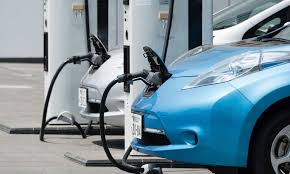
The Chief Executive Officer of Metropolitan Electric Ltd., Mr Olugbenga Obadina, has called for coordinated implementation of existing policies and a six-point roadmap to accelerate mass adoption of electric vehicles (EVs) in Nigeria.

Obadina made the call in a statement on Monday in Lagos, saying the country had reached a critical stage in its transition to electric mobility.

He said the immediate challenge was no longer policy formulation but coordinated execution by government agencies to reduce the uncertainty and costs facing operators and investors.

Obadina noted that Nigeria had already established several policy measures to support EV adoption, including the National Automotive Industry Development Plan (NAIDP) 2023–2033, which targets a 30 per cent local EV production share and 40 per cent local content.

He also cited the Nigeria Tax Act 2025, which provides for zero-rating of VAT on EVs and semi-knocked-down assembly parts, as well as the 2026 Fiscal Policy Measures, which reportedly reduced EV import duty from five per cent to zero.

According to him, government initiatives also cover EV procurement, charging infrastructure, standards, recycling and skills development.

He, however, said inconsistent tariffs, customs-related delays and demurrage costs could weaken investment in the sector.

Obadina said investors needed predictable regulations, long-term naira financing, clear charging permits and tariffs, as well as measurable local-content requirements.

He proposed a stable 10-year EV roadmap managed by a single coordinating body with sufficient authority to align relevant government agencies.

The second recommendation was the creation of anchor demand through progressively higher EV procurement quotas for government fleets and public transportation.

He also called for a naira-denominated green-mobility facility, credit guarantees and multi-year leasing arrangements to finance vehicle use rather than simply vehicle purchases.

Obadina said charging infrastructure should be treated as regulated infrastructure, with standardised permits, service levels and transparent tariffs.

He further advocated performance-based localisation, with incentives linked to production, quality, jobs, components, research and development and exports rather than vehicle assembly alone.

The sixth recommendation focused on building consumer and investor confidence through technician certification, transparent warranty disclosure, battery-health standards and clear end-of-life rules for batteries.

Obadina said the goal should be to develop an EV market capable of attracting finance, supporting local production and eventually operating without extraordinary government support.

He advised Nigeria to avoid relying primarily on the private-car-led model adopted in wealthier countries and instead prioritise vehicles with high daily mileage.

He identified buses, logistics vehicles, institutional fleets, two-wheelers and three-wheelers as strategic entry points because their intensive use could allow charging infrastructure and vehicle investments to generate returns more quickly.

Obadina added that charging infrastructure should be planned around actual depots, routes and daily driving patterns rather than deployed without consideration for vehicle utilisation.

The Issues

Nigeria has introduced several measures to support EV adoption, but operators and investors still face uncertainty linked to tariffs, customs delays, financing, charging infrastructure and other costs.

What’s Being Said

“These measures will not automatically translate into a functioning mass market unless government agencies work together to reduce the uncertainty and costs confronting operators and investors.” – Olugbenga Obadina

“The second is the creation of anchor demand through progressively higher EV procurement quotas for government fleets and public transportation.” – Olugbenga Obadina

What’s Next

The proposed roadmap calls for coordinated government action on policy, procurement, financing, charging infrastructure, local production and consumer confidence.

Bottom Line

Obadina’s proposal shifts the focus from announcing EV policies to executing them in a coordinated manner, with high-mileage commercial and public-service vehicles positioned as the initial drivers of adoption.

NIA unveils five-year strategy to deepen insurance penetration

Key Points

  • NIA will implement a five-year Awareness, Capacity Building and Enforcement (ACE) agenda.
  • The strategy will focus on public education, industry capacity and enforcement of compulsory insurance.
  • The association plans to expand digital insurance services and deploy technology to combat fraud.
  • NIA says prompt claims settlement will be critical to rebuilding public confidence.

Main Story

The Nigerian Insurers Association (NIA) has outlined a five-year strategy aimed at increasing insurance penetration in Nigeria through greater public awareness, stronger industry capacity and improved enforcement.

The Chairman of NIA, Mrs Ebelechukwu Nwachukwu, disclosed this in an interview with the News Agency of Nigeria (NAN) on Monday in Abuja.

Nwachukwu said the strategy would be implemented through an initiative known as the Awareness, Capacity Building and Enforcement (ACE) agenda, which seeks to move the insurance industry from potential to performance.

She said the awareness pillar would involve nationwide education campaigns to improve public understanding of insurance, with initiatives targeting people at different stages of life, including school children.

According to her, the association would also expand distribution channels to reach Nigeria’s diverse demographics.

Nwachukwu said the capacity-building pillar would focus on strengthening leadership, underwriting expertise and institutional capabilities within the industry.

She said capital being raised under the ongoing recapitalisation programme would be deployed to improve insurers’ ability to underwrite larger risks and deepen market penetration.

On enforcement, Nwachukwu said the NIA intended to work closely with state governments to ensure compliance with compulsory insurance policies, including those covering buildings under construction and public liability.

She said stronger enforcement would provide greater financial protection for citizens while increasing participation in the insurance market.

Following Lagos State’s recent enforcement initiative, she urged other states to establish similar platforms to improve compliance nationwide.

Nwachukwu also said prompt claims settlement would remain a key priority, adding that stronger, better-capitalised insurance companies and efficient compensation for policyholders would help build public confidence and encourage wider adoption of insurance.

She highlighted technology as another area of focus, saying the association had established an innovation hub to encourage technology-driven solutions.

According to her, NIA was developing platforms for electronic Know Your Customer (e-KYC) processes and a centralised claims repository to combat insurance fraud.

She said member companies were increasingly using artificial intelligence for property surveys, inspections, claims verification and customer service.

Nwachukwu added that digital platforms would enable customers to purchase insurance policies, verify compulsory insurance certificates and submit claims online.

She said continued investment in digital technology, data analytics and artificial intelligence would be essential to reducing fraud and delivering faster and more convenient insurance services across Nigeria.

The Issues

Insurance penetration remains dependent on public awareness, insurers’ capacity to underwrite larger risks, compliance with compulsory insurance requirements and public confidence in claims settlement. The NIA’s strategy targets these areas through its ACE framework and increased use of technology.

What’s Being Said

“Moving the insurance industry from potential to performance by prioritising ACE.” – Ebelechukwu Nwachukwu, Chairman, NIA

“Stronger, better-capitalised insurance companies and efficient compensation for policyholders would help build public confidence and encourage wider adoption of insurance.” – Ebelechukwu Nwachukwu, Chairman, NIA

What’s Next

The NIA will implement its ACE agenda over the next five years, with activities covering public education, capacity building, enforcement, claims settlement and digital transformation.

Bottom Line

The NIA’s five-year strategy seeks to widen insurance participation by improving public understanding, strengthening insurers’ capacity, enforcing compulsory insurance and making insurance services more accessible through digital platforms.

NIA unveils five-year ACE strategy to boost insurance penetration

Key Points

  • NIA will implement a five-year Awareness, Capacity Building and Enforcement (ACE) agenda.
  • The strategy will target public awareness, industry capacity and compliance with compulsory insurance.
  • The association plans to expand digital platforms and use AI to improve insurance services and combat fraud.

Main Story

The Nigerian Insurers Association (NIA) is set to implement a five-year strategy aimed at increasing insurance penetration through greater public awareness, stronger industry capacity and improved enforcement of compulsory insurance policies.

The Chairman of NIA, Mrs Ebelechukwu Nwachukwu, disclosed this in an interview with the News Agency of Nigeria (NAN) on Monday in Abuja.

She said the strategy, known as the Awareness, Capacity Building and Enforcement (ACE) agenda, was designed to move the insurance industry from potential to performance.

Nwachukwu said the awareness component would involve nationwide campaigns to improve public understanding of insurance and would target different groups, including school children. She added that the association would also expand distribution channels to reach Nigeria’s diverse demographics.

She said the capacity-building component would focus on strengthening leadership, underwriting expertise and institutional capabilities across the industry.

According to her, funds being raised under the ongoing recapitalisation programme would help insurers increase their capacity to underwrite larger risks and deepen market penetration.

Nwachukwu said the association would also collaborate with state governments to enforce compulsory insurance policies, including those covering buildings under construction and public liability.

She said stronger enforcement would offer greater financial protection to citizens while encouraging wider participation in the insurance market.

Following Lagos State’s recent enforcement initiative, Nwachukwu urged other states to establish similar platforms to improve compliance.

She identified prompt claims settlement as another priority, saying stronger, better-capitalised insurers and efficient compensation would be important to building public confidence in the industry.

On technology, Nwachukwu said NIA had established an innovation hub to promote technology-driven solutions within the sector.

She said the association was developing electronic Know Your Customer (e-KYC) platforms and a centralised claims repository to help combat insurance fraud.

Nwachukwu added that insurance companies were increasingly applying artificial intelligence to property surveys, inspections, claims verification and customer service.

She said digital platforms would also allow customers to purchase policies, verify compulsory insurance certificates and submit claims online.

Nwachukwu said continued investment in digital technology, data analytics and artificial intelligence would be essential to reducing fraud and providing faster and more convenient insurance services across Nigeria.

The Issues

The strategy addresses key areas affecting insurance penetration, including limited public understanding, industry capacity, enforcement of compulsory policies, claims settlement and the adoption of technology.

What’s Being Said

“the strategy would run in the next five years through an initiative known as the Awareness, Capacity Building and Enforcement (ACE) agenda.” – Ebelechukwu Nwachukwu

“prompt claims settlement would remain a key priority.” – Ebelechukwu Nwachukwu

What’s Next

NIA will implement the ACE agenda over the next five years, with emphasis on public education, capacity building, enforcement, claims settlement and digital transformation.

Bottom Line

The NIA’s ACE strategy combines awareness, stronger industry capacity, enforcement and technology in an effort to expand insurance participation and improve confidence in the sector.

N44bn Mararaba flyover targets year-end completion

Key Points

  • Nasarawa State says the N44 billion Mararaba flyover is targeted for completion by the end of 2026.
  • The 2.6-kilometre project includes a continuous flyover, two pedestrian flyover bridges and five pedestrian bridges.
  • The project cost rose from N11.1 billion after design and scope adjustments, including higher bridge clearance and longer ramps.
  • The completed flyover is expected to cut Abuja-Keffi travel time from more than two hours to less than 40 minutes.

Main Story

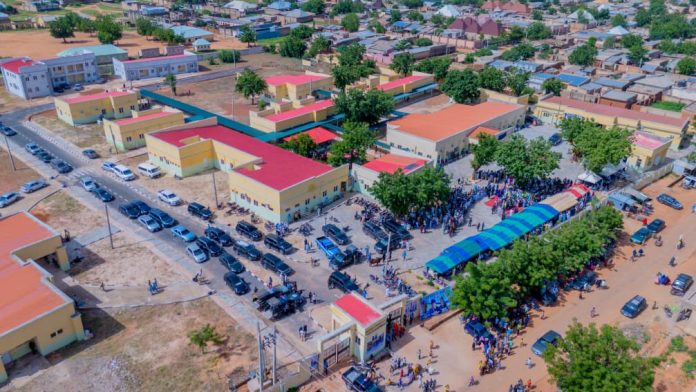
Motorists and commuters along the Abuja-Keffi corridor may soon get relief from persistent traffic congestion as the Nasarawa State Government targets the completion of the N44 billion Mararaba flyover by the end of the year.

The state government disclosed this during an inspection tour of infrastructure projects by the Renewed Hope Ambassadors Presidential Media Team across Benue and Nasarawa states.

Alhaji Wada Mohammed, Managing Director of the Nasarawa State Urban Development Agency (NSUDA), gave the assurance while addressing the team at the project site.

Mohammed said the project was initially awarded at N11.1 billion with an 18-month completion period, but subsequent adjustments increased its scope and overall cost.

He said the adjustments included increasing the bridge height to provide adequate clearance for high vehicles and extending the entry and exit ramps.

According to him, the state government had also paid more than N600 million in compensation to owners of properties affected by the project.

Mohammed said the 2.6-kilometre project comprises a continuous flyover, two pedestrian flyover bridges and five pedestrian bridges to facilitate safer crossings.

He said permanent works would cost almost N40 billion, while compensation and road furniture, including road markings, signage and streetlights, would bring the total project cost to about N44 billion.

The NSUDA managing director said the project was designed as a lasting solution to Mararaba’s longstanding traffic problems while ensuring that business activities in the area were not disrupted.

He said the completed project was expected to reduce travel time between Abuja and Keffi from more than two hours to less than 40 minutes.

Mohammed attributed the accelerated construction schedule to the contractor’s capacity and commitment, as well as the state government’s prompt payment of certificates.

He said Gov. Abdullahi Sule had consistently approved funds for certified works without delay, allowing the contractor to maintain the pace of construction.

The NSUDA boss said improved federal allocations had also enabled the state to undertake the project despite Nasarawa being among the states receiving the least funds from the federation.

He expressed hope that the Federal Government would reimburse the state for its expenditure on the project as soon as possible.

The project is being constructed at Mararaba, immediately outside Abuja, one of the busiest points on the Abuja-Keffi corridor.

The area has historically experienced prolonged gridlock, travel delays, fuel wastage and commuter stress. The ongoing construction has temporarily worsened congestion because of diversions, restricted movement, dust and delays following the demolition of the old Mararaba bridge between late 2025 and early 2026.

The Issues

The construction has created additional congestion along an already busy corridor, with diversions and restricted movement affecting journey times. However, the completed project is expected to improve traffic flow, connectivity and road safety.

What’s Being Said

“The project was initially awarded at N11.1 billion with an 18-month completion period, but subsequent adjustments increased its scope and overall cost.” – Wada Mohammed, Managing Director, NSUDA

“We hope that the Federal Government will reimburse the state for its expenditure on the project as soon as possible.” – Wada Mohammed, Managing Director, NSUDA

What’s Next

The Nasarawa State Government is targeting completion of the flyover by the end of the year. Once completed, the project is expected to decongest Mararaba, improve road safety and reduce travel time along the Abuja-Keffi corridor.

Bottom Line

The N44 billion Mararaba flyover is being positioned as a long-term solution to one of the major traffic bottlenecks on the Abuja-Keffi corridor, with completion targeted for year-end.

Super Falcons urged to focus on South Africa World Cup play-off

Key Points

  • FCT football stakeholders have urged the Super Falcons to move on from their WAFCON quarter-final defeat to Cameroon.
  • Nigeria will face South Africa on Thursday in an African play-off for a place in the next stage of World Cup qualification.
  • Stakeholders called for improved preparation, tactical discipline and psychological readiness.
  • The winner of the Nigeria-South Africa tie will advance to the next stage of the qualification process.

Main Story

Football stakeholders in the Federal Capital Territory have urged Nigeria’s Super Falcons to put their Women’s Africa Cup of Nations (WAFCON) disappointment behind them and concentrate on Thursday’s FIFA Women’s World Cup qualification play-off against South Africa.

The Super Falcons, defending champions, were eliminated from the WAFCON after a 1-0 quarter-final defeat to Cameroon in Casablanca on Sunday.

The result ended Nigeria’s title defence and ruled out automatic qualification for the 2027 FIFA Women’s World Cup in Brazil.

However, Nigeria remains in contention for a World Cup place through the African play-off involving the four teams eliminated at the WAFCON quarter-final stage.

Speaking with the News Agency of Nigeria (NAN) in Abuja on Tuesday, the stakeholders said the team must regain its confidence and use the encounter with South Africa to revive its World Cup hopes.

Ahmed Adamu, a coach with Hope Football Club, urged the players not to lose hope, reminding them that Nigeria had won the African women’s title a record 10 times.

Abimbola Samuel, owner of Casmatt Football Club and technical adviser to the team, appealed to Nigerians not to condemn the players, arguing that inadequate preparation had affected their performance.

Paul Joseph, a sports analyst, said the Cameroon defeat should not undermine the players’ confidence. He called for improvements in finishing, creativity, midfield control and tactical planning ahead of the South Africa encounter.

Joseph also urged the technical crew to select players based on current form, fitness and tactical suitability rather than reputation.

Tolulope Oguntimilehin, a sports journalist, called for greater support for the team while urging the Nigeria Football Federation (NFF) to review the Super Falcons’ preparation for major competitions.

Olufunmilayo Adeoti, coach of Abigealand FC, said the team needed to regain its confidence and approach the South Africa match with greater tactical discipline.

Under the revised qualification format, the four WAFCON quarter-final losers will contest an African play-off, with the successful teams advancing to the 10-team FIFA Inter-Confederation Play-Off Tournament.

What’s Being Said

“Setbacks are part of sports, and the ability to bounce back defines champions.” – Ahmed Adamu, coach, Hope Football Club

“That same fighting attitude must be replicated in the next match as they chase the World Cup ticket.” – Ahmed Adamu, coach, Hope Football Club

“The immediate priority now must be the World Cup qualification play-off against South Africa.” – Paul Joseph, sports analyst

“The team must learn from the Cameroon game, improve its finishing and creativity and be more clinical in front of goal.” – Paul Joseph, sports analyst

What’s Next

Nigeria will face South Africa on Thursday in the African play-off, while Ghana will take on Côte d’Ivoire. The winner of the Nigeria-South Africa encounter will advance to the next stage of the World Cup qualification process.

The Issues

The Super Falcons must recover quickly from their WAFCON exit while addressing the preparation, tactical and psychological shortcomings identified by the stakeholders.

Bottom Line

Nigeria’s WAFCON title defence is over, but the Super Falcons still have a route to the 2027 FIFA Women’s World Cup, making Thursday’s encounter with South Africa their immediate priority.

Rorau residents launch savings scheme for emergency healthcare

Summitech Commits To Digitisation Of Health Records

Key Points

  • Residents of Rorau community in Jigawa have established a communal savings scheme for emergency healthcare expenses.
  • Members make regular contributions and can access the funds when urgent medical needs arise.
  • Residents say the initiative is helping families avoid delays and borrowing when seeking medical attention.
  • The community wants government and development partners to strengthen similar community-based support systems.

Main Story

Residents of Rorau community in Kazaure Local Government Area of Jigawa have introduced a communal savings scheme to help households meet unexpected healthcare expenses.

Under the initiative, residents contribute small amounts regularly into a common fund, which members can access when faced with emergency medical needs.

Residents who spoke with the News Agency of Nigeria (NAN) on Tuesday in Kazaure said the scheme was helping families raise money more quickly for treatment and reducing the pressure to borrow during emergencies.

Ms Shamsiya Hadi, a resident, said the arrangement had made it easier for community members to respond when illness occurred, as contributions were based on individual capacity.

Balarabe Ibrahim said the scheme had also strengthened cooperation among residents and encouraged collective responsibility for vulnerable members of the community.

Hinde Audu said the arrangement reduced the financial pressure on households that needed money urgently for transportation, consultation, drugs and other immediate healthcare expenses.

Mamman Halliru said the initiative had increased awareness about the importance of preparing financially for emergencies.

He said the community hoped to sustain the scheme and expand participation so that more residents could benefit.

Halliru urged government agencies, non-governmental organisations and other stakeholders to support community-based initiatives that could help vulnerable households cope with out-of-pocket healthcare expenses.

The community said the savings scheme was intended to complement, rather than replace, access to affordable and quality healthcare services.

The Issues

Unexpected medical expenses can place pressure on rural households, particularly when families need to raise money quickly for transportation, consultation, medicines and other immediate needs.

What’s Being Said

“Sometimes, sickness comes when a family has no money at hand. With the savings scheme, members can get assistance when there is an urgent health need.” – Shamsiya Hadi, resident

“Having a community savings means that we do not always have to wait until somebody has money before seeking help. The support can come at the time it is needed.” – Hinde Audu, resident

“The savings scheme aims to complement, rather than replace, access to affordable and quality healthcare services.” – Mamman Halliru, resident

“We urge relevant authorities to continue improving healthcare facilities and services in rural communities to ensure that residents could receive timely treatment during emergencies.” – Mamman Halliru, resident

What’s Next

The community plans to sustain the savings scheme and increase participation, while calling on government agencies, NGOs and other stakeholders to support similar community-based initiatives.

Bottom Line

Rorau residents are using collective savings to create a local financial buffer for medical emergencies, giving households another option when unexpected healthcare costs arise.

Core by Interswitch debuts to advance collaboration and operational excellence within financial services sector

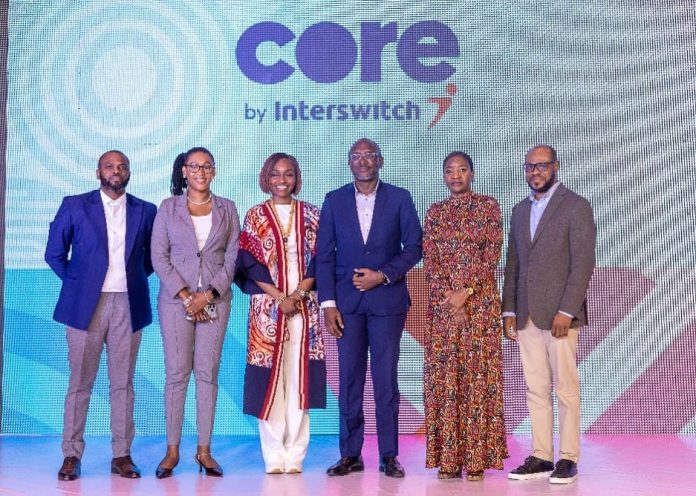
Recognising that every successful digital payment depends on the expertise of operations professionals working behind the scenes, Interswitch, one of Africa’s leading integrated payments and digital commerce companies, recently hosted the inaugural edition of Core by Interswitch on Thursday, 23rd July 2026. The first-of-its-kind breakfast forum was designed to celebrate these professionals, foster industry collaboration and strengthen the operational excellence that drives seamless digital payment experiences.

Held at the Landmark Event Centre, Victoria Island, Lagos, the forum brought together more than 400 participants, including operations professionals and other stakeholders from microfinance banks, commercial banks, fintechs, Interswitch employees and other organisations across the financial services ecosystem.

Through expert presentations, panel discussions and networking sessions, participants explored practical ways to strengthen collaboration, address operational challenges and enhance service delivery across the payments ecosystem.

Designed to bridge the gap between the customer-facing experience and the operations that power every successful transaction, Core by Interswitch created a platform for meaningful conversations around dispute management, settlement and reconciliation, customer support, customer experience, third-party processing and FEP administration/monitoring. The discussions reinforced the critical role these functions play in ensuring secure, seamless and reliable digital payment experiences.

Speaking at the event, Babafemi Ogungbamila, Executive Vice President, Operations and Technology, Interswitch, said the forum reflects the company’s belief that exceptional customer experiences are built not only on innovative technology but also on the expertise, collaboration and commitment of the professionals who keep payment systems running every day.

“Every successful digital transaction is powered by professionals whose work often goes unseen but is fundamental to building trust in digital payments. Core by Interswitch was created to recognise their contribution, strengthen collaboration across the industry and create opportunities for shared learning that ultimately benefit financial institutions and the customers they serve. As digital payments continue to evolve, investing in the people and processes that power the technology is just as important as investing in the technology itself,” Ogungbamila said.

Participants also highlighted the growing importance of operational excellence in sustaining resilient payment infrastructure and meeting rising customer expectations. As digital financial services continue to expand across Africa, closer collaboration among financial institutions, fintechs and payment service providers will be essential to improving responsiveness, resolving operational challenges more effectively and delivering consistently reliable customer experiences.

Beyond recognising the professionals whose work often goes unnoticed, the inaugural forum underscored the value of creating stronger connections across the payments ecosystem. By creating a dedicated platform for knowledge sharing, collaboration and professional development, Core by Interswitch aims to build a more connected community of payments operations professionals equipped to respond to the evolving demands of the digital economy.

The inaugural edition of Core by Interswitch reflects the company’s broader commitment to strengthening Africa’s digital payments ecosystem by fostering collaboration, knowledge sharing and operational excellence across the financial services value chain. While technology remains central to financial innovation, its success ultimately depends on the people, processes and partnerships that ensure every transaction is secure, seamless and reliable.

As the payments landscape continues to evolve, initiatives such as Core by Interswitch will play an increasingly important role in equipping payments operations professionals with the insights, relationships and shared expertise needed to support a more resilient, collaborative and customer-focused digital payments ecosystem across Africa.

Katsina to establish pharmaceutical manufacturing plant, says Radda

Key Points

  • Katsina State plans to establish its first pharmaceutical manufacturing plant to boost local drug production.
  • Gov. Dikko Radda says the initiative will improve access to essential medicines and medical consumables.
  • The state has upgraded several health facilities to General Hospitals and renovated more than 280 primary and comprehensive healthcare centres.
  • Katsina has recruited 804 healthcare professionals and expanded specialist and medical training programmes.

Main Story

The Katsina State Government plans to establish the state’s first pharmaceutical manufacturing plant as part of efforts to strengthen healthcare delivery and increase local production of medicines.

Gov. Dikko Radda announced the plan on Thursday while inaugurating the first General Hospital in Zango Local Government Area.

Radda said the pharmaceutical plant would support access to essential drugs and medical consumables as the state expands its healthcare infrastructure and services.

He said the administration had invested in healthcare infrastructure, manpower development and specialised services, including the upgrading of health facilities in Kafur, Charanchi, Zango and Dandume Local Government Areas to General Hospitals.

Similar upgrades in Mai’adua and Faskari are nearing completion, while reconstruction is ongoing at General Hospital, Daura. General Hospitals in Kankara and Mani are also undergoing renovation.

Radda said operating theatres at General Amadi Rimi Specialist Hospital, Turai Yar’Adua Maternal and Children’s Hospital and General Hospital, Katsina, had been renovated to strengthen specialist healthcare services.

The governor also disclosed that the state had established a 16-bed dialysis centre and was constructing an ultra-modern ophthalmology division.

More than 280 primary and comprehensive healthcare centres have also been renovated across the state, while solar power has been installed at General Hospitals Katsina and Kankia to improve electricity supply.

The administration has also recruited 804 healthcare professionals over the last three years, according to Radda.

He said six specialist hospitals had secured accreditation for postgraduate residency training, while Dental Therapy Units in five General Hospitals had received approval for accreditation to facilitate internship training.

On medical education, Radda said Katsina-sponsored medical students were also being trained abroad, with 41 students in Egypt now in their third year. Another batch has been sent to Ethiopia, while a third batch is expected to be sponsored to Russia.

Earlier, the Commissioner for Health, Musa Adamu-Funtua, described the Zango General Hospital as another milestone in the administration’s healthcare transformation agenda.

The Issues

Katsina is expanding healthcare infrastructure and manpower while seeking to improve access to medicines through local pharmaceutical production.

What’s Being Said

“The newly inaugurated General Hospital in Zango, upgraded from a Comprehensive Health Centre, is the first in the local government and will bring quality secondary healthcare closer to residents.” – Dikko Radda, Governor of Katsina State

“41 Katsina-sponsored MBBS students in Egypt are now in their third year. Another batch has been sent to Ethiopia, while a third batch will be sponsored to Russia.” – Dikko Radda, Governor of Katsina State

What’s Next

The state government plans to establish its first pharmaceutical manufacturing plant while continuing the expansion, renovation and upgrading of healthcare facilities and specialist services across Katsina.

Bottom Line

Katsina is combining healthcare infrastructure expansion, workforce development and plans for local pharmaceutical production as it seeks to strengthen access to medical services and essential medicines.

Manufacturers urged to adopt smart technology amid economic challenges

Key Points

  • FCT Minister of State urges manufacturers to embrace smart technology to improve productivity and reduce costs.
  • Manufacturers are encouraged to adopt artificial intelligence, automation and digital transformation.
  • MAN calls for action on energy costs, taxation, insecurity, infrastructure and access to affordable financing.
  • Manufacturers seek institutionalisation of the “Nigeria First Policy” to promote locally made goods.

Main Story

The Minister of State, Federal Capital Territory (FCT), Dr Mariya Mahmoud, has urged manufacturers to embrace smart technology to improve productivity, reduce costs and remain competitive amid economic challenges.

Mahmoud made the call in Abuja on Thursday through her Special Assistant on Social Development Secretariat, Helen Zamani, at the 13th Annual General Meeting and Public Lecture of the Manufacturers Association of Nigeria (MAN), Abuja/Nasarawa/Niger Branch.

The minister called on manufacturers to adopt capital restructuring, digital transformation, artificial intelligence and automation in their operations.

She said the FCT Administration was committed to creating an enabling environment for businesses through investments in roads, water supply, security and urban renewal.

Mahmoud also stressed the need for stronger public-private collaboration to boost local content, innovation and skills development.

She commended MAN for its advocacy for Nigeria’s industrial growth.

Earlier, the branch chairman, Mr Kayode Alonge, urged governments at all levels to support the manufacturing sector by addressing high energy costs, multiple taxation, insecurity, poor infrastructure and limited access to affordable financing.

Alonge highlighted the resilience of manufacturers across Abuja, Nasarawa and Niger states and urged the Federal Government to institutionalise the “Nigeria First Policy” to promote locally made goods.

He commended the FCT Administration for its ongoing infrastructure development efforts but appealed for urgent improvements to roads, water supply and electricity in the Idu Industrial District.

The Issues

Manufacturers continue to face rising operating costs and infrastructure challenges, while the government is encouraging greater adoption of technology and stronger collaboration with the private sector to improve industrial productivity.

What’s Being Said

“Manufacturers need to embrace capital restructuring, digital transformation, artificial intelligence, and automation in their operations.” – Mariya Mahmoud, Minister of State, Federal Capital Territory

“Governments at all levels must support the sector by tackling high energy costs, multiple taxation, insecurity, poor infrastructure and limited access to affordable financing.” – Kayode Alonge, Chairman, MAN Abuja/Nasarawa/Niger Branch

What’s Next

The FCT Administration is expected to continue infrastructure investments while manufacturers seek broader government support to reduce operating constraints and strengthen local production.

Bottom Line

The Federal Government is pushing technology adoption as manufacturers call for lower operating costs, better infrastructure and stronger policies to support local production.

AANI President seeks secure environment to unlock Nigeria’s Orange Economy

Key points

  • President of the Alumni Association of the National Institute (AANI), Amb. Emmanuel Obi Okafor, has called for a secure environment to unlock Nigeria’s Orange Economy.
  • He said security was fundamental to entrepreneurship, innovation, investment and sustainable development in the creative sector.
  • Okafor urged government to invest in skills, infrastructure, financing, digital connectivity and intellectual property protection.
  • NIPSS Director-General, Prof. Ayo Omotayo, described security as critical infrastructure for economic transformation.
  • Retired Rear Adm. Emmanuel Jaiyeola identified insecurity, inadequate infrastructure, limited financing and weak intellectual property protection as major constraints.
  • Stakeholders called for stronger collaboration among the government, private sector, educational institutions and creative industry players.
  • Contributors also advocated formalising the informal sector and moving from policy formulation to effective implementation.

Main Story

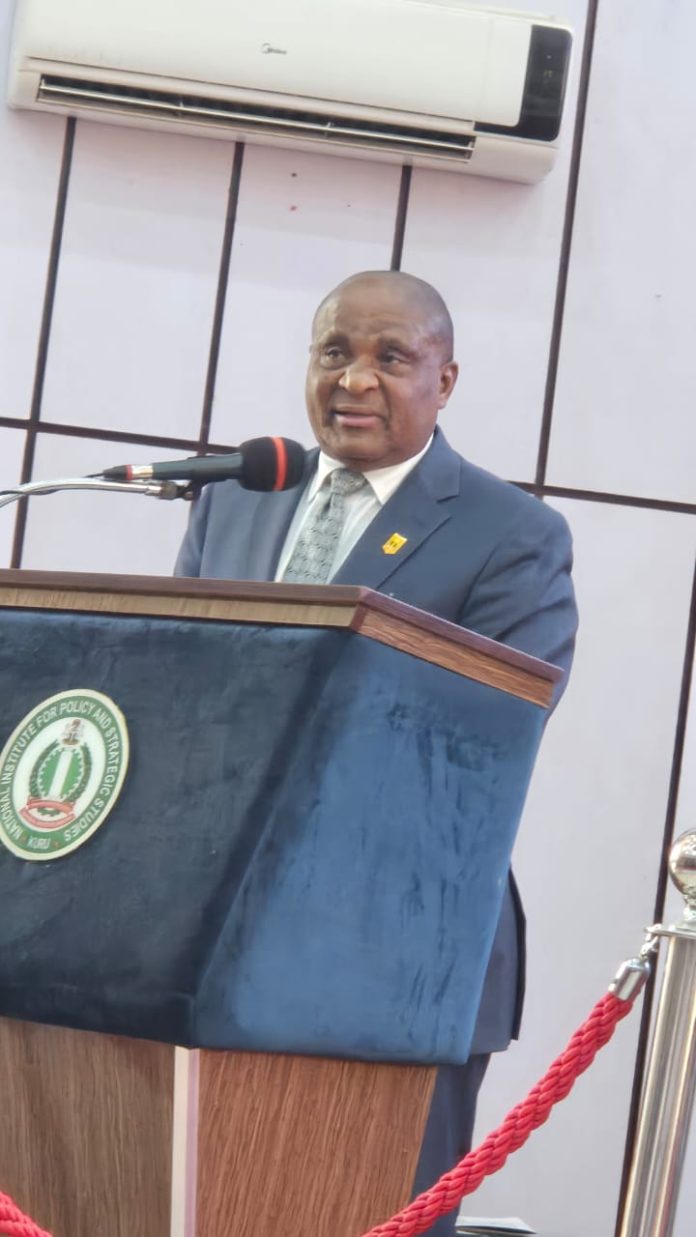
The President of the Alumni Association of the National Institute (AANI), Amb. Emmanuel Obi Okafor, has called for a secure and enabling environment to unlock Nigeria’s Orange Economy and maximise the creative sector’s contribution to national development.

Okafor made the call at the 5th Distinguished AANI Alumni Lecture held at the National Institute for Policy and Strategic Studies (NIPSS), Kuru, Plateau.

The lecture, themed “The Orange Economy and Entrepreneurship for Sustainable Development in Nigeria: Security as a Primary Enabler,” focused on the relationship between security, entrepreneurship and the creative industries.

Okafor said security was fundamental to entrepreneurship, innovation, investment and sustainable development, particularly as Nigeria seeks to expand its growing creative economy.

He said the creative industries had significant potential to generate employment, stimulate economic growth, promote entrepreneurship and strengthen Nigeria’s cultural influence globally.

To unlock the sector’s potential, he urged government to invest in skills development, infrastructure, access to finance, digital connectivity and intellectual property protection.

He also called for a broader understanding of national security that goes beyond the traditional focus on physical insecurity to include economic opportunities, education, human capital development, social inclusion and the protection of creative enterprises.

The Issues

Nigeria’s Orange Economy has significant growth potential, but stakeholders say the sector continues to face structural and security challenges.

Inadequate infrastructure, limited access to finance, skills gaps, weak intellectual property protection and fragmented policies can limit the ability of creative entrepreneurs to scale their businesses.

Insecurity remains an additional constraint because it can discourage investment, restrict movement, disrupt creative activities and weaken confidence among entrepreneurs and investors.

The formalisation of informal creative businesses is also important for improving access to finance, regulation, social protection and institutional support.

What’s Being Said

Amb. Emmanuel Obi Okafor, President, AANI

Okafor said security should be viewed as a foundation for the development of Nigeria’s creative economy, stressing the need for investment in the ecosystem that supports creative entrepreneurship.

He called for a broader conception of national security that incorporates economic opportunity, education, human capital development and social inclusion.

Prof. Ayo Omotayo, Director-General, NIPSS

Omotayo said Nigeria’s creative talent and entrepreneurial energy could drive economic transformation if supported by appropriate institutional and security conditions.

“Ideas require institutions, innovation requires investment, entrepreneurship requires confidence, and confidence flourishes only where security prevails.”

He described security as:

“The invisible infrastructure upon which economic transformation depends.”

Omotayo called for coherent policies and effective institutions to create the conditions required for the sector to thrive.

Retired Rear Adm. Emmanuel Jaiyeola, Keynote Speaker

Jaiyeola described the Orange Economy as a promising pathway to inclusive and sustainable development, citing creativity, culture, innovation and intellectual property as potential drivers of employment, economic diversification, youth empowerment and social inclusion.

He identified Nigeria’s youthful population, cultural diversity, creative talent and expanding digital ecosystem as strategic advantages.

However, he listed inadequate infrastructure, limited finance, weak intellectual property protection, skills deficits, policy fragmentation and insecurity among the sector’s major constraints.

Describing insecurity as “the most pervasive constraint,” Jaiyeola called for stronger collaboration among government, the private sector, educational institutions and creative industry stakeholders.

Issa Aremu, Director-General, MINILS

Aremu highlighted the employment potential of the creative sector and advocated the formalisation of informal businesses to improve access to finance, regulation, social protection and institutional support.

He also called for stronger collaboration between creative industry stakeholders and the Federal Ministry of Arts, Culture and the Creative Economy, alongside greater protection of digital activities and creative assets.

Prof. John Wade, mni

Wade advocated an integrated approach involving institutions, skills, infrastructure, investment and security.

He stressed the need to move beyond policy formulation to effective implementation, coordination and measurable outcomes.

What’s Next

Stakeholders are expected to push for stronger institutional collaboration and practical measures that can improve the operating environment for Nigeria’s creative entrepreneurs.

Priority areas include digital infrastructure, skills acquisition, access to finance, intellectual property protection and the formalisation of informal creative businesses.

There is also a need for stronger coordination among government agencies, private-sector players, educational institutions and creative industry stakeholders to translate policy recommendations into measurable outcomes.

Bottom Line

Nigeria’s Orange Economy offers significant opportunities for job creation, youth empowerment, economic diversification and global cultural influence. But stakeholders at the AANI lecture stressed that creativity alone cannot drive the sector’s growth. Without security, investment, infrastructure, skills, financing and effective institutions, Nigeria may struggle to convert its considerable creative talent into sustained economic value.

UN decries children’s exposure to unregulated AI, online harms

Key points

  • The United Nations has urged governments and technology companies to urgently strengthen protections for children online.
  • The UN warned that young people face growing risks from disinformation, online harassment, algorithmic bias and the malicious use of Artificial Intelligence (AI).
  • More than eight in 10 young people aged 15 to 24 worldwide are now online.
  • The UN warned against exposing children to poorly regulated AI systems and called for stronger safeguards.
  • It identified manipulative digital designs, targeted advertising, “dark patterns” and loot boxes as risks that can encourage compulsive online behaviour.
  • The organisation said children should be protected from online harms while also being included in digital policy discussions.
  • The UN called on governments, technology companies, advertisers, media organisations and researchers to adopt stronger child-safety measures.

Main Story

The United Nations has raised concerns over the growing exposure of children and young people to unregulated Artificial Intelligence, online harassment, disinformation and other digital harms, urging governments and technology companies to strengthen safeguards.

The warning was contained in a new UN brief released ahead of International Youth Day, which highlighted the rapidly expanding use of digital platforms among young people.

According to the report, more than eight in 10 young people aged between 15 and 24 worldwide are now online, while internet use among young people in low-income countries is almost twice that of the general population.

The UN said the rapid expansion of digital technology had created opportunities for young people but also exposed them to risks including algorithmic bias, harmful AI-generated content, online harassment and the malicious use of artificial intelligence.

UN Secretary-General António Guterres had earlier called for an AI Child Safety Pledge to strengthen protections for children, comparing emerging AI systems to untested medicine.

The UN brief said many online harms were not simply accidental but were partly linked to business models built around monetising attention, personal data, engagement and online spending.

It identified algorithms designed to encourage prolonged platform use, manipulative digital designs, “dark patterns,” and loot boxes as practices capable of encouraging compulsive online behaviour.

The Issues

The central concern is the ability of existing laws and regulatory systems to protect children from rapidly evolving digital technologies.

Children are particularly vulnerable because their habits, identities and relationships are still developing, while AI systems can generate harmful content and facilitate exploitation at a scale that may be difficult for parents and regulators to monitor.

The UN also raised concerns about targeted advertising and commercial surveillance, warning that increasingly hidden marketing techniques can manipulate children into online spending.

Another challenge is the tension between protecting young people from digital harms and ensuring that they are not excluded from conversations about technology, information integrity and public policy.

The report noted that young people are not only consumers of digital content but also creators, journalists, organisers, advocates and participants in public debate.

What’s Being Said

António Guterres, UN Secretary-General

Guterres called for stronger safeguards for children against poorly regulated AI systems.

“No child should be a guinea pig for unregulated AI.”

He added:

“When a child is harmed, the answer must never be ‘the algorithm did it’.”

Charlotte Scaddan, UN Senior Adviser on Information Integrity

Scaddan stressed that protecting children and giving them a voice in digital policy should happen simultaneously.

“Protecting them and including them are not competing goals. We have to do both.”

The UN said young people could play an important role in addressing the wider digital information crisis and should therefore be included in policymaking on information integrity.

What’s Next

The UN is urging Member States to strengthen legal and policy frameworks for online child protection and ensure that emerging technologies are developed with children’s safety in mind.

Technology companies are expected to adopt stronger safeguards and child-centred platform designs, while advertisers are being urged to respect children’s rights and avoid exploitative commercial practices.

The UN also called on news organisations to better serve young audiences by promoting reliable information and strengthening their resilience against disinformation.

Researchers and policymakers are similarly being encouraged to involve young people in decisions concerning information integrity, online safety and the future of digital platforms.

Bottom Line

The UN’s warning highlights a growing global challenge: children are entering an increasingly AI-driven digital environment faster than safeguards are being developed. Protecting them will require stronger regulation, safer technology design and greater accountability from digital platforms and advertisers—while ensuring that young people themselves have a meaningful voice in shaping the digital world they inhabit.

NPC targets 8,000 digital birth registration centres nationwide

Key points

  • The National Population Commission (NPC) says it plans to establish 8,000 digital civil registration centres nationwide.
  • The commission has already extended digital civil registration services to about 4,000 of Nigeria’s 8,809 wards.
  • More than 4,000 functional registration centres have been established across the 774 Local Government Areas.
  • Nigeria launched its nationwide fully digital Civil Registration and Vital Statistics (CRVS) system on the VitalReg platform on July 1, ending manual registration.
  • NPC says the initiative will make birth and death registration more accessible, particularly in underserved communities.
  • The commission is collaborating with NIMC, ALGON, UNICEF and other stakeholders to close registration gaps.
  • UNICEF says birth registration is a fundamental right and provides the legal identity needed to access essential services.

Main Story

The National Population Commission (NPC) says it is targeting 8,000 digital civil registration centres nationwide as part of efforts to decentralise birth and death registration and improve access to vital statistics.

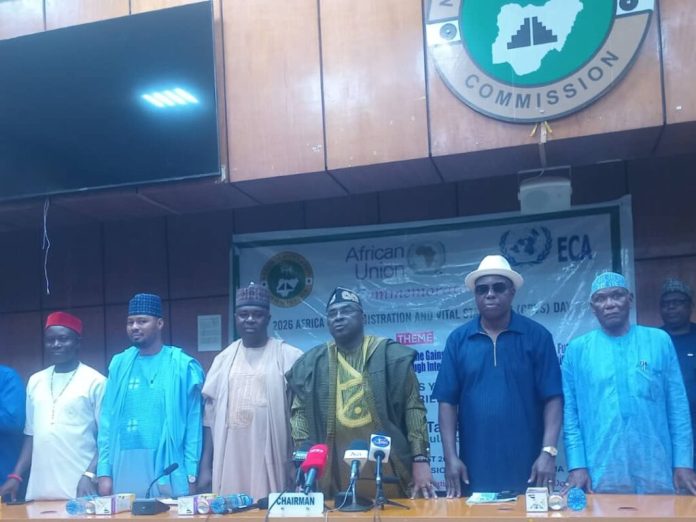
The Chairman of the Commission, Dr Aminu Yusuf, disclosed this on Monday in Abuja at a media conference to commemorate the 2026 Africa Civil Registration and Vital Statistics (CRVS) Day.

Yusuf said digital civil registration services had already been extended to about 4,000 of Nigeria’s 8,809 wards, while more than 4,000 functional registration centres had been established across the 774 Local Government Areas.

He said the expansion, combined with the nationwide deployment of the VitalReg platform, would bring registration services closer to communities and reduce barriers to accessing birth and death registration.

Nigeria inaugurated its nationwide fully digital CRVS system on the VitalReg platform on July 1, marking the end of the manual registration system.

According to Yusuf, the digital system would improve the timely production and dissemination of vital statistics, while strengthening the country’s ability to capture vital events.

He said more than five million children were born annually in Nigeria, but significant gaps remained in the registration of births and deaths.

To address the gaps, the commission is working with the Association of Local Governments of Nigeria (ALGON), National Identity Management Commission (NIMC), UNICEF and Bankforte Technologies Ltd.

NPC is also collaborating with the National Primary Health Care Development Agency, state governments and health institutions to integrate birth registration into routine health services.

The Issues

The major challenge remains the large number of births and deaths that are not formally registered, particularly in remote and underserved communities.

Although Nigeria has moved from manual to digital registration, the effectiveness of the new system will depend on whether registration centres, trained personnel and digital infrastructure are available across the country.

Identity duplication is another concern. NPC’s integration with NIMC is designed to address this by linking a child’s registration to the mother’s identity and generating a unique number before the issuance of a National Identification Number.

The initiative also highlights the importance of reaching children born outside health facilities, where conventional hospital-based registration systems may not capture vital events.

What’s Being Said

Dr Aminu Yusuf, Chairman, NPC

Yusuf said the expansion was designed to bring registration services closer to communities.

“Combined with the nationwide deployment of the VitalReg platform, this expansion will bring registration services much closer to communities.”

He said digitalisation would strengthen the country’s capacity to produce reliable vital statistics.

“Digitalisation enables the timely production and dissemination of vital statistics.”

Mrs Adaku Obodo, Head, Birth and Death Registration, NPC

Obodo said the integration of NPC’s registration system with NIMC would help prevent multiple registration and identity duplication.

She said the commission was also developing a community birth alert system with UNICEF support to ensure that births occurring outside health facilities were captured.

“This is to ensure that as we progress with digital registration, all aspects are covered, both at the health facility and community level.”

She added that about 4,000 ALGON registrars had been trained to conduct birth registration, with efforts continuing to cover remaining areas.

Ms Natalie McCauley, Chief of Child Protection, UNICEF Nigeria

McCauley described birth registration as a fundamental right and a child’s first legal recognition by the state.

“A birth certificate offers proof of identity and lays the foundation for accessing essential services such as healthcare, education, social protection and child protection.”

She said children in remote and underserved communities remained particularly vulnerable to growing up without proof of legal identity.

“Every registered birth strengthens child protection. Every registered child becomes more visible to the systems designed to serve and protect them.”

What’s Next

NPC is expected to expand digital registration centres towards its 8,000-centre target while extending coverage to the remaining wards.

The commission will also continue to integrate birth registration with routine immunisation and health services, while working with traditional rulers, community leaders, and local structures to capture births occurring outside health facilities.

The proposed community birth alert system, supported by UNICEF, is expected to strengthen real-time notification and documentation of births at the community level.

The integration of VitalReg with NIMC will also remain important in preventing duplicate identities and strengthening Nigeria’s population and identity databases.

Bottom Line

Nigeria’s transition to a fully digital civil registration system represents a significant shift in how births and deaths are recorded. The NPC’s target of 8,000 registration centres could significantly improve access, but the success of the programme will ultimately depend on reaching underserved communities and ensuring that every child—whether born in a hospital or at home—is formally registered and recognise

Dangote, NUPRC differ over Q2 crude supply

Key points

  • The Nigerian Upstream Petroleum Regulatory Commission (NUPRC) said Dangote Petroleum Refinery rejected about 15.5 million barrels of crude offered to it in Q2 2026.
  • Producers reportedly offered 68.1 million barrels to the refinery, but 52.6 million barrels were accepted.
  • NUPRC said the refinery had required 63 million barrels during the quarter.
  • The regulator put the refinery’s acceptance rate at 78 per cent of the volume offered.
  • Dangote Refinery disputed the claim and asked NUPRC to provide the statistics and details of the crude supplies in question.

Main Story

The Nigerian Upstream Petroleum Regulatory Commission (NUPRC) and Dangote Petroleum Refinery have disagreed over the volume of crude oil supplied to the refinery under the Domestic Crude Supply Obligation (DCSO) framework in the second quarter of 2026.

In its Q2 2026 report on DCSO enforcement, the regulator said producers offered 68.1 million barrels of crude to the Dangote refinery between April and June, but the facility accepted 52.6 million barrels.

According to the commission, the refinery required 63 million barrels during the quarter, meaning that producers offered more crude than the refinery’s stated requirement.

NUPRC said the 52.6 million barrels eventually accepted represented 78 per cent of the total volume offered, implying that about 15.5 million barrels of the crude offered was not accepted by the refinery.

The report forms part of the commission’s assessment of compliance with the DCSO, a framework established under the Petroleum Industry Act (PIA) requiring crude producers to make supplies available to domestic refineries.

However, the regulator noted that the framework operates on a “willing buyer, willing seller” basis, which influences the final volume of crude transacted between producers and refiners.

The NUPRC said a total of 53.7 million barrels of crude oil and condensate were supplied to local refiners between April and June, representing an overall DCSO performance rate of 97.4 per cent.

At the heart of the dispute is the difference between the crude volumes NUPRC said were offered to Dangote Refinery and the quantities the refinery actually accepted.

While the regulator’s data indicates that the refinery accepted 52.6 million barrels out of 68.1 million barrels offered, Dangote Refinery has challenged the figures and requested evidence to substantiate the claim.

The disagreement also highlights the complexities surrounding the implementation of the DCSO, particularly under its “willing buyer, willing seller” structure.

For the domestic refining sector, the availability of sufficient crude remains critical to ensuring that large-scale refineries can operate consistently and reduce Nigeria’s dependence on imported refined petroleum products.

What’s Being Said

Nigerian Upstream Petroleum Regulatory Commission

The NUPRC said Dangote Refinery required 63 million barrels in Q2 but producers offered 68.1 million barrels.

“Eventually, 52.6 million barrels were accepted by the Dangote refinery. This implies that the refinery only accepted 78 per cent of what it was offered.”

The commission said the improvement in DCSO performance was linked to increased domestic oil production and long-term crude supply agreements backed by bankable sales and purchase agreements between producers and domestic refiners.

It reaffirmed its commitment to enforcing the DCSO while supporting the Federal Government’s objective of achieving energy sufficiency.

Anthony Chiejina, Dangote spokesman

Chiejina disputed the regulator’s figures and asked NUPRC to provide the underlying statistics for verification.

“Let them show us the statistics, we’ll now compare and check, and then we’ll come back to you.”

He said the refinery needed details of the crude allegedly offered, including the relevant period, before it could reconcile the figures with its own records.

“If they have the statistics, let them send it to us, and the period it was done, then I will come back to you to match it.”

What’s Next

The immediate focus will be on whether NUPRC and Dangote Refinery can reconcile their respective records on crude offers, allocations and actual deliveries during Q2.

The commission is expected to continue its monthly consultations with producers and domestic refiners as it enforces the DCSO framework.

Sustained growth in domestic crude production and the expansion of long-term supply agreements will also remain important to improving crude availability for local refineries.

Bottom Line

NUPRC’s Q2 report indicates that Dangote Refinery accepted 52.6 million barrels out of 68.1 million barrels of crude reportedly offered to it, but the refinery has challenged the figures and requested supporting data. The dispute underscores the importance of transparent crude supply data as Nigeria seeks to strengthen domestic refining capacity and achieve greater energy sufficiency.

Customs targets N11trn revenue through Adeniyi’s technology-led reforms

Key points

  • The Nigeria Customs Service (NCS) says it is on course to achieve its ₦11 trillion revenue target for 2026.
  • The Service generated ₦4.03 trillion in revenue in the first half of 2026.
  • Comptroller-General of Customs, Dr Adewale Adeniyi, attributed the performance to automation, intelligence-led enforcement and improved stakeholder collaboration.
  • Technology-driven reforms are replacing manual processes and reducing human discretion in customs operations.
  • The NCS is using Time Release Studies to reduce cargo clearance delays and improve trade facilitation.
  • Customs is strengthening collaboration with security and financial intelligence agencies to tackle smuggling, illicit financial flows and wildlife trafficking.

Main Story

The Nigeria Customs Service (NCS) says it is on course to meet its ₦11 trillion revenue target for 2026, with technology-led reforms, improved trade facilitation and stronger border security driving its revenue performance.

The Comptroller-General of Customs, Dr Adewale Adeniyi, disclosed this in a compendium obtained by the News Agency of Nigeria (NAN), noting that the Service generated ₦4.03 trillion in the first half of the year.

Adeniyi said the figure represented a significant improvement over the corresponding period in 2025 and placed the NCS ahead of its mid-year revenue projections.

He attributed the growth to the deliberate automation of customs processes, intelligence-led enforcement and stronger collaboration with stakeholders across the trade and security ecosystem.

According to him, the modernisation of the Service is focused on reducing human discretion in core customs processes by deploying standardised rules, risk-based systems, automated valuation references and data-driven targeting.

He said the reforms were designed to reduce revenue leakages while building greater confidence among compliant traders.

The Issues

The central issue is how the NCS can sustain revenue growth while ensuring that increased revenue collection does not translate into higher compliance costs or delays for legitimate businesses.

The Service is also expected to balance its revenue mandate with trade facilitation and border security, particularly in tackling smuggling, illicit financial flows and other forms of cross-border crime.

Another key concern is the need to sustain technology adoption across ports and borders while ensuring that customs processes remain transparent, predictable and efficient for traders.

What’s Being Said

Dr Adewale Adeniyi, Comptroller-General of Customs

“Modernisation within the Service is aimed at replacing officers’ discretion with standardised rules, risk-based systems, automated valuation references, and data-driven targeting to reduce vulnerability in customs operations.”

Adeniyi said the combination of technology and improved compliance was already contributing to stronger revenue performance.

“We removed human discretion, deployed technology, and built trust with compliant traders. When you do that, revenue will grow exponentially without hurting business.”

On the Service’s wider security role, he said:

“The NCS is working closely with the Army, Navy, DSS, EFCC, and NFIU in coordinated operations across land, sea, and air borders.”

He also stressed that Customs’ mandate goes beyond revenue collection.

“The Nigeria Customs Service is not just about collecting duties.”

According to him, the Service also serves as a trade facilitator, a generator of data for national planning and a gatekeeper against smuggling.

“Our job is to ensure that Nigeria’s borders work for Nigeria – for revenue, for security, and for prosperity.”

What’s Next

The NCS is expected to deepen the deployment of technology, intelligence-led enforcement and automated processes as it works towards achieving the ₦11 trillion revenue target by the end of 2026.

The continued use of Time Release Studies will also be important in measuring and reducing cargo clearance times, cutting transaction costs and improving the efficiency of Nigeria’s trade corridors.

Meanwhile, the Service is expected to sustain joint operations with the Army, Navy, DSS, EFCC and NFIU to disrupt smuggling networks, illicit financial flows and wildlife trafficking.

Bottom Line

The NCS’s ₦4.03 trillion first-half revenue performance places the Service on a strong path towards its ₦11 trillion 2026 target. More importantly, the performance signals a strategic shift towards technology, automation and intelligence-led operations as Customs seeks to increase revenue while making Nigeria’s borders more secure and trade processes more efficient.