








Key points
- President of the Alumni Association of the National Institute (AANI), Amb. Emmanuel Obi Okafor, has called for a secure environment to unlock Nigeria’s Orange Economy.
- He said security was fundamental to entrepreneurship, innovation, investment and sustainable development in the creative sector.
- Okafor urged government to invest in skills, infrastructure, financing, digital connectivity and intellectual property protection.
- NIPSS Director-General, Prof. Ayo Omotayo, described security as critical infrastructure for economic transformation.
- Retired Rear Adm. Emmanuel Jaiyeola identified insecurity, inadequate infrastructure, limited financing and weak intellectual property protection as major constraints.
- Stakeholders called for stronger collaboration among the government, private sector, educational institutions and creative industry players.
- Contributors also advocated formalising the informal sector and moving from policy formulation to effective implementation.
Main Story
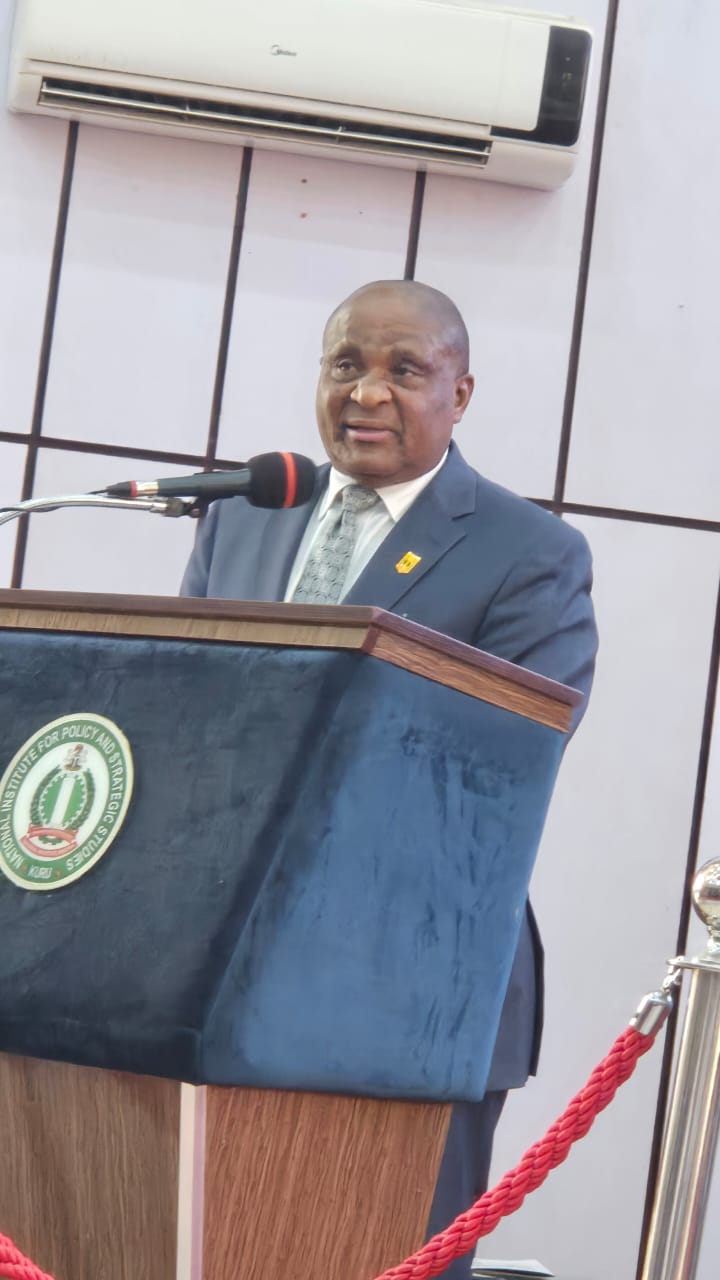
The President of the Alumni Association of the National Institute (AANI), Amb. Emmanuel Obi Okafor, has called for a secure and enabling environment to unlock Nigeria’s Orange Economy and maximise the creative sector’s contribution to national development.
Okafor made the call at the 5th Distinguished AANI Alumni Lecture held at the National Institute for Policy and Strategic Studies (NIPSS), Kuru, Plateau.
The lecture, themed “The Orange Economy and Entrepreneurship for Sustainable Development in Nigeria: Security as a Primary Enabler,” focused on the relationship between security, entrepreneurship and the creative industries.
Okafor said security was fundamental to entrepreneurship, innovation, investment and sustainable development, particularly as Nigeria seeks to expand its growing creative economy.
He said the creative industries had significant potential to generate employment, stimulate economic growth, promote entrepreneurship and strengthen Nigeria’s cultural influence globally.
To unlock the sector’s potential, he urged government to invest in skills development, infrastructure, access to finance, digital connectivity and intellectual property protection.
He also called for a broader understanding of national security that goes beyond the traditional focus on physical insecurity to include economic opportunities, education, human capital development, social inclusion and the protection of creative enterprises.
The Issues
Nigeria’s Orange Economy has significant growth potential, but stakeholders say the sector continues to face structural and security challenges.
Inadequate infrastructure, limited access to finance, skills gaps, weak intellectual property protection and fragmented policies can limit the ability of creative entrepreneurs to scale their businesses.
Insecurity remains an additional constraint because it can discourage investment, restrict movement, disrupt creative activities and weaken confidence among entrepreneurs and investors.
The formalisation of informal creative businesses is also important for improving access to finance, regulation, social protection and institutional support.
What’s Being Said
Amb. Emmanuel Obi Okafor, President, AANI
Okafor said security should be viewed as a foundation for the development of Nigeria’s creative economy, stressing the need for investment in the ecosystem that supports creative entrepreneurship.
He called for a broader conception of national security that incorporates economic opportunity, education, human capital development and social inclusion.
Prof. Ayo Omotayo, Director-General, NIPSS
Omotayo said Nigeria’s creative talent and entrepreneurial energy could drive economic transformation if supported by appropriate institutional and security conditions.
“Ideas require institutions, innovation requires investment, entrepreneurship requires confidence, and confidence flourishes only where security prevails.”
He described security as:
“The invisible infrastructure upon which economic transformation depends.”
Omotayo called for coherent policies and effective institutions to create the conditions required for the sector to thrive.
Retired Rear Adm. Emmanuel Jaiyeola, Keynote Speaker
Jaiyeola described the Orange Economy as a promising pathway to inclusive and sustainable development, citing creativity, culture, innovation and intellectual property as potential drivers of employment, economic diversification, youth empowerment and social inclusion.
He identified Nigeria’s youthful population, cultural diversity, creative talent and expanding digital ecosystem as strategic advantages.
However, he listed inadequate infrastructure, limited finance, weak intellectual property protection, skills deficits, policy fragmentation and insecurity among the sector’s major constraints.
Describing insecurity as “the most pervasive constraint,” Jaiyeola called for stronger collaboration among government, the private sector, educational institutions and creative industry stakeholders.
Issa Aremu, Director-General, MINILS
Aremu highlighted the employment potential of the creative sector and advocated the formalisation of informal businesses to improve access to finance, regulation, social protection and institutional support.
He also called for stronger collaboration between creative industry stakeholders and the Federal Ministry of Arts, Culture and the Creative Economy, alongside greater protection of digital activities and creative assets.
Prof. John Wade, mni
Wade advocated an integrated approach involving institutions, skills, infrastructure, investment and security.
He stressed the need to move beyond policy formulation to effective implementation, coordination and measurable outcomes.
What’s Next
Stakeholders are expected to push for stronger institutional collaboration and practical measures that can improve the operating environment for Nigeria’s creative entrepreneurs.
Priority areas include digital infrastructure, skills acquisition, access to finance, intellectual property protection and the formalisation of informal creative businesses.
There is also a need for stronger coordination among government agencies, private-sector players, educational institutions and creative industry stakeholders to translate policy recommendations into measurable outcomes.
Bottom Line
Nigeria’s Orange Economy offers significant opportunities for job creation, youth empowerment, economic diversification and global cultural influence. But stakeholders at the AANI lecture stressed that creativity alone cannot drive the sector’s growth. Without security, investment, infrastructure, skills, financing and effective institutions, Nigeria may struggle to convert its considerable creative talent into sustained economic value.









, Amb. Emmanuel Obi Okafor, has called for a secure and enabling ...)