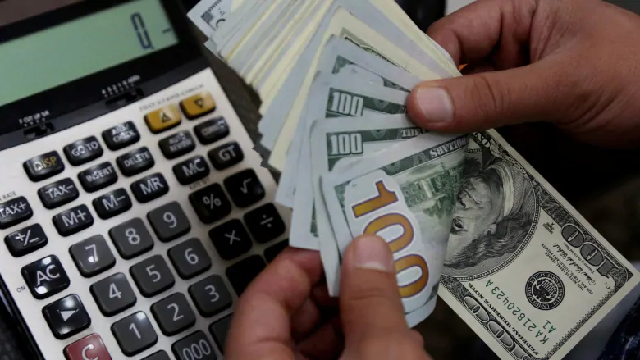
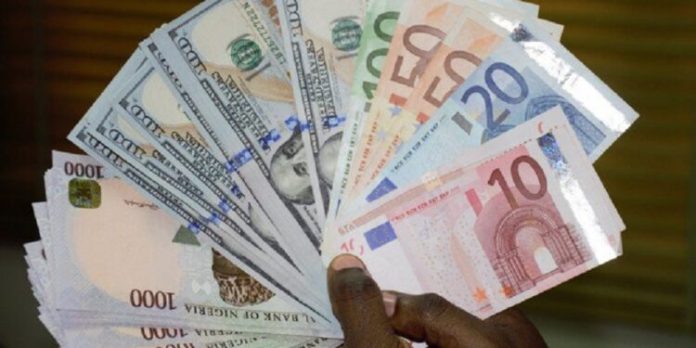
The exchange rate between the Naira and the US dollar, according to the data released on the FMDQ Security Exchange,the official forex trading portal, showed that the naira closed at 1364 per $1 on Wednesday, August 12th 2026. The naira traded as high as 1358 to the dollar at the investors and exporters (I&E) window on Tuesday. This is brought to you by Bizwatch Nigeria.
Dollar to naira exchange rate today black market (Aboki dollar rate):
The exchange rate for a dollar to naira at Lagos Parallel Market (Black Market) players sell a dollar for ₦1430 and buy at ₦1415 on Tuesday 11th August, 2026, according to sources at Bureau De Change (BDC).
Please note that the Central Bank of Nigeria (CBN) does not recognize the parallel market (black market), as it has directed individuals who want to engage in Forex to approach their respective banks.
Dollar to Naira Black Market Rate Today
Dollar to Naira (USD to NGN)
Black Market Exchange Rate Today
Selling Rate
₦1430
Buying Rate
₦1415
Dollar to Naira CBN Rate Today
Dollar to Naira (USD to NGN)
CBN Rate Today
Highest Rate
₦1364
Lowest Rate
₦1358
Please note that the rates you buy or sell forex may be different from what is captured in this article because prices vary.
Reform is expected to unlock up to $50 billion in deep offshore investment.
New framework replaces project-by-project negotiations with transparent eligibility rules.
Bonga South West, valued at about $10 billion, is expected to be among the first projects to benefit.
Government says the framework will strengthen local capacity and create skilled jobs.
Main Story
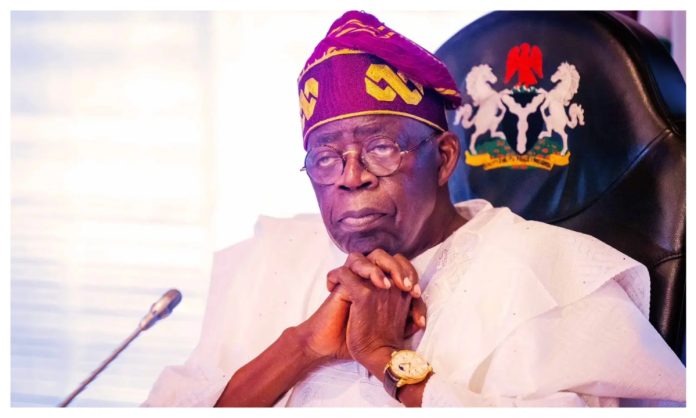
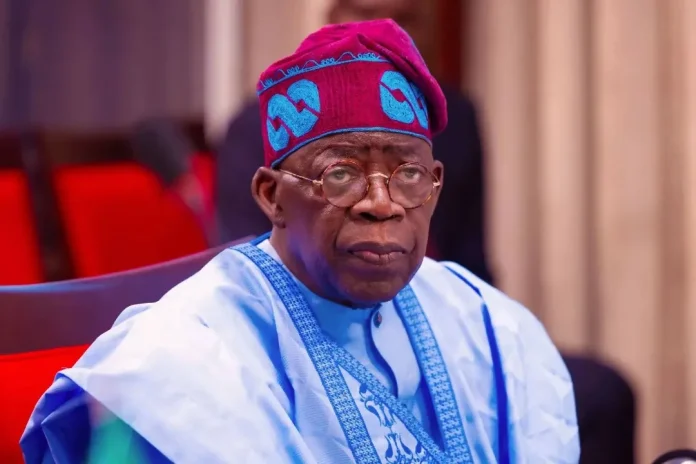
President Bola Tinubu has approved a new investment framework expected to unlock up to $50 billion in Nigeria’s deep offshore oil and gas sector and revive projects that have stalled.
The reform replaces negotiations conducted on individual projects with a common framework that sets out eligibility requirements and implementation procedures for qualifying developments.
The Presidency disclosed this in a statement issued by Presidential Spokesperson, Mr Bayo Onanuga, on Tuesday in Abuja.
According to the statement, the framework is expected to support a new wave of deep offshore developments, starting with the approximately $10 billion Bonga South West project.
It is also intended to make Nigeria more competitive in attracting long-term international capital by giving investors greater certainty over the fiscal and regulatory conditions governing eligible projects.
The decision followed Tinubu’s engagement with Shell plc Chief Executive Officer, Mr Wael Sawan, where discussions focused on measures to revive Nigeria’s deep offshore investment pipeline.
The Federal Government subsequently opted for a broad framework that could apply to multiple qualifying projects rather than developing separate solutions for individual investments.
The framework was established through the Deep Offshore Oil and Gas Projects Incentives (Tax Remission) Order, 2026, which sets out eligibility criteria and processes for implementation.
The Presidency said the approach would provide greater certainty for investors while protecting the country’s long-term interests.
The approval also authorises NNPC Ltd., acting as the government’s nominated counterparty under Production Sharing Contracts, to make the amendments required to give effect to the framework.
Tinubu commended the Federal Ministries of Justice, Finance and Petroleum Resources, the Nigeria Revenue Service, NNPC Ltd. and other stakeholders for their contributions to the reform.
He also acknowledged the Nigerian Upstream Petroleum Regulatory Commission, the Nigerian Content Development and Monitoring Board and investing partners involved in developing the framework.
Mrs Olu Verheijen, Special Adviser to the President on Energy, said the framework was also designed to increase the participation of Nigerian businesses in deep offshore project execution.
She said qualifying projects would be expected to maximise execution within Nigeria where this was commercially and technically feasible.
According to her, the objective extends beyond increasing oil production and investment to include skilled employment, stronger local supply chains and greater development of Nigeria’s offshore project capabilities.
The Issues
Nigeria has struggled to attract sufficient long-term investment into some deep offshore projects, with project economics and investment certainty affecting the development pipeline. The new framework seeks to provide uniform rules for qualifying projects while encouraging investment and greater local participation.
What’s Being Said
“The countries that attract long-term investment are not necessarily those with the greatest natural resources.” – President Bola Tinubu
“They are the ones that provide the greatest certainty.” – President Bola Tinubu
“We are creating the conditions for capital to flow, for Nigerian businesses to grow, for our people to prosper and for our natural resources to deliver lasting national value,” – President Bola Tinubu
“The objective is not only to increase investment and production, but also to create skilled jobs, deepen local supply chains and position Nigeria as Africa’s regional hub for deep offshore project execution,” – Mrs Olu Verheijen, Special Adviser to the President on Energy
What’s Next
NNPC Ltd. is expected to proceed with the amendments required to implement the new framework under the relevant Production Sharing Contracts. Qualifying offshore projects, including Bonga South West, are expected to be assessed under the new rules.
Bottom Line
The Tinubu administration is replacing project-specific offshore investment negotiations with a broader rules-based framework in an effort to revive stalled developments, attract up to $50 billion in investment and increase Nigeria’s participation in deep offshore project execution.
Federal Government plans to expand refining and petroleum infrastructure.
Lokpobiri says Nigeria needs capacity of about four million barrels to serve Africa.
Government seeks stronger regional cooperation on petroleum trade and regulation.
Investors urged to take advantage of opportunities created by sector reforms.
Main Story
Nigeria plans to expand its refining capacity and develop supporting petroleum infrastructure as part of efforts to position the country as a major energy and trading hub in West Africa.
The Minister of State for Petroleum Resources (Oil), Sen. Heineken Lokpobiri, disclosed this on Tuesday at the second edition of the West Africa Refined Fuel Market Conference in Abuja.
Lokpobiri said Nigeria’s large market, strategic location and resource base gave it an opportunity to become a major supplier of refined petroleum products across the continent.
He said the Federal Government’s deregulation of the petroleum sector had opened up investment opportunities and created a more competitive operating environment.
The minister, however, said the benefits of Nigeria’s petroleum resources could not be fully realised without adequate infrastructure across the refining, midstream and downstream segments.
He said the country needed to expand refining capacity substantially to meet domestic demand and serve markets across Africa.
Lokpobiri urged investors to channel capital into refining, storage, transportation and other critical petroleum infrastructure, assuring them of the government’s commitment to creating conditions that would attract both domestic and international investment.
He also called for closer regulatory cooperation among West African countries to support cross-border investment and petroleum trade.
According to him, harmonised standards and coordinated regulation would be important to developing an integrated and sustainable regional petroleum market.
Lokpobiri said Nigeria’s emergence as a major refined petroleum supplier would have wider economic benefits for the region, adding that cooperation with neighbouring countries was necessary to strengthen energy security and promote shared prosperity.
He also advocated a sustainable pricing framework, stressing that market-driven pricing was necessary to attract investment and build a competitive petroleum industry.
The minister said Africa’s expanding energy market presented Nigeria with an opportunity to strengthen its position as a leading supplier of refined products.
He described the conference as a platform for advancing discussions around infrastructure development, investment and pricing within the West African petroleum market.
The Issues
Nigeria’s ability to become a regional petroleum hub depends on expanding refining capacity while developing storage, transportation and other supporting infrastructure. Regional coordination on regulation, standards and pricing will also be important for increasing cross-border petroleum trade.
What’s Being Said
“Refining is not enough; we need to increase our refining capacity to about four million barrels to service the entire African continent,” – Sen. Heineken Lokpobiri, Minister of State for Petroleum Resources (Oil)
What’s Next
The Federal Government is expected to continue supporting investment in refining and other petroleum infrastructure while pursuing stronger regional cooperation on petroleum trade and regulation.
Bottom Line
Nigeria is seeking to turn its petroleum resources and strategic location into a regional advantage by expanding refining capacity, attracting infrastructure investment and strengthening integration of the West African petroleum market.
CIBN urges banks to channel recapitalisation funds into MSMEs and other productive sectors
The institute plans MSME forums, SME clinics and clusters to improve access to finance
CIBN says stronger monetary-fiscal coordination and financial inclusion remain critical to economic resilience
Main Story
The Chartered Institute of Bankers of Nigeria (CIBN) has urged banks to deploy funds raised through the recapitalisation exercise to Micro, Small and Medium Enterprises (MSMEs) and other productive sectors.
CIBN President, Dr Dele Alabi, made the call in Lagos while announcing the institute’s 2026 Annual Banking and Finance Conference, scheduled for September 8–9 at Transcorp Hilton Hotel, Abuja.
Alabi said the additional capital would strengthen banks’ buffers against economic shocks, but argued that the funds should also be deployed strategically to support businesses and households.
He said declining yields on government securities and thin margins among top-tier corporate borrowers were creating the need for banks to identify new lending opportunities, particularly among MSMEs.
“The banking sector has a critical role to play in supporting Nigeria’s ambition to build a resilient economy and achieve a one-trillion economy,” Dr Dele Alabi, President, Chartered Institute of Bankers of Nigeria (CIBN).
According to Alabi, CIBN plans to organise MSME forums that will connect businesses with banks, alongside SME clinics aimed at addressing weak corporate governance, inadequate financial records and poor accounting systems.
The institute also plans to establish SME clusters across Nigeria, with discussions already held with some state governors on providing land for the first SME hub.
Alabi said CIBN remained aligned with the Central Bank of Nigeria’s target of achieving 95 per cent financial inclusion.
He also disclosed that the institute was strengthening its Generation Next Programme, with the fourth edition scheduled for August 12 and digital participation available to young people across universities in the six geopolitical zones.
What’s Being Said
“The fresh capital would provide banks with stronger buffers against economic shocks but should also be strategically deployed to support businesses and households,” Dr Dele Alabi, President, Chartered Institute of Bankers of Nigeria (CIBN).
The supplied material does not include an independent industry or analyst response to the CIBN position.
What’s Next
CIBN’s fourth Generation Next Programme is scheduled for August 12, with digital participation for youths across universities in the six geopolitical zones
The institute’s 2026 Annual Banking and Finance Conference will hold on September 8–9 in Abuja
CIBN is expected to continue discussions with state governments on establishing SME clusters and its first SME hub
The Bottom Line:
The recapitalisation exercise will have greater economic impact if stronger bank balance sheets translate into productive lending rather than simply larger capital buffers. CIBN’s proposed MSME forums, clinics and clusters could help address some of the structural barriers preventing smaller businesses from accessing formal finance.
The British pound opened midweek trading at about ₦1,843/£1 in Nigeria’s official foreign exchange market.
Sterling has remained below the ₦1,850 level since July 20.
CBN data showed the pound trading within a narrow ₦1,830–₦1,845 range, suggesting reduced short-term volatility.
Traders are watching the US July Consumer Price Index (CPI) data for signals on the Federal Reserve’s future interest-rate decisions.
The pound was also hovering around $1.35 against the US dollar.
UK inflation, wage growth and economic growth remain important drivers of sterling’s direction.
Persistent foreign-exchange demand from trade, imports, school fees and external debt obligations could continue to influence the naira-pound exchange rate.
Main Story
The British pound remained below the ₦1,850 mark against the naira as midweek trading opened, with sterling settling at approximately ₦1,843/£1 in the official foreign exchange market.
The pound has struggled to reclaim the ₦1,850 level since July 20, while recent Central Bank of Nigeria (CBN) market data showed sterling trading within a relatively narrow range of between ₦1,830 and ₦1,845.
The limited movement suggests improved short-term price stability in the official market, following years of intermittent volatility driven by foreign-exchange liquidity constraints and differences between official and parallel-market rates.
However, demand for foreign currency remains a key factor in the naira’s performance, particularly among importers, businesses building inventories and Nigerians requiring sterling for expenses such as tuition payments in the United Kingdom.
The CBN has continued to pursue measures aimed at improving foreign-exchange liquidity and strengthening price discovery in the official market.
Recent reforms have also sought to standardise how banks and the official market price less frequently traded currency pairs, following efforts to improve convergence in the foreign-exchange market.
The Issues
Despite improved stability in the official market, structural foreign-exchange pressures remain.
Demand for foreign currency from trade, refined-product imports and external debt servicing could continue to influence the naira’s performance against major currencies.
The level of liquidity available in the market is also important. Greater dollar inflows and reduced foreign-exchange payment backlogs could help narrow the gap between official and parallel-market rates.
For businesses and individuals who require pounds specifically, fluctuations in the naira-pound rate remain particularly significant because sterling costs can rise even when the dollar-naira market is relatively stable.
What’s Driving the Pound?
Internationally, traders are closely monitoring developments in the United States and United Kingdom.
The pound was trading around $1.35 against the dollar, with market participants awaiting US July CPI figures for indications about the future direction of Federal Reserve monetary policy.
Inflation data are particularly important because stronger-than-expected price pressures could encourage the US Federal Reserve to maintain tighter monetary policy for longer, potentially supporting the dollar and placing pressure on sterling.
UK economic data will also be closely watched, particularly the country’s GDP figures and developments in wage growth and services inflation.
Market Outlook
Technical indicators suggested that GBP/USD remained above its 20-day exponential moving average, while the 14-day Relative Strength Index was around 60.
This indicated that bullish momentum remained intact without the currency entering traditionally overbought territory.
However, geopolitical developments could complicate the outlook.
Concerns surrounding tensions in the Middle East, including uncertainty over the Strait of Hormuz and increased attacks on shipping around the Red Sea and Bab al-Mandeb, have kept oil-market risks elevated.
Higher energy prices could, in turn, intensify inflation concerns and influence expectations about interest-rate decisions in both the US and UK.
What’s Next
The immediate focus for currency traders is the release of US July CPI data, followed by UK GDP figures.
The results could influence expectations about the Federal Reserve’s interest-rate trajectory and, by extension, the strength of the US dollar against sterling.
For the naira, continued CBN efforts to improve FX liquidity, attract inflows and reduce market distortions will remain critical to determining whether the pound remains within its current narrow trading range.
Bottom Line
The pound’s inability to break above ₦1,850 reflects a period of relative stability in the official naira-sterling market, but the calm remains vulnerable to changes in global inflation, interest rates, oil prices and domestic foreign-exchange demand.
For now, traders appear to be waiting for fresh US and UK economic data before taking stronger positions, leaving ₦1,830–₦1,845 as an important short-term range for sterling against the naira.
CBN offers ₦700 billion across 91-day, 182-day and 364-day Nigerian Treasury Bills
Investor demand is expected to remain strong after the previous auction was cancelled
Analysts expect the 364-day tenor to attract the strongest demand, with stop rates broadly stable
Main Story
The Central Bank of Nigeria (CBN) is set to auction ₦700 billion in Nigerian Treasury Bills (NTBs) today, Wednesday, August 12, across three standard maturities as investors position for relatively attractive fixed-income yields.
The auction will offer ₦100 billion in 91-day bills, ₦100 billion in 182-day bills and ₦500 billion in 364-day bills, according to the auction details contained in the market report.
The auction is expected to attract significant subscriptions amid sustained demand in the secondary market and excess liquidity across the financial system. Market participants have also been positioning for the auction following the cancellation of the previous week’s scheduled sale.
At the previous auction in July, the total offer size rose 16.67% to ₦700 billion from ₦600 billion, while investor subscriptions increased 19.24% to ₦3.62 trillion from ₦3.03 trillion, according to Meristem Securities.
Total allotment also increased 4.74% to ₦1.25 trillion, with the 364-day bill accounting for ₦1.02 trillion, or 81.57% of the total allotment.
“The allotment-to-offer ratio declined to 1.78x from 1.98x, mirroring the larger offer size, while the bid-to-cover ratio remained strong at 3.32x,” Meristem Securities said in its report.
The 91-day and 182-day stop rates were unchanged at 16.30% and 16.50%, respectively, while the 364-day stop rate declined by 31 basis points to 17.35% from 17.66%.
Since the last auction, the average NTB yield has also eased to 18.09% as of August 10 from 18.16% at the previous auction, indicating continued demand for short-term government securities.
What’s Being Said
“The allotment-to-offer ratio declined to 1.78x from 1.98x, mirroring the larger offer size, while the bid-to-cover ratio remained strong at 3.32x,” Meristem Securities Limited said.
Market analysts cited in the source report expect healthy participation at the auction, particularly for the 364-day tenor, as institutional investors seek to lock in prevailing yields.
What’s Next
The CBN will conduct the ₦700 billion auction across the three tenors on Wednesday, August 12
Investors will watch the 364-day bill for signs of stronger demand and possible movement in the stop rate
Market participants will assess the auction’s allotment and stop rates for signals on near-term fixed-income pricing
Bottom Line
The Bottom Line: The auction comes into a market where demand for Nigerian Treasury Bills remains strong, particularly at the long end, even as secondary-market yields continue to ease. The size of subscriptions and the 364-day stop rate will provide an important signal of whether investors are still willing to accept lower yields to secure government-backed returns.
The Nigerian Civil Aviation Authority (NCAA) plans to introduce RFID baggage tracking across Nigerian airports.
The system will allow passengers to monitor checked luggage in real time, from check-in to their destination.
The technology is expected to tackle misrouted, delayed and short-landed bags.
NCAA has held consultations with domestic airlines, aviation service providers and the Federal Airports Authority of Nigeria (FAAN) to finalise implementation plans.
The initiative forms part of wider efforts to deploy technology to improve passenger experience and operational efficiency.
The Minister of Aviation and Aerospace Development, Festus Keyamo, has approved further review of the proposed system by relevant agencies.
The planned RFID rollout comes alongside FAAN’s biometric V-Pass project and Customs’ planned deployment of cargo scanners.
Main Story
The Nigerian Civil Aviation Authority (NCAA) is set to introduce radio-frequency identification (RFID) baggage tracking across Nigerian airports, a move expected to give passengers real-time visibility of their checked luggage and improve baggage-handling efficiency.
The development was disclosed by the NCAA Director of Public Affairs and Consumer Protection, Michael Achimugu, in a statement on Tuesday.
Achimugu said the authority had met with domestic airlines, aviation service providers and the Federal Airports Authority of Nigeria (FAAN) in Lagos to finalise plans for migrating to RFID baggage tagging.
Unlike conventional baggage tags, the technology will provide a digital trail that allows passengers and airlines to monitor the movement of checked luggage from the point of check-in until it reaches the passenger’s destination.
The NCAA expects the system to address persistent baggage-related challenges, including misrouted and short-landed bags, while making it easier to trace luggage and resolve complaints.
According to Achimugu, the technology has already been deployed in other parts of the world, but its proposed implementation would represent a new phase in baggage management in Nigeria.
He said the system, if properly implemented, would improve operational efficiency, strengthen complaint resolution and ultimately enhance passenger satisfaction.
The Issues
Baggage mishandling remains one of the frustrations passengers can encounter during air travel, particularly when luggage is delayed, sent to the wrong destination or does not arrive with its owner.
The absence of real-time visibility can also make it difficult for airlines and passengers to establish where a bag was last recorded or determine responsibility when problems occur.
RFID technology could address part of this challenge by creating a more comprehensive digital record of baggage movement.
However, successful implementation will depend on standardisation across airlines and airports, adequate infrastructure, staff training, system integration and consistent compliance.
The system will also need to work seamlessly across different airlines, baggage-handling companies and airport facilities to deliver the real-time tracking promised to passengers.
What’s Being Said
Michael Achimugu, NCAA Director of Public Affairs and Consumer Protection
Achimugu said the authority was working with industry stakeholders to finalise the transition to RFID baggage tagging.
“This automation technology means that air passengers can track the location of their bags from check-in to arrival at destination, real time.”
He said the system would help address problems associated with misrouted and short-landed baggage.
“We are going to resolve the issue of misrouted bags, shortlanded bag, etc.”
Achimugu added that the Minister of Aviation and Aerospace Development, Festus Keyamo, had approved plans for relevant agencies to review the innovation and report back.
What’s Next
The immediate priority is to complete consultations among the NCAA, airlines, FAAN and other aviation service providers before implementation.
Relevant agencies are expected to review the technology and develop the operational framework required for its deployment across airports.
If approved and implemented nationwide, passengers could eventually have greater visibility over their luggage throughout their journey, while airlines and ground handlers would have a stronger system for tracing and resolving baggage incidents.
Nigeria’s Wider Airport Digitalisation Push
The proposed RFID system is part of a broader move towards technology-driven aviation operations.
FAAN is also advancing its V-Pass biometric identity verification system, which is designed to use passengers’ National Identification Numbers (NIN), facial biometrics and passports to improve identity verification and passenger flow.
The system is expected to support verification before passengers enter restricted airport areas and again before boarding, with e-Gates planned to reduce queues.
Technology deployment is also expanding into cargo operations. The Nigeria Customs Service is preparing to deploy cargo scanners at the Nnamdi Azikiwe International Airport, Abuja, following specialised training for officers in image analysis.
The scanners are expected to speed up cargo inspection and strengthen the detection of prohibited or undeclared goods.
Bottom Line
The NCAA’s proposed RFID baggage system could represent a significant shift from reactive baggage complaints to proactive, trackable luggage management.
For passengers, the biggest benefit would be visibility: knowing where their luggage is rather than waiting until it disappears from the baggage carousel to begin searching for answers.
For airlines and airport operators, the technology could improve accountability, reduce handling errors and make baggage complaints easier to investigate.
But its success will ultimately depend on how consistently the system is deployed and integrated across Nigeria’s airports and aviation operators.
The naira depreciated by N4.76 to N1,364.8992 per dollar at the Nigerian Foreign Exchange Market on Tuesday
Interbank FX turnover fell 86.4% to $29.060 million, while settled deals dropped to 47 from 182
Nigeria’s external reserves rose by $83.81 million to $52.14 billion, strengthening the country’s external liquidity buffer
Main Story
The naira weakened by N4.76 against the US dollar at the Nigerian Foreign Exchange Market on Tuesday as interbank foreign exchange activity fell sharply.
The local currency closed at N1,364.8992 per dollar, compared with N1,360.1415 recorded in the previous session, according to FX data obtained from the relevant authority.
Transactions at the official market were conducted between N1,361 and N1,365.5000, indicating renewed pressure on foreign exchange liquidity. The decline came as activity among Nigerian banks acting as market makers eased.
Interbank FX turnover fell to $29.060 million from $213.845 million in the previous session, representing a decline of more than 86%. The number of interbank deals settled also dropped to 47 from 182.
Market activity was also affected by weaker dollar volumes as banks reduced bids from customers seeking foreign exchange payments. The tighter liquidity conditions added pressure to the naira during the session.
In the parallel market, the naira remained stable at N1,420 per dollar, leaving a N55.10 gap between the informal rate and the official NFEM closing rate.
Meanwhile, Nigeria’s gross external reserves increased by $83.81 million to $52.14 billion, according to Central Bank of Nigeria foreign exchange data.
The increase in reserves provides an additional external liquidity buffer and could strengthen the Central Bank of Nigeria’s capacity to support orderly conditions in the foreign exchange market.
What’s Being Said
“We expect the naira to remain broadly stable, with market participants monitoring the pace of reserve accumulation and foreign exchange inflows for further direction,” AIICO Capital Limited said in a market update to investors.
Broadstreet analysts also told MarketForces Africa that market confidence remained strong, pointing to sustained inflows into Nigeria’s external reserves despite uncertainty in global commodity markets.
What’s Next
Market participants will monitor the pace of foreign exchange inflows and reserve accumulation for signals on the naira’s near-term direction
Banks and other market participants will continue to watch interbank FX liquidity and transaction volumes for signs of renewed market pressure
The Central Bank of Nigeria’s management of external liquidity will remain important to maintaining orderly conditions in the official FX market
Bottom Line
The Bottom Line: The naira’s latest decline reflects renewed pressure at the official FX window as interbank turnover and transaction volumes contracted sharply. However, rising external reserves provide a stronger liquidity buffer that could help limit volatility if foreign exchange inflows remain sustained.
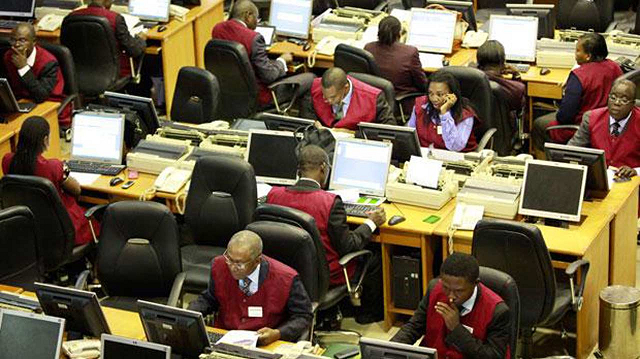
Equities market capitalisation falls ₦1.17 trillion to ₦159.26 trillion as profit-taking hits major stocks
NGX All-Share Index drops 73 basis points to 246,723.57 after Monday’s ₦1.91 trillion gain
Trading activity surges as 3.91 billion shares worth ₦32.38 billion change hands across 45,608 deals
Main Story
Nigeria’s equities market shed about ₦1.17 trillion in value on Tuesday, August 11, 2026, as investors sold major stocks including MTN Nigeria and FirstHoldCo following Monday’s strong rally.
According to market data cited by Atlass Portfolio Limited, the Nigerian Exchange (NGX) All-Share Index fell 1,806.18 points, or 73 basis points, to close at 246,723.57. Total market capitalisation declined by ₦1,165.87 billion to ₦159.26 trillion.
The decline followed a ₦1.91 trillion gain recorded in the previous session, with profit-taking pressure reported across large- and mid-cap stocks. MTN Nigeria, Dangote Sugar Refinery, GTCO and Nigerian Breweries were among the stocks weighing on market performance.
Despite the decline in prices, trading activity increased sharply. Atlass Portfolio said approximately 3,909.29 million units valued at ₦32,380.64 million were traded through 45,608 deals, representing increases of 243.77% in volume and 19.85% in value.
FTGINSURE dominated trading volume with 84.27% of total units traded, followed by TRANSEXPR at 2.17%, ACCESSCORP at 1.69%, CONHALLPLC at 1.39% and FIDELITYBK at 1.20%.
FTNCOCOA led the gainers with a 9.88% increase, while THOMASWY was the worst performer, declining 9.97%. MTNN fell 4.73%.
Market breadth was evenly split, with 27 stocks advancing and 27 declining.
What’s Being Said
Atlass Portfolio Limited’s market review showed that the session was characterised by increased trading activity alongside broad profit-taking in selected large- and mid-cap stocks. The data also showed that the Consumer Goods and Banking sectors declined, while Insurance and Oil & Gas gained.
No direct investor or analyst quotation was provided in the source material, so BizWatch Nigeria has not inserted an unverified quote.
What’s Next
Investors will watch whether selling pressure in large-cap stocks continues in the next trading session after Tuesday’s reversal.
Market participants will also monitor the performance of the Banking, Consumer Goods, Insurance, Oil & Gas and Industrial Goods sectors for signs of renewed sector rotation.
Bottom Line
The Bottom Line: Tuesday’s decline shows that the market’s strong Monday rally was followed by significant profit-taking rather than sustained broad-based buying. The sharp increase in trading volume suggests that investor activity remains high, but the direction of the next sessions will depend heavily on whether demand returns to the market’s major capitalisation stocks.
President Bola Tinubu has approved a new framework aimed at attracting up to $50 billion in fresh investment into Nigeria’s deep offshore oil and gas sector.
The reform replaces project-by-project negotiations with a transparent, rules-based incentive framework.
It is being implemented through the Deep Offshore Oil and Gas Projects Incentives (Tax Remission) Order, 2026.
The framework is expected to support the revival of stalled offshore projects, beginning with the $10 billion Bonga South West development.
Government says the reform could boost crude production, create skilled jobs and strengthen Nigeria’s oilfield services and local supply chains.
The Presidency says qualifying projects will prioritise execution within Nigeria where commercially and technically feasible.
The reform comes amid renewed offshore investment activity, including ExxonMobil and its partners’ $1 billion Usan Infill Project.
Main Story
President Bola Tinubu has approved a new investment framework for Nigeria’s deep offshore oil and gas sector, targeting up to $50 billion in fresh investment and seeking to revive major offshore projects that have remained stalled for years.
The approval was announced on Tuesday by Bayo Onanuga, Special Adviser to the President on Information and Strategy.
According to the Presidency, the framework, introduced through the Deep Offshore Oil and Gas Projects Incentives (Tax Remission) Order, 2026, is designed to provide investors with greater certainty while protecting Nigeria’s long-term economic interests.
The reform marks a shift away from the previous system of negotiating incentives separately for individual projects. Instead, qualifying offshore developments will operate under clearly defined eligibility requirements, implementation procedures and investment incentives.
The Presidency said the framework would support the next generation of deep offshore developments, beginning with the approximately $10 billion Bonga South West project.
The initiative is expected to improve Nigeria’s competitiveness in attracting international capital at a time when the country is seeking to reverse declining oil production and stimulate investment in new fields.
The Issues
Nigeria’s deep offshore sector has faced significant investment challenges in recent years, with ageing fields, high development costs and regulatory and fiscal uncertainties affecting new projects.
The decline in offshore investment has broader consequences for the Nigerian economy because crude oil remains a major source of foreign exchange and government revenue.
The latest reform therefore seeks to address one of the industry’s central concerns: investment certainty.
By replacing individual negotiations with predetermined rules, government hopes investors will have greater clarity when assessing the commercial viability of large and capital-intensive offshore projects.
However, the success of the policy will ultimately depend on how effectively the incentives translate into Final Investment Decisions, actual project execution, increased production and measurable economic benefits.
What’s Being Said
Olu Arowolo-Verheijen, Special Adviser to the President on Oil and Gas
Arowolo-Verheijen said the reform was designed to ensure that the benefits of increased offshore investment extend beyond crude production.
“The objective is not only to increase investment and production, but also to create skilled jobs, deepen local supply chains and position Nigeria as Africa’s regional hub for deep offshore project execution.”
She said qualifying projects would prioritise execution within Nigeria wherever commercially and technically feasible, potentially creating opportunities for Nigerian engineering, fabrication, marine logistics, technical services and project management companies.
President Bola Tinubu
Tinubu said the reform was part of his administration’s broader effort to create a predictable investment environment.
“We are creating the conditions for capital to flow, for Nigerian businesses to grow, for our people to prosper and for our natural resources to deliver lasting national value.”
What’s Next
The immediate focus is expected to be on translating the new framework into investment decisions for major offshore projects, particularly Bonga South West.
The project is expected to serve as an important test of whether the new incentive regime can unlock large-scale capital commitments and accelerate offshore development.
Government will also be expected to ensure that the framework strengthens local participation by creating opportunities for Nigerian businesses across engineering, fabrication, logistics, technical services and other areas of the offshore value chain.
The administration will also be watching the impact of the incentives on oil production, employment, foreign exchange earnings and government revenue.
Recent Offshore Investment Momentum
The latest approval builds on previous efforts by the Tinubu administration to revive deep offshore investment.
In January 2026, the President approved the gazetting of targeted investment-linked incentives for Shell’s proposed Bonga South West project, aimed at accelerating capital inflows and supporting the project’s Final Investment Decision.
The latest development also follows a $1 billion commitment by ExxonMobil and its partners to the Usan Infill Project, which is expected to increase Nigeria’s crude production by about 40,000 barrels per day.
Together, the developments point to renewed efforts to restore investor confidence in Nigeria’s offshore petroleum industry.
Bottom Line
Tinubu’s deep offshore reform represents a major attempt to move Nigeria’s oil industry from negotiation-driven incentives to a more predictable investment regime.
If successfully implemented, the framework could unlock billions of dollars in capital, revive stalled projects, increase crude production and generate jobs across Nigeria’s oil and gas value chain.
But the real measure of success will not be the $50 billion investment target on paper; it will be whether the new rules translate into actual investment, completed projects, higher production and sustainable economic value for Nigerians.
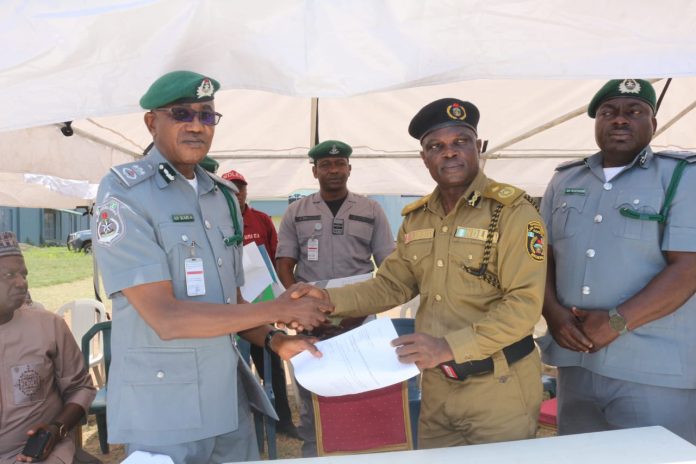
The Nigeria Customs Service (NCS), Seme Area Command, has intercepted 1,306 sacks of expired and decomposing noodles allegedly concealed in a truck.
The truck was reportedly declared as carrying food items before Customs officers subjected it to examination.
The Command also intercepted 3,300 cartridges of explosive materials and handed them over to the Police Explosive Ordnance Disposal Unit.
Other seizures included foreign parboiled rice, Cannabis Sativa, pharmaceutical products and more than 310,000 sticks of cigarettes.
The seized goods had a combined Duty Paid Value (DPV) of ₦365.16 million.
Main Story
The Nigeria Customs Service (NCS), Seme Area Command, has intercepted 1,306 sacks of expired and decomposing noodles allegedly concealed in a truck in an attempt to prevent the entry of unsafe food products into Nigeria.
The seizure was disclosed by the Customs Area Controller, Comptroller of Customs Abdullahi Kaila, at a press briefing at the Command on Tuesday.
Kaila said the truck was initially declared as carrying food items but was intercepted during an enforcement operation and subjected to further examination.
The inspection, he said, uncovered 1,306 sacks of expired and waste noodles, each weighing 50 kilogrammes, with several of the products already deteriorating and visibly decomposing.
“What was discovered was deeply disturbing because many of the products had already deteriorated and were visibly decomposing.”
The Customs Area Controller said the seizure underscored the importance of sustained border surveillance in protecting Nigerians from prohibited and potentially dangerous imports.
The Command also intercepted 3,300 cartridges of explosive materials, which were subsequently handed over to the Nigeria Police Force Explosive Ordnance Disposal Unit for safe custody and further investigation.
Other items seized included 1,268 bags of foreign parboiled rice, 373 parcels of Cannabis Sativa, 90 packs of Tramaking 250mg, 69 packs of Royal Tapentadol 250mg and 310,000 sticks of Time/Yes cigarettes, among other prohibited goods.
The combined Duty Paid Value of the seized consignments was put at ₦365.16 million.
The Issues
The interception of the expired noodles raises significant public health and border-control concerns, particularly because the products were reportedly concealed and falsely declared.
Allowing deteriorated food products into the domestic market could expose consumers to serious health risks, while the concealment of such consignments highlights the challenges Customs faces in detecting fraudulent declarations and prohibited imports.
The discovery of explosive materials presents an even more serious security concern. The handover to the Police Explosive Ordnance Disposal Unit allows specialised authorities to secure and investigate the items.
The seizures also demonstrate the broad nature of Customs’ border mandate, which extends beyond revenue collection to include public safety, trade regulation, national security and the enforcement of import restrictions.
What’s Being Said
Comptroller Abdullahi Kaila, Customs Area Controller, Seme Command
Kaila said Customs officers remained committed to securing Nigeria’s borders while facilitating legitimate trade and generating revenue for national development.
On the expired noodles, he said:
“Upon examination we uncovered 1,306 sacks of expired and waste noodles, each weighing 50 kilograms.”
He said the Command’s enforcement operations were increasingly driven by intelligence and sustained surveillance.
NAFDAC Representative
Receiving the seized consignments on behalf of the National Agency for Food and Drug Administration and Control (NAFDAC), the agency’s Deputy Director and Coordinator commended the cooperation among the agencies.
“This is a clear demonstration of a working synergy from top to bottom.”
He said the collaboration would continue to protect the country from activities capable of threatening public safety.
Revenue Performance
Alongside the seizures, the Seme Area Command reported a significant increase in revenue collection.
The Command remitted ₦19.84 billion to government coffers during the period under review, compared with ₦15.94 billion recorded during the corresponding period in 2025.
The increase represents an improvement of about ₦3.90 billion, or roughly 24.5 per cent, year-on-year.
Kaila attributed the performance to sustained enforcement, intelligence-driven operations and improved compliance.
What’s Next
The seized explosive materials will remain under the custody of the Police Explosive Ordnance Disposal Unit for further investigation and appropriate action.
The expired food products and other regulated consignments have also been handed over to relevant sister agencies in accordance with the Nigeria Customs Service Act 2023.
Customs and its partner agencies are expected to sustain joint enforcement operations along the Seme border, with particular attention to fraudulent declarations, prohibited imports, unsafe food products, narcotics, pharmaceutical products and security-sensitive materials.
Bottom Line
The Seme Area Command’s latest interceptions highlight the multiple risks confronting Nigeria’s borders—from unsafe food imports to illicit drugs, counterfeit or restricted products and explosive materials.
While the ₦365.16 million seizure demonstrates the financial value of Customs enforcement, the more significant outcome is the prevention of potentially harmful goods from reaching Nigerian consumers and the removal of explosive materials from circulation.
With revenue also rising to ₦19.84 billion, the Command’s performance illustrates how intelligence-led enforcement can simultaneously support national security, public health, legitimate trade and government revenue.
The Nigeria Customs Service (NCS) has called for intelligence-led border security to tackle the trafficking of small arms and light weapons into Nigeria.
The Service advocated stronger inter-agency intelligence sharing, modern surveillance technology and closer cooperation with border communities and neighbouring countries.
Customs identified porous borders, illegal crossing routes, inadequate surveillance equipment, personnel shortages and sophisticated concealment methods as major challenges.
It called for increased investment in drones, non-intrusive inspection technology and biometric border management.
The Service also stressed continuous training, risk profiling and intelligence gathering as essential to combating transnational organised crime.
Customs said previous interceptions at seaports and airports demonstrated the value of technology-driven and intelligence-based enforcement.
It advocated adequate funding, institutional reforms and stronger sanctions against arms traffickers.
Main Story
The Nigeria Customs Service (NCS) has called for a more intelligence-driven approach to border security, saying stronger intelligence sharing, modern surveillance technology and inter-agency cooperation are critical to curbing the trafficking of illicit small arms and light weapons into Nigeria.
The Service made the call on Wednesday, July 29, 2026, at a Leadership Course on the Control of Small Arms and Light Weapons (SALW), organised by the Defence Intelligence College in Abuja.
The Comptroller-General of Customs, Adewale Adeniyi, was represented at the programme by the Deputy Commandant and Director of Studies, Nigeria Customs Command and Staff College, Gwagwalada, Comptroller of Customs Haniel Hadison.
Delivering a lecture titled “The Role of the Nigeria Customs Service in Intercepting Arms Smugglers and the Challenges of Border Management,” Hadison said Customs remained a key institution in national efforts to disrupt illicit arms trafficking.
He said the Service had strengthened its approach through intelligence-led enforcement, strategic interceptions and collaboration with relevant security agencies.
According to him, the scale and sophistication of arms trafficking require a coordinated response that extends beyond the Customs Service.
“Effective border security cannot be achieved by the Nigeria Customs Service alone.”
Haison stressed the need for sustained intelligence sharing, active engagement with communities living around border areas and stronger cooperation with neighbouring countries.
He said these measures would help security agencies identify emerging threats earlier and respond more effectively to attempts to move prohibited goods across Nigeria’s borders.
The Issues
Nigeria’s extensive land and maritime borders present significant challenges for effective border control.
Customs identified porous border areas, numerous illegal crossing routes, inadequate surveillance technology and shortages of trained personnel and operational logistics among the major obstacles confronting border security.
Another challenge is the increasing sophistication of smugglers, who continue to devise new ways of concealing illicit goods and evading detection.
The proliferation of small arms and light weapons also has wider security implications, as illegally trafficked weapons can fuel organised crime, banditry, communal violence and other forms of insecurity.
This makes the ability to detect suspicious movements before weapons enter the country particularly important.
What’s Being Said
Comptroller Haniel Hadison, NCS
Hadison said Customs could not effectively address arms trafficking without stronger cooperation across Nigeria’s security architecture.
“Effective border security cannot be achieved by the Nigeria Customs Service alone.”
He called for continued investment in modern surveillance systems, non-intrusive inspection technology, drones, biometric border management and personnel development.
He identified intelligence gathering, risk profiling and continuous professional training as critical tools for responding to evolving smuggling methods and transnational organised crime.
According to him, previous arms interceptions at Nigerian seaports and airports demonstrate how technology, intelligence and strategic collaboration can improve border enforcement.
He said Customs’ operational experience offered useful lessons for developing a stronger national border management strategy.
What’s Next
The NCS is advocating a coordinated national approach that combines intelligence, technology, trained personnel and inter-agency cooperation.
Priority areas include expanding the use of drones and modern surveillance systems, strengthening non-intrusive inspection capabilities, improving biometric border management and enhancing officers’ professional capacity.
The Service also wants stronger intelligence links with neighbouring countries and greater engagement with communities around border areas.
Beyond enforcement, Hadison called for adequate funding, institutional reforms and tougher sanctions against arms traffickers to strengthen deterrence.
Bottom Line
The fight against illicit arms trafficking is increasingly becoming a technology and intelligence battle. For Customs, closing Nigeria’s borders does not necessarily mean deploying more personnel alone; it requires knowing where the risks are, identifying suspicious movements early and coordinating quickly with other security agencies.
A combination of intelligence-led enforcement, modern surveillance technology, community engagement and regional cooperation could therefore strengthen Nigeria’s ability to prevent illicit weapons from entering the country and reduce the security threats associated with arms trafficking.
The National Human Rights Commission (NHRC) has urged Nigerians to reject identity-based politics ahead of the 2027 general elections.
The commission called on citizens to assess political leaders based on competence, service delivery and respect for human rights.
NHRC Executive Secretary, Dr Tony Ojukwu, condemned alleged comments by Sheikh Sani Jingir, describing them as hate speech and incitement to religious hatred.
Ojukwu warned that divisive religious rhetoric could undermine peaceful coexistence and trigger violence.
He called on the police, DSS and other relevant authorities to investigate, arrest and prosecute Jingir if the allegations are established.
The commission urged religious leaders, traditional rulers and politicians to refrain from rhetoric capable of deepening religious and political divisions.
NHRC said enforcement of the law should apply regardless of an individual’s status or political affiliation.
Main Story
The National Human Rights Commission (NHRC) has urged Nigerians to reject identity politics and judge political leaders by their competence, performance, service delivery and respect for human rights, ahead of the 2027 general elections.
The commission’s Executive Secretary, Dr Tony Ojukwu, made the call in a statement on Wednesday while reacting to comments allegedly made by Sheikh Sani Jingir on Sunday.
Ojukwu expressed concern over what he described as an attempt to promote religiously exclusive politics, warning that such rhetoric could further divide Nigerians at a time when political activities ahead of the 2027 elections are already gathering momentum.
According to him, comments urging citizens to organise politically along religious lines constitute a threat to the principles of equality, non-discrimination and peaceful coexistence guaranteed by the 1999 Constitution and Nigeria’s international human rights obligations.
The NHRC Executive Secretary described the alleged remarks as hate speech and incitement to religious hatred and potential violence, saying political competition must not be allowed to become a platform for religious mobilisation against other citizens.
He warned that allowing inflammatory statements to go unchecked could embolden other influential figures to make increasingly dangerous remarks.
Ojukwu therefore called on the Inspector-General of Police, the Director-General of the Department of State Services (DSS) and other relevant authorities to investigate the matter and take appropriate legal action.
He stressed that any prosecution arising from the alleged comments should be based on the law and should apply regardless of the individual’s status or political affiliation.
The Issues
The NHRC’s intervention comes against the backdrop of concerns over the role of religion and identity in Nigeria’s political discourse.
With the 2027 elections approaching, political mobilisation along ethnic, religious and regional lines could intensify, raising concerns about hate speech, misinformation, intimidation and possible violence.
The key challenge is balancing freedom of expression and political participation with the need to prevent speech that crosses into incitement and threatens the rights and safety of others.
The commission’s position also raises a broader question about political accountability: whether voters should be mobilised primarily around religious or ethnic identity, or whether elections should focus on leadership competence, policies, economic performance and respect for citizens’ rights.
What’s Being Said
Dr Tony Ojukwu, Executive Secretary, NHRC
Ojukwu condemned what he described as religiously divisive political mobilisation, warning that Nigeria could not afford to ignore inflammatory rhetoric ahead of another general election.
“We cannot afford to look away.”
He warned that failure to respond could encourage influential figures from different religious communities to make increasingly provocative statements.
“That path leads only to crisis.”
Ojukwu urged security and law-enforcement authorities to act where the law has been breached, stressing that accountability should not depend on political connections or social status.
He also called on religious leaders, traditional rulers and politicians to avoid rhetoric capable of deepening divisions among Nigerians.
What’s Next
The NHRC is calling for relevant security and law-enforcement agencies to examine the allegations and determine whether they meet the legal threshold for prosecution.
Beyond the immediate controversy, the commission is urging political, religious and traditional leaders to promote peaceful political participation and discourage identity-based mobilisation.
The wider expectation is that Nigerians will focus more closely on candidates’ records, policies, competence, service delivery and commitment to human rights as the country moves towards the 2027 elections.
Bottom Line
The NHRC’s warning is ultimately about what kind of politics Nigeria wants ahead of 2027. At a time when religious and ethnic identities can easily become political fault lines, the commission is urging Nigerians to shift the conversation from “who are you?” to “what can you deliver?”
For the NHRC, political identity should not become a licence for division, and influential voices must recognise that words capable of provoking hatred or violence can have consequences far beyond the campaign trail.
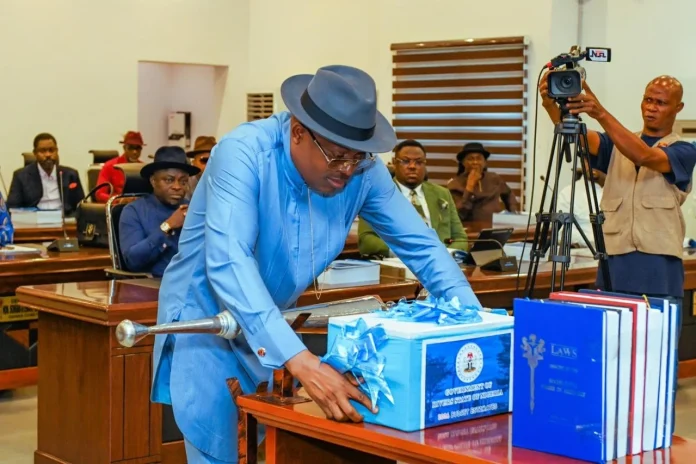
Rivers State Governor Siminalayi Fubara presented a ₦1.854 trillion 2026 Appropriation Bill to the state House of Assembly on July 10.
The budget, tagged “Budget of Resilience for Growth and Development,” remains unpassed more than a month after presentation.
Investigations indicate that fresh agreements reportedly reached between Fubara and the Martin Amaewhule-led Assembly are at the centre of the delay.
The impasse has reportedly affected the execution of some projects across the state, including the multi-billion-naira Ring Road.
FCT Minister Nyesom Wike alleged that Fubara had failed to honour about 90 per cent of agreements reached with the lawmakers.
Stakeholders are demanding transparency and urging both arms of government to resolve their differences and pass the budget.
The delay has heightened concerns over the shrinking timeframe for implementing the 2026 budget.
Main Story
The fate of Rivers State’s ₦1.854 trillion 2026 budget has become entangled in fresh disagreements between Governor Siminalayi Fubara and the state House of Assembly, with lawmakers yet to pass the appropriation bill more than a month after it was presented.
Fubara presented the budget, tagged “Budget of Resilience for Growth and Development,” to the Martin Amaewhule-led Assembly on July 10, after prolonged political tensions had delayed its presentation.
Although the Speaker expressed concern over the late submission, lawmakers assured the governor that the proposal would receive the necessary legislative attention in the interest of the state.
However, little progress has been publicly reported since the presentation, with concerns mounting over the absence of visible budget defence proceedings and other legislative processes ordinarily required before passage.
Investigations indicate that fresh agreements reportedly reached between the governor and lawmakers before the budget was presented have become a major sticking point.
A source close to the Assembly, who spoke on condition of anonymity, said the agreements were part of efforts to resolve the political crisis and create an atmosphere for the governor to present the appropriation bill.
According to the source, the governor has allegedly failed to fulfil some of the commitments made under the agreement, leading to a breakdown in trust between the Executive and the legislature.
The source said some of the outstanding issues reportedly relate to lawmakers’ benefits, entitlements and constituency projects.
The delay is already raising concerns over governance and project implementation, with some projects across the state reportedly either stalled or proceeding at a limited pace because of the absence of appropriated funds.
The proposed ₦41.4 billion allocation to the House of Assembly has also attracted criticism, with some residents and stakeholders questioning the size of the allocation, while others argue that adequate funding is necessary for the legislature to perform its constitutional functions.
The Issues
At the centre of the dispute is the fragile relationship between the Rivers Executive and Legislature following years of political crisis.
The immediate concern, however, is no longer simply the political disagreement but its potential impact on governance.
Every month spent without an approved budget reduces the time available for implementation, particularly for capital projects and programmes that require procurement, mobilisation and execution.
The delay could also affect contractors, public-sector programmes and communities waiting for roads, healthcare facilities, schools and other infrastructure.
There is an additional accountability question: what exactly is delaying the budget?
With neither side publicly providing a comprehensive explanation of the negotiations surrounding the bill, citizens are left to rely largely on competing claims from political actors and sources within the Assembly.
Stakeholders say greater transparency from both the Executive and Legislature would help prevent the budget process from becoming another casualty of the state’s political tensions.
What’s Being Said
Nyesom Wike, FCT Minister
Wike, a former governor of Rivers State and political ally turned opponent of Fubara, alleged that the governor had failed to honour most of the agreements reached with the lawmakers.
He specifically cited the alleged failure to release funds to the State Assembly Service Commission and provide other benefits.
“I will tell you totally that the governor has failed 90 per cent of what they all agreed on.”
Wike, however, expressed confidence that the budget would eventually be passed and assented to.
Obinna Ebogidi, Convener, Rivers Peace Initiative
Ebogidi urged the Executive and Legislature to explain the status of the budget and resolve whatever issues are delaying its passage.
He said Rivers residents deserved clarity, particularly because lawmakers had initially indicated that the late presentation would receive accelerated consideration.
“The concern is not about rushing the legislative process, but about ensuring that the process does not lose momentum.”
Ebogidi warned that political developments ahead of the 2027 elections should not interfere with governance.
“Irrespective of the political arrangements around 2027, the government must continue to function.”
He said the remaining months of the administration should be measured by tangible development rather than political manoeuvring.
Oscar Imeabe, National President, South-South Youths Initiative
Imeabe expressed concern that the budget remained pending one month after presentation, stressing that budgets serve as the blueprint for development.
“Every day of delay is a day of delayed roads, schools, hospitals, and youth programmes.”
He urged the House of Assembly to prioritise the bill’s passage to enable government to continue implementing development programmes.
What’s Next
The immediate priority is for the Rivers State Executive and House of Assembly to resolve their differences and advance the appropriation bill through the remaining legislative stages.
The Assembly is expected to scrutinise the proposal, conduct the necessary budget defence and make any amendments before passage.
The governor, on his part, would be required to assent to the bill once it is passed.
Stakeholders are also calling for greater transparency around any agreements reached between the Executive and lawmakers, particularly those that could affect public finances.
For Rivers residents, the bigger concern is the impact of continued political negotiations on actual governance. With the 2026 fiscal year already well underway, further delays could significantly compress the period available for implementing capital projects and other government programmes.
Bottom Line
Rivers State’s ₦1.85 trillion 2026 budget is caught between political reconciliation and the urgent demands of governance. While the Executive and Legislature appear to be negotiating unresolved agreements behind the scenes, citizens are increasingly concerned about what the delay means for infrastructure, public services and development.
The central issue is no longer simply when the budget will be passed, but whether Rivers’ political leadership can separate political bargaining from the state’s urgent development needs.
As stakeholders put it, Rivers residents have already endured years of political gridlock. The remaining months of 2026 should therefore be about delivering governance, not extending the crisis.
NEMA Taks Responders, Emergency Workers, Staff Members to be Alert Due to Increase of Coronavirus
Key points
The National Emergency Management Agency (NEMA), with support from UNICEF, is strengthening emergency preparedness and response through community engagement training in Gombe.
The three-day programme focuses on risk communication, community listening, social and behaviour change, misinformation management and emergency preparedness.
Emergency preparedness and response officials from Adamawa, Bauchi, Borno, Gombe, Plateau, Taraba and Yobe are participating.
NEMA says effective community engagement is critical to ensuring that early warning information reaches vulnerable communities quickly and in actionable forms.
UNICEF says the training is designed to strengthen preparedness, accountability to affected populations and the use of data in community-based emergency response.
Stakeholders stressed stronger coordination among government agencies and humanitarian partners.
Women and children were identified as groups requiring particular attention during emergencies.
Main Story
The National Emergency Management Agency (NEMA), with support from the United Nations Children’s Fund (UNICEF), is strengthening community-based emergency preparedness and response through a three-day capacity-building programme in Gombe.
The training, which began on Tuesday, brings together emergency preparedness and response actors from Adamawa, Bauchi, Borno, Gombe, Plateau, Taraba and Yobe states.
The programme focuses on strengthening risk communication, community listening, social and behaviour change, misinformation management and preparedness during humanitarian and emergency situations.
Declaring the training open, Dr Godwin Tepikor, NEMA Director of Planning, Research and Forecasting, said effective community engagement was central to building stronger disaster preparedness and emergency response systems.
Tepikor, represented by Hajiya Umuna Ahmed, Head of Operations, NEMA Bauchi/Gombe Office, thanked UNICEF for its continued partnership in strengthening disaster preparedness across the country.
He said the increasing frequency and complexity of disasters made clear and credible risk communication essential, particularly in helping communities understand threats and take appropriate protective action.
According to him, emergency information is most effective when it reaches communities promptly, is trusted by residents and provides clear actions they can take to protect lives and livelihoods.
He said the training would equip participants with practical skills to strengthen communication with communities and improve coordination among emergency management institutions.
The Issues
Nigeria continues to face multiple humanitarian and emergency challenges, including seasonal flooding, disease outbreaks, displacement and other disasters that can quickly overwhelm affected communities.
One of the major challenges is ensuring that early warnings translate into early action. Information that does not reach communities on time—or is not understood or trusted—can limit the effectiveness of emergency interventions.
Misinformation and poor communication can also increase vulnerability during crises, making community listening and accurate information dissemination important components of emergency management.
The vulnerability of women and children is another concern, as emergencies can disproportionately affect access to healthcare, protection and other essential services.
What’s Being Said
Dr Godwin Tepikor, Director, Planning, Research and Forecasting, NEMA
Tepikor stated that strong risk communication and community engagement are essential to effective emergency preparedness.
He said participants would develop practical skills to ensure early warning messages reached communities promptly, credibly and in actionable forms.
“Strong risk communication and community engagement systems enable communities to understand risks, make informed decisions, and take early action to protect lives and livelihoods.”
He described the programme as an important platform for collaboration among state emergency management agencies, Ministries, Departments, and Agencies, as well as humanitarian partners and other stakeholders.
Tepikor urged participants to share experiences and good practices and apply the knowledge acquired to strengthen emergency preparedness in their respective states.
Margaret Shoyemi, UNICEF Social and Behaviour Change Officer for Emergency, Public Health and Humanitarian Action
Shoyemi said the training was designed to strengthen state-level preparedness, community engagement and accountability to people affected by emergencies.
She said UNICEF’s involvement was important because emergencies inevitably affect women, children, families and communities, requiring responses that take their specific needs into account.
Shoyemi noted that Nigeria faces several humanitarian challenges, including flooding, Lassa fever, cholera, displacement and other emergencies.
She stressed that strengthening the capacity of emergency responders was essential to ensuring that the needs of women and children were identified and addressed during crises.
What’s Next
Participants are expected to apply the knowledge gained from the training to strengthen risk communication and community engagement systems within their respective states.
NEMA, UNICEF and other stakeholders are also expected to deepen coordination among emergency management agencies, health authorities, humanitarian organisations and community structures.
Greater collaboration among NEMA, the Nigeria Centre for Disease Control and Prevention (NCDC), the National Orientation Agency and other relevant institutions will be important in ensuring that emergency information is consistent, timely and actionable.
The effectiveness of the initiative will ultimately depend on whether participating institutions can translate the training into practical preparedness measures and stronger community resilience.
Bottom Line
Effective disaster response begins before disaster strikes. By strengthening the ability of emergency responders to listen to communities, communicate risks and act on reliable information, NEMA and UNICEF are seeking to move Nigeria’s emergency management approach towards greater preparedness and resilience. The success of the initiative, however, will depend on sustained coordination and the ability to turn training into timely action at community level.
The Federal Government has trained 1,127 youths and women in Plateau State in various vocational and technical skills.
The beneficiaries were trained in agriculture technology, automobile repairs, confectionery, tailoring, cooking and catering, masonry, grinding and vulcanising.
The two-week training was implemented under the Renewed Hope Vocational and Skills Training programme through the National Social Investment Programme Agency (N-SIPA).
Training was conducted across seven centres in Plateau State.
Beneficiaries received starter packs and cash to enable them to begin applying their skills.
The government said the initiative was designed to tackle poverty by equipping beneficiaries with practical, income-generating skills.
Plateau State Government urged beneficiaries to use the training and starter packs productively rather than sell them.
Main Story
The Federal Government has trained 1,127 youths and women in Plateau State in agriculture technology, automobile repairs and other vocational skills as part of efforts to reduce poverty and expand opportunities for self-employment.
The training was conducted under the Renewed Hope Vocational and Skills Training programme through the National Social Investment Programme Agency (N-SIPA).
Speaking at the closing ceremony of the training in Kuru, near Jos, the Coordinator of the Social Investment Programme in Plateau, Mrs Mary Fom, said the initiative was designed to equip young people with practical skills capable of improving their livelihoods.
The beneficiaries received training in agriculture technology, automobile repairs, confectionery, tailoring, cooking and catering, masonry, grinding and vulcanising.
Fom said the participants underwent two weeks of intensive training across seven centres in the state and were provided with starter packs and cash to help them commence their businesses.
She urged the beneficiaries to take advantage of the opportunity by starting small, building competence and maintaining high standards in their chosen trades.
According to her, the changing employment landscape means young people must increasingly develop skills that enable them to create solutions and generate income rather than depend solely on conventional white-collar employment.
She also encouraged the beneficiaries to pass their knowledge on to members of their communities, saying this would help multiply the economic impact of the programme.
The Issues
The major challenge is turning vocational training into sustainable livelihoods.
While skills acquisition can improve employability and self-employment, beneficiaries also require access to markets, finance, mentorship, equipment and a stable business environment to ensure that newly established enterprises survive and grow.
The provision of starter packs is therefore significant, but the long-term success of the programme will depend on whether beneficiaries continue to receive support as they move from training to actual business operations.
There is also the need to ensure that the equipment and materials provided are used for their intended purpose rather than sold for immediate financial needs.
What’s Being Said
Mrs Mary Fom, Coordinator, Social Investment Programme, Plateau
Fom urged beneficiaries to turn their newly acquired skills into productive ventures rather than wait for conventional employment.
“The world does not owe you employment but the world certainly and will always pay for problems that get solved.”
She encouraged them to see themselves as economic opportunities rather than job seekers.
“You are no longer waiting or looking for opportunity, you are opportunity yourselves.”
Fom also urged beneficiaries to start small, develop excellence in their trades and train others within their communities.
Mr Samuel Jatau, Secretary to the Plateau State Government
Jatau, represented by Mr Timothy Gayi, Permanent Secretary, Policy in the Office of the SSG, urged beneficiaries to put their training into practice.
He specifically warned them against selling the starter packs provided to support their businesses.
Jatau said the Caleb Mutfwang-led administration would continue to introduce policies and programmes aimed at lifting Plateau residents out of poverty.
He also commended the Federal Government for the initiative, saying it would contribute to the state’s economic prosperity.
What’s Next
The immediate priority is for the 1,127 beneficiaries to transition from training to productive economic activity using the skills, starter packs and financial support provided.
Government and relevant agencies will also need to monitor the beneficiaries and provide appropriate follow-up support to improve the sustainability of the businesses.
The beneficiaries are expected to transfer their skills to others in their communities, potentially creating a wider multiplier effect through apprenticeships, new enterprises and employment.
Bottom Line
The training of 1,127 Plateau youths and women represents an effort to tackle poverty by shifting attention from job-seeking to skills-based entrepreneurship. The real measure of success, however, will be whether the beneficiaries can convert their training and starter packs into sustainable businesses, income and jobs for others.
Housemates spend much of Day 16 preparing their wager task presentation under HoH Neche
Sheba faces questions from Tram over her kiss with Araga as she later shares a moment with Ricky
Diary sessions see Barry reflect on Mercedes’ eviction, his nominations and his relationships in the house
Main Story
Big Brother Naija Season 11 housemates spent Day 16 preparing for their next wager task, with Head of House Neche bringing the house together after their morning gym session to organise the presentation.
Neche gave the housemates time to eat, complete their chores and begin discussions around the wager task. She also confronted Nomy over her refusal to join the cleaning, with Nomy explaining that she had already been assigned bathroom cleaning as a punishment by Big Brother.
The morning also brought developments in the house’s relationships. Tram questioned Sheba about her kiss with Araga, teasing her about her relationship with Ricky and accusing her of becoming less concerned about his feelings.
Later, Sheba and Ricky shared a lighter moment in the lounge while discussing the urgency of the wager task. Sheba said she had lost her voice, while Ricky responded that he liked her voice as it was, describing it as “cute” and “sexy.” Ricky, BBNaija housemate.
Diary sessions also began as the wager task preparations continued. Barry reflected on Sunday’s eviction, describing Mercedes’ departure as unexpected while saying Martins’ exit had appeared more predictable because of his farewell-style conversations with other housemates.
Barry said Mercedes’ eviction served as an indication that every housemate remained vulnerable, regardless of how strongly they had established themselves in the competition.
He also discussed his nomination choices, saying he would have preferred Cassi to remain in the house. Barry ultimately saved Keivo and Bluethopia, citing his close relationship with Keivo since the first week and his growing connection with Bluethopia.
Barry further acknowledged difficulties navigating the social dynamics in the house, saying he had sometimes felt like a third wheel within established pairings. He identified Bluethopia and Neche among the housemates he had become closer to while admitting that he remained cautious about becoming emotionally attached.
What’s Being Said
Sheba and Ricky’s conversation provided one of the lighter moments of the day, with Ricky complimenting Sheba’s voice despite her saying she had lost it.
Barry, meanwhile, described Mercedes’ eviction as a “shocking” development and an “eye-opener,” saying it demonstrated the vulnerability of every housemate in the competition. Barry, BBNaija housemate.
What’s Next
The housemates are expected to continue preparations for their wager task presentation following Neche’s meeting with the house
Voting for this week’s possible eviction closes on Thursday at 9:00 PM WAT
The Sunday Live Eviction Show is scheduled for 7:00 PM WAT on Africa Magic Showcase and Africa Magic Family
Bottom Line
The Bottom Line: Day 16 was largely defined by preparation for the wager task, but developments around relationships and Barry’s reflections on the latest eviction also highlighted the growing strategic and social pressures inside the house.
Stakeholders have challenged the Kaduna State Government to move beyond policy promises and fully implement its Women’s Economic Empowerment (WEE) Policy.
The state has announced a ₦5 billion intervention targeting 15,000 women across its 23 Local Government Areas.
Advocates say sustainable empowerment requires more than grants, with women needing access to finance, productive assets, skills, markets, technology and leadership opportunities.
Stakeholders are calling for a dedicated budget line to guarantee sustained funding for WEE programmes.
Main Story
Stakeholders in Kaduna State have urged the government to turn its ₦5 billion women empowerment commitment into a sustainable economic development programme, warning that financial support alone will not deliver lasting economic independence for women.
The call was made at a capacity-building workshop organised by OhrAgric, a non-governmental organisation, in Zaria on Tuesday.
The workshop, themed “Advocacy for the Full Implementation of the Women’s Economic Empowerment (WEE) Policy, Kaduna State,” brought together researchers and other stakeholders to examine ways of strengthening advocacy and ensuring that the state’s women-focused policies translate into tangible economic opportunities.
The News Agency of Nigeria (NAN) reports that the Kaduna State Government plans to support 15,000 women across the state’s 23 Local Government Areas with ₦5 billion.
For stakeholders, however, the announcement is only the beginning. They argue that the intervention must be backed by a clear implementation structure, predictable funding and effective coordination if it is to produce sustainable businesses and livelihoods.
Mr Obike Wisdom, Executive Director of OhrAgric and convener of the workshop, said full implementation of the WEE Policy would require stronger advocacy, adequate financing and collaboration among the institutions responsible for delivering it.
He said the workshop was designed to equip stakeholders with the tools needed to advocate for effective implementation and secure a dedicated budget line for WEE programmes.
Wisdom stressed that government, Civil Society Organisations (CSOs), private-sector actors, development partners and academic institutions must work together to ensure that women’s economic empowerment becomes a sustained development strategy rather than a series of isolated interventions.
He added that stronger networks could enable CSOs to access funding, technical expertise, knowledge and opportunities for joint action.
The Issues
At the heart of the debate is a simple question: Can ₦5 billion change the economic fortunes of 15,000 women without the right support system around it?
Stakeholders believe the answer lies beyond handing out money.
Women entrepreneurs require access to finance, productive assets, business knowledge, markets, technology, information and leadership opportunities. Without these complementary interventions, beneficiaries may receive funding without acquiring the capacity or market access required to build viable enterprises.
There is also the question of sustainability. A one-off intervention may provide temporary relief, but a properly implemented WEE policy can create an enterprise pipeline in which women are identified, trained, financed, connected to markets and supported as their businesses grow.
Agriculture presents another major opportunity. Kaduna’s large agricultural economy provides space for women to participate not only in farming but also in processing, packaging, distribution and marketing across the value chain.
What’s Being Said
Mr Obike Wisdom, Executive Director, OhrAgric
Wisdom said the success of the WEE Policy would depend on sustained advocacy, adequate funding and stronger institutional coordination.
He called for a dedicated budget line for the policy’s programmes and urged government to strengthen partnerships with CSOs, private-sector organisations, development partners and academic institutions.
He said strategic networking could help organisations working on women’s empowerment access funding, expertise and opportunities for joint action.
Malam Mustapha Adamu, Head of Programmes and Project Lead, World Bank NG-CARES RA3, Kaduna State Enterprise Development Agency (KADEDA)
Adamu urged policymakers to stop viewing women’s empowerment merely as financial assistance and instead treat it as a core economic development strategy.
He said women needed a complete support system covering finance, productive assets, business skills, market access, technology, information and leadership.
According to him, effective implementation of the WEE Policy could change women’s economic status from that of beneficiaries to active economic players—entrepreneurs, business owners, employers and investors.
He advocated an enterprise lifecycle approach covering identification, skills development, business formation, financing, productive assets, production, market linkages, business growth and job creation.
Adamu said Kaduna’s proposed WEE delivery framework was built around finance, enterprise development, productive assets, markets, digital inclusion, data management and institutional support.
He also urged stakeholders to place agriculture at the centre of the policy, noting:
“The sector offers significant opportunities for women across production, processing, marketing and other segments of the value chain.”
What’s Next
The next test for Kaduna’s WEE agenda is implementation.
The state government will need to translate its ₦5 billion announcement into a transparent framework that clearly defines beneficiary selection, disbursement, enterprise support, monitoring and measurable outcomes.
Stakeholders are also expected to continue advocating for a dedicated WEE budget line to protect the programme from inconsistent funding.
Beyond financial support, beneficiaries will need access to training, productive assets, digital tools, markets and business development services if the intervention is to produce enterprises capable of surviving and creating jobs.
A stronger connection between women entrepreneurs and Kaduna’s agricultural value chains could also expand the programme’s economic impact.
Bottom Line
₦5 billion can provide a significant push, but sustainable empowerment will require more than a cheque. Kaduna’s WEE Policy has the potential to turn thousands of women into productive economic actors, but only if funding is matched with skills, assets, markets, technology, institutional support and sustained policy implementation.
The real measure of success will not be how many women receive financial support, but how many businesses survive, how many jobs are created and how many women become financially independent contributors to Kaduna’s economy.
UNICEF says about 3.5 million children remain unregistered across Lagos, Ogun, Oyo, Osun, Ondo, Ekiti and Edo states.
The organisation warned that the lack of legal identity could limit children’s access to education, healthcare, inheritance, passports and other essential rights.
UNICEF described birth registration as the legal foundation for protecting a child’s identity, rights and future.
The organisation urged journalists to use human-centred reporting to increase public awareness and registration rates.
NPC said reliable birth registration data is critical for effective planning in education, healthcare, housing and social protection.
Stakeholders called for greater decentralisation of registration services and stronger coordination among identity-management agencies.
Parents and caregivers were urged to register children within the first year of life.
Main Story
The United Nations Children’s Fund (UNICEF) has warned that the absence of legal identity continues to put about 3.5 million unregistered children across seven states at risk of being excluded from essential services and opportunities.
UNICEF Chief of Lagos Field Office, Celine Lafoucriere, raised the concern at a two-day Birth Registration Media Dialogue organised by the National Population Commission (NPC) in collaboration with UNICEF in Sangotedo, Lagos.
The dialogue, themed “Giving Every Child a Legal Identity by Driving Birth Registration in Nigeria,” brought together journalists from the South-West and Edo State to strengthen media advocacy for the registration of children below one year.
Lafoucriere described birth registration as more than an administrative process, saying it provides the legal foundation upon which a child’s identity, rights and future are established.
She said millions of children across Lagos, Ogun, Oyo, Osun, Ondo, Ekiti and Edo remain absent from official government records despite being alive and, in many cases, being born in health facilities.
According to her, children without birth certificates can face barriers to education, healthcare, passports, inheritance and other rights, including participation in civic life when they reach adulthood.
UNICEF also urged the media to move beyond reporting registration statistics and produce human-centred stories that can influence public attitudes and encourage parents to register their children.
The Issues
The central issue is the gap between the number of children born in Nigeria and the number whose births are formally recorded.
Without birth registration, children can become effectively invisible to government systems, making it more difficult to establish their legal identity and ensure access to public services.
The problem also has implications for governance. Without reliable demographic data, governments face challenges in accurately determining population needs and planning for schools, healthcare, social protection and other public services.
Another challenge is public awareness. UNICEF said many parents are unaware that birth registration is free or that it can be completed at health facilities and community registration points.
Access is also a concern, particularly for families in underserved communities. Stakeholders are therefore advocating decentralised registration services and stronger integration between civil registration and national identity systems.
What’s Being Said
Celine Lafoucriere, Chief, UNICEF Lagos Field Office
Lafoucriere said birth registration should be viewed as a fundamental child-protection mechanism rather than simply an administrative requirement.
“A birth certificate is not a piece of paper. It is a child’s ticket into school.”
She said journalists could help bridge information gaps preventing parents from registering their children.
“Your stories can bridge that information gap.”
Denis Onoise, UNICEF Child Protection Specialist
Onoise said an effective civil registration and legal identity system was essential to protecting individual rights and supporting national development.
He explained that birth registration establishes legally recognised information about a child’s identity, including name, sex, place and date of birth, while generating demographic data required for government planning.
He identified stronger birth and death registration processes, interoperability among identity-management agencies, decentralisation and improved accessibility as key objectives of the partnership supporting the initiative.
Abiola Kekere-Ekun, Lagos State Director, NPC
Kekere-Ekun urged journalists to take birth registration advocacy directly to communities rather than limiting their coverage to government activities.
He said reliable demographic data was indispensable for effective governance and called on parents and caregivers to register every child within the first year of life.
He described legal identity as a gateway to citizenship, inclusion and lifelong access to rights and opportunities.
What’s Next
The NPC and its partners are expected to intensify public awareness campaigns and expand community-level birth registration, particularly in areas with large numbers of unregistered children.
The media is also expected to play a greater role in educating parents about the availability and accessibility of registration services while holding relevant institutions accountable for delivering efficient services.
The partnership will continue efforts to strengthen birth and death registration, improve interoperability among identity-management agencies and decentralise registration services.
The initiative involves the NPC, Association of Local Governments of Nigeria (ALGON), National Identity Management Commission (NIMC), UNICEF and Barnksforte Technologies Ltd., developers of the electronic Civil Registration and Vital Statistics (eCRVS) platform.
Bottom Line
The estimated 3.5 million unregistered children across seven states represent more than a statistical gap—they represent children whose legal identities and access to essential rights may be compromised. UNICEF and NPC are therefore pushing for stronger community-level registration, public awareness and digital integration, while calling on the media to turn birth registration from a bureaucratic process into a national child-protection priority.
Anthropic has begun embedding invisible, machine-readable watermarks into text generated by Claude.
The watermark is designed to remain with AI-generated text when it is copied and pasted elsewhere and may survive some forms of editing.
Anthropic said the move forms part of its commitments under the European Union’s AI Act Code of Practice on Transparency of AI-Generated Content.
Claude models launched from Aug. 2, 2026, support machine-readable marking from launch, while Anthropic is working to extend the feature to older models.
The company says the watermark does not alter the meaning, quality or readability of generated text.
Anthropic cautioned that detecting a watermark does not conclusively prove that Claude authored a piece of content.
The development could have implications for education, publishing and efforts to distinguish AI-assisted work from human-created content.
Main Story
Anthropic has begun embedding invisible, machine-readable watermarks into text generated by its Claude artificial intelligence models, introducing a hidden signal that can travel with AI-written content even after it is copied and may survive some forms of editing.
The company disclosed the development on Monday, saying the marking system forms part of its commitments under the European Union’s AI Act Code of Practice on Transparency of AI-Generated Content.
Anthropic said Claude models launched on or after Aug. 2, 2026, support machine-readable marking from launch, while efforts are ongoing to introduce the capability to models released before that date.
The company said the technology is intended to provide greater transparency as AI-generated content becomes increasingly common and to give people additional context about the origin of information they encounter.
For text, the watermark is embedded directly into the generated output rather than being displayed as a visible label.
According to Anthropic, the watermark is designed to be imperceptible and does not affect the meaning, quality or readability of Claude’s responses.
The company said the mark can travel with text when users copy and paste it into other applications or platforms and may remain detectable after some forms of editing.
The Issues
The introduction of machine-readable watermarks comes amid growing concerns over the difficulty of distinguishing human-created content from material generated or substantially assisted by artificial intelligence.
Anthropic is developing tools that would allow users and third parties to detect Claude’s marks, although detailed information about the detection mechanisms is expected to be released in forthcoming technical documentation.
However, the technology is not designed to provide definitive proof of authorship.
Anthropic said a detectable Claude watermark does not necessarily mean that Claude originally created the entire piece of content because users may employ the system to proofread, translate, summarise or convert material originally produced by humans.
Similarly, the absence of a detectable watermark does not establish that a piece of content was entirely written by a human.
The mark can become undetectable if text is heavily edited, paraphrased, translated or combined with other writing. Very short passages may also not contain enough material for reliable detection.
What’s Being Said
Anthropic
The company said machine-readable marking could provide greater transparency as generative AI becomes increasingly embedded in everyday information consumption.
“As AI-generated content becomes commonplace, greater transparency and signals about where content comes from can give people useful context about the information they consume.”
On how the technology works, Anthropic said:
“When a supported Claude model generates text, it weaves an imperceptible watermark directly into the text itself.”
The company added that because the watermark is incorporated into the text, it can travel with the content when copied and pasted elsewhere and may persist through some editing.
Education Implications
The development could be particularly significant for educational institutions, where the use of generative AI in assignments, examinations and academic work has become a growing concern.
Reports of students using AI tools to complete academic assignments have raised questions about academic integrity and whether technology is enhancing learning or replacing the effort required to develop students’ own analytical and writing abilities.
AI watermarking could eventually provide schools and universities with another signal when assessing whether submitted material has passed through an AI system.
However, the limitations acknowledged by Anthropic mean that watermark detection would be more useful as an additional indicator than as standalone evidence of academic misconduct.
The distinction is important because a student could legitimately use AI to translate, proofread or improve an original piece of work, while extensive editing or paraphrasing could remove the watermark from AI-generated material.
Nigeria’s AI Context
The development comes as Nigeria is also incorporating artificial intelligence into its education system.
The Minister of Education, Tunji Alausa, said the Federal Government was integrating AI-powered platforms into education while seeking to preserve human agency.
Alausa disclosed this during a ministerial press briefing in Abuja to commemorate the International Day of Education, themed “AI and Education: Preserving Human Agency in a World of Automation.”
Represented by Dr Ejeh Usman, Director of Polytechnics in the ministry, the minister said AI-powered platforms had been integrated to provide information on tertiary institutions and admissions across the country.
The move is part of wider efforts to incorporate AI into teaching and learning while maintaining the role of human judgement.
What’s Next
Anthropic is expected to publish more technical information about how its watermark detection systems work and expand machine-readable marking to Claude models released before Aug. 2, 2026.
The technology could also encourage educational institutions, publishers and other organisations to explore more sophisticated approaches to AI-content verification.
However, organisations will need to avoid treating watermark detection as definitive evidence of AI authorship. Human editing, translation, paraphrasing and mixed authorship can affect whether a watermark remains detectable.
As AI-generated content becomes more widespread, the broader challenge will be developing systems that improve transparency without unfairly penalising legitimate uses of AI-assisted writing.
Bottom Line
Anthropic’s invisible watermarking represents a significant step towards making AI-generated text more traceable. While the technology could eventually help educators, publishers and other users identify content generated by Claude, it is not an infallible authorship detector. Its real value will depend on how reliably the marks can be detected, how they perform after editing and how institutions use the technology alongside human judgement.