






By Boluwatife Oshadiya| September 8, 2026
Key Points
- Brent crude futures rise 1.61% to $98.62 a barrel amid supply concerns
- WTI crude futures gain 2.77% to $94 a barrel
- Middle East tensions and weaker Strait of Hormuz shipments heighten fears of further supply disruptions
Main Story
Oil prices climbed on Tuesday as concerns over supply security intensified following rising tensions between the United States and Iran and slower shipments through the Strait of Hormuz.
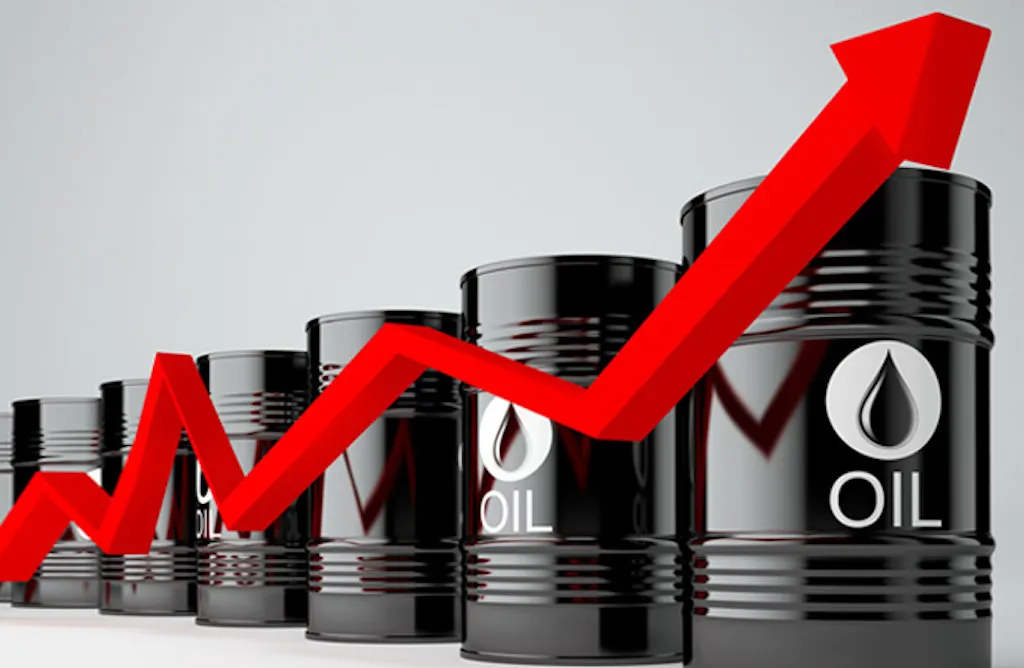
International benchmark Brent crude futures for November delivery rose 1.61% to $98.62 a barrel, from $97 previously, while US benchmark West Texas Intermediate (WTI) crude futures for October delivery increased 2.77% to $94 a barrel, from $91.48.
The price gains reflect growing market concerns that a prolonged conflict in the Middle East could disrupt crude production, energy infrastructure and maritime transportation, particularly around the Strait of Hormuz, a critical route for global oil shipments.
Iranian officials have issued increasingly strong warnings over the confrontation. Mohsen Rezaei, secretary of Iran’s Supreme National Security Council, said Iran would establish a “no-go zone” across and around the Persian Gulf in response to the US blockade of Iran.
Iranian Foreign Ministry spokesman Esmaeil Baghaei also said Tehran and Oman were in the final stages of an agreement to establish a safe maritime route through the Strait of Hormuz.
Iranian Parliament Speaker Mohammad Bagher Ghalibaf separately warned that Iran could target US oil and natural gas companies in the region if Washington attacked Iranian oil tankers.
Meanwhile, Saudi Arabia’s Energy Ministry said some energy facilities in the southern part of the country had been targeted, with fires reported in some areas.
Reports of attacks on Saudi Aramco facilities in Jizan have added to market concerns. The Jizan Refinery, located on the Red Sea coast near Yemen, has a crude processing capacity of about 400,000 barrels per day.
Following an attack on the refinery in July, oil shipments declined significantly, while no exports from the facility were reported in August.
What’s Being Said
“Iran’s operational approach toward US forces in the region had been fundamentally changed,” said Mohsen Rezaei, secretary of Iran’s Supreme National Security Council.
Iranian Foreign Ministry spokesman Esmaeil Baghaei said Iran and Oman were in the final stages of reaching an agreement on establishing a safe maritime route through the Strait of Hormuz.
What’s Next
- Oil markets will continue to monitor developments around the Strait of Hormuz and their effect on crude shipments
- Traders will watch for further attacks on energy infrastructure and maritime facilities across the Middle East
- Analysts are revising oil-price forecasts upward, with some expecting the supply disruption to extend into 2027
Bottom Line:
The rise in Brent above $98 reflects a market increasingly pricing in the risk of prolonged disruption to Middle Eastern oil supplies. With shipments already declining in key areas, further escalation could keep crude prices elevated into 2027.