







Key points
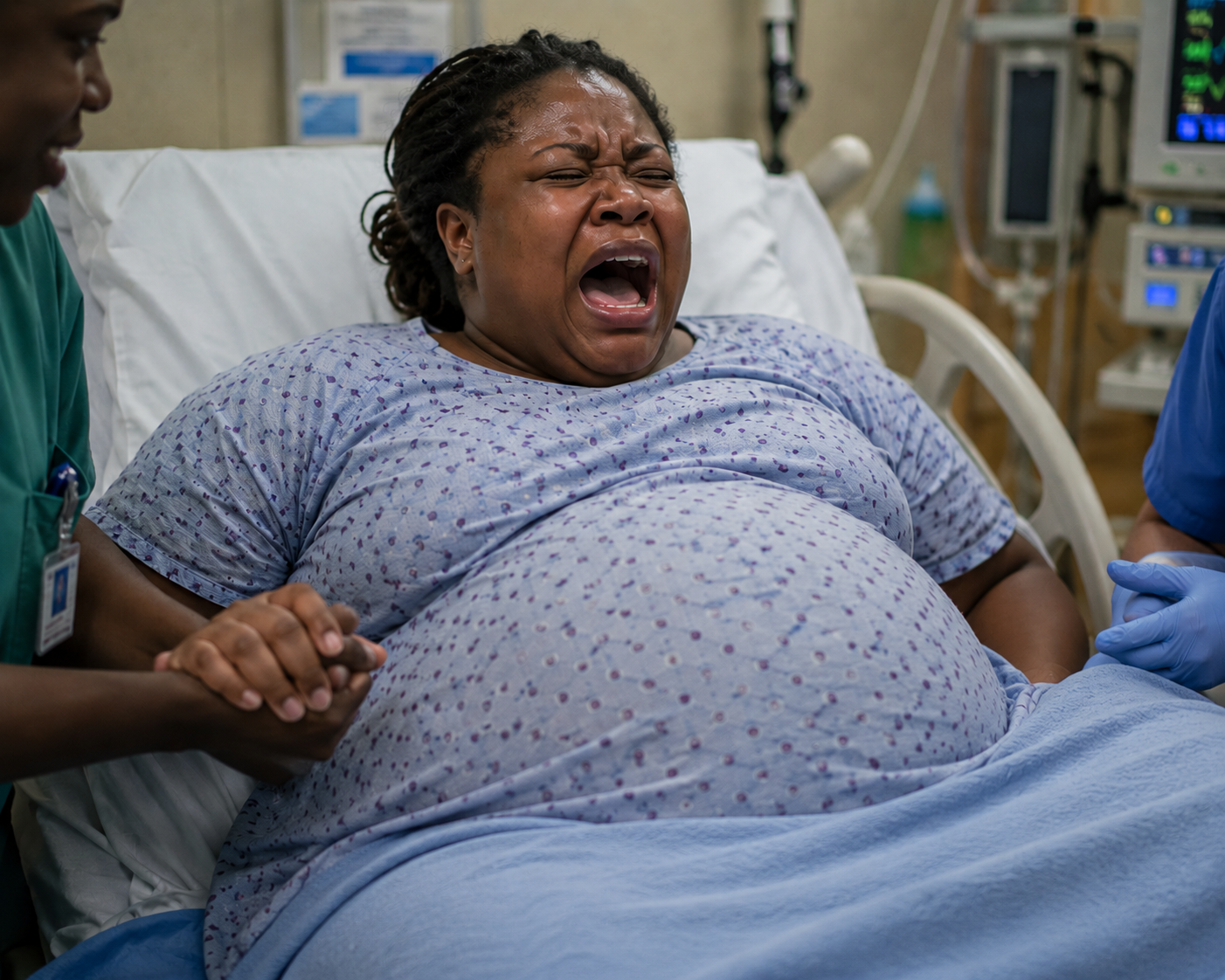
- A new study has identified obesity during pregnancy as a growing public health concern in Nigeria, warning that it significantly increases the risk of pregnancy complications.
- Researchers found that nearly one in five pregnant women in Ibadan were obese during their first antenatal clinic visit.
- The study linked maternal obesity to higher risks of caesarean delivery, gestational diabetes, difficult labour, and breathing complications in newborns.
- Older maternal age, multiple pregnancies, higher income levels, sedentary lifestyles, and unhealthy diets were identified as major contributing factors.
- Researchers called for stronger obesity prevention strategies within antenatal care, including routine lifestyle counselling and public awareness campaigns.
Main story
A new study has raised concerns over the growing prevalence of obesity among pregnant women in Nigeria, warning that the condition is increasingly threatening maternal and child health outcomes across the country.
The research, published in Scientific Reports, was conducted by Dr Ikeola A. Adeoye of the University of Ibadan College of Medicine in collaboration with Professor Elijah A. Bamgboye and Professor Akinyinka Omigbodun.
Using data from the Ibadan Pregnancy Cohort Study, the researchers found that 19.3 per cent of pregnant women in the city were obese at the time of their first antenatal clinic visit.
According to the study, obesity during pregnancy substantially increases the likelihood of complications for both mothers and newborns, with obese women nearly twice as likely to experience adverse pregnancy outcomes compared to non-obese women.
The researchers noted that maternal obesity contributes to a higher incidence of caesarean deliveries, prolonged and difficult labour, gestational diabetes, birth injuries, emergency surgical interventions, and respiratory complications in newborns.
The study further warned that obesity-related pregnancy complications could place additional pressure on Nigeria’s already overstretched healthcare system, particularly in low-resource settings where maternal healthcare services remain under strain.
Researchers defined maternal obesity as a body mass index of 30 kg/m² or higher during early pregnancy.
The study also identified several lifestyle and socio-economic factors contributing to rising obesity rates among women of reproductive age, including sedentary occupations, increased reliance on vehicles and labour-saving devices, and growing consumption of processed, calorie-dense foods.
Women aged 35 years and above were found to be significantly more likely to experience obesity during pregnancy, while the risk also increased with the number of previous pregnancies due to weight retained after childbirth.
Interestingly, women with higher income levels were also more likely to be obese, a trend researchers said is common in many low- and middle-income countries where increased wealth is often associated with lower physical activity levels and greater access to unhealthy foods.
The study highlighted regular physical activity as a major protective factor against maternal obesity, reinforcing global recommendations that pregnant women engage in at least 150 minutes of moderate physical activity weekly.
Researchers also observed that work-related physical activity reduced obesity risks more significantly than household-related activities, which they linked to increased food access and overeating at home.
The issues
Health experts have long warned that rising obesity rates are becoming an emerging non-communicable disease challenge in Nigeria, particularly among women of reproductive age.
The findings raise concerns that increasing obesity during pregnancy could undermine ongoing national efforts to reduce maternal and infant mortality rates.
Researchers also pointed to inadequate lifestyle counselling in many antenatal clinics, arguing that pregnancy presents a critical opportunity for healthcare providers to encourage healthier behavioural choices.
They stressed that without stronger public health interventions, Nigeria could face a growing burden of obesity-related complications affecting both maternal health and long-term disease outcomes.
What’s being said
“Obese women were almost twice as likely to experience pregnancy complications, indicating that obesity is a serious risk factor during pregnancy.” — Researchers from the Ibadan Pregnancy Cohort Study
“Obesity during pregnancy is preventable, and addressing it will not only improve pregnancy outcomes but also reduce the future burden of non-communicable diseases among Nigerian women.” — Researchers from the study published in Scientific Reports
“Caesarean deliveries and obesity-related complications place additional strain on already overstretched healthcare facilities, especially in low-resource settings.” — Study researchers
“Regular physical activity is associated with lower odds of maternal obesity.” — Study researchers
“Lifestyle counselling remains limited in many antenatal clinics, despite pregnancy offering a unique window of opportunity for intervention.” — Study researchers
What’s next
Researchers are calling for maternal healthcare services across Nigeria to prioritize obesity prevention through routine counselling on healthy diets, exercise, and weight management during pregnancy.
They also advocated stronger public awareness campaigns, community-based interventions, and policy-driven strategies aimed at addressing the broader environmental and lifestyle factors contributing to obesity.
Health experts believe improving preventive maternal healthcare could help reduce long-term complications for mothers and children while easing pressure on Nigeria’s healthcare system.
Bottom line
The findings add to growing concerns that obesity is becoming an increasingly significant maternal health challenge in Nigeria, with researchers warning that without urgent preventive measures, the condition could reverse progress in maternal and child survival outcomes.