




Key Points
• Khalilur Rahman says restoring public trust will be a priority during his tenure as UN General Assembly president.
• He says the organisation must adapt to a changing world and become fit for the future.
• Guterres says rebuilding trust in multilateral institutions is the defining challenge of the time.
Main Story
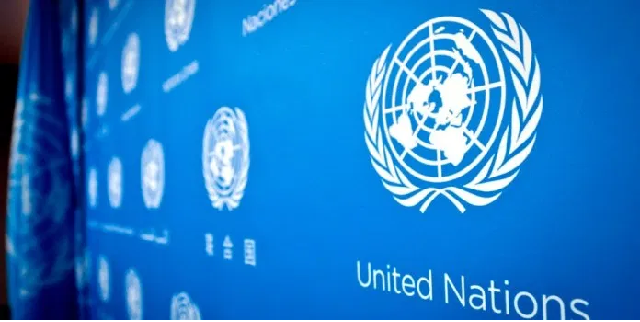
The incoming President of the United Nations General Assembly, Khalilur Rahman of Bangladesh, has pledged to rebuild public confidence in the UN as the organisation faces wars, humanitarian crises, geopolitical divisions and worsening climate change.
Rahman made the commitment on Tuesday at the opening of the 81st session of the General Assembly at the UN headquarters in New York.
He formally assumed the presidency after receiving the traditional Icelandic wooden gavel from outgoing President Annalena Baerbock.
Rahman outlined “Restoring trust, managing transformation: A United Nations that delivers for all” as the central theme of his tenure.
He said the organisation needed to respond to a world that had changed significantly since the UN was established in 1945, while ensuring that civil society voices were included in its work.
Rahman said declining confidence in the institution meant that the UN needed to adapt to present realities and improve its ability to deliver for people around the world.
UN Secretary General Antonio Guterres welcomed Rahman’s tenure while acknowledging the difficult circumstances in which the new General Assembly session begins.
He cited ongoing conflicts, geopolitical divisions, the risk of nuclear escalation, persistent poverty and inequality, as well as worsening climate pressures.
Guterres also identified the selection of the next UN secretary general, who is expected to begin a term in January 2027, as an immediate priority.
He said institutions of the multilateral system, including the UN Security Council and global financial institutions, were under increasing pressure and struggling to respond effectively to global challenges.
According to Guterres, violations of international law and human rights, coupled with geopolitical mistrust, were weakening confidence in international cooperation.
He nevertheless expressed optimism about the role of the General Assembly in addressing global challenges through diplomacy, dialogue and cooperation.
Baerbock, who concluded her term at the final meeting of the 80th session, defended the continued relevance of the UN despite its shortcomings.
She said millions of people continued to benefit from the organisation’s humanitarian, development and peacekeeping work, while warning that its positive contributions often receive less attention than negative developments.
The Issues
Rahman’s pledge comes as the UN faces questions over its ability to respond effectively to conflicts, humanitarian emergencies and other global challenges.
The concerns extend beyond the organisation itself to the wider multilateral system, with Guterres pointing to pressure on institutions responsible for international security and global finance.
The new presidency will therefore focus on restoring confidence while addressing demands for the UN to adapt to changing global realities.
The selection of the next secretary general will also form part of the agenda during the new General Assembly session.
What’s Being Said
“We must make the United Nations fit for the future.” – Khalilur Rahman
“We have a situation where trust is in deficit. This is not 1945. This is the 81st session. The world has moved on. The Organisation must move on, and I’ll help that process.” – Khalilur Rahman
“Rebuilding trust in the multilateral system is the defining challenge of our time.” – Antonio Guterres
What’s Next
Rahman will lead the 81st session of the General Assembly under the theme of restoring trust and managing transformation.
The Assembly will also face the task of selecting the next UN secretary general, whose term is due to begin in January 2027.
Bottom Line
Rahman has made restoring trust in the UN the central priority of his presidency as the organisation confronts conflict, humanitarian crises and growing geopolitical divisions. His agenda comes as the UN faces increasing pressure to demonstrate that multilateral cooperation can still deliver practical results.