



KEY POINTS
- Federal Government commissions a 3MW captive solar hybrid project at Yakubu Gowon University, Abuja.
- Project was delivered under Phase II of the Energising Education Programme.
- Facility includes a renewable energy workshop and training centre, with a female STEM component.
MAIN STORY
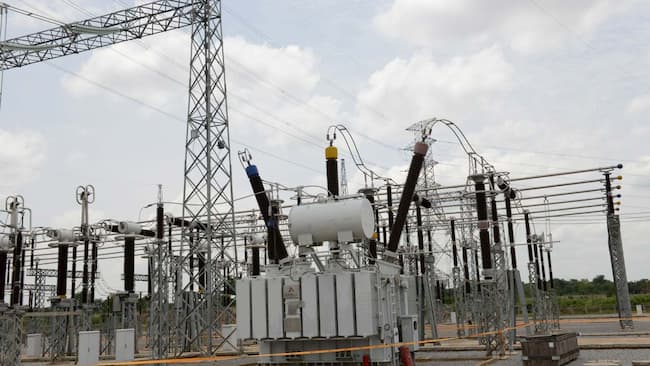
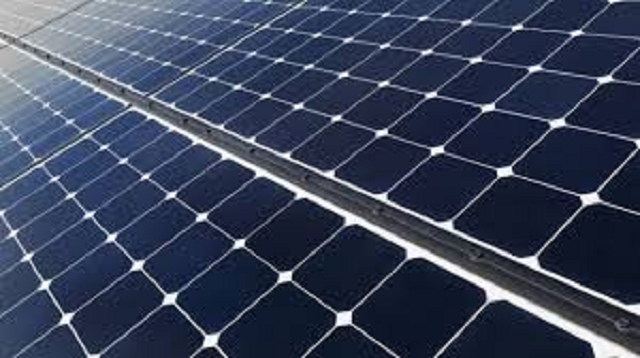
The Federal Government has commissioned a 3MW captive solar hybrid power project at Yakubu Gowon University, Abuja, as part of efforts to improve electricity supply for teaching, research and other academic activities.
The project was delivered under Phase II of the Energising Education Programme (EEP) and implemented by the Rural Electrification Agency (REA) through the World Bank funded Nigeria Electrification Project.
Inaugurating the facility in Abuja on Wednesday, Minister of Power, Mr Joseph Tegbe, said the investment demonstrated how the country’s energy transition could support human capital development.
“There is perhaps no better place to demonstrate the practical value of Nigeria’s energy transition than a university,” he said.
Tegbe said universities required dependable electricity to support learning, research, healthcare and technology, adding that the new facility would provide a more reliable energy base for teaching and research.
He said commissioning the project marked the beginning of the facility’s operational phase rather than the end of the investment.
The minister also linked the long term sustainability of renewable energy projects to the recently established Renewable Asset Management Company (RAMCO), which is expected to strengthen the management and performance of renewable energy assets.
REA Managing Director, Mr Abba Aliyu, said the EEP had evolved from simply delivering electricity infrastructure to demonstrating how reliable power could support education and human capital development.
He said REA had, through the programme, delivered solar infrastructure to 22 federal universities and three affiliated teaching hospitals, providing more than 100MW of clean energy.
According to Aliyu, the projects had reached more than 600,000 students and 50,000 academic and administrative staff nationwide.
He said the agency’s experience with projects of this scale had also highlighted the importance of adequate planning in delivering sustainable infrastructure.
The Head of the Nigeria Electrification Project, Mr Olufemi Akinyelure, said the value of the project extended beyond electricity generation to the opportunities that dependable power could create for education and development.
He said investment in universities could support innovation and strengthen the country’s future.
The university’s Vice Chancellor, Prof. Hakeem Fawehinmi, described the facility as an investment in the institution’s academic mission.
He said dependable electricity was essential for effective teaching, meaningful research, laboratory operations and digital services, particularly as the university continued to grow.
Fawehinmi assured the project’s partners that the university would properly utilise and maintain the facility.
Chairman of the Senate Committee on Power, Sen. Enyinnaya Abaribe, said the project demonstrated the link between energy policy, implementation and improvements in public services.
He said the legislature would continue to provide the legislative framework and oversight required to support investment in the power sector and promote accountability.
Beyond power supply, the project includes a renewable energy workshop and training centre designed to provide practical learning and skills development in renewable energy technologies.
The EEP also includes a female STEM component, giving students practical exposure to renewable energy and opportunities within the sector.
THE ISSUES
- Reliable electricity is central to the operation of universities because teaching, research, laboratories and digital services all depend on consistent power. The solar hybrid facility is therefore intended to address an operational need beyond simply adding renewable generation capacity.
- The project also links energy infrastructure with skills development. The renewable energy workshop and training centre provide a practical component that can expose students to technologies used in the sector.
- Long term performance remains important after commissioning. The Federal Government has linked renewable asset management to RAMCO, while the university has undertaken to properly use and maintain the facility.
- The female STEM component gives the education programme an additional skills development focus by providing students with practical exposure to renewable energy technologies and sector opportunities.
WHAT’S BEING SAID
“There is perhaps no better place to demonstrate the practical value of Nigeria’s energy transition than a university.” – Joseph Tegbe, Minister of Power
“Not simply to put solar panels on campuses, but to create the conditions for students to learn, lecturers to teach, researchers to work, laboratories to function and universities to operate with greater certainty.” – Abba Aliyu, Managing Director, REA
“A university such as ours cannot teach effectively, conduct meaningful research, operate its laboratories, sustain digital services or even provide the conducive environment required for learning and innovation without dependable power supply.” – Hakeem Fawehinmi, Vice Chancellor
WHAT’S NEXT
The university is expected to operate and maintain the facility as it becomes part of its electricity supply infrastructure.
The renewable energy workshop and training centre will also support practical learning and skills development, while the female STEM component will provide students with exposure to renewable energy technologies.
BOTTOM LINE
The 3MW solar hybrid project adds renewable power infrastructure to Yakubu Gowon University while linking electricity supply with practical training in clean energy technologies. Its long term value will depend on effective operation, maintenance and continued use of the skills development components.