







Key Points
- WHO says Ebola deaths in DRC have surpassed the previous national record.
- The outbreak has recorded 4,945 confirmed cases and 2,325 deaths.
- Conflict, weak health infrastructure and distrust are hampering the response.
- UN agencies and neighbouring countries are strengthening preparedness against further spread.
Main Story
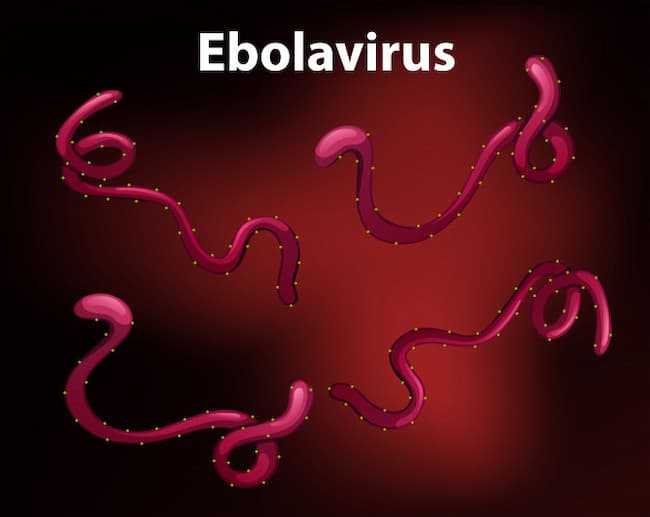
The World Health Organization (WHO) says the Ebola outbreak in the Democratic Republic of the Congo (DRC) has become the deadliest the country has recorded.
WHO said in a statement on Monday that the outbreak had claimed 2,325 lives, exceeding the 2,299 deaths recorded during the 2018-2020 Ebola outbreak.
The current outbreak, declared by DRC authorities on May 15, has also become the country’s largest in terms of confirmed cases, with 4,945 cases recorded.
Government data showed that 730 patients remained in isolation or hospitalised, while 1,040 people had recovered.
The fatality rate has risen to 46 per cent, with the outbreak now the second deadliest Ebola outbreak globally after the 2014-2016 West African epidemic.
WHO said the Bundibugyo strain was spreading at a faster rate than previous outbreaks, while the absence of an approved treatment has added to the challenge.
Vaccine trials are currently being conducted in the UK and Canada.
The response has also been complicated by inadequate health infrastructure, armed conflict around the epicentre and public distrust of medical authorities.
WHO warned that the outbreak was moving faster than the response efforts.
The UN and its health partners are also working to prevent Ebola from spreading to neighbouring countries, including South Sudan and the Central African Republic.
In June, WHO and the Africa Centres for Disease Control and Prevention launched a continental response plan covering emergency coordination, disease surveillance, laboratory testing, infection control, clinical care and community engagement.
The UN Office for the Coordination of Humanitarian Affairs (OCHA) has allocated $54.5 million to support the DRC response and preparedness efforts in neighbouring countries.
In the Central African Republic, the UN peacekeeping mission, MINUSCA, is supporting authorities with surveillance, preparedness, public awareness and technical assistance.
UN spokesperson Stéphane Dujarric said the mission was also helping transport health experts and deliver essential medical supplies.
The Issues
The response is being hindered by limited health infrastructure, insecurity in affected areas and distrust of health authorities, while the outbreak continues to spread rapidly.
What’s Being Said
“Responders need safe access to communities, and the resources to end this outbreak and save lives.” – WHO.
What’s Next
WHO said it aims to bring transmission under control within three months, while affected and neighbouring countries are strengthening disease surveillance and pandemic preparedness.
Bottom Line
The DRC’s latest Ebola outbreak has surpassed the country’s previous death toll record, putting greater pressure on health authorities and international partners to contain transmission and prevent regional spread.

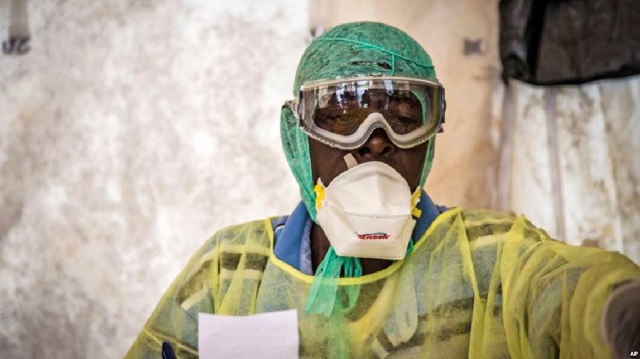


 says the Ebola outbreak in the Democratic Republic of the Congo (DRC) has ...)