








Key points
- Energy expert says Nigeria’s electricity subsidy disproportionately benefits high-income households.
- Current subsidy regime is discouraging investment in renewable energy, particularly solar power.
- He calls for reforms to improve fairness, expand electricity access and support clean energy.
Main story

The Executive Director of the International Centre for Energy, Environment and Development (ICEED), Mr Ewah Eleri, has said Nigeria’s electricity subsidy regime disproportionately benefits wealthier households while limiting investment in renewable energy and electricity expansion.
Speaking in an interview with the News Agency of Nigeria (NAN) in Abuja, Eleri said the Federal Government spent more than $10 billion on electricity subsidies over the past year, but the benefits were concentrated among the country’s biggest electricity consumers.
According to him, about 10 per cent of households receive more than half of the government’s electricity subsidy, estimated at roughly ₦3 trillion, while about 40 per cent of households derive only marginal benefits from the programme.
Eleri said electricity subsidies are intended to make power more affordable for vulnerable households, but the current structure largely rewards higher consumption rather than targeting those most in need.
He also argued that subsidised electricity tariffs reduce the competitiveness of renewable energy by making conventional gas-fired electricity appear artificially cheaper than alternatives such as solar power.
According to him, the pricing distortion slows investment in renewable energy, limits diversification of Nigeria’s electricity mix and makes it more difficult for the country to meet its climate commitments.
On electricity sector reforms, Eleri said the Electricity Act has created opportunities for state governments to regulate electricity markets within their jurisdictions.
He noted that about 15 states have established electricity regulatory commissions to oversee local markets, improve electricity access, resolve consumer complaints and strengthen sector governance.
However, he stressed that the success of the decentralised electricity market would depend on clearly defined responsibilities between the Nigerian Electricity Regulatory Commission (NERC) and state electricity regulators.
The issues
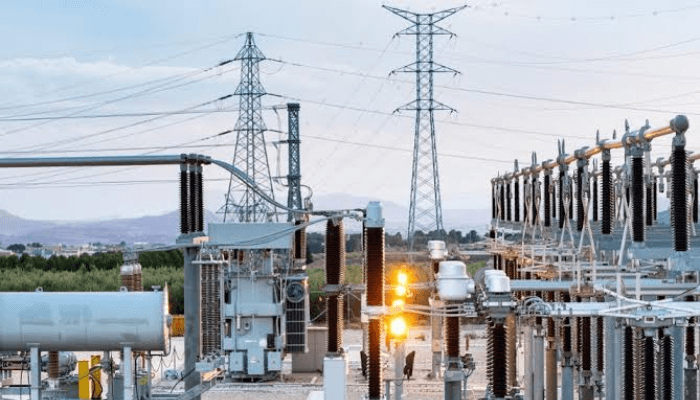
Nigeria continues to spend heavily on electricity subsidies despite persistent power shortages and limited electricity access. Policymakers face the challenge of balancing affordability for consumers with the need to attract investment, improve infrastructure and accelerate the transition to cleaner energy sources.
What’s being said
“Subsidies are intended to support vulnerable communities and make electricity affordable, but the current framework largely benefits those who consume the most electricity.” — Ewah Eleri, Executive Director, International Centre for Energy, Environment and Development (ICEED).
“We need to remove harmful subsidies that ultimately hurt the poor, constrain electricity expansion and discourage investment in renewable energy.” — Ewah Eleri, Executive Director, ICEED.
“There must be a clear understanding of the respective responsibilities of the national and state regulators to ensure an efficient and effective electricity market.” — Ewah Eleri, Executive Director, ICEED.
What’s next
As more states establish independent electricity regulators under the Electricity Act, attention is expected to focus on subsidy reforms, regulatory coordination and policies that encourage investment in both grid infrastructure and renewable energy.
Bottom line
The debate over electricity subsidies is increasingly shifting from how much government spends to whether the benefits reach the intended households while supporting long-term investment in a more reliable and sustainable power sector.









, Mr Ewah Eleri, has ...)