





Key points
- Finance Minister says ongoing reforms have stabilised Nigeria’s economy and positioned it for growth.
- Government maintains fiscal discipline, removes subsidies, and promotes market-driven policies.
- CBN reports N4.65 trillion bank recapitalisation, strengthening financial system resilience.
Main story
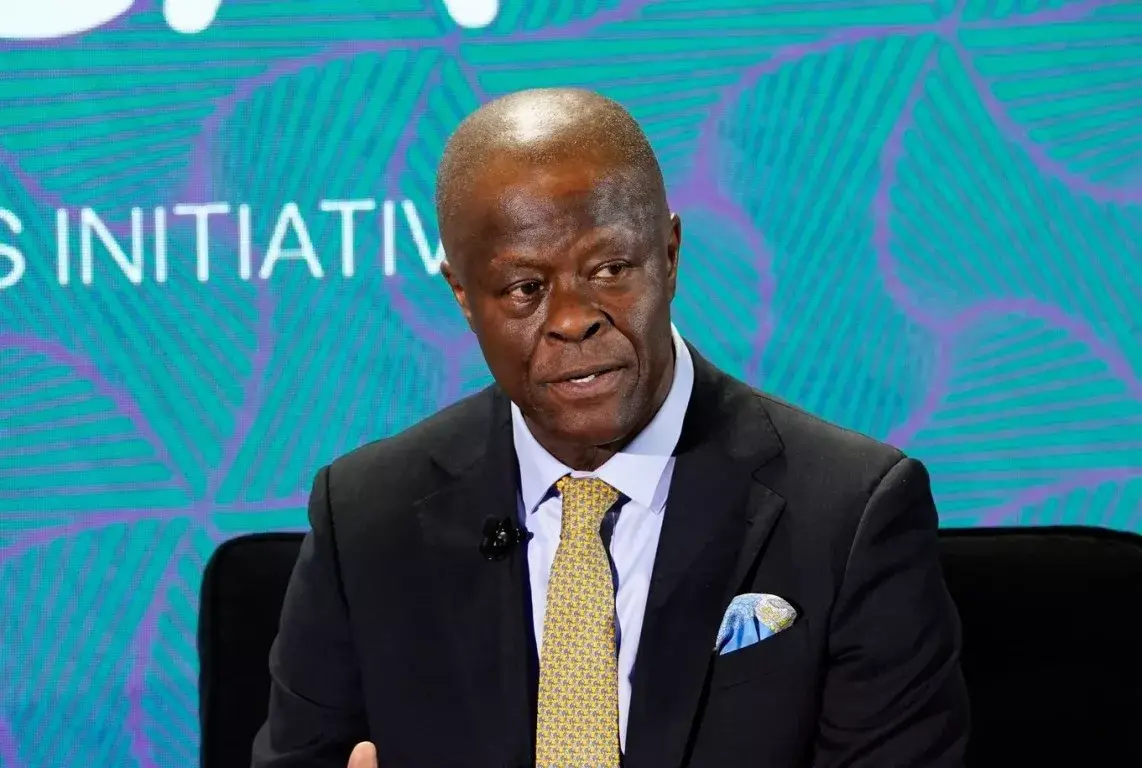
Nigeria’s Minister of Finance and Coordinating Minister of the Economy, Wale Edun, has said that the economic reforms introduced under President Bola Tinubu are durable and self-sustaining, aimed at transitioning the country from economic survival to sustainable growth.
Edun made this known during a press briefing at the Spring Meetings of the World Bank and International Monetary Fund in Washington, DC.
According to him, the reforms implemented since mid-2023 have helped stabilise the economy, strengthen macroeconomic fundamentals, and position Nigeria to better withstand global economic shocks. He noted that the meetings took place amid global export tensions, trade uncertainties, and tightening financial conditions.
Edun explained that key policy shifts—including market-based foreign exchange management and fuel pricing—are gradually restoring economic balance. He added that Nigeria’s foreign reserves have risen to about $50 billion, economic growth has exceeded four per cent, and inflation, though still a concern, is showing signs of easing.
The issues
Despite improvements, inflation remains a major challenge, driven by rising energy, food, and logistics costs. There are also concerns about the social impact of subsidy removal and currency reforms on households and businesses, particularly in the short term.
What’s being said
Edun emphasised that the government is implementing targeted social protection measures and agricultural interventions to cushion the impact of reforms. He also highlighted investments such as the Dangote Refinery as indicators of growing private sector confidence.
He maintained that Nigeria is moving from economic stabilisation to growth acceleration, with key sectors including power, agriculture, infrastructure, and digital innovation expected to drive expansion.
On his part, the Governor of the Central Bank of Nigeria, Olayemi Cardoso, said Nigeria remains committed to sustaining reforms and maintaining macroeconomic stability. He disclosed that the banking sector recapitalisation programme has raised N4.65 trillion, with 33 banks meeting new capital requirements, thereby strengthening the sector’s resilience.
What’s next
The Federal Government is expected to sustain fiscal discipline, deepen structural reforms, and strengthen partnerships with development institutions and investors. Continued implementation of social protection programmes will also be critical in managing the short-term impact of reforms.
Bottom line
While challenges persist, Nigeria’s ongoing economic reforms are beginning to stabilise key indicators and attract investor confidence, signalling a gradual transition towards sustainable growth and long-term economic resilience.