







By Annette Ikponmwonba | September 16, 2026
Key Points
· President Bola Tinubu has mourned veteran Nollywood actor Olu Jacobs, who died at age 84
· Jacobs’ death was announced by his son, Olusoji Jacobs, on Instagram on Wednesday
· Tinubu described him as one of Nigeria’s most distinguished actors and a towering figure across theatre, television and film
· The President praised his role in professionalizing Nigeria’s entertainment industry and inspiring generations of actors and filmmakers
· Jacobs trained at London’s Royal Academy of Dramatic Arts and built a career in British television before returning to Nigeria
· He was conferred with the national honour of Member of the Order of the Federal Republic
Main Story
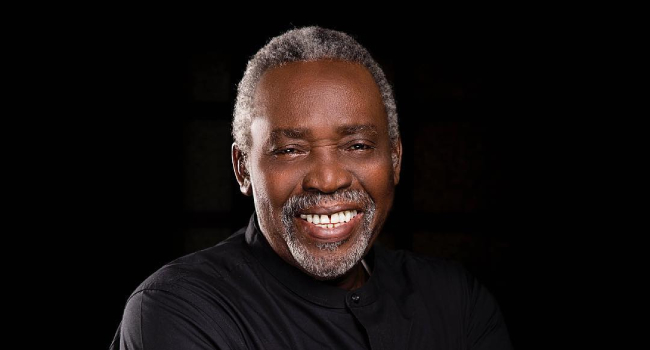
President Bola Tinubu has mourned veteran Nollywood actor and film executive, Oludotun Baiyewu Jacobs, popularly known as Olu Jacobs, who died at age 84. His death was announced by his son, Olusoji Jacobs, on Instagram on Wednesday, In a statement issued by his Special Adviser on Information and Strategy, Bayo Onanuga, Tinubu described the late actor as one of Nigeria’s most distinguished actors and a towering figure whose career spanned theatre, television and film globally. The President said Jacobs contributed significantly to the development and professionalisation of Nigeria’s entertainment industry, and inspired generations of actors and filmmakers through his talent, discipline and dedication to his craft, Tinubu also praised Jacobs’ ability to bring depth, dignity and authenticity to the characters he portrayed, saying this quality earned him admiration both within Nigeria and internationally.
The Issues
Jacobs’ passing marks the loss of one of the foundational figures who helped shape Nigeria’s film industry into what it has become today. His career trajectory, training at London’s Royal Academy of Dramatic Arts before building a career in British television and international film, and eventually returning to Nigeria to become a major figure in the country’s film industry, reflects a rare bridge between global professional theatre training and the growth of Nollywood as a distinct industry.
His death also draws attention to the broader question of how Nigeria honours and preserves the legacies of its pioneering creative figures. Tinubu’s statement specifically framed Jacobs’ contributions within the context of Nigeria’s cultural identity, global image and economic development, underscoring how central figures like Jacobs have been to establishing the creative industry as a serious economic and cultural force rather than a peripheral sector.
What’s Being Said
Tinubu was expansive in his tribute, describing Jacobs as a giant of the Nigerian creative industry whose passing represents a great loss to Nigeria, the African film industry and the global community of lovers of the performing arts. He added that Jacobs’ remarkable body of work would continue to speak to generations yet unborn.
The President also tied Jacobs’ individual legacy to a broader national narrative, stating that the nation recognises the enormous contributions of Nigeria’s creative practitioners to the country’s cultural identity, global image and economic development, and crediting Jacobs with playing a big role in creating that identity, Tinubu extended his condolences specifically to the Jacobs family, including his wife, veteran actress Joke Silva, their children, relatives, colleagues in the Nigerian film industry and the wider creative community, and prayed for the repose of his soul.
What’s Next
Attention will likely turn to funeral and memorial arrangements for Jacobs, as well as tributes expected from other figures across Nollywood and the broader African entertainment industry in the coming days, His passing may also prompt renewed conversations within the industry about honouring and documenting the legacies of Nollywood’s pioneering generation, particularly figures like Jacobs who helped bridge international theatre training with the growth of Nigeria’s domestic film industry.
Bottom Line
Olu Jacobs’ death marks the loss of one of Nigeria’s most consequential creative figures, a man whose career helped legitimize and professionalize Nollywood on both a national and global stage, with President Tinubu’s tribute reflecting just how deeply his influence is tied to Nigeria’s broader cultural and economic identity.