The Nigerian National Petroleum Company Limited (NNPCL) has been given a 10-day deadline by the Senate Committee on Public Accounts to provide detailed explanations regarding ₦200 trillion in financial discrepancies flagged in its audited accounts.
The ultimatum was issued after NNPCL, led by Group CEO Bayo Ojulari, requested a two-month grace period to respond—an extension the committee rejected outright.
Senator Aliyu Wadada, who chairs the committee, criticized the company’s attempt to delay accountability and emphasized the Senate’s resolve to uphold transparency in managing public resources.
The committee cited multiple concerns, including undocumented receivables and opaque legal and auditing expenditures recorded between 2017 and 2023. Wadada stressed that the Senate would consider any further attempts to delay compliance as contemptuous and warned of possible constitutional actions.
“We will not allow public funds to be mismanaged without consequences,” Wadada declared during the session.
Compounding the committee’s concerns was the absence of NNPCL’s external auditors, who were expected to provide independent insight into the financial statements.
The hearing was attended by high-level officials from anti-corruption and intelligence agencies, including the Economic and Financial Crimes Commission (EFCC), the Nigeria Financial Intelligence Unit (NFIU), and the Department of State Services (DSS), further underscoring the gravity of the probe.
The committee reiterated its commitment to financial accountability and warned that NNPCL must respond by the July 10 deadline or face significant legislative repercussions.
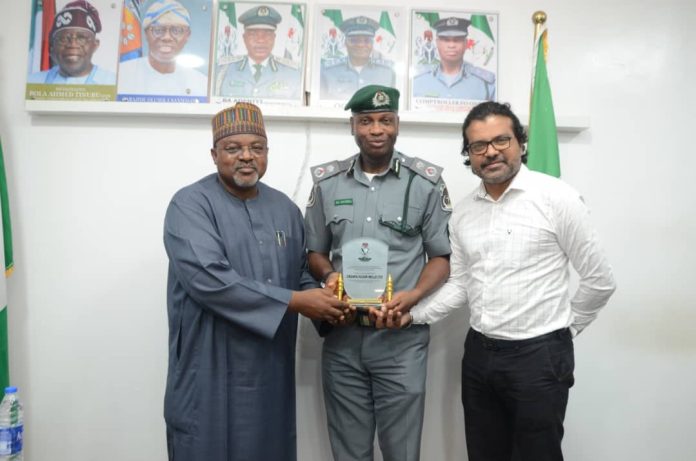
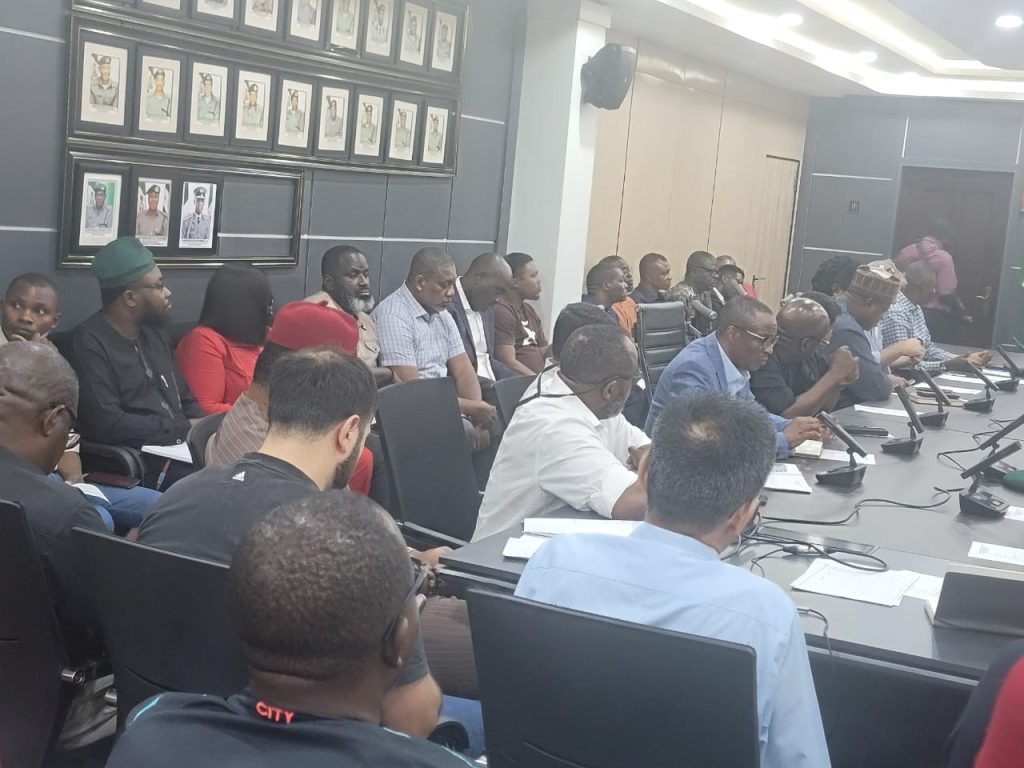
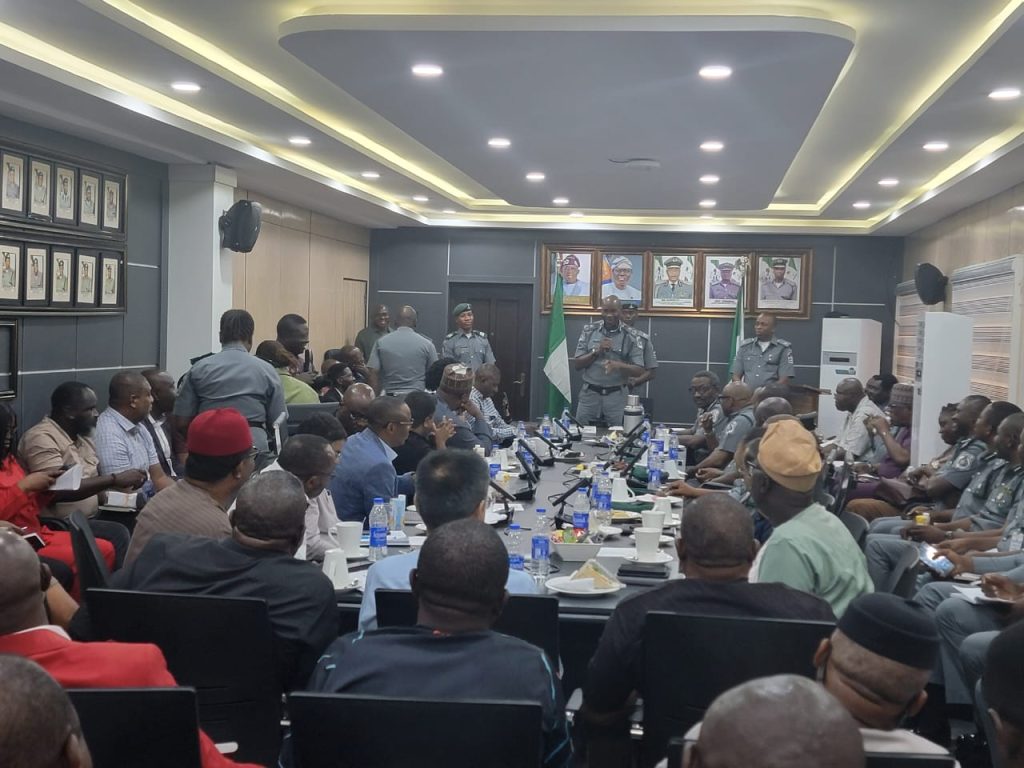
In a bid to enhance trade facilitation and bolster revenue generation, the Customs Area Controller (CAC) of Tin Can Island Port, Comptroller Frank Onyeka, on Tuesday convened a strategic engagement session with key stakeholders and trade partners at the Command’s headquarters in Lagos.
The interactive meeting which is the first under Onyeka’s leadership was aimed at fostering honest dialogue, identifying operational gaps, and encouraging constructive feedback from stakeholders.
According to Onyeka, the engagement was intended to serve as a platform for evaluating the Command’s operations and addressing concerns raised by industry players.
“I asked them to come so I could listen to where we are not doing well and identify the gaps that need to be filled, so we can address them immediately,” he said.
The CAC stated the importance of transparency and sincere feedback as tools for improved service delivery. “I’m satisfied with the engagement and the feedback received. We are already working on the issues raised,” he noted.
One of the key highlights of the session was the introduction of the “B’ Odogwu” initiative, which Onyeka described as “a game changer that has come to stay.”
He said the platform, once fully operational, would significantly streamline cargo clearance processes.
“If B’ Odogwu takes off the way we intend, in two hours you’ll lodge your consignment and have it released ten times faster. It will be network-free and hassle-free,” he assured.
While commending the efforts of his officers, Onyeka acknowledged there is still room for improvement.
“Some stakeholders mentioned that certain officers were not meeting expectations. I addressed that immediately by calling the terminal concerned,” he disclosed.
He further stated that the Comptroller-General of Customs, Bashir Adewale Adeniyi, MFR, had charged all officers to “collaborate, consolidate, and innovate.”
According to him, the stakeholder engagement exemplifies innovation at work. “What happened today has never happened before. We talked, we ate breakfast together, and everyone was relaxed. That atmosphere of ease gave me what I needed, honest feedback,” he added.
Comptroller Onyeka pledged that such sessions would be held regularly to promote synergy and efficiency. “This won’t be a one-off. We will continue to bring everyone under one umbrella to work together for the good of the Command and the national economy,” he said.
The initiative was well received by participants. The Vice President and Head of Regional Manufacturing Operations at Olam Agri, Mr. Shamim Hamza, lauded the Customs Command for its openness and collaborative approach.
“I was moved here two weeks ago from Port Harcourt, and this kind of engagement is new to me. It’s collaborative, not reactive. The CAC listened carefully. This kind of positive interaction can boost Nigeria’s import landscape and improve our economy,” Hamza remarked.
He stressed the importance of agility in today’s competitive business environment. “If we are slow, others will overtake us. This meeting is a step in the right direction by the Nigeria Customs Service,” he said.
Also speaking, Chief Afam Chukwuma, Managing Director of International Supply Chain Systems Ltd and Deputy National President (Seaport) of the National Association of Government Approved Freight Forwarders (NAGAFF), praised the CAC’s openness.
“It was a very fruitful engagement. The CAC made it clear that there were no off-limit discussions, and that gave everyone the liberty to speak freely. He got real-time feedback that will help him lead the Command more effectively. We’re happy with the progress under his leadership,” Chukwuma stated. He emphasised the need for consistency. “The industry is dynamic. Continuous engagement like this is critical, and we believe the current leadership will sustain it,” he added.
The Executive Secretary of the Tertiary Education Trust Fund (TETFund), Sonny Echono, has lauded Nigeria’s emergence as one of 17 African countries selected to participate in the prestigious Science Granting Council Initiative (SGCI), hailing the move as a major boost for the nation’s research and innovation ecosystem.
Speaking at the Innov8 Hub in Abuja where Nigerian research teams showcased their projects, Echono revealed that four research and innovation projects under the SGCI have been awarded a total of $250,000. The grant, facilitated through the SGCI’s Research for Impact (R4i) initiative, is aimed at translating academic research into market-ready innovations that can drive sustainable development.
The awarded projects—pioneered by 18 researchers drawn from 14 universities across Nigeria—span critical areas such as Affordable and Clean Energy, Clean Water and Sanitation, Industry and Infrastructure, and Life on Land, all of which align with the United Nations Sustainable Development Goals (SDGs).
Echono commended the researchers for transforming complex academic concepts into real-world solutions, noting that their innovations have already attracted industry attention and are poised to deliver tangible socio-economic impact.
“Through transformative initiatives like the SGCI partnership projects, we are not just funding prototypes, we are fuelling a movement,” he said. “A movement where a single innovation from a university laboratory can ripple outward—creating jobs, solving societal problems, and positioning Nigeria as a hub of African ingenuity.”
He added that the initiative exemplifies the Triple Helix Synergy—collaboration among government, academia, and industry—saying, “Alone, each sector has its limits. Together, they form a veritable catalyst for sustainable development.”
Echono reaffirmed TETFund’s commitment to fostering research and development across Nigeria’s tertiary institutions, describing it as the bedrock of national growth and technological advancement. “This initiative is a shining example of how research can transcend theory to become commercially viable, solution-driven innovations,” he said.
Also speaking at the event, the Minister of Communications, Innovation and Digital Economy, Dr. Bosun Tijani, praised the consortium of partners supporting Nigeria’s innovation space. Represented by his Technical Adviser on Innovation, Entrepreneurship and Capital, Francis Sani, the minister emphasised the importance of robust collaboration between government, academia, and the private sector in nurturing entrepreneurship.
“These showcased projects are a testament to the potential of Nigerian researchers and innovators. They demonstrate the kind of homegrown solutions that can address our unique challenges and spur economic development,” he said.
Dr. Tijani also pledged the ministry’s continued support in promoting innovation and research capable of driving national growth and improving livelihoods.
RIM Project Coordinator at the African Centre for Technology Studies (ACTS), Kenya, Dr. Nicolas Odongo, echoed similar sentiments, describing the Nigerian projects as a “testament to the power of knowledge to transform communities and create sustainable futures.”
“These projects reflect our shared commitment to advancing science and technology rooted in indigenous knowledge and geared towards impactful innovation. It is encouraging to see the fruits of partnerships initiated last year beginning to blossom,” Odongo added.
Deputy General Manager of Innov8 Hub, Dr. Deji Ige, also applauded the initiative, stressing the importance of sustained support for research-led innovation across the continent.
With Nigeria’s growing presence on the continental research map, stakeholders agree that the SGCI initiative represents a major stride in unlocking the country’s potential in science, innovation, and economic transformation.
They say June is the month to celebrate men. One whole month dedicated to the same people who will walk past a mirror, flex, and say, “Na man I be,” like it’s a personality trait. Now, we’re not saying they don’t deserve the spotlight. We’re just saying that if we’re going to celebrate them, we might as well do it properly, with plenty of banter, a sprinkle of truth, and a side of small chops.
Men are… fascinating creatures. Give a man ₦5k, and he’ll buy suya, fuel his car, buy deodorant, send his mum ₦1k, and still tell you, “I get small change sha.” That’s not budgeting. That’s spiritual financial management. Left to most guys, a single white T-shirt will be used for every occasion. Interview? White T-shirt. Wedding? White T-shirt. Burial? Add a black face cap. Date? Spray perfume, same white T-shirt.
But that’s the thing about men. There’s this charming simplicity to them. They don’t overthink things. They don’t even think sometimes, but that’s another issue entirely. You’ll ask a guy, “Are you okay?” He’ll reply, “I’m good.” Meanwhile, he hasn’t eaten since morning, his bank app isn’t opening, his tyre is flat, and he’s still wondering if he should message Amaka or just block her to avoid breakfast. But he’s “good.”
One thing you can’t take away from men, though, is the premium packaging. They may be struggling, but you’ll never know. Shirt ironed. Beard brushed. Slippers cleaned. Wallet empty. But vibes, limitless. They have mastered the art of keeping it together, especially when everything is falling apart. You’ll see a guy walking with so much confidence, you’d think he owns three companies. Don’t ask too many questions; the only thing he owns is a cracked power bank and 42 unopened WhatsApp messages.
And don’t even get me started on how men behave in romantic situations. It’s either full boldness or complete confusion, no in-between. They’ll fall in love silently, suffer alone, and finally confess after the girl is already engaged. Some will toast you with audacity backed by nothing but the same white T-shirt and a phone screen that’s brighter than their future plans. And if a guy starts his line with “I’ve never done this before,” just know that he has, probably last week.
Now, let’s address the emotional department. Society has done such a good job convincing men that emotions are for weaklings, many of them think shedding a tear is a criminal offence. “Men don’t cry,” they say. But they snore with the force of ten engines. They sulk in silence. They will get heartbroken, and instead of talking, they will go and lift weights or start preaching motivational quotes on Instagram like, “In life, you move!” Bro, are you okay?
The pressure men face is loud. There’s the expectation to succeed quickly, provide for everyone, be emotionally stable, stay fit, communicate well, not cheat, be romantic, and still pay for everything. Meanwhile, nobody taught them how to navigate life’s curveballs. Many are winging it daily, praying silently that no one finds out they’re just improvising life like freestyle rappers.
But even with the pressure, the madness, and the silent struggles, men are still hilarious to observe. Watch a group of guys gather and you’d think it’s a financial summit. Meanwhile, they’re arguing about football with the intensity of a presidential debate. Or they’re discussing who the finest female celebrity is, like they’re on the selection panel for beauty pageants.
You will also notice that men bond over the weirdest things. You give two men a single cable to charge their phones at the same time, and boom, friendship for life. You lend one guy a pen during a meeting, and next thing, he’s calling you “my brother.” They form friendships through suffering, shared struggles, and sometimes, just mutual silence. No deep talk, no emotional check-ins, just vibes and “How far, guy?”
But beneath the banter and steel is a layer most people don’t notice: many men are tired. Tired of proving, tired of pretending, tired of pushing without being seen. They don’t always say it, but you can sense it in the long sighs, the late-night tweets, the “I dey” responses, and the quiet stares. Yet, they show up. They keep showing up. They try, and keep trying. For their families. For their loved ones. For themselves, even when it doesn’t look like it.
So this June, let’s actually celebrate men, not just with a Father’s Day shoutout sandwiched between football scores and World Jollof Rice Day, but with real acknowledgment. Buy him food. Send him money. Tell him it’s okay to feel that way. Don’t just ask him what he brings to the table; ask if he has eaten from it.
Because men don’t cry? Maybe. But they sure need space to breathe, rest, laugh, and be appreciated.
And let’s be honest, if he’s not crying, he’s probably just snoring his feelings away.
Happy Men’s Month. Give the bros their flowers before they use them to fry plantain.
Same time next week. Come with laughter, leave with sense.
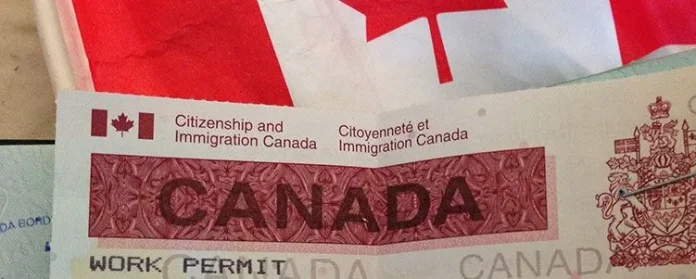
In a significant development that could reshape the academic and immigration choices of thousands of international students, the Government of Canada has revised the list of educational programs eligible for the Post-Graduation Work Permit (PGWP). The newly implemented changes are aimed at aligning international education pathways with Canada’s current labour market demands.
The update, issued by Immigration, Refugees and Citizenship Canada (IRCC), reveals a thorough overhaul of the PGWP eligibility criteria for non-degree academic programs. As part of the reform, 119 new study programs have been granted eligibility, while 178 existing ones have been delisted, effective June 25, 2025.
Who Do the New PGWP Rules Affect?
The policy applies to international students enrolled in non-degree granting programs—programs that do not culminate in bachelor’s, master’s, or doctoral degrees—and who applied for their Canadian study permits on or after November 1, 2024.
Students who applied before June 25, 2025 are protected under a grandfather clause, ensuring they remain eligible for PGWPs as long as their program was on the approved list at the time of their application.
What Are the Key Changes to PGWP-Eligible Programs?
The number of PGWP-eligible programs now stands at 920. The revisions are designed to prioritize disciplines that support sectors facing labour shortages. These sectors include healthcare, education, social services, and skilled trades.
Among the most notable exclusions are programs in Transport, which have been entirely removed from the eligibility list, and most Agriculture and Agri-Food programs, with only one program remaining eligible.
Newly Included Study Fields
Education Programs
In a new shift, education-related courses have been added for the first time to the list of PGWP-eligible programs. These include:
French Language Teacher Education – CIP Code 13.1325
Biology Teacher Education – 13.1322
Computer Teacher Education – 13.1321
Chemistry Teacher Education – 13.1323
Drama and Dance Teacher Education – 13.1324
Healthcare and Social Services
Several new programs in the medical and social care space are now eligible, including:
Veterinary Medicine (DVM) – 01.8001
Dental Clinical Sciences – 51.0501
Dentistry (DDS, DMD) – 51.0401
Veterinary Assistant Technology – 01.8301
Oral Biology & Pathology – 51.0503
Science, Technology, Engineering, and Mathematics (STEM)
In the STEM field, the following academic tracks have been granted eligibility:
Architecture (All degree levels) – 04.0201
Advanced Architectural Design – 04.0202
Landscape Architecture – 04.0601
Trades and Technical Programs
New trade-related programs have been recognized, including:
Construction Management – 52.2001
CNC Machinist Technology – 48.0510
Cabinetmaking and Millwork – 48.0703
Professional Diving Instruction – 49.0304
Fields Removed from Eligibility
Despite the new additions, several programs have been removed, such as:
Agriculture and Agri-Food (Removed Examples)
General Agriculture – 01.0000
Crop Production – 01.0304
Farm and Ranch Management – 01.0104
STEM (Removed Examples)
Environmental Studies – 03.0103
Agricultural Education Services – 01.0801
Marine Resources Management – 03.0205
Trades and Transport (Removed Examples)
Solar Energy Technician – 15.1703
Aircraft Maintenance Technician – 47.0607
Engine Machinist – 47.0615
PGWP Eligibility Tied to Labour Market Trends
IRCC emphasized that the updated PGWP list reflects the country’s employment trends and mirrors recent changes in Express Entry immigration categories. Both frameworks are being synchronized to better target individuals who can immediately contribute to critical areas of the Canadian economy.
This alignment ensures that students from newly added programs are not only eligible for a work permit post-graduation but may also find easier access to permanent residence pathways through Express Entry streams.
Language Proficiency Remains a Core Requirement
Apart from field-specific criteria, students must also satisfy language requirements based on their level of study:
Program LevelLanguage ProficiencyEligible Field Requirement
Bachelor’s degree (college/university) CLB/NCLC Level 7 (English/French) No
Master’s/Doctoral programs CLB/NCLC Level 7 No
Other university programs CLB/NCLC Level 7 Yes
College or other non-university CLB/NCLC Level 5 Yes
Note: Graduates from flight training schools eligible for PGWPs are exempt from the field of study requirement.
Full List of Changes Available
A comprehensive list detailing all PGWP-eligible and ineligible programs has been published by IRCC and can be accessed through their official platform.
What This Means for International Students
This sweeping policy shift is expected to influence the decision-making of prospective international students, academic institutions, and Canadian employers. As Canada sharpens its focus on filling workforce gaps with targeted educational streams, the PGWP reforms serve as a strategic bridge connecting global talent to high-demand careers within the country.
Interswitch, one of Africa’s leading integrated payments and digital commerce companies, hosted an exclusive screening event on Wednesday, June 25th, at the Interswitch Innovation Lab in Victoria Island, Lagos, to premiere its latest Masterbrand Television Commercial (TVC), alongside a corresponding integrated marketing communication campaign anchored on its ‘Never Stop’ brand philosophy.
It would be recalled that to herald its 20th anniversary commemoration earlier in 2022, Interswitch launched a new brand campaign projecting its positioning as a pioneering and integral enabler that has not only actively supported the growth and development of fintech and payments across Africa over the last 20 years, also amplifying the brand’s progressive outlook as a frontier-driving company which keeps pushing boundaries and facilitating the creation of new ecosystems that help businesses and individuals scale and thrive, in line with its purpose of inspiring Africa to greatness through innovation, value-creation and excellence.
This latest complementary brand campaign, still based on the existing philosophy however marks a significant milestone in the brand’s evolution, as Interswitch continues its mission to humanize technology and spotlight the often-unseen role it plays in powering everyday life across Africa, from payments and transportation to healthcare, energy, education, and real estate. This campaign reaffirms Interswitch’s commitment to enabling the moments that matter.
Styled as an immersive and intimate gathering, the event drew key stakeholders across media, tech, and lifestyle sectors, including journalists, creators, and brand partners. With a bold departure from conventional press events, the screening was crafted as an experience-first showcase, a sensory blend of visuals, sound, and narrative designed to evoke emotion and highlight the depth of African storytelling.
Commenting on the campaign and its significance, Cherry Eromosele, Executive Vice President, Marketing and Communications, Interswitch Group, said:
“This commercial is not just a brand film, it is a cultural moment. It reflects who we are and why we exist, to enable progress, empower dreams, and fuel the heartbeat of commerce and connection across Africa. By humanizing our story, we are reinforcing that our impact goes far beyond technology, it lives in the everyday lives we touch. In doing so, we are helping to build a digital Africa where everyone and every business can thrive.”
Anchored by the TVC, the campaign tells a deeply human story of trust, reliability, and steady, unwavering impact, values that have defined Interswitch’s journey over the last two decades. Rather than focus on product features, the film shifts the narrative to people including commuters, merchants, students, mothers, and small business owners whose lives are made simpler, faster, and more secure by Interswitch’s underlying infrastructure.
Importantly, the TVC was conceived, directed, and produced entirely by Africans, a deliberate creative decision underscoring Interswitch’s belief that African stories are best told by African voices. In an era where artificial intelligence is increasingly used to simulate storytelling, the team chose a different path, eschewing AI in favour of organic, emotionally driven filmmaking that captures real faces, real places, and real emotions.
Commenting on the launch of the commercial, Divisional Head for Brands, Communications, Content and Storytelling at Interswitch, Tomi Ogunlesi said:
“In an age where automation is becoming increasingly glorified, we are essentially making a bet on human connection. We made a conscious choice to tell this story with heart, to let people see themselves, their families, their daily hustle reflected on screen, and to connect the dots with how Interswitch powers the moments that matter in their lives. That’s what makes it real. That’s what makes it matter.”
Following its release, the TVC and its associated through-the-line campaign across channels has continued to spark strong engagement across digital platforms, with viewers praising its emotional resonance and authentic portrayal of African realities. For many, it offers a renewed appreciation for Interswitch’s consistent, often invisible role in powering not just transactions, but transitions, ambitions, and everyday progress.
As Interswitch deepens its pan-African presence, this campaign signals a refreshed focus on cultural relevance, trust-building, and human connection, elements that now define the future of African technology companies’ branding.
A windstorm has plunged more than 20 communities in Ibadan, the Oyo State capital, into darkness after damaging critical electricity infrastructure along the Gbagi–Olubadan Estate axis on the New Ife Express Road.
In a statement released on Wednesday, the Ibadan Electricity Distribution Company (IBEDC) confirmed that the storm brought down several high-tension poles and affected key power feeders, including the Alakia 33kV, Adogba 33kV, and New Ife Road 11kV lines. The incident also impacted several distribution transformers and the Alakia 7.5 MVA Injection Substation, resulting in widespread power outages across residential, commercial, and industrial zones.
Communities currently without power include Olubadan Industrial Estate, Biosis, Westlink, Nigerian Brewery Area, Sword Sweet, Dana Pharmacy, Opeyemi, Alalubosa, Majawe, Airport, Idi Obi, Ogo Oluwa, IGEM, Gbaremu, Isebo Olosan, Ogungbade, Oluwo, Egbeda, Akiti Awaye, Badeku, Jago, Bethel Phase 2, National Kulodi, and Alakia New Ife Road, among others.
IBEDC assured affected customers that its technical teams are working round the clock to repair the damaged infrastructure and restore power supply as quickly as possible. The company also appealed for patience and urged residents to avoid any contact with fallen power lines and damaged electrical equipment for safety.
“We regret the inconvenience caused by this unexpected natural event,” the statement read. “Our technical crew is on-site working to ensure safe and timely restoration of electricity to the affected areas.”
This latest disruption highlights the vulnerability of power infrastructure to severe weather events and underscores the importance of infrastructure resilience in Nigeria’s power sector.
The Federal Government sold crude oil valued at ₦219.38 billion to the Dangote Petroleum Refinery between January and April 2025, according to documents from the Federation Account Allocation Committee (FAAC).
The crude deliveries, totaling 1,901,850 barrels, were supplied by the Nigerian National Petroleum Company Limited (NNPCL) from the Okwuibome field, operated under Production Sharing Contracts by Sterling Oil Exploration & Energy Production Company and Nigerian Agip Exploration.
Sales were executed at prices ranging between $74.87 and $80.34 per barrel, using exchange rates of ₦1,501.22/$ to ₦1,562.91/$, as advised by the Central Bank of Nigeria. Payments were made in naira under terms guided by Afreximbank exchange references.
Monthly supply to the refinery increased steadily, from ₦17.52 billion in January to ₦111.95 billion in April. The refinery received ₦32.95 billion worth of crude in February and ₦56.97 billion in March.
In April, the Dangote Refinery temporarily suspended local sales of its petroleum products, citing misalignment between crude procurement and product revenue. The development led to a brief pause in domestic crude allocations.
Subsequently, the Federal Executive Council reaffirmed its support for the ongoing naira-for-crude policy, describing it as a long-term initiative aimed at strengthening domestic refining capacity. A follow-up meeting by the relevant sub-committee confirmed continued efforts toward full implementation of the policy.
Despite the policy support, the refinery has maintained that crude supply remains insufficient to meet operational needs, resulting in supplemental imports from international markets.
FAAC records show that the federal government also earned ₦231.47 billion from crude oil exports between January and April 2025. Export sales during the period totaled $153.03 million, with naira earnings subject to monthly exchange rate fluctuations.
A breakdown of export earnings includes:
January: $31.13 million (₦45.99 billion)
February: $41.23 million (₦61.50 billion)
March: $79.07 million (₦121.44 billion)
April: $1.59 million (₦2.53 billion)
The decline in April earnings reflected the suspension of crude sales to local refineries and a drop in international export volumes.
Gross oil and gas receipts for April stood at $6.25 billion (₦1.01 trillion), with gas export contributing $4.56 billion. Other sources included arrears from NLNG feedstock gas and additional crude and gas-related receipts.
However, the April disbursement to the Federation Account dropped significantly, with ₦120.93 billion shared, compared to ₦204.85 billion in March, reflecting a 41 percent decline.
Industry stakeholders have advised the government to ensure that crude oil pricing to domestic refineries remains cost-reflective but affordable, in order to support downstream stability and protect consumers from high fuel costs.
The Federal Government is considering urgent financial and policy interventions to address power tariff challenges affecting gas supply and payment structures at several thermal power plants operated by the Nigerian National Petroleum Company Limited (NNPC Ltd).
The development was disclosed during a high-level meeting held at the NNPC Towers in Abuja, involving the Minister of State for Petroleum Resources (Gas), Ekperikpe Ekpo; the Minister of Finance and Coordinating Minister of the Economy, Wale Edun; and top NNPC officials led by Dr. Salihu Jamari, who represented the Executive Vice President, Gas, Power and New Energy.
According to a statement released by Ekpo’s media aide, Louis Ibah, the discussions focused on financial bottlenecks and tariff gaps that threaten the operational viability of key gas-fired power plants, including the Maiduguri Emergency Power Plant, Okpai Independent Power Plant (IPP) Phase 2, and the Kano IPP Phase 1.
The NNPC Ltd delegation reportedly raised serious concerns over delayed payments and unresolved tariff shortfalls within the Nigeria Bulk Electricity Trading (NBET) framework, warning that these issues posed significant risks to the sustainability of the plants. “NNPC Ltd warned that without timely intervention, power supply to key regions may be jeopardised, with potential economic and social impacts,” the statement read.
Minister Ekpo stressed that resolving the tariff-related challenges is essential for Nigeria’s gas-to-power infrastructure to operate effectively and support economic development. He noted that reliable power generation was critical to stabilising regions such as Maiduguri and Kano, and to maximising contributions from Okpai Phase 2 to the national grid.
Finance Minister Wale Edun echoed the urgency, calling for a unified approach among stakeholders to develop a sustainable financial mechanism that ensures the continued viability of the power plants and strengthens national grid reliability.
All parties agreed to hold a follow-up meeting with the Minister of Power to work towards actionable solutions, with a short timeline aimed at securing the long-term operation of the affected plants.
Nigeria’s power sector continues to face liquidity challenges driven by subsidised tariffs and inadequate metering. While the government has pledged to subsidise electricity for all consumers except those in Band A, Power Minister Adebayo Adelabu recently revealed that the N200 billion monthly subsidy is unsustainable.
The inability of electricity distribution companies (DisCos) to recover sufficient revenues has had a ripple effect across the power value chain, resulting in mounting debts to power generation companies (GenCos) and gas suppliers. Stakeholders warn that unless structural financial issues are urgently addressed, the country’s power supply and economic stability could be at greater risk.
After weeks of gripping testimony in the high-profile trial of Sean “Diddy” Combs, legal teams are set to deliver closing arguments Thursday, marking a pivotal moment in the proceedings that could determine the fate of the embattled music mogul.
Both prosecution and defense are expected to present lengthy summations, each lasting several hours, as the case nears its conclusion in a Manhattan federal courtroom. At stake is the future of Combs, 55, once a towering figure in the entertainment industry, now facing a slate of serious federal charges.
Prosecutors allege that Combs masterminded a criminal enterprise spanning decades—one marked by forced labor, arson, bribery, witness tampering, and sex trafficking. Central to the case are disturbing claims from two women: singer Casandra Ventura and another who testified under the pseudonym “Jane.” Both allege years of coercion, abuse, and manipulation, including drug-fueled sex with paid escorts at events the government describes as “criminal sex parties.”
The most severe charge, racketeering, accuses Combs of operating a coordinated and sustained criminal enterprise. If convicted, he could face life in prison. He also faces charges of sex trafficking and transporting individuals across state lines for prostitution.
Combs has denied all allegations. His legal team argues the relationships in question were consensual and claims many witnesses were driven by ulterior motives—such as money, fame, or resentment.
Throughout the trial, the government called 34 witnesses, including former assistants, escorts, employees, family and friends of the alleged victims, and even a hotel security guard who claimed he was bribed with $100,000 in cash. Jurors also heard from law enforcement officials and a forensic psychologist.
Combs declined to testify in his own defense, a strategic move by his legal team, which is only required to raise reasonable doubt—not prove innocence.
Evidence presented included thousands of pages of phone and text message records, as well as hours of graphic and emotional testimony. While some of the communications appeared to show distress, others contained expressions of affection—messages the defense repeatedly cited to suggest consent. The jury was also shown video footage of parties prosecutors claimed were criminal in nature, while the defense offered context it said supported voluntary participation.
Financial documents were another key element in the case, including CashApp payments to escorts, and flight and hotel bookings allegedly arranged by Combs’s inner circle.
Since its start in early May, the trial has captivated public attention. Though electronics are prohibited inside the courthouse, crowds of content creators and social media influencers gather daily outside the Manhattan venue, offering real-time updates and commentary to their followers.
Combs remains in custody and does not appear publicly during courthouse arrivals or departures. However, the trial has drawn several high-profile attendees, including family members and celebrities. Notably, rapper Kid Cudi testified that associates of Combs set fire to his car—one of many allegations painting a picture of intimidation and retaliation.
Closing arguments are expected to conclude by Friday. While there is a slim chance jurors could begin deliberations immediately afterward, it is more likely the case will be handed over to them on Monday.
Then, the spotlight shifts to 12 jurors—tasked with determining the future of a man once revered as a cultural icon, now facing the collapse of his legacy.
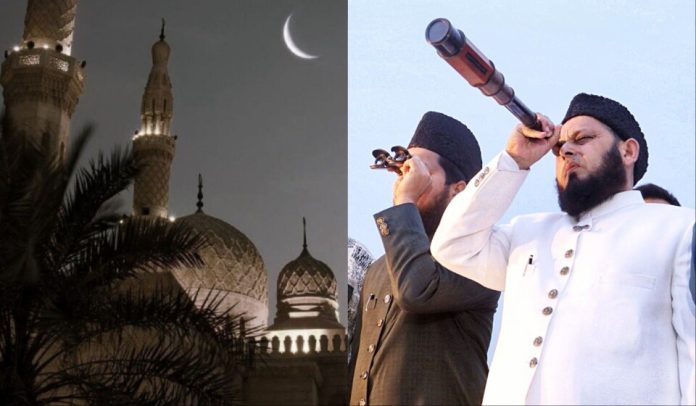
The Islamic lunar calendar ushers in a new era as Saudi Arabia and Nigeria both officially announce Thursday, June 26, 2025, as the first day of Muharram, signifying the beginning of the Hijri year 1447 AH.
The Supreme Court of Saudi Arabia confirmed the start of the Islamic New Year following the verified sighting of the new crescent moon on Wednesday evening, corresponding to the 29th of Dhul Hijjah. According to a report from the Saudi Press Agency, the decision was reached after credible testimonies were validated by the Crescent Sighting Committee.
The announcement was accompanied by a message of unity and prayers for the nation’s leaders, including King Salman and Crown Prince Mohammed bin Salman. The statement expressed hope for a year of peace and collective strength for Muslims around the globe.
Confirmation of the moon’s sighting was also disseminated via social media. The official account of the Two Holy Mosques in Makkah and Madinah, @HaramainInfo, posted on X (formerly Twitter): “1st Muharram 1447 – Thursday, 26 June 2025. Crescent for the new Islamic year was sighted this evening. The new Hijri year begins tomorrow.”
In Nigeria, similar confirmation was issued by the National Moonsighting Committee under the National Supreme Council for Islamic Affairs (NSCIA). In a midnight announcement shared on X, the committee stated: “His Eminence, the Sultan of Sokoto has declared Thursday, 26/6/2025 as 1st Muharram 1447 AH. The crescent for the new Islamic year and the month of Muharram was SEEN today.”
As Muslims begin their observance of the sacred month of Muharram, attention also turns toward Ashura, which will fall on Saturday, July 5, 2025. The 10th of Muharram, known as Ashura, holds deep spiritual meaning for the global Muslim community. It commemorates important historical events, including the miraculous escape of Prophet Musa (Moses) and the Children of Israel from the tyranny of Pharaoh. Additionally, it marks the martyrdom of Imam Hussain, the grandson of Prophet Muhammad (peace be upon him), who was slain at the Battle of Karbala.
Fasting on Ashura is a highly regarded Sunnah, with religious scholars recommending fasting either on the 9th and 10th or the 10th and 11th of Muharram for enhanced spiritual benefit.
The Hijri calendar—also referred to as the Islamic lunar calendar—originated in 622 CE with the pivotal Hijrah (migration) of the Prophet Muhammad (peace be upon him) from Makkah to Madinah. This momentous event marked the establishment of the first Islamic state and laid the foundation for the Muslim calendar.
Structured around lunar cycles, the Islamic calendar consists of 12 months: Muharram, Safar, Rabi’ al-Awwal, Rabi’ al-Thani, Jumada al-Awwal, Jumada al-Thani, Rajab, Sha’ban, Ramadan, Shawwal, Dhul Qa’dah, and Dhul Hijjah. Each month begins upon the verified sighting of a new crescent moon, making the Hijri year shorter than the Gregorian calendar by approximately 10 to 12 days.
Muharram, the first of these months, is one of four designated as sacred in Islam. During these months—Muharram, Rajab, Dhul Qa’dah, and Dhul Hijjah—conflict and warfare are traditionally prohibited, and acts of worship, self-purification, and reflection are strongly encouraged.
As the Muslim ummah welcomes 1447 AH, believers across the world engage in reflection, prayer, and acts of devotion, drawing on the spiritual richness of the Islamic calendar’s beginning. Religious leaders and scholars have encouraged the faithful to embrace the values of patience, faith, and unity in this new year.
The transition into 1447 AH invites both reflection on the lessons of the past and renewed spiritual commitment for the months ahead. With the advent of Muharram and the upcoming Ashura observance, Muslims everywhere are reminded of the enduring relevance of faith, sacrifice, and steadfastness.
The Eko Electricity Distribution Company (EKEDC) has reiterated its commitment to phasing out estimated billing through its approved metering initiatives.
During its inaugural customer engagement session held in the newly created Ajele District, EKEDC’s Acting CEO, Mrs. Rekhiat Momoh—represented by Chief Financial Officer, Mr. Joseph Esenwa—addressed concerns over billing practices and meter availability. She assured customers of the company’s dedication to improving service delivery and strengthening community engagement.
Momoh noted that EKEDC currently implements two metering schemes approved by the Nigerian Electricity Regulatory Commission (NERC): the Meter Asset Provider (MAP) scheme and the Meter Acquisition Fund (MAF) initiative.
“The MAF, introduced under the Presidential Metering Initiative, is designed to provide prepaid meters to Band A customers by channeling government-backed funding through MAP providers to address existing metering gaps,” she explained.
Momoh appealed to residents to support the company’s efforts by reporting energy theft and helping protect electricity infrastructure. She emphasized that curbing illegal activities would enhance service delivery across the region.
The Ajele District, carved out of the Islands District, covers Lagos Island communities including Iga Idunganran, Oba of Lagos Palace, Adeniji Adele, Idumagbo, Marina, Broad Street, Onikan, and Isale-Eko. The creation of the district is aimed at fostering closer relationships with residents and improving response to service issues.
In a show of solidarity, a delegation of the White Cap Chiefs representing the Oba of Lagos—led by the Obanikoro of Lagos and Ido Oluwo Ile, Chief Adesoji Ajayi-Bembe—commended EKEDC’s anti-theft efforts. The delegation also urged the company to enhance safety measures, particularly during the rainy season, and called for stronger collaboration with government and local stakeholders.
Ajayi-Bembe further encouraged community leaders to educate residents on the dangers of illegal connections and to discourage the use of unauthorised technicians. He urged residents to report faults and complaints only through official EKEDC channels.
The Lagos State Police Command has apprehended two men, including a recently released ex-convict, for allegedly robbing a passerby of N25,000 in the Mile 12 area of Lagos.
The suspects, identified as 33-year-old Yemi Aparaojo, also known as Asa, and 37-year-old Samuel Adekunle, alias Omo-jo-Ibo, were said to have approached the victim under the pretext of seeking financial assistance. According to the police, the men forcibly took the money offered in goodwill before physically assaulting the victim.
The incident, which occurred in broad daylight last week, was reported by the Lagos Rapid Response Squad (RRS) via its official Facebook page on Wednesday. Aparaojo had only recently regained freedom in May after serving a six-and-a-half-year sentence at the Kirikiri Maximum Correctional Centre. Adekunle, described by authorities as a notorious figure linked to several traffic robberies in the Ajelogo and Ketu areas, had reportedly been on the police radar prior to the incident.
RRS operatives moved swiftly following a tip-off from the victim, who spotted the assailants at Mile 12. Aparaojo and Adekunle were promptly arrested, while two other accomplices managed to flee through the nearby Ketu Market.
Commissioner of Police, Moshood Jimoh, has ordered the immediate arraignment of the suspects. Meanwhile, RRS Commander, CSP Sola Jejeloye, has intensified security patrols around Ketu and Mile 12 to curb the growing wave of street crime.
The police confirmed that efforts are ongoing to track down the fleeing suspects and bring the entire gang to justice.
A renewed surge in investor activity has propelled the Nigerian Exchange (NGX) to a historic market capitalization milestone, surpassing ₦76 trillion. The bullish sentiment that swept through the trading floor today translated into ₦1.184 trillion in fresh gains for investors.
The NGX All-Share Index jumped by 1.22%, rising 1,466.87 basis points to close at an all-time high of 121,257.69 points, with the year-to-date return also ticking higher.
The impressive market movement was partially influenced by the additional listing of Stanbic IBTC Holdings Plc’s 2,944,772,083 ordinary shares, priced at 50 kobo each, following its rights issue, boosting overall market liquidity.
Market optimism remained strong as equities posted gains for the sixth consecutive trading day, buoyed by robust demand across leading market sectors.
According to Atlass Portfolio Limited, total daily transactions rose compared to the previous session, with volumes increasing by 0.81% and value traded climbing 11.48%. In total, 861.67 million shares valued at ₦26.18 billion were traded in 22,896 deals.
FIDELITYBK led the volume chart, accounting for 9.68% of shares traded, followed by CAVERTON (7.49%), ZENITHBANK (7.07%), JAPAULGOLD (6.56%), and ACCESSCORP (5.67%). ZENITHBANK was the top performer in value terms, representing 13.19% of the total value traded.
On the gainers’ board, DANGSUGAR and OANDO recorded a 10% price increase each. Other major gainers included CHAMPION (+9.98%), CILEASING (+9.98%), CWG (+9.95%), ELLAHLAKES (+9.94%), and LEGENDINT (+9.93%).
Meanwhile, 17 stocks declined. UPL topped the losers’ list with a 6.25% drop. Others included MULTIVERSE (-4.89%), WAPCO (-4.10%), NESTLE (-3.33%), VFDGROUP (-2.55%), and STERLINGNG (-1.55%).
Sector-wide performance was largely positive. The banking index rose 2.38%, consumer goods advanced 2.25%, industrial gained 2.24%, insurance edged up 1.97%, and oil & gas appreciated by 1.10%.
The upbeat trading session closed with a market breadth of 62 gainers to 17 losers, underscoring strong investor confidence in Nigeria’s capital market.
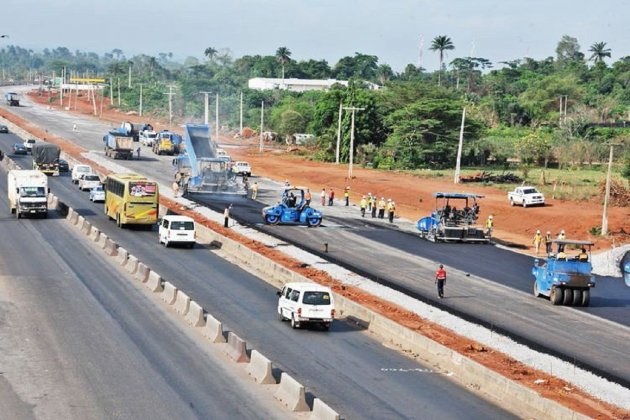
The Lagos State Government has disclosed plans to commence critical rehabilitation works on the Ogudu-Ifako Bridge, starting from Saturday, June 28, 2025. The large-scale repairs will be executed over a 110-day period, concluding on Wednesday, October 15, 2025.
According to a release issued by the Lagos State Ministry of Transportation, the restoration will unfold in eight systematic phases targeting both sides of the bridge. The initial four phases will concentrate on the Alapere-bound carriageway, spanning June 28 to August 16, while the final four phases, affecting the Oworonshoki-bound section, will proceed from August 16 to October 5.
To mitigate the traffic impact, the government has mapped out diversion strategies for commuters at each stage of the repair. During the first phase, motorists traveling from Iyana Oworo are encouraged to navigate through Gbagada, connecting with Anthony before merging back onto Ikorodu Road. Only one lane will remain open at a time within the construction zone, with a buffer of 50 metres cordoned off on either side.
For Phase Two, commuters coming from Eko Bridge should divert through Funsho Williams Avenue to reach Ikorodu Road.
Transport Commissioner, Oluwaseun Osiyemi, assured residents of organized traffic management throughout the operation. “Our aim is to ensure safety and structural reliability of the bridge infrastructure. We acknowledge the temporary inconvenience, and our teams are fully mobilized to manage the process efficiently,” Osiyemi said.
Traffic flow will be regulated by the Lagos State Traffic Management Authority (LASTMA), while the Lagos Ministry of Works and Infrastructure, via its Office of Infrastructure, will oversee engineering supervision, focusing specifically on critical expansion joint repairs.
The public has been advised to factor in the expected delays when planning commutes and to remain patient as the improvements progress.
In a surprising rebound, the Pi Network coin ($PI) witnessed a 13% price increase over the past 24 hours, surging from $0.5308 to $0.6005 following a prolonged period of market decline. This uptick arrives amid growing speculation surrounding the upcoming Pi2Day event on June 28, where the Pi Core Team is expected to unveil new ecosystem developments, including potential GenAI integration.
The renewed excitement has led to an 11% spike in trading volume, reflecting revived interest among traders. However, the bullish movement is tempered by apprehension over an impending token unlock scheduled for July, when approximately 268.4 million PI tokens will be released—the most substantial unlock until late 2027.
Historically, large token unlocks tend to trigger sharp market corrections, and with Pi already having fallen 70% from its May high of $1.67, confidence remains fragile. The coin is still trading 82% below its all-time peak of $2.98 recorded in February.
The lingering uncertainty surrounding the project’s roadmap continues to plague investor sentiment. Pi Network’s mainnet remains closed, limiting access to open trading and leaving many doubting the project’s trajectory toward decentralization.
Previous efforts to enhance credibility, such as co-founder Nicolas Kokkalis speaking at a GenAI industry panel in May, failed to stabilize the market. In fact, that appearance coincided with a significant one-day price drop of 27%.
Market observers now await the June 28 announcement with a mix of hope and caution. While the latest rally is encouraging, analysts warn that unless the team delivers substantial technological advancements, the gains may prove fleeting.
At present, Pi’s momentum appears fragile, and a lackluster reveal could spark yet another downward spiral in investor confidence.
Nigeria’s naira exchange rate remained largely stable on Wednesday, settling at ₦1,549.2616 per dollar in the official market, according to figures from the Central Bank of Nigeria (CBN). This marginal change from the previous day’s rate of ₦1,549.0368 reflects consistent demand and dollar inflow patterns in the forex market.
Analysts say the currency’s steadiness is due to sustained FX intervention by the CBN, coupled with improved macroeconomic indicators and ongoing reforms, which are steadily restoring investor confidence. The naira is expected to trade within the ₦1,500–₦1,600 range in the near term, driven by increased foreign exchange liquidity and export proceeds.
Market watchers noted that recent Open Market Operation (OMO) auctions have contributed to FX stability, with foreign portfolio investors ramping up participation in local securities. This has lessened the burden on CBN to intervene aggressively in the spot market this June.
In the parallel market, the naira traded at ₦1,585 per dollar, showing little pressure from speculative demand.
Meanwhile, global oil prices rebounded on Wednesday after earlier sharp losses. Brent crude climbed 1.8% to $68.36 per barrel, while WTI crude rose 1.9% to $65.62. The gains were attributed to strong U.S. fuel consumption data and renewed optimism following a temporary ceasefire agreement between Israel and Iran.
Gold prices remained steady amid cautious market sentiment. Spot gold saw a modest uptick of 0.1%, reaching $3,327.91 per ounce after a recent dip to a two-week low, as geopolitical tension eased but supply concerns persisted in the Middle East.
Analysts suggest continued vigilance is necessary as investor focus shifts to upcoming U.S. economic data, which could impact currency and commodity markets globally.
In a decisive move on Wednesday, the Nigerian Senate approved the Rivers State 2025 Appropriation Bill valued at ₦1.48 trillion, reinforcing the federal legislature’s oversight role under a constitutional state of emergency in the region.
The approval followed the presentation of a comprehensive report by the Senate Ad Hoc Committee on Oversight of Emergency Rule in Rivers, chaired by Senate Leader, Senator Opeyemi Bamidele. Addressing his colleagues, Bamidele emphasized that emergency rule does not undermine democracy, but is a constitutional tool deployed to restore order during periods of political or social instability.
“This measure is grounded in the authority granted by Section 305 of the 1999 Constitution, not a deviation from democratic norms,” he stated. “Both the Presidency and National Assembly acted within legal bounds to preserve constitutional governance and public order in Rivers State.”
He explained that the Senate leadership, under Senator Godswill Akpabio, established the committee to supervise the emergency rule and ensure legislative intervention aligns with the Constitution. In circumstances where a state assembly cannot fulfill its legislative duties, Section 11(4) empowers the National Assembly to step in, he noted.
According to Bamidele, the ₦1.48 trillion budget aligns with the objectives of the interim administration, targeting governance stabilization and continuity of public services. Notably, 72% of the budget is earmarked for capital expenditure, underscoring efforts to rejuvenate the state’s infrastructure and stimulate economic growth.
The proposal also includes ₦50 billion to begin clearing an outstanding pension and gratuity liability estimated at ₦147 billion — a move seen as critical for restoring trust among civil service retirees.
Deputy Senate President, Jibrin Barau, praised the committee’s professionalism and clarity in presenting its findings, describing the report as reflective of effective Senate leadership.
Senator Solomon Adeola, Chairman of the Senate Committee on Appropriations, echoed this sentiment, adding: “A 72% capital allocation shows strong commitment by the interim government to development-oriented governance. It’s a commendable direction.”
Senate President Akpabio concluded the session by expressing gratitude for the Senate’s swift action, noting that timely budget approval would drive project execution and deliver real democratic dividends to the people of Rivers State.
Not all impact is loud and boisterous. Some of it happens quietly, steadily, almost invisibly but undeniably. That’s the story Interswitch chooses to tell in its new Masterbrand TVC, a cinematic tribute to everyday African life, and the role the brand plays in powering it.
Premiered at an exclusive screening at the Interswitch Innovation Lab in Lagos, the new film is more than a commercial. It’s a reflection of culture and connection, a deeply human, emotionally rich expression of the brand’s connection to the people and communities it serves. A campaign that reframes Interswitch not just as a payments platform, but as an ever-present enabler of progress in markets, homes, hospitals, fuel stations, and schoolyards across the continent.
A Story Rooted in Reality, Told with Intention
The film opens with a reflection on what money really means — not in its raw form, but in what it makes possible. As the voiceover shares: “We see money move swiftly, securely and intelligently, but by itself, money has no meaning. Until ingenuity turns it into solutions, compassion turns it into a gift, and curiosity turns it into innovation.” It’s this spirit of technology enabling human progress that drives the narrative forward.
Rather than showcase features or functions, the TVC leans into the emotions of everyday life: the joy of a young lady who secured her first ever apartment; a shopping cart paid for seamlessly; a budding company hitting a major milestone, an electricity top-up just in time. It captures the rhythm of real African life, not romanticised, but respected.
Told by Africans, for Africans
In an era of AI-generated visuals and digital shortcuts, Interswitch made a deliberate creative decision: no artificial intelligence, no synthetic voices, no automation. The entire production was led by African creatives including directors, storytellers, and technicians who live the culture they portray.
From concept to final cut, every frame was shaped by African hands and hearts, bringing real stories to life with depth, emotion, and authenticity. Because African stories deserve to be told by African voices, truly lived and felt.
More Than Transactions. It’s About Traction.
For over two decades, Interswitch has been more than a platform for processing payments, it has quietly enabled progress across Africa’s largest markets. The campaign captures this essence, that the real value of money isn’t in movement alone, but in momentum. In lighting homes, fuelling ambition, and unlocking opportunity. That’s the pulse of the campaign. Interswitch does not just move money, it keeps people moving.
A Campaign that Lives Beyond the Screen
This campaign marks a defining shift in how Interswitch shows up, not just as a fintech platform, but as a steady, unwavering partner in life’s most important moments. It’s about presence, not prominence. Consistency, not spectacle. Emotion, not excess. Dependability, not disruption. It’s a story about consistency and showing up when it counts.
More Than a Brand Message
This campaign marks a defining moment in Interswitch’s brand evolution. It signals a shift, from being known as a fintech backbone to being felt as a key part of the human experience. It’s a story about dependability, dignity, and digital access, told with a perfect balance of humility and pride.
While the technology remains seamless, the message is crystal clear: Interswitch isn’t just in the business of payments, it’s in the business of progress. Showing up quietly, every day, across Africa, and powering moments that matter.
German giants Borussia Dortmund progressed to the Round of 16 in the 2025 FIFA Club World Cup with a hard-fought 1-0 victory over South Korean side Ulsan HD in Group F’s final match, held at the Bank of America Stadium in Cincinnati.
Despite the uninspired atmosphere of thousands of empty seats, Dortmund delivered just enough to top the group. The decisive goal came courtesy of Daniel Svensson, who calmly converted a low cross from 19-year-old Jobe Bellingham, marking the Englishman’s first assist since his transfer from Sunderland.
Bellingham came close to doubling the lead with a powerful volley that just missed the target. Yan Couto’s late attempt to seal the match was also denied by an acrobatic fingertip save from Ulsan goalkeeper Jo Hyeon-woo, who put in a man-of-the-match performance with eight total saves — seven of them in a relentless first half.
Elsewhere in Group F, Brazil’s Fluminense secured second place following a goalless draw with South Africa’s Mamelodi Sundowns, who were eliminated after finishing third.
Despite the narrow scoreline, Dortmund dominated statistically. The German side recorded 28 shots, an expected goals (xG) value of 3.35, and controlled 60% of possession, showcasing their offensive intent.
Star players included Karim Adeyemi, who created constant danger on the flank, and Bellingham, who showed both aggression and attacking flair. He picked up a yellow card for a hard tackle in the first half and registered seven shots before being subbed off in the 58th minute.
The win sets up a Round of 16 clash on July 2 in Atlanta against the runners-up of Group E, where Inter Milan currently sit behind Argentina’s River Plate ahead of their final matchup.
Fluminense will face Group E’s top finisher on June 30 in Charlotte, aiming to advance further in the tournament.