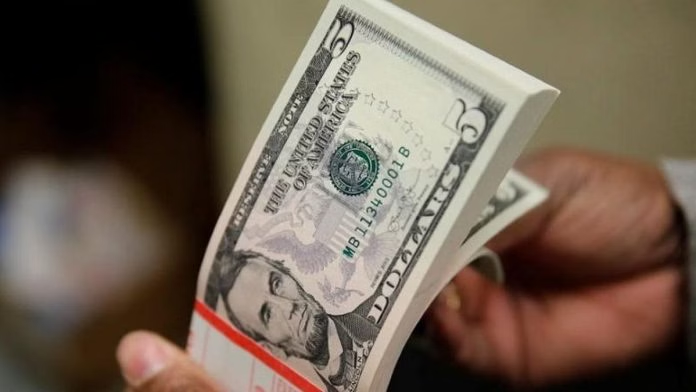
Dollar inflows into Nigeria’s foreign exchange (FX) market witnessed a significant contraction last week, as liquidity conditions tightened and the naira weakened against the greenback.
The local currency depreciated by ₦1.70 to close at ₦1,530.26 per dollar at the official FX window, reversing a recent upward trend. Analysts said the naira’s drop was triggered by reduced supply of FX and rising outflows from domestic entities such as importers and non-bank corporates.
Despite the decline in the official market, the naira appreciated in the parallel market, gaining 0.97% to close at ₦1,545 per dollar. The appreciation was linked to easing pressures following policy changes that allowed the use of naira debit cards for international online transactions.
Research from Coronation Merchant Bank revealed that FX inflows slumped to $749.8 million last week, down from $1.76 billion the previous week, marking a sharp 57.4% drop. This steep reduction reflects a recalibration in global FX flows and domestic demand pressure.
Foreign portfolio investors (FPIs) dominated inflows for the eighth straight week, accounting for 46.13% of total volume. Non-bank corporates contributed 33.68%, while exporters made up 18.45%. Local individuals and international corporate inflows remained negligible at 0.93% and 0.66%, respectively.
However, Nigeria’s external reserves rose by $173.88 million (or 0.47%) to $37.36 billion, reversing a prior week’s $138.30 million decline, according to the Central Bank of Nigeria (CBN).
Analysts at Coronation Research anticipate that exchange rate pressures will remain manageable in the near to medium term, buoyed by consistent foreign portfolio investments and CBN intervention strategies.
The recent resumption of international transactions on naira debit cards is unlikely to destabilize the market, given the robust structure and participation at the official FX window.
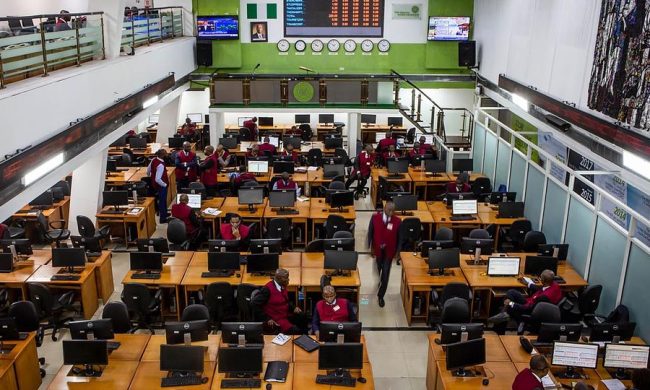
The Nigerian stock market started the week on a high note, with investors witnessing a substantial ₦341 billion boost in market capitalization, driven by surging interest in large-cap cement companies like Dangote Cement and BUA Cement.
This bullish momentum comes on the heels of a robust ₦3.5 trillion gain in portfolio value recorded in the previous week. The continued upswing has now pushed the year-to-date (YTD) return to an impressive 23.09%, reflecting renewed investor confidence in fundamentally strong equities.
The total market capitalization closed at ₦80.14 trillion, indicating increased liquidity and heightened buying activity. Analysts attribute the rally to strategic accumulation of blue-chip stocks including DANGCEM (+1.2%), TRANSCORP (+7.5%), and BUACEMENT (+5.3%), among 41 other gainers.
The All-Share Index (ASI) climbed by 229.85 points to close at a fresh all-time high of 126,379.44 points, translating to a 0.18% daily gain.
Despite mixed sentiments in trading activity, the total volume of shares traded dipped by 10.03%, while the total value exchanged rose marginally by 0.21%. According to Atlass Portfolio Limited, approximately 1.25 billion units valued at ₦30.61 billion were traded across 38,918 deals.
ACCESSCORP dominated the volume chart, contributing 10.75% of total trades, followed by JAPAULGOLD (7.27%), AIICO (7.27%), UBA (5.36%), and JAIZBANK (4.65%).
In value terms, SEPLAT emerged as the most traded equity, accounting for 16.72% of the market’s total turnover.
On the gainers’ chart, NSLTECH led with a 10.00% increase in share price, closely followed by ABBEYBDS (+9.99%), IKEJAHOTEL (+9.95%), MCNICHOLS (+9.92%), and TRIPPLEG (+9.78%).
On the downside, 36 stocks declined, led by RTBRISCOE, CAVERTON, CUTIX, and TANTALIZER, all shedding 10.00%. Other notable laggards included NEIMETH (-9.95%), ELLAHLAKES (-9.90%), and JAPAULGOLD (-9.85%).
Market breadth ended positive, with 44 advancers outpacing 36 decliners. Sectoral indices also closed broadly positive, led by the Industrial Goods (+2.27%), Banking (+0.55%), Commodities (+0.41%), and Oil & Gas (+0.02%) sectors. However, Consumer Goods (-0.35%) and Insurance (-1.73%) posted minor losses.
The United Bank for Africa (UBA) Plc witnessed another impressive surge at the start of the week, with its market capitalization climbing to approximately ₦1.89 trillion, bolstered by a substantial volume of trading on the Nigerian Exchange.
Market analysts continue to express optimism over UBA’s stock performance, citing the bank’s potential for substantial returns for shareholders—especially those positioning ahead of upcoming earnings releases and interim dividend declarations.
With investor sentiment shifting in favor of financial stocks and growing anticipation of a potential interest rate cut, UBA appears to be weathering macroeconomic headwinds while seizing key opportunities within the Nigerian banking space.
UBA’s sustained appeal to investors is largely driven by expectations of strong financial results and robust dividend payouts. According to data from the Nigerian Exchange, UBA shares reached an intraday high of ₦46.95 before settling at ₦46. This represents a 5.63% price increase, recorded on the back of heavy trading activity.
During Monday’s session, approximately 68.79 million shares were exchanged, totaling ₦3.054 billion in transaction value. Analysts attributed this movement to intensified buy-side interest, as value-focused investors increased their exposure to the stock.
In a regulatory development, the Central Bank of Nigeria (CBN) has raised compliance requirements for banks, particularly concerning forbearance loans. The CBN has now made the full exit from forbearance positions a prerequisite for future dividend issuances—a move seen as part of broader efforts to enforce capital discipline and improve asset quality across the sector.
CardinalStone Securities Limited, in a market commentary, noted that UBA maintains a strong capital position that can withstand even a 100% provisioning scenario. The firm added that the bank’s geographically diversified earnings base—especially from its operations outside Nigeria—provides a crucial buffer that could support consistent dividend payments well into the 2025 financial year.
While the CBN’s policy directive may present short-term challenges for some banks regarding dividend declarations, analysts believe it contributes positively to building a more robust and transparent financial system.
You might think of your Bank Verification Number (BVN) as just another banking formality—an ID number tucked away on a document you haven’t looked at since you opened your first account. But in 2025, that number tells a story. A very detailed one.
It’s no longer just a tool to “verify” you. Today, your BVN is the digital thread stitching together your financial history, income patterns, and even your eligibility for government support. Whether you’re applying for a mortgage in Lekki, onboarding with a new fintech app, or being assessed for a business loan, someone, somewhere is analyzing your BVN data.
So, what exactly are they looking at? And how can you, as a professional with assets, ambitions, and a reputation to protect, stay one step ahead?
Let’s walk through it—no jargon, no panic.
1. Your Entire Account Footprint
Think your bank accounts are siloed? Think again. Whether it’s your GTBank salary account, that dormant forex account you opened with Zenith Bank two years ago, or the small savings stash in your Wema ALAT app—every single one is linked by your BVN. Institutions use it to see how many accounts you operate, the types of services you use, and sometimes, to gauge how “bankable” you really are.
Quick thought: Ever had a banker ask if you’re “underbanked” or “overexposed”? This is how they know. Your entire banking network is essentially mapped out in seconds.
2. Your Credit Score Just Got a BVN Boost
Your repayment behavior isn’t just between you and your lender anymore. It’s logged, scored, and shared. Missed a loan payment last year? Took a salary advance twice in six months? All these data points—captured under your BVN—feed into a unified credit profile that lenders now trust more than your collateral. Your interest rate, your loan tenor, and even the repayment plan you’re offered depend on this hidden number most of us never get to see.
The kicker? You can’t “reset” it by switching banks. Your BVN follows you.
3. Salary Proof, The Lazy Way
Let’s be honest—employment verification letters are a hassle. But in 2025, employers and lenders don’t need to ask for one. With BVN-linked income trails, they can see how much you’re earning, how frequently, and whether the figures you gave on that job application actually hold up.
This cuts both ways: it’s efficient for background checks, but if your salary fluctuates wildly or shows red flags, it could slow down that dream job offer or funding round. And yes, fintechs use this too.
4. Social Benefits? Your BVN’s the First Checkpoint
If you’ve applied for student loans, government-backed mortgages, or even agricultural subsidies, your BVN was screened first. Why? It ensures you’re not double-dipping or applying under multiple identities. But it also means if your BVN is inactive, outdated, or has mismatched records, you could be locked out of essential support—without even knowing why.
This has especially affected senior citizens awaiting pensions and students waiting for tuition support. Don’t let it be you.
5. Mobile Wallets Know More Than You Think
You know how convenient PalmPay and Opay are? Well, they’re watching too. Transaction frequency, value, and usage patterns from mobile wallets are now tied back to your BVN. That promo cashback you received? That’s algorithmic profiling. Your wallet limits? Also BVN-based. Fintechs are leveraging this data to build loyalty programs, apply dynamic service fees, and assess your risk for microloans.
Heads up: Your mobile spending habits might one day help (or hurt) your chances with a traditional bank.
6. Anti-Money Laundering
Think only shady politicians get flagged for “suspicious activity”? Not anymore. Large deposits, transfers to “high-risk” regions, or maintaining multiple accounts in different states can trigger AML alerts via your BVN log. If something looks off, banks may freeze your account pending verification—yes, even if you’re just helping a relative abroad.
The scary part? These systems are automated. They don’t always understand context. That’s why transparency and prompt documentation matter more than ever.
7. It’s Not Just Banks—Everyone Wants In
We’re not just talking financial institutions anymore. Telecom companies use your BVN to activate SIMs. Utility firms check it when you register meters. It’s even creeping into real estate and insurance verifications.
So, imagine if your BVN got compromised. That’s not just a bank issue—it’s your entire digital identity at stake. Your phone line, your NEPA bill, maybe even your tax profile could be exposed.
Scary? Absolutely. Fixable? Definitely—if you stay alert.
What Should You Actually Do?
You’re a working professional. You don’t have time to memorize a 12-digit number and audit your entire financial footprint every weekend. But here’s a quick checklist:
Double-check who’s asking for your BVN. Is it a verified institution? If not, pause.
Update your details when you change phone numbers or addresses.
Review your credit report annually. It’s your digital CV now.
Query suspicious activity through your bank and report data abuse to the National Data Protection Commission (NDPC).
And please—don’t share your BVN casually over WhatsApp. Ever.
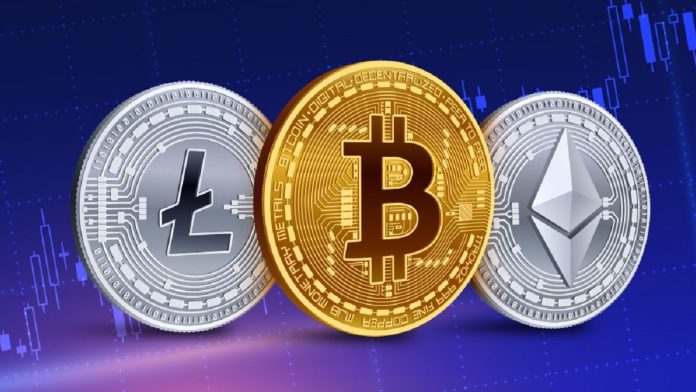
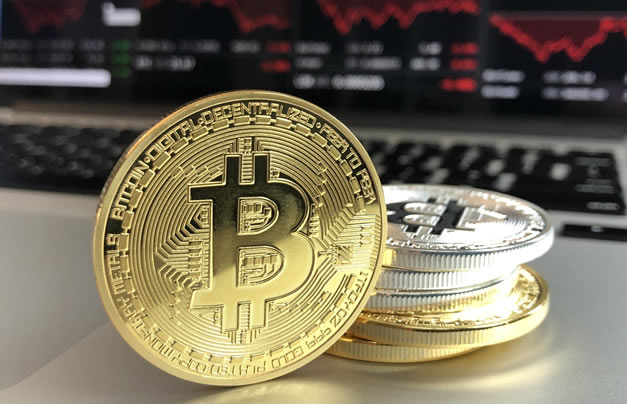
Bitcoin (BTC-USD) shattered previous price records by soaring past the $123,000 mark, registering an all-time high of $123,091.61 earlier on Monday, before experiencing a brief retreat.
The bullish momentum behind Bitcoin’s latest rally was driven by aggressive investor positioning, although retail profit-taking later in the day slightly tempered the upward trajectory.
Other major cryptocurrencies also rode the wave of market enthusiasm. Ethereum (ETH-USD), Ripple (XRP-USD), and Solana (SOL-USD) recorded notable gains in tandem with Bitcoin’s explosive breakout. However, the broader top-10 digital assets failed to sustain the same level of momentum, as bearish pressures crept into the market later in the day.
As of writing, Bitcoin is trading around $119,614, having notched a 10.77% gain over the past seven days. Ethereum followed closely, changing hands at approximately $2,988 with a weekly gain of 17.89%. Meanwhile, Ripple led the top-tier crypto performance chart, climbing 27.18% in seven days to reach $2.91.
In a major milestone for the crypto industry, the global market capitalization for digital assets surged past $3.8 trillion for the first time since December, peaking at $3.89 trillion before experiencing a mild correction.
The bullish sentiment dominating the market was further confirmed by the Crypto Fear & Greed Index, which held steady at 74, flashing a strong “Greed” signal throughout the day’s trading session.
Investors appeared heavily focused on Bitcoin, with much of the day’s liquidity funneled into the asset’s breakout movement. As a result, altcoins saw only moderate gains, which eventually tapered off in response to mounting concerns over potential tariff-related market disruptions.
Despite short-term volatility, analysts remain bullish on the longer-term outlook for Bitcoin and the broader digital asset space, especially as institutional capital continues to pour into crypto and global inflation concerns drive demand for decentralized hedging alternatives.
Now you can find the Week 5 pool fixtures 2025: pool fixtures for this week, this week pool fixtures, football pools results and fixtures, pool fixtures this week, classic pool fixtures, Aussie pool fixtures, UK pool fixtures, advance pool fixtures, Australia pool fixtures, pool panel results, pool result today Saturday, pool results and fixtures this week, fortune soccer pool fixtures.
Find all the Week 5 pool fixtures on Bizwatchnigeria.ng as soon as they are released by the FPA (Football Pools Authority).
Pool Fixtures For This Week: 5; SEASON: UK 2025/2026
Week 3 pool results 2025: Football pools results, live football pool result today, pool result today saturday matches, pool results for this week, british and aussie pool result, football pools results and fixtures, pools panel results today, pool panel results and live score pool result today. We publish half-time results first of its kind.
Week 3 Pool Results: Football pools results for this week 3 2025 are published on this website immediately after full-time confirmation of live score results. We also publish the outcome of postponed matches by the football pools panel at half-time as decided by the football pools. This week’s Week 3 Pool Results are made available in partnership with Bizwatch Nigeria. Stay tuned for reliable and accurate updates throughout the week.
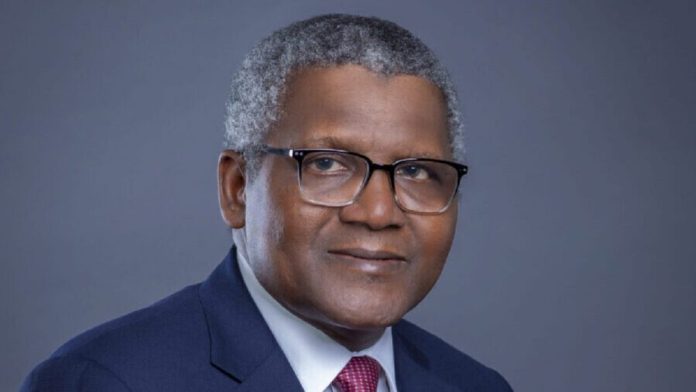
President and Chief Executive of Dangote Industries Limited, Aliko Dangote, has called on African entrepreneurs, corporate leaders, and wealthy individuals to invest in transformative projects that will accelerate the continent’s development and economic independence.
Speaking in Lagos while hosting participants of the Global CEO Africa Programme a collaborative initiative between Lagos Business School and Strathmore Business School, Nairobi Dangote emphasized that Africa has the resources, talent, and potential to compete globally if its private sector rises to the occasion.
The business magnate made the remarks after taking the visiting executives on a tour of the Dangote Petroleum Refinery and Petrochemicals in Ibeju-Lekki, Lagos, which is currently the world’s largest single-train refinery. Dangote described the project as proof that ambitious ideas can be executed on African soil, urging the private sector to adopt a similar mindset across key sectors.
“There will always be challenges. In fact, life without challenges isn’t exciting. You just hope for the kind of challenges you can overcome—not the ones that overwhelm you,” Dangote also reflected on the scepticism that surrounded the refinery’s construction, noting that his team stayed the course despite the odds. “Now that we’ve built this refinery, we believe we can do anything. We aim to make our fertiliser company the largest in the world and we’ve set ourselves a 40-month timeline,” he revealed.
Dangote challenged African elites to resist the temptation to move their capital abroad, arguing that investing at home is critical for development. “We, as Africans, must stop taking our money abroad. We should invest it here to build our countries and the continent. If we don’t show confidence in our own economies and leadership, foreign investors certainly won’t,” he said.
He lamented that although African countries had achieved political independence, many remain economically dependent. Citing Dubai and Singapore, once on par with some African countries in the 1970s,Dangote said their progress stemmed from consistent policies and visionary entrepreneurship.
The billionaire industrialist also highlighted the continent’s infrastructure and policy challenges, particularly poor interconnectivity, noting that it is currently cheaper to import cement clinker from Spain than to move it from Nigeria to Ghana.
“The solution lies in the private sector. We need a strong banking sector, a robust manufacturing base, and thriving agriculture to support our youthful population. If you think small, you don’t grow. If you think big, you grow. It’s better to try and fail than never to try at all,” he advised the 24 CEOs present from six African countries.
The Global CEO Africa Programme is designed to shape a new generation of African business leaders who view the continent as a unified market. Academic Director of the programme, Patrick Akinwuntan, explained that the three-module course includes immersive weeks in Nairobi, Lagos, and New Haven, USA. “The refinery is a powerful symbol that vision goes beyond sight,” Akinwuntan said, describing Dangote as a model of bold, values-driven leadership.
Executive Dean of Strathmore Business School, Dr. Caesar Mwangi, said the visit would inspire participants to replicate large-scale, impactful initiatives in their own countries. “This refinery is proof that we must dream big, think big, and act. If the Dangote Group can achieve this, then so can others across Africa,”
Professor Olayinka David-West, Dean of Lagos Business School, added that the visit aligns with the school’s mission to develop leaders capable of solving Africa’s complex socio-economic challenges. “This facility is pivotal. It serves as a practical tool to implement frameworks like the African Continental Free Trade Area (AfCFTA),” she said.
Dr. Rabiu Olowo, CEO of Nigeria’s Financial Reporting Council and one of the programme participants, said the experience had reignited a bold vision for national transformation. Other participants included Segun Aina, global banking leader; Nancy Njau, Managing Director of Family Bank, Nairobi; Emmanuel Wakili, CFO at Ecobank for the CEMAC and CESA Region; and Ibukun Oyedeji, former President of the CFA Society Nigeria.
Their visit concluded with a shared call to action: only Africans can truly build Africa.
inDrive, the global ride-hailing platform, has introduced a reduced commission rate of 0.1% for drivers in Abuja during peak hours. The initiative aims to increase driver earnings and support their operations during high-demand periods.
This initiative, according to the management of the company, is designed to help drivers retain nearly all of their earnings during the busiest periods of the day, thereby boosting income and easing the pressure of rising living costs. The new initiative which takes immediate effect will apply to key morning and evening rush hours throughout the week.
As a company committed to justice, the company holds the record as the company with the lowest commission charge in the industry. This initiative of lowering drivers’ commission charge to only 0.1 percent, further demonstrates its compassion for the well-being of drivers.
Speaking on the launch, the Country Representative for inDrive Nigeria, Oladimeji Timothy, said the initiative is part of the company’s broader strategy to increase drivers’ earnings and reaffirm its commitment to fairness and empowerment.
“This initiative is part of our ongoing commitment to put drivers first. With just 0.1% commission during peak hours, drivers in Abuja can now keep almost everything they earn, especially when demand is highest. It’s a move that puts more money in their hands when they need it most,” he said.
inDrive is widely recognized for its unique peer-to-peer pricing model, which allows drivers and passengers to negotiate and agree on fares before the ride begins. This approach, combined with one of the lowest commission structures in the industry, ensures that drivers maintain more control over their income compared to traditional ride-hailing platforms.
“On weekdays, the 0.1% commission rate applies at 7:00 AM, 8:00 AM, 4:00 PM, and 5:00 PM. On weekends, the offer extends further, including additional evening slots to give drivers more flexibility and higher earning potential during periods of peak demand,” Oladimeji said.
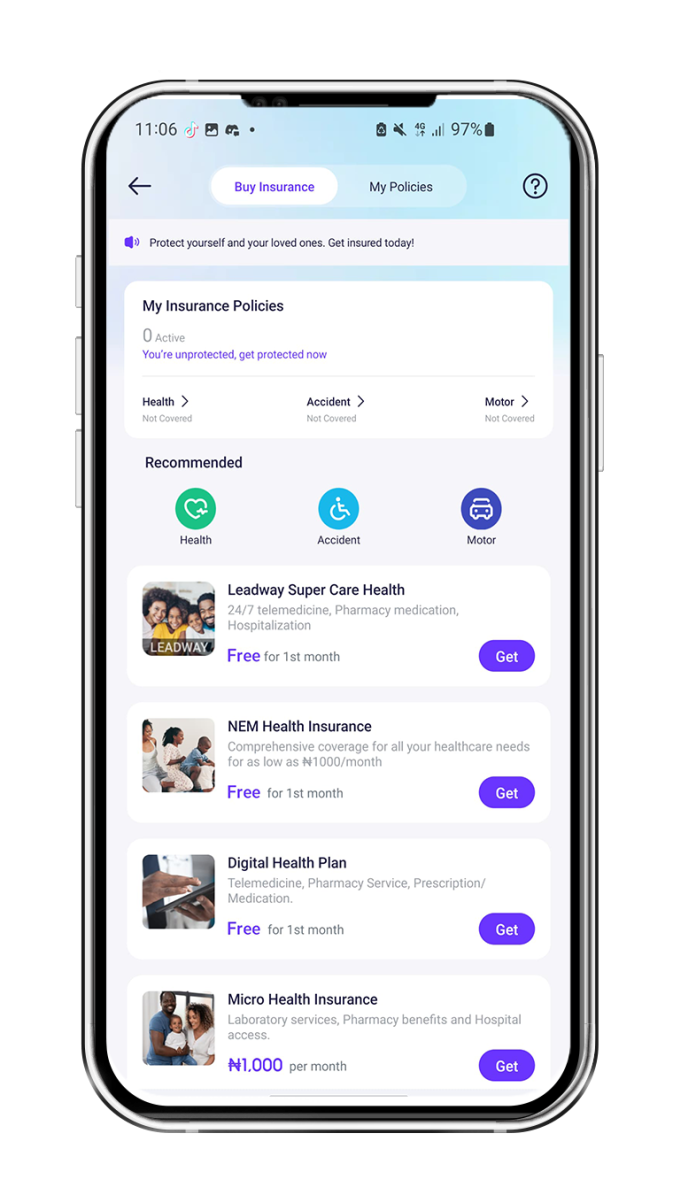
PalmPay, a leading digital banking platform in Africa has announced the launch of strategic partnerships with top-tier insurance providers to offer accessible, affordable and simplified insurance products directly within the PalmPay app. This initiative reflects the brand’s continued commitment to deepening financial inclusion and underscores its mission to improve the wellbeing of everyday Nigerians.
With only about 8.9% of Nigerians currently covered by any form of health insurance, the country remains one of the least insured populations in Africa. Barriers such as low awareness, affordability challenges, and trust issues continue to hinder the broader adoption of insurance products.
PalmPay’s new insurance offering directly addresses these challenges by simplifying the purchase and management of insurance policies within the app. The PalmPay insurance feature is designed to make essential coverage, from health to device, and life insurance easily accessible at affordable prices, eliminating the traditional complexities often associated with insurance.
“Insurance is often perceived as complex or inaccessible, especially among underserved communities,” said Habib Kowontan, Head of Wealth Product at PalmPay. “Through these partnerships, we aim to break down those barriers by offering simple, reliable and affordable insurance options that are easily accessible within the PalmPay app.”
With over 35 million users across Nigeria, PalmPay continues to evolve as a smart, consumer-first digital banking platform. The integration of insurance services complements its growing suite of offerings, which includes transfers, bill payments, high-interest savings, and debit card services, making PalmPay one of the most comprehensive digital banking platforms in the African market.
“Our goal at PalmPay is to remove barriers and make essential services easily accessible to everyone,” said Mr Chika Nwosu, Managing Director of PalmPay. “Through these strategic partnerships, we’re expanding our services to be more inclusive and empowering our users with products that will positively impact their lives and finances.”
This rollout marks a significant milestone in PalmPay’s broader strategy to empower users with tools that enhance their daily lives. Building not just a payments app, but a smart and trusted financial partner for millions of Nigerians.
For more information, visit www.palmpay.com or download the PalmPay app on Google Play or App Store.
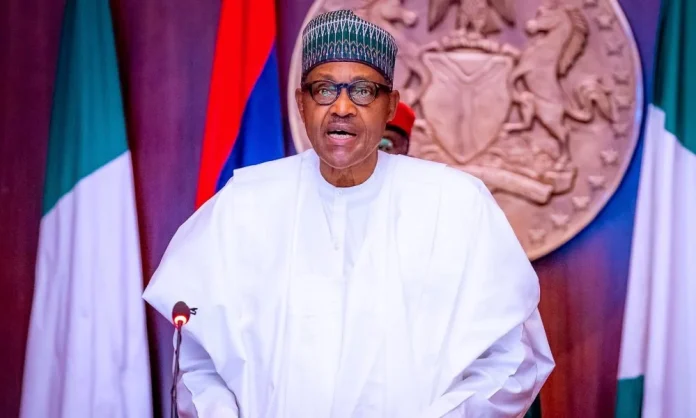
The Federal Government has declared Tuesday, July 15, 2025, a public holiday in honour of the late former President Muhammadu Buhari, who passed away in London on Sunday at the age of 83.
The announcement was made on Monday by the Minister of Interior, Dr. Olubunmi Tunji-Ojo, following the approval of President Bola Ahmed Tinubu. The holiday forms part of a seven-day national mourning period declared by the President to pay tribute to Buhari’s life and legacy.
According to a statement issued by the Permanent Secretary of the Ministry of Interior, Magdalene Ajani, the minister described Buhari as a leader who served Nigeria with dedication and integrity. He noted that the public holiday offers Nigerians a moment of national reflection on the former president’s contributions to the country’s democratic journey and development.
“In furtherance to the seven days of national mourning declared by President Bola Tinubu, the Federal Government has declared Tuesday, 15 July 2025, as a public holiday in honour of the late former President of the Federal Republic of Nigeria, Muhammadu Buhari,” the statement read.
“The holiday is a mark of respect for the late President’s service to the nation, his contributions to Nigeria’s democratic journey, and his enduring legacy in governance and national development.
“President Muhammadu Buhari served Nigeria with dedication, integrity, and an unwavering commitment to the unity and progress of our great nation. “This public holiday provides an opportunity for all Nigerians to reflect on his life, leadership, and the values he upheld,”
Tunji-Ojo urged citizens to honour Buhari’s memory by promoting peace, patriotism, and national cohesion which he consistently advocated for during his years in office. He further reminded the public that national flags are to be flown at half-mast throughout the seven-day mourning period, which began on Sunday, July 13.
The minister extended the government’s condolences to the Buhari family, the people of Katsina State, and Nigerians at large, praying for the peaceful repose of the late president’s soul.
Buhari’s death was confirmed in a statement issued Sunday evening by his former special adviser, Garba Shehu. He described the late president’s passing as a profound loss to the nation. Further details regarding funeral arrangements are expected to be announced by the Presidency in the coming days.
Nigeria wakes up to a double blow, the kind that makes even social media pause and say, “Wait, what?” On one side, former President Muhammadu Buhari breathed his last in London at 82. On the other side, Oba Sikiru Kayode Adetona, the Awujale of Ijebuland, joins his ancestors at 91 after sitting on the throne since 1960. Two leaders, two eras, one very emotionally exhausted country.
Yet somehow, life doesn’t stop. Lagos traffic still holds people hostage. NEPA still takes light like it’s their birthright. POS charges still confuse everybody. Because in Nigeria, even when we’re grieving, we’re multitasking, we cry, we laugh, and we still check the exchange rate before entering the market.
The passing of Buhari sparks mixed emotions. For some, he’s a hero, a no-nonsense general who brings discipline, takes on corruption, and gives Nigerians a moment of structure. For others, he is the poster boy for “we will fix it” governance that never truly fixes much. The fuel subsidy drama under his watch still burns deeper than a hot suya pepper. Youths remember the Twitter ban. Protesters remember the tear gas. Civil servants remember salary structures that remain flatter than chin-chin.
Yet, even his critics admit, he is an era. And when an era ends in Nigeria, we don’t just mourn it; we remix it, analyze it, and add it to WhatsApp broadcasts like family gossips.
Then comes the death of Oba Adetona, and Nigeria bows its head with respect. 65 years on the throne? That’s not reign, that’s dynasty. This man becomes king before many Nigerians are even born. He lives through coups, economic booms, recessions, and JAMB syllabus updates. He witnesses everything from typewriters to TikTok. His exit feels like the sun setting on history.
Now, while Nigeria mourns, the country itself is still going through its own identity crisis. The naira continues to fall like someone who skips leg day. The dollar now wears agbada, sitting comfortably at over ₦1,500. A loaf of bread is no longer breakfast; it’s a financial commitment. Fuel queues are back, and generator repair guys are suddenly the real MVPs of the economy.
Even data prices have become a crime scene. You load 5GB, and before you even say “Hello” on WhatsApp, 4.5GB disappears. Meanwhile, your network provider replies, “Dear customer, your data is still valid.”
Amid all of this, Nigerians do what Nigerians do best; adapt and laugh. We’re the only people who will make jokes about power failure during the power failure. When Buhari’s death hits the news, Twitter is divided. Some post prayer emojis, others post memes.
But beyond the humor is a deep truth: Nigerians are tired. Not the “I didn’t sleep well” kind of tired. We’re tired of surviving instead of living. We’re tired of holding our breath at every government announcement. We’re tired of seeing history repeat itself in different packaging, this time with a longer convoy and newer SUVs.
Yet somehow, in the middle of our tiredness, we hustle. We sell things online. We run businesses with no light. We run shows, pop-up markets, and prayer meetings on Instagram Live. Young Nigerians are building empires from shared apartments. They’re coding from cyber cafés. They’re sewing dreams into fashion lines. Because hope is now a full-time job in Nigeria, one we do alongside three side hustles.
Media platforms like BizWatch continue to shine a light through the chaos, making sense of the madness with headlines that inform, inspire, and still let you laugh without guilt. Because in this Nigeria, where you can read about someone dying, a new tax, and a viral skit all on the same page, balance is necessary.
So, as we say goodbye to a president and a king, the country takes a breath. Maybe we reflect. Maybe we argue on Facebook. Maybe we write tributes in small fonts and big words. But most of all, we continue, because in Nigeria, that’s what we do.
Whether you’re in Ojota or Owerri, in GRA or your grandmother’s compound, we all know the truth: things are hard. But somehow, we’re harder. Life may hit us, but we hit back, with hustle, with humor, with unshakable Nigerian energy.
Two leaders leave us, but 200 million people carry on. Not because we have it all figured out, but because we’re Nigerians, and nothing tests faith, fire, and funny bone like this place we call home.
Rest well, Baba. Sleep in peace, Kabiyesi. For the rest of us? We move — slowly, loudly, but always forward.
The Nigerian Conservation Foundation (NCF) has announced the planting of 184,000 trees across various ecosystems in 2024, reinforcing its commitment to restoring Nigeria’s forest cover to 25% by 2047. The milestone was disclosed during the NCF’s Dialogue event, which coincided with its 36th Annual General Meeting, bringing together members and stakeholders to deliberate on preserving Nigeria’s natural heritage.
Izoma Asiodu, President of the NCF Board of Trustees, highlighted the Foundation’s active year, noting the successful hosting of the 22nd Chief S.L. Edu Memorial Lecture, which focused on “Carbon Credits: Opportunities and Pitfalls.” Additionally, two PhD students received research grants to advance environmental protection initiatives, supported by the S.L. Edu family and Chevron Nigeria Limited.
Asiodu explained that through the Green Recovery Nigeria programme, the NCF intensified national reforestation efforts by restoring degraded landscapes while providing targeted support to host communities, including water supply and livelihood initiatives. A notable example was the installation of a borehole in Maja-Kura, Yobe State, benefiting one of Nigeria’s most climate-vulnerable communities.
“Our restoration projects go beyond planting trees. They address the immediate needs of communities while tackling environmental challenges,” Asiodu stated.
The Foundation also expanded its species conservation efforts, supporting Cross River gorilla research scholarships and protecting wild cats through initiatives in Kainji Lake National Park. On climate action, the NCF amplified its voice globally and locally, participating in COP29 in Baku, Azerbaijan, while leading grassroots initiatives such as the Ibadan Climate Caravan Walk and Osun Climate Awareness Walk.
Justice R.I.B. Adebiyi, Chairman of the NCF National Executive Council, described 2024 as a pivotal year for the Foundation, marked by achievements that strengthened its leadership in conservation. She noted that under its “Saving Species in Peril” programme, the NCF contributed to developing the National Elephant Action Plan and expanded efforts to safeguard endangered species, including lions, leopards, sea turtles, and Cross River gorillas.
“Our actions in tackling climate change gained momentum, and we reached thousands through sustainable livelihood projects, creating 7,500 direct and indirect green jobs across Nigeria,” Adebiyi said.
As the NCF advances its reforestation and biodiversity conservation agenda, the Foundation reaffirmed its commitment to influencing climate action and environmental protection from local communities to the global stage.
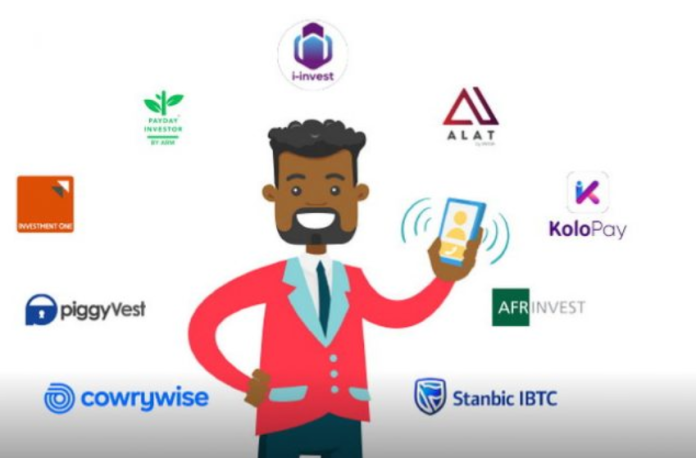
Once upon a time (not that long ago, really), investing in Nigeria meant either knowing a “stock guy,” being part of an exclusive network, or attending high-level seminars with more suits than sense. But in 2025, the script’s flipped.
Today, all you need is a smartphone and a little curiosity. From college students setting aside ₦1,000 a week to executives hedging their bonuses in USD-denominated stocks, investment apps have become the new digital piggy banks. It’s fintech’s version of social leveling—wealth-building in tap-to-invest style.
So, the big question: Which platforms are Nigerians really using—and loving?
We looked at download stats, star ratings, platform performance, and what everyday users are saying to bring you the real top 10 list of investment platforms in Nigeria as of June 2025.
10. GetEquity ( 4.3 | 10,000+ Downloads)
Once for startups. Now for serious debt players.
If you knew GetEquity back in its startup equity days, you might be surprised by its new avatar. These days, it’s less about riding the next tech unicorn and more about stable debt notes and commercial papers—think corporate-backed loans from brands like Dangote.
Their partnership with ARM has added serious credibility. And while venture capital may be cooling, GetEquity’s monthly growth rate—currently hovering around 10%—tells another story.
Let’s just say, if startup dreams felt a little risky last year, this might be your pivot point.
9. Wealth.ng ( 2.3 | 50,000+ Downloads)
Good intentions, clunky execution?
It started strong—backed by WealthTech Ltd. and affiliated with Sankore Securities. Wealth.ng promised a one-stop-shop for treasury bills, bonds, and fixed-income bliss.
But here’s the kicker: despite its tech backing and PCI-DSS-compliant security (thanks to Flutterwave), the app has struggled with user experience. Ratings have dipped, and many users mention glitches and interface snags.
It’s secure, regulated, and offers a variety of options—but the vibe? A bit old-school. Worth a shot if you’re patient, though.
8. Chaka ( 3.6 | 100,000+ Downloads)
Global stocks in your palm.
Chaka gives you access to over 5,000 Nigerian and international stocks. That’s right—Wall Street, meet Ojuelegba. Its recent acquisition by Rise changed the company’s direction slightly, especially after founder Tosin Osibodu exited. Now integrated with wealth management features and curated investment picks, it’s a sleek entry point into both Naira and USD portfolios.
Bonus: With SEC approval and competitive fees (between 0.69% and 1.5%), it’s serious about staying compliant while helping you grow.
7. Quidax ( 4.1 | 100,000+ Downloads)
Crypto for humans, not robots.
Let’s be honest: crypto still feels like the wild west sometimes. But Quidax simplifies it without dumbing it down. Buy, sell, and track your portfolio in real-time, all in a clean, mobile-first interface.
Want to dabble in Bitcoin or explore altcoins? The platform is beginner-friendly but sophisticated enough for serious traders. Plus, its SEC license makes it one of the few crypto exchanges with regulatory backing in Nigeria.
If you’ve ever considered dipping into crypto but didn’t want to get burned—this is where many start.
6. Trove Finance ( 4.2 | 100,000+ Downloads)
The Swiss Army knife of investing.
Trove is that friend who seems to do everything well: stocks, bonds, ETFs, crypto—even gifting shares. And it’s all wrapped in a beautifully intuitive app.
You can start investing with just ₦1,000 or $10, and their Naira savings products offer up to 20% returns. Sounds good? It gets better—users can access a USD virtual card, use Trove Social to share investment insights, and earn passive income via “Earn by Trove.”
It’s like having an entire investment team in your pocket—but one that actually lets you call the shots.
5. I-Invest ( 4.3 | 100,000+ Downloads)
Tradition meets tech.
I-Invest is for folks who prefer low-risk, high-trust investments—think Eurobonds, treasury bills, and mutual funds. It’s the steady ship in a sea of volatility.
It’s backed by Parthian Partners and licensed by the SEC, which makes it a go-to for professionals who value consistency over hype. The user interface? Surprisingly elegant for a product that started out so… formal.
And here’s a bonus: it now includes shares from the Nigerian Stock Exchange, so even conservative investors can dip a toe in equities.
4. Bamboo ( 4.3 | 1 Million+ Downloads)
Your passport to U.S. markets—without leaving Nigeria.
Founded by Richmond Bassey and Yanmo Omorogbe, Bamboo democratizes access to NYSE and NASDAQ. You can buy fractional shares, monitor your portfolio with real-time data, and—thanks to BVN integration—access your account from anywhere in the world.
One thing users love? No need for a U.S. bank account or shady workarounds. Bamboo’s legit and seamless.
If you’ve ever thought, “I wish I’d bought Tesla stock five years ago,” this might be your redemption arc.
3. Cowrywise ( 4.4 | 1 Million+ Downloads)
Mutual funds, but make them sexy.
Cowrywise built its brand on saving—but it’s so much more now. The platform now offers access to mutual funds from various risk categories, managed by professionals and regulated by the SEC.
Want to automate your savings or invest in low-risk funds without the mental gymnastics? Cowrywise handles it. Two-factor authentication, encryption, and future plans to include stock trading make it a quiet giant in the investment space.
Oh, and it’s incredibly user-friendly. Even your auntie who just started using WhatsApp could probably figure it out.
2. PiggyVest ( 4.5 | 1 Million+ Downloads)
Saving? Investing? Both.
PiggyVest is almost a household name now. What started as a savings platform has grown into a hybrid financial tool with investments in bonds, commercial papers, and real estate.
Their secret sauce? Behavioral design. Tools like SafeLock and Target Savings keep users disciplined—without feeling punished.
In H1 2025 alone, they paid out N2.6 trillion to users. That’s not a typo.
Add Flex Dollar for USD savings and the fact that they’re closing in on 7 million users, and it’s easy to see why PiggyVest is Nigeria’s favorite digital piggy bank.
1. Carbon ( 4.0 | 5 Million+ Downloads)
From payday loans to wealth orchestration. You might know Carbon as Paylater, the loan app. But it’s grown up. Now, it offers three investment plans:
Cash Vault: Up to 11% returns
FlexSave: Flexible savings with up to 9%
Goals Plan: Target-based savings earning up to 9.5%
Combine that with in-app loans, payments, and bill services—and you’ve got a full-suite digital bank. Co-founded by Ngozi and Chijioke Dozie, Carbon blends convenience and financial growth like no other.
With 5 million downloads, it’s proof that Nigerians love tools that combine simplicity with real financial results.
What’s the Best Investment App for You?
Here’s the truth: it depends on your lifestyle and risk appetite.
If you’re just starting out? PiggyVest or Cowrywise feels like home.
If you want global exposure? Bamboo and Chaka open those doors.
For crypto explorers? Quidax is the way in.
Need ultra-low-risk, stable instruments? I-Invest or Wealth.ng might be better fits.
Want it all—stocks, crypto, savings, loans? Carbon or Trove offer the buffet.
There’s no one-size-fits-all anymore, and maybe that’s a good thing.
The Bigger Picture
This surge in digital investment tools didn’t happen by accident. It was born from necessity—outdated banks, rising inflation, and a youth-driven demand for smarter money tools. And let’s be honest, who has time for paper forms and hidden fees?
Today’s business-class Nigerians—whether building a family legacy, side-hustling from Lekki, or running a fintech startup in Yaba—are looking for tools that match their pace and ambition. And these platforms? They’re rising to the challenge.
Final Word
In 2025, investing in Nigeria isn’t about waiting to “have more money.” It’s about starting where you are. The biggest names in the market—Carbon, PiggyVest, Bamboo, Cowrywise—have made it easier than ever to build financial resilience, one smart decision at a time.
So whether you’re sipping espresso in Ikoyi, stuck in third mainland traffic, or lounging in a co-working space in Abuja, your financial future could be just one app away. You just have to pick one.
Nigeria is preparing to push for a 25 percent increase in its oil production quota by 2027, citing improvements in output and rising domestic refinery capacity. This move was revealed by the Nigerian National Petroleum Company Limited (NNPC), as reported by Argus Media.
According to NNPC Group Chief Executive Officer, Bashir Ojulari, the state oil company aims to raise Nigeria’s crude oil production quota from the current 1.5 million barrels per day (bpd) to 2 million bpd. Nigeria’s present crude production stands slightly below the quota at about 1.4 million bpd, with an additional 250,000 bpd coming from condensates, bringing total daily output to around 1.65 million bpd.
Ojulari noted that the NNPC is targeting an overall production capacity of 2.4 million bpd by 2027, broken down into 1.7 million bpd of crude oil and 300,000 bpd of condensates. The move to request a higher quota aligns with OPEC+’s current efforts to reassess and update member countries’ maximum sustainable production capacities.
“For a long time, Nigeria struggled to meet its targets due to infrastructural and operational setbacks, but we have largely resolved those issues,” Ojulari said. “We believe that with the increased demand being created in-country, we are now in a better position to also seek from OPEC to increase our production quota.”
The push is further supported by recent domestic developments, including the commissioning of the 650,000 bpd Dangote Refinery and the progress of modular refineries adding another 500,000 bpd capacity at various stages.
Ojulari expressed confidence that the increased in-country refining capabilities would strengthen Nigeria’s case for a higher OPEC quota. However, he acknowledged that the final decision would rest on the outcome of negotiations with the oil-producing group.
The NNPC’s proposal reflects Nigeria’s broader economic strategy to leverage its growing refining infrastructure, reduce fuel imports, and improve foreign exchange earnings through increased oil exports. The Argus Media report, which first disclosed NNPC’s plans, underlines Nigeria’s renewed commitment to asserting its production potential on the global energy stage.
Passengers have been advised to expect flight disruptions at Port Harcourt International Airport after an Air Peace aircraft veered off the runway on Sunday morning. The incident involved Air Peace Flight P47190, which departed Lagos and landed in Port Harcourt at around 7:45 am. The aircraft experienced a runway excursion upon landing but came to a stop safely.
The Federal Airports Authority of Nigeria (FAAN) confirmed that all 127 passengers and crew were evacuated without injuries. “We are relieved to report there were no casualties,” said Obiageli Orah, FAAN’s Director of Public Affairs and Consumer Protection, adding that passengers should plan for potential delays as operations are restored.
Air Peace spokesperson, Osifo-Whiskey Efe, stated that the aircraft “veered slightly off the runway without any damage,” and passengers disembarked calmly. The airline reaffirmed its commitment to maintaining the highest safety standards across all operations.
This marks the second incident involving Air Peace this year, following a May 2025 event where one of its aircraft collided with an antelope on the runway at Asaba Airport, with no impact on passenger safety.
FAAN has commenced an investigation into the runway incident while assuring the public of its continued commitment to passenger safety and operational security.
After months of electrifying performances, emotional moments, and unforgettable vocal showdowns, the curtain has finally closed on Nigerian Idol Season 10 and Purp has emerged as the winner. The grand finale, which aired live on Sunday, July 13, 2025, saw Purp edge out fellow finalist Raymu in a nail-biting showdown that tested vocal mastery, stage presence, and connection with fans.
This 10th edition of the music competition began with a nationwide online audition that closed on February 2, where aspiring singers aged 16 to 30 submitted 30-second video entries. From the Wooden Mic auditions to Theatre Week, semi-finals, and live shows, the journey narrowed thousands of hopefuls to the final two: Purp and Raymu.
The final night was hosted by media personality IK Osakioduwa and featured star-studded appearances, powerful performances, and high emotions. Judges Omawumi, Ric Hassani, Iyanya, and guest judge 9ice praised both finalists for their resilience and artistic growth. Ultimately, it was Purp who captured the hearts of viewers nationwide, securing the highest number of votes to clinch the Nigerian Idol 2025 title.
Last weekend’s episode leading up to the finale had been a rollercoaster of talent and emotion. Four finalists —Mikki, Lawrence, Purp, and Raymu— battled it out in three explosive segments: Judges’ Choice, This Is How It Should Be Done, and Viewers’ Choice. In a shocking twist, fan favourite Mikki and strong contender Lawrence were eliminated, leaving Purp and Raymu to face off in the finale.
Throughout the competition, Purp consistently wowed audiences with her vocal range and emotional depth. Her final performances, including renditions of Whitney Houston’s Greatest Love of All and Demi Lovato’s Anyone, showcased her versatility and star power. Raymu also delivered impressive performances, including Alicia Keys’ Fallin and Sam Smith’s Lay Me Down, earning praise for his smooth vocals and sincerity.
As winner, Purp walks away with a life-changing prize package: a brand-new SUV, a ₦30 million cash prize, a DStv Explora with a one-year premium subscription, and a music recording deal that could launch her into stardom. She claims, “This moment feels surreal. I’m so grateful to everyone who voted, supported, and believed in me. This is just the beginning, and I can’t wait to share more music with the world.”
Season 10 of Nigerian Idol will be remembered not just for the talent it showcased, but for the passion and dreams that unfolded on stage. Fans can relive the finale and past performances on DStv & GOtv Stream and Showmax.
Oil prices rose in the global commodities market on Monday as geopolitical risks and mixed supply signals continued to influence energy markets.
Brent crude, the international benchmark, traded at $70.48 per barrel, up 0.17% from Friday’s close of $70.36, while West Texas Intermediate (WTI) rose by 0.2% to $68.59 per barrel from $68.45.
The oil market remains focused on the delicate balance between supply and demand. Last week, OPEC+ announced a larger-than-expected production increase for August, adding downward pressure on prices. However, a report from the International Energy Agency flagged tighter-than-anticipated supply, while potential new US sanctions on Russia further supported prices.
Investor sentiment was also influenced by remarks from US President Donald Trump about imposing tariffs on the European Union, Mexico, and Canada, stoking concerns over renewed global trade tensions. Analysts caution that higher tariffs could dampen global economic growth, potentially affecting oil demand.
Expectations that the US Federal Reserve may ease monetary policy provided additional support for oil prices, as lower interest rates could weaken the dollar and boost oil demand.
Despite the upward movement, concerns over potential oversupply and global trade uncertainties kept gains in check. Analysts noted that while geopolitical risks and positive US demand data are providing support, lingering trade tensions and OPEC+ production decisions will continue to shape the oil market in the near term.
Bitcoin has surged to a historic high, exceeding the $121,000 mark with a 24-hour gain of 1.76%, signaling unprecedented investor confidence ahead of the much-anticipated Crypto Week. The flagship cryptocurrency’s breakout reflects bullish sentiment rooted in robust spot market activity, favorable regulatory outlooks, and technical indicators suggesting extended upward momentum.
This latest rally marks a dramatic shift following several weeks of sideways price movement around the $100,000 level. Market enthusiasm, previously dampened by concerns over Donald Trump’s economic policy direction despite his pro-crypto stance, has resurged. The momentum aligns with a broader rebound in global risk assets, including equities, which are hovering near record highs.
Institutional participation has been a key driver of Bitcoin’s rally. For two consecutive trading days, spot Bitcoin ETFs recorded over $1 billion in inflows, signaling strong demand from large-scale investors. BlackRock’s IBIT fund alone attracted $953 million on Friday, lifting the total assets under management across Bitcoin ETFs to more than $140 billion.
These developments highlight Bitcoin’s evolving role as a strategic store of value. With the U.S. dollar index plunging by over 10.1% year-to-date and sovereign debt concerns escalating globally, institutional investors are increasingly viewing Bitcoin as a viable alternative for treasury diversification.
In a significant policy development, the U.S. House of Representatives is preparing to deliberate on several cryptocurrency-related bills aimed at establishing a transparent legal framework for the digital asset ecosystem. The proposed legislation has long been sought by industry stakeholders and is now gaining traction, with Trump leveraging his crypto advocacy as part of his broader economic agenda.
Market sentiment is further bolstered by strong accumulation patterns among Bitcoin whales. Exchange reserves have dropped from 3.25 million to 2.55 million BTC, indicating aggressive accumulation by large holders. Substantial volumes of Bitcoin are being moved into private wallets, reflecting a high degree of investor conviction and a shift from speculative trading to long-term holding. At the same time, on-chain data shows a rising number of large transactions—those exceeding $100,000—while exchange inflows have tapered off.
From a technical perspective, Bitcoin’s price structure remains decisively bullish. The recent breakout completes one of the most prominent “cup and handle” formations seen across past cycles, setting the next price target at the 1.618 Fibonacci extension of $127,600. Analysts are also projecting a potential upswing to the $150,000–$160,000 range.
The Relative Strength Index (RSI) currently stands at 75.5, historically a signal of continued rallies interspersed with minor corrections. Yet, with the scale of institutional inflows stabilizing the market, the risk of severe price pullbacks appears limited.
In an unexpected turn, the U.S. government announced the formation of a Strategic Bitcoin Reserve, designating Bitcoin as a sovereign-grade asset class. This policy shift is expected to accelerate institutional adoption in the United States and could potentially inspire other G20 nations—especially those seeking alternatives to the U.S. dollar—to follow suit.
With central banks reaching saturation in gold purchases, Bitcoin is increasingly being seen as the next frontier in hard asset investment, positioning it as a dominant force in the decade ahead.
In the lead-up to this week’s anticipated inflation data release, the yield on Nigerian Treasury Bills (NTBs) saw a steep decline across all standard maturities within the secondary market. This shift comes as analysts forecast a slowdown in headline inflation, influenced by the rebasing of the consumer price index during Q2 2025. Market participants are also eyeing potential monetary policy easing in the latter half of the year.
With the federal government tightening control over the issuance of Treasury instruments, including local bonds, market observers anticipate rising demand in the secondary market. This growing appetite is likely to drive yields further downward, although prolonged dips could heighten the risk of capital flight from domestic instruments.
Investor optimism has been largely sustained by the Q3 borrowing schedule, recently unveiled by the Debt Management Office, which indicated a marked reduction in expected borrowings. This move has intensified secondary market activity, setting the tone ahead of the NTB auction held this past Wednesday.
At that auction, the one-year stop rate plunged by a notable 254 basis points, landing at 16.30%, a reflection of overwhelming demand. The enthusiasm that sparked the week’s opening session—centered on the 9 October 2025 bill—carried through the week, with pronounced interest in medium to long-term bills.
Asset managers, banks, and institutional investors ramped up their purchases of naira-denominated assets, driving yields further down amid a supply squeeze that deviates sharply from earlier patterns in the debt market. The Nigerian Interbank Treasury True Yield (NITTY) curve mirrored this trend, recording a widespread drop in yields. According to Cowry Asset Management Limited, the average yield across the curve sank by 156 basis points to close at 18.35%.
During the CBN’s NTB auction, the apex bank offered N250 billion across standard tenors, but demand far outpaced supply. Bids totaled N1.33 trillion, although only N201.82 billion was allotted. Notably, the 364-day bill dominated the auction, garnering N1.18 trillion in subscriptions, with N126.31 billion eventually allocated. The bid-to-cover ratio for this tenor reached 6.59x—slightly lower than the 7.61x seen at the prior auction, yet still robust.
Yields across all bill durations fell significantly. The 91-day instrument was allotted at 15.74%, down from 17.80% in the previous auction. Similarly, the 182-day and 364-day instruments cleared at 16.20% and 16.30%, respectively, compared to 18.35% and 18.84% earlier.
Market analysts speaking to MarketForces Africa expect a blend of bullish and neutral trends to continue, driven by ample system liquidity and cautious optimism regarding inflation trajectory and potential monetary policy shifts.