






KEY POINTS
• Global nuclear power capacity could more than triple by 2060, according to the IAEA.
• Rising electricity demand and energy security concerns are driving renewed interest in nuclear power.
• The agency says expansion must be matched by stronger safety measures, safeguards and international cooperation.
MAIN STORY
Global nuclear power capacity could more than triple by 2060 as countries seek reliable electricity supplies to meet rising demand and strengthen energy security, the International Atomic Energy Agency has said.
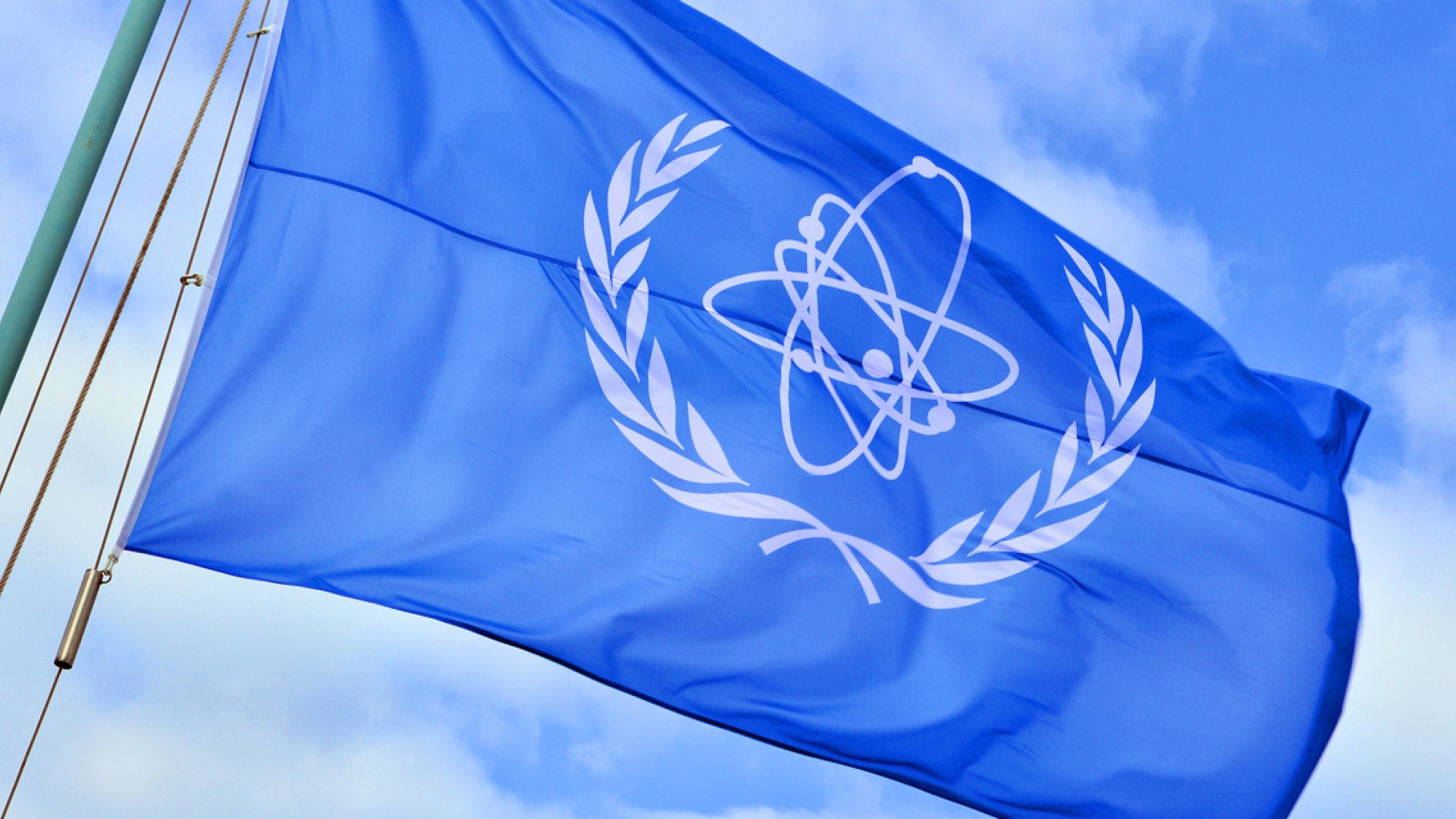
IAEA Director General Rafael Grossi disclosed this at the agency’s 70th General Conference in Vienna, where he highlighted the expanding role of nuclear energy in efforts to build more secure and reliable power systems.
Grossi said the renewed interest in nuclear power was extending beyond conventional electricity generation, with emerging industries such as artificial intelligence data centres creating additional demand for dependable energy.
He said the rapid expansion of AI could create new opportunities for nuclear power as countries look for stable electricity supplies capable of supporting large scale digital infrastructure.
The IAEA chief also identified maritime shipping as another potential area for nuclear energy applications. The sector transports about 80 per cent of global trade.
Grossi said interest in the peaceful use of nuclear technology was growing, particularly among developing countries that see nuclear energy as part of their economic development plans.
The agency, he said, was supporting these countries through training, capacity building and technology transfer to expand access to nuclear science and technology.
“Many developing countries consider nuclear energy an essential element of their economic development,” Grossi said.
He stressed the importance of creating equal opportunities for countries to benefit from advances in nuclear technology.
The agency’s work also extends beyond energy, with nuclear science being applied in areas including cancer treatment, the management of zoonotic diseases and environmental protection.
Grossi, however, said wider adoption of nuclear energy would require strong international cooperation, safety standards and effective safeguards.
He said the IAEA remained engaged in efforts to prevent a nuclear accident at the Zaporizhzhia nuclear power plant in Ukraine, while noting that Iran’s nuclear programme continued to require cooperation and verification to provide assurances about its peaceful nature.
UN Secretary General Antonio Guterres, represented at the conference by Monica Juma, Director General of the United Nations Office at Vienna, said the world was approaching a major transformation in nuclear power generation.
Guterres said the anticipated growth of nuclear power would require close monitoring, particularly as attacks on nuclear facilities and concerns about nuclear proliferation continue.
He urged member states to strengthen support for the IAEA and provide predictable funding for its Technical Cooperation Fund, which helps developing countries access nuclear science and technology.
The IAEA General Conference brings together member states and thousands of participants to discuss nuclear energy, safety, security and peaceful applications of nuclear technology. About 4,000 participants are expected at this year’s week long conference.
THE ISSUES
- The projected expansion of nuclear power reflects growing pressure on countries to secure dependable electricity supplies as overall demand rises and new energy intensive sectors emerge.
- The growth of artificial intelligence data centres could create another source of demand for reliable electricity, potentially widening the role of nuclear power beyond traditional energy needs.
- Developing countries are seeking greater access to nuclear science and technology, placing emphasis on training, technical capacity and technology transfer alongside access to nuclear power.
- Expanding nuclear capacity also increases the importance of safety and safeguards, particularly in an environment where nuclear facilities can be exposed to conflict and where proliferation concerns remain.
- Nuclear technology has applications beyond electricity generation, including healthcare, disease control and environmental protection, giving its expansion broader development implications.
WHAT’S BEING SAID
“Many developing countries consider nuclear energy an essential element of their economic development.” – Rafael Grossi, Director General, IAEA
“On the cusp of a revolution in nuclear power generation.” – Antonio Guterres, UN Secretary General
WHAT’S NEXT
The IAEA will continue supporting countries seeking to expand peaceful nuclear applications through technical cooperation, training and technology transfer, while maintaining its work on nuclear safety, security and safeguards.
BOTTOM LINE
The IAEA expects global nuclear power capacity to more than triple by 2060 as electricity demand and energy security concerns drive renewed investment. The projected expansion will require corresponding attention to safety, safeguards, international cooperation and access for developing countries.