







By Annette Ikponmwonba | August 20, 2026
Key Points
- Fashion trends from the 1970s through the 2000s have returned to mainstream dressing between 2020 and 2026.
- Nigerian fashion is adapting these retro trends through Ankara, Aso-Oke, Adire, lace, beads, gele, fila and other indigenous elements.
- Flared trousers, oversized silhouettes, shoulder pads, baggy denim, low-rise jeans, chunky jewellery and platform footwear are among the major returning trends.
- The revival cuts across both men’s and women’s fashion, including clothing, headwear, accessories and footwear.
- Social media platforms such as TikTok, Instagram and Pinterest have accelerated the rediscovery and reinterpretation of older fashion trends.
- The current movement is increasingly about combining global retro aesthetics with African identity rather than simply reproducing Western styles.
Main Story
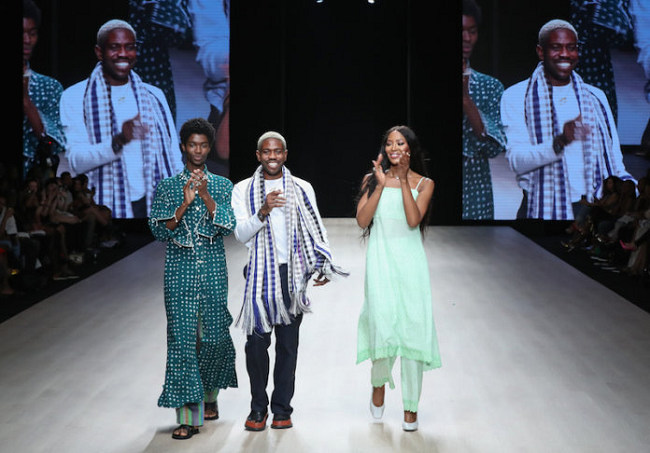
Fashion has always moved in cycles. Trends that once defined previous generations can disappear for years before returning in a new form, Between 2020 and 2026, fashion from the 1970s, 1980s, 1990s and early 2000s has experienced a strong revival. Flared trousers, oversized shirts, shoulder-padded jackets, baggy denim, low-rise jeans, chunky jewellery, platform shoes, headscarves and small shoulder bags have all found new audiences, In Nigeria, however, the revival has taken on a distinct character.
Rather than simply reproducing Western fashion from previous decades, Nigerian consumers and designers are combining retro silhouettes with indigenous fabrics and traditional dressing. Ankara, Aso-Oke, Adire, lace, beads, gele, fila and agbada are being incorporated into contemporary interpretations of older trends, The result is a fashion culture where a 1970s-inspired flare can be made from Ankara, a 1990s oversized shirt can be produced from Adire, a Y2K-style shoulder bag can be made from Aso-Oke, and a traditional Nigerian head tie can be paired with modern streetwear.
The 1970s: Flares, prints and relaxed glamour
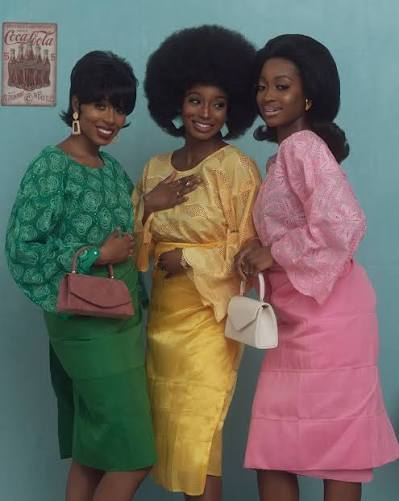
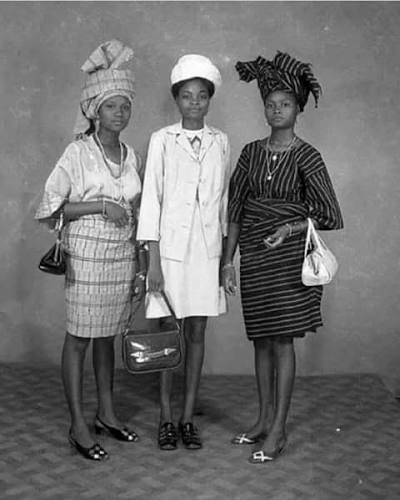
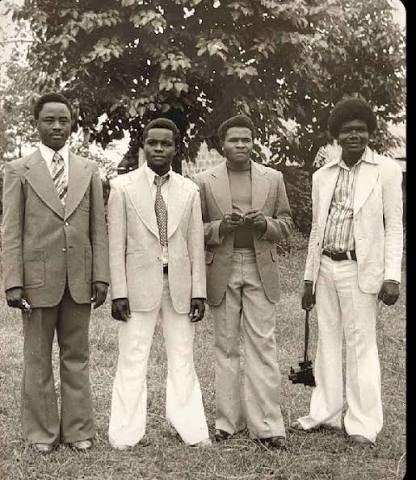
The 1970s were known for bold prints, flowing silhouettes and experimentation. One of the decade’s most recognisable trends was the bell-bottom or flared trouser, The silhouette has returned in the 2020s through wide-leg jeans, flared trousers and exaggerated tailoring, For Nigerian fashion, the trend offers significant room for interpretation. Flared trousers can be produced using Ankara, Adire or other African textiles and paired with contemporary shirts or traditional accessories, Men’s fashion has also borrowed from the decade through wide-collared shirts, relaxed trousers, patterned tops, leather-inspired jackets and coordinated outfits.
The 1980s: Bigger shoulders and bigger statements
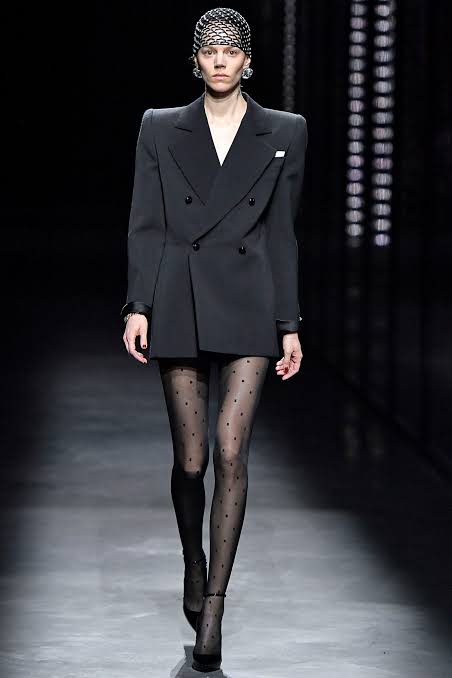
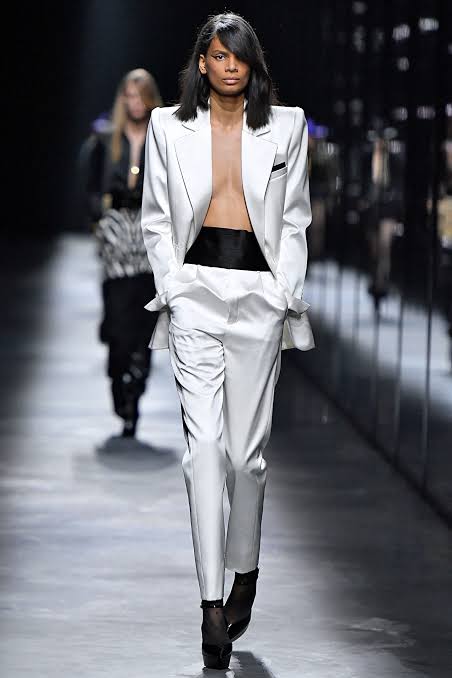
The 1980s introduced an emphasis on volume and visual impact, Shoulder-padded jackets, oversized blazers, puff sleeves, bright colours, statement jewellery and structured silhouettes have returned to contemporary wardrobes.
For women, the revival can be seen through puff sleeves, shoulder-padded blazers, bright colours, bold belts and statement accessories, For men, oversized tailoring, double-breasted jackets, pleated trousers, patterned shirts and statement footwear have similarly returned, The Nigerian interpretation can involve Ankara puff sleeves, Aso-Oke detailing on structured jackets or traditional fila worn with contemporary tailoring.
The 1990s: Denim, oversized clothing and streetwear
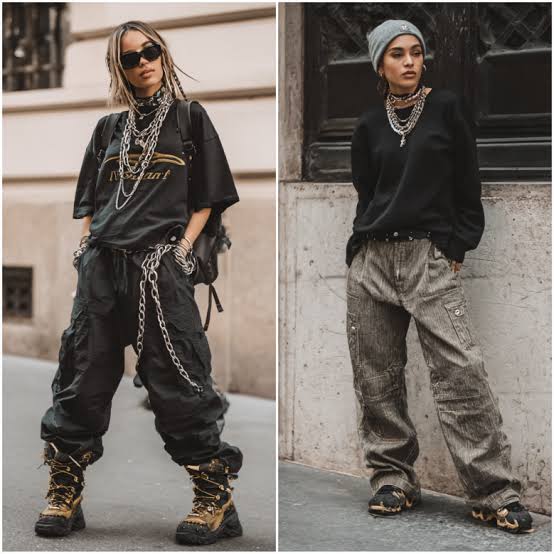
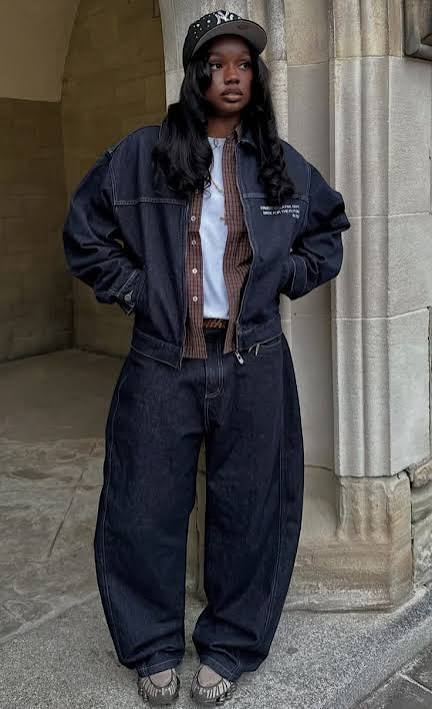
The 1990s remain one of the strongest sources of inspiration for contemporary streetwear, Baggy jeans, straight-leg denim, oversized shirts, crop tops, denim jackets, simple T-shirts, sneakers and baseball caps have returned to everyday fashion, Among women, baggy jeans, crop tops, denim jackets and slip dresses have become particularly recognisable elements of the revival, For men, oversized shirts, baggy trousers, denim, sneakers and baseball caps have returned as staples of casual dressing.
The Nigerian interpretation extends beyond Western streetwear. Ankara can be used for oversized shirts, Adire can replace conventional printed cotton, Aso-Oke can be incorporated into denim jackets, while beads and fila can replace or complement conventional streetwear accessories.
Headwear, Jewellery, Shoes
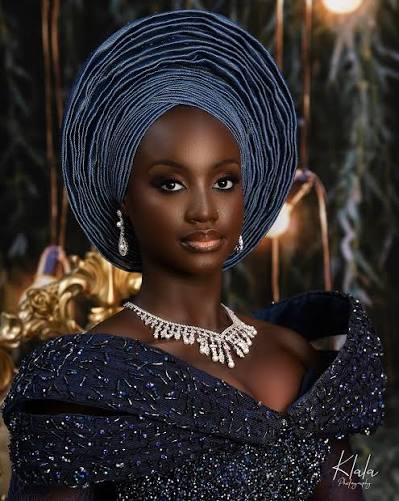
Headwear has become one of the most visible ways people are bringing older trends into contemporary fashion. In Nigeria, this creates an especially interesting intersection between global fashion and traditional headwear, The revival is not limited to clothing, The gele remains one of the strongest examples. Historically associated with Yoruba women’s dressing, the gele has evolved into an increasingly sculptural fashion statement. Contemporary versions can be dramatic, architectural and highly stylised.
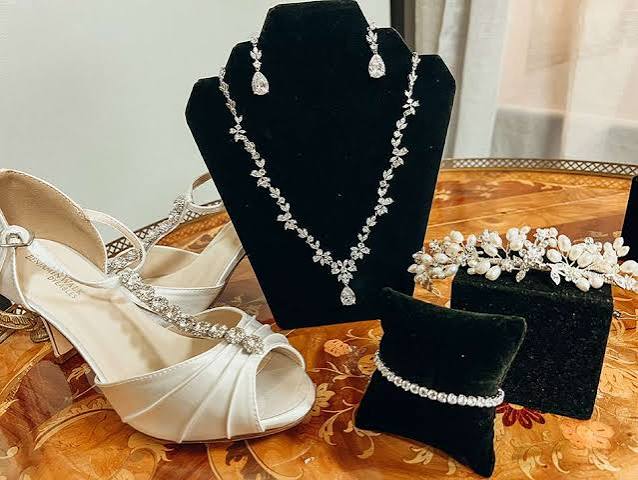
Jewellery has also travelled backwards in time, The minimalist jewellery trend that dominated parts of the 2010s has increasingly been challenged by larger, more expressive accessories, Hoop earrings, layered necklaces, chunky bracelets, statement rings, beads and oversized earrings have returned, This is particularly compatible with African fashion because traditional Nigerian dressing has long incorporated beads and statement accessories.
Footwear may be one of the easiest ways to identify a fashion revival, The 1970s gave fashion platforms and chunky silhouettes. The 1980s embraced statement footwear. The 1990s popularised sneakers and combat-inspired footwear, while the 2000s introduced platforms, colourful trainers and highly decorative shoes, By 2026, several of these styles continue to appear in contemporary fashion, They include Platform sandals, Platform sneakers, Chunky sneakers, Loafers, Ballet flats, Knee-high boots, Cowboy-inspired boots.
The 2000s: Y2K takes over again
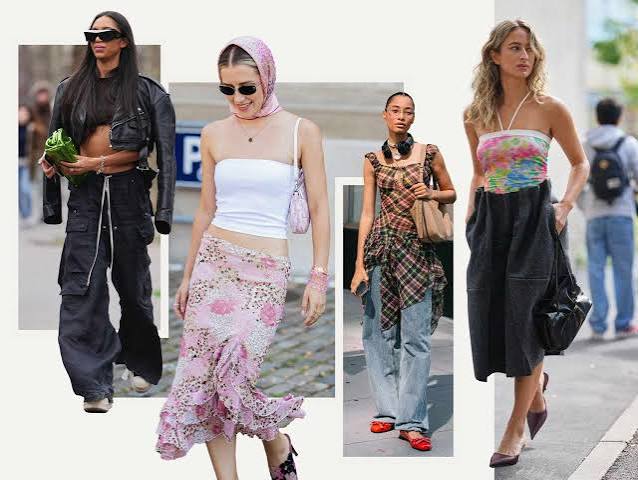
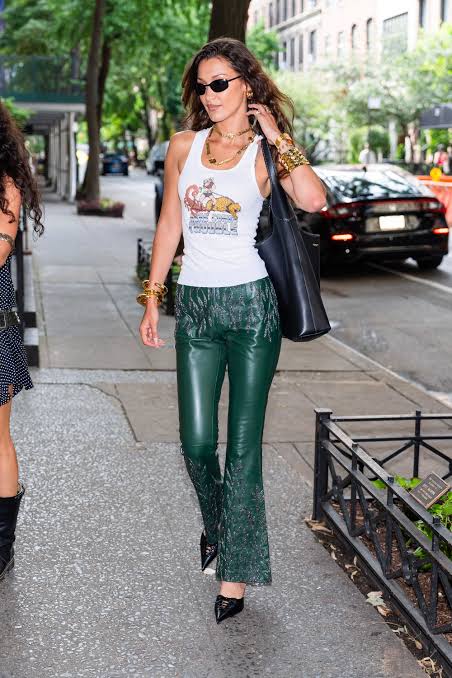
The early 2000s have arguably produced the most recognisable fashion revival of the period, Known today as Y2K fashion, the aesthetic includes low-rise trousers, cargo pants, tube tops, rhinestone belts, tiny shoulder bags, tinted sunglasses, tracksuits, graphic T-shirts and statement accessories, For women, the revival includes low-rise jeans, tube tops, rhinestone belts, tinted glasses, mini bags and platform footwear.
For men, Y2K-inspired dressing includes cargo trousers, basketball jerseys, graphic T-shirts, tracksuits, baggy denim, chunky sneakers and statement accessories, In Nigeria, these trends are increasingly being adapted using African materials. An Ankara crop top can be paired with denim, an Aso-Oke bag can replace the conventional Y2K mini bag, while Adire shirts can be styled with cargo trousers or sneakers.
The Issues
The biggest issue surrounding the retro revival is not whether older trends are returning, but how they are being interpreted, There is a growing distinction between simply reproducing an old style and creating something new from it, For Nigerian fashion, this raises an important opportunity. Indigenous materials and traditional clothing do not have to remain restricted to ceremonial or formal occasions. They can become part of everyday streetwear, contemporary tailoring and globally recognisable fashion trends.
There is also the question of cultural ownership and originality. As global fashion increasingly embraces African-inspired aesthetics, Nigerian designers and consumers have an opportunity to ensure that local materials, techniques and cultural references are represented authentically.
Another issue is sustainability. The popularity of vintage and second-hand clothing demonstrates that older garments can be reused rather than constantly replaced with new products. However, the rapid trend cycle created by social media can also encourage excessive consumption.
What’s Being Said
The strongest message from the revival is that fashion does not necessarily move forward in a straight line, The 1970s are contributing flares, bold prints and platforms. The 1980s are returning through oversized silhouettes, structured jackets and statement dressing. The 1990s are influencing denim, streetwear and relaxed clothing, while the 2000s are driving the return of low-rise fashion, rhinestones, tiny bags and maximalist accessories.
For Nigerian fashion, these influences are being combined with existing African traditions, The gele, for example, remains an important component of Nigerian women’s dressing, while the fila continues to offer men a distinctive traditional accessory. Beads, Aso-Oke, Ankara and Adire can similarly be incorporated into contemporary outfits.
This means that the current revival is not simply a return to the past. It is a process of remixing the past with the present, A contemporary Nigerian outfit can combine several decades at once: 1970s flared trousers, 1990s sneakers, a 2000s-inspired shoulder bag and an African textile.
What’s Next
The next phase of Nigerian fashion is likely to involve even greater experimentation between traditional and contemporary styles, Designers can continue transforming indigenous materials into products associated with global fashion trends, including sneakers, handbags, jackets, hats and other accessories, Consumers are also likely to become more comfortable mixing fashion periods rather than dressing according to one particular decade.
A single outfit could combine:
- Head: Gele, fila, scarf, durag or bucket hat
- Ears: Hoops, beads or statement earrings
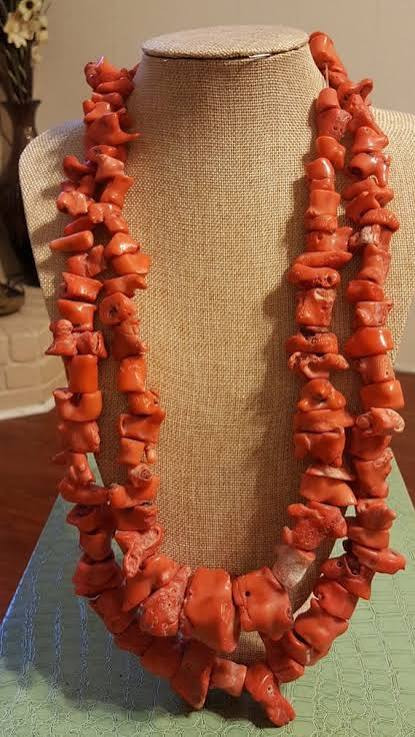
- Neck: Coral beads, chains or layered necklaces
- Body: Ankara, Adire, lace, denim, Aso-Oke or contemporary fabrics
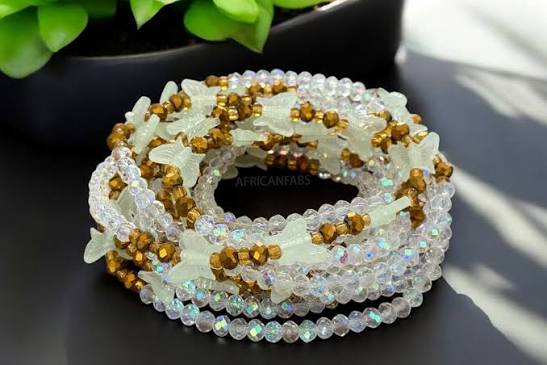
- Waist: Statement belts, waist beads or traditional wrapper styling
- Legs: Flared trousers, baggy jeans, iro, wide-leg trousers or flowing skirts
- Feet: Platforms, sneakers, loafers, sandals or embellished footwear
- Accessories: Mini bags, oversized bags, Aso-Oke bags, sunglasses and bracelets
Social media will remain an important driver of this movement, allowing younger Nigerians to discover older fashion eras and reinterpret them according to contemporary tastes, The result could be a stronger Nigerian fashion identity that is simultaneously nostalgic, modern and globally relevant.
Bottom Line
The return of 1970s, 1980s, 1990s and 2000s fashion shows that what is considered old can quickly become new again, But Nigeria’s fashion revival is not simply about copying the past. It is about taking familiar global trends and giving them an African identity.
From flared trousers and shoulder pads to baggy jeans, low-rise denim, chunky jewellery, platform shoes, gele, fila, Ankara, Aso-Oke and Adire, the past is being transformed rather than simply repeated.
As 2026 continues, the defining fashion trend may not belong to any single decade. It may be the ability to combine several eras with African heritage to create a style that is distinctly contemporary, distinctly Nigerian and increasingly global.