





By Annette Ikponmwonba | September 14, 2026
Keypoints
• Atiku Abubakar has blamed President Bola Tinubu’s administration for Uber’s exit from Nigeria.
• He said the government’s economic policies made it difficult for passengers and drivers to sustain the platform.
• Atiku’s spokesman, Phrank Shaibu, criticised rising fuel, vehicle maintenance and other operating costs.
• He also blamed increased taxes and licence fees for adding to the pressure on businesses and consumers.
• Uber officially ended its 12-year operations in Nigeria on September 2, 2026.
Main Story
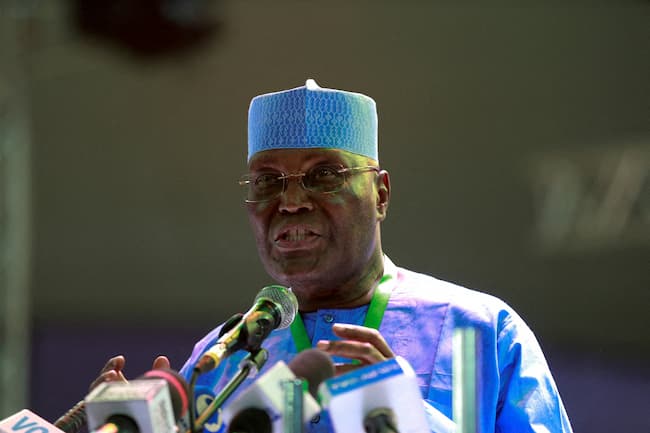
The African Democratic Congress presidential candidate, Atiku Abubakar, has blamed President Bola Tinubu’s administration for Uber’s decision to end its operations in Nigeria, Atiku made his position known through his spokesman, Phrank Shaibu, in a statement shared on X, where he criticised the government’s economic reforms and their impact on businesses and households.
According to Atiku, Uber did not leave because Nigerians no longer needed ride-hailing services, but because the economic environment had made it increasingly difficult for passengers to afford fares and for drivers to earn enough to cover their expenses, Shaibu said rising fuel prices, vehicle repairs, spare parts and car loans had increased the cost of operating vehicles, while the depreciation of the naira and additional taxes and licence fees added further pressure.
He argued that the situation created a difficult balance for Uber, as increasing fares would make rides unaffordable for more Nigerians, while keeping fares low would leave drivers struggling to make a profit, “Uber could not increase fares because Nigerians were already struggling. It could not keep fares low because drivers were losing money,” Shaibu said.
He accused the Tinubu administration of pursuing policies that were driving businesses away and placing additional pressure on citizens, Uber officially ended its 12-year operations in Nigeria on September 2, 2026, leaving behind a significant network of drivers and customers who relied on the platform for transportation and income.
The Issues
The controversy centres on the economic impact of the government’s reforms and whether rising operating costs have made it increasingly difficult for businesses to remain profitable in Nigeria, For ride-hailing companies, fuel prices, vehicle maintenance, financing costs, taxes and regulatory charges directly affect both drivers and passengers.
Atiku’s criticism suggests that the government’s economic policies are contributing to a broader affordability crisis, while supporters of the reforms have argued that difficult measures are necessary to address Nigeria’s economic challenges.
What’s Being Said
Atiku, through Shaibu, described the government’s policies as harmful to businesses and households, arguing that they have increased the cost of living while reducing disposable income, He also criticised the introduction of additional taxes and licence fees, saying they had further increased the financial burden on Nigerians, “Passengers pay more, drivers earn less, and the platforms struggle to survive,” Shaibu said, He concluded by promising that an Atiku-led government would pursue policies aimed at making Nigeria more affordable for citizens.
What’s Next
The exit of Uber is likely to keep attention on the operating environment for technology-driven businesses and other companies providing services to Nigerian consumers, The development may also feature in the political debate ahead of the 2027 elections, with opposition candidates using the cost of living and business closures to challenge the Tinubu administration’s economic record.
Bottom Line
Atiku Abubakar has linked Uber’s exit from Nigeria to the economic pressures created by the Tinubu administration’s policies, citing rising fuel, maintenance and regulatory costs, With Uber ending its 12-year Nigerian operations on September 2, 2026, the development has become another point of debate over the impact of economic reforms on businesses, workers and consumers.