By Boluwatife Oshadiya
Key Points
- US trade court ruled against Trump’s 10% global tariffs
- Court says tariff policy was not justified under Trade Act provisions
- Decision currently applies to two companies and Washington state
- Trump administration may appeal ruling
- Sector-specific tariffs on steel, aluminium and automobiles remain active
Main Story
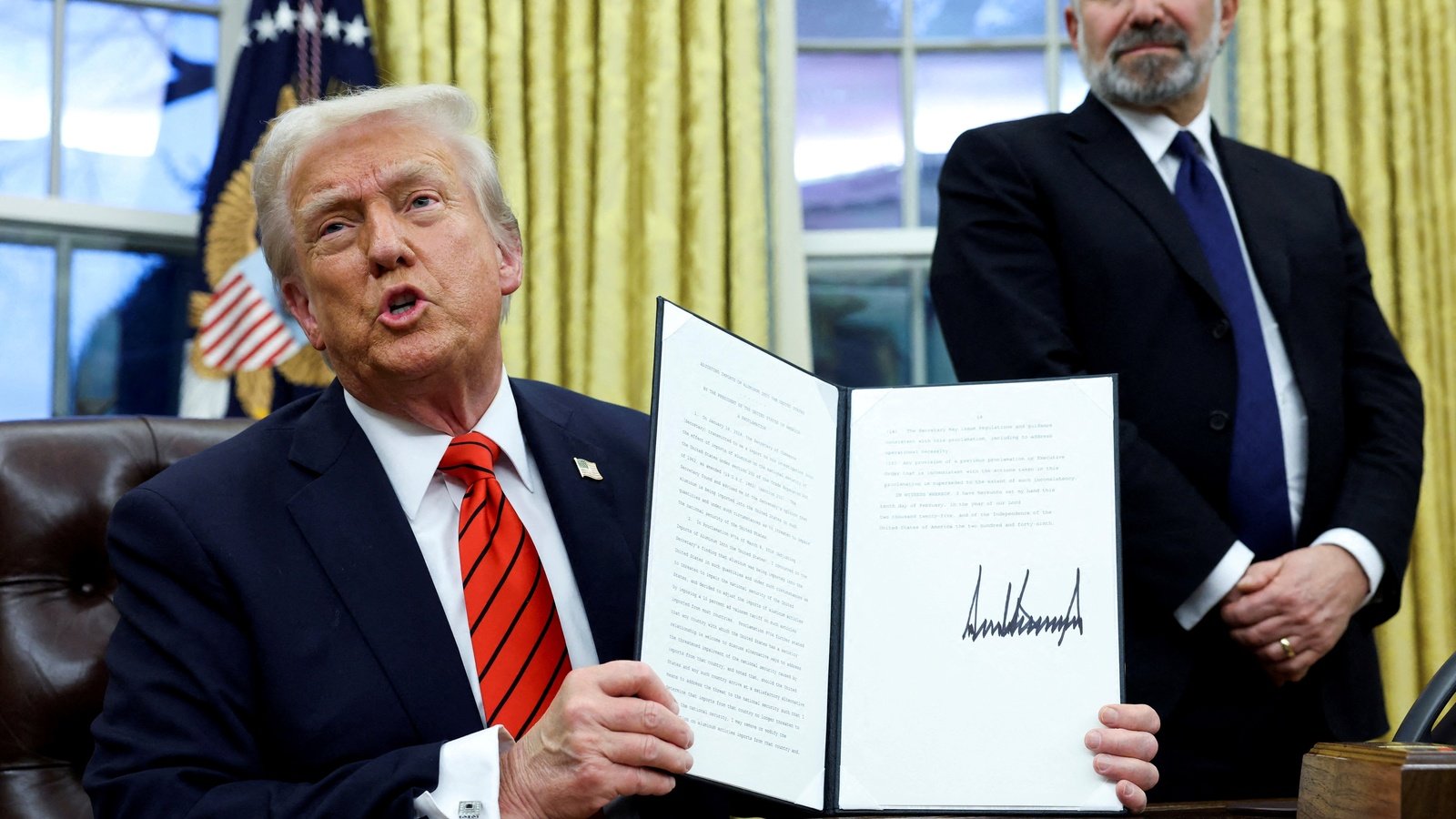
A United States trade court has dealt President Donald Trump another legal setback after ruling against the 10 per cent global tariffs introduced earlier this year following the Supreme Court’s decision to strike down several of his previous trade duties.
In a 2-1 ruling delivered on Thursday, the US Court of International Trade held that the temporary tariffs were not properly justified under the legal provisions cited by the Trump administration.
The decision currently blocks implementation of the tariffs against two companies and the state of Washington, although legal analysts say the ruling could pave the way for additional challenges from other importers and businesses.
Trump introduced the temporary 10 per cent tariff in February after the US Supreme Court invalidated many of his earlier global tariff measures.
The administration had defended the new duties using Section 122 of the Trade Act of 1974, arguing that the tariffs were necessary to address balance-of-payments concerns and persistent trade imbalances.
Under the law, the temporary tariffs are scheduled to expire in late July unless Congress approves an extension.
Court Questions Legal Basis
In its ruling, the Court of International Trade questioned whether the current US trade deficit met the legal threshold required under Section 122.
Following the judgement, Liberty Justice Center senior counsel Jeffrey Schwab argued that the administration’s justification did not align with the original intent of the law.
“Section 122 was passed in response to a specific historical crisis that resulted in the United States’s currency and gold reserves being depleted,” Schwab said.
“The United States has a trade deficit, not a balance-of-payments deficit, and does not have international payments problem.”
The court directed government defendants to comply with the ruling within five days and ordered refunds for importers involved in the lawsuit.
The Trump administration is expected to appeal the decision.
Trump Pursues Alternative Trade Measures
Despite the setback, the ruling does not affect Trump’s sector-specific tariffs targeting products such as steel, aluminium and automobiles.
The administration has also continued efforts to rebuild its trade agenda through alternative legal channels.
US officials have reportedly launched new investigations into several trading partners over concerns involving forced labour, industrial overcapacity and unfair trade practices, measures that could lead to fresh tariffs or additional trade restrictions.
The latest judgement adds to mounting legal and economic pressure surrounding Trump’s tariff strategy, which has faced repeated scrutiny from businesses, importers and trade groups.
Businesses Seek Refunds
Since the Supreme Court invalidated earlier tariffs imposed under the International Emergency Economic Powers Act, businesses across the United States have increasingly sought refunds for duties already paid.
US Customs and Border Protection estimated in March that more than 330,000 importers could qualify for refunds linked to the earlier tariff rulings.
The tariffs previously struck down reportedly generated approximately $166 billion in duties and estimated deposits before being invalidated by the courts.
Global Trade Implications
The latest court ruling could have broader implications for global trade policy and international markets, especially as businesses continue adjusting to uncertainty surrounding US trade regulations.
Economists say continued legal battles over tariff authority may influence investor confidence, supply chains and bilateral trade negotiations involving the United States and key trading partners.
What’s Next
Attention is now turning to whether the Trump administration will file an appeal and how quickly courts may address further challenges against remaining tariff measures.
Trade analysts also expect Congress and US regulators to face increasing pressure to clarify the scope of executive powers relating to international trade and emergency tariff actions.