



Key points
- UN High Commissioner for Human Rights Volker Türk called for a major overhaul of U.S. immigration and security policies as the World Cup begins.
- The UN official warns that aggressive enforcement, racial profiling, and surveillance are already impacting teams, officials, and soccer fans.
- Visa denials forced Iran’s national team to relocate its training camp from Arizona to Mexico just before the tournament’s opening.
- A FIFA-accredited referee from Somalia was turned back at the border, and fans from Scotland and Morocco had travel documents revoked.
- Türk urged host nations to end divisive narratives and the dehumanization of migrants, refugees, and asylum seekers.
Main Story
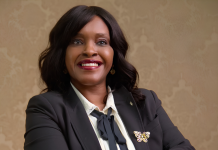
UN High Commissioner for Human Rights Volker Türk has called for a “massive rethink” of United States immigration and security policies ahead of the World Cup tournament.
Speaking to journalists on Wednesday, the UN’s top human rights official warned that aggressive enforcement measures, surveillance, and racial profiling are already disrupting teams, international officials, and supporters. Türk cautioned that if these systemic issues are not immediately addressed, they risk casting a dark shadow over the global soccer tournament, which opens across the United States, Canada, and Mexico.
According to the High Commissioner, mega sporting events are historically meant to be spaces where the world comes together in unity and peace, drawing on ancient traditions where games led to international truces. Instead, several high-profile incidents related to U.S. entry protocols have sparked widespread concern. Iran’s national football team was forced to move its official training camp from Arizona to Mexico after multiple Iranian officials were denied visas.
Additionally, a FIFA-accredited Somali referee was refused entry and turned back due to reported “vetting concerns,” while images have widely circulated showing a Senegalese player being frisked by security personnel directly on a U.S. airport tarmac.
The restrictive enforcement measures have also severely impacted traveling fans. Supporters from various countries, including Scotland and Morocco, have reported having their travel documents denied or suddenly revoked shortly before departure, despite already making incredibly costly travel arrangements.
Türk warned that these specific examples highlight much broader, worrying trends regarding how immigration enforcement is applied. He reminded the host nations that the global nature of the competition carries a distinct international responsibility to protect human dignity.
The public warning comes amid growing global scrutiny over human rights standards linked to major sporting events and the legal obligations of host countries. Türk stressed that tournaments of this scale must guarantee a safe, dignified, and inclusive environment for players, officials, and fans alike.
Concluding his address, the UN chief expressed hope that the ongoing dehumanization of migrants, refugees, and asylum seekers would finally be put to an end, emphasizing that no one benefits from divisive and polarizing political narratives.
The Issues
- Balancing strict national security screening protocols with the logistics of hosting millions of international World Cup visitors.
- Addressing allegations of racial profiling and aggressive airport tarmac searches targeting international sports figures.
- Managing the financial and logistical fallout for international fans whose travel documents are revoked right before departure.
What’s Being Said
- Defending the peaceful tradition of global sports, UN High Commissioner for Human Rights Volker Türk stated: “Mega sporting events are meant to be events where the world comes together in unity and in peace. It’s clear that the World Cup needs to provide a dignified and safe environment for the teams that compete, but also for the supporters, for the whole society and frankly for the world.”
- Condemning harsh anti-immigrant rhetoric, Türk added: “I also hope that the dehumanisation of the other, the dehumanisation of migrants, the dehumanisation of refugees and asylum seekers is put to an end. Nobody benefits from divisive and polarising narratives.”
What’s Next
- Human rights groups will monitor airport arrival hubs across the U.S. as millions of fans land for the opening matches.
- FIFA officials are expected to engage with U.S. immigration authorities regarding visa clearance procedures for accredited referees and team staff.
- Civil society organizations will track tournament security operations to report instances of racial profiling or unlawful surveillance.
Bottom Line
UN Human Rights Chief Volker Türk has warned that aggressive U.S. border enforcement and visa denials are undermining the unity of the World Cup, calling on host nations to respect human dignity and halt divisive narratives as the tournament kicks off.