








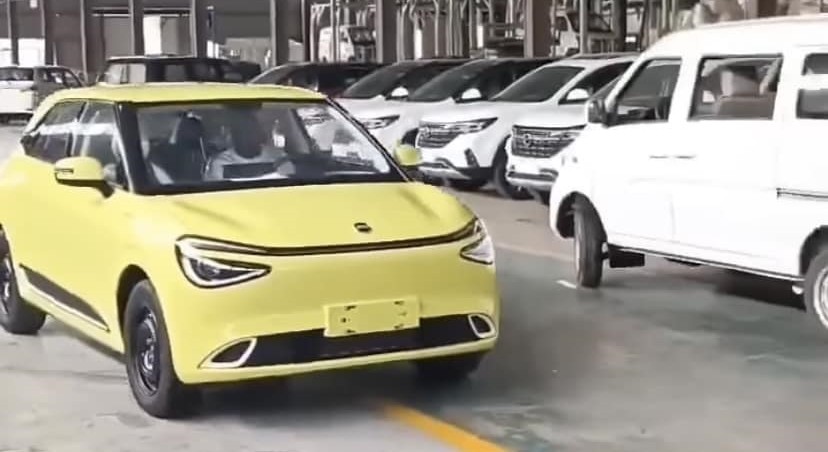
Maintaining an Electric Vehicle (EV) in Nigeria involves adapting to unreliable grid power, high heat, dust, rough roads, humidity, and seasonal rains. EVs require less maintenance than petrol cars (no oil changes, fewer moving parts), but local conditions demand specific attention to batteries, tires, suspension, cooling systems, and charging. Solar setups are a strong option for reliability.
Charging Best Practices in Nigeria
Nigeria’s grid is unstable with frequent outages, high tariffs (especially Band A), and voltage fluctuations, making home/grid charging challenging but doable with backups. Solar is increasingly popular and future-proof.
General EV Battery Charging Rules (Applies Everywhere, Critical in Heat):
- Follow the 20-80% rule for daily use: Charge to ~80% and avoid dropping below 20% regularly. This minimizes stress on lithium-ion batteries and extends lifespan (batteries can last 15-20 years with 10-20% degradation).
- Limit DC fast charging (public stations) to occasional/long trips; it generates more heat and stresses the battery. Prefer Level 1/2 (AC) for daily use.
- Use the car’s preconditioning (if available) while plugged in to cool/prepare the battery.
- Monitor via the vehicle’s app for battery health, temperature, and software updates (many issues fixed OTA).
Best Time to Charge:
- Night/early morning or evening: Cooler ambient temperatures reduce heat buildup during charging (batteries charge best ~0-30°C / 32-86°F). In Nigeria’s heat, daytime charging (especially direct sun) can trigger thermal management that slows charging or uses extra energy.
- Align with solar production (midday peak) or off-peak grid if available.
- For solar: Charge during peak sunlight hours with a smart system that prioritizes excess solar.
Grid (Nigeria Electricity) Charging:
- Level 1 (Trickle): Standard 220V plug — slow (13-16 km/hour), no install needed, good for top-ups.
- Level 2 (Wallbox): Recommended for home (3-4x faster). Needs professional installation; costs vary with wiring upgrades.
- Challenges: Outages, high costs (~₦9-16/km depending on tariff and battery size), voltage issues. Use stabilizers/surge protectors. Many owners use generators as backup (but noisy/expensive).
Solar Charging (Highly Recommended):
- Pairs well with Nigeria’s strong sunlight. Government/NADDC has piloted solar EV charging stations.
- Setup: Solar panels + inverter + EV charger (smart/excess solar type preferred) + optional battery storage for nighttime/cloudy days. Hybrid grid+solar is common for reliability.
- Benefits: Lower long-term costs, off-grid independence, eco-friendly. Excess solar can power home too.
- Practical Tips: Use smart chargers that only draw when solar is available. For full off-grid, size system for your daily kWh needs (e.g., 40-60 kWh battery EV might need significant panels).
Materials/Setup for Solar EV Charger (Rough Estimates, 2026 Nigeria Context):
- Basic hybrid home setup (Level 2 charger + some solar): ₦2-6 million+ (panels, inverter, wiring, installation). Full dedicated solar rig: higher (₦8-30+ million depending on scale/storage).
- Key components: High-efficiency solar panels (e.g., 5-10+ kW array), compatible inverter (with EV charging support), Level 2 wallbox (~48A or suitable), cabling, mounting/racks, optional battery bank (e.g., lithium for storage), charge controller/monitor.
- Professional installation essential for safety/high-voltage. Check local incentives or dealers (e.g., BYD, SAGLEV networks).
- Portable/detachable solar options exist for experimentation.
Always verify compatibility with your EV model (e.g., BYD, Tesla, etc.) and use certified electricians.
Seasonal Maintenance in Nigeria
Sunny/Dry Season (Hot, Dusty, Harmattan):
- Heat is the biggest threat: High temps accelerate battery degradation, reduce range (A/C use adds load), and stress cooling systems. Park in shade/garage; use cabin preconditioning while plugged in.
- Battery/Cooling: Monitor temps; ensure cooling fluid/radiators are clean. Avoid full charges in peak heat.
- Tires & Suspension: Heat + rough roads = faster wear. Rotate/inspect frequently (every 8-10k km); check pressure (heat increases it). Heavier EVs + potholes demand more attention.
- Dust: Clean cabin filters/AC often; protect electronics.
- 12V Battery: Hot climate shortens life to 2-3 years — common failure point.
Rainy Season (June-Sept: Humidity, Flooding, Mud):
- Water/Humidity Risks: EVs are sealed and safe in rain, but check seals/drains. Humidity can corrode components over time; flooding risks electrical issues.
- Brakes: Regenerative braking means less wear, but inspect for corrosion/seizing from moisture. Flush brake fluid periodically.
- Tires/Suspension: Wet/slippery roads + potholes increase risks. Maintain tread depth; align wheels.
- General: Dry the car after drives; clean undercarriage; check wipers/washer fluid. Cabin filters clog faster in humid/dusty conditions.
- Park elevated/covered if flooding is common.
Year-Round Essentials:
- Tires: Rotate, balance, align regularly due to weight/roads. Use EV-rated if possible.
- Brakes & 12V Battery: Inspect/replace as needed.
- Software & Diagnostics: Keep updated; use specialist tools for high-voltage safety.
- Professional Service: Visit EV-certified centers in Lagos (e.g., BYD, SAGLEV, Carmedis, OttoXpress) for diagnostics, cooling, etc. Costs lower than ICE but specialized.
- Other: Wiper blades, suspension checks (rough roads), cabin AC/filter (dust/heat).
Additional Tips & Considerations
- Range & Efficiency: Heat, A/C, traffic, and loads reduce real-world range. Drive smoothly; use regen braking.
- Costs: Lower overall (30-40% less maintenance), but factor in tires/suspension wear and potential battery cooling needs.
- Where to Get Help: Local training programs exist; buy from brands with service networks. Government pushing EVs with some solar infrastructure.
- Safety: High-voltage systems need trained technicians. Never DIY battery work.
- Long-Term: Batteries degrade slower with good habits. Nigeria’s push for EVs includes training and pilots.
For personalized advice, consult your EV manual, a local dealer, or specialist (provide model specifics). Solar + smart charging is the best path for reliability in Nigeria’s context. Start small with a hybrid setup if full solar is costly.










 in Nigeria involves adapting to unreliable grid power, high heat, dust, rough roads, humidity, and...)