








Home Blog Page 37

Tinubu Orders Expansion Of Siemens Power Projects Into Three Phases To Accelerate Electricity Reform

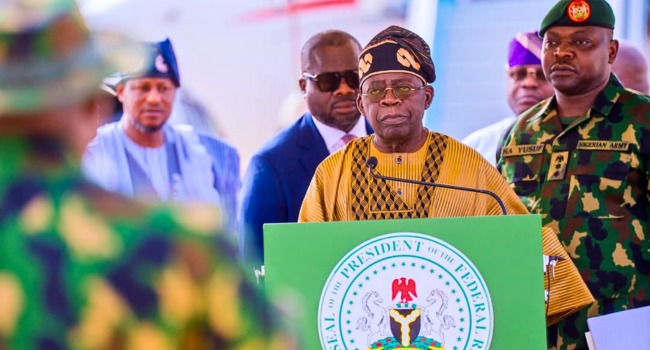
President Bola Tinubu has directed Siemens Energy to expand ongoing power infrastructure projects under the Presidential Power Initiative (PPI) into three distinct phases, underscoring his administration’s renewed commitment to delivering stable, reliable, and affordable electricity across Nigeria.

The President gave the directive on Monday during a high-level meeting with a delegation from Siemens Energy, led by Dietmar Siersdorfer, Managing Director for the Middle East and Africa, at the State House, Abuja.

Tinubu commended Siemens Energy for its steadfast collaboration under the PPI — a strategic partnership between the Federal Government of Nigeria and the German Government initiated in 2019 to modernise Nigeria’s power transmission and distribution systems.

“I appreciate the partnership on this initiative. The progress made so far is commendable, and we can feel its impact. However, it is not yet where we want it to be,” the President said.

According to a statement signed by Presidential Spokesman, Bayo Onanuga, Tinubu also ordered the expansion of major transformer substations from two to three phases as part of efforts to boost electricity transmission capacity nationwide.

He assured that his administration would provide the required political will and financial backing to ensure timely completion of the project’s ongoing and upcoming phases.

Minister of Power, Adebayo Adelabu, highlighted that the sector has achieved significant milestones under the Tinubu administration, including the decentralisation and liberalisation of the power industry.

He recalled that following the signing of the Electricity Act 2023, Nigeria developed a National Integrated Electricity Policy — the first in 24 years — which has since attracted over $2.2 billion in fresh investments and activated 15 state electricity markets.

“Since the signing of the Accelerated Agreement at COP28 in Dubai, which you personally attended alongside German Chancellor Olaf Scholz, the PPI has recorded notable progress,” Adelabu said.

He explained that under the Pilot Phase (Phase Zero), significant upgrades to infrastructure have already improved grid stability and reliability nationwide.

Substations to Be Completed by 2026

The minister revealed that in December 2024, the Federal Executive Council (FEC) approved the Engineering, Procurement, and Construction (EPC) contract for Phase One, Batch One, covering the upgrade and installation of substations in Abeokuta, Offa, Ayede-Ibadan, Sokoto, and Onitsha.

Plans for civil works and equipment manufacturing have been finalised, with two out of the five substations expected to be completed by December 2026.

He further noted that Phase One, Batch Two would expand the grid with six Brownfield and ten Greenfield substations, collectively adding 4,104 megawatts (MW) of new transmission capacity.

Siemens Energy’s Managing Director, Dietmar Siersdorfer, affirmed that two substations under construction will be completed by December 2026, in line with the administration’s power expansion goals.

He disclosed that a training centre was being developed to build local expertise in electrical engineering, create jobs, and enhance technology transfer to Nigerian professionals.

“The PPI is not just a project but a platform for long-term development and prosperity,” Siersdorfer stated, adding that the initiative will transform Nigeria into a regional power hub and further strengthen ties between Germany and Nigeria.

Representing the German Ambassador, Johannes Lehne pledged continued support from the German government towards achieving Nigeria’s power sector transformation agenda.

In 2023, Siemens announced that its agreement to upgrade Nigeria’s power grid could be completed five years ahead of schedule, moving the initial 2030 completion date forward.

Earlier, the Ministry of Power confirmed that under the early orders of the Presidential Power Initiative, 10 mobile substations and 10 mega transformers were being delivered to Nigeria by Siemens.

By December 2022, the ministry revealed that one of the ten mobile substations — manufactured and tested at Siemens’ France facility — was ready for shipment to Nigeria, marking a tangible step toward improving transmission capacity and service reliability.

As Nigeria continues its journey toward energy stability, the expansion of the Presidential Power Initiative into three phases signals a decisive move by the Tinubu administration to close infrastructure gaps, attract foreign investment, and power the nation’s industrial and economic growth.
House Of Reps Advances E-Governance Bill To Revolutionise Public Service Delivery

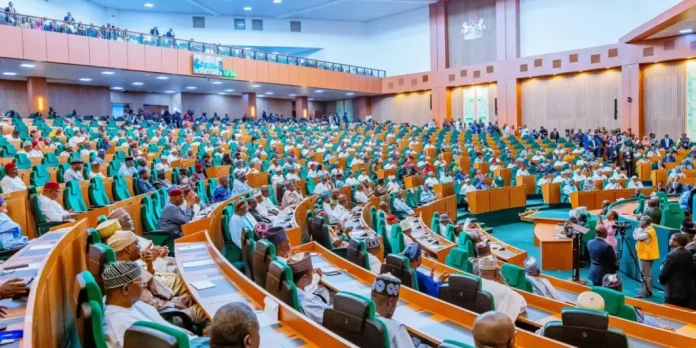
The House of Representatives has reaffirmed its commitment to transforming Nigeria’s public service delivery through the National Digital Economy and E-Governance Bill, a landmark legislation designed to establish a comprehensive legal framework for the nation’s digital future.

The proposed bill, currently under review, seeks to modernise governance by regulating key aspects such as electronic transactions, data protection, cybersecurity, and digital infrastructure. Lawmakers say the initiative will usher in a new era of transparency, efficiency, and inclusivity in how government operates and how citizens access public services.

The renewed commitment was made during a One-Day Joint Public Hearing held on Monday by the House Committee on Digital and Information Technology, in collaboration with the Senate Committee on ICT and Cybersecurity.

A Vision for Smarter, Inclusive Governance

Speaker of the House of Representatives, Rt. Hon. Abbas Tajudeen, represented by Rep. Isiaq Abiodun Akinlade, described digital transformation as an urgent national priority.

“Digital governance is no longer a choice but a necessity bill embodies our vision for a new form of governance — one that is efficient, transparent, and citizen-focused.” Abbas said in a statement delivered by House Spokesman, Rep. Akin Rotimi. “

He added that the bill ensures nationwide digital inclusion, guaranteeing that “no Nigerian, regardless of location or status, is left behind in the country’s digital journey.”

Nigeria Poised to Lead Africa in Digital Policy

Chairman of the Senate Committee on ICT and Cybersecurity, Senator Shuaib Afolabi Salisu, hailed the bill as “groundbreaking”, describing it as the first of its kind in Africa.

“When enacted, this legislation will make Nigeria the pioneer on the continent in the areas of digital economy and e-governance,” Salisu stated. “It positions the country as a leader in digital innovation and public sector reform.”

Strengthening Reform Through Collaboration

Co-Chair of the hearing and Chairman of the House Committee on Digital and Information Technology, Rep. Adedeji Stanley Olajide, commended the collaborative spirit that defined the public hearing.

“This process reflects our shared determination to build a digitally inclusive, transparent, and accountable governance system,” Olajide said.

He also lauded the valuable contributions from civil society organisations, technology experts, and development partners, noting that their insights have ensured the bill aligns with global best practices while addressing Nigeria’s unique realities.

Minister of Communications, Innovation and Digital Economy, Dr. Bosun Tijani, assured participants that the executive arm of government is fully committed to the bill’s objectives.

“The President is ready to assent to the bill once it passes through the National Assembly,” Tijani affirmed, underscoring strong government support for the digitalisation agenda.

Rep. Olajide further acknowledged the collaboration of key institutions including the National Information Technology Development Agency (NITDA), National Identity Management Commission (NIMC), Nigerian Communications Commission (NCC), and Galaxy Backbone, whose technical inputs are expected to play a crucial role in implementing the reforms.

However, legal experts have raised concerns over certain provisions in the draft bill. A team of lawyers from Olisa Agbakoba Legal (OAL) recently faulted the ₦10 million fine stipulated for contraventions under the offences and penalties section.

The firm argued that the prescribed fine is disproportionate and impractical, considering that public institutions or individuals found in breach might be unable to pay such amounts. The lawyers urged lawmakers to reconsider the clause to ensure fairness and enforceability.

Active Electricity Customers Hit 11.96 Million In August — NERC

NERC Unveils App To Improve Electricity

The Nigerian Electricity Regulatory Commission (NERC) says the number of active electricity customers in the country rose to 11.96 million in August 2025, up from 11.89 million recorded in July.

This was disclosed in the Commission’s July–August 2025 Metering Factsheet, released on Monday via its official X (formerly Twitter) and Instagram platforms. The updated data reflects active customer numbers across all 11 electricity distribution companies (DisCos).

According to the factsheet, 6.58 million customers were metered as at August, representing a metering rate of 55.01 per cent — a marginal increase from 54.71 per cent in July.

“A total of 70,888 customers were newly metered in August, compared to 76,783 in July, reflecting ongoing metering efforts across the Nigerian Electricity Supply Industry,” NERC stated.

The Commission attributed the improvement to ongoing sector reforms and increased investments in customer management by DisCos aimed at improving billing transparency and consumer confidence.

Recent rankings show Eko, Ikeja and Abuja DisCos among the best performers in metering coverage nationwide. Eko Electricity Distribution Company recorded 84.25 per cent metering coverage, closely followed by Ikeja Electric with 84.83 per cent, while Abuja Electricity Distribution Company achieved 73.92 per cent.

In April, NERC sanctioned eight DisCos — Abuja, Ikeja, Eko, Enugu, Jos, Kaduna, Kano and Yola — for violating the approved monthly energy caps applied to estimated billing of unmetered customers. The penalties amounted to over ₦628 million, and the affected companies were directed to credit the accounts of all impacted customers.

In a separate update, NERC disclosed that 225,631 meters were installed nationwide in the second quarter of 2025, representing a 20.55 per cent increase from 187,161 installations recorded in the first quarter.

Breakdown of the Q2 installations showed that 147,823 meters (65.52 per cent) were deployed under the Meter Asset Provider scheme, 65,315 under the Meter Acquisition Fund, 12,259 via vendor financing, and 234 under the DisCo-financed programme.

Code, Connect & Chill: Inside Interswitch’s Coded Meetup For Senior Developers In Lagos

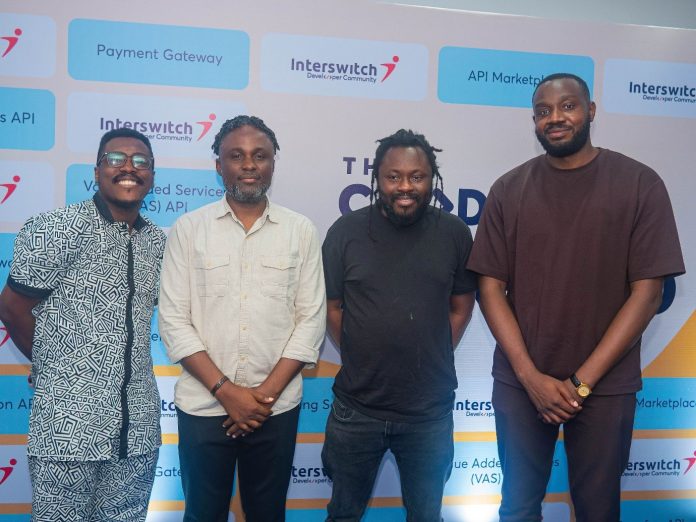
When you picture a typical gathering of tech developers, you probably imagine a room full of laptops, glowing screens, and lines of code flying faster than you can blink. But at the Interswitch Coded Meetup, something different happened, the screens went dark, and instead, conversations lit up the room.

Organised by the Interswitch Developer Community, the meetup was more than just another tech event. Hosted at the Interswitch Innovation Hub in Lagos, it brought together some of Africa’s sharpest tech minds including developers, engineers, product builders, and tech enthusiasts, for an evening of connection, collaboration, and community. But it was not just about tech. It was about the people behind the tech.

Forget the marathon hackathons and jargon-heavy conferences. This was a ‘Code, Connect, and Chill’ experience, a relaxed yet purposeful space where developers exchanged ideas, shared real-world lessons, and discussed the future of Africa’s technology landscape.

Interswitch, through its Developer Community, designed the event to get professionals and aspiring developers to step away from their screens and connect like humans first, and coders second. The result? An evening that felt equal parts learning, networking, and inspiration, with plenty of laughter in between.

Two powerful panel sessions anchored the night, with seasoned tech leaders and engineers sharing insights that hit home for anyone navigating today’s fast-moving digital world. Discussions covered everything from distributed systems and artificial intelligence to scalable solution design and ethical AI use, but the core message was clear: Africa’s next big tech leap will come from collaboration, not competition.

One recurring theme throughout the evening was mentorship, how developers can learn from one another, how leaders can open doors for the next generation, and how community-driven learning can make the African tech ecosystem stronger and more inclusive.

Beyond the panels, the atmosphere was refreshingly social. The space buzzed with mind blowing conversations as attendees swapped stories about their toughest bugs, biggest product wins, and lessons learned from late-night coding sprints.

Between the networking, laughter, and clinking of glasses, one thing was obvious, developers need more spaces like this. Places where the ecosystem feels less like an industry and more like a family. Africa’s tech growth is not just about writing better code; it is about building stronger connections.

Through initiatives like the Coded Meetup, Interswitch continues to empower developers across Africa by providing platforms that encourage mentorship, collaboration, and innovation. The Interswitch Developer Community is a platform that champions knowledge-sharing, inclusion, and sustainable growth within the continent’s thriving fintech and tech ecosystems. The ultimate goal is not just about writing lines of code, but about shaping Africa’s digital story, one connection at a time.

Consumer Credit Falls 17% To ₦3.54 Trillion Amid Weak Demand And Rising Rates

Consumer credit in Nigeria dropped by 17 percent to ₦3.54 trillion in July 2025, down from ₦4.27 trillion in June.

The data comes from the Central Bank of Nigeria’s monthly economic report. Retail loans decreased significantly by 51.5 percent to ₦950 billion. Personal loans, however, rose by 12.1 percent to ₦2.59 trillion.

The decline reflects weak retail demand and increasing interest rates. According to the report, 40.6 percent of respondents observed higher loan costs in the past three months.

The shift toward personal loans suggests consumers are opting for credit for essential expenses rather than discretionary retail purchases.

For lenders and economic planners, the trend signals stress in the consumer‑finance segment. With reduced retail borrowing, growth in Nigeria’s credit market may hinge on tighter risk management and tailored products.

UN Deputy Secretary-General Urges Baze Graduates To Pursue Life With Purpose, Courage

United Nations Deputy Secretary-General, Amina J. Mohammed, has urged graduates of Baze University to embrace purpose, courage and service in their next phase of life, encouraging them to deploy their education toward solving real-world challenges and improving society.

Mohammed delivered the message in a video address during the institution’s 12th convocation ceremony held on Saturday, 8 November, at the university’s main campus in Abuja. The event drew prominent dignitaries, including Sierra Leone’s President and ECOWAS Chairman, Julius Maada Bio, and Katsina State Governor, Dr Dikko Umar Radda.

“Your motto, Learn to Live, is powerful,” Mohammed said. “Learning is not just about passing exams; it’s about preparing to live with purpose, courage and compassion.”

This year’s convocation was a major milestone for the private institution, which graduated its first set of PhD students. In total, 972 degrees were conferred across undergraduate, master’s and doctoral levels.

Delivering the convocation lecture, President Bio commended Baze University for promoting an education model that combines academic excellence with social responsibility. In recognition of his role in advancing education and leadership, the university named its postgraduate school the Julius Maada Bio Postgraduate School.

The Chancellor and Founder, Senator Yusuf Datti Baba-Ahmed, PhD, also conferred an honorary doctorate on Senegalese President, Bassirou Diomaye Faye. The award was received on his behalf by Senegal’s Ambassador to Nigeria, Nicolas Auguste Nyouky.

Vice-Chancellor, Professor Jamila Shu’ara, congratulated the graduating class and reaffirmed the university’s commitment to nurturing critical thinking, innovation and globally competitive scholarship.

Outstanding performers were also recognised. Mustapha Habib, of the Department of Petroleum and Gas Engineering, emerged as overall best graduating student with a CGPA of 3.93 (4.0 scale). Two master’s students — Simon Efosa Ebhojaiye (LL.M) and Loveth Abiere Ugele (M.Sc International Relations and Diplomacy) — received the award for academic excellence after posting a perfect 5.0 CGPA.

Established in 2011, Baze University has continued to expand within Nigeria’s higher education landscape. The institution says it is committed to providing university training to British standards at a fraction of the cost of studying abroad, and currently operates 12 faculties spanning health sciences, engineering, law, management, the natural sciences and postgraduate studies.

Comptroller Atuluku Records Over ₦33 Billion Revenue In Port Harcourt Area I For October

The Port Harcourt Area I Command of the Nigeria Customs Service (NCS) has achieved a record-breaking revenue collection of ₦33.753 billion in October 2025, its highest monthly performance to date.

This was disclosed in a statement issued on Friday, 7 November 2025, by the Command’s Public Relations Officer, Assistant Superintendent of Customs I, Barilule Aanee. The figure represents a sharp increase from the ₦9.079 billion collected in the same month last year, indicating a significant leap in the Command’s revenue drive.

According to the statement, the Command has also exceeded its annual revenue target, collecting a total of ₦247.461 billion between January and October 2025, well above its target of ₦216 billion. The figure also surpasses the ₦164.080 billion realised during the corresponding period in 2024.

 The statement reveals that the Customs Area Controller (CAC), Comptroller Salamatu Atuluku, attributed the outstanding performance to the reforms introduced by the Comptroller-General of Customs, Adewale Adeniyi. She particularly highlighted the deployment of the Unified Customs Management System, known as B’Odogwu, and the Service’s renewed focus on compliance, transparency, and stakeholder engagement.

Comptroller Atuluku noted that the Command had strengthened its enforcement and monitoring mechanisms, resulting in reduced leakages and more consistent revenue outcomes. She commended officers and men of the Command for their dedication and urged them to sustain the momentum.

The CAC also acknowledged the support of terminal operators, freight forwarders, and partner security agencies, describing their cooperation as vital to the Command’s success. She reaffirmed the Command’s commitment to aligning its operations with national economic goals while promoting efficient trade facilitation.

Comptroller Atuluku further assured that the Command would continue to enhance intelligence-driven operations and adopt modern strategies to ensure sustained revenue growth and improved service delivery.

BBC Director-General Tim Davie, Deborah Turness Resign Over Trump Documentary Fallout

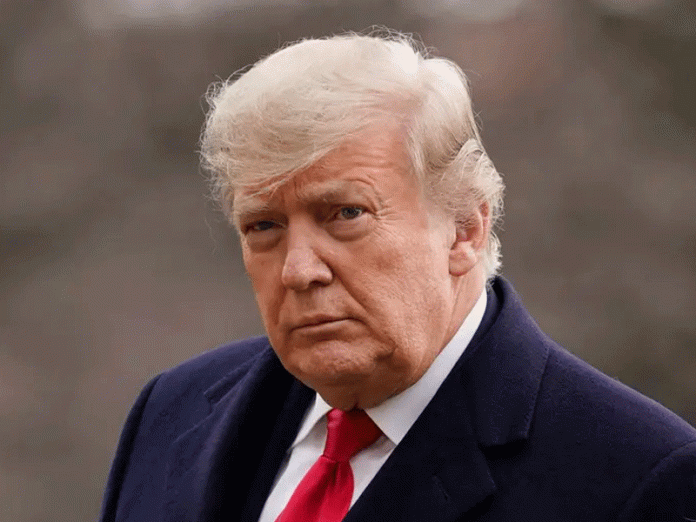
The British Broadcasting Corporation (BBC) has entered a major leadership crisis following the resignation of its Director-General, Tim Davie, and CEO of News, Deborah Turness, after a controversy surrounding a Panorama documentary on former United States President, Donald Trump.

Their resignations follow a leaked internal memo published by The Telegraph, alleging that the documentary deliberately edited two separate segments of Trump’s speech to imply he incited the January 2021 Capitol Hill riot. The memo reportedly also faulted elements of the BBC’s recent news output, raising concerns over editorial standards and bias.

Confirming his decision, Davie said: “There have been some mistakes made, and as Director General, I have to take ultimate responsibility.”

Turness, in her own statement, noted: “The buck stops with me. It’s a difficult decision, but the right one.”

The dual exit marks an unprecedented moment in the BBC’s history. While the broadcaster has previously witnessed the resignation of individual Director-Generals including George Entwistle in 2012 and Greg Dyke in 2004,  it has never before lost both its top corporate leader and head of news simultaneously.

Davie and Turness were key figures in safeguarding the corporation’s editorial standards and managing its global news operations across TV, radio and digital platforms. Their departure leaves the BBC to urgently appoint interim leadership as it grapples with heightened scrutiny, reputational damage and questions over journalistic integrity.

Media analysts say the successor administration will face a formidable challenge — rebuilding trust, ensuring transparency, and navigating what is now considered one of the BBC’s most significant credibility tests in recent years.

Tinubu Administration Exceeds 2025 Borrowing Target By 55.6%

The Federal Government under President Bola Ahmed Tinubu has exceeded its 2025 borrowing target by 55.6 per cent, following the accumulation of ₦17.36 trillion in new loans from both domestic and external sources within the first ten months of the year.

This figure surpasses the prorated borrowing benchmark of ₦10.9 trillion contained in the 2025 Appropriation Act, and already exceeds the total borrowing ceiling of ₦13.08 trillion approved for the whole fiscal year by ₦4.28 trillion.

Latest figures obtained from the Debt Management Office (DMO) and the Central Bank of Nigeria (CBN) indicate that as at October 2025, the Federal Government had secured ₦15.8 trillion domestically and ₦1.56 trillion externally within the first half of the year alone.

In addition, the government plans to raise a further $2.35 billion (₦3.38 trillion) through a Eurobond issuance, a move that will push total borrowing commitments to approximately ₦20.74 trillion. Analysts project that the total figure could reach as high as ₦23 trillion before year end — nearly ₦10 trillion above the legislated limit.

Economic experts warn that the borrowing trajectory, combined with Nigeria’s weak revenue performance, could deepen the risk of a fiscal debt trap, spook investors, and tighten credit availability for the private sector — with possible knock-on effects on employment, growth, and household welfare.

Nigeria’s 2025 budget outlines total expenditure of ₦54.99 trillion against anticipated revenue of ₦41.91 trillion, translating into a deficit of ₦13.08 trillion, largely expected to be financed through borrowing.

However, analysts say the latest trend reflects fiscal indiscipline that mirrors patterns seen in previous administrations. They further stress that aggressive domestic borrowing continues to squeeze private investment while undermining the IMF-backed fiscal consolidation programme — aimed at reducing Nigeria’s debt-service-to-revenue ratio, currently hovering at about 83 per cent.

Financial and market analysts, including Andrew Uviase of Ecovis OUC, David Adonri of Highcap Securities, Tunde Abidoye of FBNQuest Merchant Bank and public analyst Clifford Egbomeade, trace the overshoot to unrealistic revenue projections, weak oil output, rising debt service obligations and persistent high government expenditure.

They have called on the Tinubu administration to prioritise non-oil revenue expansion, curb wasteful spending, and pursue structural fiscal reforms capable of restoring investor confidence and safeguarding long-term debt sustainability.

COWA Expands Empowerment Drive With Focus On Green-Economy Skills

The Customs Officers’ Wives Association (COWA) has empowered 37 newly trained beneficiaries under the Federal Operations Unit (FOU) Zone A, providing start-up tools, seed capital, and business support to enhance household income and strengthen family stability.

The event which held on Sunday, 9 November 2025, at the Customs Training College, Ikeja, was themed “Empowering Women, Strengthening Families.” It was graced by the National President of COWA, Mrs. Kikelomo Adeniyi; senior Customs officers and key stakeholders.

In her keynote address, Mrs. Adeniyi described the empowerment of women in uniformed families as a strategic contribution to national development. She emphasised that women must no longer remain economically dependent in a rapidly changing global economy.

According to her, COWA is deliberately shifting its empowerment model from traditional vocations such as tailoring and catering toward more sustainable, climate-responsive ventures like recycling, waste conversion, and other green-economy enterprises.

“When you empower a woman, you empower a nation. We want our women to run real enterprises that generate real income, not hobby-based skills. The world has moved into sustainability and climate-positive innovation, and we must not be left behind”, Mrs. Adeniyi stated.

She also unveiled the Green Brother Sustainability Initiative, COWA’s flagship project designed to equip Customs officers’ wives with practical skills to convert household waste into marketable products, establish recycling clusters, and participate in circular-economy value chains.

Mrs. Adeniyi announced that the programme would also establish Eco Hubs for women, beginning in Abuja, with 10 additional border-based centres to be rolled out across the country. She further highlighted ongoing environmental restoration activities, including the planting of 73 trees at the Leila border last month, with similar initiatives planned for Seme and Idiroko.

“COWA is not doing this for show. These tools are not souvenirs, they are instruments of livelihood. We are building women who create value, who keep stable homes and women who train others. When you uplift a family, you uplift a nation”, she added.

Acting COWA Chairperson FOU, Zone ‘A’ Dr. Juliet Eya, applauded the national leadership for translating vision into measurable action. She disclosed that additional grants would be extended to women already running businesses, as well as to widows and retired members, ensuring that no one is left behind.

Host of the event, Comptroller FOU ‘A’ Mohammed Shuaibu, reaffirmed the Unit’s commitment to sustained empowerment initiatives, describing the effort as an investment in the home front of officers who serve the nation.

“Strengthening the home front strengthens the Service. Empowered wives become entrepreneurs and that strengthens both the household and the nation.” He said.

Dollar To Naira Exchange Rate For 10th November 2025

Dollar To Naira Exchange Rate Today (Thur. July. 20, 2023)

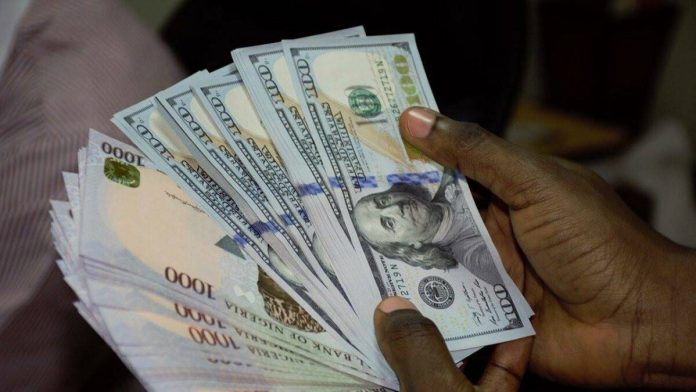
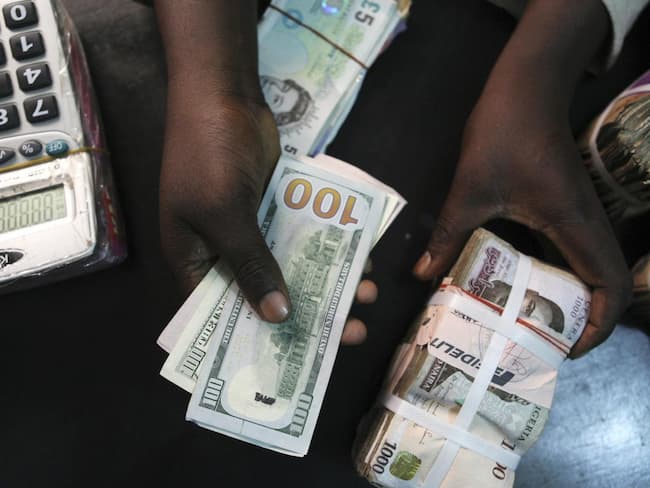
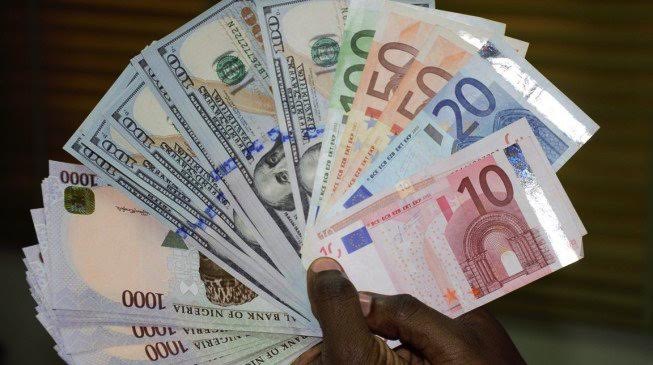
The exchange rate between the Naira and the US dollar, according to the data released on the FMDQ Security Exchange, the official forex trading portal, showed that the naira closed at 1440.00 per $1 on Monday, November 10th , 2025. The naira traded as high as 1434.00 to the dollar at the investors and exporters (I&E) window on Sunday.

How much is a dollar to naira today in the black market?

Dollar to naira exchange rate today black market (Aboki dollar rate):

The exchange rate for a dollar to naira at Lagos Parallel Market (Black Market) players sell a dollar for ₦1460 and buy at ₦1440 on Saturday 8th November, 2025, according to sources at Bureau De Change (BDC).

Please note that the Central Bank of Nigeria (CBN) does not recognize the parallel market (black market), as it has directed individuals who want to engage in Forex to approach their respective banks.

Dollar to Naira Black Market Rate Today

Dollar to Naira (USD to NGN)Black Market Exchange Rate Today
Selling Rate₦1460
Buying Rate₦1440

Dollar to Naira CBN Rate Today

Dollar to Naira (USD to NGN)CBN Rate Today
Highest Rate₦1438
Lowest Rate₦1434

Please note that the rates you buy or sell forex may be different from what is captured in this article because prices vary.

Nigerian Stocks Tumble As Investors Lose ₦2.83 Trillion In One Week

NGX Records N256bn Loss Last Week

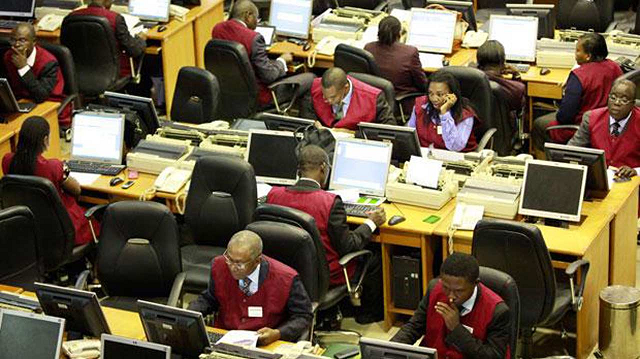
The Nigerian Exchange (NGX) closed last week in negative territory as sustained sell pressure wiped out ₦2.83 trillion from investors’ holdings, reducing total market capitalization to ₦94.99 trillion.

The All-Share Index (ASI) dropped by 2.99% to 149,524.81 points amid profit-taking and caution triggered by geopolitical tensions surrounding the U.S.–Nigeria diplomatic standoff.

According to Cowry Asset Management, the loss represents a 2.99% contraction in investors’ wealth over five trading sessions, though the market still maintains an impressive year-to-date gain of 45.27%.

Market breadth heavily favoured the bears, with 20 gainers against 75 losers, indicating widespread negative sentiment. Trading activity also slowed, with total deals down 8.82% to 145,518, while traded volume and value plunged by 52.19% and 26.4% to 3.58 billion units and ₦107 billion, respectively.

Sectoral performance was broadly weak, led by the banking sector’s 3.85% decline following selloffs in major tier-one stocks. The Insurance Index fell by 7.56%, while Consumer Goods and Oil & Gas indices declined 2.54% and 4.80%, respectively. Industrial Goods and Commodities also recorded mild drops of 1.09% and 1.63%.

Despite the overall bearish sentiment, selective buying supported a few gainers, including NCR (+20.9%), EUNISELL (+20.2%), UNIONDICON (+9.9%), HONYFLOUR (+9.5%), and UPDC (+6.8%).

On the flip side, SOVRENINS (-28.2%), CILEASING (-20.2%), SKY AVN (-19%), BERGER (-17.4%), and INTENEGINS (-17%) topped the losers’ chart amid weak retail participation.

Analysts said the market may remain cautious in the coming weeks as investors continue profit-taking while monitoring inflation trends, exchange rate stability, and corporate earnings updates.

Cowry Asset advised investors to focus on fundamentally strong and defensive stocks that can withstand short-term volatility, noting that underlying market fundamentals remain relatively stable despite temporary pullbacks.

Nigeria’s Foreign Currency Inflow Surges 62% to $5.15 Billion

Nigeria's FX Market

Foreign currency inflows into Nigeria rose sharply in October 2025, reaching $5.15 billion — the highest in five months — as renewed investor confidence spurred capital movement into the economy, data from FMDQ revealed.

The October figure represented a 62.2% increase compared to September’s $3.18 billion inflow, underscoring growing foreign participation in Nigeria’s financial markets, particularly through the Central Bank of Nigeria’s (CBN) Open Market Operations (OMO) auctions.

MarketForces Africa reported that the apex bank conducted six OMO auctions during the month, raising over ₦7 trillion from both local deposit money banks and foreign investors.

Analysts said elevated yields on OMO instruments continued to attract offshore investors, strengthening U.S. dollar inflows and boosting the naira’s stability in the FX market.

Cordros Securities Limited, in a market note, explained that the increase in inflows reflected improved sentiment among both domestic and foreign investors amid expectations of monetary policy easing across global markets.

Foreign inflows accounted for 64.5% of total receipts, surging 89.7% month-on-month to $3.32 billion, driven by a rebound in Foreign Portfolio Investments (FPIs) — up 120.7% — and higher inflows from corporate entities.

Meanwhile, domestic inflows expanded 28.4% due to a sharp 370.6% jump in individual contributions and a 30.8% rise from other corporates. Exporters’ inflows also climbed 7.2%, though CBN inflows fell by 59.6% due to reduced intervention.

Cordros projected that total FX inflows will remain robust in the near term, supported by attractive carry-trade opportunities and sustained investor confidence in Nigeria’s improving market outlook.

Ethereum Rises Over 4% After Steep Sell-Off as Investors Return

Ethereum, the world’s second-largest cryptocurrency, staged a strong comeback on Sunday, gaining over 4% in 24 hours after a week of heavy sell pressure that pushed its market capitalization below $400 billion.

Trading volume spiked to $26.4 billion during intraday sessions as ETHUSD rallied past $420 billion in market value, reversing last week’s 9% loss. Ethereum’s 4.28% gain outpaced Bitcoin’s 1.6% rise and the broader crypto market’s 2.18% uptick.

Analysts attributed the rally to renewed investor confidence following bullish exchange-traded fund (ETF) inflows and an improvement in global liquidity conditions.

Institutional demand strengthened as Ethereum recorded about $3 billion in new weekly inflows, signaling sustained participation from large investors.

The rebound also followed the announcement of a strategic partnership between Mastercard and MetaMask to launch a self-custody crypto payment card. The new solution enables Ethereum users to spend their digital assets at more than 150 million merchants worldwide, bridging the gap between decentralized finance and traditional banking.

Market observers described the collaboration as a milestone in digital finance integration, potentially accelerating global crypto adoption and stablecoin transactions.

Ethereum’s rebound gained further traction amid broader optimism about fiscal policy developments, including speculation surrounding new economic stimulus measures in the U.S.

Ogun Commissioner Reiterates Call For Tech Investment

The Commissioner for Education, Science and Technology in Ogun State has called for increased investment in the science and technology sector. He emphasized the role of innovation in driving the state’s future economic growth.

Speaking at a recent event, the commissioner stressed that the world is entering a new era defined by scientific discovery and tech innovation. He noted that states which embrace these trends are succeeding globally.

He highlighted the need for funding and support for research, laboratories, and technical training programs. He added that investing in science and technology would enhance competitiveness, create jobs, and strengthen local industries.

According to the commissioner, government, educational institutions, and private firms must collaborate to unlock opportunities in areas such as artificial intelligence, green energy, and digital manufacturing. He said that younger Nigerians stand to benefit most if skill-development pathways are aligned with future jobs.

He confirmed that the state has begun strategic planning for science and technology infrastructure and will seek partnerships with global innovation hubs and investors.

Investors Flock To Nigerian Bonds Amid Stock Market Downturn

FGN Bond For Jan. 2021 Oversubscribed

Nigeria’s fixed-income market experienced a surge in investor activity last week as appetite for Federal Government of Nigeria (FGN) bonds intensified, leading to a notable decline in benchmark yields.

Analysts observed that investors, seeking stability amid heightened volatility in both local and global equities, redirected capital toward longer-tenured government debt instruments.

Trading in the secondary market reflected a bullish tone as yields compressed by approximately 12 basis points week-on-week, closing at an average of 15.77%, according to Cowry Asset Limited.

Market participants pointed to increasing demand for mid-to-long-term bonds following signals from recent treasury bills auctions, suggesting potential repricing ahead of the November FGN bonds sale.

Investment firms reported that bonds maturing in 2027, 2028, and 2029 saw yields drop to between 15.42% and 15.83%, while those expiring in 2032, 2033, and 2034 traded around 15.70%, 15.68%, and 15.4%, respectively, AIICO Capital Limited noted.

Although activity at the long end — including the 2035, 2042, 2045, 2050, and 2053 maturities — remained subdued, market analysts said the trend signals a growing preference for duration exposure.

They attributed the rally to expectations of yield stability, capital gains, and sustained system liquidity supported by the Central Bank of Nigeria.

“Given strong participation from institutional investors, particularly pension funds and asset managers, we expect the bullish momentum in the bond market to persist,” analysts explained.

They added that investors are positioning strategically ahead of the upcoming primary auction, capitalizing on attractive yields and expectations of moderating inflationary pressures.

Russelsmith And DICON Partner To Advance Nigeria’s Defence Manufacturing Capabilities

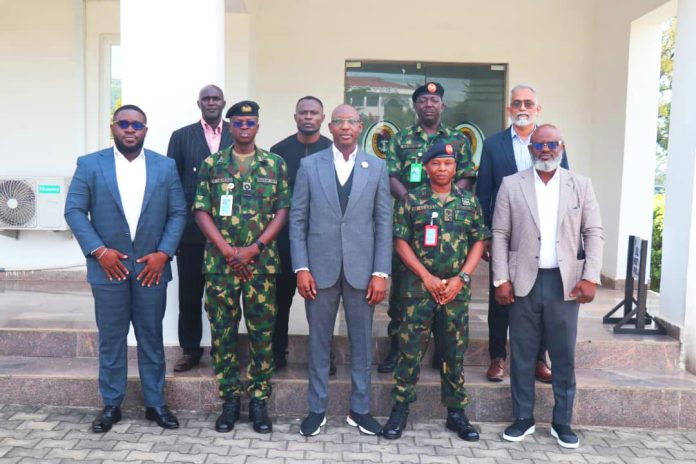
RusselSmith Nigeria Limited, an ISO-certified provider of innovative asset integrity and advanced manufacturing solutions for critical industries in Africa, has signed a strategic Memorandum of Understanding with the Defence Industries Corporation of Nigeria (DICON) to strengthen local production capability for defence equipment and components.

Through this partnership, DICON and RusselSmith will advance the local development and production of industrial and military-grade additively manufactured products for critical defence systems. This also supports the implementation of the DICON Act 2023 and aligns with the Federal Government’s directive to promote indigenous technology and industrial participation in national security infrastructure.

It is a significant milestone in Nigeria’s pursuit of industrial self-sufficiency and defence modernisation. By combining RusselSmith’s expertise in industrial additive manufacturing with DICON’s established role as the nation’s defence production authority, the partnership will enable local manufacturing of high-performance parts, tools, and assemblies used in military applications.

The collaboration will also focus on developing the local ecosystem for advanced manufacturing materials, including the production of metal powders and filaments that meet the stringent quality standards required for defence and aerospace operations.

Speaking at the event, Maj.-Gen. Babatunde  Alaya, Director-General of DICON, emphasised the importance of the DICON Act 2023 in enabling such strategic partnerships:

“This strategic alliance with RusselSmith is a monumental step in the actualisation of the Military Industrial Complex.
It is the direct result of the legal framework provided by the DICON Act 2023, and I must thank the President, Bola Tinubu, for assenting to this pivotal legislation.”

The Director-General also expressed appreciation to the Minister of Defence, the Minister of State for Defence, the Chief of Defence Staff, and the Service Chiefs for their continuous guidance and unwavering support to DICON, which facilitated its achievements.

“My full support is behind this initiative as it promises to be a game-changer for our national security architecture,” he said.

Also speaking at the event, Kayode Adeleke, CEO of RusselSmith, reaffirmed RusselSmith’s commitment to supporting the partnership, stating:

“We are proud to partner with DICON on this forward-looking initiative that strengthens Nigeria’s defence industrial base. This partnership will build local capacity for high-value manufacturing and enhance our ability to deliver quality, precision, and reliability through the use of advanced 3D manufacturing technologies.

Together, we are laying the foundation for a new era of indigenous defence innovation and industrial capability, taking a practical step towards sustainable innovation that benefits the country’s broader industrial ecosystem.”

By integrating additive manufacturing into defence production, the partnership will reduce supply chain vulnerabilities, enable on-demand fabrication, and create opportunities for research, local content growth, and regional collaboration.

Speaking to the press, Maria Sambo, Public Relations Officer of DICON, noted:

“In a significant stride towards technological self-reliance and the realisation of Nigeria’s Military Industrial Complex (MIC), DICON and Russel Smith have signed a landmark Memorandum of Understanding (MoU).
The strategic move is to advance the local production of additive materials for the manufacturing of critical defence equipment.”

She added that the collaboration “marks the direct implementation of the DICON Act 2023,” explaining that it empowers DICON to engage with local expertise to strengthen national security through indigenous production.

“At the heart of this MoU is the adoption of Additive Manufacturing (AM), also known as industrial 3D manufacturing, which will revolutionise DICON’s production capabilities,” Sambo stated. “Additive manufacturing technologies enable rapid, on-demand, and localised fabrication of complex components using high-performance materials such as metal alloys and advanced polymers.”

The signing ceremony, which took place on October 20, 2025, was attended by senior executives from both organisations and reflects a shared commitment to developing indigenous capacity in the defence and manufacturing sectors.

About RusselSmith

RusselSmith is an ISO-certified company providing innovative solutions that strengthen operational resilience and drive sustainable development across critical sectors in Africa. With a focus on asset integrity and advanced manufacturing, RusselSmith helps businesses improve uptime, reliability, and supply chain efficiency.
To learn more, visit: www.russelsmithgroup.com

About DICON

The Defence Industries Corporation of Nigeria (DICON) is the country’s premier defence manufacturing organisation, mandated to produce military and paramilitary hardware and support national defence through research, design, and local production. Established in 1964, DICON continues to play a vital role in advancing Nigeria’s military industrial capacity and supporting the country’s defence modernisation goals.

To learn more, visit: https://dicon.gov.ng/

US Government Shutdown Forces Widespread Flight Cancellations

The U.S. aviation sector is experiencing major disruptions amid the ongoing federal government shutdown. On Sunday, authorities recorded more than 2,800 cancellations and over 10,000 delays nationwide.

The Federal Aviation Administration (FAA) has mandated flight reductions across 40 major airports. Indicators show staffing shortages among air traffic controllers continue to impair operations.

Travelers and businesses are now facing uncertainty ahead of the peak holiday season. Some logistics and cargo firms warn that the delays and cancellations could ripple through global supply chains.

PenCom Pledges Full Gratuity Payments By December, Bringing Relief To Retirees

The National Pension Commission (PenCom) has assured Nigerian retirees that all outstanding gratuities and arrears will be settled by December 2025.

PenCom’s Director-General, Omolola Oloworaran, announced the commitment at a workshop in Owerri organised alongside the National Salaries, Incomes and Wages Commission (NSIWC). She said the recently approved ₦758 billion bond will be converted into cash to facilitate immediate payment of retirees’ dues.

She further stated that President Bola Tinubu’s approval of the bond demonstrates the government’s dedication to improving the welfare of retired workers. The proposed benefit adjustment aims to raise pension coverage from 75 percent to 100 percent of final salary.

Retirees represented by the Nigeria Union of Pensioners Contributory Pension Scheme Sector have welcomed the announcement and thanked the government for recent payments up to October. They urged prompt action to keep the momentum going.

For the broader pension industry, the pledge marks a significant milestone in delivering long-promised reforms. But full success will depend on the timely conversion of the bond, transparent implementation and ongoing oversight.

Davido Eyes Movie Debut, Targets Role As Taxi Driver

Davido Donates N234m To 424 Orphanages

Nigerian music star Davido recently revealed his ambition to break into acting. He made the disclosure at the 14th Africa International Film Festival (AFRIFF) in Lagos

During a panel discussion, Davido said he wants to play roles that surprise his audience. He mentioned an idea of portraying a taxi driver — a character far removed from his public persona. He also confirmed plans to produce films in the coming years.

Davido explained that his interest spans acting and production. He said he plans to create movies and series based on real-life African stories. He noted that many global musicians have moved into film and television and he wants to follow that path.

For Nigeria’s creative economy, Davido’s move signals growing convergence between music and film. Artists are increasingly leveraging their brands to build multi-platform entertainment businesses. This trend creates opportunities for investment in talent, production studios and global content distribution.

Observers say the transition from music to film can boost job creation and export potential. If high-profile musicians like Davido succeed in acting and production, they may attract foreign partnerships and help scale the Nigerian film industry.

BizWatchNigeria.Ng
Privacy Overview

This website uses cookies so that we can provide you with the best user experience possible. Cookie information is stored in your browser and performs functions such as recognising you when you return to our website and helping our team to understand which sections of the website you find most interesting and useful.