Week 52 Pool Fixture for Sat 2, July 2022: Aussie 2022
Week 52 pool results 2025: Football pools results, live football pool result today, pool result today saturday matches, pool results for this week, british and aussie pool result, football pools results and fixtures, pools panel results today, pool panel results and live score pool result today. We publish half-time results first of its kind.
Week 52 Pool Results: Football pools results for this week 52 2025 are published on this website immediately after full-time confirmation of live score results. We also publish the outcome of postponed matches by the football pools panel at half-time as decided by the football pools. This week’s Week 52 Pool Results are made available in partnership with Bizwatch Nigeria. Stay tuned for reliable and accurate updates throughout the week.
Yields on Nigerian Treasury bills slid last week in the secondary market after the Central Bank of Nigeria (CBN) declined to allot more than the offered amount at its latest auction, despite a surplus of investor interest totaling ₦1.071 trillion.
The move triggered heightened trading activity among investors who missed out at the primary market, pushing up demand and sending yields downward. Cordros Capital stated that the average yield fell by 13 basis points to 20.5% as unmet bids flooded the secondary market.
At the auction, the CBN offered a total of ₦162.02 billion: ₦22.02 billion in 91-day paper, ₦40 billion in 182-day bills, and ₦100 billion in one-year bills. Subscriptions totaled ₦1.23 trillion, slightly down from the previous ₦1.31 trillion.
Despite the high interest, the CBN stuck to its offer, allotting ₦37.98 billion for the 91-day maturity, ₦40.54 billion for the 182-day, and ₦83.5 billion for the 364-day bills. This translated to a bid-to-offer ratio of 7.6x—significantly higher than the 2.9x ratio in the prior auction.
As a result, stop rates adjusted downward. The 91-day bill settled at 17.80% (down 18 bps), the 182-day at 18.35% (down 15 bps), and the 364-day bill dropped to 18.84% from 19.35%.
Simultaneously, the CBN conducted an OMO auction offering ₦600 billion split evenly between 155-day and 204-day instruments. Demand surged to ₦1.15 trillion, prompting the CBN to allot ₦1.07 trillion. Stop rates were set at 24.20% for 155-day and 24.59% for 204-day OMO bills.
However, the secondary market responded with a 75 basis points increase in average OMO yields to 26.7%, as investors offloaded positions to realign with the primary auction.
With continued investor interest in short-term government securities and the CBN’s strategic allotments, analysts predict more pricing adjustments in the coming sessions, especially as maturing instruments pump liquidity back into the system.
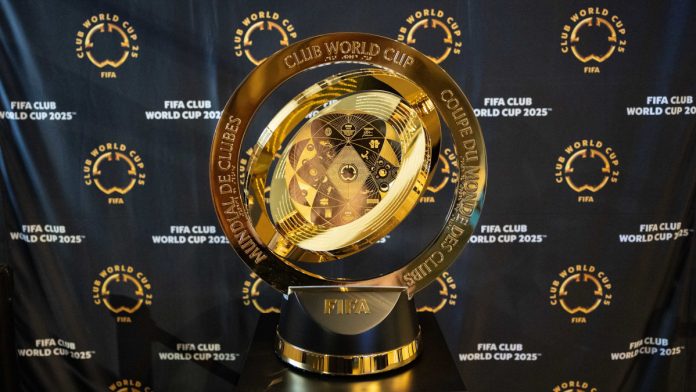
CHARLOTTE, NORTH CAROLINA - MAY 17: The FIFA Club World Cup Trophy is seen at Bank of America Stadium on May 17, 2025 in Charlotte, North Carolina. (Photo by Jacob Kupferman - FIFA/FIFA via Getty Images)
Let’s be honest—football fans might argue all day over which league is the toughest, which derby is the fiercest, or which goal broke the internet. But when it comes down to crowning the best football club on the planet, the FIFA Club World Cup settles the debate, at least for a moment. This tournament, a melting pot of champions from every continent, has had its fair share of glory, heartbreak, and unforgettable drama.
So, who’s ruled the world, literally? Let’s take a winding walk through history—club by club, title by title—with a few eyebrow-raising facts along the way.
Real Madrid: The Kings of the Club World
Let’s start at the top, because why bury the lede?
Real Madrid has lifted the FIFA Club World Cup trophy five times—more than anyone else. And they didn’t just sneak in; they owned the 2010s. Their wins came in 2014, 2016, 2017, 2018, and 2022, mostly during the reign of their Champions League dynasty. Remember that Cristiano Ronaldo era? That team steamrolled everyone, everywhere, and their Club World Cup dominance just felt inevitable.
You could say the trophy practically lived in Madrid for a decade. Not many clubs can say that about any international competition.
Barcelona
Trailing just behind their eternal rivals, Barcelona has bagged three titles—in 2009, 2011, and 2015. These weren’t just wins; they were masterclasses. Prime Messi, Xavi, and Iniesta? It was like watching football played in another dimension.
What’s wild is that every one of those wins came under managers who believed in total football. And here’s a kicker: Pep Guardiola was in charge for two of them. Yep, we’ll talk about him more in a bit.
English Giants
The Premier League’s big boys took a while to warm up to the Club World Cup, but once they did, they made it count.
Manchester United claimed the crown back in 2008.
Liverpool, after their wild ride under Klopp, won it in 2019—a year when they looked unbeatable.
Chelsea got theirs in 2021, grinding out a win over Palmeiras after years of trying.
And Manchester City? They finally added it to their stacked trophy cabinet in 2023, beating Fluminense after sweeping through Europe. Pep again. That man has a monopoly on this trophy.
Bayern Munich
Let’s talk German precision. Bayern Munich won in 2013 and again in 2020. And honestly, both wins felt like box-checking. No drama, no fuss—just efficient, ruthless football.
In 2020, they capped off a perfect year, winning everything in sight. UCL, Bundesliga, DFB-Pokal—and the Club World Cup was the cherry on top. Flick’s machine was firing on all cylinders, and it showed.
South American Clubs
Europe doesn’t always dominate. Remember Corinthians in 2012? They stunned Chelsea—a reminder that South American clubs can absolutely match Europe’s finest when it matters most.
Then there was São Paulo in 2005, taking down Liverpool. Internacional followed in 2006, beating Barcelona no less. If you’re sensing a trend, you’re not wrong—Brazilian clubs have had their golden moments, especially when the European sides underestimated them (or just hadn’t shaken off the jet lag).
Let’s not forget Internazionale in 2010 and AC Milan in 2007—Italian powerhouses at their peak. Those wins meant a lot in an era when Serie A still felt like the center of the football universe.
Most Trophies By A Coach -Pep Guardiola
Now, let’s take a detour—because it’s not just clubs that leave a mark. Pep Guardiola has more Club World Cup wins than any other manager. Four, to be exact:
2009 and 2011 with Barcelona
2013 with Bayern Munich
2023 with Manchester City
It’s honestly ridiculous. If the Club World Cup had a Hall of Fame, Pep would be the first name carved in stone. He’s not just winning; he’s shaping football history in the process.
What Happened in 2024?
Funny you ask. Nothing. FIFA hit the pause button in 2024 to prep for the new, expanded format launching in 2025. Instead of the usual 7-team tournament, it’s ballooning into a 32-team spectacle—kind of like the World Cup itself but for clubs.
It’ll be held every four years, so expect more global flavor, more chaos, and—let’s be honest—more commercial appeal. Whether it adds prestige or dilutes the magic, we’ll have to wait and see.
The Complete Winners List
Here’s your trophy sheet, from 2000 till now:
2023: Manchester City def. Fluminense
2022: Real Madrid def. Al-Hilal
2021: Chelsea def. Palmeiras
2020: Bayern Munich def. UANL
2019: Liverpool def. Flamengo
2018: Real Madrid def. Al-Ain
2017: Real Madrid def. Gremio
2016: Real Madrid def. Kashima Antlers
2015: Barcelona def. River Plate
2014: Real Madrid def. San Lorenzo
2013: Bayern Munich def. Raja Casablanca
2012: Corinthians def. Chelsea
2011: Barcelona def. Santos
2010: Internazionale def. TP Mazembe
2009: Barcelona def. Estudiantes
2008: Manchester United def. LDU Quito
2007: AC Milan def. Boca Juniors
2006: Internacional def. Barcelona
2005: São Paulo def. Liverpool
2000: Corinthians def. Vasco da Gama
Does the Club World Cup Really Matter?
Some argue it’s just a shiny afterthought to the Champions League. Others swear by the bragging rights of global supremacy. For players from smaller confederations, it’s the biggest stage they’ll ever see. For European giants, it’s the final jewel in a trophy-laden season.
But one thing’s for sure—every year it’s played, only one team can say they’re the best club on Earth.
In a move that signals a major shift in user experience, Meta Platforms has officially begun rolling out advertisements on WhatsApp—one of the world’s most widely used messaging platforms. Long cherished for its simplicity and privacy, WhatsApp is entering a new era where light advertising will now form part of the ecosystem.
For over a decade, WhatsApp users have enjoyed an ad-free space for private messaging and voice calls. But that’s set to change, albeit gradually, as Meta looks to monetize the app more strategically. The company has clarified that these ads will not infiltrate personal chats. Instead, they’ll be confined to a newly targeted section of the platform.
Where Will Ads Appear on WhatsApp?
Meta is introducing ads exclusively in the “Updates” tab, which houses WhatsApp Statuses and Channels. According to the company, this feature sees over 1.5 billion daily views, making it a ripe space for content discovery and commercial engagement.
Here are the key updates users can expect:
Status Ads: Businesses will now be able to display promotional content through 24-hour disappearing Stories, similar to Instagram or Facebook Stories.
Boosted Channels: Channel admins will have the option to pay for increased visibility within the WhatsApp directory, helping them grow their audiences more efficiently.
Subscription Channels: For the first time, WhatsApp will support paid Channels, allowing users to subscribe for exclusive content from influencers, brands, or communities.
Meta assures users that these changes are strictly limited to the Updates section, leaving the core messaging and group chat features unaffected—for now.
Privacy Concerns Still Loom
Even as Meta moves forward with monetization, the company continues to insist that user privacy remains sacrosanct. The end-to-end encryption that WhatsApp is famous for remains in place. Ads, Meta says, will not be based on users’ messages, voice calls, or group activity.
Instead, ad targeting will rely on non-intrusive metrics such as:
Geographic location (country or city)
Language preferences
Channels followed
Engagement patterns with public content
Users who have connected WhatsApp to Meta’s broader Accounts Center could see slightly more tailored ads. However, the company reiterated that phone numbers will not be shared with advertisers under any circumstance.
A Departure From WhatsApp’s Original Vision
The decision to introduce ads starkly contrasts with WhatsApp’s founding philosophy. Co-founder Brian Acton famously posted a note on his desk that read, “No Ads! No Games! No Gimmicks!” The company blog echoed a similar sentiment in 2012: “When advertising is involved, you, the user, are the product.”
Even after Facebook acquired WhatsApp in 2014 for $19 billion, then-CEO Mark Zuckerberg and WhatsApp’s founders promised that the app wouldn’t be monetized with ads. But priorities have since shifted.
According to Will Cathcart, Head of WhatsApp, these changes are part of a broader transformation in how people consume content. He describes the Updates tab as a natural evolution, in line with how other platforms like Telegram and Snapchat have leveraged private spaces for business growth.
Will This Erode User Trust?
With the recent permanent addition of a Meta AI assistant button and now the introduction of advertising, many users feel WhatsApp is slowly losing the intimate, minimalistic feel it once offered.
Still, Cathcart insists that the average user won’t notice any significant change—unless they actively explore the Updates section. Messaging, voice notes, and group chats will remain uninterrupted and private.
Opportunities for Businesses and Creators
While regular users may lament the rise of ads, this development creates new opportunities for small businesses and content creators. Unlike traditional advertising, WhatsApp’s model is more discreet, integrated through status updates and channel promotion.
Currently, Meta does not charge fees for creators to operate subscription channels, which means more Nigerian entrepreneurs and digital creators may find new ways to monetize their following without heavy costs. The potential for hyper-local promotion through Status ads could also help microbusinesses engage with nearby communities more effectively.
What Comes Next?
As WhatsApp gradually evolves into a platform that supports commercial discovery, users will need to recalibrate their expectations. The sanctity of private conversations remains protected—for now—but the door to monetization has been opened.
Whether this enhances or erodes the overall WhatsApp experience remains to be seen. But one thing is clear: the green icon we’ve long known as a safe space for uninterrupted communication is entering a new, commercially aware phase.
The Central Bank of Nigeria’s (CBN) aggressive liquidity tightening strategies have significantly impacted money market rates, pushing short-term borrowing costs to new highs. As banks brace for fresh FAAC inflows, average system liquidity plummeted from ₦986.49 billion to ₦180.96 billion, sparking a sharp rise in overnight funding rates.
According to FMDQ data, the open repo rate climbed 167 basis points to 28.17%, while overnight lending rose 193 basis points to 28.92%. Analysts attribute the tightening to the CBN’s recent actions, including cash reserve ratio (CRR) debits and a heavily subscribed ₦600 billion Open Market Operations (OMO) auction that drew ₦1.15 trillion in bids.
The apex bank eventually allotted ₦1.07 trillion in OMO bills, absorbing liquidity and spiking funding costs. Although a maturity of ₦985.88 billion briefly eased conditions midweek, subsequent outflows from cross-currency repayments, FX settlements, and net Treasury bill funding totaling ₦134.8 billion reignited liquidity pressures, according to AIICO Capital.
Cordros Capital reported that a combined ₦2.07 trillion in outflows—₦1.07 trillion from OMO and ₦1 trillion via FX swaps—overwhelmed the inflows from maturing OMO and NT-bills. Consequently, the market closed with a net long liquidity position of ₦780.22 billion, down from ₦986.79 billion a week earlier.
The CBN’s liquidity management was further evidenced by heavy traffic at its Standing Deposit Facility window, which averaged ₦872.98 billion throughout the week.
Market watchers suggest that short-term benchmark rates may remain elevated, close to the 28% mark, until a wave of inflows—₦1.12 trillion in FAAC disbursements, ₦283.79 billion in maturing Treasury bills, and ₦216.76 billion in bond coupon payments—enters the financial system.
Unless the CBN launches another liquidity mop-up operation, analysts expect these inflows to provide substantial relief and restore balance to the money market in the coming week.
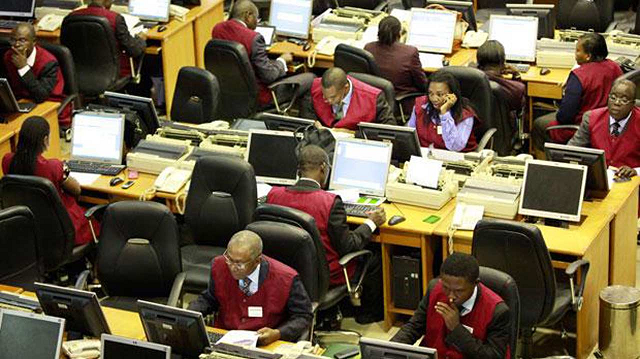
The Nigerian stock market continued its upward trajectory last week, with investors raking in a substantial ₦1.75 trillion in market value, signaling increasing confidence in key sectors. The Nigerian Exchange (NGX) All-Share Index (ASI) climbed by 2.35% week-on-week to an all-time peak of 118,138.22 points, bolstered by renewed bullish sentiment.
Despite a rocky start to the week due to a regulatory directive from the Central Bank of Nigeria (CBN) that restricted dividend payouts and new offshore investments by banks with compliance issues, market momentum was quickly restored. Cowry Asset Limited disclosed that the restrictions were aimed at financial institutions violating the Single Obligor Limit or those with unresolved COVID-19-era forbearance loans.
Initial panic sparked a brief selloff in banking stocks, but subsequent reassurances from affected lenders and a confidence-boosting statement from the apex bank affirming the sector’s soundness reversed the downward trend.
The market’s resurgence saw its total capitalisation expand by 2.40%, closing at ₦74.53 trillion. The year-to-date return on the ASI rose to 14.78%, demonstrating resilience amid economic and policy fluctuations.
Investor engagement reached new highs, as turnover data reflected a 65.62% surge in traded volume to 3.39 billion shares and a 114.52% jump in value to ₦108.72 billion. The total number of deals executed soared by 47.79% to 95,625.
Sectoral indices were broadly bullish. The Oil & Gas Index led gains at 5.27%, driven by strong performances from SEPLAT and MRS. The Commodity Index rose 4.37%, while the Banking Index advanced by 3.58%, buoyed by renewed investor interest in GTCO and Stanbic IBTC.
Other sectors posting solid gains included Insurance (+2.37%) and Consumer Goods (+2.16%), driven by movements in Custodian and Ellah Lakes. However, the Industrial Goods Index dipped by 0.36%, weighed down by losses in John Holt, Enamelware, RTBriscoe, and Dangote Cement.
Top weekly gainers included Ellah Lakes (+56.8%), LEGEND (+48.3%), BERGER (+41.5%), LivingTrust (+30.8%), and FIDSON (+28.9%). Decliners were led by NNFM (-25.5%), JOHNHOLT (-18.4%), VFDGROUP (-13.8%), SUNUASSUR (-12.8%), and CONOIL (-12.6%).
Looking ahead, Cowry Research anticipates a possible liquidity boost in the equities space due to over ₦283 billion in maturing NT-bills and the absence of a new auction. Additionally, dividend season and undervalued equities may spur further buying activity. However, analysts advised a cautious, fundamentals-focused strategy amid continuing macroeconomic uncertainties.
As many Nigerians continue to embrace digital savings platforms like Piggyvest, Cowrywise, Opay, and Fairmoney, it’s become clear that while these apps offer secure savings options with modest interest rates, they may not deliver the kind of financial growth needed to outpace inflation or currency depreciation.
In an economy grappling with high inflation and a fluctuating naira, mutual funds are emerging as a powerful investment tool for Nigerians seeking to preserve value and grow wealth over time.
Think of a mutual fund as a shared investment pool managed by finance professionals. These managers allocate funds into a mix of assets—like stocks, bonds, and other securities—ensuring diversification and reduced individual risk. Investors buy units of the fund, and their returns are tied to the collective performance of the underlying assets. It’s a simplified, low-effort entry point into expert-managed investing—even for beginners with small capital.
In 2024, equity-focused mutual funds recorded an average return of 49.6%, far exceeding returns from fixed deposits and money market funds. With the Monetary Policy Rate (MPR) steady around 27.5% and inflation surging past 35% by the end of the year, more Nigerians have turned to mutual funds to secure better real returns on their investments.
With minimum buy-ins as low as ₦5,000, these funds offer a blend of affordability, professional oversight, and easy access via mobile investment apps—making them ideal for both new investors and experienced portfolio holders.
1. Stanbic IBTC Aggressive Fund
The Stanbic IBTC Aggressive Fund, which allocates up to 90% of its assets to equities, recorded an impressive 49.9% return in 2023. Tailored for long-term investors with a high risk appetite, this fund thrives when the Nigerian stock market performs well. However, its volatility means potential losses during downturns. It’s ideal for investors with a 5 to 10-year horizon who are comfortable with market swings.
This fund blends Sharia-compliant equities with stable fixed-income instruments and posted a 30.89% return in Q1 2024. With a focus on ethical investing, it’s suitable for those avoiding interest-bearing assets. Its balanced composition tempers risk, although its equity exposure means investors should expect some volatility.
👉 Where to invest: Available on Cowrywise app.
3. ARM Fixed Income Fund
Catering to conservative investors, the ARM Fixed Income Fund targets quality government bonds and corporate debt. It delivers consistent annual yields of 12%–15% and offers lower volatility compared to equity-focused alternatives. While it lacks explosive growth potential, it’s an excellent option for stable, passive income.
👉 Buy via: Piggyvest.
4. Chapel Hill Denham Nigeria Dollar Income Fund
This fund is structured around U.S. dollar-denominated fixed-income assets, offering a hedge against naira devaluation and foreign exchange volatility. Investors benefit based on the performance of these dollar-backed securities. Ideal for those looking to protect their capital and diversify across currencies, it requires access to foreign exchange.
👉 Platform: Invest Naija
5. Halo Equity Fund
Managed by Halo Asset Management, this fund has delivered standout performance—110.79% YTD in January 2025 following a 98.91% gain in 2024. With a narrow bid-ask spread of just 0.82% and a ₦16.6 billion fund size, it focuses on high-performing equities, offering lucrative gains alongside significant risk.
Striking a balance between equities and fixed-income assets, this fund aims for both capital growth and income generation. With a moderate risk profile and a minimum entry of ₦10,000, it’s ideal for investors seeking less volatility. It requires a 180-day holding period and has been recognised by Business Day as a top performer.
👉 Where to buy: Cowrywise
7. GTCO Equity Income Fund
The GTCO Equity Income Fund is structured around high-yield, blue-chip stocks on the Nigerian Exchange, combined with fixed-income investments to offer a blend of income and long-term capital growth. It currently delivers an average return of 13%, making it one of the most competitive equity-income funds available.
How to Get Started with Mutual Fund Investments in Nigeria
Entering the mutual fund market is easier than many Nigerians think. Begin by selecting a reputable investment platform—this could be a bank (such as Stanbic IBTC or Chapel Hill Denham) or a trusted fintech app like Cowrywise, PiggyVest, Bamboo, or Trove.
Set up an account using essential documents like your Bank Verification Number (BVN), National Identification Number (NIN), and a valid ID. After verification, fund your account through bank transfer or debit card. Browse available funds based on performance, risk level, and minimum entry amount. Once you identify a fund aligned with your goals and risk appetite, you can proceed to invest any desired amount above the minimum.
The key to successful mutual fund investing lies in aligning your choices with your financial objectives—whether you’re seeking steady returns, capital growth, or protection against inflation. Also consider whether you prefer naira-based funds or dollar-denominated alternatives, especially in light of Nigeria’s volatile FX market.
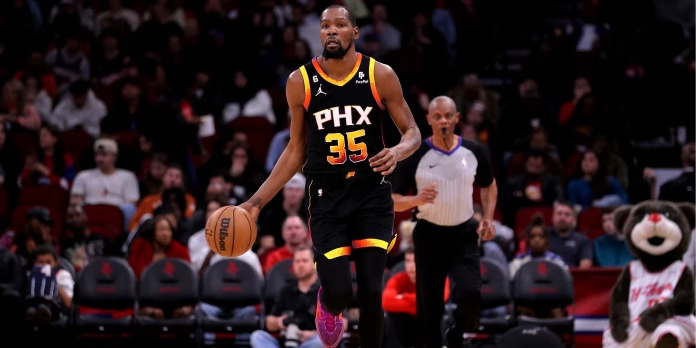
In a blockbuster deal that brings an end to weeks of mounting speculation, the Phoenix Suns have officially traded NBA superstar Kevin Durant to the Houston Rockets. The high-profile trade, finalized in principle but pending formal league approval, sends Durant to Houston in exchange for young guard Jalen Green, veteran forward Dillon Brooks, and a substantial collection of draft capital.
According to ESPN’s Bobby Marks, the transaction won’t be made official until July 6 due to timing restrictions tied to Green’s rookie-scale extension, which was signed last October. The deal also includes the Rockets’ No. 10 overall pick in the upcoming 2025 NBA Draft, as well as five future second-round draft selections that will reportedly extend through the year 2032, as first reported by NBA insider Jake Fischer.
Durant, 36, had previously narrowed his list of preferred trade destinations down to a final three, with Houston among them. Reports from ESPN’s Shams Charania indicated that the Suns were engaged in serious discussions with both the Rockets and the Miami Heat over the weekend, before ultimately finalizing the deal with Houston on Sunday morning.
The former MVP and 15-time All-Star learned of the completed trade while appearing live at the Fanatics Fest event in New York City.
“Joining the Houston Rockets is something I’m excited about,” Durant said. “It’s been a wild couple of weeks, but I’m relieved it’s done now.”
He confirmed that the Suns had allowed him input into the trade process. “They asked me where I’d prefer to land, and I gave them my list. Now, here we are,” Durant added.
Rockets Rebuild Accelerates With Durant’s Arrival
Durant becomes the latest marquee addition to a Rockets roster already loaded with promising young talent, including Amen Thompson and Alperen Şengün. With Green and Brooks heading to Phoenix, Durant will take on a veteran leadership role on a team expected to make a serious push into playoff territory in the 2025-26 season.
This latest trade officially ends Durant’s tenure with the Suns, which began in February 2023 when Phoenix acquired him from the Brooklyn Nets in a blockbuster deal that cost them Mikal Bridges, Cam Johnson, and four first-round draft picks.
Durant’s Stint in Phoenix: What Went Wrong?
Phoenix’s initial vision had been to pair Durant with franchise cornerstone Devin Booker in hopes of competing for a championship in the Western Conference. However, that dream never materialized. After recovering from a knee injury just in time for the 2023 postseason, Durant helped the Suns reach the second round, defeating the LA Clippers before falling to the eventual champions, the Denver Nuggets.
That run would mark the pinnacle of Durant’s stint in Arizona.
During the 2023-24 regular season — Durant’s only full campaign with the team — the Suns finished with a solid 49-33 record and clinched the sixth seed in the West. Despite Durant playing in 75 games and producing elite numbers, Phoenix was swept in the first round by the Minnesota Timberwolves.
A Disappointing Follow-Up Season and a Coaching Change
In 2024-25, the Suns’ performance sharply declined, finishing the season with a 36-46 record — good for 11th in the West and outside of playoff contention. That disappointing campaign led to the dismissal of head coach Mike Budenholzer after just one season at the helm.
Following Budenholzer’s exit, reports emerged that Phoenix would collaborate with Durant to find a suitable new destination. The Rockets, seen as an up-and-coming team looking to inject veteran experience, emerged as a fitting landing spot.
Durant’s Game Still Commands Respect
Though no longer in his MVP years, Durant remains one of the league’s most consistent and lethal scorers. During the 2024-25 season, he posted averages of 26.6 points, 6.0 rebounds, 4.2 assists, and 1.2 blocks per game. His shooting splits were stellar: 52.7% from the floor and 43% from beyond the arc.
Durant earned his 15th All-Star selection this past season and attracted interest from several championship contenders, including the Timberwolves and Heat, before ultimately being dealt to Houston.
A Shifting Landscape in the Western Conference
Durant’s move is the latest in a series of major shakeups reshaping the Western Conference. This season alone has seen Luka Dončić and Anthony Davis team up, De’Aaron Fox shipped to the San Antonio Spurs, and Jimmy Butler traded to the Golden State Warriors.
As the league heads into another turbulent offseason, Durant’s relocation to Houston could mark the beginning of a new era for both franchises.
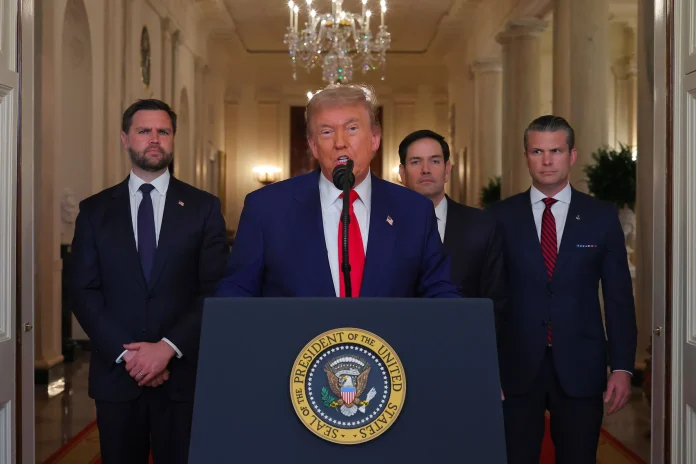
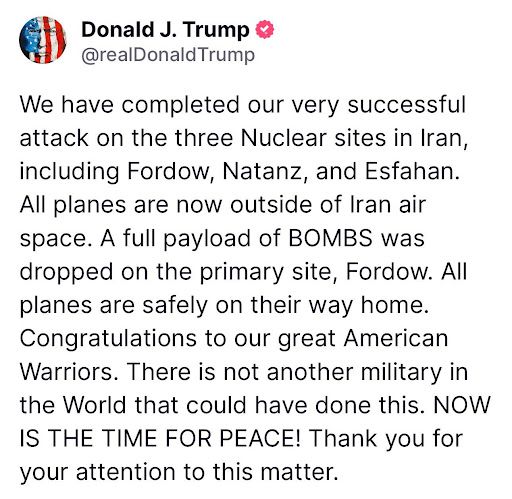
In a significant escalation of hostilities in the Middle East, former U.S. President Donald Trump has confirmed that American military forces executed precision airstrikes targeting three major nuclear facilities within Iran. The sites—located in Fordow, Natanz, and Isfahan—were struck in what Trump described as a “very successful” operation.
Announcing the mission via social media on Sunday morning, Trump stated, “We have completed our very successful attack on the three Nuclear sites in Iran. All planes are now outside of Iran air space. A full payload of BOMBS was dropped on the primary site, Fordow. There is not another military in the world that could have done this. Now is the time for peace.”
The surprise operation signifies direct American military engagement alongside Israel’s ongoing offensive, now entering its second week, aimed at dismantling Iran’s nuclear infrastructure. Trump labeled the airstrikes a “historic moment” and announced plans to deliver a formal address to the nation.
He further cautioned Tehran, asserting that Iran must “embrace peace” or face the possibility of additional military action.
Meanwhile, Iranian government-affiliated media, including the Tasnim News Agency, have confirmed the airstrikes, reporting that nuclear-related facilities in Fordow, Natanz, and Isfahan were impacted by what officials described as “enemy airstrikes.” Local authorities in the affected areas, including Qom Province crisis management spokesperson Morteza Haydari, acknowledged that the Fordow facility had sustained damage. Similarly, Akbar Salehi, a senior figure in Isfahan, confirmed hits near sensitive nuclear installations.
The airstrikes took place despite repeated public warnings from Iranian leadership. Supreme Leader Ayatollah Ali Khamenei had previously declared that any American military action would bring about “irreparable damage.” Iran’s Ministry of Foreign Affairs had also issued stern cautions, stating that any U.S. involvement would lead to “an all-out war in the region.”
This latest development underscores the volatile dynamics unfolding across the region, with Washington’s intervention signaling a potentially broader conflict if diplomatic avenues remain closed.
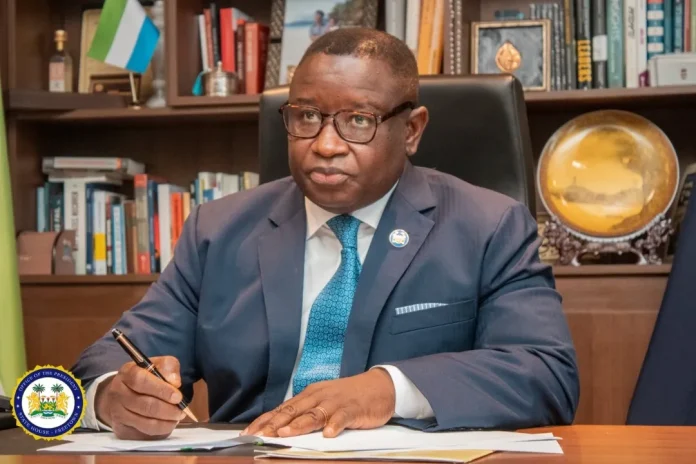
In a significant leadership transition for West Africa, Sierra Leone’s President Julius Maada Bio has been officially named the new Chairman of the Economic Community of West African States (ECOWAS) Authority of Heads of State and Government. The announcement was made during the 67th Ordinary Session of the regional bloc currently underway in Abuja, Nigeria’s capital.
President Bio’s emergence follows the conclusion of the tenure of Nigeria’s President, Bola Ahmed Tinubu, who had served as ECOWAS chairman for two consecutive terms. Tinubu formally handed over the reins of leadership to Bio at the high-level meeting, marking a new chapter for the regional body.
The appointment of President Bio comes at a crucial time for ECOWAS, which has been navigating complex security, economic, and democratic challenges across its member states. His leadership is expected to bring fresh perspectives to the regional bloc’s ongoing efforts to promote peace, political stability, and regional integration.
Further developments and resolutions from the ECOWAS summit are expected to be announced as the session progresses.
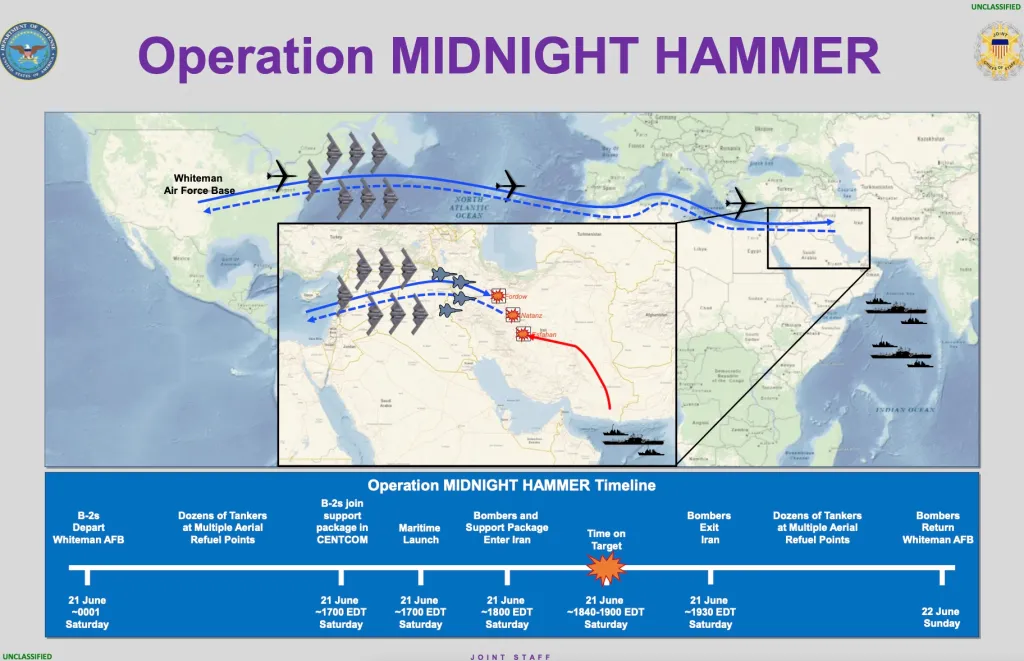
In a meticulously orchestrated operation shrouded in secrecy, the United States executed a full-scale military strike on key Iranian nuclear facilities, marking a significant escalation in tensions between Washington and Tehran.
Dubbed Operation “Midnight Hammer”, the offensive began under deceptive circumstances on Saturday. While a visible group of B-2 Spirit bombers departed from Missouri en route to Guam, military analysts speculated it was a possible show of force. However, the Pentagon has now confirmed these aircraft were merely a diversion.
The actual strike force—comprising seven low-observable B-2 stealth bombers—took a covert route flying eastward undetected for 18 continuous hours. According to U.S. defense officials, the mission maintained strict radio silence and included mid-air refueling to enable the aircraft to reach Iranian territory without detection.
As the bombers closed in on their targets, a U.S. Navy submarine launched more than 24 Tomahawk Land Attack Missiles, while American fighter jets flew ahead as decoys to identify and neutralize potential threats from Iranian air defenses.
The strike, targeting three major nuclear development complexes across Iran, is now being recognized as the largest B-2 bomber operation ever undertaken. It ranks second in duration only to the missions executed in response to the September 11 terrorist attacks.
Each bomber deployed two GBU-57 Massive Ordnance Penetrators—commonly known as “bunker busters”—with a payload of 30,000 pounds per bomb, designed specifically to obliterate fortified underground facilities. In total, the operation mobilized over 125 aircraft and multiple military assets, the Department of Defense confirmed.
General Dan Caine, Chairman of the Joint Chiefs of Staff, briefed reporters at the Pentagon on Sunday, hailing the mission as a “flawless tactical success.”
“Not a single Iranian fighter jet launched, and their missile systems remained blind to our presence,” said Caine. “This mission preserved complete surprise, a testament to our planning and execution.”
Initial assessments from the Pentagon indicate that the targeted nuclear facilities sustained extensive damage, potentially crippling Iran’s nuclear development infrastructure. However, Caine refrained from confirming whether the nation’s nuclear capabilities had been entirely dismantled.
Secretary of Defense Pete Hegseth appeared more resolute. “Our intelligence and analysis confirm that we have delivered a devastating blow to Iran’s nuclear ambitions,” he stated during the same press briefing.
The scale and secrecy of the mission were such that only a limited circle of U.S. officials were privy to the operation’s timing and objectives. Most of Washington, including senior national security figures, were informed only after President Donald Trump announced the operation in a Saturday night social media post.
Hegseth noted that the military had spent months preparing for the possibility of a strike, while the specific mission blueprint came together in just a few weeks.
The geopolitical aftermath of the strike remains uncertain. Several Gulf nations, which host U.S. military installations, are currently on high alert, bracing for potential retaliatory actions. In anticipation of backlash, the U.S. military has repositioned assets throughout the Middle East and enhanced protective measures for its forces in the region.
While officials emphasized that the operation was not intended to spark a broader conflict, the Trump administration has maintained a firm stance. Private diplomatic channels have reportedly been used to urge Tehran toward de-escalation and dialogue.
Nevertheless, President Trump has reiterated America’s readiness to respond with even greater force should Iran choose to retaliate.
“Iran would be wise to take that message seriously,” said Hegseth. “The President is unwavering in his commitment to defend American interests.”
As global powers respond and regional actors reevaluate their positions, the unfolding situation may set the tone for the next phase of U.S.-Iran relations—one that could either move toward diplomacy or plunge further into confrontation.
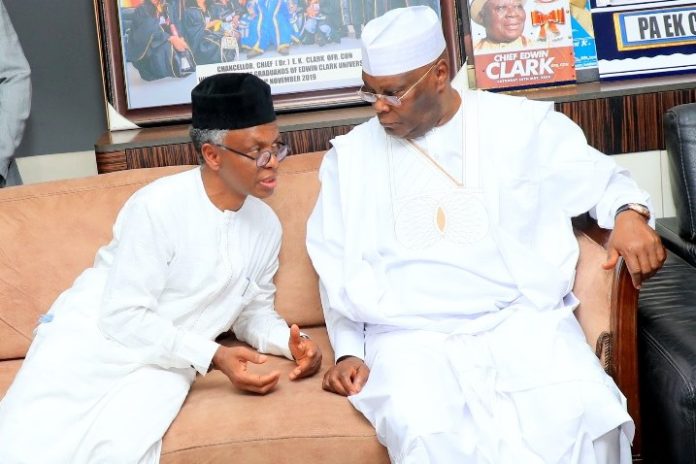
In a bold move to reshape Nigeria’s political landscape ahead of the 2027 general elections, a newly-formed opposition bloc spearheaded by former Vice President Atiku Abubakar and ex-Kaduna State Governor Nasir El-Rufai has officially initiated the process to register a new political party, the All Democratic Alliance (ADA).
The coalition, operating under the name National Opposition Coalition, formally submitted an application to the Independent National Electoral Commission (INEC), requesting full registration for the ADA. The letter, dated June 19 and acknowledged by the Commission on Friday, marked a definitive shift by the group to launch an entirely new platform, rather than reviving an inactive party or merging with existing ones.
Backed by high-profile political figures such as former Rivers State Governor Rotimi Amaechi, League of Northern Democrats convener Umar Ardo, and other prominent actors, the new party is strategically positioned to mount a formidable challenge against President Bola Tinubu’s potential re-election bid.
The party’s emergence arrives on the heels of a recent INEC caution to political associations, warning that public pressure or media campaigns would not alter the strict legal process required for party registration. The Commission reiterated that party formation must strictly adhere to constitutional guidelines and is not merely a matter of political declaration.
The ADA’s registration request effectively ends weeks of political speculation, with many previously uncertain about whether the coalition would pursue an entirely new party or revive a dormant entity.
A copy of the coalition’s application obtained by our correspondent in Abuja was signed by Chief Akin A. Rickets and Abdullahi Elayo, the acting National Chairman and Secretary of the association, respectively.
The document stated, “We respectfully write to the Independent National Electoral Commission, requesting the registration of our association, the All Democratic Alliance, as a political party.”
According to the letter, the National Coalition Group has resolved to sponsor the ADA’s registration bid. The group has chosen “All Democratic Alliance” as its name, “ADA” as the acronym, and “Justice for All” as its official slogan.
Accompanying the application were critical documents such as the ADA’s party constitution, official manifesto, emblem, and detailed records of foundational meetings. Notably, the party symbol—a maize (corn)—was selected for its symbolic representation of abundance, resilience, and sustainability, which the group says captures its guiding principles and long-term vision.
The letter emphasized, “We have further attached our manifesto encompassing details of our party ideology and our constitution providing the legal framework that defines our identity, structures, and organization.”
It concluded with a formal appeal to INEC, expressing hope for a timely response: “While we eagerly await further action from the Commission on the next step forward towards attaining our desired goal, please accept the consideration of our highest respect.”
Despite the formal submission and public acknowledgment of the application, former Vice President Atiku Abubakar’s media aide, Paul Ibe, distanced himself from the development when contacted.
Ibe initially questioned the authenticity of the documentation, saying, “I am not aware. Have you confirmed the veracity of the documents?”
Upon being informed that the documents had been independently verified, Ibe said he had not been briefed and clarified that the actions of the coalition were outside his direct oversight.
“I have not been briefed about that. Of course, you know that what the coalition is doing is not under our purview. So, I am not aware of this,” he added.
With this formal move now public, political observers are closely watching how the All Democratic Alliance will shape discourse in the lead-up to 2027, particularly given the high-caliber individuals backing its formation.
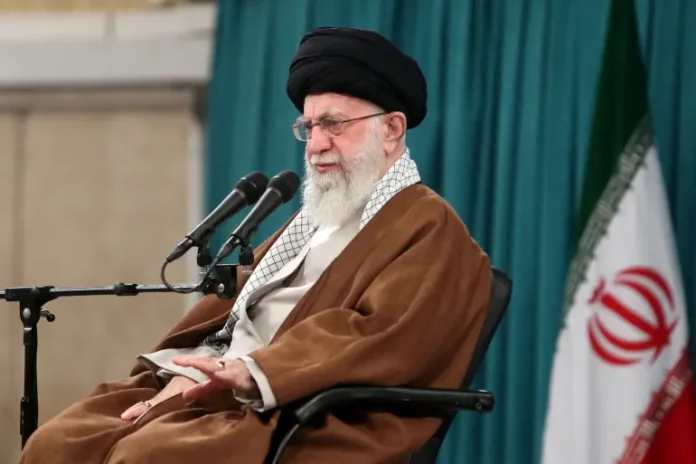
As the Israel-Iran conflict intensifies, fresh revelations have emerged indicating that Iran’s Supreme Leader, Ayatollah Ali Khamenei, has selected three trusted clerics as potential successors, a move that reflects rising fears of an imminent decapitation strike.
Notably, the influential Mojtaba Khamenei—long assumed to be his father’s political heir—has reportedly been excluded from the shortlist, reshaping long-held assumptions about dynastic intentions within the Islamic Republic.
According to a detailed investigation published by The New York Times over the weekend, the 86-year-old Supreme Leader has been coordinating from a fortified underground location amid fears of targeted assassinations. The U.S. outlet, citing senior Iranian insiders, confirmed that Khamenei has identified three clerics to take over leadership in the event of his death.
The report underscores the increasing sense of urgency within Iran’s highest political echelons, following a succession of Israeli-led operations that have eliminated key military and intelligence figures.
A Strategic Break from Hereditary Leadership
For over a decade, speculation had mounted around Mojtaba Khamenei—Khamenei’s second son—being primed to inherit his father’s title. However, the exclusion of Mojtaba from the succession plan reveals a major ideological and strategic shift, likely aimed at avoiding any perception of nepotism in Iran’s theocratic system.
Israeli media outlet The Jerusalem Post confirmed the report, noting that Ayatollah Khamenei has also made leadership contingency arrangements within Iran’s military structure. This includes identifying possible successors for critical command posts in anticipation of further Israeli offensives that could dismantle Tehran’s senior defense cadre.
Contingency Planning Under Fire
Traditionally, the appointment of Iran’s Supreme Leader is carried out by the Assembly of Experts, a council composed of 88 clerics elected to oversee the supreme leadership. Yet the urgency of Khamenei’s recent decisions appears to signal a departure from protocol, with the Supreme Leader opting to preemptively influence the post-transition power structure.
Experts believe the selection of three candidates instead of one highlights both internal disagreements and the volatile security context. The names of the clerics remain undisclosed, but sources suggest they are hardliners closely aligned with Khamenei’s ideological legacy.
“This is not mere theoretical succession planning—it’s an active crisis response under existential threat,” said a Middle East intelligence official quoted by The New York Times.
Mounting Casualties Prompt Accelerated Action
The acceleration in succession planning comes amid an alarming string of high-profile assassinations. Israeli strikes in June 2025 have reportedly killed senior Iranian Revolutionary Guard Corps (IRGC) officials, including Major General Hossein Salami and General Gholam Ali Rashid. On June 13 alone, multiple nuclear scientists and military commanders were reportedly eliminated in a coordinated Israeli attack.
On June 17, Reuters reported that General Salami had been killed in action. Meanwhile, Tasnim News Agency disclosed that at least 22 alleged Mossad informants were arrested in the wake of the strikes.
These escalating attacks have triggered what analysts are calling a “wartime succession crisis,” with Iran’s supreme leadership planning for continuity in the face of external decapitation threats.
Khamenei’s Private Picks vs. Public Institutions
By selecting successors from within his inner ideological circle, Ayatollah Khamenei appears to be circumventing the formal powers of the Assembly of Experts. While the Assembly still holds constitutional authority, analysts believe the Supreme Leader’s informal selections could shape the leadership transition—particularly if his death occurs under emergency conditions.
“This is a shadow succession, one that bypasses institutional processes in favor of ideological loyalty,” said a geopolitical analyst speaking to Financial Times on June 20.
A report by Punch Newspaper on June 21 also noted that Iran is now openly preparing for a possible leadership change under wartime conditions, highlighting the broader implications for both domestic stability and regional security dynamics.
Implications for Regional Stability
The broader geopolitical ramifications of this development are significant. As Iran braces for a possible leadership vacuum, allied states and adversaries alike are closely monitoring the country’s internal cohesion. The Middle East, already destabilized by cross-border hostilities and proxy conflicts, faces heightened uncertainty as Tehran navigates a leadership succession in the midst of war.
“This is succession planning under siege,” stated a source quoted in The New York Times. “It reflects a regime bracing for survival, not just governance.”
What the Future Holds for Iran’s Leadership
Though the Assembly of Experts could theoretically override Khamenei’s selections, political analysts argue that his endorsement may carry significant weight—even posthumously. If the Supreme Leader’s private picks are upheld by military and clerical power blocs, Iran’s next leader may emerge not from consensus, but from strategic necessity.
Whether Iran’s leadership transition unfolds in line with constitutional mandates or through the force of preemptive planning, one thing is clear: the Islamic Republic is entering uncharted territory—politically, militarily, and ideologically.
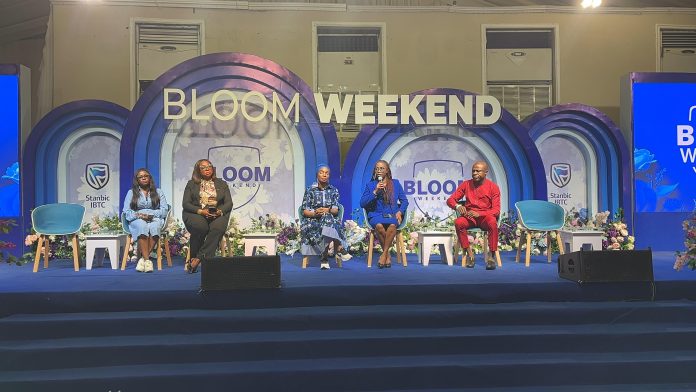
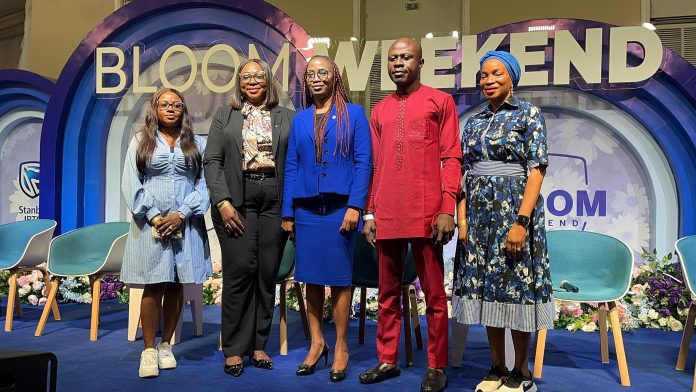
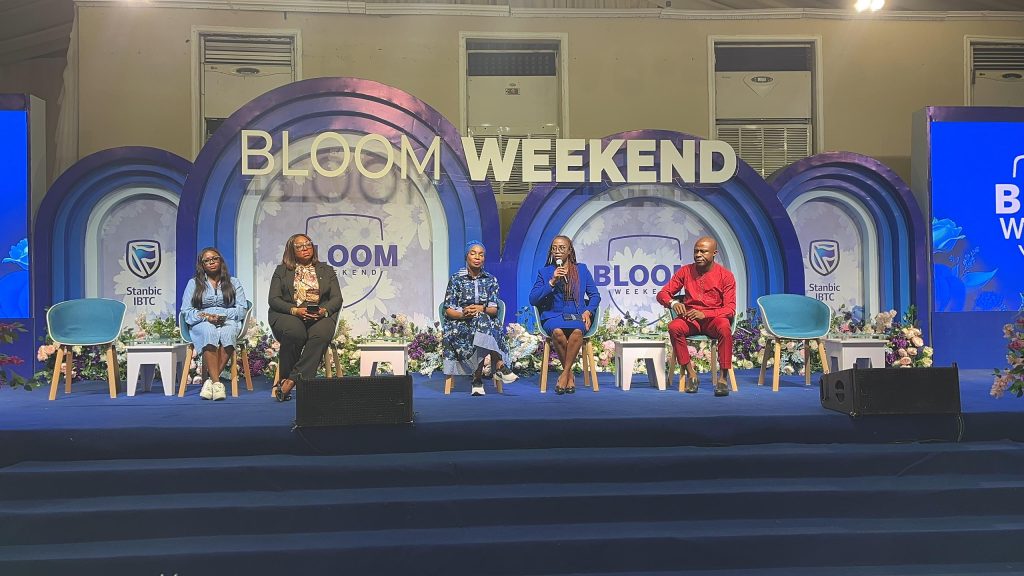
Stanbic IBTC Pension Managers, a subsidiary of Stanbic IBTC Holdings PLC, is set to host another impactful edition of the Ladies At The Table Empowerment Series (LATTES), a flagship women’s initiative taking centre stage during the much-anticipated Bloom Weekend, scheduled to take place on Saturday, 21 June 2025 at Harbour Point, 4 Wilmot Point Road, Victoria Island, Lagos.
Bloom Weekend is a vibrant celebration curated to spotlight financial wellness, creativity, sisterhood, and personal growth. At the centre of this celebration is LATTES, a thought-leadership and empowerment platform designed to inspire real conversations and cultivate meaningful change among women from all walks of life.
This year’s LATTES is anchored around the theme: “Seasons of Growth: Navigating Purpose, Prosperity, and the Personal Power of Every Stage of Life.” It is a timely call to embrace change and growth, whether in moments of transition, reinvention, success, or stillness with clarity, confidence, and community.
The event will feature a powerful keynote address by Patience Torlowei, Founder of Torlowei, whose journey of self-leadership and impact continues to resonate with women across sectors. Her address is expected to set the tone for an afternoon of depth, connection, and purpose-driven dialogue.
A high-impact panel conversation will follow, featuring an accomplished lineup of women leaders and creators including Eunice Showunmi-Adeyemi, Chief Creative Director, Q21 Solutions Limited; Olayide Odediran, CPC, Director and Certified Workplace Needs Assessor, Dyslexia Nigeria; Oler Oladele, Chartered Financial Analyst, and Hawa Magaji as the host.
Together, they will explore what growth looks like in various stages of life and career, offering real stories, real strategies, and relatable wisdom.
Speaking on the upcoming event, Omolara Osunsoko, Executive Director, Operations, at Stanbic IBTC Pension Managers, said, “LATTES is one of the most authentic platforms we have created because it speaks to the full spectrum of the woman’s journey. It’s not just about professional success or personal milestones, but about how women rise, evolve, and support one another through every season. At Stanbic IBTC Pension Managers, we believe true empowerment happens when we invest in these stories, these moments, and these connections.”
With its mix of personal storytelling, professional insights, and community-building, this edition of LATTES is designed to be both empowering and practical, giving women the tools to embrace their current season while preparing for what’s next.
Nike Bajomo, Executive Director, Business Development at Stanbic IBTC Pension Managers, added, “At Stanbic IBTC Pension Managers, we understand that growth is not always linear; it comes with highs, pauses, and pivots. LATTES was created to honour that truth. Through honest conversations and shared experiences, we are building a strong, empowered community of women who are not just navigating life’s seasons but leading through them with courage and clarity.”
The event is open to a curated audience of professionals, entrepreneurs, creatives, and rising leaders, and will also be amplified across digital platforms to inspire a wider community.
Attendees of the event, which will host a diverse mix of professionals, entrepreneurs, creatives, and next generation leaders can expect to leave with more than inspiration. They’ll gain clarity, confidence, and community for their next season.
Registration is open, click here to secure your spot!
Stanbic IBTC Bank, a subsidiary of Stanbic IBTC Holdings, today concluded the first day of its flagship women’s empowerment programme, Bloom Weekend 5.0. The annual event, which took place at Harbour Point, Lagos, convenes women from across Nigeria and is designed to foster leadership, innovation, and financial independence among women.
This year’s theme, “Bloom Into More,” echoed throughout the opening day as participants interacted with top female executives, seasoned business leaders, and entrepreneurs.
Speaking at the event, Olajumoke Bello, Head Enterprise Banking emphasised the remarkable strength and resilience exhibited by women throughout Nigeria. She spoke passionately about the vital role women play not only in their communities but also in the nation’s overall development.
“This year’s theme, ‘Bloom Into More’ encapsulates our commitment to empowering women, encouraging them to break through barriers, pursue their dreams fearlessly, and lead with confidence and conviction.”
Jumoke further elaborated on the importance of fostering an environment where women can thrive. “At Stanbic IBTC Bank, we recognize that the advancement of women is not just a moral imperative but also essential for the growth and success of our economy.”
She urged attendees to take full advantage of the weekend’s sessions, masterclasses, and networking opportunities designed specifically to equip women with the skills and connections needed to excel in their respective fields.
“I encourage everyone to engage fully in this weekend’s sessions, masterclasses, and networking opportunities. Together, let us bloom beyond limits and pave the way for future generations to thrive.”
In a significant move to enhance entrepreneurial collaboration, Jumoke, during the media parley with journalists, announced that this year’s Bloom Weekend will launch a dedicated micro site for women entrepreneurs, aimed at enabling seamless networking, knowledge sharing, and enterprise connection; bridging the gap created by geographical distance.
Dr. Stanley Ibeku, Programmes Team Lead, Enterprise Development Centre, Pan Africa’s University, thanked the participants for attending the event, noting that “entrepreneurial training, financial access, and sound business structures are critical to scaling any business.”
He acknowledged that Bloom Weekend is a testament to collaborative efforts aimed at making entrepreneurship a pillar of Nigeria’s economy.
Again, Bunmi Dayo-Olagunju, Deputy Chief Executive of Stanbic IBTC Bank, highlighted the event’s evolution. She noted that what began with 100 women has now supported over 1,000 female entrepreneurs, forming a vibrant community of support, growth, and opportunity.
“This event continues to empower SMEs, connecting women and creating a platform where success grows,” she reiterated.
Saturday’s lineup begins at 8:00 a.m., with activities including wellness sessions, yoga, games, exhibitions, and the highly anticipated LATTES (Ladies At The Table Empowerment Series), marketplace exhibitions showcasing women-led businesses, masterclasses by industry leaders, and one-on-one financial advisory sessions from Stanbic IBTC specialists.
The LATTES session will host a panel of financial experts, entrepreneurs, and women’s empowerment advocates, all speaking on economic inclusion and pension literacy.
The weekend remains open to women from all walks of life, established entrepreneurs, aspiring leaders, and young professionals.
Registration is ongoing, offering a rare chance to gain insights, inspiration, and access to critical financial and professional networks.
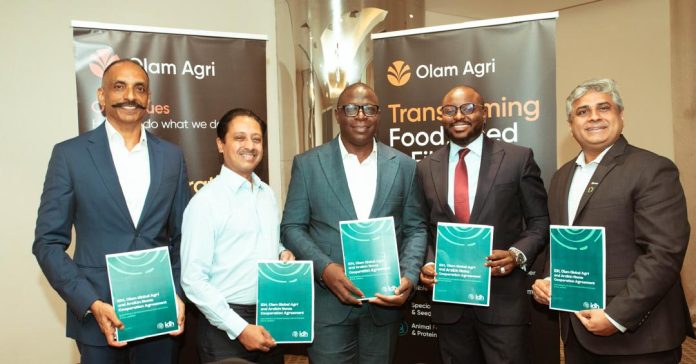
Olam Agri, a leading agribusiness in food, feed, and fibre, has entered a strategic partnership with IDH and Arzikin Noma, a Nigerian agricultural development firm driving innovation and partnerships in rural farming communities, to strengthen soybean production in Kwara State. The agreement aims to unlock the potential of smallholder soybean farmers, particularly women and young people, through a comprehensive support programme.
The partnership will empower 5,000 smallholder farmers across soybean-growing communities in Kwara State. This empowerment will be delivered through the provision of credit facilities for farming inputs, mechanisation support, financial access, training in sustainable practices, and crucial market linkage. It will strengthen agricultural development in the region alongside Olam Agri’s new 350,000 MT soybean processing facility in Kwara State, which is sourcing soybeans majorly from local producers, to meet the rising demand for high-quality feed and oil. This initiative for smallholder farmers in the soybean supply chain builds on the company’s Seeds for the Future project which has supported farmers and farmer communities since 2021.
Olam Agri has been a long-standing supporter of the Kwara State Soybean Sustainability Programme, contributing equipment and training for agricultural extension workers. The company is now scaling up its efforts by integrating 5,000 smallholder farmers into its supply chain and implementing sustainable practices such as crop rotation and organic fertilization. Market access is crucial for empowering smallholder farmers and driving sustainable agricultural growth. This partnership will strengthen local agricultural productivity and also lay the groundwork for long-term farmer resilience and prosperity.
Speaking on the partnership, Eniola Fabusoro, Country Director at IDH, said “We are excited to partner with Olam Agri and Arzikin Noma to boost productivity across the soybean value chain in Kwara State, Nigeria. This partnership exemplifies our approach of bridging the gap between large corporations and smallholder farmers through local partners. By combining our networks, resources, and field experience with proven SMEs like Arzikin Noma, we can transform supply chains while ensuring measurable impact for 5,000 farmers and long-term value for all stakeholders. This initiative demonstrates how sustainable trade can drive both agricultural development and business success.
“Adeoluwa Adeshola, Managing Director of Arzikin Noma, added, “Our commitment to food security and sustainable farming remains strong. This partnership in Kwara will raise both the quality and quantity of soybean produced locally, and we are proud to play a role in driving that progress.”
Dr. Shailendra Mishra, Global Sustainability Head – Grains, Oilseeds, Feed, & Freight at Olam Agri said, “This partnership with IDH and Arzikin Noma marks a significant step toward a more sustainable and inclusive soybean value chain in Nigeria. The impact of this initiative extends far beyond the immediate participants, it serves as a model for how regenerative agriculture can transform communities, restore soil health, and drive economic growth. As we embark on this journey, we remain committed to scaling up and expanding our support, ensuring that more farmers can benefit from sustainable practices and market opportunities.”
Mustafa Turra, Vice President & Soybean Project Head at Olam Agri, emphasised, “This initiative promotes economic empowerment, enhances livelihoods, and boosts productivity, ultimately creating a more resilient and inclusive agricultural sector in Nigeria. By investing in this project and serving as the offtaker for locally produced soybeans, we are not only strengthening our supply chain but also ensuring that farmers have reliable, transparent, and rewarding opportunities to sell their produce.”
Soybean, a strategic crop for nutrition and growth, plays a vital role in food and agriculture as a key source of protein and oil. Its wide use in food production, animal feed, and industrial applications makes it a staple in Nigerian households and a promising driver of local economic growth. This partnership therefore underscores the commitment of the three organizations to improved national food security and sustainable sourcing of key food ingredients.
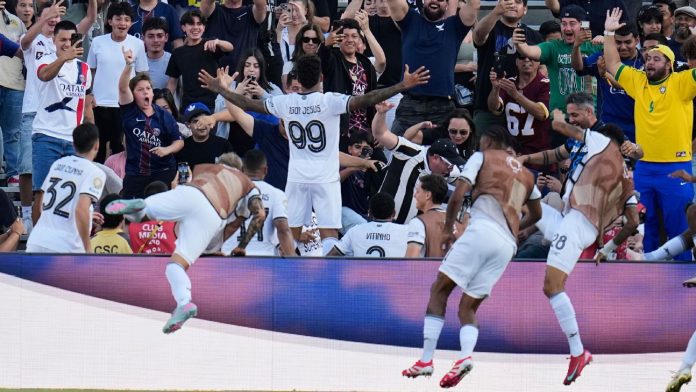
In a major shock at the Club World Cup, underdog Botafogo claimed a monumental 1–0 victory over European powerhouse Paris Saint-Germain at the Rose Bowl. The lone goal, netted by Igor Jesus in the 36th minute, proved enough on a night where South America’s champions showcased impenetrable defense and defiance.
Despite PSG’s dominance in possession and firepower—with 16 shots to Botafogo’s 4—only two of PSG’s attempts were on target. Botafogo, by contrast, maximized their limited chances. Jesus brilliantly controlled Jefferson Savarino’s through ball, evaded two defenders, and slotted past Donnarumma with a slight deflection.
The Brazilian side remained composed after the break, repelling wave after wave of Parisian attacks, including a late disallowed goal for offside. Their tactical organization under coach Renato Paiva earned praise as they toppled a team that had not conceded since mid-May.
This result places Botafogo atop Group B with six points, creating a logjam as PSG—still undefeated in tournaments until now—prepare to face Seattle Sounders, while Atlético Madrid remains within striking distance.
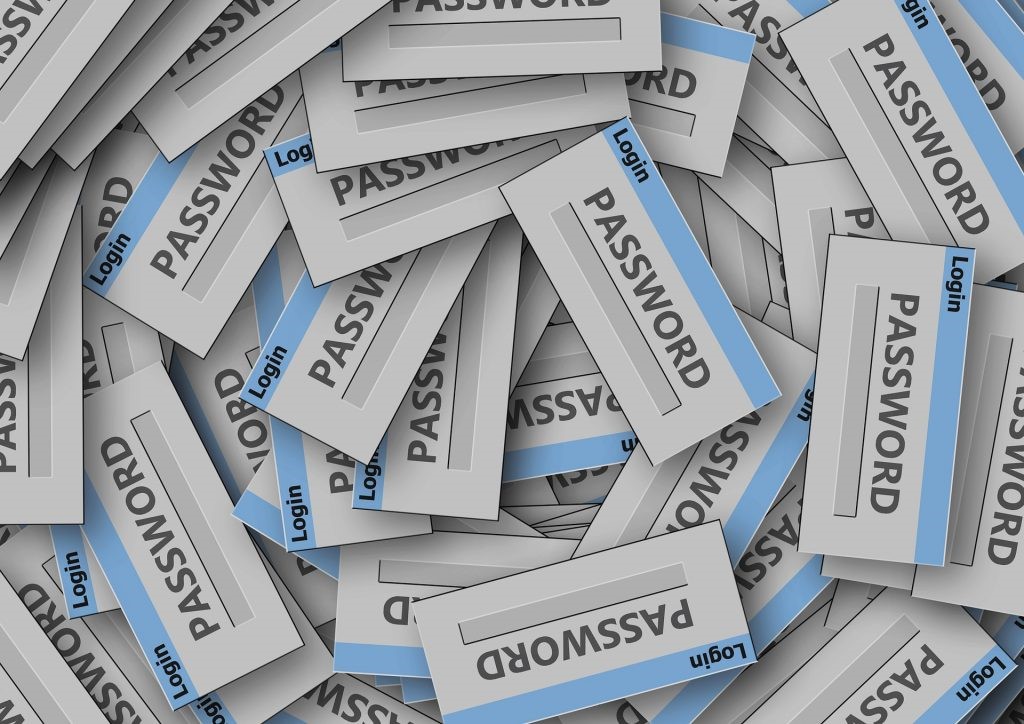
In what’s being called the most massive data‑dump on record, researchers have confirmed a leak of over 16 billion login credentials, including usernames and passwords tied to top tech platforms like Apple, Facebook, Google—and even government services. Cybersecurity experts say this breach dwarfs all previous leaks, and they’re urging users to immediately change any reused passwords.
Investigators at Cybernews have identified 30 distinct datasets, each ranging from tens of millions up to 3.5 billion entries, containing login credentials that had never appeared in public breaches before. paired web addresses with usernames and passwords, compromising “pretty much any online service imaginable,” from Apple, Facebook, and Google to GitHub, Telegram, and various government platforms. Because the data surfaced only briefly, its origins and controllers remain unidentified.
Infostealer Malware: The Likely Culprit
Cybernews pinpointed the use of infostealer malware—malicious programs that harvest stored passwords from browsers and apps—as the most probable source. This malware quietly extracts data and uploads it to attackers’ servers. The leak isn’t recycled from past breaches; most credentials are new, carefully structured, and ready for exploitation at scale.
Google and the FBI Sound the Alarm
In the wake of these revelations, Google has ramped up calls for users to replace traditional passwords with passkeys—biometric or device‑based login methods resistant to phishing. Meanwhile, the FBI has issued warnings about deceptive SMS links and other phishing tactics designed to leverage the compromised data.
What You Should Do Right Now
Security professionals recommend the following steps without delay:
Change any password that appears on the dark web—especially those reused across services.
Enable two‑factor authentication (2FA) or use passkeys wherever available
Employ a reputable password manager to create strong, unique credentials.
Monitor accounts for suspicious sign‑ins or activity—unauthorized logins or alerts may indicate something amiss
Cybernews warns, “This is not just a leak—it’s a blueprint for mass exploitation.” With freshly stolen credentials and ammunition for phishing and account takeovers, this breach marks an alarming escalation in cyber‑risk.
Why This Crisis Is So Severe
Scale: 16 billion credentials across dozens of datasets.
Depth: Data is new—not recycled from older incidents.
Speed potential: Attackers can launch credential stuffing campaigns or highly targeted phishing attacks immediately.
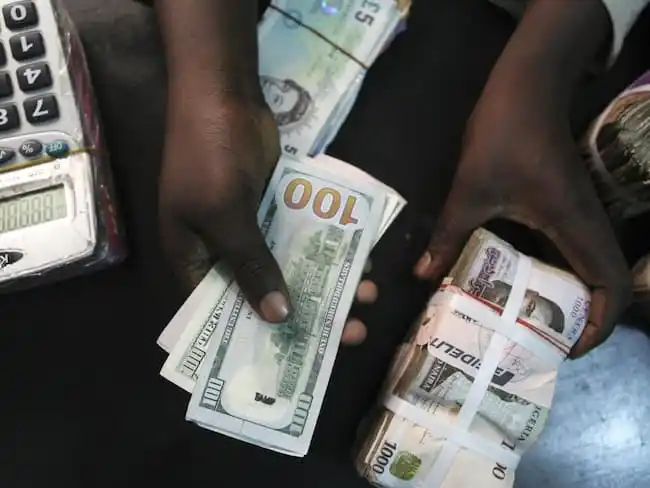
The exchange rate between the Naira and the US dollar, according to the data released on the FMDQ Security Exchange, the official forex trading portal, showed that the naira closed at 1605.00 per $1 on Friday, June 20th, 2025. The naira traded as high as 1546.00 to the dollar at the investors and exporters (I&E) window on Thursday.
Dollar to naira exchange rate today black market (Aboki dollar rate):
The exchange rate for a dollar to naira at Lagos Parallel Market (Black Market) players buy a dollar for ₦1594 and sell at ₦1605 on Thursday 19th June, 2025, according to sources at Bureau De Change (BDC).
Please note that the Central Bank of Nigeria (CBN) does not recognize the parallel market (black market), as it has directed individuals who want to engage in Forex to approach their respective banks.
Dollar to Naira Black Market Rate Today
Dollar to Naira (USD to NGN)
Black Market Exchange Rate Today
Buying Rate
₦1594
Selling Rate
₦1605
Dollar to Naira CBN Rate Today
Dollar to Naira (USD to NGN)
CBN Rate Today
Highest Rate
₦1553
Lowest Rate
₦1546
Please note that the rates you buy or sell forex may be different from what is captured in this article because prices vary.
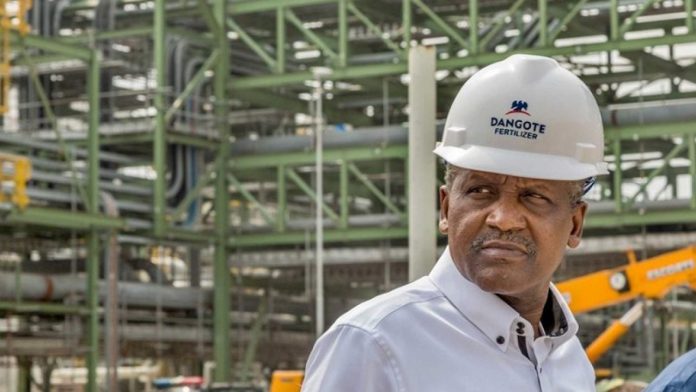
The Dangote Refinery has significantly ramped up its reliance on crude oil imports from the United States due to persistent shortfalls in local crude supply, Africa’s wealthiest businessman, Aliko Dangote, disclosed this week.
The $20 billion refinery, which boasts a processing capacity of 650,000 barrels per day, has reportedly begun receiving large volumes of U.S. West Texas Intermediate (WTI) crude oil to sustain its operations. Between April and July 2025 alone, the facility is projected to take delivery of approximately 17.65 million barrels, with 3.65 million barrels already received in April and May, according to internal data.
Speaking during a visit by the Technical Committee of the One-Stop Shop (OSS) initiative on naira-based crude oil transactions, Dangote emphasized that sourcing crude oil locally remains a challenge despite ongoing government efforts. He attributed the refinery’s growing dependence on U.S. supplies to insufficient domestic allocations, which has hampered the refinery’s drive toward full operational capacity.
In a statement released on Thursday by the Dangote Group, Dangote hailed the OSS Committee for championing the naira-for-crude policy introduced under President Bola Tinubu’s administration. He acknowledged that the policy has positively impacted the local economy by stabilizing the exchange rate and driving down fuel prices.
However, he stressed that the limited availability of Nigerian crude has compelled the refinery to turn to the international market, primarily the U.S., to bridge the supply gap. “Our reliance on American crude has intensified in recent months due to persistent domestic shortfalls,” the statement read.
According to shipping data compiled by Bloomberg, U.S. crude now represents roughly one-third of all feedstock acquired by the refinery so far in 2025. Much of this supply is comprised of the WTI Midland grade, known for its compatibility with the refinery’s sophisticated configuration and its high yield of refined petroleum products.
During the tour, OSS Coordinator Mrs. Maureen Ogbonna praised the refinery as a monumental industrial undertaking that is reshaping Nigeria’s economic landscape. “This facility is more than a refinery—it is a catalyst for national transformation. Every sector, from pharmaceuticals to construction, will benefit from its output,” she said.
Ogbonna also reaffirmed the government’s commitment to removing structural and regulatory obstacles that hinder seamless crude supply to local refineries. “We are working towards a future where Nigeria no longer depends on fuel imports. Our mandate is to support this transition by ensuring a steady, local supply of crude oil in naira,” she said.
She also lauded Dangote’s vision, calling the scale of the project “unprecedented” and describing its advanced laboratory infrastructure as “unmatched, even globally.”
Meanwhile, the Dangote Refinery has received crude from 22 different vessels between April 6 and May 28, 2025, at the Lekki Deep Seaport, delivering a total of over 3 million barrels. These shipments included multiple deliveries in April—such as 130,000 barrels on April 1, 294,076 barrels on April 9, and another 140,000 barrels on April 30—as well as continued arrivals throughout May.
Recent maritime reports compiled by Blue Sea Maritime indicate that the U.S. now supplies more crude to Dangote’s plant than Nigeria’s own oil producers. In the past seven months alone, the refinery has imported approximately 27.1 million barrels of U.S. crude, compared to the 46.2 million barrels sourced locally during the same timeframe.
The increased volume of American imports raises critical questions about the effectiveness of Nigeria’s crude oil allocation policies. The refinery has been granted an allocation of 350,000 barrels under the government’s revised naira-for-crude framework. However, analysts say this is insufficient to support the facility’s operational goals.
Industry experts note that U.S. crude is not only abundant and competitively priced but also offers quality advantages. WTI’s light, sweet composition makes it ideal for refining into high-value products like gasoline and aviation fuel. Randy Hurburun, a senior refinery analyst at Energy Aspects Ltd, pointed out that WTI enables “superior yields and better blending for gasoline,” giving it a distinct edge over local Nigerian grades like Bonny Light and Qua Iboe, which are often costlier and subject to supply disruptions.
According to global oil strategist Aleksandr Butov, the refinery’s pivot to U.S. crude underscores deeper issues within Nigeria’s upstream oil sector, such as underinvestment and infrastructure challenges. “Even with government-backed initiatives, reliability remains a major concern,” he said.
Earlier this year, a Dangote Group spokesperson confirmed that the refinery was looking beyond Nigeria to secure more stable and predictable crude supplies. “We are scaling up imports in line with our commitment to hit full capacity by mid-2025,” the spokesperson stated.
This move, however, has sparked renewed debate over the use of scarce foreign exchange to import oil—a paradox, considering Nigeria’s status as a major crude producer. While the naira-for-crude deal was originally suspended earlier in 2025, it has since been reactivated under Tinubu’s directive to ensure sustainable local refining and shield the naira from further volatility.
According to the refinery’s Chief Branding and Communications Officer, Anthony Chiejina, the facility’s pricing strategy is designed to mitigate the impact of global price fluctuations. “Thanks to the support of the President and the naira-for-crude policy, we are able to offer stable fuel prices and support the Nigerian economy,” he said in a recent release.
The Dangote Refinery remains the continent’s largest single-train facility, with the capacity to meet all of Nigeria’s demand for petrol, diesel, jet fuel, and kerosene, while exporting the surplus. Yet, its success continues to be tied to the country’s ability to resolve its domestic crude supply dilemma—a challenge that remains unsolved as the refinery looks outward to keep its operations afloat.