








By Boluwatife Oshadiya | April 17, 2026
Key Points
- Finance Minister confirms Nigeria has no immediate plans to seek IMF assistance
- Government credits domestic reforms for improved economic resilience
- Calls grow for coordinated global financial support for vulnerable African economies
Main Story
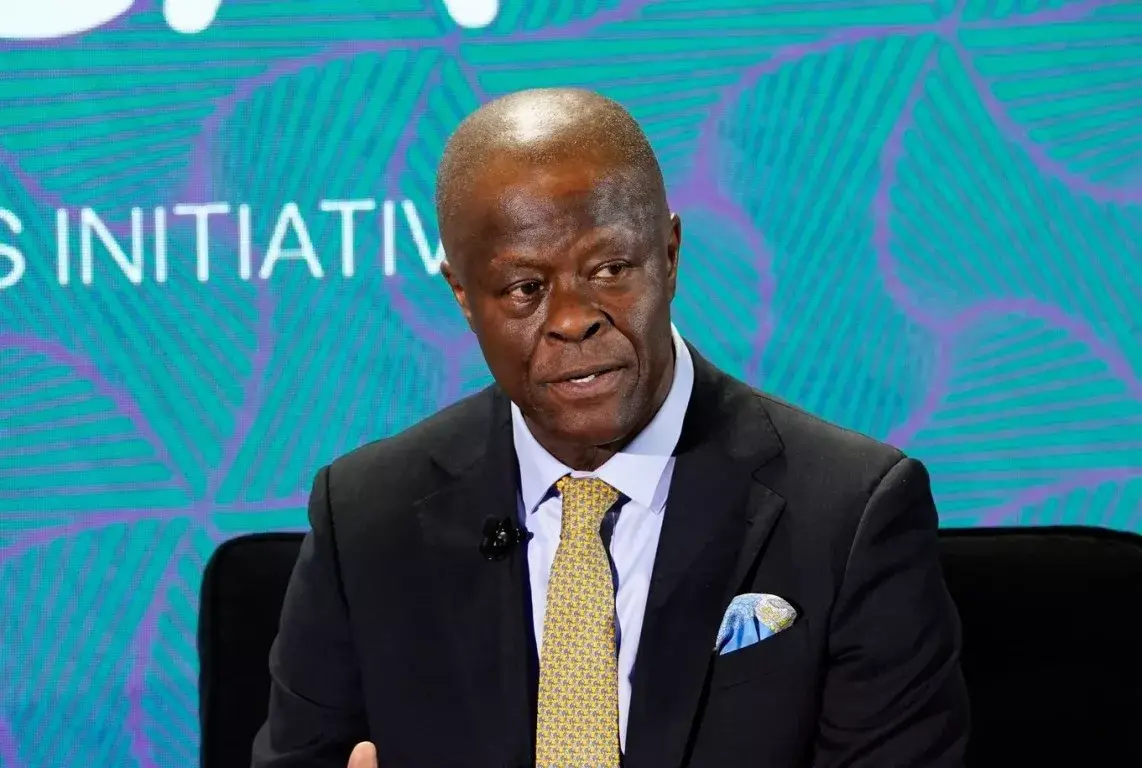
Nigeria will not approach the International Monetary Fund (IMF) for financial assistance in the near term, according to Minister of Finance and Coordinating Minister of the Economy, Wale Edun.
Speaking at a briefing during the IMF/World Bank Spring Meetings in Washington, Edun said ongoing economic reforms have strengthened Nigeria’s fiscal position and reduced vulnerability to external shocks.
He noted that policy adjustments over the past two years—particularly the adoption of market-driven exchange rates and fuel pricing—have restored credibility and improved macroeconomic stability. According to him, the government is prioritising internally driven reforms rather than external borrowing.
Edun emphasised that Nigeria’s reliance on market mechanisms has enabled smoother economic transitions, especially amid global volatility affecting emerging and frontier markets.
However, he acknowledged that several African economies remain exposed and called for faster, coordinated international financial support, referencing ongoing discussions around a proposed $50 billion global assistance package.
What’s Being Said
“Nigeria has built buffers through reforms and continues to rely on internal policy measures rather than multilateral lending support,” said Wale Edun, Minister of Finance.
“While Nigeria has stabilised, many African countries still require urgent external financial assistance,” he added.
What’s Next
- Continued monitoring of Nigeria’s fiscal performance and FX stability under current reforms
- Potential participation in regional or global financial support frameworks if conditions shift
- Further policy adjustments expected as global economic conditions evolve
The Bottom Line:
Nigeria’s refusal to seek IMF support signals confidence in its reform trajectory, but it also raises the stakes. Sustaining stability without external buffers will depend heavily on disciplined execution and global market conditions.





 for financial assistance in the near term, according to Minister of Finance..)