






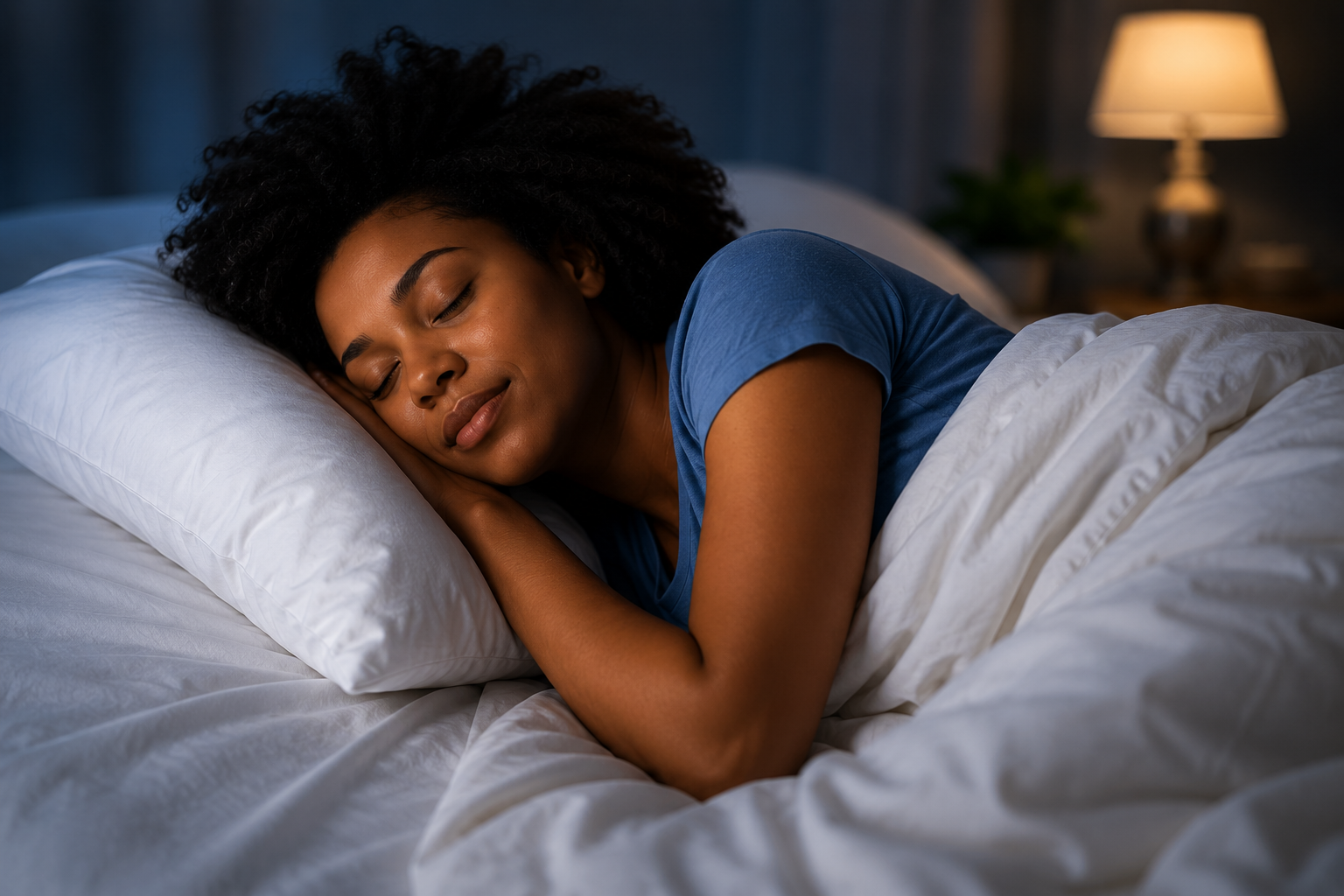
In The Princess and the Pea, a young woman proves she is a real princess because she can feel a tiny pea under a stack of mattresses. The story suggests that her sensitivity proves her royal status. But if you asked a modern sleep expert, they might say her discomfort had more to do with how she was sleeping rather than what was under the bed.
Today, science shows that your sleeping position plays a big role in how well you sleep. But is there one “best” position? According to experts like John Saito from the American Academy of Sleep Medicine, the answer is not so simple.
A Good Sleep Position Starts with Easy Breathing
Many people have their own idea of the perfect sleep position some prefer lying on their back, others on their side, and some even sleep on their stomach. But what really matters is how well your body functions in that position.
For example, sleeping on your back can be very healthy if your head and neck are properly supported by a pillow. This helps keep your spine aligned and your airway open, making it easier to breathe.
However, this position is not ideal for everyone. People with sleep apnea may find it harder to breathe when lying on their back. In this condition, the airway can become blocked during sleep, especially if the tongue falls backward in the throat. This can interrupt breathing and reduce sleep quality.
For babies, sleeping on the back is usually recommended to reduce the risk of Sudden Infant Death Syndrome (SIDS). But for adults, the best position depends on individual needs.
Side Sleeping: Left or Right Matters
Sleeping on your side is one of the most popular positions and for good reason. It often helps keep the airway open and can reduce snoring.
Interestingly, the side you choose may also make a difference.
Sleeping on your right side may improve blood flow and reduce pressure on the heart. This is because of how your body’s internal structures support your heart and lungs.
On the other hand, sleeping on your left side may benefit your brain. During sleep, the brain uses a system called the glymphatic system to remove waste products. This system works more efficiently in certain positions, and left-side sleeping may help improve this process. It could even play a role in reducing the risk of diseases like Alzheimer’s.
Curled Up or Stretched Out?
Even when sleeping on your side, posture matters.
Some people sleep in a curled “fetal position,” while others lie more straight. Sleeping with your body relatively straight helps keep your spine aligned, which is good for overall comfort.
Curling up slightly can help reduce lower back pain, but curling too tightly can compress your chest and make breathing harder. The key is balance stay relaxed without squeezing your body too much.
There Is No One-Size-Fits-All Position
One important point experts emphasize is that there is no single “perfect” sleeping position for everyone.
For example, someone with back pain might find it uncomfortable to sleep on their back, even if it helps their breathing. In this case, comfort becomes just as important as health benefits.
Focus on three key factors, often called the “ABCs” of sleep:
- Airway – Is your airway open?
- Breathing – Are you breathing easily?
- Circulation – Is your blood flowing well?
If your position supports all three, you’re likely sleeping well.
Is It Normal to Move While Sleeping?
Yes, it is completely normal.
Most people don’t stay in one position all night. You may fall asleep in one position and wake up in another. Small movements help your body stay comfortable.
However, if you move too much, it could be a sign that you’re not comfortable or not sleeping well. Frequent tossing and turning may mean it’s time to adjust your sleep setup.
Tips to Improve Your Sleep Position
No matter how you prefer to sleep, small changes can make a big difference:
- Side sleepers: Place a pillow between your knees to keep your hips and spine aligned.
- Back sleepers: Put a pillow under your knees to reduce pressure on your lower back.
- Stomach sleepers: Use a thin pillow under your hips to support your spine.
- Everyone: Choose a mattress that supports the natural curve of your spine.
These simple adjustments can improve comfort, reduce pain, and help you sleep more deeply.
The Bottom Line
At the end of the day, there is no single best sleeping position for everyone. Your ideal position depends on your body, your health, and what feels most comfortable.
The real goal is simple: find a position that allows you to breathe easily, stay comfortable, and get a full night of restful sleep.
Because in the end, the best sleeping position is the one that helps you wake up feeling refreshed, healthy, and ready for the day.