








Key points
- An American medical missionary worker who tested positive for Ebola in the DRC has been evacuated to Germany for clinical treatment.
- Uganda confirmed two Ebola cases in Kampala, including one fatality, traced back to individuals traveling from the DRC border region.
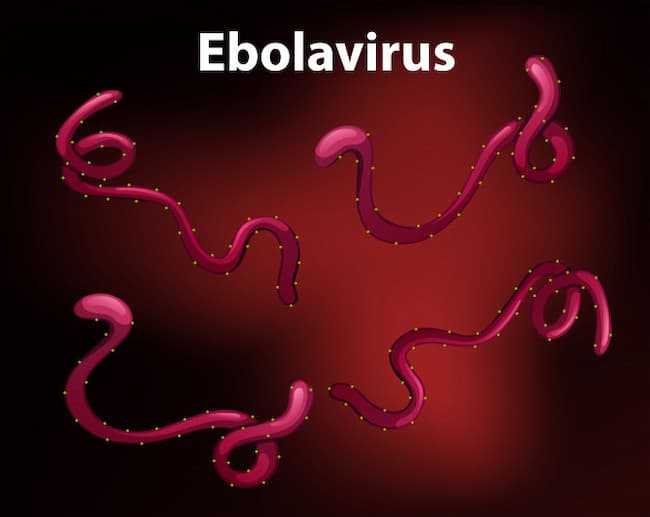
- The current outbreak is caused by the Bundibugyo virus species, which currently lacks any approved vaccines or specific therapeutics.
- Over 500 suspected cases and 130 suspected deaths have been reported amidst severe regional insecurity and civilian displacement in Ituri province.
- The WHO faces significant financial strain with unpaid member state contributions totaling nearly 360 million dollars at the end of 2025.
Main Story
The UN World Health Organisation (WHO) says an American national confirmed tested positive for Ebola in DRC has been transferred to Germany for treatment.
The American doctor was in the Democratic Republic of Congo (DRC) working with a medical missionary group and has tested positive, the Centers for Disease Control and Prevention said.
WHO Director-General Tedros Ghebreyesus gave the update this while addressing the 79th World Health Assembly on Tuesday in Geneva, where diplomats are currently negotiating cross-border emergency management protocols.
The report indicated that the epidemic is unfolding within a highly volatile environment, compounded by mining-related population movements and intensified armed conflict in the province of Ituri since late 2025.
Over 100,000 civilians have been newly displaced, severely hindering active contact tracing, surveillance, and laboratory isolation operations.
Because the outbreak involves the Bundibugyo strain, health authorities are forced to rely strictly on non-pharmaceutical interventions, including risk communication, strict hospital infection controls, and community-led quarantine measures.
The Issues
- The absolute lack of medical countermeasures like vaccines or therapeutics for the Bundibugyo species leaves frontline medical teams entirely reliant on basic supportive care.
- Escalating regional military conflict and mass civilian displacement completely disrupt traditional epidemiological containment, contact tracking, and field testing networks.
- Deep funding cuts and millions of dollars in unpaid donor assessments force international health bodies to manage active epidemics while executing internal structural reorganizations.
What’s Being Said
- “We’re working with the DRC, Uganda and the United States. There are several factors that make us concerned about the potential for further spread and further deaths,” stated WHO Director-General Tedros Ghebreyesus.
- Ghebreyesus warned that “beyond the confirmed cases, there are more than 500 suspected cases and 130 suspected deaths,” adding that the numbers would shift as field data stabilizes.
- “The province of Ituri is highly insecure, as you may know. Conflict has intensified since late 2025, and fighting has escalated significantly over the past two months, resulting in civilian deaths,” the WHO chief noted.
- He added that the epidemic “is caused by Bundibugyo virus, a species of Ebola virus for which there are no vaccines or therapeutics.”
- “In the past year, many countries have experienced severe disruptions due to sudden and steep cuts in development assistance. But they had an unintended benefit: they prompted many leaders to say now is the moment to leave behind the era of donor dependency and open a new era of health sovereignty,” Ghebreyesus stated regarding global finance models.
What’s Next
- Field epidemiologists in Uganda will monitor contacts in Kampala following the cancellation of the high-density annual Martyrs’ Day celebrations.
- The WHO will deploy 3.9 million dollars from its Contingency Fund for Emergencies to scale up isolation infrastructure in the Goma and Ituri border corridors.
- World Health Assembly delegates will continue tense negotiations in Geneva to finalize the unresolved Pathogen Access and Benefit Sharing system framework.
Bottom Line
A complex Ebola outbreak driven by the unvaccinable Bundibugyo strain has breached borders into Uganda, forcing the WHO to pull emergency contingency funds to manage containment across an active war zone while navigating severe internal budgetary deficits.



 says an American national confirmed tested positive for Ebola in DRC has been ...)