








Key points
- Cooking gas prices have surged by about 140 per cent, rising from around N1,000/kg earlier in the year to as high as N2,400/kg.
- Marketers are planning large-scale LPG imports to address worsening shortages and stabilise prices.
- The Federal Government says it is working with stakeholders, while insisting that the ban on LPG exports remains in force.
Main story
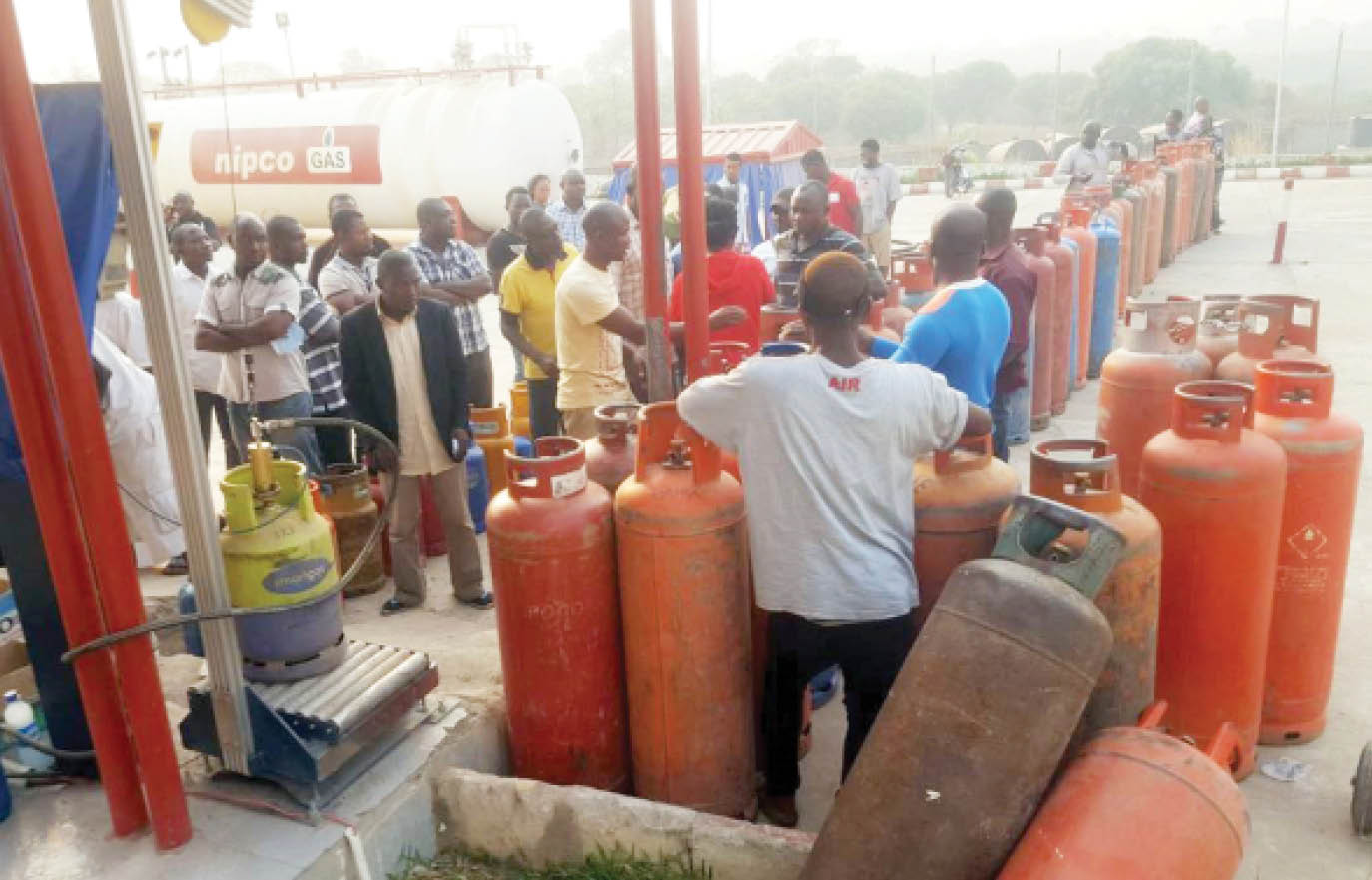
Nigeria’s cooking gas market is facing mounting pressure as Liquefied Petroleum Gas (LPG) prices have risen by about 140 per cent in recent months, prompting marketers to begin plans for massive imports aimed at easing supply shortages and reducing costs for consumers.
Investigations reveal that the price of cooking gas has increased from an average of N1,000 per kilogramme in January and February to as high as N2,400 per kilogramme in several parts of the country, triggering concerns among households and businesses that rely on the product for daily energy needs.
Industry sources attributed the development to supply constraints in the domestic market, particularly a reduction in LPG volumes available from the Dangote Petroleum Refinery, one of Nigeria’s major suppliers.
According to a source familiar with developments in the sector, the reduction in LPG supply is linked to increased internal utilisation at the refinery as it ramps up production capacity, rather than exports as widely speculated.
“The recent decline in LPG supply from the Dangote refinery is not because of exports but due to internal utilisation to support increased petroleum production activities,” the source disclosed.
The refinery is reportedly operating at about 700,000 barrels per day, a level that has increased demand for internally generated gas resources and consequently affected volumes available for domestic LPG distribution.
In response to the growing supply gap, marketers have secured commitments to import larger quantities of cooking gas to meet rising demand and stabilise the market.
An official of the Nigerian Midstream and Downstream Petroleum Regulatory Authority (NMDPRA) confirmed that the regulator is working with the Nigerian National Petroleum Company Limited (NNPC Ltd.) and other industry stakeholders to improve LPG availability nationwide.
The issues
The latest surge in cooking gas prices has renewed concerns about Nigeria’s energy security despite significant investments in domestic refining and gas processing infrastructure.
Although data from the NMDPRA indicates that local production accounted for the majority of LPG supply between April 2025 and April 2026, consumers have continued to face rising prices and intermittent shortages.
The development has raised questions about the efficiency of the domestic supply chain and the ability of local production to adequately meet growing demand.
For many households, the sharp increase in LPG prices has made cooking gas increasingly unaffordable, forcing some families to revert to traditional fuels such as charcoal and firewood, with implications for public health and environmental sustainability.
Industry stakeholders also warn that prolonged scarcity could worsen inflationary pressures and increase operational costs for businesses that depend on LPG.
What’s being said
The spokesman for the Minister of State for Petroleum Resources (Gas), Louis Ibah, said marketers have committed to importing larger volumes of LPG to bridge the supply gap and restore market stability.
According to him, the Minister, Dr Ekperikpe Ekpo, has directed the NMDPRA to work closely with stakeholders to address supply challenges and guarantee uninterrupted availability of cooking gas across the country.
Ibah also disclosed that the Dangote Refinery has been encouraged to prioritise LPG allocation to the domestic market.
“Nigerians should rest assured that the Minister of State for Petroleum Resources (Gas) is actively addressing all issues affecting the production, distribution and supply of LPG in the country,” he said.
He further reiterated that the Federal Government’s restriction on LPG exports remains in force and is being strictly enforced by the NMDPRA.
“It is important to note that none of our producers are currently exporting LPG meant for domestic consumption. All available resources are being directed towards meeting local demand,” he added.
The National President of the Nigerian Association of Liquefied Petroleum Gas Marketers (NALPGAM), Edu Inyang, confirmed that depot owners have concluded plans to import substantial quantities of LPG to address the current shortage.
“The depot owners have confirmed to us that they are planning to import enough LPG to stabilise supply,” Inyang stated.
However, retailers insist that the market has yet to experience any meaningful improvement, maintaining that scarcity remains widespread despite assurances from government officials.
What’s next
Industry stakeholders expect the planned imports to begin arriving in the coming weeks, a move anticipated to boost supply and ease pressure on prices.
The NMDPRA is also expected to intensify engagement with producers, marketers and depot operators to ensure that sufficient LPG volumes are available for domestic consumption.
Analysts say the effectiveness of these interventions will depend largely on how quickly imported supplies enter the market and whether domestic production levels improve.
Market observers will also closely monitor the role of major suppliers, particularly Dangote Refinery, in restoring stability to the LPG value chain.
Bottom line
Nigeria’s cooking gas market is facing one of its most severe supply disruptions in recent years, with prices surging by 140 per cent and scarcity spreading across several states. While marketers’ plans to import large volumes of LPG and government interventions offer hope of relief, consumers continue to bear the burden of soaring costs and limited availability. The coming weeks will determine whether increased imports and stakeholder collaboration can restore stability to the domestic LPG market.


 prices have risen by about 140 per cent in ...)