






Key points
- President Bola Tinubu says the Port Harcourt, Warri and Kaduna refineries will return to operation.
- His position differs from former President Olusegun Obasanjo, who has repeatedly questioned the viability of government-owned refineries.
- Obasanjo favours private-sector participation in the management of major government assets.
- Energy expert Dan Kunle urged the Federal Government to privatise the refineries, arguing that continued rehabilitation may not make them profitable.
Main Story
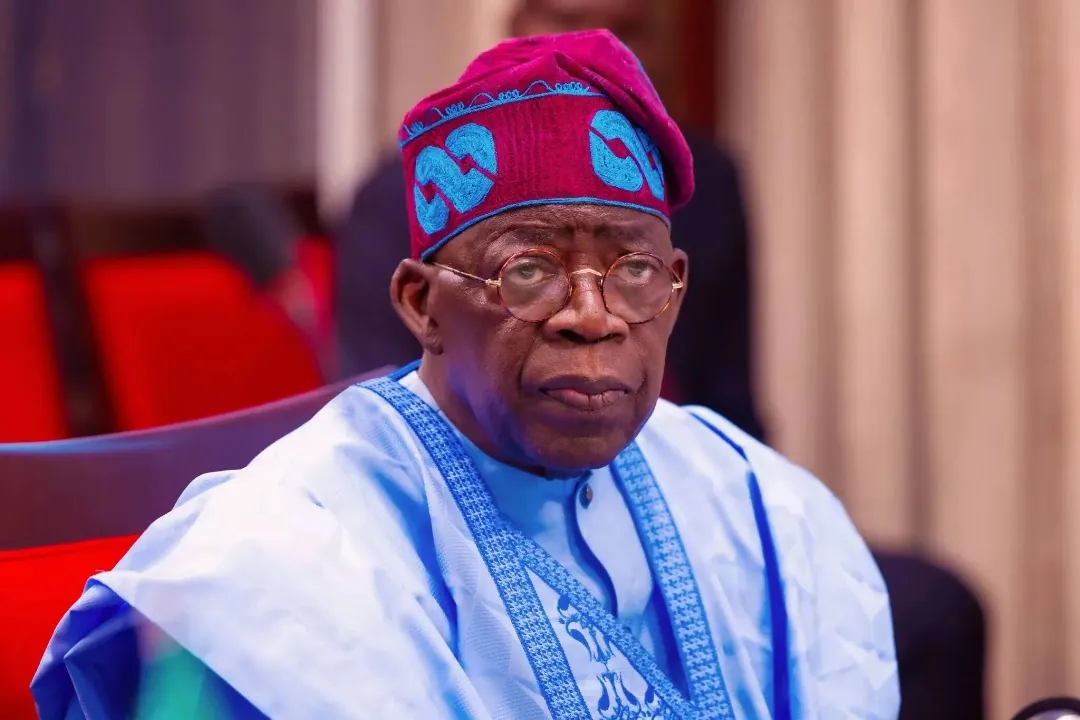
President Bola Tinubu has expressed confidence that Nigeria’s state-owned Port Harcourt, Warri and Kaduna refineries will return to operation, rejecting concerns that the facilities may never become viable.
Tinubu stated his position when he received the Executive President of the Nigeria Union of Petroleum and Natural Gas Workers, Salimon Oladiti, and members of the union at the Presidential Villa, Abuja.
The President said the government was working on the structural and economic fundamentals required to make the refineries functional and profitable.
Tinubu also said he had accepted responsibility for the assets and liabilities inherited from previous administrations and was determined to make the facilities work for the benefit of Nigerians.
His position, however, contrasts with that of former President Olusegun Obasanjo, who has repeatedly argued that the Nigerian National Petroleum Company Limited cannot successfully operate the government-owned refineries.
Obasanjo has advocated a public-private partnership model, citing the success of the Nigerian Liquefied Natural Gas arrangement, where the private sector holds a majority stake. He also recalled attempts during his administration to bring Shell and other private investors into the management of the refineries.
According to Obasanjo, Shell had rejected proposals to take an equity stake or operate the facilities, citing factors including the relatively small size of the refineries, poor maintenance and corruption surrounding their operations.
He further recalled that Aliko Dangote had offered $750 million for a 51 per cent stake in two of the refineries, but said the transaction was subsequently reversed by the administration of former President Umaru Musa Yar’Adua.
Obasanjo also questioned the amount of public money reportedly spent on refinery rehabilitation, saying he learnt that about $16 billion had been spent on the facilities.
Dangote has similarly expressed scepticism about the government’s approach, particularly the continued use of turnaround maintenance on ageing facilities. He compared the approach to modernising an old car, arguing that upgrading old infrastructure could create new technical challenges.
Energy expert Dan Kunle also opposed further government investment in the old refineries, arguing that the facilities should be privatised. He questioned the information being presented to the President by refinery managers and maintained that previous administrations had repeatedly attempted and failed to make the plants profitable.
Kunle challenged the government to construct a new refinery alongside one of the existing plants and compare their operational performance, arguing that the newer facility would demonstrate the limitations of the old plants.
However, the Port Harcourt Refinery Host Community Bulk Petroleum Retailers Association backed Tinubu’s position. The association said the refinery’s revival could create jobs, stimulate businesses, strengthen local capacity and improve energy security in Rivers State. It estimated that more than 200,000 people depend directly or indirectly on the refinery and related economic activities.
The association also supported the proposed technical equity partnership between NNPC and Chinese companies for the restart and expansion of the refinery, while calling for reliable crude supply, efficient management, proper maintenance and technical competence.
The Issues
Whether the ageing refineries can become commercially profitable after years of rehabilitation.
The enormous public expenditure already committed to their rehabilitation.
Questions about maintenance, technical competence and management.
The availability of reliable crude feedstock for sustained operations.
Whether government ownership or private-sector participation offers the better operating model.
Accountability for previous expenditure on refinery rehabilitation.
The economic consequences of keeping the facilities idle, particularly for workers, businesses and host communities.
What’s Being Said
President Bola Tinubu:
Tinubu said the refineries would return to operation and that he had accepted responsibility for fixing the inherited assets and liabilities. He stressed that the objective was not merely to produce smoke and flames but to ensure that the refineries become profitable and deliver value to Nigerians.
Olusegun Obasanjo, Former President:
Obasanjo argued that public-private partnerships provide a better model for managing major government assets and maintained that the NNPC should not be entrusted with running the refineries.
Dan Kunle, Energy Expert:
Kunle argued that the government should privatise the refineries rather than continue spending public funds on them, saying previous attempts to revive the facilities had failed to make them profitable.
HOSCOM:
The Port Harcourt refinery host community association backed Tinubu’s efforts, saying a fully operational refinery would create jobs, stimulate businesses and strengthen energy security in Rivers State.
What’s Next
The major test for the Tinubu administration will be whether the Port Harcourt, Warri and Kaduna refineries can move from rehabilitation and restart announcements to sustained and commercially viable production.
The government will also need to demonstrate that the facilities can secure reliable crude supply, operate efficiently and generate sufficient economic value to justify continued public investment.
Bottom Line
President Tinubu is betting that Nigeria’s long-troubled state-owned refineries can be revived and made commercially viable, despite strong opposition from former President Obasanjo, energy experts and other stakeholders. The debate ultimately centres on whether continued rehabilitation can deliver sustainable value or whether privatisation and private-sector management offer a more viable path for the facilities.