







Key Points
- China is expanding interest in the Northern Sea Route linking Asia and Europe through the Arctic.
- The route could shorten shipping times compared with the Suez Canal corridor.
- Geopolitical disruptions have increased interest in alternative maritime routes.
- Ice conditions, infrastructure gaps, environmental risks and Russia’s role could limit wider use.
Main Story
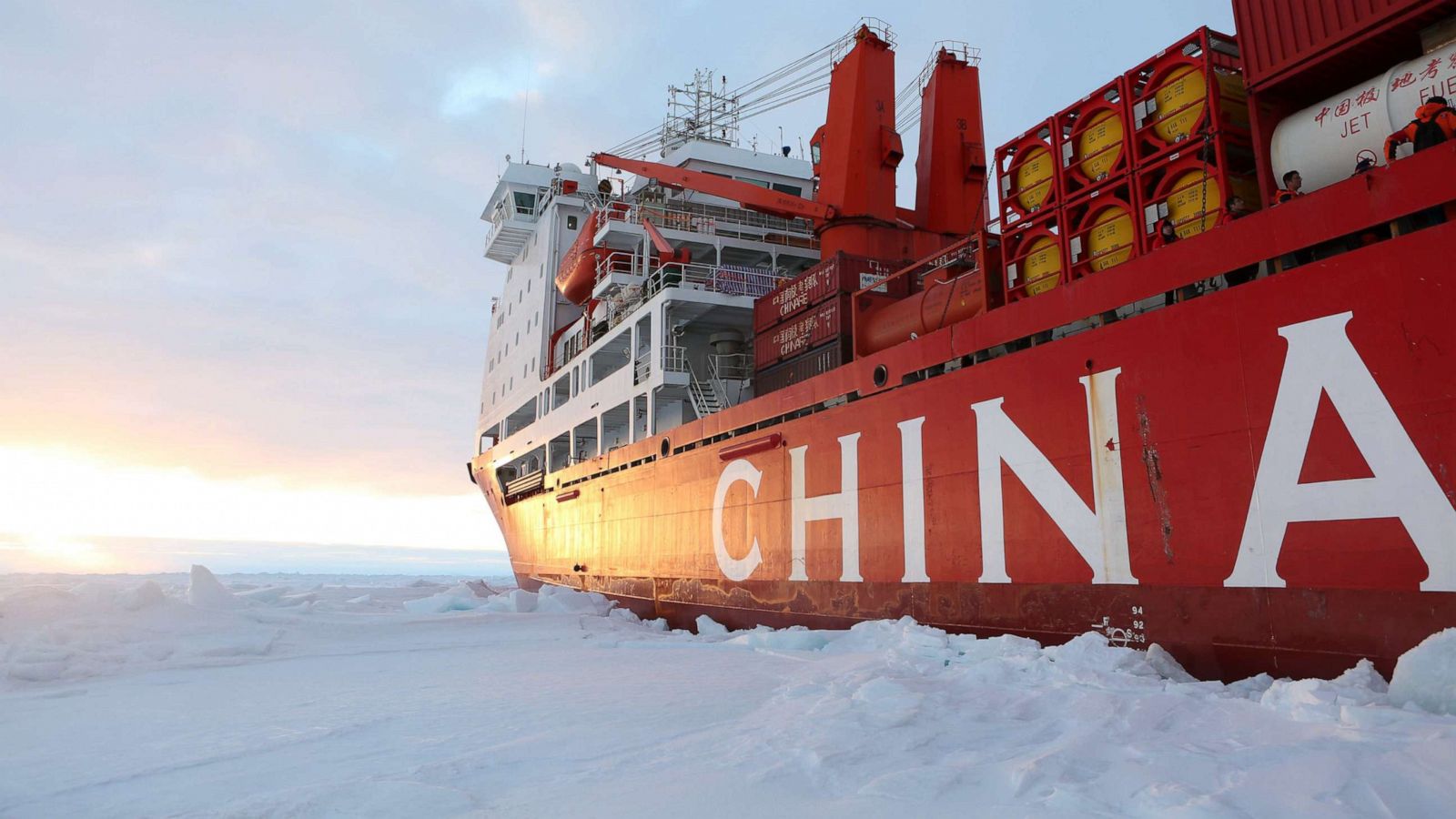
China’s growing use of the Northern Sea Route could provide an alternative to established maritime corridors connecting Asia and Europe, although the Arctic route still faces major operational and environmental challenges, Al Jazeera reports.
According to the report, China is increasing its interest in the Northern Sea Route, which runs along Russia’s Arctic coastline and provides a shorter potential connection between Chinese and European markets.
Al Jazeera reports that recent disruptions affecting shipping routes around the Middle East have renewed attention on alternative corridors that could reduce exposure to geopolitical risks along established trade routes.
The report says the Northern Sea Route forms part of China’s wider interest in the Arctic under its Polar Silk Road strategy.
According to Al Jazeera, the attraction goes beyond the possibility of shorter sailing distances. The route could provide Chinese exporters with another option for reaching Europe when conventional maritime corridors become disrupted or more expensive.
Al Jazeera says journeys between China and Europe through the Arctic can be considerably shorter than voyages through the Suez Canal, potentially making the route attractive for time-sensitive commercial shipping.
However, the report notes that the shorter distance does not necessarily make the Arctic corridor commercially superior.
Ice and weather conditions can complicate navigation, while the route lacks the extensive infrastructure and maritime services available along more established international shipping corridors.
Al Jazeera also highlights Russia’s role in the development of the route, noting that much of the Northern Sea Route runs along Russia’s Arctic coastline.
The report places China’s interest in the corridor within the broader economic relationship between Beijing and Moscow. Greater use of the route could support Russia’s Arctic development while giving China another avenue for transporting goods to European markets.
According to the report, changes in Arctic sea-ice conditions have also contributed to growing interest in the route by making some sections increasingly accessible for navigation.
At the same time, Al Jazeera raises environmental concerns over greater commercial activity in the Arctic, an ecologically sensitive region where accidents or pollution could have serious consequences.
The report says the route also faces logistical challenges, including the need for specialised vessels and support services and the unpredictability of Arctic conditions.
Al Jazeera therefore presents the Northern Sea Route as a potential additional trade corridor rather than an immediate replacement for the Suez Canal or other established routes.
The Issues
According to Al Jazeera, the Northern Sea Route could help China diversify its trade routes and reduce exposure to geopolitical disruptions, but difficult Arctic conditions, infrastructure limitations and environmental risks could restrict its commercial expansion.
What’s Being Said
“China’s growing use of a new Arctic shipping route to Europe could provide an alternative to traditional maritime corridors.” – Al Jazeera.
What’s Next
Al Jazeera’s analysis suggests that China’s use of the Northern Sea Route could expand as Beijing seeks more options for transporting goods between Asia and Europe, although the route will have to overcome significant logistical and environmental challenges.
Bottom Line
Al Jazeera reports that the Northern Sea Route could become a strategically useful alternative for China, particularly during disruptions to established maritime corridors, but it is not yet positioned to replace the major routes through which global trade currently moves.