





Key Points
- Chevron says policy predictability is critical to attracting long-term capital into Nigeria’s oil and gas industry.
- Industry stakeholders identify regulatory uncertainty, oil theft, vandalism and infrastructure challenges as barriers to growth.
- TotalEnergies calls for wider consultation before regulatory changes are introduced.
Main Story
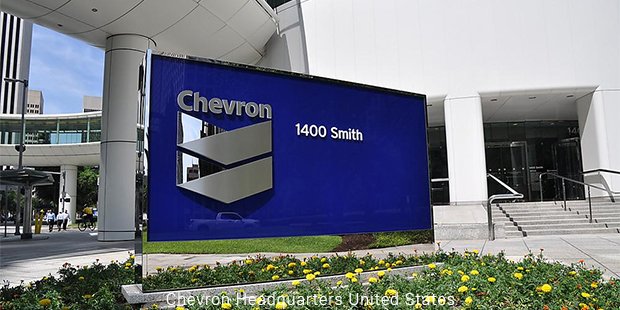
Chevron Nigeria Ltd. has called for greater policy predictability and regulatory stability to encourage investment and support long-term growth in Nigeria’s oil and gas industry.
Mr Segun Kuteyi, Acting Chairman and Managing Director of the company, made the call at the 2026 PENGASSAN Energy and Labour Summit in Abuja.
The summit, themed “Strengthening Regulatory Frameworks as a Catalyst for Stability and Growth in Nigeria’s Oil and Gas Industry”, is examining regulatory issues affecting the sector.
Kuteyi said the scale and long-term nature of petroleum investments made regulatory certainty particularly important to investors.
He noted that companies committed substantial capital to projects before they generated returns, making a stable policy environment essential for investment decisions.
He also said regulatory stability benefited workers, host communities and governments by supporting career development, economic opportunities and more effective revenue planning.
Kuteyi acknowledged improvements associated with the Petroleum Industry Act (PIA) 2021, saying increased cooperation between government, regulators and industry participants had improved transparency and given investors and operators greater clarity.
He called for further strengthening of the regulatory system to ensure that Nigeria remained competitive in attracting investment.
According to him, transparent processes, accountability and efficient regulation would help build confidence while protecting national interests and encouraging innovation and operational improvements.
Kuteyi said Chevron’s continued exploration, appraisal and development activities demonstrated its confidence in the country’s petroleum potential.
He noted that the company had renewed its joint venture and deepwater leases following the implementation of the PIA.
The Chevron executive, however, identified oil theft, vandalism, infrastructure constraints, competition for investment and workforce readiness among the issues requiring sustained attention.
He urged government, industry operators, regulators, labour and other stakeholders to maintain collaboration and support investment throughout the energy value chain.
Mr Olatunji Akinwumi, Executive Director, Corporate Services, TotalEnergies E&P Nigeria Ltd., also stressed the importance of consultation when introducing regulatory changes.
Akinwumi said inadequate consultation could create uncertainty for companies and affect both existing investments and decisions on prospective projects.
He warned that changes to regulations after investments had been made could shift companies’ attention from expanding operations to protecting their existing commitments.
According to him, maintaining a stable policy environment would be necessary if Nigeria was to meet its production targets.
Akinwumi called for stronger engagement among government, regulators, operators and labour to create a predictable environment capable of attracting capital and supporting expansion in the oil and gas industry.
The Issues
Nigeria’s oil and gas industry requires large and long-term capital commitments, making regulatory consistency an important consideration for investors.
Stakeholders at the summit also highlighted the potential impact of oil theft, vandalism, infrastructure limitations and regulatory changes on production and investment.
What’s Being Said
“The most important thing is predictability. Capital is agnostic to location; it is simply searching for where superior returns will come, and competition continues to get more challenging,” — Segun Kuteyi
“Workers need stability because it is critical to their career development. Communities need stability to establish economic opportunities, while governments need it to plan revenues and budgets,” — Segun Kuteyi
“Nigeria must keep strengthening the regulatory framework to remain attractive, competitive and resilient,” — Segun Kuteyi
“We are here because we see a lot of potential. We are seeing clarity, stronger regulations and promise for the future,” — Segun Kuteyi
“What happens when there is a lack of clarity? What happens when we change the rules? If you change the rules midway, you confuse everybody,” — Olatunji Akinwumi
“For us to achieve that, we must ensure that whatever changes we make do not have unintended consequences that can distract us from growth,” — Olatunji Akinwumi
What’s Next
Government, regulators, operators and labour are expected to deepen consultations on regulatory changes as stakeholders seek greater certainty for investment and production.
Bottom Line
Industry stakeholders say a more predictable regulatory environment will be important for attracting long-term capital, expanding production and supporting sustainable growth in Nigeria’s oil and gas sector.