



KEY POINTS
- Nigeria warned at the 63rd Session of the UN Human Rights Council in Geneva that the ongoing UN liquidity crisis must not disproportionately undermine human rights assistance to developing and conflict-affected nations.
- Amb. Innocent Iwejuo, Nigeria’s Permanent Representative to the UN in Geneva, emphasized that technical assistance must be needs-based, respect national ownership, and remain free from political conditions.
- The position links broader UN financial constraints to administrative challenges also managed in New York, where Nigeria chairs the General Assembly’s Fifth Committee.
MAIN STORY
Nigeria has warned that the United Nations liquidity crisis must not disproportionately undermine human rights assistance to developing and conflict-affected countries.
Nigeria made the call at the 63rd Session of the UN Human Rights Council in Geneva during discussions on technical assistance and capacity-building. The country reaffirmed the importance of practical assistance in strengthening national institutions and helping governments implement their international human rights commitments.
“At a time of resource constraint, adequate and predictable funding is essential,” said Amb. Innocent Iwejuo, Nigeria’s Permanent Representative to the UN Offices in Geneva. “The UN liquidity crisis must not disproportionately affect support to developing and conflict-affected countries.”
Nigeria said technical assistance should be needs-based, responsive to national priorities and provided with the consent of countries concerned. “National ownership is indispensable to achieving sustainable results,” the Nigerian representative said. The country stressed that international assistance should strengthen rather than replace domestic institutions.
It said support should address nationally identified needs, including legal implementation, administration of justice and implementation of accepted Universal Periodic Review recommendations. Nigeria also warned against politicising technical cooperation or attaching inappropriate conditions to assistance. It said cooperation under the Human Rights Council should remain constructive, non-politicised and free from pressure.
It aligned itself with the African Group, which has similarly pushed for predictable resources for developing countries seeking to strengthen national human rights institutions. Nigeria’s position comes as the wider UN system struggles with liquidity constraints caused partly by delayed or unpaid assessed contributions.
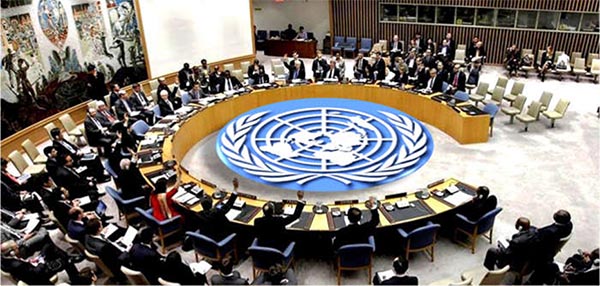
Nigeria has also raised similar financing concerns in New York, where its Permanent Representative, Amb. Jimoh Ibrahim, is chairing the General Assembly’s Fifth Committee responsible for administrative and budgetary matters. The Nigerian position consequently links the UN’s financial crisis directly to its ability to deliver practical support in developing countries.
Nigeria pledged continued constructive engagement with the Human Rights Council and UN mechanisms in building sustainable national capacities. It maintained that international cooperation should ultimately produce concrete improvements in human rights on the ground rather than simply expand institutional processes.
THE ISSUES
- Balancing administrative budget shortfalls across the global UN apparatus against the critical delivery of field-level technical and human rights assistance.
- Preventing the politicization of international capacity-building while ensuring national ownership over legal and judicial reforms in developing nations.
WHAT’S BEING SAID
“At a time of resource constraint, adequate and predictable funding is essential. The UN liquidity crisis must not disproportionately affect support to developing and conflict-affected countries.” – Amb. Innocent Iwejuo, Nigeria’s Permanent Representative to the UN Offices in Geneva
“National ownership is indispensable to achieving sustainable results.” – Nigerian Delegation Statement
WHAT’S NEXT
UN member states and administrative bodies will continue budget deliberations through the General Assembly framework to address institutional liquidity constraints.
BOTTOM LINE
Nigeria has urged the United Nations to shield human rights assistance and technical capacity-building from the impacts of the ongoing global liquidity crisis.