










By Boluwatife Oshadiya | September 9, 2026
Key Points
- The naira traded around ₦1,320 per US dollar at the Nigerian Foreign Exchange Market
- Interbank foreign exchange turnover fell more than 48% to $55.60 million
- Nigeria’s external reserves reached $54.08 billion, their highest level since December 2008
Main Story
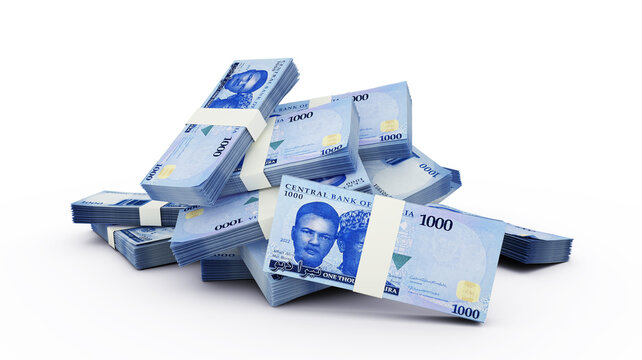
The naira traded largely sideways at the Nigerian Foreign Exchange Market (NFEM) as interbank foreign exchange activity weakened, while Nigeria’s external reserves remained above $54 billion.
The Central Bank of Nigeria (CBN) quoted the NFEM exchange rate at ₦1,320.2469 per US dollar, compared with ₦1,320.5574 at the previous close. Trading during the session took place between ₦1,318 and ₦1,323 per dollar.
Interbank foreign exchange turnover fell to $55.604 million across 58 deals, from $107.069 million in the previous session. The decline represents a drop of more than 48%, pointing to weaker transaction activity at the interbank window.
The softer trading activity comes against a stronger external reserve position. CBN data showed Nigeria’s gross external reserves reached $54.08 billion on September 3, up from $53.99 billion on September 2 and $53.90 billion on September 1. The level is the highest recorded since December 2008.
The reserves have increased by about $8.52 billion from $45.56 billion at the beginning of 2026, representing an 18.7% increase. The latest position is also about $3.04 billion above the CBN’s projected $51.04 billion reserve level for the end of the year.
The stronger external position has coincided with a firmer naira. Recent market data showed the currency trading around the ₦1,315–₦1,320 range, while weekly NFEM turnover between August 31 and September 3 fell 33% from the previous week’s level.
What’s Being Said
CBN Governor Olayemi Cardoso has attributed the rise in external reserves to stronger foreign-exchange inflows, including receipts from crude-oil-related taxes and third-party inflows.
Market reporting indicates that the combination of stronger reserves and improved foreign-exchange liquidity has supported the naira’s recent appreciation, although weaker turnover shows that trading activity has not increased alongside the currency’s gains.
What’s Next
The direction of the naira will remain closely linked to the supply of foreign exchange through the official market and the CBN’s reserve position.
Market participants will also monitor crude oil prices, particularly as Brent crude approaches $100 per barrel amid escalating Middle East tensions and disruptions to regional energy infrastructure.
Bottom Line
The Bottom Line: The naira’s stability is being reinforced by a substantially stronger external reserve position, but the sharp fall in interbank turnover suggests that the currency’s recent gains should not be interpreted solely as evidence of stronger market activity. Sustained FX inflows will be critical to maintaining the improvement.









 as interbank foreign exchange activity weakened, while...)