










Key points
- Nigeria Customs Service (NCS) launches Management Information System (MIS) File Tracker at PTML Area Command.
- Initiative is part of the Service’s broader modernisation drive to digitise administrative processes and improve operational efficiency.
- MIS platform will automate key administrative functions, including file tracking, leave applications, duty rosters and staff orders.
- PTML Command selected as pilot location due to its track record in implementing Customs technology projects.
- Acting Controller Nura Miko says the command will justify the confidence reposed in it and targets reducing compliant cargo clearance time from two hours to one hour.
Main story

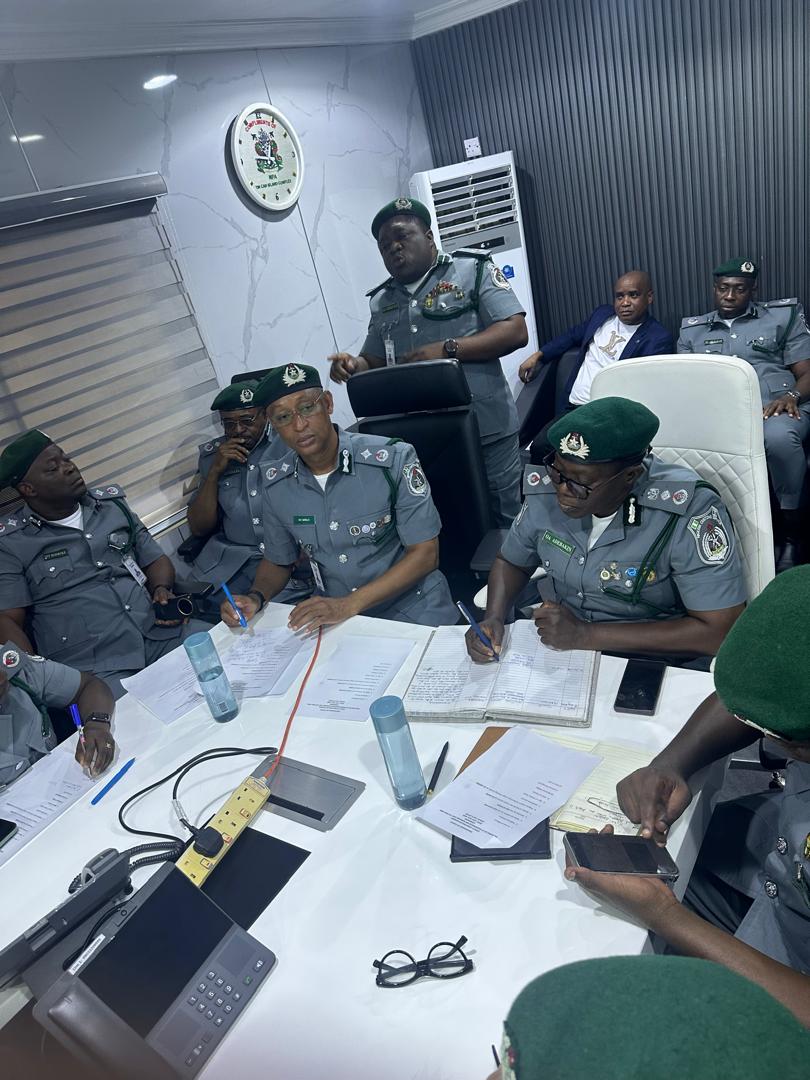
The Nigeria Customs Service (NCS) has launched its Management Information System (MIS) File Tracker, commencing a pilot rollout at the PTML Area Command as part of efforts to strengthen digital administration, improve operational efficiency and enhance service delivery across the Service.
The Comptroller-General of Customs, Bashir Adewale Adeniyi, said the initiative aligns with the Service’s ongoing modernisation agenda aimed at leveraging technology to simplify administrative processes, improve transparency and facilitate seamless trade.
Represented at the launch by the Deputy Comptroller-General in charge of ICT/Modernisation, Oluyomi Adebakin, the CGC described the deployment as another milestone in the Service’s digital transformation journey.
According to him, the introduction of the MIS File Tracker reinforces the NCS’ commitment to deploying innovative digital solutions that improve internal operations while aligning with global customs best practices.
The platform serves as an enterprise-wide administrative system and a Single Sign-On (SSO) application, enabling officers to access multiple administrative functions through a unified database across departments.
The system will automate several internal processes, including leave and pass applications, file tracking, duty roster management, internal staff orders, nominal rolls and other administrative functions.
It also provides a feedback mechanism that allows officers to recommend improvements and modifications, supporting continuous enhancement of the platform.
The Service expects the deployment to reduce manual paperwork, streamline internal workflows and promote faster, data-driven decision-making across Customs formations.
The PTML Area Command, recognised as one of the Service’s most technologically advanced commands, was selected for the pilot phase based on its successful implementation of previous digital initiatives, including the Unified Customs Management System (UCMS), popularly known as B’Odogwu.
Acting Controller of PTML Command, Deputy Comptroller Nura Miko, expressed confidence that the command would successfully implement the pilot and establish a benchmark for future nationwide deployment.
He noted that the command remains committed to maximising every technology-driven trade facilitation initiative introduced by the Customs management to improve efficiency and cargo processing.
Miko added that the command is already working towards reducing the current two-hour clearance time for compliant Roll-on Roll-off (RoRo) cargo to one hour.
The issues
The deployment reflects the Nigeria Customs Service’s determination to deepen digital governance and reduce dependence on manual administrative processes.
By digitising personnel administration and file management, the Service expects to improve accountability, eliminate delays associated with physical documentation and strengthen institutional efficiency.
The success of the pilot programme at PTML will be critical in determining the nationwide rollout of the MIS platform across Customs formations.
What’s being said
Comptroller-General of Customs, Bashir Adewale Adeniyi
“The initiative represents another milestone in the Service’s expanding modernisation agenda, which is focused on deploying digital solutions to improve operational efficiency, enhance transparency and facilitate seamless trade.”
Deputy Comptroller-General, ICT/Modernisation, Oluyomi Adebakin
“The MIS is an Enterprise Platform for all Customs administrative processes that would serve as a Single Sign-On application, enabling one unified data set to be used across all departments administratively.”
She urged officers to fully utilise the platform for leave and pass applications, file tracking, duty rosters, internal staff orders, nominal rolls and other administrative processes while providing feedback for future improvements.
Acting Controller, PTML Area Command, Deputy Comptroller Nura Miko
“We will justify the confidence reposed in us.”
He added that the command is working towards reducing the cargo clearance time for compliant RoRo cargo from two hours to one hour.
What’s next
Following the pilot deployment at PTML Area Command, the Nigeria Customs Service is expected to monitor system performance, gather user feedback and refine the platform before extending the MIS File Tracker to other Customs commands nationwide.
The initiative also complements the Service’s broader customs modernisation programme, which includes the ongoing implementation of the B’Odogwu Unified Customs Management System and other digital trade facilitation platforms.
Bottom line
The launch of the MIS File Tracker marks another significant step in the Nigeria Customs Service’s digital transformation agenda. If successfully implemented nationwide, the platform could improve administrative efficiency, reduce paperwork, enhance accountability and further strengthen Customs’ drive towards a fully technology-enabled institution.









 has launched its Management Information System (MIS) File Tracker, commencing a pilot rollout ...)