





Home Blog Page 98

Power Tussle Deepens As MAN, KEDCO Trade Blame Over Electricity Supply

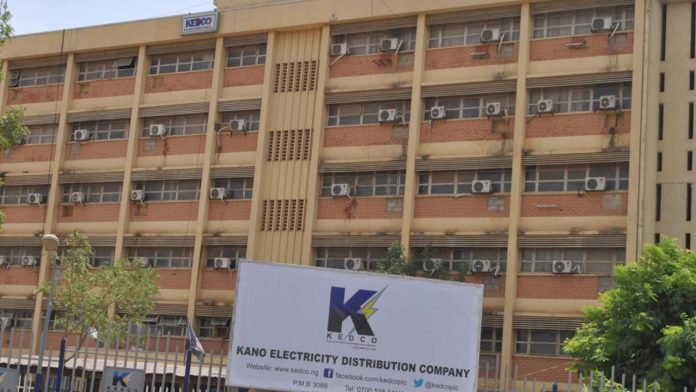
The dispute between the Kano and Jigawa branches of the Manufacturers Association of Nigeria (MAN) and Kano Electricity Distribution Company (KEDCO) has escalated, with both sides trading accusations over electricity supply and tariffs.

KEDCO, in a statement signed by its Head of Corporate Communications, Sani Bala Sani, expressed disappointment at what it described as “consistent antagonism” from MAN, despite what it claimed were significant concessions to industrial customers. According to the company, manufacturers have benefitted from exclusive discounts worth about ₦3 billion in the past year and access to stronger power bands delivering an average of 20 hours daily supply.

The DisCo maintained that despite these efforts, MAN has continued to agitate for direct electricity supply from the Niger Delta Power Holding Company (NDPHC) — a move KEDCO insists would not affect its commercial operations. The utility further alleged that MAN discouraged members from paying approved tariffs last year and even took the company to court.

“Despite huge financial losses resulting from customer apathy, we granted manufacturers discounted transition tariffs to ease them into new market realities. Yet, we continue to incur an average of ₦2.5 billion monthly losses on maximum demand industrial feeders due to energy theft,” Sani said.

He added that attempts to get MAN’s support in curbing energy theft had failed, while accusing the association of misrepresenting facts to stakeholders. “We will no longer support MAN. They have consistently failed to meet our expectations. We urge NDPHC to align its engagements with market realities for the collective good of the country,” he said.

But in a swift reaction, MAN Kano/Jigawa branch chairman, Mohammed Bello Umar, dismissed the allegations as “blackmail and threats,” stressing that manufacturers were simply exploring alternative energy options to cut costs.

“If KEDCO no longer wants to support industries, they should say so openly. We are only exercising our constitutional right to seek cheaper and more reliable power supply,” Umar said.

While acknowledging KEDCO’s previous discounts, the MAN chairman rejected the claims of energy theft, challenging the company to provide evidence. “We are businesspeople, not thieves. If there are culprits, KEDCO should name them and take action. We will support them. Our demand is for affordable and sustainable power, not conflict. We are partners in progress, not enemies,” he stated.

The ongoing face-off raises concerns for industries in Kano, Jigawa, and Katsina states, where manufacturers remain heavily dependent on reliable and affordable electricity to sustain production and jobs.

Access Holdings Appoints Innocent Ike As New GMD/CEO

Access Holdings Plc has announced the appointment of Mr. Innocent Ike as its substantive Group Managing Director/Chief Executive Officer, effective August 29, 2025, following regulatory approval.

The development comes shortly after the resignation of Roosevelt Ogbonna from the company’s board, in compliance with new corporate governance directives issued by the Central Bank of Nigeria.

In a statement released on Wednesday, the group said the appointment ushers in a new chapter under the leadership of its Chairman, Aigboje Aig-Imoukhuede, who returned to steer the organisation after the passing of former Group CEO Herbert Wigwe in 2024.

Arsenal, Chelsea, And Manchester City Handed Away Fixtures As Liverpool Face Southampton In Carabao Cup

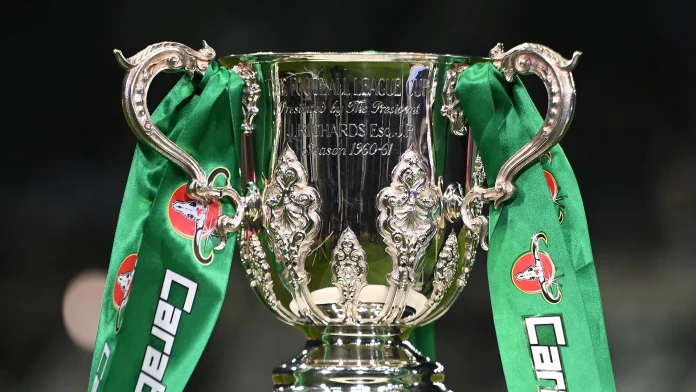
The stage is officially set for an exciting third round of the Carabao Cup after the English Football League (EFL) announced the draw on Wednesday night, pairing top-flight giants with tricky away tests and producing a number of eye-catching clashes.

Defending champions Newcastle United will look to keep their title defense alive when they host League One challengers Bradford City at St James’ Park.

Meanwhile, Grimsby Town, who caused one of the biggest shocks of the tournament by eliminating Manchester United in a penalty shootout at Blundell Park, will continue their remarkable cup journey with a visit to Sheffield Wednesday of the Championship.

Elsewhere, Manchester City begin their Carabao Cup campaign with a trip to Huddersfield Town, while Arsenal have been handed a potentially challenging tie against League One side Port Vale.

Chelsea will also be on the road as they travel to Lincoln City, while Tottenham Hotspur square off against Doncaster Rovers. One of the standout ties of the round will see Liverpool host Southampton at Anfield in what promises to be a blockbuster contest.

According to the EFL statement titled “Carabao Cup Round Three draw confirmed,” fixtures are scheduled to be played across the weeks of September 15 and September 22, running alongside Champions League and Europa League group stage encounters.

Full Carabao Cup Third-Round Fixtures

  • Port Vale v Arsenal
  • Swansea City v Nottingham Forest
  • Lincoln City v Chelsea
  • Tottenham Hotspur v Doncaster Rovers
  • Brentford v Aston Villa
  • Huddersfield Town v Manchester City
  • Liverpool v Southampton
  • Newcastle United v Bradford City
  • Sheffield Wednesday v Grimsby Town
  • Wolverhampton Wanderers v Everton
  • Crystal Palace v Millwall
  • Burnley v Cardiff City
  • Wrexham v Reading
  • Wigan Athletic v Wycombe Wanderers
  • Barnsley v Brighton & Hove Albion
  • Fulham v Cambridge United

With several Premier League heavyweights facing stern challenges away from home and potential upsets on the cards, the third round promises to deliver another chapter of thrilling Carabao Cup drama.

Fuel Consumption Hits N1.3tn In June, Says NMDPRA

NMDPRA Releases 4 New Regulations On Environmental Remediation Fund

Amid rising energy costs, Nigerians spent about N1.3 trillion on Premium Motor Spirit (PMS), popularly called petrol, in June 2025, according to the latest data from the Nigerian Midstream and Downstream Petroleum Regulatory Authority (NMDPRA).

The regulator’s PMS truck-out report revealed that a total of 1.44 billion litres of petrol were distributed across the country during the month. At an average pump price of N900 per litre, the nationwide bill for the commodity amounted to over N1.3tn.

States with Highest Consumption

Lagos led the chart with 205.7 million litres, valued at N185.1bn. It was followed by:

  • Ogun: 88.7m litres (N79.8bn)
  • FCT Abuja: 77.5m litres (N69.8bn)
  • Oyo: 72.8m litres (N65.5bn)

At the lower end, Jigawa consumed just 9.4m litres (N8.5bn), while Ebonyi, Yobe, and Bayelsa also recorded low allocations of 10.5m, 11.7m and 11.9m litres respectively.

Regional Breakdown

Consumption varied widely across the six geopolitical zones:

  • South-West: 452.9m litres (N407.7bn) – Lagos, Ogun, and Oyo were the biggest drivers.
  • North-Central: 247.4m litres (N222.4bn) – led by the FCT (77.5m litres).
  • North-West: 230m litres (N207bn) – Kano dominated with N61.4bn worth of fuel.
  • South-South: 224.9m litres (N202.9bn) – Delta topped with N61.6bn.
  • North-East: 152.8m litres (N137.5bn) – Adamawa led with N51.2bn.
  • South-East: 132.7m litres (N119.6bn) – Anambra consumed the most at N36.5bn.

The figures underline Nigeria’s uneven petrol consumption, heavily concentrated in urban and industrial hubs like Lagos, Ogun, Abuja, Oyo, and Kano, where population density and economic activity are highest.

Dangote Refinery’s Impact

In June, Africa’s richest man and President of the Dangote Group, Aliko Dangote, noted that Nigerians currently pay only 55% of what neighbouring West African countries pay for petrol.

His refinery, the country’s only functional producer, sells PMS between N815 and N820 per litre, compared to about N1,600 per litre (roughly $1) in neighbouring countries.

Dangote stressed that local refining has significantly reduced costs, especially after petrol subsidies were scrapped by President Bola Tinubu in May 2023, when pump prices spiked from N200 to as high as N1,200 per litre.

Since commencing operations last year, the 650,000 barrels-per-day Dangote refinery has introduced repeated price cuts, helping push petrol prices below N900/litre.

Consumer Concerns

Despite the reductions, many Nigerians still consider current prices unaffordable. Fuel marketers have complained of losses, while consumers argue that petrol should return to N200–N500 per litre to ease inflationary pressure.

“The prices should drop to between N200 and N500, and you’ll see the impact on virtually all sectors of the economy. Selling petrol above N850 per litre is still high and causing inflation to spike,” said Lagos resident, Favour Samson.

Tinubu Commends Capital Market Surge, Meets NGX And SEC Executives In Brazil

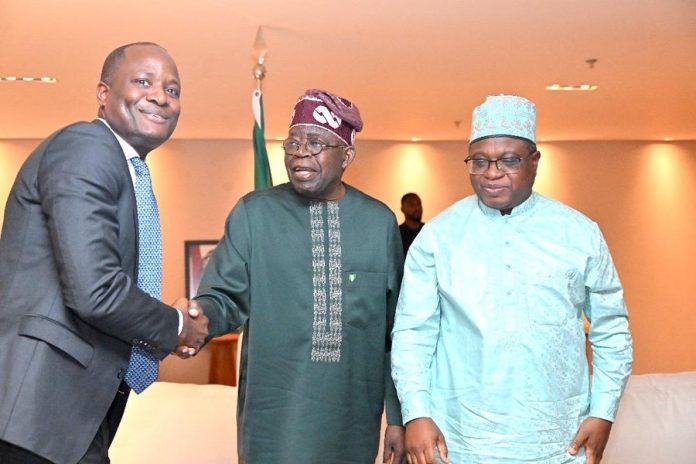
President Bola Tinubu has applauded the “remarkable growth” of Nigeria’s capital market under his administration, crediting investor confidence in his economic reforms for the bullish trend on the Nigerian Exchange (NGX).

Tinubu made this known during a meeting with the Director-General of the Securities and Exchange Commission (SEC), Dr. Emomotimi Agama, and the Board of Directors of the NGX Group while on a state visit to Brazil.

According to a statement issued on Wednesday by Presidential Adviser Bayo Onanuga, the President described the expansion in market capitalization and trading volumes as evidence that his reform agenda is working.

“Nigeria’s markets must remain a trusted engine of enterprise and prosperity. My administration will sustain reforms that unlock capital, safeguard investors, and drive innovation so that our economy works for every Nigerian,” Tinubu declared.

He reaffirmed his commitment to building a stronger financial ecosystem, aligning with his Renewed Hope Agenda.

SEC’s Dr. Agama praised the President for signing the Investment and Securities Act (ISA) 2025 into law, calling it one of Africa’s most comprehensive capital market frameworks, capable of propelling Nigeria toward a ₦300 trillion market valuation.

NGX Group Chairman Alhaji Umaru Kwairanga noted that trading volumes and values had “almost tripled since the beginning of this administration,” and urged the government to accelerate the listing of major state-owned firms such as NNPC Limited.

He also extended an invitation to Tinubu to visit the NGX trading floor.

NGX Group CEO Temi Popoola and Director Nonso Okpala echoed the optimism, highlighting that recent reforms had improved exchange rate stability, fostered innovation, and boosted investor confidence.

Nigerian Stock Market Loses ₦324bn As Investors Sell Off Shares

Stock Exchange Closes Trading Week With N30bn Gain

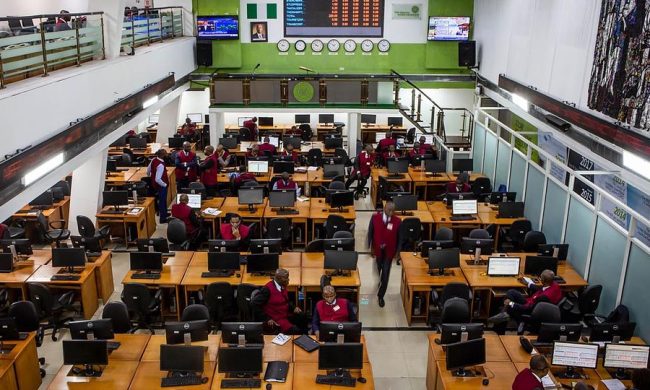
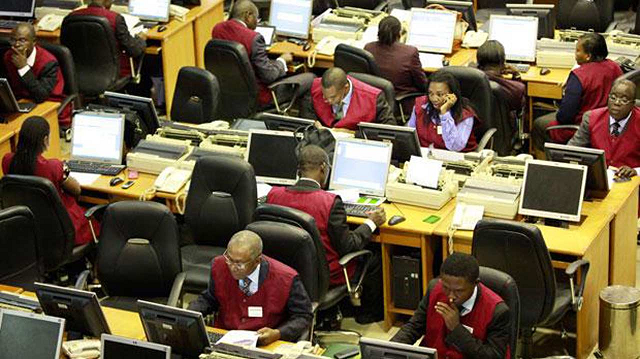
The Nigerian Exchange (NGX) closed Wednesday’s trading session on a bearish note, wiping off ₦324 billion from the market capitalization as investors cashed out profits across various sectors.

The All-Share Index (ASI) dropped by 0.36% to settle at 141,248.76 points, cutting the year-to-date return to 37.23%. As a result, total market value slid to ₦89.37 trillion from the previous day’s ₦89.69 trillion.

Trading details revealed weak investor sentiment, with 16 stocks appreciating against 40 that declined. Analysts described the losses as a reflection of cautious trading and sustained profit-taking.

Despite the downturn, trading activity was robust, with transaction volume rising by 18.94% and value surging by 79.05%. A total of 682.89 million shares worth ₦22.22 billion exchanged hands in 28,695 deals.

In terms of activity, FCMB led in volume (15.99%), followed by STERLINGNG (12.68%), CUTIX (6.75%), ACCESSCORP (5.80%), and FIRSTHOLDCO (5.27%). On value, ARADEL dominated with 18.56% of the total turnover.

Among gainers, DEAPCAP rose 4.82%, while LEGENDINT appreciated 4.63%. Others included HONYFLOUR (+4.17%), TANTALIZER (+3.60%), AFRIPRUD (+3.13%), and UBA (+2.27%).

Conversely, CORNERST and RTBRISCOE led the losers with a -10% drop each. Other major laggards included NGXGROUP (-9.70%), GUINNESS (-7.28%), VFDGROUP (-5.98%), GTCO (-3.06%), and ELLAHLAKES (-2.29%).

Sectoral performance ended mixed, with Banking (-0.76%), Insurance (-3.42%), and Consumer Goods (-0.86%) closing lower. Oil & Gas gained 0.18%, while Industrial and Commodities traded flat.

Naira Strengthens As Nigeria’s Foreign Reserves Hit $41.22bn

The naira recorded a mild recovery against the US dollar on Wednesday, supported by continued inflows into Nigeria’s external reserves, which climbed to $41.22 billion — the highest level since 2021.

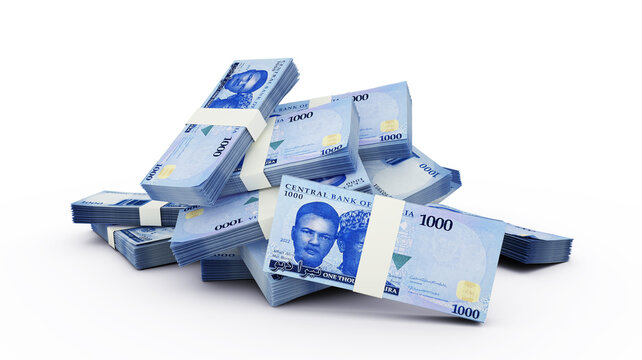
Data from the Central Bank of Nigeria (CBN) showed that the official FX rate closed at ₦1,537.07 per dollar, compared to ₦1,537.61 the previous day. The currency touched an intraday high of ₦1,538.50 before closing at ₦1,537.20, after reaching a low of ₦1,536.25.

At the parallel market, the naira appreciated to ₦1,542 per dollar, with banks offering customers foreign exchange through naira debit cards at ₦1,544 per dollar.

Analysts attributed the recovery to dollar inflows from foreign portfolio investors who recently participated in the CBN’s open market operations. They added that the steady rise in reserves would continue to anchor stability in the FX market, barring any external shocks.

CBN data confirmed that Nigeria’s gross external reserves increased from $41.19 billion at the start of the week to $41.22 billion on Tuesday, reflecting sustained inflows that are shoring up confidence in the local currency.

ASUU Rejects Federal Government’s Loan Plan For University Lecturers

ASUU Strike: FG Withdraws Order Compelling VCs To Open Universities

The University of Jos branch of the Academic Staff Union of Universities (ASUU) has dismissed the Federal Government’s newly introduced loan programme for lecturers and other tertiary institution employees.

At a press briefing in Jos on Tuesday, Prof. Jurbe Molwus, chairman of the ASUU chapter, criticized the initiative known as the Tertiary Institutions Staff Support Fund, which was unveiled about two weeks ago.

According to the government, the scheme is designed to enhance welfare and professional growth among both academic and non-academic staff in Nigeria’s higher institutions. Minister of Education, Dr. Tunji Alausa, described the programme as a direct response to the financial challenges facing the workforce in universities and polytechnics.

However, Molwus rejected the proposal, labelling it a “poisoned chalice” and a “trap.” He insisted that rather than offering loan packages, the Federal Government should fulfill the long-standing 2009 agreement with the union.

“Our members already have access to loans, and many are overwhelmed with debt. What we require is the signing of our renegotiated agreement so that our wages can meet living costs without depending on cooperative loans,” he said.

On the ongoing peaceful protests by ASUU members across Nigerian campuses, Molwus explained that the demonstrations are meant to urge the government to address unresolved issues affecting the education sector.

He appealed to President Bola Tinubu to personally meet with ASUU leadership, stressing that direct dialogue would help avert potential disruptions to academic calendars in universities nationwide.

CBN Offers Fresh OMO Bills, Investors Secure 26.49% Stop Rate

The Central Bank of Nigeria (CBN) has again turned to open market operations (OMO) to manage liquidity, offering N300 billion worth of 83-day bills to investors on Wednesday.

Coming just a day after a successful auction, the apex bank floated another single-tenor issuance at the primary market, attracting robust participation from foreign portfolio investors and domestic banks.

The result was oversubscription nearly three times the offer size, with the bid-to-offer ratio standing at 2.9x. Ultimately, the CBN allotted a total of N842.5 billion in OMO instruments, with investors settling at a stop rate of 26.49%.

The strong demand reflects growing appetite for short-term naira assets as investors continue to respond to CBN’s tightening stance and higher yield environment.

Analysts say the sustained OMO interventions highlight the apex bank’s determination to mop up excess liquidity while anchoring inflation expectations and stabilizing the foreign exchange market.

Tinubu Vows Technology-Driven Growth And Food Security As Pillars Of Nigeria’s Development

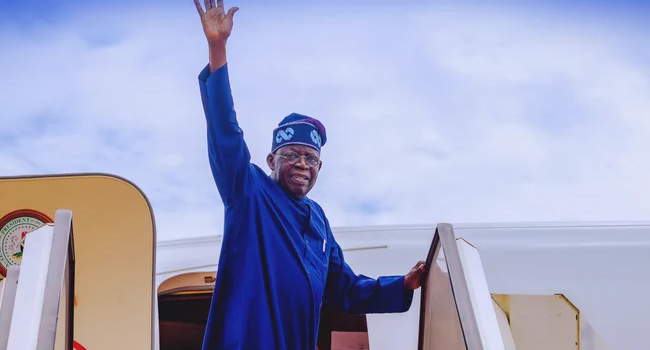
President Bola Ahmed Tinubu has reaffirmed his administration’s determination to fast-track Nigeria’s economic transformation through the twin pillars of technology and food security, drawing lessons from Brazil’s remarkable growth trajectory.

During an engagement on Tuesday with Nigerians living in Brazil, Tinubu underscored his vision of repositioning the country as Africa’s economic powerhouse through innovation, reform, and inclusive governance.

“We must bring Nigeria to the forefront of Africa’s progress, powered by technology, food sovereignty, and the courage to shape our destiny,” the President said.

Tinubu described his trip to Brazil as a strategic diplomatic mission aimed at deepening bilateral ties while learning from the South American giant, which he noted once shared similar economic standing with Nigeria.

“Once upon a time, Nigeria and Brazil were on the same level. Look at Brazil today—its technology, its food systems. We must ask ourselves: what do they have that we don’t? We have the brains, the energy, and the youth. We have everything we need. Now we must act,” he stressed.

Acknowledging the efforts of Nigerians abroad, Tinubu commended the diaspora community for their resilience and contributions to national progress, urging them to remain key stakeholders in the country’s transformation.

“You are the pride of our nation. Your diversity and commitment reflect the Nigeria we are building,” he said.

On Nigeria’s current economic challenges, Tinubu likened his reform agenda to “bitter medicine,” necessary for long-term stability. He emphasized that ongoing global partnerships in manufacturing, technology, and cultural exchange would unlock Nigeria’s untapped potential.

Referencing Nobel Laureate Wole Soyinka’s upcoming cultural voyage, Tinubu noted that if Soyinka, at over 90 years old, continues to dream and act, then Nigerians, especially the youth, have no excuse to relent.

Earlier, Chika Emmanuel, Chairman of the Nigerians in Diaspora Organisation in Brazil, commended Tinubu’s diplomatic strides while highlighting the diaspora’s contributions to education, agriculture, and infrastructure. Emmanuel revealed that Nigerian postgraduate students in Brazil had grown from three to nearly 300 within 18 months, all on scholarships.

Tinubu, responding to calls for new consulates in São Paulo and other cities, appealed for patience, explaining that government resources were being carefully managed.

House of Representatives Speaker Tajudeen Abbas described the Brazil meeting as historically significant, stressing the centuries-old ties between both nations. Kaduna State Governor Uba Sani praised Tinubu’s reforms, citing the clearance of a $7 billion forex backlog and removal of multiple exchange rates as major wins for investor confidence.

The meeting, anchored by NiDCOM chief Abike Dabiri-Erewa, was attended by Senate Deputy President Barau Jibrin, Plateau State Governor Caleb Mutfwang, Minister of State for Foreign Affairs Bianca Odumegwu-Ojukwu, and Minister of Information Mohammed Idris.

Nigerian Stock Market Declines As Guinness, Unilever Lead Losers

NGX Records N256bn Loss Last Week

The Nigerian Exchange (NGX) recorded intraday losses on Tuesday as profit-taking activities weighed heavily on key equities, particularly Guinness Nigeria Plc and Unilever Nigeria Plc.

During early trading hours, the All-Share Index slipped into negative territory, reflecting cautious investor sentiment amid expectations of a short-term market correction.

Analysts reported that banking stocks and select mid-to-large-cap companies bore the brunt of sell-offs, while only mild bargain hunting was observed in smaller equities. At midday, Alpha Morgan Capital Limited confirmed that the NGX benchmark dipped by -0.08%, driven by broad-based market weakness.

Top decliners included GUINNESS (-7.28%), UNILEVER (-4.58%), AIICO (-2.03%), FCMB (-1.79%), TRANSCORP (-1.14%), and NASCON (-1.11%). Other notable fallers were GTCO (-1.02%), ZENITHBANK (-0.85%), and NAHCO (-0.48%).

Market watchers said the downturn reflected investors locking in recent gains, particularly in the consumer goods and banking segments, amid heightened uncertainty over short-term market direction.

Grimsby Stun Manchester United In Dramatic EFL Cup Penalty Shootout

Manchester United crashed out of the EFL Cup in shocking fashion on Wednesday night, as fourth-tier Grimsby Town pulled off one of the biggest upsets in the competition’s history. The Mariners triumphed 12–11 in a nail-biting penalty shootout after the match ended 2–2 in regulation time.

Grimsby stunned the Premier League giants early in the game, surging into a commanding 2–0 lead within the first half-hour through goals from Charles Vernam and Tyrell Warren. The League Two side looked destined for a famous victory, with their relentless pressing and sharp attacking moves rattling the visitors.

United, however, mounted a late response. Cameroonian forward Bryan Mbeumo ignited hopes of a comeback with his first goal for the club in the 75th minute. Captain Harry Maguire then rose highest to head home a dramatic equaliser, sending the tie into a tense penalty showdown.

The shootout stretched into sudden death as both sides converted spot-kicks with remarkable composure. But the decisive moment came when Mbeumo, who had earlier sparked United’s rally, missed his penalty. That error handed Grimsby the chance to seal a historic win, and they duly delivered, sparking euphoric celebrations among the home supporters at Blundell Park.

The result heaps more pressure on United manager Ruben Amorim, whose side have now suffered another early exit in domestic competition. For Grimsby, it was a night to remember—a statement victory that will be talked about for years, as they dumped one of English football’s most decorated clubs out of the League Cup.

Details to follow…

CBN Sets October 31 Deadline For ISO 20022 Migration, Geo-Tagging Of POS Terminals

The Central Bank of Nigeria (CBN) has issued a fresh directive mandating all banks, mobile money operators, super agents, and other licensed players in the payments ecosystem to fully migrate to the ISO 20022 payment messaging standard and geo-tag all point-of-sale (POS) terminals by October 31, 2025.

According to the apex bank, the measure aligns Nigeria’s financial system with global best practices while addressing rising fraud cases in the electronic payments space. It noted that fraudulent practices by rogue POS operators and abuse of payment devices have created vulnerabilities that require tighter surveillance, making geo-tagging and standardised messaging crucial to restoring confidence in the retail payments system.

In a circular signed by the Director of the Payments System Supervision Department, Dr. Rakiya Yusuf, the CBN stated that all domestic and cross-border payment transaction messages must now be formatted in ISO 20022. The standard requires the complete and accurate inclusion of mandatory data elements such as payer and payee identifiers, merchant and agent details, and transaction metadata.

The CBN explained that adopting ISO 20022 will enhance compliance with international benchmarks, improve transparency, and close loopholes often exploited by fraudsters.

On terminal geo-tagging, the bank directed that all existing and newly deployed POS devices must be equipped with native geolocation services and double-frequency GPS receivers to guarantee reliable positioning. Each device must also be registered with a Payment Terminal Service Aggregator (PTSA), reflecting the exact latitude and longitude of the merchant or agent’s location.

Furthermore, all terminals and applications must be certified by the National Central Switch (NCS) and integrate its Geolocation SDK for monitoring and geofencing. The SDK must be initialised at the registered business location, with a maximum permitted geofence radius of 10 meters. Geo-location data must also be captured at the point of transaction initiation and embedded in the message payload as a mandatory field.

The circular stressed additional compliance rules:

  • Android OS v10 is the minimum requirement across all terminals to ensure compatibility with the NCS geolocation system.
  • Terminals not routed through a PTSA are prohibited from transacting.
  • All terminals must adhere strictly to approved Merchant Service Codes (MSC) by sector.
  • Existing terminals must be geo-tagged within 60 days of the circular, while new devices must be tagged before certification and activation.

The CBN warned that compliance validation exercises will commence on October 20, 2025, ahead of the final migration deadline.

Brutality In Oba: How The Assault On A Corps Member Exposed Nigeria’s Vigilante Problem

On July 23, 2025, Oba, a bustling town in Idemili South Local Government Area of Anambra State, witnessed an act of brutality that has since unsettled the nation. Jennifer Edema Elohor, a young National Youth Service Corps (NYSC) member, became the face of a deepening crisis when she was violently assaulted by operatives of the Agunechemba Vigilante Group, also known as Operation Udo Ga-Achi.

The vigilantes had stormed the NYSC lodge in the community, accusing corps members of engaging in cybercrime. But despite Elohor’s NYSC uniform and identification, they beat her mercilessly, stripped her naked, and subjected her to sexual threats. A disturbing video of the ordeal—released weeks later by the Haven 360 Foundation—showed Elohor bloodied, pleading for her life, as her attackers fired shots into the air.

What should have been a year of national service turned into a nightmare. And for many Nigerians, Elohor’s assault is more than an isolated tragedy—it is a reflection of unchecked vigilante power, weak oversight, and the vulnerability of young people sent across the country to serve.

Shockwaves and Official Reactions

The video, which surfaced on August 19, triggered national outrage. Citizens, activists, and politicians flooded social media with hashtags like #JusticeForElohor and #NYSCSafety, demanding accountability.

A day later, the Anambra State Government announced the dismissal of eight vigilante operatives linked to the attack. “They are bad eggs who acted outside their mandate,” said Ken Emeakayi, Special Adviser to Governor Chukwuma Soludo on Community Security. The government covered Elohor’s medical bills, replaced her damaged belongings, and offered an official apology to her family and the NYSC.

The police confirmed the operatives had been detained and promised prosecution. Yet, progress has been uneven, partly due to Elohor’s temporary relocation for safety. Anambra’s First Lady, Dr. Nonye Soludo, also reached out personally, underscoring the seriousness of the state’s response.

Still, human rights lawyer Ifeanyi Ejiofor called the assault a “national shame,” demanding structural reforms, including an independent oversight body for vigilantes.

A Symbol of Broken Trust

The NYSC, long hailed as a bridge-builder in Nigeria’s fractured society, has often been marred by safety concerns. From election duty violence to kidnappings in conflict-prone areas, corps members have frequently paid the price for systemic security lapses.

Elohor’s case, however, struck a raw nerve. Unlike faceless statistics, her ordeal was documented and circulated. Nigerians saw her stripped, humiliated, and terrified—an image that spoke volumes about the fragility of trust in the state’s ability to protect its own citizens.

“The private citizens tasked with protecting us have now become predators,” one X (formerly Twitter) user lamented.

Demands for Reform

Calls for reform have been loud and diverse. The Nigerian Bar Association’s Human Rights Institute, the National Association of Nigerian Students, and advocacy groups like the Haven 360 Foundation have all pressed for systemic change. Proposals range from stricter oversight and training for vigilantes to the creation of disciplinary boards that can swiftly punish misconduct.

Senator Ede Dafinone has demanded relocation of corps members from volatile communities and enhanced lodge security. Others argue that Elohor deserves not just justice in court but also meaningful compensation for the trauma and humiliation of her ordeal.

“Without compensation, prosecution, and reform, this will simply fade into the long list of unhealed wounds in our national history,” warned Haven 360 in its statement.

Beyond Elohor

What happened in Oba is no longer just Elohor’s story. It is a cautionary tale about what happens when security is outsourced without oversight, when uniforms embolden violence instead of preventing it, and when the state’s responsibility to protect is outsourced to unregulated forces.

As investigations proceed, Nigerians are watching closely. Elohor’s assault could either be swept under the carpet like so many past injustices—or become a turning point that forces the country to rethink both the NYSC’s safety and the powers given to vigilante groups.

For Elohor, the scars—both physical and emotional—may take time to heal. But for Nigeria, her ordeal is already a mirror, reflecting the urgent need for accountability, reform, and above all, protection of those who serve.

Stanbic IBTC Shares Slide 15.4% Amid Delay In Earnings Release

Stanbic IBTC Holdings Plc experienced a significant drop of over 15% in its market valuation due to investor retreat prompted by a delay in publishing its first-half 2025 financial results. The banking group saw consistent selling across the week on the Nigerian Exchange as investor confidence waned.

Market data from the bourse disclosed a sharp decline in Stanbic IBTC’s share price, which dropped approximately 15.4% from N111.1 to N94. This downward movement reflected a surge in sell orders.

During the last two trading days, volumes surged notably, with evidence pointing to predominance of sell-side transactions contributing to the steep reduction in market value week-over-week. MarketForces Africa indicated the bank’s stock had recently peaked at a 52-week high, buoyed by optimistic expectations for its half-year earnings report.

Despite anticipation, Stanbic IBTC has yet to release their financial statements needed for investors to make informed trading decisions. The group informed the Nigerian Exchange that their half-year results remain under final review.

By Friday’s market close, the bank’s total market capitalization fell to approximately N1.49 trillion, marking a 15.39% decline from its 52-week peak, on its 15.9 billion outstanding shares.

 Financial Stocks Drive Early Gains On Nigerian Exchange Amid Profit-Taking Recovery

Stock Market: AIICO Insurance Leads Gainers Table

The Nigerian stock market reversed a recent downward trend on Monday, fueled by renewed investor interest in financial sector stocks. The local bourse, which closed lower last week due to profit-taking, experienced buying momentum in the opening hours of trading.

Data analysis from the Nigerian Exchange (NGX) showed re-entry by investors purchasing shares at more attractive valuations, alongside surges in key banking equities ahead of their upcoming earnings disclosures.

By midday, the NGX All Share Index rose by 0.11%, signaling a shift toward positive market sentiment, according to a note from Alpha Morgan Capital Limited. Stockbrokers attributed this uptick to increased demand for mid-cap and large-cap stocks.

Leading intraday gainers included JBERGER with a 9.93% increase, AIICO (+3.83%), INTBREW (+2.69%), GTCO (+2.13%), and STERLINGNG (+0.66%). Additional advances were seen in ACCESSCORP (+0.56%), FIDELITYBK (+0.48%), MANSARD (+0.18%), UBA (+0.10%), and TRANSCORP (+0.10%), among others.

These movements suggest investor optimism returning after last week’s profit-taking phase, with attention focused on imminent financial reports expected to influence market direction.

Tinubu To Launch Revised Counter-Terrorism Strategy As Kidnap-For-Ransom Economy Hits ₦2.56bn

President Bola Ahmed Tinubu will in October unveil Nigeria’s revised National Counter-Terrorism Strategy (NACTEST), following a comprehensive review aimed at tackling evolving security threats across the country.

The National Coordinator of the National Counter Terrorism Centre (NCTC), Office of the National Security Adviser, Maj.-Gen. Adamu Laka, disclosed this yesterday in Abuja at the third-quarter stakeholders’ meeting of NACTEST.

He explained that the revised strategy document has been finalised and submitted to the National Security Adviser, Nuhu Ribadu, for approval ahead of its formal launch. According to him, the new framework is designed to strengthen the nation’s capacity to combat terrorism and related crimes through a more adaptive and inclusive security approach.

Meanwhile, fresh data has highlighted the alarming rise of Nigeria’s kidnap-for-ransom economy. A new report by SBM Intelligence revealed that Nigerians paid at least ₦2.56 billion between July 2024 and June 2025 to secure the release of abducted relatives and community members. The report recorded 4,722 abductions during the period — a 144 per cent increase in ransom payments compared to ₦1.05 billion paid the previous year.

Titled Locust Business: The Economics of Nigeria’s Kidnap Industry – A 2025 Update, the study underscores how kidnapping has evolved into a highly organised and entrenched criminal enterprise. SBM documented 997 incidents nationwide within the year under review, in which 762 people were killed, including 563 civilians.

The North-West remains the hardest-hit region, accounting for 62 per cent of victims. Zamfara alone recorded 1,203 abductions, while Katsina suffered the highest number of incidents (131) and the most civilian fatalities. Kaduna also reported 629 cases within the period.

The report further noted that abductors demanded a staggering ₦48 billion in ransom, although only 5.35 per cent of the amount was paid. It highlighted how naira depreciation has worsened the burden on families. While ₦1.05 billion ransom paid in 2024 was worth $655,000, the ₦2.56 billion paid in 2025 translated to just $1.66 million, forcing kidnappers to raise demands in local currency to offset inflation and exchange rate losses.

SBM warned that this convergence of criminal enterprise and extremist ideology has transformed kidnapping into both a security challenge and a funding model for insurgency, deepening insecurity in the country.

With President Tinubu set to unveil the revised counter-terrorism strategy, security experts say Nigeria’s success will depend not only on military strength but also on tackling the economic undercurrents that sustain organised crime.

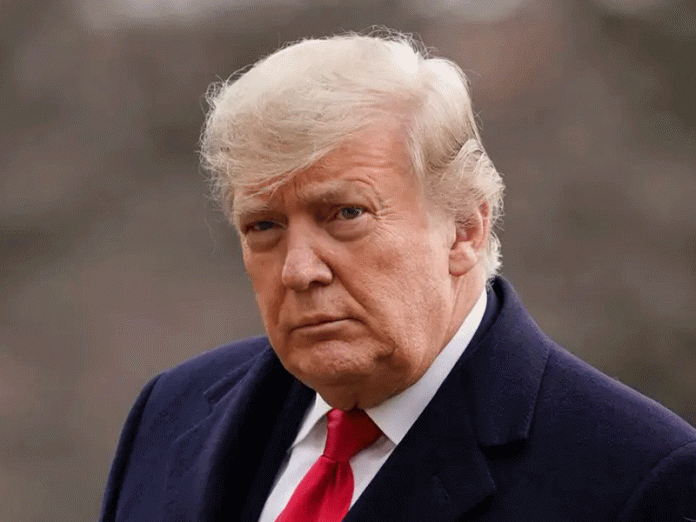
Trump’s 50% Tariffs On Indian Goods Take Effect, Raising Trade Tensions

United States President Donald Trump’s decision to impose tariffs of up to 50 per cent on Indian goods took effect on Wednesday, heightening trade frictions between Washington and New Delhi despite their deepening strategic ties.

The new levy combines an earlier 25 per cent duty on a wide range of Indian exports with an additional 25 per cent penalty linked to India’s continued purchases of Russian oil. The measure now affects key exports such as garments, gems and jewellery, footwear, sporting goods, furniture and chemicals — placing India among countries facing the steepest U.S. tariff rates, alongside China and Brazil.

The move poses a serious challenge to India’s small exporters and risks significant job losses, particularly in Prime Minister Narendra Modi’s home state of Gujarat. Officials at the Commerce Ministry said the government would provide support to affected businesses and encourage them to seek alternative markets in China, Latin America and the Middle East.

A U.S. Customs and Border Protection notice offered temporary relief by allowing goods already in transit to enter at the previous lower tariff rate until 17 September. Duties imposed separately on steel, aluminium, passenger vehicles, copper and other products under U.S. national security provisions remain in place.

The tariff escalation follows five failed rounds of negotiations. Indian negotiators had lobbied for a cap at 15 per cent, in line with concessions extended to Japan, South Korea and the European Union. However, White House trade adviser Peter Navarro confirmed the administration would press ahead with the higher rate without compromise.

Trade analysts warn that the tariffs could hit more than half of India’s $87 billion merchandise exports to the U.S., creating openings for competitors such as Vietnam, Bangladesh and China. The development also threatens India’s ambition to position itself as a viable alternative to China in the global electronics and smartphone supply chain.

The dispute unfolds against the backdrop of expanding security and diplomatic cooperation between the two democracies. Only a day before the tariffs took effect, the U.S. State Department and India’s Ministry of External Affairs issued identical statements reaffirming their partnership, including collaboration through the Quad alliance with Australia and Japan.

With two-way trade valued at $129 billion in 2024 and a U.S. trade deficit of $45.8 billion, both sides are under increasing pressure to find a resolution before economic tensions begin to erode broader political relations.

Israeli Drone Strikes Kill Six Syrian Soldiers Near Damascus

Israeli drone strikes have killed six Syrian soldiers on the outskirts of Damascus, Syrian state television reported on Wednesday, updating the toll from attacks launched a day earlier.

The strikes, which took place near Kisweh, south of the capital, were described by Syrian media as targeting positions of the Syrian Arab Army. “Six members of the Syrian Arab Army were killed in strikes by Israeli occupation drones,” state television said, referring to Tuesday’s assault.

A Syrian defence ministry official, speaking to AFP on condition of anonymity, said the attack targeted “one of the military buildings of the 44th Division”.

Earlier on Tuesday, the state-run news agency SANA reported that a young man was killed in an Israeli strike on a residential home in the village of Taranja, located on the Syrian-controlled side of the Golan Heights armistice line.

Israel has conducted hundreds of air and drone strikes in Syria in recent years, primarily aimed at military infrastructure, allied militias, and groups it views as threats to its security. Since the ousting of longtime ruler Bashar al-Assad by an Islamist-led alliance in December, Israel has also occupied significant portions of the UN-patrolled demilitarised zone along the Golan Heights and initiated talks with interim authorities in Damascus.

The latest strikes underscore the ongoing volatility along the Syrian-Israeli frontier, where military confrontations and cross-border tensions remain frequent despite international calls for restraint.

AFP

Nigeria Ranks Among Leading Drivers As Chinese Exports To Africa Exceed $122 Billion In 2025

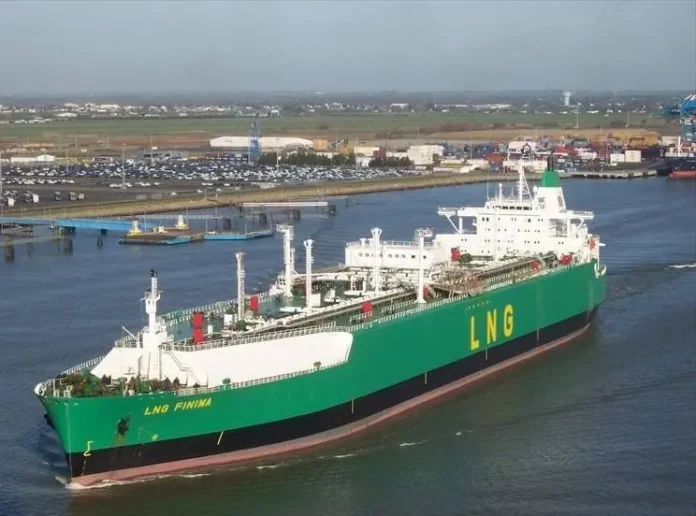
Nigeria's LNG Export Slumps In 2022

Africa has rapidly become one of the fastest-growing destinations for Chinese exports, with Nigeria, South Africa, and Egypt standing out as the top drivers of demand. This surge has significantly reshaped Beijing’s trade strategy at a time when escalating U.S. tariffs continue to disrupt global commerce.

According to Bloomberg, Chinese exports to Africa climbed 25% year-on-year, reaching $122 billion in the first half of 2025. This figure has already surpassed the continent’s total trade volume with China in 2020 and is projected to cross $200 billion before the end of the year—a record milestone.

Nigeria’s Rising Dependence on Chinese Imports

Data from Nigeria’s National Bureau of Statistics (NBS) indicates that China emerged as the country’s largest import partner in Q1 2025, highlighting a strong concentration of imports from a few dominant economies.

During this period, goods worth N4.66 trillion were imported from China, representing 30.19% of Nigeria’s total imports. However, this marked a decline from the N14.14 trillion recorded in Q4 2024, reflecting a slight contraction in quarterly trade volumes.

What China is Shipping to Africa

Chinese exports to Africa have diversified significantly, with certain products showing dramatic growth. Between January and July 2025, exports of construction machinery surged by 63% year-on-year, while shipments of passenger vehicles more than doubled. Exports of steel products also recorded sharp double-digit increases.

In addition, African nations have stepped up their purchases of Chinese solar panels, which grew 60% in the year through June, according to data from climate think tank Ember.

Despite these gains, Africa’s share of China’s overall exports remains relatively modest at 6%, roughly half the proportion of goods shipped to the United States.

U.S.-China Trade Tensions Driving Shift

The escalating U.S.–China trade conflict has been a major catalyst for this pivot. As Washington tightens tariffs, Chinese firms are redirecting their goods to Africa and other emerging markets. Analysts also point to possible transshipment strategies, where goods originally bound for the U.S. are rerouted through African markets to bypass trade barriers.

This shift is further reinforced by President Xi Jinping’s Belt and Road Initiative (BRI), launched in 2013, which continues to underpin China’s expanding presence across Africa. Chinese companies are securing high-value contracts for major infrastructure projects on the continent, from roads and bridges to power plants and industrial zones.

In the first half of 2025 alone, African nations signed $30.5 billion worth of construction contracts with China, according to a report by Griffith University and the Green Finance & Development Center at Fudan University. This represents a fivefold increase compared to the same period in 2024—the highest among all regions covered by Xi’s flagship infrastructure program.

China Offers Incentives to African Partners

In a direct counter to U.S. trade restrictions, China has taken steps to expand Africa’s access to its markets. In June, President Xi announced the removal of tariffs on imports from all African nations with diplomatic ties to Beijing.

During the same month, China opened its market to agricultural products from Ethiopia, Congo, Gambia, and Malawi, bringing to 19 the number of African nations granted access to export farm produce to the Asian giant.

This strategic move not only strengthens China-Africa ties but also positions Beijing as a critical partner for African countries struggling with weak infrastructure, expensive logistics, and limited electricity access—challenges that continue to hinder the continent’s growth.

Africa’s Shift Toward Eastern Markets

The current trajectory suggests that African economies are increasingly pivoting toward Eastern markets, particularly China and India, for trade and economic partnerships. Several factors drive this trend, including competitive pricing, easy access to consumer goods, flexible financing options, and evolving geopolitical realities.

With Nigeria playing a central role in this trade realignment, analysts predict that the China-Africa economic relationship will deepen further in the coming years, reshaping global trade patterns and cementing Africa’s position as a vital partner in Beijing’s long-term strategic vision.

BizWatchNigeria.Ng
Privacy Overview

This website uses cookies so that we can provide you with the best user experience possible. Cookie information is stored in your browser and performs functions such as recognising you when you return to our website and helping our team to understand which sections of the website you find most interesting and useful.