








Home Blog Page 50

ASUU Suspends Two-Week Warning Strike After Overnight NEC Meeting In Abuja

ASUU Strike: ASUU News Roundup For Thursday 22nd September 2022

The Academic Staff Union of Universities (ASUU) has officially suspended its two-week warning strike following a series of engagements with the Federal Government. The announcement was made on Wednesday by the union’s National President, Professor Chris Piwuna, during a press briefing held in Abuja.

According to Piwuna, the decision came after an exhaustive National Executive Council (NEC) meeting that started Tuesday night and concluded in the early hours of Wednesday around 4:00 a.m. He explained that although the union’s core demands have not been fully met, meaningful progress has been achieved in ongoing discussions with the government.

“We have had productive engagements with government representatives regarding the renegotiation of the 2009 FGN-ASUU agreement,” Piwuna said. “While there is still much work to be done, the union recognises the government’s renewed willingness to negotiate. As such, NEC resolved to suspend the ongoing warning strike as a gesture of goodwill to Nigerians who have shown understanding and support.”

He further acknowledged the role played by students, parents, and the Nigeria Labour Congress (NLC) in urging the union to reconsider its industrial action. According to him, their collective efforts contributed significantly to the union’s decision to temporarily halt the strike.

The suspended strike, which began on Monday, October 13, was declared to press the government to address several unresolved issues affecting Nigeria’s public universities. These include the renegotiation and implementation of the 2009 FGN-ASUU agreement, the release of withheld three and a half months’ salaries, and sustainable funding for public universities.

Other outstanding concerns involve the revitalisation of tertiary institutions, non-payment of 25–35% salary arrears, promotion arrears owed for over four years, and the release of withheld third-party deductions, including cooperative contributions and union check-off dues. ASUU also called for an end to what it described as the “victimisation” of lecturers at Lagos State University (LASU), Prince Abubakar Audu University, and the Federal University of Technology, Owerri (FUTO).

Piwuna stressed that the suspension of the strike is a temporary measure, warning that ASUU would not hesitate to resume industrial action if the government fails to fulfil its commitments.

He reiterated that the union remains committed to improving the standard of university education in Nigeria, urging the government to prioritise sustainable investment in tertiary education rather than reactive crisis management.
CBN Raises Treasury Bill Yields Amid Cooling Investor Demand

The Central Bank of Nigeria (CBN) has increased interest rates on Nigerian Treasury Bills (NTBs) across all tenors in its latest primary market auction, as overall demand weakened despite improved economic indicators.

This rate adjustment came unexpectedly, following recent signals of disinflation, exchange rate stability, and a previous cut in the benchmark interest rate. Analysts had anticipated a moderation in yields due to the easing inflation trend and liquidity outlook.

However, tight liquidity conditions within the financial system limited banks’ participation in the auction, dampening overall subscription levels. Market observers noted that a stronger investor turnout might have prompted the CBN to reduce rates instead of raising them.

At the auction, the CBN offered ₦650 billion worth of NTBs across the 91-day, 182-day, and 364-day maturities. The total subscription stood at ₦750.91 billion — notably lower than the previous auction’s turnout.

Investors, however, showed stronger interest in longer-term instruments. The one-year bills accounted for nearly 90% of the total subscription, with ₦674.25 billion worth of bids recorded for the 364-day paper.

The apex bank allotted ₦7.61 billion in 91-day bills at a spot rate of 15.30%, marking a 30-basis-point increase. For the 182-day tenor, ₦67.42 billion was allotted at a rate of 15.50%, up by 25 basis points.

Meanwhile, ₦316.56 billion worth of the one-year paper was allotted at a yield of 16.14%, reflecting a 37-basis-point increase from the previous rate of 15.77%.

Market analysts say the latest rate adjustment signals CBN’s effort to strike a balance between curbing inflation and sustaining investor interest amid tight financial system liquidity.

Naira Holds Steady At ₦1,463/$ Amid Stable FX Market Conditions

The Nigerian naira maintained its stability against the U.S. dollar on Wednesday as foreign exchange liquidity improved and demand pressures eased.

According to data from the Central Bank of Nigeria (CBN), the spot rate reached an intraday low of ₦1,452 per dollar but later closed at ₦1,462/$, following an intraday high of ₦1,466. The consistent exchange levels suggest a balanced flow of dollar supply and demand in the FX market.

Analysts attributed the stability to improved dollar inflows from exporters and international oil companies, which have boosted market liquidity and reduced the need for CBN intervention.

At the close of trading, the naira closed flat at ₦1,463.44/$ in the official market and ₦1,492/$ at the parallel market, reflecting steady demand for the local currency.

Meanwhile, Nigeria’s external reserves remained firm at $42.79 billion ahead of a scheduled Eurobond repayment of $1.1 billion next month. Government officials have indicated plans to refinance the maturing Eurobond through new foreign borrowings in the fourth quarter.

A Lagos-based investment banker told MarketForces Africa that “there is a high probability the government will refinance its Eurobond obligations using external loans already approved by the legislature.”

Nigeria plans to raise over $2 billion from the international debt market later this year, though specific timelines are yet to be confirmed.

Elsewhere, crude oil prices continued to post gains, supported by optimism surrounding U.S.-China trade negotiations. Meanwhile, gold extended losses due to profit-taking, and cryptocurrencies traded mixed across major exchanges.

UK Reduces Post-Study Work Visa Period For Nigerians To 18 Months From 2027

UK Reveals New Processing Time For Standard Visas

The United Kingdom government has announced a major policy adjustment that will affect international students, including Nigerians, studying in the country. From January 2027, the post-study work period for foreign graduates will be reduced from two years to 18 months, according to the UK Home Secretary, Shabana Mahmood.

In an official statement released on Wednesday via the UK Government’s website, Mahmood explained that the move is part of a broader immigration reform designed to tighten migration control while still positioning the UK as a destination for world-class talent.

She stated that the changes, which have already been laid before Parliament, form a key component of the government’s new “Plan for Change” and its flagship immigration white paper, which focus on balancing domestic employment needs with international talent attraction.

“The period allowed for international students to find graduate-level employment after their studies will now be shortened to 18 months from the current two years,” the statement noted. “Additionally, the immigration skills charge (ISC) paid by employers sponsoring skilled foreign workers will be increased by 32%, marking its first adjustment since 2017. The increase will fund investments in British worker training and reduce dependency on overseas recruitment.”

Mahmood added that the updated post-study work rule aims to ensure that graduates meaningfully contribute to the UK’s economy. The reform comes after official data revealed that many international graduates were not transitioning into graduate-level employment within the initial post-study period.

The parliamentary process to approve the ISC increase is expected to commence this week.

The government’s new measures follow several recent changes affecting international students. In 2024, the UK introduced stricter English language proficiency requirements for foreign students seeking admission, work, or permanent settlement. Furthermore, a policy enacted in January 2024 barred most students from bringing dependants, except for those enrolled in postgraduate research or government-sponsored programmes.

Adding to these challenges, the cost of studying in the UK continues to climb. Tuition fees for undergraduate programmes in the 2025/2026 academic year have increased by 3.1%, moving from £9,250 to £9,535. Analysts warn that the cumulative effect of these policy shifts could make the UK a less attractive destination for international students in the coming years.

Data from recent admissions cycles already show a decline in international student applications in 2024, suggesting that stricter immigration rules and rising costs are beginning to impact the UK’s global education appeal.

Africa’s Digital Future Depends On Trust And Scalable Infrastructure – Interswitch

Interswitch, one of Africa’s leading integrated payments and digital commerce companies, has emphasised that Africa’s next technological leap will be anchored on scalable infrastructure and trust-driven partnerships, not just innovation and capital.

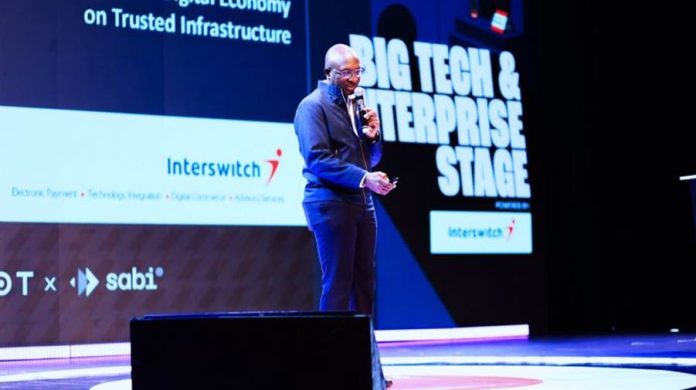
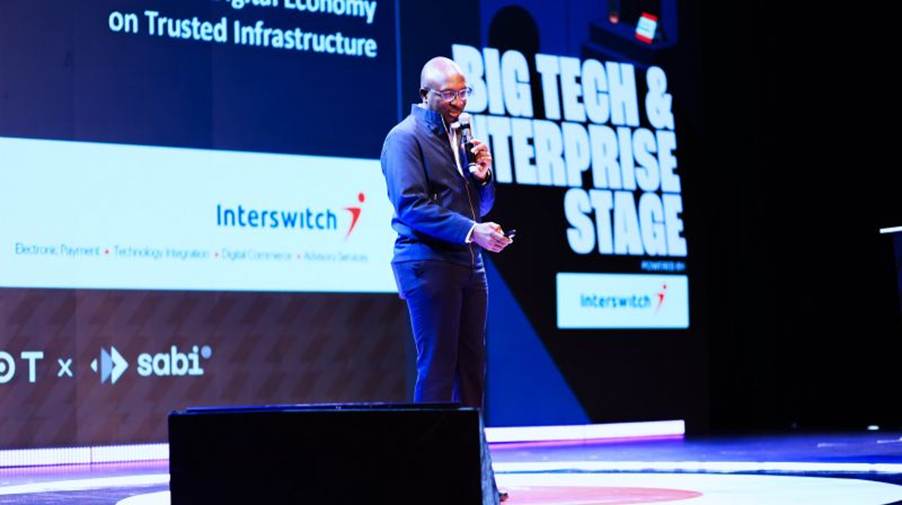
This was the central message delivered by Akeem Lawal, Managing Director, Interswitch Purepay, during his keynote address titled “Building Africa’s Digital Economy on Trusted Infrastructure” at Moonshot by TechCabal 2025, a two-day gathering of Africa’s foremost innovators, thinkers, and technology leaders held at the Eko Convention Centre, Lagos.

Lawal emphasised that Africa’s long-term digital growth hinges on resilient systems built through collaboration, local investment, and reliable technology frameworks.

“When you build the infrastructure, you create a community of partnerships. Every time you tap your card, pay a bill, or transfer money, you’re relying on something invisible — trust. That’s what we build every single day at Interswitch. But it’s not enough to innovate; we must modernise, embed AI, and strengthen the resilient digital systems that will support both current and future needs, especially in the payments and financial technology sectors,” Lawal said.

He continued:

“Infrastructure lays the rails, collaboration drives momentum, and trust fuels the journey. Together, they power Africa’s digital future. Africa’s growth will not be driven by technology alone, but by the infrastructure that endures, the partnerships that unite, and the trust that turns innovation into impact.”

Lawal further stressed that achieving sustainable progress requires more than innovation. He said that it demands structured investment and collaboration. He highlighted the importance of blended models, including public-private partnerships, domestic resource mobilisation, and regional integration, to move from concept to large-scale implementation.

Akeem Lawal, Managing Director, Payment Processing & Switching (Interswitch Purepay), delivering a keynote address on “Building Africa’s Digital Economy on Trusted Infrastructure” on the Big Tech & Enterprise Stage powered by Interswitch at the just-concluded Moonshot by Techcabal Conference in Lagos.

Citing the State of Africa’s Infrastructure 2025 report, he noted that the continent holds over $1.1 trillion in domestic capital through pension funds and sovereign wealth funds. Unlocking these homegrown resources, he said, will redefine Africa’s growth trajectory by driving African-led innovation at scale.

Across its diverse touchpoints from Verve and Quickteller to its switching and processing solutions, Interswitch continues to lead with technology that empowers businesses and consumers alike, enabling interoperability, deepening financial inclusion, and driving digital connectivity across Africa.

Interswitch’s participation at Moonshot by TechCabal 2025, where the company served as Platinum Sponsor and owned the Big Tech and Enterprise Stage, reflects its broader commitment to shaping Africa’s digital future through thought leadership, ecosystem collaboration, and technology-driven trust.

As Moonshot 2025 drew to a close, one message resonated across conversations, the future of Africa’s digital economy will be shaped by collaboration and sustained by infrastructure rooted in trust. Interswitch remains at the heart of that mission, building confidence, enabling growth, and powering Africa’s digital future.

Nigerian Exchange Market Value Hits ₦97.58 Trillion As Investor Confidence Grows

Stock Exchange Closes Trading Week With N30bn Gain

The Nigerian Exchange (NGX) sustained its bullish momentum on Wednesday, with market capitalisation surpassing ₦97 trillion as investors gained ₦1.45 trillion in value.

Trading data showed that renewed investor interest in heavyweight stocks such as NASCON, Dangote Cement, MTN Nigeria, Aradel Holdings, and others drove market gains. The All-Share Index (ASI) climbed by 1.50%, closing at a record high of 153,736.25 points.

The NGX’s market capitalisation surged by ₦1.45 trillion to settle at ₦97.58 trillion, reflecting investors’ growing optimism over upcoming corporate earnings and strategic portfolio rebalancing by institutional fund managers.

Market participation improved as trading volume and value rose by 3.86% and 12.47%, respectively. Atlass Portfolio Limited reported that 573.23 million shares worth ₦23.1 billion were exchanged in 28,155 deals.

FIDELITY Bank led in trading volume, accounting for 16.13% of total market activity, followed by GTCO (13.53%), ACCESSCORP (10.12%), ZENITHBANK (4.08%), and JAIZBANK (3.81%). GTCO also dominated the value chart, representing 30.88% of total trade value.

ASOSAVINGS topped the gainers’ list, appreciating by 10%, followed by SKYAVN (+9.99%), NASCON (+6.80%), DANGCEM (+6.50%), TRANSCOHOT (+6.26%), and ARADEL (+5.98%).

On the flip side, profit-taking led to declines in 30 stocks. TIP fell by 5.73%, while CHAMPION, REGALINS, OANDO, and ACCESSCORP also posted moderate losses.

Sectoral performance was largely positive, led by the industrial sector (+3.45%) and oil & gas (+2.07%). The insurance and banking indices dipped slightly by -0.51% and -0.42%, respectively.

Analysts say the sustained bullish sentiment reflects investor confidence in Nigeria’s capital market resilience amid improving economic fundamentals.

Civil Defense To Conduct CBT Examination For Shortlisted Applicants In Ongoing Recruitment

Corruption: 80 Immigration Officers On Trial, 8 Fired - NIS

The Civil Defence, Correctional, Fire and Immigration Services Board (CDCFIB) has announced that it will soon commence a Computer-Based Test (CBT) for shortlisted applicants in its nationwide recruitment exercise.

The announcement was contained in a public statement signed by the Board Secretary, Major General (Rtd.) A.M. Jibril, who expressed appreciation to applicants for their patience during the recruitment process.

According to the board, candidates are expected to visit the official recruitment portal to confirm their eligibility, as well as the venue and date of their examination.

The CDCFIB stated that only those who applied for roles in the four paramilitary agencies under its supervision — the Nigeria Security and Civil Defence Corps (NSCDC), Nigeria Immigration Service (NIS), Federal Fire Service (FFS), and Nigerian Correctional Service (NCoS) — will be able to verify their status online.

“Successful applicants will receive further details regarding the test via email and SMS notifications. We advise all shortlisted candidates to regularly check the portal and official social media handles for important updates,” the notice read.

The board also issued a stern warning to applicants against engaging with fraudulent individuals or fake websites promising recruitment assistance. It reaffirmed that the official portal — https://recruitment.cdcfib.gov.ng — remains the only authorised channel for all recruitment activities and that the CDCFIB does not collect any fees at any stage of the process.

The CBT examination marks one of the final stages of the recruitment process aimed at filling vacancies across the four paramilitary agencies.

The recruitment exercise, which initially began in June 2025, faced several postponements due to technical challenges, moving from June 26 to July 14 and later to July 21. It officially closed on August 11, 2025, after a one-week extension from the earlier deadline.

The exercise targeted Nigerian citizens aged 18 to 35, who meet the minimum height requirements (1.65m for men and 1.60m for women), have no criminal records, and are medically and physically fit for service. The minimum educational requirement was SSCE with credit passes, though candidates with higher qualifications in law, engineering, medicine, and technical fields were encouraged to apply.

In recent years, the CDCFIB has transitioned toward a more transparent and technology-driven recruitment process, designed to ensure fairness and merit-based selection.

According to official data, the ongoing recruitment exercise attracted over 1.9 million applications nationwide, with Kogi, Kaduna, Benue, and Katsina States recording the highest numbers of applicants.

Dangote Refinery Set For Partial Listing On Nigerian Exchange To Attract Investors

Africa’s richest man and President of the Dangote Group, Aliko Dangote, has unveiled plans to float between 5% and 10% of the Dangote Refinery’s equity on the Nigerian Exchange (NGX) within the next 12 months, in a strategic move aimed at broadening investor participation and bolstering the company’s financial base.

In an exclusive interview with S&P Global, Dangote explained that the forthcoming listing forms part of a long-term strategy to enhance transparency, promote inclusive ownership, and align the refinery’s governance structure with international best practices.

According to him, the partial floatation will follow the template used for Dangote Cement and Dangote Sugar Refinery, both of which are already listed on the Nigerian Exchange. “Our objective is to retain between 65% and 70% ownership. The rest will be offered gradually to investors based on market conditions and investor appetite,” he said.

Commissioned in 2024, the $20 billion Dangote Refinery is an integrated refining and petrochemical complex with a processing capacity of 650,000 barrels per day (bpd). The facility has already revolutionised Nigeria’s energy landscape by making the country a net exporter of diesel and aviation fuel, significantly reducing its reliance on imported petroleum products.

Dangote also disclosed that the group recently secured a $4 billion financing deal to support ongoing expansion initiatives. The company is currently in talks with investors from the Middle East to co-finance a capacity boost that would increase output to 1.4 million bpd. Once completed, this upgrade would make the Dangote Refinery the largest single-train oil refinery in the world, surpassing India’s Jamnagar facility.

“Our ownership model is evolving. We’re transitioning from being 100% Dangote-owned to a partnership-driven structure,” Dangote stated, adding that the group’s broader diversification strategy includes new petrochemical ventures and expanded polypropylene production.

Despite encountering temporary operational challenges, including brief shutdowns and labour-related disruptions, Dangote expressed optimism about the refinery’s long-term stability. He confirmed that major units, such as the Residue Fluid Catalytic Cracker (RFCC), are fully back online following a short maintenance break in September.

“We are fully focused on ensuring operational excellence and sustainability. It’s a massive project, but our goal remains clear — to make Africa self-sufficient in energy production,” he affirmed.

Foreign Investors Express Frustration Over Taiwo Oyedele’s Tax Reform Approach

International investors have expressed growing frustration with Taiwo Oyedele, Chairman of the Presidential Committee on Fiscal Policy and Tax Reforms, following a virtual investor call organised by Standard Chartered Bank to discuss Nigeria’s new Capital Gains Tax (CGT) framework.

According to feedback from participants, the session — intended to clarify the controversial provisions in Nigeria’s revised tax law — left many investors uneasy about the government’s policy direction and its implications for market competitiveness.

Several fund managers and analysts who attended the meeting described the tone of the engagement as “ideological” and “less market-friendly” than expected.

“We’ve effectively put a socialist in charge of tax reform,” one investor reportedly remarked. “He basically said the bottom 97% cannot pay tax, so the government should focus on the 3% to fund the state.”

Oyedele, however, has repeatedly defended the government’s approach, stressing that the new CGT structure is not punitive but designed to create a fairer, more efficient tax system that aligns with international best practices.

“Under the old regime, capital gains on shares were taxed at a flat rate of 10%, with no relief for capital losses and limited exemptions,” Oyedele said in an earlier briefing with the Nigerian Exchange Group (NGX).

“The new system introduces progressive taxation based on income bands — a model adopted in countries such as the United States, the United Kingdom, South Africa, Ghana, and Brazil.”

Despite these reassurances, many participants remained unconvinced. Several foreign investors described the reforms as potentially harmful to Nigeria’s investment appeal, arguing that they signalled unpredictability and a lack of sensitivity to market realities.

Some fund managers also criticised Oyedele’s assertion that investors would still pay equivalent CGT in their home countries, dismissing it as “factually inaccurate.”

“That’s mostly incorrect,” one Africa-focused institutional investor told Nairametrics. “Most large funds are zero-rated taxpayers in their home jurisdictions. It’s not the same thing.”

Frustration was further heightened by the format of the call, as participants could only submit questions through the chat function, which were screened by Razia Khan, Chief Economist for Africa at Standard Chartered, who moderated the session.

“Razia didn’t challenge him on the point about CGT making Nigeria less competitive than other frontier and emerging markets,” one participant complained.

Policy Inconsistencies and Investor Concerns

Investors also raised concerns about perceived inconsistencies in the treatment of different asset classes. Oyedele reportedly assured participants that holders of Open Market Operations (OMO) bills would not face additional taxation and that new rules for bondholders would take effect in 2025. However, equity investors were given no similar clarity.

“If they want to implement CGT, then do it properly and uniformly,” one fund manager argued. “Let everyone pay CGT on gains from a clear base date, say January 1, 2025. The current approach is confusing and frustrating.”

While many acknowledged Oyedele’s commitment to broadening the fiscal base and improving equity in taxation, several participants warned that his messaging risked eroding investor confidence.

“He’s focusing on extracting more from the top rather than expanding the base,” a global fund manager said. “That’s not how you build confidence in a frontier market.”

A Divided Response

Not all observers share the pessimism. Some analysts argue that the revised CGT policy could encourage more sustainable investment by discouraging speculative inflows and promoting longer-term capital commitments.

They note that Nigeria’s equities market has, in recent years, been largely supported by domestic institutional investors, whose steady participation has helped sustain gains of over 430 percent between December 2019 and September 2025.

Viewed from this perspective, proponents suggest that the reform could act as a stabilising filter — deterring “hot money” while incentivising investors with long-term growth horizons.

ASUU Suspends Two-Week Warning Strike

The Academic Staff Union of Universities (ASUU) has suspended its two-week warning strike following a marathon meeting of its National Executive Council (NEC), which concluded in the early hours of Wednesday in Abuja.

ASUU National President, Prof. Chris Piwuna, announced the decision during a press briefing, stating that the union’s leadership had resolved after extensive deliberations that ended around 4:00 a.m.

Piwuna explained that the strike, which began on October 13, was prompted by the Federal Government’s failure to address the union’s long-standing demands within the agreed timeframe.

“We’ve had useful engagements with representatives of the government regarding the draft renegotiation of the 2009 ASUU-FGN Agreement. While progress has been made, we are certainly not where we were before the strike began,” he said.

The ASUU president noted that the government’s decision to return to the negotiation table, coupled with interventions from students, parents, and the Nigeria Labour Congress (NLC), influenced the union’s decision to suspend the industrial action.

“NEC resolved to suspend the warning strike as a mark of goodwill and to reciprocate the efforts of well-meaning Nigerians who intervened in the matter. However, the union remains committed to ensuring that all pending issues are fully addressed,” he added.

Piwuna outlined ASUU’s key demands, which include the renegotiation and implementation of the 2009 ASUU-FGN Agreement, improved and sustainable funding for public universities, revitalisation of the tertiary education system, and an end to the alleged victimisation of ASUU members at the Lagos State University (LASU), Prince Abubakar Audu University (formerly Kogi State University), and the Federal University of Technology, Owerri (FUTO).

Other demands include the payment of outstanding 25–35 percent salary arrears, settlement of promotion arrears accumulated over four years, and remittance of unremitted third-party deductions.

While the union has called off the warning strike, Piwuna emphasised that ASUU would continue to monitor the government’s commitment to the agreed resolutions before making further decisions.

US Advances Plan To Disarm Hamas, Rebuild Gaza

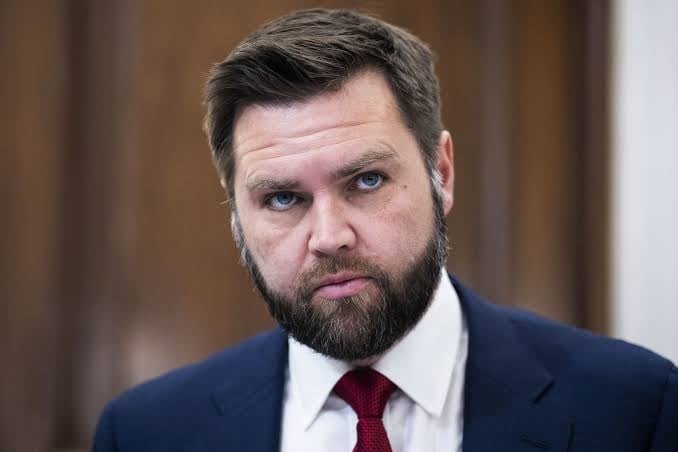
The United States has intensified diplomatic efforts to disarm Hamas and rebuild Gaza as part of a wider ceasefire framework, with Vice President JD Vance acknowledging the formidable challenges ahead in restoring peace to the war-torn territory.

Speaking during a visit to Israel on Wednesday, Vance said Washington remained committed to ensuring a lasting peace that guarantees security for Israel while improving living conditions for Palestinians in Gaza.

“We have a very, very tough task ahead of us — to disarm Hamas and rebuild Gaza; to make life better for the people of Gaza while ensuring that Hamas is no longer a threat to our friends in Israel,” he stated.

The Vice President met with Israeli Prime Minister Benjamin Netanyahu in Jerusalem on the second day of his three-day visit — part of a US-led diplomatic push to consolidate the ceasefire, secure the release of hostages, and pave the way for Gaza’s reconstruction.

On Tuesday, Vance inaugurated the Civil-Military Coordination Centre (CMCC) in southwest Israel, where American and allied forces will work alongside the Israeli military to oversee the truce and coordinate humanitarian assistance to Gaza.

He noted that an “international security force” would be established to maintain stability in Gaza once Israel begins its withdrawal, in line with President Donald Trump’s 20-point peace roadmap. While several US allies are reportedly considering participation, no American troops will be deployed inside Gaza; instead, coordination will take place from the CMCC in Kiryat Gat.

Reports suggesting Turkey’s potential involvement in the proposed peacekeeping mission have stirred unease in Israel. Reacting to questions on the issue, Netanyahu said decisions regarding the security force would be made jointly with the US but added pointedly, “I have very strong opinions about that. You want to guess what they are?”

Despite renewed hostilities on Sunday — when two Israeli soldiers were killed and retaliatory air strikes claimed dozens of Palestinian lives — Vance expressed “great optimism” that the fragile ceasefire would hold.

Netanyahu and his wife, Sara, hosted Vance and the US Second Lady, Usha Vance, for breakfast before a working session and a joint press conference.

Defending his acceptance of the US-brokered truce amid domestic criticism, Netanyahu credited Trump’s administration with helping to isolate Hamas and advance Israel’s regional relations.

“We’ve been able to do two things: put the knife to Hamas’s throat through our military efforts, and isolate Hamas diplomatically in the Arab and Muslim world — something the President and his team achieved brilliantly,” Netanyahu said.

Vance, for his part, described the Gaza deal as a “critical piece in unlocking the Abraham Accords,” referring to the Trump-era initiative that normalised Israel’s relations with several Arab states.

Still, the Vice President cautioned that the situation remained “very, very fragile,” as the ceasefire continued amid sporadic violence.

In Gaza, residents have cautiously welcomed the lull in fighting. Imran Skeik, a displaced civilian sheltering in a tent in Gaza City’s Al-Rimal neighbourhood, told AFP:

“The situation is much better — the war has stopped, and there are no sounds of bombs and shelling like before. We hope the ceasefire continues and that both sides keep to it. But we’re still suffering in tents. Will we have to stay like this?”

Meanwhile, the Israeli military confirmed on Wednesday the identification of two more hostages whose remains were recently returned — 85-year-old Aryeh Zalmanovich, abducted from kibbutz Nir Oz and killed in captivity, and Master Sergeant Tamir Adar, 38, who was slain defending the same community on October 7, 2023.

Hamas has so far returned 15 of the 28 bodies it pledged to release under the ceasefire arrangement, though the militant group says recovery efforts are complicated by extensive destruction across Gaza.

The conflict, which began with Hamas’s October 7 attack on Israel, has claimed more than 68,000 lives in Gaza, according to figures from the Hamas-run health ministry deemed credible by the United Nations. Israel’s death toll stands at 1,221, mostly civilians, according to official data compiled by AFP.

OAGF Dismisses Rumours Of October Salary Delay, Assures Workers Of Timely Payment

The Office of the Accountant General of the Federation (OAGF) has refuted claims circulating on social media that the October salaries of federal workers would be delayed due to an ongoing upgrade of the Integrated Personnel and Payroll Information System (IPPIS).

In a statement issued on Wednesday by Bawa Mokwa, Director of Press, the OAGF clarified that the upgrade is part of a scheduled consolidation of existing payroll systems aimed at improving efficiency and accuracy, not a cause for payment disruption.

“The Office of the Accountant General of the Federation has refuted recent reports circulating on social media claiming that a software upgrade within the Integrated Personnel and Payroll Information System will result in a delay of October salaries,” the statement read.

According to the OAGF, the IPPIS previously operated three payroll platforms. Following the migration of one to the SoftSuite application in 2024, two active platforms remained — EBS and SoftSuite. However, due to what the office described as the “suboptimal performance” of the EBS platform, the Federal Government approved a full consolidation of payroll operations under the SoftSuite system.

The office explained that the integration process has been carefully managed to ensure seamless operations. While minor technical issues may arise during the transition, it said all identified errors and omissions are being promptly resolved.

“This migration is not a new development but a continuation of an earlier effort to enhance efficiency and accuracy in payroll processing,” the statement added.

The OAGF further assured civil servants and stakeholders that salary payments for October would be made as scheduled, urging workers to disregard what it described as “misleading and unfounded reports” on social media.

“The Office of the Accountant General of the Federation assures all federal workers and stakeholders that October salaries remain intact and will be paid as scheduled. Treasury and IPPIS staff are advised to disregard the misleading reports, which did not originate from the OAGF,” the statement concluded.

Introduced in 2007 as part of the Federal Government’s public sector reform initiative, the IPPIS was designed to eliminate ghost workers, improve payroll transparency, and strengthen accountability within the civil service. Despite occasional technical challenges and resistance from some unions, particularly in the education sector, the platform remains the government’s central payroll system for civil servants.

The latest upgrade, according to the OAGF, forms part of a broader effort to modernise payroll administration and improve integration with other financial management systems across Ministries, Departments, and Agencies (MDAs).

Week 17 Pool Result For Sat 25, Oct 2025, UK 2025/2026

{"remix_data":[],"remix_entry_point":"challenges","source_tags":["local"],"origin":"unknown","total_draw_time":0,"total_draw_actions":0,"layers_used":0,"brushes_used":0,"photos_added":0,"total_editor_actions":{},"tools_used":{"addons":1},"is_sticker":false,"edited_since_last_sticker_save":true,"containsFTESticker":false}

Week 17 pool results 2025: Football pools results, live football pool result today, pool result today saturday matches, pool results for this week, british and aussie pool result, football pools results and fixtures, pools panel results today, pool panel results and live score pool result today. We publish half-time results first of its kind.

Week 17 Pool Results: Football pools results for this week 17 2025 are published on this website immediately after full-time confirmation of live score results. We also publish the outcome of postponed matches by the football pools panel at half-time as decided by the football pools. This week’s Week 16 Pool Results are made available in partnership with Bizwatch Nigeria.

WEEK: 17; SEASON: UK 2025/2026; DATE: 25-October-2025
Football Pools ResultsHTFTStatus
1ArsenalCrystal P.-:--:-Sunday
2Aston VillaMan City-:--:-Sunday
3BournemouthNott’m For.-:--:-Sunday
4BrentfordLiverpool-:--:-LKO
5ChelseaSunderland-:--:-Saturday
6EvertonTottenham-:--:-Sunday
7Man UnitedBrighton-:--:-LKO
8NewcastleFulham-:--:-Saturday
9WolvesBurnley-:--:-Sunday
10BlackburnSouthampton-:--:-Saturday
11Bristol C.Birmingham-:--:-Saturday
12CoventryWatford-:--:-EKO
13DerbyQ.P.R.-:--:-Saturday
14HullCharlton-:--:-Saturday
15IpswichWest Brom-:--:-EKO
16MiddlesbroWrexham-:--:-Saturday
17MillwallLeicester-:--:-Saturday
18PortsmouthStoke-:--:-EKO
19Sheff Wed.Oxford Utd.-:--:-Saturday
20SwanseaNorwich-:--:-Saturday
21A.WimbledonBurton A.-:--:-Saturday
22BarnsleyRotherham-:--:-Saturday
23BoltonCardiff-:--:-EKO
24Leyton O.Lincoln-:--:-Saturday
25MansfieldWigan A.-:--:-EKO
26NorthamptonLuton-:--:-Saturday
27PeterboroBlackpool-:--:-Saturday
28ReadingDoncaster-:--:-Saturday
29StevenageBradford C.-:--:-Saturday
30WycombeHuddersfield-:--:-Saturday
31BarrowBarnet-:--:-Saturday
32BromleyMilton K.D.-:--:-Saturday
33CheltenhamWalsall-:--:-EKO
34CrawleyBristol R.-:--:-Saturday
35CreweGrimsby-:--:-Saturday
36FleetwoodAccrington-:--:-EKO
37GillinghamSalford C.-:--:-Saturday
38HarrogateNewport Co.-:--:-Saturday
39Notts Co.Cambridge U.-:--:-Saturday
40OldhamShrewsbury-:--:-Saturday
41SwindonColchester-:--:-Saturday
42TranmereChesterfield-:--:-Saturday
43AberdeenHibernian-:--:-Sunday
44Dundee Utd.St Mirren-:--:-Saturday
45FalkirkDundee-:--:-Saturday
46HeartsCeltic-:--:-Sunday
47LivingstonMotherwell-:--:-Saturday
48RangersKilmarnock-:--:-Sunday
49AirdrieArbroath-:--:-Saturday

OPPO Unveils The A6 Pro At Star-Studded Launch In Lagos

Smartphone giant OPPO officially unveiled its latest innovation, the OPPO A6 Pro, at an exclusive launch event held at Radisson Blu Hotel, Ikeja, marking another milestone in the brand’s commitment to delivering power, durability, and sleek design to Nigerian consumers.

The highly anticipated launch drew tech enthusiasts, media personalities, and OPPO brand partners, who gathered to experience firsthand the A6 Pro’s standout features — a massive 7,000mAh ultra-large battery, 80W SUPERVOOC™ Flash Charge, and military-grade durability that redefine longevity and resilience in a mid-range device.

Speaking at the event, Caroline Wang, Product Marketing Manager at OPPO, described the new release as a breakthrough for the A-series lineup.

“The OPPO A6 Pro Series represents the most advanced evolution of the A-series yet, setting new standards in design, display, camera, and overall performance. It delivers flagship-grade innovation and power to a wider range of users at an impressively accessible price point.” she said.

The A6 Pro’s 7,000mAh battery offers up to 20 hours of video playback and maintains over 80% capacity even after five years of typical use. Complemented by IP69 water and dust protection and AGC DT-Star D+ Crystal Shield Glass, the device is built to withstand real-world challenges while maintaining a refined, slim profile.

The phone’s 120Hz AMOLED display, ColorOS 15, and Trinity Engine ensure a smooth and immersive experience for gaming, streaming, and everyday use. With AI LinkBoost 3.0 enhancing network stability and a 93% screen-to-body ratio, the A6 Pro positions itself as a high-performance device for today’s connected lifestyle.

Guests at the launch were treated to hands-on demos, photo sessions, and interactive showcases that highlighted the device’s unique features and color variants — Stellar Blue, and Rosewood Red.

The OPPO A6 Pro will be available in 8GB+128GB and 8GB+256GB models across authorized retail outlets and e-commerce platforms nationwide.

Week 19 Pool Fixtures For Sat 8, Nov 2025, UK 2025/2026

Now you can find the Week 19 pool fixtures 2025: pool fixtures for this week, this week pool fixtures, football pools results and fixtures, pool fixtures this week, classic pool fixtures, Aussie pool fixtures, UK pool fixtures, advance pool fixtures, Australia pool fixtures, pool panel results, pool result today Saturday, pool results and fixtures this week, fortune soccer pool fixtures.

Find all the Week 19 pool fixtures on Bizwatchnigeria.ng as soon as they are released by the FPA (Football Pools Authority).

Pool Fixtures For This Week: 19; SEASON: UK 2025/2026  
Advance Pool FixturesStatus
1
2
3
4
5
6
7
8
9
10
11
12
13
14
15
16
17
18
19
20
21
22
23
24
25
26
27
28
29
30
31
32
33
34
35
36
37
38
39
40
41
42
43
44
45
46
47
48
49

Week 18 Pool Fixtures For Sat 1, Nov 2025, UK 2025/2026

Now you can find the Week 18 pool fixtures 2025: pool fixtures for this week, this week pool fixtures, football pools results and fixtures, pool fixtures this week, classic pool fixtures, Aussie pool fixtures, UK pool fixtures, advance pool fixtures, Australia pool fixtures, pool panel results, pool result today Saturday, pool results and fixtures this week, fortune soccer pool fixtures.

Find all the Week 18 pool fixtures on Bizwatchnigeria.ng as soon as they are released by the FPA (Football Pools Authority).

Pool Fixtures For This Week: 18; SEASON: UK 2025/2026
Advance Pool FixturesStatus
1
2
3
4
5
6
7
8
9
10
11
12
13
14
15
16
17
18
19
20
21
22
23
24
25
26
27
28
29
30
31
32
33
34
35
36
37
38
39
40
41
42
43
44
45
46
47
48
49

Dollar To Naira Exchange Rate For 22nd October 2025

Dollar To Naira Exchange Rate Today (Thur. July. 20, 2023)

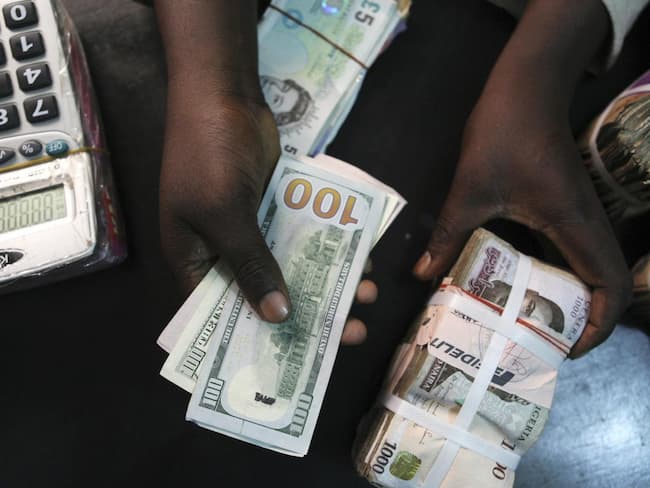
The exchange rate between the Naira and the US dollar, according to the data released on the FMDQ Security Exchange, the official forex trading portal, showed that the naira closed at 1480.00 per $1 on Wednesday, October 22nd , 2025. The naira traded as high as 1462.00 to the dollar at the investors and exporters (I&E) window on Monday.

How much is a dollar to naira today in the black market?

Dollar to naira exchange rate today black market (Aboki dollar rate):

The exchange rate for a dollar to naira at Lagos Parallel Market (Black Market) players sell a dollar for ₦1500 and buy at ₦1480 on Tuesday 21st October, 2025, according to sources at Bureau De Change (BDC).

Please note that the Central Bank of Nigeria (CBN) does not recognize the parallel market (black market), as it has directed individuals who want to engage in Forex to approach their respective banks.

Dollar to Naira Black Market Rate Today

Dollar to Naira (USD to NGN)Black Market Exchange Rate Today
Selling Rate₦1500
Buying Rate₦1480

Dollar to Naira CBN Rate Today

Dollar to Naira (USD to NGN)CBN Rate Today
Highest Rate₦1466
Lowest Rate₦1462

Please note that the rates you buy or sell forex may be different from what is captured in this article because prices vary.Dollar To Naira Exchange Rate Today, October 21st, 2025

British Pound Slides As UK Borrowing Surges To Record Levels

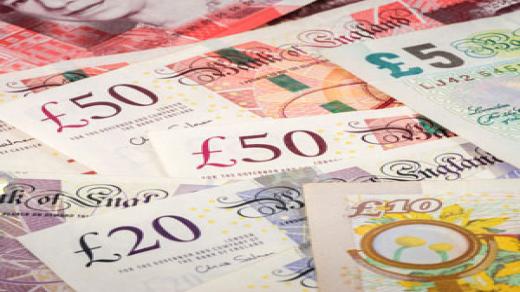
The British pound weakened against the US dollar on Tuesday, trading around $1.34, as investors reacted to an unexpected surge in the UK’s budget deficit. The currency faced selling pressure amid concerns over the government’s rising borrowing costs and widening fiscal gap.

According to the Office for National Statistics (ONS), the UK government borrowed £7.2 billion more than expected during the first half of the 2025 fiscal year, pushing the September budget deficit to £13.4 billion — a 21.2% increase compared to September 2024. This figure also exceeds the Office for Budget Responsibility (OBR)’s projections.

The report further revealed that total borrowing between April and September 2025 reached £71.8 billion, up by 17.2% year-on-year. The spike highlights the growing fiscal strain facing Chancellor Rachel Reeves, just weeks ahead of the November 26 budget presentation.

Economic analysts say the latest data compounds fears that the Chancellor may need to announce spending cuts or tax hikes worth up to £35 billion to stay within fiscal limits. Debt-interest payments alone surged by 66%, reaching £9.7 billion in September — the highest for that month on record — as inflation and weak tax receipts continue to weigh on public finances.

Meanwhile, investors await the UK Consumer Price Index (CPI) report for September, expected on Wednesday. Market expectations point to a 0.1% rise, which could lift the annual inflation rate to 4.0% from 3.8% in August, while core inflation may climb slightly to 3.7%. The Bank of England (BoE) is set to meet next week to review interest rate policy amid mounting pressure to balance inflation control with economic stability.

On the forex market, the GBP/USD pair traded between $1.3400 and $1.3445 on Monday before sliding to $1.3370, marking a four-day low. The sterling had briefly rebounded from last week’s three-and-a-half-month low of $1.3250, touching $1.3470 before losing momentum again.

Market analysts say the pound’s weakness reflects investors’ growing caution over Britain’s fiscal outlook and uncertainty surrounding the BoE’s next move. The situation underscores the fragile balance between fiscal expansion and monetary tightening as the UK grapples with slowing growth and high public spending.

Nigeria’s Oil and Gas Output Declines Amid Maintenance And Asset Recovery

Nigeria’s crude oil and condensate output fell to 1.61 million barrels per day (mbpd) in September 2025, a slight dip from 1.65 mbpd recorded in August, according to the latest report from the Nigerian National Petroleum Company Limited (NNPC Ltd.).

The figures, published in NNPC’s Monthly Financial and Operations Report, reveal a production range between 1.57 mbpd and 1.70 mbpd from January to September — a reflection of persistent pipeline disruptions, crude theft, and production deferments caused by both scheduled and unscheduled maintenance activities.

Natural gas output also saw a decline, falling to 6,284 million standard cubic feet per day (mmscf/d) in September from 6,949 mmscf/d in August. Despite these setbacks, the company reported N4.3 trillion in total revenue, a N216 billion profit after tax, and N10.07 trillion remitted to the Federation Account between January and August 2025.

The state oil giant attributed the temporary dip in output to planned maintenance exercises, particularly at Nigeria Liquefied Natural Gas (NLNG) facilities, alongside the phased reopening of previously shut-in oil fields and delayed startup at OMLs 71 and 72.

Industry insiders confirmed that NNPC Limited initiated extensive scheduled maintenance across major upstream assets connected to the NLNG network, part of a broader strategy to strengthen infrastructure reliability and long-term production capacity.

Energy analyst Dr. Cletus Zanders explained that the short-term production slowdown was an intentional recalibration to improve operational resilience. “You don’t build sustainability by chasing volume alone; maintaining asset integrity ensures stronger performance in the long term,” he noted.

An industry source who spoke anonymously said that production levels are expected to rebound in the fourth quarter as maintenance projects conclude. “This phase is not a setback but a strategic reset,” the source added, emphasizing that the interventions are designed to stabilize Nigeria’s energy sector and ensure consistent output growth moving forward.

Euro Weakens As US Dollar Regains Strength Amid Calming Market Sentiment

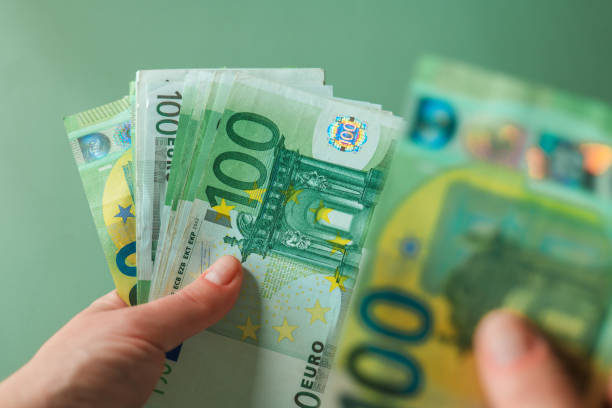
salary of a woman. euro banknotes in hands on a green background. Income of women in European countries

The euro edged lower against the US dollar on Tuesday, trading around $1.163, as confidence returned to the greenback following a week of market turbulence. The US dollar has recovered from its earlier slump, now only 0.7% below its October 10 peak, as volatility eased after banking sector concerns subsided.

Analysts noted that the dollar’s rebound comes as investors gradually restore faith in US economic stability, reducing gold’s short-lived appeal as a safe-haven asset. The dollar’s earlier weakness had been attributed to investor anxiety over trade policy uncertainty and a broader global de-dollarisation trend.

Currency strategists at ING predicted that the EUR/USD pair could test the 1.160 level in the coming days, depending on upcoming US inflation data. A hotter-than-expected Consumer Price Index (CPI) reading could further strengthen the dollar and extend the euro’s decline.

The European Central Bank (ECB) enters its pre-meeting blackout period on Thursday, ahead of its rate-setting session next week. Market sentiment now reflects a lower probability of further rate cuts, given the eurozone’s relative economic stability and inflation hovering near the 2% target.

While the ECB has already reduced interest rates by two percentage points since early 2025, policymakers remain cautious about additional easing. Meanwhile, markets anticipate that the US Federal Reserve may introduce two rate cuts by year-end, depending on inflation and labor market trends.

The euro’s decline was also influenced by improving signals from US–China trade talks, with Treasury Secretary Scott Bessent and Chinese Vice Premier He Lifeng expected to meet in Malaysia to avert further tariff escalation — an issue US President Donald Trump has described as “unsustainable.”

ING’s FX analyst Francesco Pesole said the euro’s performance remains largely tied to shifts in US equity and credit markets. “Further stabilization could push EUR/USD toward 1.160, but deeper declines would be difficult to justify unless Friday’s CPI print surprises to the upside,” he added.

Meanwhile, ECB policymakers Isabel Schnabel of Austria and Joachim Nagel of Germany reiterated the need to bolster the international role of the euro, though analysts believe a stronger currency may not be universally welcomed within the Governing Council. Despite occasional discussions, direct interventions in the foreign exchange market remain unlikely in the near term.

BizWatchNigeria.Ng
Privacy Overview

This website uses cookies so that we can provide you with the best user experience possible. Cookie information is stored in your browser and performs functions such as recognising you when you return to our website and helping our team to understand which sections of the website you find most interesting and useful.