The Nigerian stock market opened the new month on a bearish note, extending the negative sentiment that has gripped the market in recent weeks. On Monday — the first trading day of December — the Nigerian Exchange (NGX) closed lower, wiping off nearly N200 billion from investors’ wealth.
The benchmark All-Share Index (ASI) fell by 0.22% to close at 143,210.33 points, while market capitalisation declined by N197.32 billion to settle at N91.09 trillion. The dip also dragged the year-to-date return down to 39.14%, from 39.44% at the end of the previous week.
Big Losers Drive Market Sentiment
The negative close was largely driven by sell pressure in key counters, including:
INTBREW (-10.00%)
Dangote Sugar (-1.61%)
Lafarge WAPCO (-0.45%)
These declines overshadowed buying interest in a handful of gainers such as UBA (+1.51%), Champion Breweries (+8.11%), and AIICO Insurance (+6.34%).
Muted Trading Activity
Market activity also slowed significantly. Total transaction volume dropped by 19.74%, while the value of trades fell by 6.82%.
Cornerstone Insurance (CORNERST) dominated the day’s activity with 908.82 million shares worth N4.59 billion, emerging as the most traded stock by both volume and value. Despite the heightened activity, the stock closed lower, reflecting ongoing speculative trading and structural fragilities in the counter.
Broad Market Weakness Persists
Monday’s performance reinforces the sustained bearish momentum that has characterised the market in recent weeks. Analysts note that cautious investor sentiment, profit-taking, and weak macroeconomic indicators continue to push the market into negative territory as the year winds down.
With December underway, traders will be watching closely to see whether the market can muster a pre-holiday rebound or if the downtrend will stretch into the final trading weeks of 2025.
The Nigerian National Petroleum Company Limited (NNPC) has accumulated N8.5 trillion in related-party balances with its refining subsidiaries as of December 2024, underscoring the deepening financial strain caused by Nigeria’s long-idle state-owned refineries.
The figures, disclosed in NNPC’s latest financial statements, highlight how years of failed rehabilitation projects and non-performing assets have fuelled a growing web of intra-group liabilities that continue to weigh heavily on the national oil company’s balance sheet.
Port Harcourt, Kaduna, NNPC E&P Lead Rising Debt Burden
BusinessDay’s analysis shows that the largest obligations stem from three key entities:
Port Harcourt Refining Company Limited, owing N4.2 trillion;
NNPC E&P Limited, with N4 trillion in related-party liabilities; and
Kaduna Refining and Petrochemical Company Limited (KRPC), with N2.4 trillion in outstanding obligations.
The combined debt marks a sharp rise from N6.3 trillion recorded in December 2023 — a 35 percent year-on-year surge.
The disclosures come at a time when Nigeria, despite being Africa’s largest crude oil producer, continues to rely almost entirely on refined petrol imports and output from the privately owned Dangote Refinery. This is despite NNPC holding four refineries with a combined installed capacity of 445,000 barrels per day.
Financial Positions Across Subsidiaries Deteriorate
Beyond the major refining entities, NNPC’s financial statements show widespread weakening in the corporation’s network of subsidiaries.
NNPC E&P Limited, for instance, saw amounts owed to it by related parties fall from N1.98 trillion in 2023 to zero in 2024, even as its debt to related parties increased to N4.02 trillion. KRPC also recorded significant shifts, with amounts owed by related parties rising from N1.36 trillion to N2.39 trillion — a 76 percent increase — while its own related-party liabilities dropped from N27.2 billion to zero.
Smaller entities such as NNPC Gas Infrastructure Company also contributed to the swelling intra-group transactions, recording N848 million owed by related parties and N107 million owed to related entities in 2024.
“These numbers underscore the fiscal haemorrhaging that has characterised Nigeria’s refining sector for over a decade,” a senior oil executive told BusinessDay. “You’re looking at non-performing assets piling up obligations that ultimately burden the federation.”
Chronic Dysfunction, Endless Delays
The Port Harcourt refinery, responsible for the single largest intra-group balance, has been under rehabilitation for years. NNPC awarded a $1.5 billion contract for its overhaul in 2021, initially promising completion in 2023. That deadline has been repeatedly shifted, with officials now targeting mid-2025.
Nigeria’s refineries in Port Harcourt, Warri and Kaduna have operated at little to no capacity for years, forcing the country to spend an estimated $17 billion on petroleum imports in 2023 alone. The dependence on imports has strained FX reserves and worsened naira volatility, particularly since the removal of fuel subsidies in May 2023 — a move that tripled pump prices.
The contrast with the Dangote Refinery has been stark. The 650,000-barrel-per-day facility in Lagos achieved commercial production of diesel, aviation fuel and petrol within its projected timeline, exposing the persistent inefficiencies of NNPC’s state-owned plants.
Reform, Privatisation Back on the Table
With rehabilitation efforts repeatedly faltering, President Bola Tinubu’s administration has revived the possibility of privatising state-owned refineries. The proposal has, however, faced pushback from labour unions and groups who view the facilities as strategic national assets.
Olu Verheijen, Special Adviser to the President on Energy, said on 4 November that refinery privatisation is “one of several options” the government is reviewing as part of broader reforms to stabilise the energy sector.
“You have to consider it if you find the right technical partner with sufficient capital,” she said. “The plants have largely been sustained by subsidies, but now that the distortions are gone, commercial principles must guide operations.”
Analysts warn that the growing related-party balances reflect a “circular debt crisis” within NNPC’s structure — one that masks the true performance of subsidiaries while draining financial resources through repeated bailouts.
Without operational refineries generating meaningful revenue, experts say the N8.5 trillion intra-group burden will continue to expand, deepening Nigeria’s dependence on imports and delaying long-promised reforms in the nation’s downstream sector.
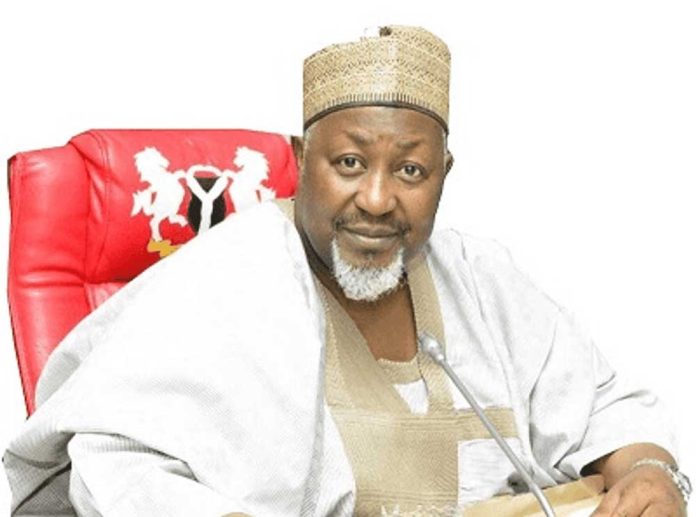
President Bola Tinubu is expected to announce a new Minister of Defence this week following the sudden resignation of the incumbent, Mohammed Badaru Abubakar, who stepped down citing health concerns.
Abubakar’s resignation, which takes immediate effect, was conveyed in a letter dated 1 December and addressed to the President. The development was confirmed in a statement issued on Monday evening by the Special Adviser to the President on Information and Strategy, Bayo Onanuga.
“In a letter dated December 1, sent to President Bola Tinubu, Abubakar said he was quitting on health grounds,” the statement read. It added that President Tinubu had accepted the resignation and expressed appreciation for Abubakar’s service to the country.
According to the Presidency, the President is expected to formally notify the Senate of his preferred nominee later this week, signalling that the process of appointing a new Defence Minister is already underway.
Abubakar, 63, served two terms as governor of Jigawa State from 2015 to 2023 before joining the federal cabinet on 21 August 2023.
His departure comes at a crucial time for the administration, which is grappling with escalating insecurity—an issue that recently prompted President Tinubu to declare a nationwide state of security emergency.
In response, the President unveiled a series of measures including the recruitment of 20,000 additional police officers, deployment of forest guards, and enhanced protection for schools, churches and mosques in high-risk areas.
Abubakar’s stewardship of the ministry had faced persistent criticism from some analysts, who questioned his capacity to lead the nation’s defence sector.
Hours before his resignation was made public, President Tinubu held a closed-door meeting with the immediate past Chief of Defence Staff, General Christopher Musa (retd.), at the State House.
Our correspondent observed Musa arriving at 7:03 p.m., dressed in a dark-green northern-style traditional outfit, before being escorted into the President’s office wing by senior security personnel. It was his first known visit to the Villa since his retirement on 24 October 2025.
While details of the meeting remain unclear, the encounter has intensified speculation over potential candidates to succeed Abubakar as Minister of Defence.
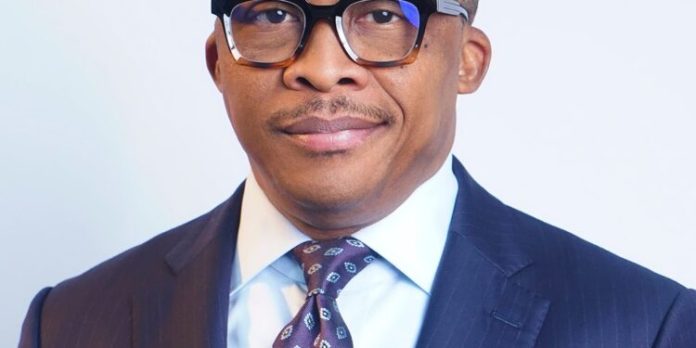
Coronation Merchant Bank has announced the confirmation of Mr Paul Abiagam as its Managing Director and Chief Executive Officer, effective 1 December 2025, following approval by the Central Bank of Nigeria. The appointment coincides with the institution’s tenth anniversary—an important milestone that signals a new phase of strategic growth and institutional maturity.
Abiagam assumes the role after a successful stint as Acting Managing Director, during which the Bank recorded one of its strongest performances in recent years. Under his leadership, Coronation Merchant Bank accelerated growth across key financial indicators, strengthened profitability, expanded its balance sheet, and deepened client engagement. The Bank also consolidated its market presence and sharpened execution through renewed strategic clarity.
The year 2024 marked a transformational period for the institution. The Bank launched two new business verticals—Public Sector and Financial Institutions—broadening its sector coverage and reinforcing its ambition to serve as a leading financial partner across the economy. It further strengthened its position in the Equity Capital Market space, advising on landmark capital-raising transactions for top-tier institutions navigating regulatory and market shifts.
With more than 27 years of experience spanning commercial and corporate banking, pensions, wealth management, investment banking, and risk management, Abiagam brings deep expertise to his new role. His career includes senior leadership positions at Diamond Bank and Guaranty Trust Bank, where he led key business divisions. He also served as Managing Director/CEO of GT Pension Managers and as a Non-Executive Director at GTBank Côte d’Ivoire.
Beyond his executive roles, Abiagam has been an influential voice in regional financial discourse, with engagements at the Africa Financial Industry Summit and the Africa CEO Forum. A Fellow of the joint body of the American Institute of Certified Public Accountants and the Chartered Institute of Management Accountants (UK), he is also an Honorary Fellow of the Chartered Institute of Bankers of Nigeria. His executive education includes programmes at Lagos Business School and Nanyang Business School, Singapore.
Chairman of the Board, Babatunde Folawiyo, described the appointment as a strategic vote of confidence.
“Paul’s appointment reflects our confidence in his ability to sustain the Bank’s growth trajectory and guide it into a new era of performance and industry leadership. His strategic insight and steady execution have already strengthened the foundation for what lies ahead,” he said.
Responding to his confirmation, Abiagam reaffirmed his commitment to leading the Bank into its next phase.
“It is an honour to lead Coronation Merchant Bank at this pivotal moment. As we celebrate a decade of impact, our focus remains on deepening value for clients, strengthening our market position, and driving innovation across every part of our business,” he said.
The announcement crowns a year of significant recognitions for Coronation Merchant Bank across investment banking, brand leadership, and capital market excellence—further underscoring the momentum behind the institution’s next decade.
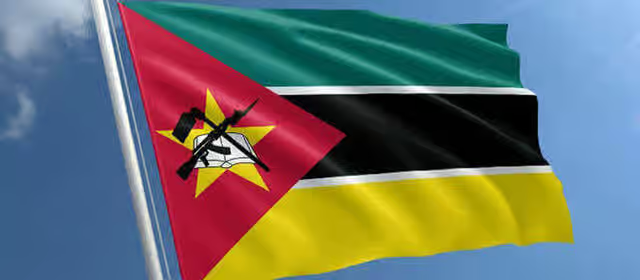
The United Kingdom has withdrawn its financial backing for TotalEnergies’ halted liquefied natural gas (LNG) project in Mozambique, ending plans to provide up to $1.15 billion in government-supported funding.
The decision follows renewed controversy surrounding the $20 billion project, which was suspended in 2021 after jihadist militants launched a deadly attack in Cabo Delgado, killing an estimated 800 people. Although TotalEnergies announced in October that it would lift the force majeure imposed after the violence, the UK government now says continued involvement would not serve Britain’s national interest.
Business Secretary Peter Kyle confirmed the withdrawal on Monday.
“Whilst these decisions are never easy, the government believes that UK financing of this project will not advance the interests of our country,” he said.
UK Export Finance (UKEF), the government’s export credit agency, has formally halted its participation in the financing structure, despite earlier expectations that British involvement would boost UK exporters linked to the LNG supply chain.
TotalEnergies, which holds a 26.5 per cent stake in the venture, is seeking $4.5 billion in compensation for cost overruns from the Mozambican government. The company hopes to resume production by 2029, subject to approval of its revised budget plans by authorities in Maputo.
Despite ending support for the LNG scheme, the UK government says it will continue to strengthen economic relations with Mozambique and other African partners.
“We remain committed to backing British exporters… and to building long-term respectful relationships with African countries to boost sustainable growth, tackle the climate crisis and address insecurity,” Kyle added.
The gas-rich Cabo Delgado region has become a focal point for international investment, hosting major projects led by TotalEnergies, Italy’s ENI, and US oil giant ExxonMobil. According to a 2024 Deloitte report, the developments could propel Mozambique into the world’s top ten gas producers, accounting for up to 20 per cent of Africa’s natural gas output by 2040.
However, the projects have also drawn strong criticism. Mozambican and international civil society groups have accused TotalEnergies of placing the country “under economic duress” by demanding what they describe as “ultra-favourable conditions” before restarting operations. Environmental organisations have likewise condemned the project as a “climate bomb” with limited benefits for ordinary Mozambicans—more than 80 per cent of whom lived below the $3-a-day poverty line in 2022, according to the World Bank.
With the UK’s withdrawal, the future of the long-delayed project now hinges on Mozambique’s ability to meet the financial and security demands of its multinational partners.
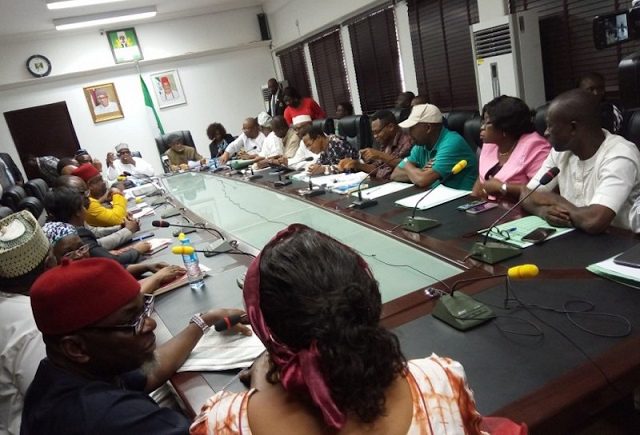
The Federal Government has proposed a 40 per cent salary increase for university lecturers under the Academic Staff Union of Universities (ASUU) as both parties prepare to resume negotiations in Abuja, BizWatch Nigeria has learnt.
The offer was presented ahead of a fresh round of talks scheduled to reconvene next week, led by former Head of Service, Yayale Ahmed, who is heading the government’s negotiation team.
ASUU’s National Executive Council (NEC), which met in Abuja on Sunday, agreed to return to the negotiation table. Branch leaders who attended the meeting are expected to brief members across the country on the government’s latest proposal.
A senior ASUU official, who spoke on condition of anonymity due to restrictions surrounding the negotiation process, confirmed the development.
“They have made a proposal of a 40 per cent salary increment. Branch leaders will go back to update members. As it stands, negotiations continue next week,” the source said.
The union’s one-month ultimatum to the Federal Government expired last Saturday, raising anxiety within public universities over a possible strike. In an effort to avert an industrial action, government officials held a marathon meeting with ASUU leadership in Abuja on Monday, which extended into Tuesday.
Both sides have declined to divulge details of the closed-door discussions, citing strict confidentiality rules governing the process.
ASUU had earlier threatened a full-scale strike, accusing the government of employing a “nonchalant approach” toward longstanding issues affecting the university system. The union’s key demands include the renegotiation of the 2009 ASUU-FG agreement, payment of outstanding salaries and earned academic allowances, and release of funds for university revitalisation.
Despite ASUU’s claims, the Minister of Education, Dr Tunji Alausa, who is currently out of the country, recently insisted that the government had substantially met the union’s requests. Speaking to State House correspondents two weeks earlier, Alausa reaffirmed President Bola Tinubu’s directive that industrial action in public universities must be prevented.
“The President has mandated us that he doesn’t want ASUU to go on strike, and we’re doing everything humanly possible to ensure students stay in school. We have met virtually all their requirements and are back at the negotiation table. We will resolve this,” he said.
Meanwhile, the Nigeria Labour Congress (NLC) has thrown its weight behind ASUU, warning that it will not hesitate to intervene if the Federal Government fails to honour its commitments to the academic union.
As negotiations resume, the academic community awaits concrete progress to avert another round of disruptions in the university calendar.
The Civil Defence, Correctional, Fire and Immigration Services Board (CDCFIB) has announced the official physical verification centres for candidates shortlisted in the 2025 recruitment exercise across the country.
The Tribune reported on Monday that screening centres have been approved for all 36 states of the federation and the Federal Capital Territory. Candidates shortlisted for the exercise must appear at their designated venues for mandatory verification.
Below is the full list of CDCFIB-approved physical screening centres for the 2025 recruitment:
LIST OF APPROVED VERIFICATION CENTRES
ABIA NCoS State Command, Along Enugu–Port Harcourt Expressway, Mgbarakuma Ubakala, Umuahia
EDO NCoS State Command, Reservation Road, Off Sapele Road, Benin City
EKITI NCoS State Command, Fayose Estate, Off Ado Road, Ado Ekiti
GOMBE NIS State Command, Gombe
IMO Correctional Armed Squad Training School, Onitsha Road, By Assumpta Press Junction, Irete–Owerri
JIGAWA NCoS State Command, Along Takur Site, Dutse
KADUNA (Two Centres) Centre 1: Correctional Service Staff College, Barnawa Centre 2: Correctional Training School, Independence Way
KANO (Two Centres) Centre 1: Immigration Training School, Kano Centre 2: NCoS State Command, No. 1 Mission Road, Bompai, Nasarawa
KATSINA NCoS State Command, Room 41, Dandagoro, Near Mega Filling Station, Federal Secretariat
KEBBI Correctional Training College, Birnin Kebbi
KOGI NIS State Command, Lokoja
KWARA NCoS State Command, Behind Old Herald Newspapers Office, Flower Garden Area, Ilorin
LAGOS (Three Centres) Centre 1: Correctional Training College, Kirikiri, Apapa Centre 2: NIS Zonal Headquarters, Old Secretariat Road, GRA–Ikeja Centre 3: Federal Fire Service Training School, Western Avenue, Ojuelegba
NASARAWA NIS State Command, Nasarawa
NIGER NSCDC Zonal Office, Old State Secretariat Complex, Minna
OGUN NSCDC College of Security Management, Abeokuta
ONDO NCoS State Command, Opposite NDELA Office, Alagbaka, Akure
OSUN NCoS State Command, Adjacent Osun State House of Assembly Complex, Osogbo
OYO NCoS State Command, Opp. State Government Secretariat, Agodi, Ibadan
PLATEAU Civil Defence Command and Staff College, Jos
RIVERS Immigration Training School, Ahoada
SOKOTO Immigration Command and Staff College, Sokoto
TARABA NCoS State Command, Off Specialist Hospital Road, Jalingo
YOBE NSCDC State Command, Federal Secretariat Complex, Damaturu
ZAMFARA NCoS State Command, Temporary Office Malam Yahaya, Federal Secretariat Complex, Gusau
FCT (Four Centres) Centre 1: Lt. Gen. Abdulrahman Bello Dambazau Hall, NCoS HQ, Airport Road Centre 2: Mohammad Babandede Conference Hall, NIS HQ, Airport Road Centre 3: FFS FCT Command, Kubwa Metropolitan Fire Station Centre 4: Dr Ade Abolurin Auditorium, NSCDC Headquarters, Airport Road
Fresh indications from Abuja show that the Federal Government has offered a 40 per cent salary increase to members of the Academic Staff Union of Universities (ASUU), according to senior officials close to the ongoing discussions.
The offer is expected to form part of the agenda as ASUU prepares to recommence formal negotiations with the government delegation led by former Head of Service, Yayale Ahmed.
Sources confirmed that the union’s National Executive Council (NEC), which convened in Abuja on Sunday, reached a collective position that ASUU must return to the negotiation table. Delegates from various chapters are now expected to relay the outcome of the meeting to their members across the country.
A NEC participant, who declined to be identified due to rules restricting public commentary during the negotiation process, said the union had agreed to continue talks with the government.
“They have come forward with a proposal of a 40 per cent salary adjustment. Our branch officials will brief their campuses accordingly. Negotiations will continue next week,” the source disclosed.
The expiration of ASUU’s one-month ultimatum to the Federal Government last Saturday heightened anxiety within public universities, raising fears of an imminent industrial action.
In a bid to prevent a nationwide shutdown of campuses, government officials met with ASUU executives on Monday in Abuja. The engagement extended into Tuesday, but both parties maintained strict confidentiality due to established negotiation protocols.
ASUU had accused the government of displaying a “lackadaisical” approach to issues affecting university workers, warning that it would embark on a comprehensive strike if measures were not taken to address longstanding concerns.
Among the key issues on the table are the implementation of the 2009 ASUU-FG agreement, unpaid salary arrears, pending earned academic allowances, and the release of funds earmarked for the revitalisation of public universities.
The Minister of Education, Dr. Tunji Alausa—who is currently abroad—recently insisted that the government has substantially addressed the union’s demands. Two weeks ago, he reiterated to State House correspondents President Bola Tinubu’s directive that public universities must not drift into another crisis.
“The President has been clear: he does not want ASUU to embark on another strike. We are doing everything within our power to ensure students remain in school. The last six-day strike was avoidable. We have met almost all their requirements and have returned to the dialogue process. We will settle this,” Alausa said.
Meanwhile, the Nigeria Labour Congress (NLC) has pledged support for ASUU, stating that it will intervene if the government fails to honour its commitments to academic workers.
The Organization of the Petroleum Exporting Countries (OPEC) and its allies under the OPEC+ framework have confirmed that Nigeria’s crude oil production quota will remain at 1.5 million barrels per day (mbpd) until the end of 2026.
The decision, which reaffirms a resolution adopted in late 2024, was reached at the 40th OPEC and non-OPEC Ministerial Meeting held on Sunday. Member countries participating in the Declaration of Cooperation (DoC) unanimously agreed to maintain their existing output targets.
In a separate communication, OPEC disclosed that eight key members of the alliance—Saudi Arabia, Russia, Iraq, the United Arab Emirates, Kuwait, Kazakhstan, Algeria, and Oman—will delay previously scheduled production increases for the first quarter of 2026. This pause, OPEC said, aligns with typical seasonal shifts in oil demand.
These eight countries, which had implemented additional voluntary output cuts in 2023, will continue to suspend a planned 137,000 bpd increase slated for December 2025.
The group noted that the ongoing 1.65 million bpd voluntary cuts could be restored gradually, depending on evolving market conditions. Participating nations also pledged to fully address any overproduction recorded since January 2024.
OPEC further revealed that it has approved a new methodology developed by the Secretariat to evaluate member nations’ maximum sustainable production capacity. This will serve as the foundation for setting production baselines for 2027.
The Joint Ministerial Monitoring Committee will continue reviewing compliance levels, market stability, and output performance. The next ministerial meeting is scheduled for June 7, 2026.
The eight countries implementing voluntary adjustments will also hold monthly review sessions to monitor market movements and compensation status, with their next meeting set for January 4, 2026.
Oil markets reacted positively to the decision. Brent crude futures rose by $1.01 (1.62%) to $63.39 per barrel at 0501 WAT, while U.S. West Texas Intermediate futures gained $1 (1.71%) to trade at $59.55.
Despite Monday’s gains, both benchmarks had closed lower on Friday, marking a fourth consecutive month of losses—the longest downturn since 2023—amid concerns over increased global supply.
The Central Bank of Nigeria (CBN) mobilized approximately N7.85 trillion through Open Market Operations (OMO) auctions in November, driven primarily by strong participation from banks and foreign portfolio investors amid heightened system liquidity.
The financial sector has recently experienced a surge in excess cash, much of which found its way into the CBN’s Standing Deposit Facility (SDF), where banks have been earning returns higher than those available on Treasury Bills.
Deposit Money Banks, benefiting from a subdued appetite for lending, continued to channel large amounts of idle funds to the apex bank, taking advantage of the previously elevated 24.50% SDF rate.
With the expiration of additional OMO bills generating inflows of up to N1.1 trillion, the CBN responded by expanding its issuance across standard maturities to better moderate liquidity conditions in the banking system.
Banks and foreign portfolio investors—who make up the eligible investor base—showed strong appetite for the auctions, resulting in repeated oversubscriptions. Interest rates across short-term naira instruments remained relatively elevated, and the CBN introduced additional tenors to accommodate market demand.
TrustBanc Financial Group noted that the N7.85 trillion raised in November represents a 12.30% month-on-month increase compared to the N6.99 trillion sold in October.
Analysts anticipate that the large liquidity inflows expected in December will prompt further aggressive OMO issuance by the CBN. System liquidity closed the week at approximately N1.96 trillion, ahead of major inflows from maturing fixed-income instruments.
The market is expecting around N450 billion from a December 2, 2025 maturity, in addition to a N10.2 billion bond coupon payment, both of which are projected to bolster liquidity this week.
Absent significant liquidity-tightening measures from the CBN, experts say system liquidity will likely remain elevated.
Nigeria’s money market witnessed a notable decline in key rates as liquidity in the financial system inched closer to the N2 trillion threshold, following the Central Bank of Nigeria’s (CBN) latest adjustment to the asymmetric corridor around the Monetary Policy Rate (MPR).
The CBN’s new corridor structure—designed to reduce the interest earned by banks on placements at the Standing Deposit Facility (SDF)—has continued to reshape liquidity behaviour in the interbank market.
Data from the financial system showed that aggregate liquidity remained firmly in surplus territory throughout last week, closing at approximately N1.96 trillion. This represents a sharp rise of 49.98% from the N1.31 trillion recorded the previous week.
Analysts and investment firms attributed the liquidity expansion to substantial inflows from Open Market Operations (OMO) maturities and coupon payments on Federal Government bonds, which provided banks with additional funding buffers.
Deposit Money Banks maintained significant use of the CBN’s SDF window, although at reduced reward levels following the corridor adjustment. TrustBanc Financial Group reported that SDF placements averaged N1.67 trillion last week—down 34% from the preceding week’s N2.51 trillion.
The group also noted that average daily liquidity for November stood at N3.35 trillion, marking a 13% increase compared with October’s average of N2.96 trillion.
Following the Monetary Policy Committee (MPC) meeting—which left the MPR unchanged but tightened the corridor to +50 bps/-450 bps—interbank rates fell sharply on Tuesday. The refined corridor structure strengthened market confidence, prompting more activity at both the Standing Lending Facility (SLF) and SDF windows as banks adjusted their liquidity strategies.
Market watchers say the corridor changes will discourage banks from locking large volumes of funds with the CBN, encouraging more lending to the private sector and potentially stimulating economic expansion.
Under the new structure, the SLF now stands at 27.50% (50 basis points above the MPR, down from 29.50%), while the SDF is now priced at 22.50%—a wider discount compared to the previous 24.00%.
Effectively, banks will now borrow from the CBN at 27.50%, representing a 200-basis-point reduction from the previous 29.50% rate. Conversely, funds placed at the SDF will earn 22.50%, a 2% drop from the earlier rate of 24.50%.
The Nigerian Interbank Borrowing Rate (NIBOR) eased by 198 basis points last week, according to Cowry Asset Management, reflecting both abundant liquidity and the CBN’s decision to maintain the MPR.
Other funding benchmarks followed a similar trajectory: the Open Repo rate slid by 2 percentage points week-on-week to 22.50%, while the Overnight (ON) lending rate declined by 2.12 percentage points to settle at 22.71%.
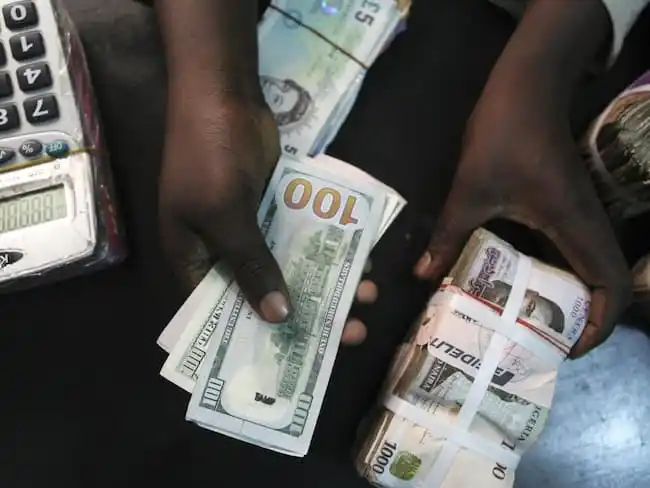
The exchange rate between the Naira and the US dollar, according to the data released on the FMDQ Security Exchange, the official forex trading portal, showed that the naira closed at 1460.00 per $1 on Monday, December 1st , 2025. The naira traded as high as 1445.00 to the dollar at the investors and exporters (I&E) window on Sunday.
Dollar to naira exchange rate today black market (Aboki dollar rate):
The exchange rate for a dollar to naira at Lagos Parallel Market (Black Market) players sell a dollar for ₦1468 and buy at ₦1460 on Sunday 30th November, 2025, according to sources at Bureau De Change (BDC).
Please note that the Central Bank of Nigeria (CBN) does not recognize the parallel market (black market), as it has directed individuals who want to engage in Forex to approach their respective banks.
Dollar to Naira Black Market Rate Today
Dollar to Naira (USD to NGN)
Black Market Exchange Rate Today
Selling Rate
₦1468
Buying Rate
₦1460
Dollar to Naira CBN Rate Today
Dollar to Naira (USD to NGN)
CBN Rate Today
Highest Rate
₦1449
Lowest Rate
₦1445
Please note that the rates you buy or sell forex may be different from what is captured in this article because prices vary.
Global Entrepreneurship Network (GEN Nigeria), in collaboration with Fidelity Bank Plc and other organisations, has encouraged young Nigerian entrepreneurs to adopt new technologies, particularly Artificial Intelligence (AI), in their business operations.
The call was made during the Youth Entrepreneurship Dialogue, themed “Building the Future with AI: Technology, Talent, and Transformational Entrepreneurship”, held as part of the 2025 Global Entrepreneurship Week (GEW) in Lagos.
Dr Olawale Anifowose, Managing Director of GEN Nigeria, highlighted that AI has become essential for local enterprises seeking to enhance productivity, drive innovation, and remain competitive. According to him, AI can help businesses automate routine tasks, personalise customer experiences through data analysis, and enable entrepreneurs to build and scale new products and services more efficiently.
“Adopting AI allows local enterprises to handle repetitive tasks, freeing employees to focus on creative and strategic work, which ultimately boosts productivity,” Anifowose explained. He added that AI adoption can foster innovation and economic growth, giving examples from sectors such as fintech, healthcare, and agriculture, where AI-powered solutions are creating new opportunities for Nigerian entrepreneurs to meet local needs.
Mr Chibuike Aguene, CEO of Bildup AI and guest speaker at the event, cautioned entrepreneurs about the risks of not embracing AI. “We are entering an era of hybrid intelligence, where humans augment their intelligence with AI. Transformational entrepreneurship in this era is about building intelligent systems that can adapt, learn, and evolve in real time,” he said.
Cynthia Ogbonna, Head of Brand Management at Fidelity Bank Plc, explained that partnering with the Enterprise Development Centre (EDC) of Pan-Atlantic University provided an opportunity for like-minded individuals to discuss entrepreneurship, technology, and talent, while also exploring ways to scale enterprises and drive economic growth.
The dialogue emphasised that for Nigerian entrepreneurs, integrating AI and emerging technologies is no longer optional but essential for growth, innovation, and long-term competitiveness.
Policymakers, energy executives, development partners, and researchers from across Africa and beyond have endorsed emerging technologies as critical to Africa’s energy future at the 9th Solewant Group Africa Energy Summit.
The summit, held from November 27–28, 2025, at the Solewant Industrial Park in Alode-Onne, Port Harcourt, Rivers State, was themed “Emerging Technologies and the Future of Sustainable Development in Africa.” It brought together the Secretary to the Government of the Federation (SGF), Senator George Akume, Prof. PLO Lumumba of the Lumumba Foundation, National Assembly members, global energy leaders, Development Financial Institutions (DFIs), and industry stakeholders.
The two-day event featured keynote speeches, technical paper presentations, strategic panel discussions, and roundtable engagements showcasing innovations from oil and gas firms, international and national operators, and EPC companies. Represented by his Special Adviser on Technical Operations, Prof. Benard Bolaji Babatunde, Akume emphasized that Africa must embrace emerging technologies—such as artificial intelligence, advanced robotics, digital monitoring systems, renewable energy innovations, and smart infrastructure—to meet rising energy demand and support sustainable development. He described the summit as a “timely platform” and noted that President Bola Tinubu’s administration is strategically positioning Nigeria to lead in technology adoption.
Prof. PLO Lumumba urged participants to scale outcomes across the continent, stressing Africa’s potential to harness these technologies to keep pace with global energy developments. Delegates highlighted the underutilized opportunities in renewable energy, the importance of local content development, and the need for sustainable financing to support industrial growth and energy security. The summit communique called for alignment between academia, industry, and government to produce a skilled workforce, investments in surveillance technologies including drones and advanced monitoring systems to enhance energy security, accessible financing models and incentives to drive innovation in renewable and advanced energy technologies, and review and update of national energy and technology policies to support emerging solutions.
A highlight of the summit was the launch of the Africa Energy Innovative Funding Network (AEIFN), pledging $100 million to support energy sector projects across Africa under the AfCFTA framework. The network aims to facilitate knowledge sharing, investment, and partnerships for technology-driven energy solutions. Commenting on the summit, Solewant Group CEO Solomon Ewanehi said, “The event provides an unparalleled platform for collaboration between policymakers, investors, and innovators to accelerate Africa’s sustainable energy future.”
Solewant Group, a leader in pipeline coating, fabrication, and asset integrity management, showcased its industrial capabilities, including multi-layer pipe-coating plants, steel fabrication facilities, and its newly unveiled state-of-the-art pipe bend and fitting coating factory. Ewanehi reiterated the company’s vision to be a world-class provider of steel pipe and coating services for Africa’s oil, gas, and water sectors. The summit concluded with commitments to advance energy independence, strengthen local content, boost indigenous capacity, and drive innovation-driven growth across the continent.
The National Agricultural Development Fund (NADF) has signed a tripartite memorandum of understanding (MoU) to scale agricultural insurance and climate-smart finance for smallholder farmers across Nigeria.
The agreement—signed with Leadway Assurance Company Limited and Verdure Climate—was endorsed on Friday during the national dialogue on innovative agriculture insurance and climate finance in Abuja. It will support the implementation of an AGRA-backed project designed to strengthen farmers’ resilience through new insurance models and financing tools. AGRA is a pan-African nonprofit focused on supporting smallholder farmers and driving agricultural transformation across the continent.
Speaking at the event, NADF Executive Secretary Mohammed Ibrahim—represented by Nasir Ingawa, General Manager, Partnerships and Investor Relations—said the partnership aligns with the fund’s mandate to expand agricultural lending nationwide.
“As we face increasing challenges due to climate change, unpredictable weather patterns, and limited access to finance, the role of innovative financial solutions such as index-based agricultural insurance and blended finance has never been more critical,” Ingawa said.
He added that the rollout of index-based and pay-at-harvest insurance products would significantly boost investor confidence in the agricultural value chain.
The collaboration will focus on bundling insurance with agricultural loans, expanding credit-linked insurance for rice, soybean, and maize value chains in priority states, and incorporating climate-smart practices into NADF loan products. It will also introduce digital climate advisory services and build the capacity of business development service providers.
Friday’s dialogue brought together financial institutions, government agencies, insurers, farmer groups, and anchor companies to explore ways to integrate index insurance into agricultural lending and unlock more private-sector capital for rural producers.
The project forms part of AGRA 3.0, which aims to improve market linkages, expand access to finance, and strengthen the resilience of thousands of farmers between 2025 and 2027.
Earlier on Tuesday, NADF launched a blended on-lending financing partnership with Psaltry International Company Limited to empower 12,000 young women in cassava cultivation in its first phase, with a target of 45,000 women by the end of the programme.
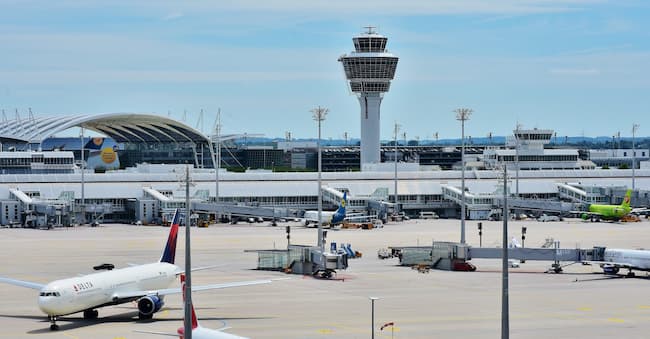
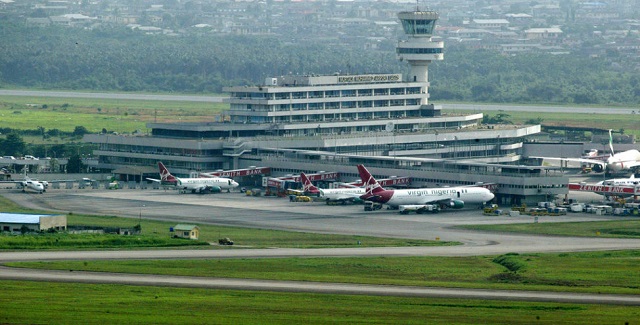
Skyway Aviation Handling Company (SAHCO) Plc has again appealed to the federal government to grant tax waivers and other incentives for ground handling companies, especially on imported spare parts and operational equipment.
The company said the appeal has become urgent due to rising operational costs in Nigeria’s aviation industry and the need to prevent further job losses in a sector that plays a critical role in national economic growth.
Speaking at the inaugural Airport Gateway Forum of the League of Airport and Aviation Correspondents (LAAC) in Lagos, SAHCO Managing Director, Adenike Aboderin, said ground handlers continue to subsidise services for domestic airlines to help keep the industry stable and ensure ticket prices remain affordable for travellers.
She noted that the rates airlines pay for ground handling services do not match the actual cost of equipment used for operations. She warned that increasing the rates would directly impact airfares and other charges.
Aboderin explained that SAHCO alone spent about five million euros on equipment in the last two quarters, with each unit costing at least 150,000 euros. She said this level of spending makes government support necessary.
She called for single digit long term loans for ground handling firms and said the federal government must extend incentives already given to airlines to the ground handling subsector as well.
Aboderin added that SAHCO is implementing a diversification plan that includes acquiring land for an aviation school, a training centre, a warehouse, and a hotel. She said the company is also investing in new technologies and eco friendly systems such as electric ground support equipment and an environmental management system aligned with ISO 14001 standards.
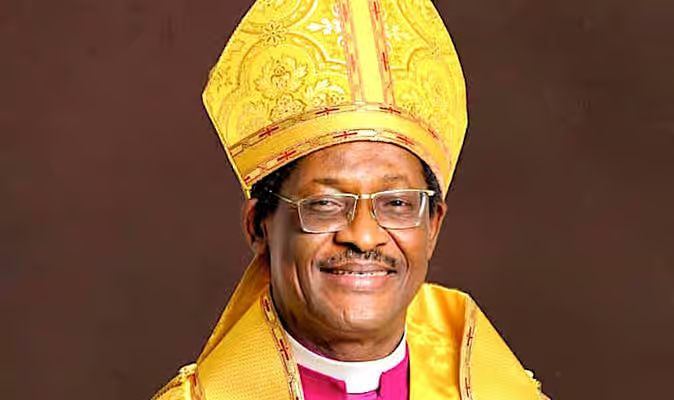
As the Christmas season approaches, the Primate of the Church of Nigeria (Anglican Communion), Most Rev Henry Ndukuba, has urged Nigerians to celebrate modestly and refrain from unnecessary travel amid the country’s economic and security challenges.
Speaking in Abuja at the 2025 Carnival for Christ, Ndukuba reminded Christians that while the festive season is a time of joy, wisdom and prudence are essential in navigating the nation’s current realities.
He noted that although Nigeria is experiencing difficult times, “God does not want His people to live in penury,” adding that disciplined spending would help families manage the months ahead more effectively.
“Don’t spend all you have to celebrate Christmas. By January, we will be paying house rent and school fees. Therefore, we need to celebrate this year’s Christmas modestly. If you have much, eat; if you don’t have, enjoy what you have,” the Primate cautioned.
On the security situation, Ndukuba advised Nigerians to act with caution during the festive period, stressing that the country’s fragile security demands vigilance.
“Even though there are security challenges, let us be wise as serpents and innocent as doves,” he said. “Do not embark on travel at this delicate time unless necessary. If your health is failing, find a place to rest rather than risk it. We pray that the Lord will keep us safe.”
Despite the prevailing challenges, the Primate expressed optimism that Nigeria would overcome its economic and security hurdles with God’s help. He commended the Federal Government, security agencies, the military and the police for their efforts to ensure a peaceful celebration season.
“We are confident that God still has much to do in our lives,” he said. “We have not reached our potential as individuals, families, a church, or a nation. Though things may be challenging, God has so much in store for us. Let no man or woman give up. There are still fallow grounds. God has not finished with us.”
Ndukuba explained that the week-long Carnival for Christ is designed to celebrate God’s love and draw attention to areas of spiritual, social and economic development that require renewed effort. The theme of this year’s event, “Break Up Your Fallow Ground,” he said, symbolises untapped opportunities that remain unproductive until properly cultivated.
“It is for us to examine the areas God wants us to focus on—in our walk with Him, in our family life, and in our economic activities,” he said. “If citizens embrace discipline, honour, trust and respect for human life, crises will reduce and opportunities for growth will increase.”
Delivering the sermon, the guest speaker and Bishop of the Anglican Diocese of Afikpo, Rt Rev Paul Udogu, said what Nigeria needs most at this critical moment is to “seek the face of God.” He encouraged Christians to celebrate the death and resurrection of Christ with renewed love and to extend kindness to people of all faiths.
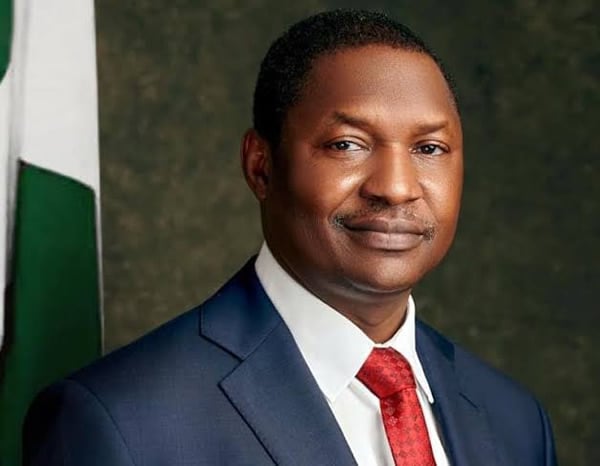
Former Attorney-General of the Federation and Minister of Justice, Abubakar Malami, SAN, has dismissed allegations by the Economic and Financial Crimes Commission (EFCC) that he duplicated the recovery process of the $310 million Abacha loot—later valued at $322.5 million with interest—describing the claims as “baseless, illogical and wholly devoid of substance.”
In a statement issued on Sunday by his media aide, Mohammed Doka, Malami confirmed that he honoured an EFCC invitation on November 28, 2025, over allegations of abuse of office and money laundering linked to the asset recovery efforts. He said both allegations “collapsed under factual scrutiny.”
According to a report by PUNCH Online on November 29, Malami stated that his engagement with the commission was “successful” and that the EFCC’s accusations were inconsistent with verifiable facts.
“The EFCC’s position is that I duplicated a recovery process allegedly completed by a Swiss lawyer, Mr Enrico Monfrini, before I assumed office. This allegation collapses immediately when subjected to facts and elementary logic,” he said.
Malami argued that no such recovery had been completed before he took office in 2015, noting that a recovery is only considered concluded once the funds are lodged into the Federation Account.
“As of 2016, there was no lodgement of any such funds into the Federation Account. There was therefore no completed recovery in existence, and nothing whatsoever to duplicate,” he maintained.
He further disclosed that Monfrini applied for re-engagement in December 2016 to pursue the same recovery—an action Malami said contradicted claims that the Swiss lawyer had already completed the task.
“It is entirely illogical for a lawyer to apply in December 2016 to be engaged to recover funds he purportedly recovered two years earlier. That singular fact exposes the internal contradiction and absurdity of the EFCC’s narrative,” he said.
Malami explained that Monfrini demanded a $5 million upfront payment and a 40 per cent success fee, later reduced to 20 per cent—terms rejected by the Buhari administration. Instead, a Nigerian law firm was appointed on a 5 per cent success-fee basis, a decision he said saved the country between 15 and 35 per cent of the recovered sum, translating to between ₦76.8 billion and ₦179.2 billion.
“These are concrete, measurable benefits to the Nigerian state,” he noted.
The former Attorney-General also clarified that he oversaw multiple, separate tranches of Abacha loot recovery, including:
$322.5 million from Switzerland (2017–2018), channelled into Conditional Cash Transfers under a World Bank-supervised framework;
About $321 million from Jersey (2020), allocated to key infrastructure projects such as the Lagos–Ibadan Expressway, Abuja–Kano Road, and the Second Niger Bridge.
“Any attempt to conflate these distinct recoveries or portray a lawful, cost-saving recovery process as duplication is misleading,” he added.
Malami stressed that his actions were guided by the constitutional powers of the Attorney-General, exercised “strictly in the public interest.”
“In the circumstances of this case, that discretion was exercised transparently and responsibly. Any claim suggesting abuse of office or money laundering is not rooted in any reasonable ground for suspicion,” he said.
Describing the probe as politically motivated, Malami expressed gratitude to his supporters and maintained confidence in the outcome of the investigation.
“Together we shall continue to stand firm, and together we shall triumph against every form of political witch-hunt and intimidation,” he said.
He insisted that the allegations would not stand the test of time.
“The allegations remain baseless, illogical and entirely devoid of substance. I remain confident that truth, law and reason will ultimately prevail,” he declared.
The Director General of the Nigeria Civil Aviation Authority (NCAA), Chris Najomo, has urged insurers covering aviation risks to improve compliance, resilience, and alignment with global best practices.
He made the call at the Civil Aviation Insurance Compliance and Financing Summit held recently in Lagos.
Najomo said the summit — themed “Securing the Skies: Navigating Aviation Insurance and Aircraft Finance Safeguards” — was convened to address persistent gaps in Nigeria’s aviation insurance framework. He listed key challenges including defining workable transition procedures for existing insurance contracts, clarifying global expectations in policy adoption, and harmonising aviation safety oversight with financial indemnity requirements.
He added that regulators must provide clear guidance for reinsurance arrangements, especially in cases where foreign insurers are involved under the new addendum.
In his keynote address, Minister of Aviation and Aerospace Development, Festus Keyamo, said stakeholders must play their parts to ensure stability in the sector. According to him, airlines must maintain transparency in their insurance programmes, insurers must provide globally competitive products, and aircraft lessors must feel confident in Nigeria’s investment climate.
A longstanding issue also resurfaced at the summit: the clash between Nigeria’s local content policy, which mandates airlines to insure with Nigerian underwriters, and the insistence of foreign aircraft lessors on coverage from major international insurers such as Lloyd’s of London.
Speaking on the new Addendum to Prudential Guidelines for insurers and reinsurers, the Director of Inspectorate at NAICOM, Bankole Ajibola, highlighted several requirements. These include a maximum retention of five percent of shareholders’ funds per aviation risk, senior management approval for all aviation placements, compliance with global financial strength benchmarks, and a strict 72-hour occurrence reporting rule.
United Nigeria Airlines’ Chief Operating Officer, Osita Okonkwo, expressed concern about limited underwriting capacity in the local insurance market, especially for large aircraft. He argued that the gap is restricting industry growth and called for market liberalisation similar to reforms seen in the banking sector.
Participants also urged regulators to review the 22-year age limit placed on commercial aircraft operating in Nigeria, noting that safety depends on maintenance rather than age. They further recommended that the NCAA create a prequalification list of insurers with sufficient capacity to serve the aviation industry.
Flybird Aircraft Management Services is sponsoring the first alumni network dinner of Embry-Riddle Aeronautical University (ERAU) Nigeria Chapter, scheduled to take place on December 5, 2025, on the sidelines of the upcoming Nigeria International Airshow, in Abuja, Federal Capital Territory.
ERAU is a university focused on aviation and aerospace programs, and it is located in Daytona Beach, Florida, United States.
The inaugural dinner brings together distinguished alumni, industry stakeholders, and aviation professionals to commemorate the university’s legacy and strengthen its footprint within the West African aviation community.
This milestone celebration also marks a century of Embry-Riddle’s global leadership in aviation and aerospace education.
Speaking on Flybird’s role as sponsor, Ahmed Bashir Borodo, the Chief Executive Officer (CEO) of the company, highlighted the importance of supporting initiatives that elevate aviation development across the region.
He said: “Flybird is proud to celebrate Embry-Riddle’s remarkable 100-year journey. As an organization deeply rooted in aviation excellence, we recognise the value of strong professional networks and world-class training.
“Supporting this inaugural alumni event reflects our ongoing commitment to advancing knowledge, collaboration, and capacity-building within the sector. As an Embry-Riddle graduate, I am a product of one of the finest aviation education systems in the world. The training, discipline, and global exposure provided by ERAU continue to shape the highest standards we uphold at Flybird.”
The event features keynote insights, networking engagements, and forward-looking discussions designed to strengthen alumni connections and inspire new opportunities for partnership and growth within the aviation and aerospace industries.
Flybird congratulated Embry-Riddle Aeronautical University on its centennial anniversary and assured that it remained committed to supporting initiatives that empower aviation talent across Nigeria and the broader region.
Flybird is a leading aircraft management and private jet charter company based in Abuja, Nigeria.
The company offers tailored aviation solutions, including aircraft Sales and acquisition advisory, Business Jet Charter Services, Aircraft Management, Maintenance services, Unmanned Aerial System (Drone Services) and Aviation Consultancy services.