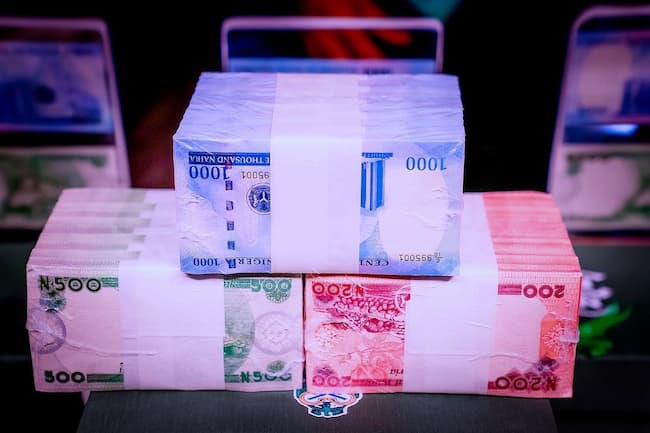
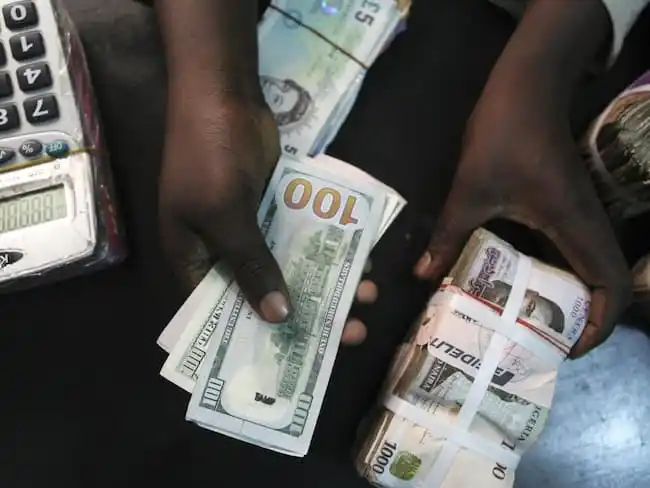
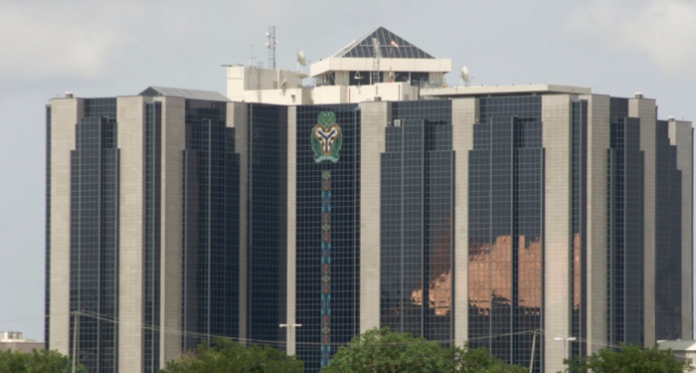
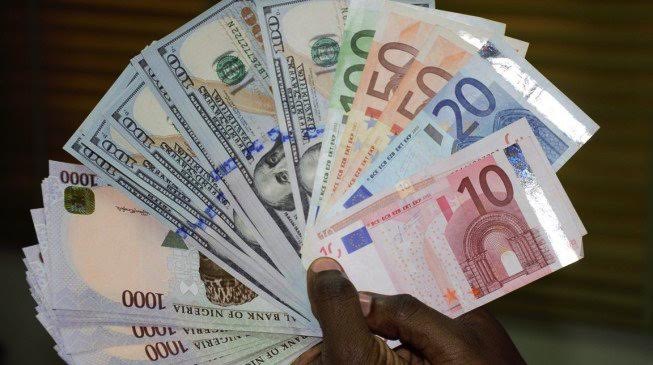
In a notable shift within Nigeria’s foreign exchange landscape, the naira continued to strengthen against the US dollar as diminished demand from corporates reduced pressure on the currency. Improved dollar liquidity, largely attributed to interventions by the Central Bank of Nigeria (CBN), has helped stabilize the naira’s market position.
As of Tuesday, the local currency posted its fifth consecutive day of appreciation, signaling a positive trend in currency valuation. Market intelligence obtained by MarketForces Africa reveals that the dwindling corporate demand for foreign exchange has coincided with steady inflows from non-oil exporters and international oil firms—especially during the month of May.
A senior analyst from LSintelligence Associates, in a discussion with MarketForces, noted that businesses that held FX liabilities before the major naira devaluation suffered significant financial hits. Consequently, many of these companies are now reassessing their exposure to foreign currency risks, reducing new dollar-denominated liabilities and focusing on resolving pre-existing ones.
“Firms are beginning to tread carefully,” the analyst said. “The painful lessons of past devaluations are shaping current financial strategies, including trimming import activities and limiting foreign borrowings.”
This strategic retreat by corporates comes as part of a broader market reaction to the federal government’s naira reforms. On Tuesday, currency transactions took place within the N1,577.01 to N1,582.00 range, with the naira closing stronger at N1,579.275—registering a 15-basis-point gain.
Analysts expect the spot exchange rate to remain range-bound in the short term, supported by continued FX inflows from the CBN and other sources. Despite this positive outlook, Nigeria’s gross external reserves declined to $38.391 billion this week, reflecting fluctuations in oil revenues, inconsistent diaspora remittances, and other capital inflows.
Meanwhile, global oil markets saw a price rebound as tensions flared across several geopolitical hotspots. Brent crude futures rose by $1.11 (1.7%) to settle at $65.74 per barrel, while the West Texas Intermediate (WTI) benchmark climbed by $1.17 (1.9%) to close at $63.69.
In contrast, gold prices faced downward pressure, sliding 1% after recently hitting a four-week peak. A stronger US dollar contributed to this decline as market participants awaited a potential diplomatic call between US President Donald Trump and Chinese President Xi Jinping, amid renewed tensions over trade policies.
With investor sentiment swaying between currency performance and commodity price movements, the naira’s current trajectory appears promising—so long as the reduced FX demand trend and stable inflows continue.
In a landmark move aimed at enhancing the operational efficiency and global appeal of Nigeria’s capital market, the Securities and Exchange Commission (SEC) has confirmed the official implementation of a T+2 settlement cycle for equities, effective November 28, 2025.
This regulatory transition reduces the previous trade settlement period from three business days (T+3) to two (T+2), bringing Nigeria closer in alignment with international financial markets such as the United States, United Kingdom, Canada, and key Asian economies, where T+2—or even T+1—is standard practice.
For years, capital market stakeholders—including institutional investors, brokers, and regulators—have advocated for reforms to streamline post-trade processes. Now, with this change on the horizon, the Nigerian equity market is poised to gain a competitive edge in attracting both local and international investors.
Under the new structure, trades executed on any business day (T) will now be settled within two business days. This upgrade minimizes settlement risks, accelerates fund turnover, and bolsters market liquidity.
Transitioning to T+2 is more than a procedural update. It’s a strategic leap forward that underscores Nigeria’s commitment to financial innovation and investor protection. With global investment decisions increasingly influenced by speed, security, and efficiency, Nigeria’s outdated T+3 cycle had long posed a barrier to capital flow and market dynamism.
“This shift will allow investors quicker access to capital and enhance trading volumes, which is vital for a thriving securities market,” said an SEC spokesperson during a stakeholder briefing. “It also reduces counterparty risks and shortens the window for potential transactional defaults.”
According to experts, the shortened cycle will serve as a catalyst for systemic improvements. Market operators—including The Nigerian Exchange (NGX), the Central Securities Clearing System (CSCS), and registered dealing firms—have been mandated to upgrade their infrastructure to meet the technical demands of the new cycle.
The SEC, working in tandem with these key institutions, has initiated consultations, pilot implementations, and investor education campaigns to ensure a seamless transition by the November 2025 deadline. The process also includes robust training sessions and deployment of enhanced technological tools to manage the switch without disruption.
Capital market analysts argue that the move to T+2 is part of a broader modernization agenda that includes digital transformation, deeper fintech integration, and regulatory reform. These steps are crucial as Nigeria seeks to position itself as a formidable player in the African and global financial ecosystem.
By adopting global settlement standards, Nigeria’s equity market increases its appeal to foreign investors who prioritize seamless, fast-paced markets with reduced systemic risks. This harmonization also opens new opportunities for cross-border trading and better access to global capital pools.
The SEC emphasized that this policy is not an isolated initiative but forms part of a long-term strategic blueprint aimed at unlocking the full potential of Nigeria’s financial market. As capital markets evolve in tandem with digital economies, regulatory agility and operational excellence will define market leadership.
As the November 28 implementation date approaches, all eyes will be on Nigeria to assess how the introduction of a T+2 settlement framework reshapes the investor experience and strengthens the credibility of the country’s financial institutions.
Let’s be honest: most Nigerians have a complicated relationship with banks. Long queues, hidden charges, sluggish customer service—it’s enough to make you rethink why your hard-earned money should sit in someone else’s vault earning peanuts.
So, it’s not surprising that more people are saying, “Thanks, but no thanks,” and finding other ways to grow their money—without stepping into a bank branch.
And you know what? It’s working. From mobile apps that stash and grow your savings automatically to good old community savings circles (hello, ajo), Nigerians are proving that financial freedom doesn’t have to come wrapped in a bank statement.
Here are 7 surprisingly effective ways people are building wealth right now—bank-free, stress-free.
1. PiggyVest, Cowrywise, and the Rise of App-First Savings
Let’s start with the obvious game-changer: fintech savings apps.
If you’ve ever downloaded PiggyVest or Cowrywise, you already know the convenience. You sign up, set a goal—say, ₦100,000 in 6 months—and the app quietly moves money from your main account into a locked wallet on schedule. No pressure. No drama. Just consistent, low-effort savings.
But the kicker? Your money earns real returns. Depending on the plan, you’re looking at 8 to 15% per annum—way better than the dusty savings account at that old bank branch. You can choose flexible savings (withdraw anytime) or fixed plans (lock it in and earn more).
And it’s not just savings. These platforms offer money market funds, fixed-income securities, and even ethical investment options for the conscious investor.
In short: it’s your financial control panel—in your pocket.
2. Mutual Fund Investing Without the Middlemen
Once upon a time, investing in mutual funds meant walking into a bank, filling out forms, and waiting days for approval. Now? You can invest in top-performing funds while sipping zobo on your couch.
Platforms like ARM One Plan, Cowrywise, and Bamboo allow Nigerians to start investing in professionally managed mutual funds with as little as ₦5,000. You just pick the fund type—equity, fixed income, balanced—and start growing your portfolio.
No paperwork. No commission-hungry bank officer breathing down your neck.
Real-time Net Asset Values (NAV) are available on your dashboard, and redemptions often clear within 24 hours. It’s simple, transparent, and actually kind of addictive once you see your balance move.
3. Agricultural Crowdfunding: Farming, But Make It Profitable
You might not have acres of land or a tractor, but with platforms like Farmcrowdy, ThriveAgric, and AgroMall, you can still invest in Nigeria’s booming agriculture sector.
Here’s how it works: You invest, say, ₦20,000 into a maize or poultry project. The agritech platform uses that money to fund real farm operations—seeds, labor, logistics, the whole nine yards. When the harvest or production cycle ends (usually 6 to 9 months), you get a share of the profit—typically between 20% and 30%.
It’s a win-win. Farmers get access to funding. You get solid returns. And the country gets more food.
Just remember: agriculture carries risks—weather, logistics, market prices—but the returns can be impressive, especially when compared to your bank’s 3% annual interest.
4. Cryptocurrency: Volatile? Sure. But Lucrative
Say what you will about crypto—risky, unstable, unpredictable—but for many Nigerians, it’s a lifeline.
Platforms like Binance, Quidax, and Luno make it easy to buy and trade Bitcoin, Ethereum, and stablecoins using Naira. You complete a quick KYC (Know Your Customer) check, fund your wallet (often via P2P to sidestep bank restrictions), and boom—you’re trading.
And here’s the plot twist: it’s not just about buying low and selling high. There’s staking too. That means locking up your crypto to earn passive income—with some coins offering 5% to 12% annual yields.
Sure, the crypto market is a wild ride, but in a country with double-digit inflation, many see it as a smart hedge—and a way to earn globally while living locally.
5. Rotating Savings Circles: The Ajo That Still Works
Sometimes, old-school is the best school. Enter the ajo or esusu—the time-tested savings circle that’s still going strong, especially in markets, shops, and co-ops.
Here’s the drill: A group of trusted friends or colleagues agree to contribute a fixed sum—₦10,000, ₦20,000, whatever works—on a regular schedule. Every cycle, one member takes the pot. No fees. No apps. Just pure community trust.
You don’t earn interest, but you get a lump sum, which you can use to pay rent, buy inventory, or invest elsewhere.
It’s not foolproof—you need a trustworthy group—but for many, it’s a lifeline. A way to beat temptation, save consistently, and avoid bank deductions that chip away at every naira.
6. Digital Real Estate: Your Plot of the Internet
While physical land prices are soaring in Lagos and Abuja, digital real estate is quietly becoming a thing.
Platforms like Piggyvest and Chaka let Nigerians invest in real estate-backed assets—some based abroad. Your money is pooled with other investors and used to buy or fund apartments, office buildings, or rental units.
Returns come from rental income and property appreciation, and you don’t have to worry about dodgy agents or chasing tenants. Think of it as land-lord life without the headaches.
It’s not exactly “bankless,” since payments often come through mobile transfers—but the whole process skips the bureaucracy that usually comes with land ownership in Nigeria.
7. Social Lending and Peer-to-Peer Networks
There’s an informal financial underground thriving in WhatsApp groups and community networks. It’s called peer-to-peer lending—and it’s more structured than you’d think.
In these groups, members lend money to each other with agreed interest and repayment terms—usually short-term (30 to 90 days). Some people even run small “lending clubs” with fixed rules, repayment schedules, and rating systems.
Of course, trust is everything. But for those who hate the red tape of banks or microfinance institutions, it’s a quick way to access or invest money—with better returns than savings accounts and fewer hoops to jump through.
So, Why Avoid Banks?
It’s not that banks are evil. But for many Nigerians, they just don’t feel built for the people anymore—especially not for the freelancer, trader, or salary earner trying to build wealth one small win at a time.
These alternatives aren’t just about making money. They’re about taking control, avoiding fees, and relying on systems that actually work for you. Whether you’re automating savings, funding a cassava farm, or buying a slice of real estate overseas, there’s something deeply satisfying about growing your wealth on your own terms.
In the dynamic financial landscape of Nigeria, individuals are increasingly faced with the decision of whether to invest in cryptocurrencies or to adhere to traditional savings methods. This dilemma is particularly pertinent in an era marked by digital innovation and economic volatility.
Cryptocurrencies, such as Bitcoin and Ethereum, have garnered significant attention for their potential to yield substantial returns. The decentralized nature of these digital assets offers an alternative to traditional banking systems, appealing to those seeking autonomy over their financial transactions.
In Nigeria, the adoption of cryptocurrencies has been notable. A survey by Luno revealed that eight out of ten Nigerians are willing to allocate a portion of their salaries to cryptocurrency investments over the next five years. This trend underscores a growing confidence in digital currencies as viable financial instruments.
Moreover, cryptocurrencies are perceived as a hedge against inflation and currency devaluation. Given the fluctuating value of the Naira, digital assets offer an alternative means of preserving wealth.
The Stability of Traditional Savings
Conversely, traditional savings accounts provide a sense of security and predictability. Funds deposited in banks are typically insured and accessible, making them a reliable option for individuals with low risk tolerance.
However, the returns on savings accounts are often modest and may not keep pace with inflation. This limitation can erode the purchasing power of saved funds over time, prompting some to explore alternative investment avenues.
Weighing the Options
The decision between investing in cryptocurrencies and maintaining traditional savings hinges on individual financial goals and risk tolerance. For those seeking high returns and willing to navigate market volatility, cryptocurrencies may present an attractive opportunity. Conversely, individuals prioritizing capital preservation and stability may prefer the predictability of savings accounts.
It’s also worth considering a diversified approach, allocating funds to both savings and cryptocurrency investments to balance potential risks and rewards.
Conclusion
As Nigeria’s financial ecosystem continues to evolve, individuals are presented with diverse options for managing their wealth. Whether choosing the innovative path of cryptocurrency investments or the traditional route of savings, informed decision-making is crucial. By assessing personal financial objectives and risk appetite, individuals can tailor strategies that align with their long-term goals.
The Federal Government is tackling a resurgence of Boko Haram activities in Nigeria’s North-East, particularly in Borno State, as part of broader efforts to counter growing insurgent threats across the Sahel region, Defence Minister Mohammed Badaru has disclosed.
Speaking during a two-day working visit to Kaduna State, where he toured military institutions including the Nigerian Defence Academy (NDA) and the Air Force Institute of Technology (AFIT), the Minister said the spike in attacks reflects renewed attempts by insurgents to destabilise Nigeria and its Sahel neighbours—Mali, Burkina Faso, and the Niger Republic.
“Recent developments across Niger, Mali, and Burkina Faso indicate a heightened wave of insurgent activity,” Badaru said. “There is a renewed vigour by these groups to cause instability across the region, but we are taking decisive steps to contain them. In the past two weeks alone, the Armed Forces have gained significant ground, launching offensives and eliminating several insurgents.”
He reassured Nigerians that the government is deploying a comprehensive strategy that combines military operations with community engagement and peacebuilding measures to address the complex security landscape across the country.
“In the North-West, we are confronting banditry head-on. In Benue, where communal and farmer-herder clashes persist, our approach leans more on dialogue and community reconciliation to end the cycle of violence,” he explained.
Highlighting the significance of a dual strategy—kinetic (military) and non-kinetic (diplomatic and socio-economic)—the Minister stressed the importance of winning hearts and minds alongside battlefield victories.
During his inspection of infrastructure projects at NDA and AFIT, Badaru expressed satisfaction with the institutions’ strides in research and development, noting that their innovations could soon reduce Nigeria’s reliance on foreign military hardware.
“The progress here is commendable,” he said. “These institutions are advancing President Bola Tinubu’s directive on indigenous military development. From MRAPs (Mine-Resistant Ambush Protected vehicles) to Unmanned Aerial Vehicles, they are laying the groundwork for self-reliance in our defence production.”
The Defence Minister added that local production of military platforms and equipment marks a strategic shift towards national security autonomy.
Commending the Nigerian Defence Academy for its commitment to excellence in training future military leaders, Badaru said he was impressed by the institution’s ongoing transformation and the quality of officers being produced.
In his remarks, NDA Commandant, Major General Abdul-Khalifa Ibrahim, expressed gratitude to the Federal Government for its continued support, particularly in providing critical infrastructure upgrades and enhancing the Academy’s training capacity.
In a significant move to honor its commitment to former National Youth Service Corps (NYSC) members, the Federal Government has initiated the payment of ₦44,000 in minimum wage arrears.
This payment addresses the difference resulting from the recent increase in the monthly allowance for corps members from ₦33,000 to ₦77,000. The arrears specifically pertain to those who completed their service before the new allowance structure was implemented earlier this year.
The disbursement has been met with widespread approval, with many ex-corps members taking to social media platforms to confirm receipt and express their gratitude. One user, @Kingpin_black1, shared, “Thank you NYSC. Thank you President Tinubu. Nigeria will be great again.” Another, @pharmacist_shezzy, tweeted, “44k don land. NYSC no carry last. God bless Nigeria.” Similarly, @ifeoluwa_X noted, “Just got my alert. I almost deleted my NYSC account. Thank you FG.”
This initiative is seen as a fulfillment of the government’s earlier promise and has sparked excitement online, with many praising the move as a sign of renewed trust and accountability.https://bizwatchnigeria.ng/dollar-to-naira-exchange-rate-for-3rd-june-2025/
The Nigeria Customs Service, Ports Terminal Multiservices Limited (PTML) Command, has officially handed over seized ammunition to the Zonal Directorate of the National Centre for the Control of Small Arms and Light Weapons (NCCSALW), South-West Zone.
The handover, which took place at the Command Headquarters, Lagos, was presided over by the Customs Area Controller, Comptroller Tenny Daniyan, where he presented 75 rounds of 12-gauge live cartridges, one empty 9mm magazine, and four rounds of 9mm live ammunition to the Zonal Coordinator of NCCSALW, CP Alamotun Abiodun (rtd).
“This handover is in line with the directive of the Comptroller-General of Customs, Bashir Adewale Adeniyi, MFR, as part of our unwavering mandate to rid the nation of illegal arms and strengthen national security,”
“Though the seizure may seem small in quantity, even one bullet is evil and can cause significant harm. That is why we operate a zero-tolerance approach,” he explained.
The CAC reiterated that the ammunition was discovered during a meticulous examination of two imported vehicles—a used Toyota Tundra and a used Hyundai Sonata.
He stressed that officers, acting on enhanced intelligence and detailed inspection protocols, uncovered the concealed items hidden in unlikely compartments, including seat foams and the tank cover.
“Our officers went beyond the routine checks. The diligence of our examination team and the support of partner security agencies in the Command were instrumental to this interception,” he added.
He clarified that the seizure occurred over six months ago and followed a thorough investigative process.
“No arrests were made, as findings revealed the vehicles were purchased online without the buyers’ knowledge of the concealed items. After investigation and subsequent approval from Headquarters, we proceeded with the handover.”
Receiving the items, the Zonal Coordinator, South-West of the National Centre for the Control of Small Arms and Light Weapons, CP Alamotun Abiodun (rtd), commended the efforts of the Command in prioritising security.
“This development is symbolic. While the quantity may appear minimal, its potential danger is immense. It affirms our collective resolve to stop illegal arms inflow.
“We also use this opportunity to educate other agencies that the National Centre has the exclusive mandate to retrieve recovered illicit arms from all security formations across the country.”
Abiodun further stressed the Centre’s commitment to sensitisation and advocacy, noting that collaborative action is key to controlling the circulation of unlawful arms in Nigeria.
Week 49 pool results 2025: Football pools results, live football pool result today, pool result today saturday matches, pool results for this week, british and aussie pool result, football pools results and fixtures, pools panel results today, pool panel results and live score pool result today. We publish half-time results first of its kind.
Week 49 Pool Results: Football pools results for this week 46 2025 are published on this website immediately after full-time confirmation of live score results. We also publish the outcome of postponed matches by the football pools panel at half-time as decided by the football pools. This week’s Week 48 Pool Results are made available in partnership with Bizwatch Nigeria. Stay tuned for reliable and accurate updates throughout the week.
Now you can find the Week 50 pool fixtures 2025: pool fixtures for this week, this week pool fixtures, football pools results and fixtures, pool fixtures this week, classic pool fixtures, Aussie pool fixtures, UK pool fixtures, advance pool fixtures, Australia pool fixtures, pool panel results, pool result today Saturday, pool results and fixtures this week, fortune soccer pool fixtures.
Find all the Week 50 pool fixtures on Bizwatchnigeria.ng as soon as they are released by the FPA (Football Pools Authority).
Pool Fixtures For This Week: 50; SEASON: AUSSIE 2025
UEFA to Allow Limited Number of Spectators Watch Champions League Games in Stadium
In response to mounting criticism over the current Champions League knockout format, UEFA is set to introduce a significant rule change aimed at rewarding top-performing teams with home advantage in the latter stages of the competition.
The decision comes after high-ranking clubs Arsenal and Barcelona were eliminated in the semi-finals of the 2024/25 season, despite finishing second and third respectively in the league phase. Both teams were compelled to play the decisive second legs of their semi-final ties away from home—Arsenal against eventual champions Paris Saint-Germain and Barcelona against Inter Milan—while their opponents had finished lower in the league standings.
Under the existing format, only the Round of 16 matchups considered league rankings for determining home advantage, with the quarter-finals and semi-finals reverting to an open draw. This structure led to scenarios where higher-ranked teams faced the disadvantage of playing crucial second legs on the road.
The proposed amendment, pending ratification by UEFA’s Executive Committee, will ensure that teams with superior league-phase finishes will host the second leg in all knockout rounds, not just the Round of 16. This change is slated to take effect from the 2025/26 season.
UEFA’s Club Competitions Committee agreed on the new approach ahead of the recent Champions League final, acknowledging the need to provide consistent advantages to teams demonstrating strong performances in the league phase. A virtual meeting of the Executive Committee is expected before August 28, the date of next season’s league phase draw, to formally approve the adjustment.
The move aims to enhance fairness and competitiveness in the tournament by aligning home advantage with league-phase performance, thereby addressing concerns raised by clubs and fans alike.
The exchange rate between the Naira and the US dollar, according to the data released on the FMDQ Security Exchange, the official forex trading portal, showed that the Naira closed at 1615.00 per $1 on Tuesday, June 3rd, 2025. Naira traded as high as 1579.00 to the dollar at the investors and exporters (I&E) window on Monday.
Dollar to naira exchange rate today black market (Aboki dollar rate):
The exchange rate for a dollar to naira at Lagos Parallel Market (Black Market) players buy a dollar for ₦1598 and sell at ₦1615 on Monday 2nd June, 2025, according to sources at Bureau De Change (BDC).
Please note that the Central Bank of Nigeria (CBN) does not recognize the parallel market (black market), as it has directed individuals who want to engage in Forex to approach their respective banks.
Dollar to Naira Black Market Rate Today
Dollar to Naira (USD to NGN)
Black Market Exchange Rate Today
Buying Rate
₦1598
Selling Rate
₦1615
Dollar to Naira CBN Rate Today
Dollar to Naira (USD to NGN)
CBN Rate Today
Highest Rate
₦1584
Lowest Rate
₦1579
Please note that the rates you buy or sell forex may be different from what is captured in this article because prices vary.
The UK manufacturing sector continued to struggle in May, weighed down by weak global demand, ongoing trade turbulence, and rising costs, according to the latest data from S&P Global.
The seasonally adjusted S&P Global UK Manufacturing Purchasing Managers’ Index™ (PMI®) rose to a three-month high of 46.4 in May, up from 45.4 in April and above the earlier flash estimate of 45.1. Despite the modest improvement, the reading remained below the neutral 50.0 mark, indicating contraction in the sector for the eighth consecutive month.
Four of the PMI’s five components—output, new orders, employment, and stocks of purchases—signaled ongoing deterioration. Manufacturing production fell for the seventh month in a row, as firms scaled back output in response to subdued demand from both domestic and international markets.
Total new business volumes declined for the eighth straight month, with many companies reporting that clients remained hesitant to commit to new contracts. Factors cited included global market uncertainty, low customer confidence, and rising cost burdens linked to increases in UK employer National Insurance Contributions (NICs) and minimum wages.
Foreign demand also remained under pressure, falling for the 40th consecutive month. While the pace of decline eased slightly from April, firms noted weaker inflows from both EU and US markets. Exporters pointed to tariff uncertainty, unstable government policies, and global market volatility as key concerns.
Despite the gloomy backdrop, there were tentative signs of stabilization. Indices tracking output and new business both rose for the second month in a row and exceeded earlier flash estimates, hinting at a potential easing in the pace of the sector’s downturn.
However, the slowdown was broad-based. All three product categories—consumer, intermediate, and investment goods—as well as firms of all sizes experienced contractions in both output and new orders. Small-scale manufacturers were hit particularly hard, registering the steepest declines.
Confidence among manufacturers remained historically subdued, although it improved to a three-month high. Only 49% of respondents forecast higher output over the next year, compared to 13% expecting a decline. Sentiment was especially weak among small firms, nearing a record low, while optimism rose modestly among medium and large businesses.
Amid the uncertain outlook, manufacturers adopted a more cautious stance. Employment, purchasing activity, input inventories, and finished goods stocks were all reduced as firms sought to protect margins and manage costs.
Supply chains also came under renewed strain, with average vendor lead times lengthening at the fastest rate so far this year, linked to port disruptions, material shortages, and tariff-related issues.
Input price inflation eased to a five-month low but remained a concern. Manufacturers attributed higher costs to energy prices, freight charges, tariffs, and suppliers passing on their own cost increases. Some of these pressures were mitigated by raising selling prices.
Despite the slight uptick in the PMI, UK manufacturers continue to face a challenging operating environment as economic uncertainty and rising costs cloud the outlook for the sector.
The Nigerian Naira has continued its upward trajectory, bolstered by the Central Bank of Nigeria’s (CBN) recent efforts to improve foreign exchange (forex) liquidity. On June 3, 2025, the Naira appreciated against major currencies, reflecting the positive impact of the CBN’s interventions in the forex market.
The central bank’s measures, including increased forex supply and policy adjustments, have been instrumental in narrowing the liquidity gap. These actions have not only stabilized the exchange rate but also restored investor confidence in the Nigerian economy.
Market observers note that the CBN’s commitment to a transparent and efficient forex market has attracted foreign portfolio investments, further strengthening the Naira. The improved liquidity conditions have also facilitated smoother transactions for businesses and individuals alike.
As the CBN continues to implement policies aimed at enhancing forex availability, the Naira’s resilience is expected to persist. Stakeholders remain optimistic that sustained efforts will lead to long-term stability in the foreign exchange market, fostering economic growth and development.
In a significant move to manage liquidity and control inflation, the Central Bank of Nigeria (CBN) has successfully conducted an Open Market Operations (OMO) auction, selling N1.51 trillion worth of bills. This auction, held on June 3, 2025, witnessed interest rates settling above 24%, reflecting the apex bank’s aggressive stance on monetary tightening.
The auction saw robust participation from investors, with the CBN offering various tenors of OMO bills. The high subscription levels indicate strong investor confidence in the central bank’s monetary policies and its commitment to stabilizing the economy.
Analysts suggest that the elevated interest rates are part of the CBN’s strategy to curb inflationary pressures and attract foreign investment. By offering higher yields, the central bank aims to make Nigerian assets more appealing to both domestic and international investors. thenationonlineng.net
The successful auction underscores the CBN’s proactive approach in utilizing OMO instruments to manage excess liquidity and maintain price stability. As the financial landscape evolves, the central bank’s monetary tools remain crucial in steering the economy towards sustainable growth.
The Nigerian equities market experienced a significant boost on Monday, June 2, 2025, with investors gaining approximately ₦173 billion, signaling a positive shift in market sentiment. This surge was driven by increased demand for key stocks, reflecting renewed investor confidence in the market’s prospects.
The All-Share Index (ASI) of the Nigerian Exchange Limited (NGX) rose by 0.26%, closing at 99,665.05 points, up from the previous 99,407.56 points. This upward movement brought the market capitalization to ₦56.42 trillion, marking a gain of ₦173 billion from the prior session.
Market analysts attribute this positive performance to strategic buying in blue-chip stocks, particularly in the banking and consumer goods sectors. Notable gainers included Zenith Bank, Nestle Nigeria, and Dangote Cement, which saw increased investor interest due to their strong fundamentals and recent positive earnings reports.
Trading activity also saw an uptick, with a total of 489.5 million shares valued at ₦7.9 billion exchanged in 7,325 deals. This represents an improvement from the previous session, indicating heightened market participation.
Sectoral performance was mixed, with the NGX Banking Index leading the gainers, appreciating by 1.2%, while the NGX Insurance Index declined by 0.4%. The NGX Consumer Goods and Industrial Goods indices posted modest gains of 0.5% and 0.3%, respectively.
Market experts suggest that the current bullish trend may continue in the short term, especially if macroeconomic indicators remain favorable and corporate earnings continue to impress. However, they caution that external factors such as global economic developments and domestic policy changes could influence market dynamics.
Investors are advised to stay informed and consider a diversified portfolio approach to mitigate potential risks while capitalizing on emerging opportunities in the Nigerian equities market.
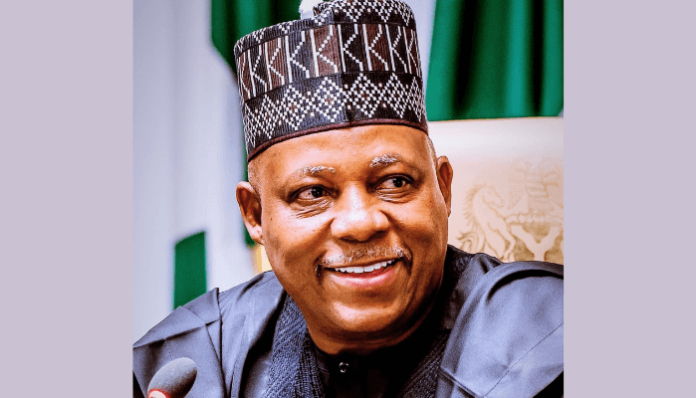
Vice-President Kashim Shettima has announced Nigeria’s pursuit of a $25 billion undersea gas pipeline project aimed at supplying natural gas to Europe through the West African coastline. Speaking during a meeting with executives of Vitol Group — the world’s largest independent commodity trader — at the Presidential Villa in Abuja on Monday, Shettima highlighted the strategic importance of the Nigeria-Morocco Gas Pipeline. The project is expected to transport gas from Nigeria to Morocco and subsequently to European markets.
Shettima described the initiative as a major step in Nigeria’s push to attract foreign investment under President Bola Tinubu’s reform-driven administration.
“President Tinubu’s leadership offers a unique opportunity for international investors,” Shettima said. “His bold reforms — including the removal of the fuel subsidy, unification of exchange rates, and tax restructuring — have reshaped the economic landscape.”
He emphasized that Nigeria’s energy and infrastructure sectors are now more attractive due to improved policy clarity and reduced government interference.
Calling on investors to take advantage of Nigeria’s new economic direction, Shettima said: “This is where the action is. Invest in Nigeria.”
Highlighting the country’s vast natural gas reserves — the eighth-largest in the world — Shettima described Nigeria as a gas economy poised for growth amid the global shift toward cleaner energy sources. He urged Vitol to participate in Nigeria’s energy transition, especially in liquefied natural gas (LNG) and associated petroleum gas projects.
“What we earn from NLNG is steady and reliable. That’s why we’re exploring gas exports to Europe,” he said, adding that the proposed pipeline would require advanced technical expertise due to its scale and complexity.
“We need your expertise more than your money. Gas supply reliability is key, which is why the undersea option is being considered,” Shettima told Vitol executives. He also assured that the project would be managed with full transparency.
In response, Vitol Group’s Chief Financial Officer, Jeffrey Dellapina, reaffirmed the company’s commitment to Nigeria.
“Nigeria has been a crucial partner for Vitol. We’ve contributed across downstream, finance, trading, and government collaboration,” Dellapina said. “We remain committed to this country and want to grow alongside it.”
Vitol’s Head of Public Affairs, Murtala Baloni, echoed the sentiment, citing the company’s strong relationship with Nigerian institutions and partners.
The Nigerian foreign exchange market recorded a significant decline in weekly dollar inflows, plunging by 76.5% to $1.04 billion, as reported figures highlighted a sharp reduction in alternative sources of foreign exchange.
The prior week had seen an inflow of $4.42 billion, but the latest data shows a dramatic drop, even as the naira held steady in value despite a reduction in external reserves. Analysts say the Central Bank of Nigeria (CBN) ramped up its intervention strategy, injecting $170 million into the market in an attempt to stabilise supply and sustain liquidity.
Despite these efforts, the nation’s external reserves experienced a marginal weekly dip, reflecting mounting pressure on Nigeria’s dollar buffers. Coronation Merchant Bank’s research division confirmed the plunge in inflows through the Investors’ and Exporters’ (I&E) FX window, which dropped from $4.42 billion to just $1.04 billion week-on-week.
According to the report, exporters were responsible for 18.33% of the total FX inflows, while the apex bank accounted for 19.71% of the total dollar volume within the week under review. Foreign portfolio investors (FPIs) remained the most dominant contributors, supplying 32.02% of the total foreign exchange, while non-bank corporate entities added 29.49%. Other miscellaneous sources collectively accounted for only 0.45%.
Despite the sharp drop in inflows, Nigeria’s foreign exchange reserves only slipped slightly by 0.24% over the week, closing at $38.46 billion. The naira continued to trade within a stable range against major currencies, although it shed 0.14% against the Chinese yuan (CNY), settling at N220.26 per CNY by market close on Friday.
In the global commodities market, crude oil prices rallied nearly 3% at the start of the week, despite the Organization of the Petroleum Exporting Countries and its allies (OPEC+) maintaining their planned output levels. The surge was largely driven by wildfire disruptions in Canada’s key oil-producing regions and renewed geopolitical uncertainty stemming from the United States.
Brent crude futures spiked by $1.85 (2.95%) to settle at $64.63 per barrel, while U.S. benchmark West Texas Intermediate (WTI) climbed $1.73 (2.85%) to reach $62.52 per barrel.
Meanwhile, gold prices surged more than 2% to hit a three-week high, boosted by a depreciating U.S. dollar and escalating global tensions. Spot gold gained 2.5%, peaking at $3,372.13 per ounce—the highest level since May 8—fuelled by tight physical markets, resilient economic data, and strong seasonal buying trends. Analysts suggest any forthcoming slowdown in demand is unlikely to derail expected output increases anticipated in August’s production adjustment talks.
Nigerian football icon Austin ‘Jay-Jay’ Okocha has urged Super Eagles striker Victor Osimhen to weigh the emotional and professional fulfilment he has found in Turkey as he considers his next career move following a stellar loan spell at Galatasaray.
In an interview with Turkish broadcaster TRT Spor, as reported by Haberler, the former Fenerbahçe maestro encouraged Osimhen to reflect on the value of happiness and continuity, even if it means making personal sacrifices.
“Turkey is a great place to play and live football,” Okocha said. “Sometimes, you need to make sacrifices when making football decisions. Osimhen had a great season at Galatasaray. Ultimately, he is happy there. Why shouldn’t he stay with the team? I love Turkey. He loves it too.”
Osimhen, who joined Galatasaray on loan from Napoli, capped off an extraordinary season by scoring his 37th goal in the club’s 2–0 win over İstanbul Başakşehir, helping the Turkish giants secure a domestic double — league and cup — in a triumphant campaign.
Galatasaray head coach Okan Buruk has publicly acknowledged the uncertainty surrounding the striker’s future but praised Osimhen’s immense contribution, expressing hope that the club can convince him to stay.
In a show of loyalty and affection, Galatasaray supporters have launched a global campaign with the hashtag #StayWithUs, including a high-profile billboard display in New York City’s Times Square, calling on the Nigerian star to remain in Istanbul.
Reports indicate that Osimhen’s representatives have received a new contract proposal from the club, reportedly worth €15 million per year — a €3 million increase from his current deal — which would make him the highest-paid player in Galatasaray’s history.
Pressed on whether he had insider knowledge about Osimhen’s next destination, Okocha remained diplomatic: “I don’t know. Wherever he decides to go, I wish him the best.”
Reflecting on his own career in Turkey, Okocha, who dazzled fans at Fenerbahçe between 1996 and 1998, described his time in the country as “a wonderful two years” filled with cherished memories, particularly the passion of the fans and the richness of Turkish cuisine.
He concluded with a nostalgic nod to his former club: “The greatest is Fener.”
The Federal Government needs an estimated N880 billion annually to maintain the country’s federal road network, Minister of State for Works, Mohammed Goroyo, disclosed on Monday.
Goroyo made the disclosure during an investigative hearing by the House of Representatives Ad-Hoc Committee probing the implementation and remittance of the five per cent user charge designated for road maintenance under the Federal Roads Maintenance Agency (FERMA) Act.
According to the Minister, persistent underfunding has hindered the agency’s ability to maintain federal roads effectively, noting that allocations over the years have fallen short of the estimated requirement. “FERMA requires an estimated N880bn annually for optimal road conditions. Budgetary allocations have consistently fallen short—N76.3bn in 2023, N103.3bn in 2024, while N168.9bn has been earmarked for 2025,” he said.
He described the funding shortfall as a major setback for road infrastructure in Nigeria, adding that it has relegated FERMA to reactive rather than preventive maintenance, resulting in deteriorating roads, escalating repair costs, and disruptions to economic activities.
“The diligent implementation and timely remittance of the five per cent user charge are paramount, This dedicated funding stream offers a viable solution to bridge the financial gap, providing consistent resources to address Nigeria’s infrastructure needs without over-reliance on annual budget appropriations.” He stated.
Also speaking at the hearing, Managing Director of FERMA, Chukwuemeka Agbasi, revealed that the template for deducting the user charge from the pump prices of petrol and diesel was never enforced by the now-defunct Petroleum Product Pricing Regulatory Agency (PPPRA), which has been replaced by the Nigeria Midstream and Downstream Petroleum Regulatory Authority (NMDPRA).
Agbasi noted that the failure to implement the charge has significantly impeded the agency’s capacity to deliver on its mandate. “Our roads are the lifelines of commerce and social integration. The five per cent user charge, as enshrined in the FERMA Act, was designed to be a sustainable funding mechanism. However, FERMA has grappled with severe funding inadequacies for years.”
In his remarks, Speaker of the House of Representatives, Tajudeen Abbas, emphasised the constitutional responsibility of the National Assembly to investigate the non-remittance of the five per cent user charge, citing Sections 88 and 89 of the 1999 Constitution.
“We owe Nigerians the obligation to conduct a comprehensive investigation into the status of the five per cent user charge to determine the extent of the violation of the law, the amount of money unremitted, and those responsible for the non-implementation,” Abbas said.
He added that the outcome of the probe must include strong recommendations to prevent future abuse and ensure smooth access to the funds by relevant agencies.
Chairman of the Ad-Hoc Committee and Chairman of the House Committee on Rules and Business, Francis Waive, clarified that the user charge is not a new levy and does not aim to increase fuel prices. “It has been part of the law since 2007. This investigation is meant to address anomalies caused by disobedience to existing legislation,” he said, adding that the House would ensure full compliance with all laws passed by the legislature.
The hearing highlighted the urgent need for a sustainable and transparent funding mechanism for Nigeria’s road infrastructure to support economic development and improve public safety.
Crypto Twitter—sorry, X—has been on fire again. Over the weekend, a post claiming Binance has officially listed Pi Network’s native token, $PI, went viral. Complete with a convincing image showing a price listing and a celebratory message, it had Pi believers practically throwing digital confetti.
The post read, “Binance has listed $PI, I think Binance has taken the first step of launch. The next step is to witness the miracle.”
Miracle? Maybe. But for now, we’re still waiting for reality to catch up. Here’s the thing—neither Binance nor Pi Network has made any official statement confirming such a listing. At the time of publishing, Pi Coin is not available for trading on the Binance exchange.
Smoke, Mirrors, and a Little π Symbol
To be fair, Binance hasn’t exactly been shy when it comes to teasing the Pi Network crowd. A while back, they stirred excitement with a graphic post featuring the iconic π (pi) symbol. It was sleek, ambiguous, and—unsurprisingly—enough to light a fire under the Pi community.
But here’s where we have to pause and ask: does a cool graphic equal a listing? Not really. These kinds of posts often serve as engagement magnets, generating buzz without committing to any action. A little PR magic, if you will. Crypto folks are used to this sort of breadcrumb trail—it’s the industry’s version of “maybe, maybe not.”
Binance’s “Vote to List” Campaign—Hopeful, But Not Binding
This isn’t the first time Pi Network fans have gotten their hopes up. Binance previously launched a “Vote to List” initiative, where the community could show support for their favorite tokens. Pi Coin was among the contenders.
Later, Binance even posted a community poll asking whether users wanted $PI to be listed. The response? Overwhelmingly in favor. But—and this is crucial—polls and votes are not promises. Binance made it clear: any token must still meet strict criteria before being listed.
And they’re not bluffing. To get listed on Binance, a token must tick several boxes:
Verified trading volume
Risk management compliance
Legal and regulatory clearance
Community size and security audits
That’s a tall order. And Pi, currently in what it calls its “enclosed mainnet” phase, hasn’t exactly crossed those bridges yet.
What’s Holding PI Back?
Let’s talk brass tacks. Pi Network still hasn’t fully launched its mainnet in the open market. The so-called “Pi you can mine” is more of a placeholder for future assets than something you can immediately trade or cash in.
This puts Binance—and other exchanges—in a bind. Listing a coin that isn’t yet freely transferable, auditable, or traded at volume? That’s risky business. For a platform like Binance, which has had its share of regulatory heat lately, it’s not the kind of move they make lightly. It’s like putting a concept car into mass production before the engine’s even been tested.
Community Hope vs Market Reality
Still, you can’t ignore the passion of Pi’s community. They’re committed, vocal, and growing. With over 47 million engaged users (according to Pi Network’s last major update), this isn’t a flash-in-the-pan project. It’s building momentum—albeit slowly.
But sometimes, passion overshoots patience. And that’s what we’re seeing here.
When someone tweets out a fake listing screenshot, it doesn’t take long for hopefuls to run with it. In crypto, perception moves faster than truth. Unfortunately, so do scams and misinformation.
So… What Should You Do If You Hold PI?
Honestly? Chill. And watch carefully.
Don’t get lured by fake listing images or manipulated screenshots. Always check the official sources—Binance’s announcements page, Pi Network’s verified socials, or CoinMarketCap. Scammers love hype. So do bots.
Meanwhile, Pi Network’s devs have consistently said they’re working toward open mainnet—but haven’t provided a concrete timeline. Until that happens, trading on major platforms remains more dream than reality.
Final Word—Don’t Fall for the Hype (Yet)
To recap: Pi Coin is not listed on Binance. Not today. Not officially. The screenshots going around? Fabricated or misinterpreted. Could it happen someday? Absolutely. The community is strong, and Binance has shown interest. But today’s excitement is running on fumes, not facts. So, to every professional, crypto trader, or business-savvy hopeful watching this unfold: keep your excitement grounded and your verification tools sharp.