The Central Bank of Nigeria (CBN) has taken a measured step to lower spot interest rates on Nigerian Treasury Bills (NTBs) with 91-day and 364-day maturities, following a highly competitive Primary Market Auction (PMA) held on Wednesday. Despite overwhelming investor demand, the apex bank rejected all excess bids beyond the offered amount.
At the auction, which was coordinated through the Debt Management Office (DMO) on behalf of the CBN, investors demonstrated a heightened appetite for naira-denominated instruments. The event recorded a total subscription of N1.31 trillion, almost triple the advertised offer of N450 billion.
Particularly, the 364-day treasury bills witnessed a flood of investor interest. While the CBN made N300 billion worth of one-year bills available, subscriptions surged to N1.208 trillion, out of which N369.97 billion was eventually allotted. This reflects sustained investor confidence in longer-term Nigerian debt assets.
As a result of the intense demand, the spot rate for the 364-day bills was reduced from 19.56% to 19.35%, allowing monetary authorities to ease the discount rate slightly while still satisfying core market participants.
Meanwhile, the 182-day bills failed to draw similar enthusiasm. Against an offer of N100 billion, subscriptions amounted to only N30.03 billion, which was fully allotted. The interest rate for this mid-term tenor remained unchanged at 18.50%.
Short-term 91-day treasury bills, on the other hand, saw oversubscription. Against a target of N50 billion, investor demand reached N70.92 billion. Consequently, the CBN matched its initial offer size while adjusting the spot rate slightly downward from 18% to 17.98%.
This auction result underscores a strategic policy move by the CBN aimed at managing liquidity while maintaining investor confidence. The full rejection of excess bids is seen as a measure to prevent overheating in the fixed-income space and ensure that rates remain within the desired monetary policy corridor.
Analysts say the strong demand, particularly for longer-tenor bills, is indicative of renewed interest in Nigerian sovereign instruments amid signs of improving macroeconomic stability. They also note that the central bank’s move to cut interest rates may signal a gradual policy easing phase, aimed at fostering economic growth while controlling inflation.
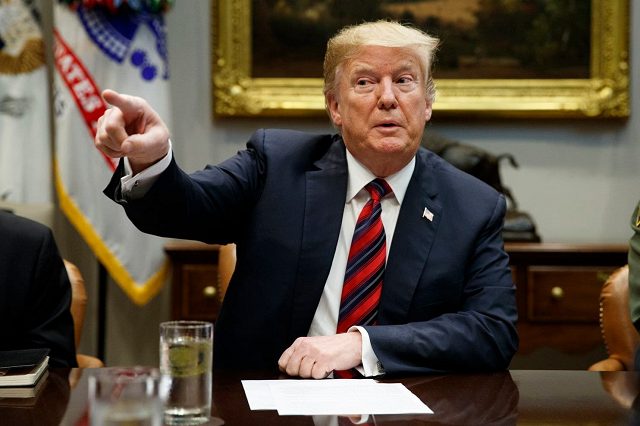
In a sweeping new immigration directive, U.S. President Donald Trump has officially enacted a proclamation on Wednesday night that prohibits citizens from a dozen nations from entering the United States.
The directive, which takes effect on June 9, 2025, at 12:01 a.m. EDT (5:01 a.m. Nigerian time), places full travel restrictions on individuals from Afghanistan, Myanmar, Chad, Congo, Equatorial Guinea, Eritrea, Haiti, Iran, Libya, Somalia, Sudan, and Yemen.
In addition to these 12 nations, the order places partial restrictions on nationals from Burundi, Cuba, Laos, Sierra Leone, Togo, Turkmenistan, and Venezuela.
According to the signed proclamation, this measure is part of President Trump’s continued effort to enhance national security and mitigate threats allegedly posed by individuals from high-risk regions. Speaking in a video message posted on his official X account, Trump emphasized, “We will not allow people to enter our country who wish to do us harm.”
He stated that the list of countries could be reviewed and expanded depending on evolving intelligence reports and security assessments.
The proclamation targets nations considered to host “a significant presence of terrorist organizations” or those deemed non-compliant with U.S. visa verification processes. Trump further criticized these countries for insufficient data sharing, poor criminal record documentation, unreliable traveler identification, and a high incidence of visa overstays.
Trump justified the ban by saying, “We cannot have open migration from any country where we cannot safely and reliably vet and screen those who seek to enter the United States.”
This new policy aligns with the broader immigration crackdown Trump launched during the onset of his second term, which aims to curtail entry from places including Gaza, Libya, Somalia, Syria, Yemen, and other areas deemed hostile to U.S. national interests.
In an earlier executive order dated January 20, 2025, Trump instructed several key federal departments to compile a list of nations whose travelers should be either partially or entirely banned due to what he described as “deficient” vetting systems.
This isn’t Trump’s first foray into controversial immigration policy. During his first term, he introduced a travel ban affecting seven Muslim-majority countries, a move that sparked widespread protests and legal battles before it was ultimately upheld by the U.S. Supreme Court in 2018. The order was later overturned by former President Joe Biden in 2021, who called the policy “a stain on our national conscience.”
Let’s get this straight—Nigerians aren’t lazy. If anything, we work a lot. The early morning gridlocks, the late-night emails, the endless meetings that somehow always lead to another meeting—sound familiar?
But here’s the twist: despite all that hustle, the average Nigerian worker gets around 41 to 46 days off work each year. Sounds like a sweet deal? Maybe. But as with most things in Nigeria, it’s not quite black and white.
41 Days Off Is The Truth
Nope, not a typo. According to a review by Nairametrics Research, when you tally up public holidays, statutory annual leave, and a smidge of sick leave, Nigerian workers are clocking about 15.7% of the work year off the job. That’s 41 out of the standard 261 workdays (excluding weekends).
Before you gasp and wonder how the economy hasn’t collapsed, hold that thought.
Let’s break it down:
Christmas Holidays(Dec 25 &26): 2 days (Christmas Day & Boxing Day)
New Year(Jan 1): 1 day
Easter Holidays: 2 days (Good Friday & Easter Monday)
Muslim Holidays: 5 days (Eid-el-Fitr, Eid-el-Kabir, and associated days)
Democracy Day (June 12): 1 day
Workers Day (May 1): 1 day
Independence Day (October 1): 1 day
Annual Leave (Statutory): 20-28 days
Sick Leave (Approximate): 5 days
Casual Leave- 3 days
Put them together and voilà—your 41-day vacation-in-installments is served.
But Who Really Takes All That Time?
Here’s the thing—not everyone actually enjoys all 41 days. Workers in essential sectors—think healthcare, security, emergency services, and even journalists (yes, irony)—often miss out. Shift schedules and weekend duties mean their “days off” might just be another word on paper. So when we say 41 days, it’s a general average. A kind of aspirational target for many.
Productivity vs. Peace of Mind
Business leaders aren’t always thrilled about all these breaks, especially when public holidays fall mid-week. Imagine planning a big rollout only for a Wednesday public holiday to throw a wrench in the gears. That’s not just annoying—it can be costly.
Industries like finance, logistics, and manufacturing often report a slump in performance during holiday stretches. A 2017 study by Botes even confirmed those productivity dips.
But let’s flip the coin.
A 2020 study surveying bank workers in Kogi State found that over 90% felt public holidays were crucial for mental health, religious duties, and—you guessed it—just breathing. Ernst & Young, way back in 2006, found that for every extra 10 hours of leave, employee performance shot up by 8%. That’s not small potatoes.
So yeah, you might lose a few hours of output, but you’re gaining clarity, energy, and—maybe most importantly—loyalty.
Nigerians Need Those Breaks
Let’s be honest—living and working in Nigeria comes with its own kind of stress cocktail. From unpredictable power supply to the ever-bubbling political landscape, it’s not always smooth sailing. That’s why those breaks aren’t just perks—they’re pressure valves.
When the calendar screams “Eid” or “Christmas,” it’s not just a day off. It’s a reset button. For some, it’s time to travel home to the village, see Grandma, attend a cousin’s wedding, or just sleep in without guilt. For others, it’s spiritual rejuvenation—fasting, praying, reflecting. And for the lucky few? Maybe a quick trip to Obudu or a lazy beach day in Tarkwa Bay.
Public holidays in Nigeria aren’t random—they’re deeply cultural, religious, and social. They’re the glue that helps hold an overstretched workforce together.
But Are We Losing the Plot?
Well, it depends on who you ask. From a policy perspective, some argue we need to rethink the holiday structure—spread them out better, maybe shift certain ones to Mondays or Fridays to limit disruption. Midweek holidays are especially divisive; they can break workflow in ways a long weekend wouldn’t.
And let’s not even start on how quickly public sentiment can turn when the government declares last-minute holidays. It happens, and it’s chaotic. But also—so very Nigerian.
Then there’s the shadow side of leave: financial stress. Holidays often come with cultural expectations—gifts, travel, food. For workers already stretching salaries thin, the holidays can trigger anxiety rather than relief. A Swedish study (Mohammed et al., 2018) even warned that breaks, while good for morale, can paradoxically increase stress due to expectations.
Can Business and Culture Co-Exist?
Here’s where the balancing act begins.
Smart companies are starting to plan around the calendar, not against it. Some schedule big projects around major holidays. Others offer flexible leave arrangements—swap a religious holiday for another day, for example—allowing employees to work in sync with their own rhythms.
There’s also a growing trend of “mental health days”—quiet, unofficial days where workers can catch their breath without the drama of formal leave. Call it a soft reset.
And let’s not ignore the emerging hybrid model—remote work has opened doors for people to be “off” while still being reachable. Not ideal for everyone, but it’s an evolving middle ground.
So What’s the Verdict?
Honestly? It’s complicated—but also kind of beautiful. Yes, 41 days sounds like a lot. Yes, we need to talk about efficiency. But also—yes, we need rest. Real, honest, guilt-free rest. For all our talk about productivity and growth, sometimes the most strategic thing you can do is step away from the screen, take off your shoes, and just breathe.
And if that’s wrapped in a bowl of jollof at your mother’s kitchen table during Christmas—or a quiet mosque visit during Eid—then maybe we’re doing something right after all.
Note : Nigerian workers take about 41 to 46 days off a year. That may sound like a lot, but it’s more than just vacation—it’s cultural, emotional, and often essential. While businesses have legitimate concerns about workflow disruption, studies show that rest improves performance, retention, and morale. The goal isn’t to cut down the time off—it’s to be smarter about how we manage it. Because in Nigeria, when the holidays come knocking, you don’t just take a break—you come home.
The Premier League has officially entered the 2025/26 campaign following the conclusion of its Annual General Meeting on Wednesday, June 4. The event marked the administrative handover from the previous season, officially ushering in a new chapter in England’s top-flight football.
All 20 participating clubs — including newly promoted teams Leeds United, Burnley, and Sunderland — have now been formally incorporated into the Premier League structure.
“The transition from the 2024/25 season to the 2025/26 season has been formally completed,” the League announced via an official statement published on its website. This announcement signified the ceremonial beginning of the new footballing year.
Promotion and Relegation Finalised
Leeds United, Burnley, and Sunderland have officially secured their Premier League membership with the issuance of share certificates — a legal formality that confirms their promotion status.
As part of this process, each of the three clubs has been entered into the League’s official share register and presented with a framed certificate symbolising their elite status.
“New share certificates for the promoted clubs have been duly signed by the Premier League directors and the company secretary,” the League stated. “In compliance with company law, the trio has been officially added to the share register.”
Meanwhile, clubs relegated to the Championship — Leicester City, Ipswich Town, and Southampton — have returned their Premier League share certificates, effectively ending their current tenure in the division.
“The relegated clubs have handed back their share certificates, and the Premier League Board has approved the cancellation of these documents,” the League added in its statement.
Fixture Announcement Incoming
With the roster of 20 clubs now complete, anticipation shifts to the eagerly awaited fixture announcement. The Premier League has confirmed that the full schedule for the 2025/26 season will be released on Wednesday, June 18, at 09:00 BST.
This schedule drop comes well in advance of the season’s opening weekend, which kicks off on Saturday, August 16.
“All participating clubs can now look forward to discovering their fixtures at 09:00 BST on Wednesday, June 18,” the League noted.
In preparation, the Premier League’s official table has been reset and currently lists all clubs alphabetically. Additionally, the League’s social media platforms have begun following the verified accounts of the promoted clubs, signaling their full integration into the top tier.
“The League table has been refreshed, and the official social channels now follow Leeds, Burnley, and Sunderland,” the statement confirmed.
What Lies Ahead
With the new season now officially in motion, clubs are accelerating their pre-season preparations. Several teams have already released details of their summer plans, including international friendlies and pre-season training camps.
“June 4 marks the official start of the new Premier League season, with Leeds, Burnley, and Sunderland now part of the elite club,” the League reiterated.
As the footballing world counts down to August, fans can expect a new wave of storylines — from debut campaigns and returning rivalries to dramatic title chases and relegation battles. The stage is set for another exhilarating season of Premier League action.
Interswitch, leading African technology company focused on creating solutions that enable individuals and communities prosper across Africa, has reaffirmed its commitment to cross-sector innovation as an Associate Partner at the sixth edition of the Lagos State Real Estate Fest, held at the Lagos Oriental Hotel.
Through strategic participation and thought leadership, Interswitch played a significant role in shaping conversations around the future of Propertytech (also referred to as ‘Proptech’) and the role of financial infrastructure in transforming Nigeria’s real estate ecosystem.
Themed “The Business of Real Estate: Staying Innovative in a Changing Landscape,” the event brought together a range of stakeholders, including property developers, investors, government representatives, urban planners, project financiers, architects, and technology providers for high-level discussions on the future of Nigeria’s real estate industry.
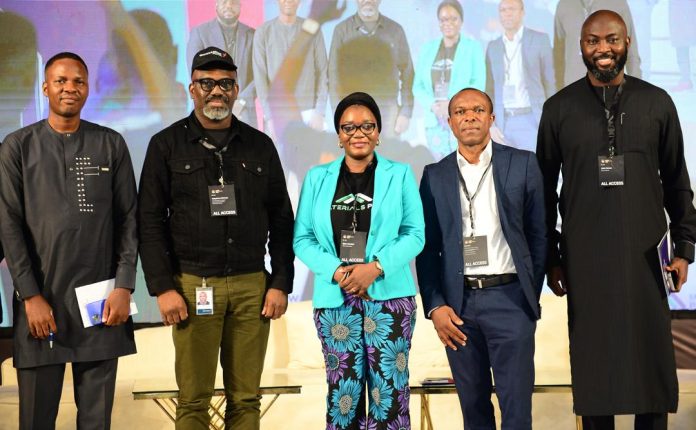
As a key part of the event’s agenda, Adeyinka Adekoya, Vice President, Energy Ecosystems, Interswitch Group, featured as a panelist on the session titled “Out with the Old: Proptech Redefining Nigeria’s Real Estate and Construction Market.” Alongside other ecosystem leaders, he explored how emerging technologies are streamlining property transactions, driving transparency, and opening up new frontiers for inclusive growth.
Adekoya said:
“Interswitch believes that transforming real estate begins with access, trust, and the right digital infrastructure. We’re leveraging over two decades of expertise in digital payments to simplify property transactions, enable secure Proptech platforms, and expand financial inclusion through tools like Interswitch’s one-stop digital platform for real estate services, Quickteller Homes. By co-creating solutions with developers, innovators, and regulators, we’re helping to shape a transparent, tech-enabled property ecosystem that works for everyone.”
He further highlighted Interswitch’s role in enabling Proptech innovation through secure API infrastructure, digital financial services, and its ongoing support for regulatory frameworks that foster digital transformation across the real estate value chain.
The Lagos Real Estate Fest 2025 featured a dynamic line-up of industry leaders across its panel sessions, keynote addresses, and brand presentations. Discussions ranged from affordable housing, construction finance, and urban planning to sustainability, data-driven design, and the growing role of smart infrastructure.
The event concluded with a renewed call for stakeholders to invest in scalable Proptech innovations, strengthen public-private partnerships, and integrate technology across Nigeria’s real estate value chain.
Interswitch’s participation reaffirmed its commitment to driving innovation across sectors and underscored the importance of collaboration in building a future-ready real estate market.
Nigerian singer and comedian, Nasboi, is counting his blessings after surviving a serious car accident during his ongoing nationwide tour aimed at securing a music collaboration with Afrobeat star, Davido.
Nasboi, who recently went viral for his unconventional campaign—kneeling in all 36 Nigerian states as a symbolic plea for a Davido verse—shared the harrowing experience during an Instagram Live session with fans.
In the video, his vehicle appeared severely damaged, crushed beneath the rear of a heavy-duty truck. The front end was nearly destroyed, with mangled metal and shattered glass showing just how close the incident came to being fatal. Despite the wreckage, Nasboi appeared calm but visibly shaken, assuring viewers that he walked away unharmed.
“Omo, me I no even know. Na laugh I just dey laugh because this is crazy,” he said. “Na to give up at this point. It’s crazy, but we thank God nobody was harmed. No injuries at all.”
The accident occurred shortly after Nasboi had completed the seventh leg of his 36-state tour. Just days earlier, he had announced the campaign as a heartfelt attempt to get Davido’s attention.
Since news of the crash broke, fans, fellow artists, and followers have flooded his social media with messages of concern, urging him to abandon the journey for his own safety.
Singer BNXN (formerly Buju) commented, “Please go home!! 🏡”
Another user wrote: “Bro, please drop this concept abeg. Nigeria no safe for this kind waka. This is unnecessarily risky 😢💔.”
Others encouraged him to prioritize his well-being, reassuring him that Davido had likely received the message. “Thank God for keeping you safe, my bro! Let the journey go—safety first. Davido has already heard you loud and clear. If it’s in God’s plan, the verse will come. Be safe, brother.”
The accident has sparked renewed conversations online about the dangers of road travel in Nigeria and the lengths to which artists go for recognition.
While Nasboi has yet to confirm whether he will continue the tour, his close brush with death has left many praying he chooses caution over continuation.
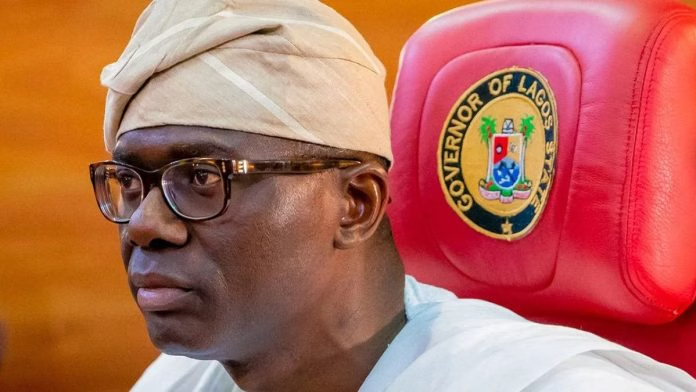
Governor Babajide Sanwo-Olu has unveiled a new land mapping initiative designed to identify and optimise the use of informal spaces across Lagos State. Speaking through his Deputy Chief of Staff, Dr. Sam Egube, at the official handover of three operational vehicles to the Lagos State Informal Space Management Agency (LASISMA) on Tuesday, the governor said the project aims to define and regulate informal land use in the state.
LASISMA, the agency tasked with overseeing informal spaces and unregulated business activity, will lead the implementation of the initiative.
Sanwo-Olu explained that many open spaces and roadside setbacks across Lagos remain unaccounted for in formal development plans, yet present opportunities for more productive and aesthetic use.
“This initiative marks the beginning of a comprehensive mapping of informal spaces in Lagos. These are lands that were never formally planned—such as incidental open areas or road setbacks—but are still critical to the city’s organisation and functionality,” he said.
The governor added that a pilot phase would commence within the next six months, during which informal lands will be surveyed and their purposes formally defined by the Ministry of Physical Planning and Urban Development.
Sanwo-Olu warned against the unauthorised use of these spaces, noting that proper designation and regulation are essential for sustainable urban development.
“You cannot simply occupy these lands at will. They must be assigned for specific uses in line with the state’s planning vision. This is how we can achieve a well-organised and efficient city,” he stated.
Also speaking at the event, Commissioner for Physical Planning and Urban Development, Dr. Olumide Oluyinka, emphasised the importance of making the most of Lagos’s limited land resources.
“Our land is our oil. Every square metre must be accounted for and put to purposeful use,” he said. “Even informal spaces—though temporary—must be properly managed, with clear knowledge of who is using them and for what purpose.”
He noted that while the government will continue to allow legitimate uses such as parks and transport hubs on informal lands, these activities must now be formally approved and regulated, including appropriate fees where applicable.
Oluyinka stressed that the goal is not to displace anyone but to improve order, safety, and value generation from public spaces.
Dr. Olajide Babatunde, Special Adviser to the Governor on e-GIS and Urban Development, said the mapping project would bring an end to arbitrary land use.
“With this project, each space will have a defined purpose. This means we won’t have people erecting structures like telecom masts in areas designated as bus stops,” he explained.
LASISMA General Manager, Mr. Dasisi Osho, expressed appreciation to the governor for equipping the agency with three vehicles to enhance field operations.
“These tools will significantly improve our mobility and efficiency,” Osho said. “We’re committed to ensuring every piece of informal land in Lagos is used in a way that supports the city’s development goals.”
He reaffirmed LASISMA’s dedication to transforming informal spaces into well-managed assets that benefit residents and contribute to Lagos’s broader urban development agenda.
The Federal Operations Unit (FOU) Zone A of the Nigeria Customs Service (NCS) has intercepted smuggled goods valued at over ₦1.5 billion during a two-week anti-smuggling operation across the South-West region.
Comptroller Mohammed Shuaibu, who disclosed this at a press briefing held on Tuesday in Ikeja, Lagos, said the seizures were recorded barely three weeks after he assumed leadership of the unit on April 23, 2025.
According to Shuaibu, the unit made 46 interceptions and recovered ₦48.34 million through demand notices issued to importers who made improper declarations to evade customs duties.
“These interceptions demonstrate our officers’ unrelenting commitment to curbing illicit trade and protecting the nation’s economy,” he said. “Our operatives inflicted substantial financial losses on economic saboteurs by foiling their smuggling attempts.”
Items seized during the operation included 2,051 bags of 50kg foreign parboiled rice—equivalent to three trailer loads, 1,665kg of Cannabis Sativa, 4,000 litres of Premium Motor Spirit (PMS), 11 used vehicles, and a J5 bus loaded with expired goods. A Volvo truck conveying 180 sacks of new towels was also intercepted.
Shuaibu added that seven suspects were arrested in connection with the seizures, which had a combined duty-paid value of ₦1.28 billion. He stressed that the unit remains committed to harnessing all revenue components and implementing sustainable strategies to grow the economy, increase government earnings, and promote lawful trade.
He detailed several notable interceptions, including:
On May 23 and 24, two 40-foot containers—MSCU 5295718 and MRSU 5856090—were intercepted around Ijora-Olopa and Mile 2. The containers held seven Mitsubishi Canters, Toyota Hiace buses, and three mini shuttles, all dismantled to evade customs duties.
On May 19, a Volvo truck transporting 1,263 used tyres was intercepted at 03:00hrs, resulting in the arrest of one suspect. Later that day at 23:00hrs, officers stopped another truck along the Shagamu/Ijebu-Ode expressway laden with uncustomed goods, including bulletproof vests.
On May 26 at about 06:00hrs, operatives in Ijebu-Ode intercepted a seemingly empty Mercedes Benz truck. A thorough search revealed Cannabis Sativa concealed within its compartments.
Other items seized included 312 bales of printed wax fabric, 23 bales of second-hand clothing, 42 used gas cylinders, 30 flat-screen televisions, 65 tabletop gas cookers, 31 used split air conditioning units, and used bicycles.
In response to the cannabis seizures, Assistant Commander-General of Narcotics, Mr Abdul Mayaki of the National Drug Law Enforcement Agency (NDLEA), received the confiscated substances from Customs. He commended the inter-agency collaboration and revealed that an MoU has been signed with the Indian government to stop codeine production destined for Nigeria.
“With ongoing synergy, we are closing the gap and will continue to disrupt the operations of drug traffickers and smugglers across Nigeria’s borders,” Mayaki assured.
Shuaibu reiterated the unit’s resolve to remain vigilant as smugglers continue to evolve their tactics, stressing that intelligence-driven operations would remain key in intercepting illegal trade and safeguarding national interests.
The Federal Government has announced plans to clamp down on the unregulated establishment of satellite campuses by federal universities, polytechnics, and colleges of education across the country.
In a directive issued by the Minister of Education, Dr. Tunji Alausa, and dated May 30, 2025, the government expressed strong disapproval of the growing trend of creating satellite campuses without proper authorisation from the relevant regulatory bodies—the National Universities Commission (NUC), the National Board for Technical Education (NBTE), and the National Commission for Colleges of Education (NCCE).
The memo, addressed to the Executive Secretaries of the three agencies and sighted by PUNCH Online on Wednesday, warned that any tertiary institution found operating satellite campuses without ministerial approval through the designated regulators would face strict sanctions.
Dr. Alausa decried the proliferation of such campuses, describing them as lacking academic merit, strategic planning, and infrastructural capacity. He emphasised that the practice is undermining the integrity and sustainability of Nigeria’s tertiary education system.
“Instead of consolidating and enhancing the capacity of existing campuses, some Vice Chancellors, Rectors, and Provosts are diverting scarce resources to establish poorly equipped satellite campuses. This approach is counterproductive and compromises educational standards,” the minister said.
He directed the NUC, NBTE, and NCCE to formally communicate to all federal tertiary institutions under their supervision that the establishment of any new satellite campus must receive prior approval from the Minister of Education via the appropriate regulatory agency.
“Non-compliance with this directive will attract appropriate disciplinary action,” the minister warned.
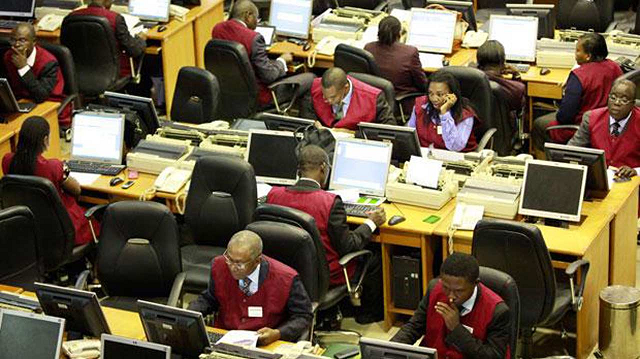
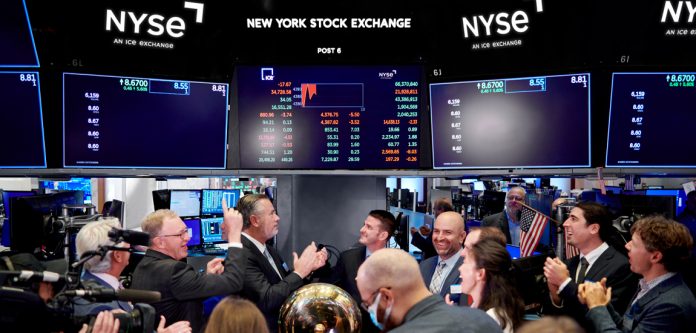
The Nigerian equities market continued its bullish streak on Tuesday, achieving a record-breaking milestone as the Nigerian Exchange (NGX) surged to a historic valuation of ₦70.89 trillion. The rally resulted in a remarkable gain of approximately ₦260 billion in market capitalisation, buoyed by intensified buying activity across key sectors.
At the close of trading, the NGX All-Share Index climbed to a new peak of 112,427.48 points, reflecting a 0.37% increase, equivalent to 411.53 basis points. The uptick was largely driven by investor appetite for fundamentally strong medium- and large-cap stocks, including bellwether names such as DANGCEM, which appreciated by 2.27%, as well as FIRSTHOLDCO and INTBREW, which gained 8.82% and 3.11%, respectively.
Stockbrokers attributed the sustained rally to renewed investor optimism and aggressive bargain hunting in heavyweight counters. Key contributors to the positive sentiment included HONYFLOUR, FIRSTHOLDCO, and DANGCEM, whose strong performances underscored the confidence coursing through the market.
Trading volume and value also recorded notable improvements. Total volume traded rose by 20.21%, while the total transaction value jumped by 60.12%. Market data revealed that investors exchanged 622.64 million units of shares valued at ₦16.12 billion across 17,044 deals.
FIDELITYBK dominated the volume chart, accounting for 17.44% of total trades. Other active stocks included LEGENDINT (9.83%), UBA (8.99%), GTCO (6.65%), and ACCESSSCORP (5.56%). In terms of value, GTCO took the lead, contributing 17.48% of the day’s traded value on the NGX.
On the gainers’ chart, HONYFLOUR and SCOA led with a maximum daily price gain of 10.00% each. They were followed by IMG (+9.96%), INTENEGINS (+9.82%), MAYBAKER (+9.75%), ELLAHLAKES (+9.74%), and VERITASKAP (+9.38%), among others—bringing the total number of advancers to 35.
However, the trading session also witnessed 31 decliners. CONOIL topped the losers’ table with a 10.00% drop. Other significant losers included TRANSCOHOT (-9.97%), JBERGER (-9.94%), DAARCOMM (-7.69%), UCAP (-3.51%), and ZENITHBANK (-0.72%).
The overall market breadth closed on a positive note, reflecting the upbeat investor sentiment that continues to drive the rally. Five out of the six sector indices closed in the green, signaling widespread bullishness across various sectors.
The Banking Index surged by 1.36%, bolstered by appreciations in GTCO (+2.10%) and STANBIC (+4.26%). The Consumer Goods Index also advanced by 1.05%, largely influenced by INTBREW’s 3.11% rise, while the Industrial Goods Index rose by 0.96%, thanks to DANGCEM’s strength.
Meanwhile, the Insurance Index gained 0.81%, supported by continued interest in CORNERST, which climbed by 3.48%. The only laggard was the Oil & Gas Index, which dipped by 0.21% due to a significant decline in CONOIL (-10.00%).
At the end of the session, the equities market had added ₦259.49 billion in value, bringing the total capitalisation to ₦70.89 trillion—yet another record-setting feat for the NGX.
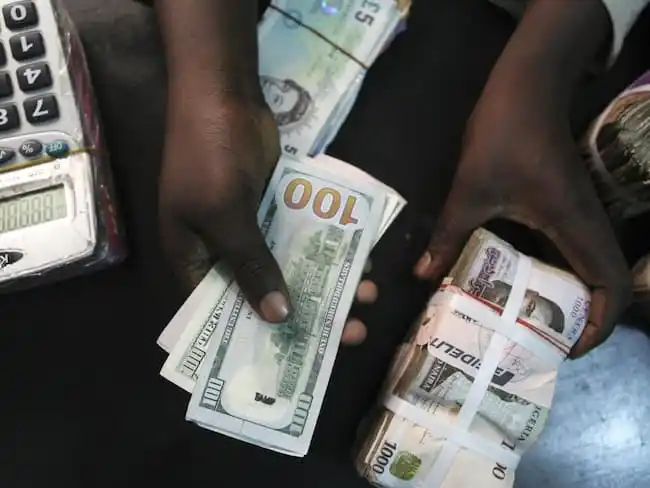
The exchange rate between the Naira and the US dollar, according to the data released on the FMDQ Security Exchange, the official forex trading portal, showed that the Naira closed at 1620.00 per $1 on Wednesday, June 4th, 2025. Naira traded as high as 1584.00 to the dollar at the investors and exporters (I&E) window on Tuesday.
Dollar to naira exchange rate today black market (Aboki dollar rate):
The exchange rate for a dollar to naira at Lagos Parallel Market (Black Market) players buy a dollar for ₦1595 and sell at ₦1620 on Tuesday 3rd June, 2025, according to sources at Bureau De Change (BDC).
Please note that the Central Bank of Nigeria (CBN) does not recognize the parallel market (black market), as it has directed individuals who want to engage in Forex to approach their respective banks.
Dollar to Naira Black Market Rate Today
Dollar to Naira (USD to NGN)
Black Market Exchange Rate Today
Buying Rate
₦1595
Selling Rate
₦1620
Dollar to Naira CBN Rate Today
Dollar to Naira (USD to NGN)
CBN Rate Today
Highest Rate
₦1584
Lowest Rate
₦1579
Please note that the rates you buy or sell forex may be different from what is captured in this article because prices vary.
Crude oil prices edged lower on Wednesday as investor sentiment remained cautious amid renewed trade tensions between the United States and China, a planned supply increase by OPEC+, and profit-taking by market participants.
Brent crude, the international benchmark, dipped by 0.2% to $65.32 per barrel, down from $65.44 at the previous session’s close. U.S. benchmark West Texas Intermediate (WTI) was little changed, slipping 0.01% to $62.83 per barrel from $62.84.
The modest decline comes as uncertainty resurfaces over U.S. trade policy following President Donald Trump’s executive order doubling tariffs on steel and aluminum imports to 50%. The protectionist move has reignited concerns about global economic growth and energy demand.
Adding to the cautious mood, the Organisation for Economic Co-operation and Development (OECD) revised its 2024 global growth forecast downward—from 3.1% to 2.9%—citing persistent trade frictions. While hopes remain that upcoming U.S.-China trade negotiations could yield progress, the lack of a clear resolution continues to fuel market volatility. The two countries are the world’s top crude oil consumers.
Traders have adopted a wait-and-see approach, with many locking in profits ahead of potential announcements. At a Tuesday press briefing, White House spokesperson Karoline Leavitt confirmed that the U.S. Trade Representative (USTR) had issued reminders to trading partners regarding looming tariff agreement deadlines. USTR Jamieson Greer also held recent talks in Paris, with new trade announcements expected soon.
Meanwhile, on the supply side, expectations of increased output from the OPEC+ alliance are adding downward pressure on prices. Last week, eight member countries—including Saudi Arabia, Russia, Iraq, and the United Arab Emirates—agreed to boost production by 411,000 barrels per day in July, consistent with output hikes in May and June.
However, potential supply disruptions in Canada may help offset some of the additional barrels and prevent a deeper oversupply in the near term.
Despite the current dip in prices, oil markets remain sensitive to geopolitical developments, trade policies, and shifting supply dynamics—all of which will be closely watched in the days ahead.
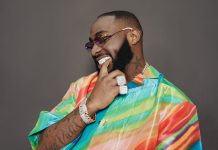
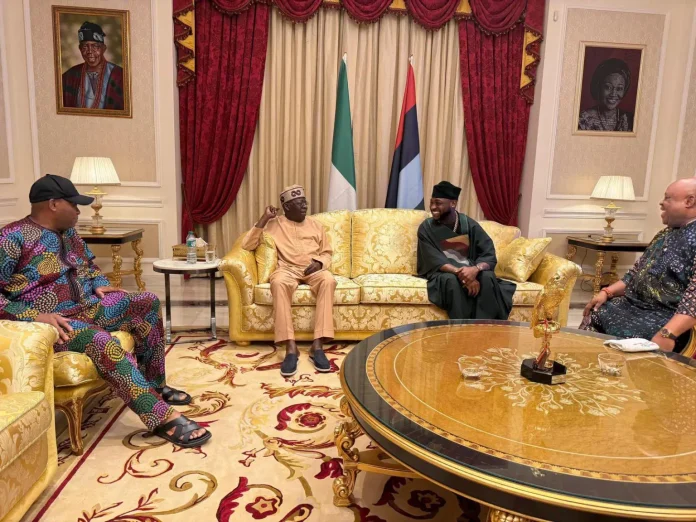
President Bola Ahmed Tinubu on Tuesday evening received Osun State Governor, Senator Ademola Adeleke, at his private residence in Ikoyi, Lagos. Governor Adeleke was accompanied by his elder brother, Chief Adedeji Adeleke, a prominent businessman and philanthropist, as well as his nephew, internationally renowned Afrobeat artist David Adeleke, popularly known as Davido.
The visit was confirmed by the Special Assistant to the President on Social Media, Dada Olusegun, who shared the development via his official X (formerly Twitter) account:
“President Bola Ahmed Tinubu receives in audience, H.E. Ademola Adeleke, the Executive Governor of Osun State, and Chief Adedeji Adeleke at his residence in Lagos.”
Though the discussions held behind closed doors were not disclosed, sources close to the meeting described it as cordial. The engagement is seen as part of President Tinubu’s broader effort to foster dialogue and cooperation across political divides.
Governor Adeleke, a member of the opposition Peoples Democratic Party (PDP), has in recent times expressed support for some of President Tinubu’s national initiatives, especially those aimed at promoting unity and stability over partisan divides.
Chief Adedeji Adeleke is well regarded for his contributions to education and business development in Nigeria. Davido’s presence at the meeting sparked considerable public interest, with many interpreting it as a symbolic moment reflecting both intergenerational engagement and bipartisan outreach.
The meeting comes amid a wave of high-level political consultations across the country. While there is no official indication that the visit is linked to the 2027 electoral cycle, its timing has stirred speculation in some quarters.
Davido’s presence also follows his recent visit to President Tinubu in Abuja, alongside entertainment industry figures such as Cubana Chief Priest and Ubi Franklin. The recurrence of these interactions has led to speculation online regarding potential political alignments.
Online reactions have been mixed, with some Nigerians viewing the visit as a sign of possible political realignment, while others expressed surprise at the frequency of Davido’s engagement with the presidency.
Despite the varied responses, the meeting underscores President Tinubu’s ongoing efforts to build consensus across political, generational, and sectoral lines.
The Sole Administrator of Rivers State, Vice Admiral Ibok-Ete Ekwe Ibas (retd.), has approved the appointment of 11 new Permanent Secretaries into the state’s civil service.
The appointments were announced in a Special Government Announcement issued in Port Harcourt on Tuesday. The statement, signed by the Acting Head of Service, Dr (Mrs) Inyingi Brown, was made available to journalists.
According to the release, the swearing-in ceremony for the new appointees will be conducted by the Administrator at a later date to be communicated in due course.
The newly appointed Permanent Secretaries are:
Imaonyani Roselin Ephraim-George
Dr Mina T. Ikuru
Dabite Sokari George
Soibitein Duke Harry
Lauretta Davies Dimkpa
Uche R. Ideozu
Chimenum Mpi
Jeremiah Egwu
Nicholas Iminabo Wokoma
Vera Sam Dike
Aleruchi Akani
The appointments are seen as part of ongoing efforts to strengthen the administrative machinery of government in Rivers State under the current transitional leadership.
In a significant policy shift, the Nigerian Communications Commission (NCC) has mandated that charges for Unstructured Supplementary Service Data (USSD) banking transactions be deducted directly from customers’ mobile airtime, rather than their bank accounts.
The new directive, which took effect on Tuesday, June 3, 2025, was announced in a notice sent to customers by the United Bank for Africa (UBA). The bank explained that the change is in line with the NCC’s End-User Billing model, which transfers the cost burden of USSD transactions to mobile network airtime.
“Effective June 3, 2025, charges for USSD banking services will no longer be debited from your bank account,” the UBA statement read. “Instead, the charges will be deducted directly from your mobile airtime balance. Each USSD session will attract a charge of ₦6.98 per 120 seconds, billed by your mobile network operator.”
To ensure transparency, users will receive a consent prompt at the start of each USSD session, and airtime will only be deducted upon confirmation and network availability. Customers unwilling to continue under this billing model may opt out of USSD banking services entirely.
UBA encouraged its customers to utilise alternative digital banking platforms, including mobile apps and internet banking, for more seamless and flexible transactions.
A Step Toward Resolving Telco-Bank Disputes
The NCC’s move is seen as a strategic effort to address the long-standing dispute between Mobile Network Operators (MNOs) and Deposit Money Banks (DMBs) over unpaid USSD service fees, which reportedly ballooned to ₦250 billion.
In December 2024, the NCC and the Central Bank of Nigeria (CBN) jointly directed telcos and banks to resolve the lingering debt crisis. The situation reached a boiling point when telecom operators threatened to withdraw USSD services due to the mounting debt.
By January 15, 2025, the NCC ordered network providers to disconnect USSD codes assigned to nine banks over non-payment, setting a compliance deadline of January 27. Subsequently, on February 28, MTN Nigeria disclosed it had received ₦32 billion out of a ₦72 billion owed by banks, signalling partial progress.
This latest policy by the NCC appears aimed at preventing further accumulation of USSD debt and creating a transparent, user-approved billing process that benefits both telecom operators and financial institutions.
In a notable resurgence, the “Magnificent Seven”—Apple, Microsoft, Alphabet, Amazon, Meta Platforms, Tesla, and Nvidia—have reclaimed their influential position in the U.S. stock market as of mid-2025. Following a challenging start to the year, these tech behemoths have collectively contributed over 40% to the S&P 500’s gains since April 8, signaling a robust recovery driven by easing trade tensions and renewed investor confidence.
The initial downturn in early 2025 was largely attributed to heightened trade disputes, particularly the “Liberation Day” tariffs announced by former President Trump in April. However, the subsequent de-escalation of these tensions has revitalized investor sentiment, propelling the Magnificent Seven back to the forefront of market leadership.
Despite their impressive rebound, analysts anticipate a more diversified market rally in the latter half of the year. Sectors such as industrials, consumer staples, and financials are expected to gain traction, buoyed by attractive valuations and improving earnings. While the Magnificent Seven remain a cornerstone for investors navigating economic uncertainties, their dominance is projected to wane slightly as other sectors catch up. reuters.com
Earnings reports from the first quarter underscore this trend. The Magnificent Seven posted a combined earnings-per-share growth of 28%, outpacing the 9% growth of the remaining S&P 500 companies. However, projections for the full year suggest a narrowing gap, with the tech giants expected to grow earnings by 15.9% compared to 6.5% for the rest of the index.
Investment strategists are advising a balanced approach, recommending diversification into mid-cap stocks and non-tech sectors to capitalize on broader economic growth. The emphasis is on identifying opportunities beyond the tech sphere, as sustained economic expansion is deemed crucial for a comprehensive market rally. reuters.com
In summary, while the Magnificent Seven have reasserted their market dominance in 2025, the evolving economic landscape presents a compelling case for diversified investment strategies. As the year progresses, the interplay between tech giants and emerging sectors will be pivotal in shaping the trajectory of the U.S. stock market.
Alphabet Inc., the parent company of Google, is confronting significant market volatility as the U.S. Department of Justice (DOJ) intensifies its antitrust actions against the tech giant. A recent proposal by the DOJ suggests that Google should divest its Chrome browser, a move that could lead to a substantial drop in Alphabet’s stock value.
Barclays analysts have indicated that in a worst-case scenario, Alphabet’s stock could plummet by 15% to 25% if the company is compelled to sell Chrome. This potential “black swan” event stems from the ongoing antitrust trial, where the DOJ argues that Google’s dominance in the search engine market constitutes an illegal monopoly.
Chrome, which boasts a significant share of the global browser market, is a critical component of Google’s ecosystem. It not only serves as a primary gateway for users to access Google’s search engine but also plays a pivotal role in the company’s advertising revenue. Analysts estimate that Chrome accounts for approximately 35% of Google’s search revenue, highlighting its importance to Alphabet’s financial health.
The DOJ’s proposal is part of a broader strategy to dismantle what it perceives as Google’s monopolistic practices. In addition to the Chrome divestiture, the DOJ is considering other remedies, such as prohibiting Google from entering into exclusionary agreements with device manufacturers and requiring the company to provide its search index and user data to competitors at a marginal cost. These measures aim to foster competition and reduce Google’s influence in the digital advertising space.
Alphabet has strongly opposed the DOJ’s proposals, labeling them as “radical” and arguing that such actions would harm consumers and stifle innovation. The company contends that divesting Chrome would not only disrupt its business model but also compromise user privacy and security. Alphabet has expressed its intention to appeal any unfavorable rulings, potentially prolonging the legal battle.
The antitrust case against Google has garnered widespread attention, drawing comparisons to the DOJ’s previous actions against Microsoft in the late 1990s. While some experts believe that a forced breakup of Google is unlikely, the mere possibility has introduced significant uncertainty into the market. Investors are closely monitoring the situation, as any mandated changes to Google’s business structure could have far-reaching implications for the tech industry.
As the legal proceedings continue, the outcome of this case will be pivotal in shaping the future of digital competition and regulation. A decision is expected by August 2025, but with potential appeals, the final resolution could extend well beyond that date.
Investor sentiment towards heavyweight Nigerian bank equities is fueling a sustained rally in the Nigerian Exchange (NGX) equities market, according to data from intraday trading activities.
Momentum from Monday’s bullish performance has persisted into the midweek session, as market capitalisation climbed by approximately ₦173 billion, indicating that investor enthusiasm remains high.
During the course of Tuesday’s trading session, heightened buy-side activity dominated the exchange, primarily driven by Tier-1 financial institutions. The size and influence of these big bank stocks played a central role in the upward pressure on the NGX All-Share Index (ASI).
Market participants also demonstrated interest in major players within the brewery sector. Nigerian Breweries attracted significant buy orders, while International Breweries and Guinness Nigeria Plc also experienced a wave of bargain hunting. This uptick stems from optimism about upcoming earnings releases, amid signs of an improving macroeconomic environment.
GTCO Plc, the most valuable financial services firm on the exchange, is witnessing a steady price increase. Oando Plc, which recently faced a prolonged slump, also added momentum to the overall market upswing with a modest recovery in share price.
Alpha Morgan Capital Limited reported that by midday, the NGX ASI recorded a 0.07% uptick—reflecting modest but positive investor response. Analysts attributed this performance to selective buying interest, particularly in mid- and large-cap stocks.
Notable gainers during the session included ETI (+10.00%), Sterling Financial Holdings (+5.36%), Guinness Nigeria (+4.65%), International Breweries (+2.59%), GTCO (+2.10%), Nigerian Breweries (+1.93%), Oando (+1.29%), Access Holdings (+0.45%), Fidelity Bank (+0.26%), and Zenith Bank (+0.10%).
Bitcoin posted a modest recovery on Tuesday, climbing 1.4% within 24 hours after facing downward pressure from earlier sell-offs across the cryptocurrency landscape.
The rebound comes as retail investors took profits at the start of the week, triggering a sell wave that temporarily disrupted the broader crypto market. The bearish pressure was intensified by uncertainty surrounding global economic conditions, leading to a dip in major digital asset prices.
According to CoinMarketCap.com, Bitcoin—the world’s largest cryptocurrency by market value—bounced back to $105,400 after briefly dipping below critical support levels. Ethereum, the second-largest token, outperformed with a notable 4% gain over the same period.
Although Monday saw a mixed performance among digital currencies, Bitcoin remained above the $104,000 threshold. However, the CoinDesk Market Index, which reflects the performance of numerous digital assets, dropped 0.2% in the last 24 hours.
Traditional financial markets showed moderate gains during late trading. The Nasdaq 100 rose 0.7%, the S&P 500 advanced by 0.4%, and the Dow Jones Industrial Average edged up by 0.02%.
Despite Tuesday’s crypto recovery, Bitcoin’s price was still 0.7% lower on the day, trading at $104,399. Trading volume for Bitcoin jumped by 25.8% to $44.68 billion in 24 hours, suggesting increased activity.
Ethereum (ETH-USD) traded at $2,529, up 0.4%, while XRP declined 0.2%. BNB rose 0.8%, and Solana (SOL-USD) fell by 2.3%. Meanwhile, Dogecoin (DOGE-USD) and Cardano (ADA-USD) lost 1.2% and 0.9%, respectively.
Yields in the bond market also rose. The US 10-year Treasury yield increased to 4.460% from Friday’s 4.418%, and the five-year yield moved up to 4.014% from 3.979%.
Despite the uptick in Bitcoin and Ethereum, the total cryptocurrency market capitalisation slid by 0.6% over the past 24 hours to $3.26 trillion. However, daily trading volume rose by 14.6%, reaching $99.78 billion.
The US dollar strengthened against major global currencies early Tuesday, as traders positioned themselves ahead of a wave of pivotal economic indicators set to be released throughout the day.
The rally in the greenback began ahead of the Redbook same-store sales update and is expected to gain further momentum depending on the outcome of several reports, including factory orders and job openings for April, as well as June’s preliminary consumer sentiment data.
Federal Reserve officials are also scheduled to deliver speeches on Tuesday. Chicago Fed President Austan Goolsbee, Fed Governor Lisa Cook, and Dallas Fed President Lorie Logan are all slated to speak, potentially offering more clues about future monetary policy.
This week’s macroeconomic calendar is packed, with jobless claims and the highly anticipated non-farm payrolls report due Friday. These data releases are likely to dictate the next significant move in the currency markets.
As of early Tuesday, the USD/EUR exchange rate had climbed to 1.1403 from 1.1445 at the close of Monday’s US trading session. Earlier in the day, it traded at 1.1419. This shift followed data showing that Eurozone consumer price inflation remained flat in May, while unemployment in the region dropped marginally in April.
All eyes are now on European Central Bank (ECB) President Christine Lagarde, who is expected to speak at noon US Eastern Time. The ECB’s next policy meeting is scheduled for Thursday, where a 25-basis point rate cut is widely anticipated.
In other trading activity, the British pound weakened against the dollar. GBP/USD declined to 1.3510 from 1.3547 at Monday’s close. No major UK economic data is scheduled for release Tuesday, with the Bank of England’s next rate decision set for June 19.
The dollar also gained ground against the Japanese yen. USD/JPY rose to 143.0657 from 142.6914. The pair was trading at 142.8175 on Monday morning. While Japan released no new economic data, Bank of Japan Governor Kazuo Ueda stated that rate hikes will not occur until economic fundamentals justify such a move. The BOJ’s next meeting is scheduled for June 16–17.
Against the Canadian dollar, the greenback advanced to 1.3735 from 1.3703 at Monday’s close. USD/CAD had traded at 1.3696 on Monday morning. With no Canadian economic reports scheduled for Tuesday, attention turns to Wednesday’s Bank of Canada meeting, where analysts expect no change in the current policy stance.