Lecturers and other workers in federal tertiary institutions have resumed work following the payment of their June 2025 salaries by the Federal Government on Tuesday.
The payment prompted several branches of the Academic Staff Union of Universities (ASUU) to direct their members to return to the classrooms after months of delayed salaries, which had led some chapters to declare a no-pay-no-work stance.
The salary delays were linked to the transition of academics from the Integrated Personnel and Payroll Information System (IPPIS) to the Government Integrated Financial Management Information System (GIFMIS) by the Office of the Accountant General of the Federation.
At Abubakar Tafawa Balewa University, the ASUU branch chairperson, Dr Haruna Angulu, confirmed that lecturers had resumed following the payment. A similar directive was issued at the Federal University, Kashere, while the University of Jos bursary department also confirmed salary disbursement, paving the way for lecturers to return to work.
Meanwhile, the Minister of Education, Dr Tunji Alausa, described the resumption and current stability across tertiary institutions as the result of sustained dialogue and the administration’s commitment to addressing the demands of staff unions.
“It is not by coincidence that Nigerian public tertiary institutions have remained open and stable for the past two years, something that has not happened in several decades,” Alausa stated.
He noted that the Federal Government was addressing the demands of academic and non-academic staff in phases, emphasising that staff welfare remained a priority under President Bola Tinubu’s Renewed Hope Agenda for human capital development.
“Our children are the heartbeat of the nation, and their uninterrupted education is non-negotiable,” Alausa said, adding that the government would continue working with unions to keep institutions open while improving working conditions and protecting the academic calendar.
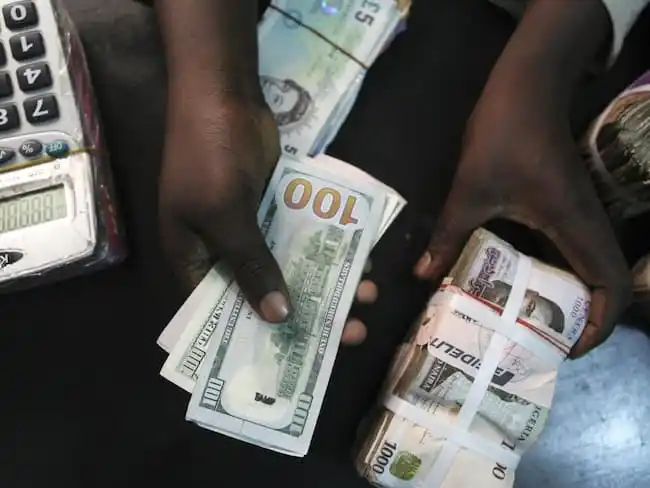
The exchange rate between the Naira and the US dollar, according to the data released on the FMDQ Security Exchange, the official forex trading portal, showed that the naira closed at 1555.00 per $1 on Wednesday, July 9th, 2025. The naira traded as high as 1520.00 to the dollar at the investors and exporters (I&E) window on Tuesday.
Dollar to naira exchange rate today black market (Aboki dollar rate):
The exchange rate for a dollar to naira at Lagos Parallel Market (Black Market) players buy a dollar for ₦1540 and sell at ₦1555 on Tuesday 8th July, 2025, according to sources at Bureau De Change (BDC).
Please note that the Central Bank of Nigeria (CBN) does not recognize the parallel market (black market), as it has directed individuals who want to engage in Forex to approach their respective banks.
Dollar to Naira Black Market Rate Today
Dollar to Naira (USD to NGN)
Black Market Exchange Rate Today
Buying Rate
₦1540
Selling Rate
₦1555
Dollar to Naira CBN Rate Today
Dollar to Naira (USD to NGN)
CBN Rate Today
Highest Rate
₦1531
Lowest Rate
₦1520
Please note that the rates you buy or sell forex may be different from what is captured in this article because prices vary.
Yields on Nigerian Eurobonds climbed in the international debt market as foreign portfolio investors (FPIs) began scaling back their exposure amidst renewed global trade tensions triggered by fresh U.S. tariff threats.
Market participants observed a bearish sentiment across the board, with widespread selloffs spanning short-, mid-, and long-term bonds. The SEP-2028 bond faced the most notable pressure, driving the average yield upward by 3 basis points to 8.54%.
Analysts point to a cautious shift among international investors following Washington’s recent announcement of new tariff measures: 25% duties on select imports from Japan and South Korea, along with a 10% levy targeting nations affiliated with the BRICS alliance. This development follows BRICS leaders openly criticizing U.S. trade practices during their recent summit, injecting uncertainty into emerging markets.
Nigerian Eurobonds bore the brunt of the market response, posting yield increases as investors reassessed risk exposure in light of the ongoing global economic recalibrations. However, rising oil prices continue to offer a cushion, particularly for debt instruments from Nigeria and Angola.
Domestically, Nigeria’s economic trajectory remains optimistic for the second half of 2025. Buoyed by improved macroeconomic stability, the World Bank projects 3.6% GDP growth, while the Central Bank of Nigeria (CBN) forecasts 4.2%, and the IMF estimates 3%. Authorities are also working toward rebasing GDP to 2019 levels to reflect emerging sectors like fintech, digital media, and entertainment—potentially lifting Nigeria’s official economic output.
Meanwhile, inflationary trends have eased slightly. Thanks to a more stable naira and slower growth in energy costs, headline inflation inched down to 22.97% in May 2025 from 24.48% in January. Monthly inflation declined significantly to 1.58% from a staggering 10.71% earlier in the year.
Food inflation averaged 21.14%, while core inflation stood at 22.6%. Despite these improvements, consumer prices remain elevated, with full-year inflation expected to hover around 21% year-on-year.
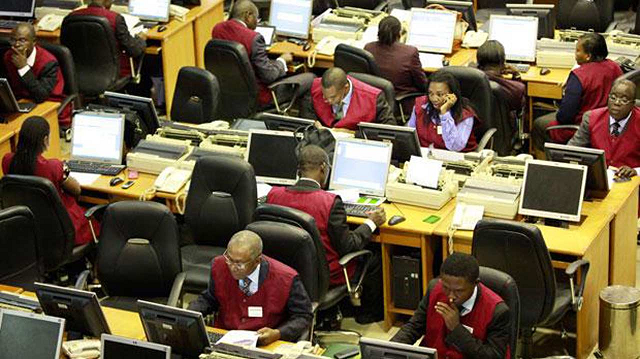
The Nigerian Exchange (NGX) extended its bullish streak on Tuesday, with market capitalization ballooning by ₦226.24 billion following a flurry of buy-side activities in key sectors. Investors responded positively to sustained momentum, pushing the All-Share Index (ASI) to an unprecedented high of 121,653.93 points—a 0.30% gain over the previous session.
Brokerage reports attribute the uptick to robust demand in both medium- and large-cap stocks such as NGXGROUP, NEIMETH, CADBURY, and DANGSUGAR. Market confidence remained strong, with investor appetite reflected in the uptick in overall trading metrics.
According to Atlass Portfolio Limited, total transactions climbed sharply, with over 1.008 billion shares exchanged across 24,770 deals—representing a 22.33% increase in volume and a 34.94% jump in transaction value. The cumulative transaction value settled at ₦19.48 billion.
In terms of trading volume, ACCESSCORP led the charge, accounting for 12.40% of total shares traded. It was closely followed by JAPAULGOLD (12.28%), MBENEFIT (5.55%), UNIVINSURE (5.45%), and AIICO (4.04%).
On the value front, GTCO emerged as the day’s leading stock, commanding 15.33% of the market’s traded value. Other major advancers included CHAMPION, NGXGROUP, OMATEK, and CILEASING, each posting a 10% gain. NEIMETH (+9.95%), FTNCOCOA (+9.94%), MANSARD (+9.94%), MEYER (+9.94%), and CADBURY (+9.93%) also featured prominently among the top gainers.
Despite the bullish tone, 20 equities declined. DEAPCAP led the losers, falling by 10%. Other underperformers included ETRANSACT (-9.55%), SUNUASSUR (-6.22%), VFDGROUP (-6.16%), OANDO (-2.18%), and JAIZBANK (-0.94%).
Market breadth closed in positive territory, with 57 gainers outpacing 20 losers. Sector-wise, the insurance sector advanced the most, gaining 2.54%, followed by banking at 1.14%. Consumer goods appreciated by 0.63%, while industrials posted a marginal gain of 0.01%. The oil and gas sector, however, declined by 0.22%.
The total market capitalization now stands at ₦76.76 trillion, signaling broad-based optimism among investors.
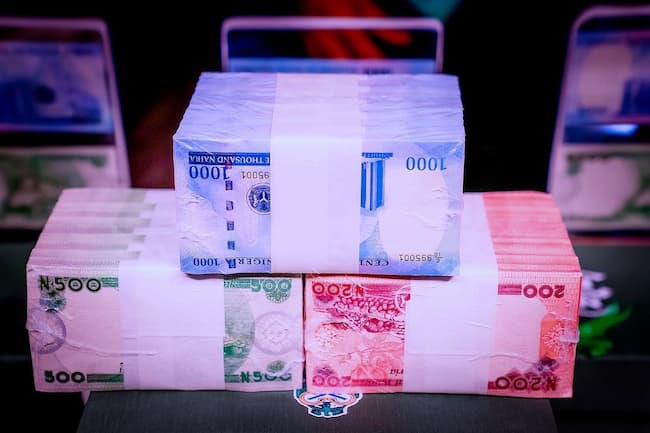
The Nigerian naira experienced renewed pressure on Tuesday, slipping to N1529.22 per US dollar in the official market, as rising foreign exchange (FX) demand outweighed supply. The Central Bank of Nigeria (CBN) reported the new rate, reflecting a slight depreciation from N1528.33 the previous trading day.
Analysts attribute the weakening of the naira to the recent reactivation of naira-denominated debit cards for international transactions—a development expected to drive up demand for dollars. Market observers predict that this could lead to increased FX outflows as consumers and businesses alike resume cross-border spending.
On the flip side, some financial experts believe the return of naira debit cards for global payments may reduce black market reliance and cut into premium charges typically imposed by parallel market dealers.
Nigerian banks recently resumed processing international payments via naira cards, more than three years after halting the service due to severe FX scarcity. The move has been seen as a positive signal for dollar liquidity, although Nigeria’s external reserves remain flat at approximately $37 billion.
Currently, several banks have revised international transaction limits on naira cards to $500 monthly, up from the previous $100 cap before the suspension. Anchoria Investment & Securities, in its midyear economic outlook, projected that the naira’s fair value could settle at around N1700/$ by year-end 2025, citing the currency’s exposure to global market shocks.
Despite the vulnerabilities, Anchoria noted that efforts by the CBN—such as broader FX market reforms and enhanced rate transparency—have stabilized the naira’s performance in H1 2025. Combined with improved foreign reserve buffers, these reforms helped prevent the currency from breaching the N1700/$ mark prematurely.
The naira also found some relief from increased inflows into the retail FX segment, aided by the CBN’s decision to grant Bureau de Change (BDC) operators access to official FX windows. As a result, the spread between the official and parallel market narrowed significantly, averaging just 2.6% year-to-date.
With global oil prices trending higher and Middle East tensions elevating global risk perception, analysts expect the naira’s position to strengthen marginally. Cowry Asset Management, in a market note, stated that investor confidence in the local currency is gradually being restored due to more market-oriented policies and improved reserve outlooks.
Premier League giants Chelsea booked their place in the final of the 2025 FIFA Club World Cup with a commanding 2-0 victory over Fluminense at the MetLife Stadium, bringing an end to South American hopes in this year’s tournament.
Fluminense entered the semi-final on an impressive 11-match unbeaten streak, determined to challenge the English heavyweights. Despite early efforts from Marc Cucurella and Enzo Fernández, the Brazilian side’s defence initially held firm. However, it was a former Fluminense player, João Pedro, who broke the deadlock in the 18th minute on his full debut for the Blues.
After Pedro Neto swung in a cross from the left, the ball was partially cleared to João Pedro lurking just outside the penalty arc. The new signing struck a curling effort that evaded goalkeeper Fábio, nestling into the back of the net and giving Chelsea the breakthrough they needed.
Chelsea, under the guidance of manager Enzo Maresca, sought to increase their lead before halftime. Malo Gusto came close with a headed attempt, while Hércules produced Fluminense’s best chance of the opening half – dancing into the area and slipping the ball through Robert Sánchez’s legs, only to be denied by a critical goal-line clearance from Cucurella.
Controversy arose when a Fluminense free-kick struck Trevoh Chalobah on the arm in the box. Initially ruled a penalty by referee François Letexier, the decision was reversed following a VAR review, which deemed Chalobah’s arm position unintentional. Chelsea pushed for a second through Neto and Christopher Nkunku, but the scoreline remained 1-0 heading into the break.
The Blues intensified their pursuit of a second goal after halftime with long-range drives from Moisés Caicedo and Cucurella, but it was Fluminense who threatened first in the second period. Substitute Everaldo tested Sánchez with a strong effort, forcing the Chelsea keeper into his first save of the half.
But Fluminense’s push left them vulnerable. A swift counterattack saw Cole Palmer carry the ball through midfield before releasing Fernández, who threaded a precise pass to João Pedro. The forward charged into the box and unleashed a thunderous shot that ricocheted off the crossbar and in – his second goal of the evening and a statement performance on the world stage.
Fluminense, known for late goals in the tournament – with half of their total arriving in the final 20 minutes – responded with a long-range shot from Lima in the 71st minute. Chelsea, however, remained resolute, with Nkunku and Gusto both coming close to adding a third. Substitute Nicolas Jackson also spurned two opportunities to seal the win.
In the end, Fluminense could not muster a significant threat in the dying moments, bowing out to an English club at the Club World Cup for the second time in three years. Chelsea now prepare to chase their second global title in the final, where they will face either Real Madrid or Paris Saint-Germain.
Someone once said, “To survive the streets of Lagos, you need more than just a driver’s license—you need divine patience and a thick skin.” He wasn’t lying. Add today’s fuel prices to the mix—anywhere between ₦850 and ₦950 per litre—and it feels like you’re burning naira with every tap of the accelerator.
For many professionals, driving isn’t a luxury—it’s a necessity. School runs, business meetings across the city, impromptu grocery runs, and let’s not forget the Monday morning Lagos traffic gridlock. If you’re spending upwards of ₦35,000 weekly just to keep your tank full, you’re probably wondering, “Is there a better way to do this?”
Yes, there is. Here’s a practical, no-fluff guide with 11 simple yet effective tips to help you stretch every drop of fuel like your salary at the end of the month.
1. Use the AC… But Use It Smartly
It’s tempting to kill the AC and roll the windows down thinking you’re saving fuel. But here’s the kicker: once you’re cruising above 80km/h, open windows increase wind resistance—drag, if we’re being technical—and your car ends up working harder. So, what should you do? Keep the AC on during fast highway drives. Reserve the breezy windows for slow city traffic. It’s a balance game, not a blanket rule.
2. Calm Down, – Drive Smoothly
Quick accelerations, sharp braking, revving at red lights… sound familiar? That kind of driving style eats up fuel like suya on a Friday night. Instead, drive like you’re sipping tea—slow, steady, and intentional. You’ll not only save up to 20% on fuel, but your car will thank you with fewer visits to the mechanic.
3. Your Boot Isn’t Storage—Lighten the Load
Let’s be honest—most of us carry things we haven’t touched in weeks. That old bag of cement, a box of rejected documents, or those random tools from last year’s DIY fail. The more your car weighs, the more effort (and fuel) it takes to move. So, declutter your car. It’s like giving it a spa day, and your fuel gauge will notice the difference.
4. Pump Your Tyres, Save Your Wallet
Underinflated tyres are like trying to run in slippers—draggy and inefficient. Your engine works harder, and your fuel disappears faster. Make it a habit to check your tyre pressure weekly. Most fuel stations do it for free. Just make sure they match the manufacturer’s recommended PSI, not what the guy at the vulcanizer feels is right.
5. Use the Right Engine Oil (Not Just the Cheapest)
Engine oil isn’t just “pour and go.” Using the wrong type or viscosity can cause more friction in the engine, making it burn more fuel to do the same job. Stick to what your car manufacturer recommends. Not what your mechanic’s cousin thinks is “just as good.”
6. Map Smarter, Not Harder
Before you set out, pull up Google Maps —don’t just “know the way.” Nigerian traffic is unpredictable, and what was once a 20-minute route can suddenly become a two-hour nightmare. Use apps to check live traffic and pick shorter, quicker routes. Your fuel tank will last longer, and so will your patience.
7. Switch Off the Engine When You Wait
Whether you’re picking someone up, waiting at a bank, or chilling outside your kid’s school—turn off the engine. Idling for more than 2-3 minutes is a quiet thief of fuel. Restarting your engine actually uses less fuel than keeping it running while parked. Old habits die hard, but this one’s worth killing.
8. Service Your Car Alot
Think of car maintenance like updating your smartphone—ignore it too long, and you’ll start seeing problems. Routine servicing, changing spark plugs, cleaning the air filter, and running diagnostics every few months can keep your car running efficiently. And efficient means less fuel burned per kilometre.
9. Keep a Steady Pace (Cruise Control Helps)
Speeding up and slowing down constantly—especially in traffic—is exhausting for your car’s fuel system. Where possible, drive at a consistent speed. If you’ve got cruise control, use it on long highway drives. If you’re using a manual car, learn to change gears at the right RPMs. Your car shouldn’t sound like it’s screaming on every incline.
10. Avoid Rush Hour
Okay, we get it—not everyone can avoid rush hour. But if you work remotely or have some flexibility, try hitting the road before or after peak traffic. A smooth 20-minute drive at 9 a.m. beats a fuel-guzzling 2-hour stop-and-go at 7:30 a.m. Plus, your sanity will thank you.
11. Fuel Up Where the Petrol’s Real
Let’s not sugarcoat it—some filling stations sell watered-down or adulterated petrol. That stuff doesn’t burn properly, clogs your engine, and ironically, makes you burn more fuel.
Stick to stations you trust—whether it’s TotalEnergies, Mobil, or a well-reviewed independent brand in your area. You might pay a little more per litre, but you’ll save money in repairs and replacements down the line.
Bottom Line: Every Drop Counts
Fuel prices might keep climbing, but that doesn’t mean your expenses have to follow the same path. With smarter driving, routine maintenance, and small behavioral tweaks, you can make your fuel go further—literally. So, whether you’re braving Lagos traffic or just driving to the next business meeting in Abuja or Port Harcourt, these 11 tips could be the difference between topping off your tank every week or every other week. And in this economy? That difference adds up fast.
In a renewed effort to ease fuel prices and stabilize market dynamics, the Dangote Petroleum Refinery has announced a fresh downward adjustment in the ex-depot price of Premium Motor Spirit (PMS), widely known as petrol. The new rate has been revised from ₦840 to ₦820 per litre, effective immediately.
This update was disclosed in an official statement issued by the company on Tuesday through its verified X (formerly Twitter) platform, marking the refinery’s second price revision within a nine-day span.
Consistent Downward Trend in Fuel Pricing
Earlier on July 1, the refinery had brought the price down from ₦880 to ₦840 per litre after a brief spike in late June. The cumulative effect of these reductions represents a ₦60 drop in the ex-depot rate within just two weeks—a move viewed by industry watchers as strategic, given its timing and impact on retail pump prices.
Ex-depot prices refer to the cost at which fuel is sold to marketers directly from the refinery gate and are a key determinant of the final pump prices paid by motorists across Nigeria.
“The updated ex-depot rate of ₦820 per litre is now in force,” the refinery noted in the statement, indicating the immediate applicability of the adjustment.
Retail Pump Prices Likely to Reflect Change
Several major downstream operators—including MRS Oil & Gas, Ardova Plc, Heyden Petroleum, and other players with direct purchase agreements with the Dangote Refinery—are anticipated to revise their retail pricing structures downward in response to the reduction.
Market analysts suggest that the adjustment could push petrol pump prices below the ₦885 threshold, offering much-needed financial relief to consumers grappling with elevated living costs and inflation.
New CNG Tanker Fleet to Bolster Nationwide Distribution
In a separate but related initiative, Dangote Refinery is preparing to launch a large-scale distribution project scheduled to commence on August 15, 2025. Under the program, petrol and diesel will be distributed at no charge to select marketers, distributors, and high-volume users nationwide.
As part of its logistics expansion and commitment to sustainable operations, the refinery has acquired a fleet of 4,000 brand-new tankers powered by Compressed Natural Gas (CNG). This move not only supports eco-friendly fuel transportation but also promises to improve efficiency in nationwide fuel distribution.
Transforming Nigeria’s Energy Sector
The $20 billion Dangote Refinery, located in the Lekki Free Zone of Lagos State, stands as Africa’s largest oil refining facility. Industry experts project that its growing role in Nigeria’s downstream sector will drastically reduce the country’s reliance on imported refined fuel and improve domestic energy security.
By consistently adjusting pricing in response to market conditions and investing in cleaner fuel logistics, Dangote Refinery is reinforcing its position as a key player in reshaping Nigeria’s energy economy.
The Nigeria Customs Service (NCS), in collaboration with law enforcement and regulatory agencies, has held a sensitisation session for international airline operators to strengthen compliance with Nigeria’s currency declaration laws and anti-money laundering efforts.
The exercise, held at Nnamdi Azikiwe International Airport, was aimed at enhancing awareness among airline operators on their roles in enforcing declaration requirements for inbound and outbound passengers, the NCS National Public Relations Officer, Abdullahi Maiwada, said in a statement on Monday.
Officials reminded airline operators of the regulatory requirement for passengers carrying over $10,000 or its equivalent to declare the funds to authorities, warning that non-compliance could lead to seizure, investigation, and prosecution under Nigeria’s anti-money laundering laws.
Airlines were urged to support enforcement through in-flight announcements, distribution of declaration forms, and cooperation during customs checks. The session also covered the mandatory submission of electronic passenger manifests before arrival, including full passenger details and flight numbers, to enable targeted risk assessments and enhance border surveillance.
Assistant Comptroller of Customs in charge of the Anti-Money Laundering and Countering the Financing of Terrorism Unit, Salihu Mas’ud, who led the session, noted that the NCS has dedicated posts for currency declarations, secondary search rooms, and established systems to improve compliance monitoring.
“We have secured the commitment of airline operators to make announcements on board, and with these measures, we expect higher compliance,” Mas’ud said, adding that the NCS will continue to strengthen enforcement mechanisms to ensure prompt detection of violations for investigation and prosecution.
The NCS emphasised the importance of inter-agency collaboration to curb illicit financial flows, terrorism financing, and smuggling of undeclared funds, stating that continued partnerships with airline operators, airport authorities, and intelligence agencies are critical to securing Nigeria’s borders.
Global markets advanced cautiously on Tuesday after U.S. President Donald Trump extended his tariff deadline, offering governments an additional three weeks to reach trade deals and avoid steep levies on exports to the world’s largest economy.
Just days before his “Liberation Day” tariffs were set to resume, Trump issued letters to more than a dozen countries, including Japan and South Korea, detailing proposed tariffs if agreements are not reached by the new August 1 deadline. The letters indicated that Japan and South Korea could face 25% tariffs, while Indonesia, Bangladesh, Thailand, South Africa, and Malaysia could see duties ranging from 25% to 40%.
When asked about the firmness of the new deadline, Trump said it was “firm, but not 100% firm,” adding that he would consider alternative offers if presented.
Investors viewed the extension as a potential negotiation tactic, with hopes that new deals could be finalised to avoid the tariffs. However, uncertainty over U.S. trade policy capped market gains, with National Australia Bank’s Tapas Strickland noting that markets may struggle to price scenarios without further clarity, given past abrupt policy shifts.
While Wall Street’s main indexes closed lower—pulling the S&P 500 and Nasdaq back from record highs—Asian markets posted gains, with Tokyo, Seoul, Hong Kong, Shanghai, Wellington, Manila, Jakarta, Mumbai, and Singapore all advancing. European markets opened higher, with London and Frankfurt gaining while Paris remained flat.
Thus far, the U.S. has finalised agreements with Vietnam and the United Kingdom, while reaching a framework arrangement with China to reduce reciprocal tariffs.
Wendy Cutler of the Asia Society Policy Institute warned that the proposed tariffs on Japan and South Korea could send a “chilling message” to other U.S. trade partners, noting the significant manufacturing investments the two countries have made in the U.S.
Japan’s Prime Minister Shigeru Ishiba indicated over the weekend that Japan “won’t easily compromise” on the tariff issue, while U.S. Treasury Secretary Scott Bessent suggested that additional trade deal announcements could follow in the coming days.
British International Investment, the UK’s development finance institution and impact investor, announced today that it had committed £1.09 billion to African companies in 2024 to create jobs, reduce aid dependency and combat the climate emergency.
The sum was nearly 40 per cent more than its 2023 total of £725 million, despite the difficult investment environment caused by macroeconomic headwinds.
BII’s total net assets increased to £9.9 billion (£8.5 billion in 2023) while post-tax profits improved to £213.3m compared with a £44 million loss in 2023.
The figures are contained in BII’s Annual Review, which was published today. About 62 per cent of investments were made in African companies while businesses in Asia received 36 per cent (£626 million). Commitments to companies with operations in both continents received £29 million.
In total, BII invested $903 million (£708 million) in climate finance in 2024 – 41 per cent of its overall commitments for the year. This compares with just $104 million (£80 million) in 2020. The company’s climate finance assets now make up over 26 per cent of its entire portfolio, up from just over 15 per cent in 2020. Over the last three years, BII has invested over $2 billion in climate finance.
Based on all direct renewable energy investments in BII’s 2023 portfolio, 1.5 million tons of CO2e emissions were avoided on an attributed basis, a 54 per cent year-on-year increase. This was driven by a growing renewable asset base in the portfolio and increases in the amount of renewable power produced.
BII also made £499 million of gender finance commitments in 2024 and £880m of commitments to the poorer and most fragile countries across the regions where it invests.
Chris Chijiutomi, Managing Director and Head of Africa at BII, added: “BII is a trusted and long-term partner to African nations and the continent’s world class community of entrepreneurs and business leaders. Our 2024 investment performance demonstrates our unwavering commitment to supporting African companies at a time when investment to create quality jobs, reduce aid dependency and meet the challenge of the climate emergency has never been more vital.”
Introducing the 2024 Annual Review, Diana Layfield, Chair of BII, said: “In a constrained financial environment, BII’s ability to put capital to work repeatedly to secure development impact, while also delivering a financial return for the UK taxpayer, is particularly valuable. In an increasingly unpredictable geopolitical environment, our investments – which support emerging economies to grow, create jobs, and develop sustainable infrastructure to mitigate climate change and its impacts – are critically important.”
At the 2025 policy meeting organised by the Joint Admissions and Matriculation Board (JAMB), heads of universities across Nigeria have set 150 as the minimum UTME benchmark for admissions into universities for the 2025 admissions.
This means no university will be permitted to admit candidates who score below 150 in the 2025 Unified Tertiary Matriculation Examination.
Some institutions, including the University of Ibadan, the University of Lagos, and Pan-Atlantic University, opted for higher cut-off marks of 200, while a few newly established private universities proposed a benchmark of 120.
The Registrar of JAMB, Prof. Ishaq Oloyede, had earlier suggested a minimum score of 160 for the admission process.
The Federal Government has officially set 16 years as the minimum age for admission into Nigeria’s universities, polytechnics, and colleges of education. Minister of Education, Dr. Tunji Alausa, announced the new policy on Tuesday while declaring open the 2025 Policy Meeting of the Joint Admissions and Matriculation Board (JAMB) in Abuja.
Alausa emphasised that the age limit is now an official, non-negotiable benchmark, warning that any admission processed outside the Central Admissions Processing System (CAPS) will be deemed illegal. He added that heads of institutions found circumventing CAPS or engaging in admission fraud will face prosecution in line with the law.
The annual policy meeting sets the framework and guidelines for admissions into tertiary institutions for the upcoming academic session.
The United States Mission in Nigeria has announced a new requirement for all applicants seeking F, M, and J nonimmigrant visas: their personal social media accounts must now be set to public.
F, M, and J visa categories are issued by the US government to individuals travelling for academic and cultural exchange programs. This includes students, vocational trainees, and research scholars.
The mission explained that the change is part of an expanded vetting process aimed at enhancing security and verifying applicant identities. “Effective immediately, all individuals applying for an F, M, or J nonimmigrant visa are requested to adjust the privacy settings on all of their personal social media accounts to ‘public,’” it said.
The US Mission stated that the new rule would assist in gathering more complete information during visa adjudications. “We use all available information in our visa screening and vetting to identify visa applicants who are inadmissible to the United States, including those who pose a threat to US national security,” the statement read.
Officials emphasized that this move aligns with existing efforts to tighten scrutiny over foreign nationals entering the country. The requirement is expected to affect thousands of Nigerian students and exchange visitors annually.
This update follows an earlier announcement by the US Department of State, which published the change on its website on June 18, 2025. At the time, the department noted that “we will conduct a comprehensive and thorough vetting, including online presence, of all student and exchange visitor applicants in the F, M, and J nonimmigrant classifications.
” It reiterated that the policy shift is necessary to reinforce the country’s national security framework. Applicants are now required to ensure all social media accounts are viewable to the public as part of their screening process.
The department stressed that receiving a visa is not a right but a privilege, and the vetting process is a critical component of protecting national interests. “Every visa adjudication is a national security decision,” the statement added.
“The United States must be vigilant during the visa-issuance process to ensure that those applying for admission into the United States do not intend to harm Americans and our national interests.” All applicants must also show that they genuinely intend to engage in the academic or cultural activities tied to their visa classification.
There is palpable fear that a clash may erupt between the Senate leadership and suspended Kogi Central lawmaker, Senator Natasha Akpoti-Uduaghan, following her declaration to resume plenary on Tuesday.
Despite a recent court ruling in her favour, the Senate insists it will not take any action until it reviews the Certified True Copy (CTC) of the judgment. The Senate has begun bracing for a possible showdown, maintaining that no official decision would be made until it properly studies the court’s pronouncement. Senate spokesperson Yemi Adaramodu revealed that although legal representatives were in court, the full judgment was not read. The Senate has since filed an application to obtain the CTC for clarity on the orders delivered. “We shall refrain from taking any steps that may prejudice its legal position,” the statement read.
Akpoti-Uduaghan, in a viral video on social media, told supporters that she would return to the Red Chamber on Tuesday, thanking them for their unwavering support. “I thank you for your support. I am glad we are victorious today. We shall resume in the Senate on Tuesday by the grace of God,” she said. The video has further intensified speculation about a potential standoff in Tuesday’s plenary session. Her supporters continue to celebrate the ruling, anticipating her reinstatement.
On Friday, a Federal High Court in Abuja nullified the six-month suspension imposed on her by the Senate. Justice Binta Nyako ruled that the action was excessive, unconstitutional, and an infringement on the rights of her constituents. The court ordered that she be recalled to resume her duties in the Senate. However, the court also found her guilty of contempt over a satirical Facebook post and fined her N5 million.
The Facebook post, dated April 27, was a mock apology directed at Senate President Godswill Akpabio and was deemed to violate an interim injunction. That injunction, issued on March 4, 2025, had barred all parties from making public comments on the suit she filed to challenge her suspension. The court held that the post breached its directive and constituted contempt. Justice Nyako ordered her to publicly apologise within seven days in two national dailies and on Facebook.
Despite the ruling, Akpoti-Uduaghan has not yet published the mandated apology as of Monday evening. Her legal team argued during proceedings that the post was unrelated to the suspension but instead concerned her separate allegations of misconduct against the Senate President. The judge disagreed, affirming that the content was clearly connected to the ongoing case. The contempt ruling now hangs over her as she pushes to reclaim her Senate seat.
Akpoti-Uduaghan had been suspended in March following a stormy plenary session during which she accused Akpabio of sexual harassment. Her suspension triggered backlash from civil society groups and human rights advocates. She responded by suing the Senate leadership, describing the action as an attempt to silence her and marginalise her constituents. The recent judgment has reopened political tensions within the Senate.
The upper chamber has so far maintained its cautious stance, waiting for the court documents before taking further action. Analysts say the coming days will test the Senate’s commitment to constitutional order and due process. All eyes are now on Tuesday’s plenary to see whether the senator will follow through on her threat—and how the Senate will respond.
The Nigerian National Petroleum Company Ltd (NNPC Ltd) has handed over 35 hybrid Compressed Natural Gas (CNG)- powered buses to the Presidential Initiative on Compressed Natural Gas. The handover ceremony took place at the NNPC Towers on Monday
Bashir Ojulari, NNPC Ltd Group CEO reiterated the company’s commitment to supporting the Federal Government’s gas aspirations, stating that the move was in line with the company’s efforts towards the adoption of CNG as a “cleaner, cheaper, and sustainable fuel alternative.”
The Minister of State for Petroleum Resources (Gas), Ekperikpe Ekpo, described the CNG buses as “instruments of economic relief, social equity, and environmental responsibility,” adding that they signal a future where Nigerians can commute “safely, affordably, and efficiently.”
The initiative is seen as a direct reflection of President Bola Tinubu’s Renewed Hope Agenda, aimed at reducing transportation costs, lessening dependence on petrol, and utilizing the nation’s abundant natural gas resources.
NNPC Ltd’s Executive Vice President, Downstream, Mumuni Dagazau, noted that adopting CNG as a fuel alternative has significant economic benefits, including reducing reliance on PMS and AGO, leading to substantial cost savings and supporting the growth of the local gas industry.
The Managing Director of NNPC Foundation, Emmanuella Arukwe, said the initiative is advancing a new energy future that will serve people, communities, and the planet.
The Programme Coordinator/CEO of the Presidential CNG Initiative, Michael Oluwagbemi, commended NNPC Ltd for its support, describing the company as a reliable partner for the initiative.”
In a strategic move to reinforce capital buffers within Nigeria’s financial system, the Central Bank of Nigeria (CBN) has announced the temporary suspension of regulatory caps on the recognition of Additional Tier 1 (AT1) capital in banks’ Capital Adequacy Ratio (CAR) calculations.
The directive, which takes effect from June 30, 2025, and remains valid until March 31, 2026, is part of a broader framework designed to support a smooth and credible exit from the regulatory forbearance measures introduced during the COVID-19 era.
The new measure was communicated via a circular signed by Olubukola A. Akinwunmi, Director of Banking Supervision, as part of the apex bank’s continuing efforts to ensure macro-financial stability and resilience in the banking sector.
According to the CBN, the temporary adjustment is aimed solely at strengthening capital adequacy and is not intended as a substitute for the ongoing recapitalisation programme announced in its March 28, 2024 circular (Ref: FPR/DIR/PUB/CIR/002/009). The apex bank emphasised that this development should be viewed as a supportive intervention rather than a relaxation of prudential standards.
“This temporary lifting of regulatory caps on AT1 capital recognition is designed to bolster capital adequacy without undermining long-term capital planning or regulatory discipline,” the CBN stated.
As part of its transitional framework, the CBN has also imposed restrictions on banks benefiting from the reliefs. These include a suspension of dividend payments, bonuses to directors and senior management, and new investments in foreign subsidiaries. The restrictions were detailed in a separate circular dated June 13, 2025 (Ref: BSD/DIR/CON/LAB/018/008) and will remain in force until banks’ capital and provisioning levels are restored to regulatory thresholds.
To enhance transparency and regulatory oversight, banks are now required to provide detailed quarterly disclosures beginning June 30, 2025. These include: Current provisioning status, CAR calculations with and without transitional reliefs, Data on reclassified credit facilities, and
Comprehensive information on AT1 instruments, including issuance terms, utilisation, and compliance records.
Additionally, affected banks must submit a Capital Restoration Plan by the 10th working day after each quarter. The plan must outline actionable strategies to restore compliance with prudential norms, including cost-cutting measures, risk asset reduction, risk transfer mechanisms, and necessary business model adjustments. These plans will be subject to regulatory review and will serve as key documents for ongoing supervisory engagement.
The apex bank has urged banks to maintain close engagement with its Banking Supervision Department to ensure seamless implementation of all transitional measures.
“These integrated measures represent a firm but supportive framework for the final phase of exiting the regulatory forbearance regime and reflect the CBN’s strategic focus on macro-financial stability, responsible banking, and alignment with international best practices,” the circular concluded.
The development comes amid broader efforts by the CBN to safeguard the integrity of Nigeria’s financial system and ensure the long-term health and resilience of the banking sector in a post-pandemic economy.
The Federal Government has reaffirmed its commitment to tackling energy poverty with the rollout of the ‘Mission 300’ initiative under Nigeria’s National Energy Compact. The initiative, aimed at expanding energy access and accelerating renewable energy deployment, will be advanced through a high-level stakeholder engagement forum scheduled for July 8, 2025.
The forum will be hosted by the Federal Ministry of Power and the Federal Ministry of Finance in partnership with Sustainable Energy for All (SEforALL).
Mission 300, supported by the World Bank Group, the African Development Bank, The Rockefeller Foundation, and the Global Energy Alliance for People and Planet, targets connecting 300 million people across Africa to electricity by 2030. Nigeria is among the twelve countries selected for the first phase of implementation and has pledged bold reforms to scale up energy access and attract private sector investment.
To drive the initiative, the government has established a Compact Delivery and Monitoring Unit to coordinate the delivery of Mission 300 targets and oversee progress. The upcoming stakeholder forum will bring together senior government officials, development partners, and private sector leaders to track progress and showcase ongoing implementation efforts under the National Energy Compact, launched at the Dar es Salaam Energy Summit in January 2025.
Key targets under the compact include doubling the annual electricity access growth rate from 4% to 9% and increasing access to clean cooking solutions from 22% to 25% annually, reinforcing Nigeria’s commitment to achieving universal energy access by 2030 while creating a stable, results-driven environment for energy investments.
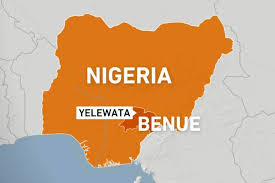
Survivors of the June 13 attack on Yelewata community in the Guma Local Government Area of Benue State have rejected calls to return to their ancestral homes, citing persistent insecurity and lack of government assurance on safety.
Currently sheltering in a temporary displacement camp at the Makurdi International Market, over 3,000 internally displaced persons (IDPs) have expressed deep concerns about their safety, following the gruesome killing of nearly 200 villagers in coordinated attacks allegedly carried out by suspected armed herders.
During a visit by BizWatch Nigeria to the camp on Sunday, displaced residents revealed that traditional rulers and community stakeholders have been pressuring them to return home—an appeal many say is premature and dangerous given the circumstances.
One of the survivors, 41-year-old Uker Amos, disclosed that frustration has grown among the IDPs, especially with reports of infiltration by non-Yelewata residents. “These infiltrators are now benefiting from the humanitarian aid meant for victims of the Yelewata attack,” Amos lamented.
He added that some camp residents staged a peaceful protest at the camp gate on Saturday to express their opposition to the return directive. “We made it clear—we are not going back until there is guaranteed security,” he said.
Confirming the development, the Information Officer of the Benue State Emergency Management Agency (SEMA), Tema Ager, acknowledged that traditional leaders are urging the return of their people but said displaced persons remain firm in their stance.
“They’ve insisted they won’t return unless the government assures them that their community is safe. Some even protested the pressure from the traditional council,” Ager told BizWatch Nigeria via telephone.
Meanwhile, the Benue State Commissioner for Humanitarian Affairs and Disaster Management, Aondowase Kumde, raised concerns over the integrity of the temporary camp, noting that it has been infiltrated by market traders, criminals, and some individuals from the host community. He confirmed that at least 50 infiltrators had been identified and apprehended.
As the state government assesses the evolving situation, affected residents are calling for urgent security interventions and lasting peace before any discussion of resettlement can be considered.
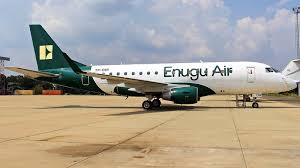
Governor Peter Ndubuisi Mbah of Enugu State has announced that Enugu Air, the newly launched state-owned airline, will extend its operations to China, Europe, the United Kingdom, the United States, and other African nations as part of its phased expansion.
Speaking at the airline’s inauguration in Enugu, Mbah said Enugu Air will begin operations with three Embraer aircraft, initially servicing routes between Enugu, Abuja, and Lagos, with subsequent expansion to Port Harcourt, Owerri, Benin, Kano, and other domestic destinations before moving into regional and global markets.
“In the next phase, we will fly beyond Nigeria, into other African countries, China, Europe, the UK, the US, and other global business hubs,” Mbah stated.
He described the airline as more than a transport initiative, positioning it as an economic enabler and job creator that will support Enugu’s emergence as a regional aviation hub for South-East Nigeria and beyond. Mbah noted that the initiative will help create over 20,000 jobs across the state’s broader transport ecosystem, including BRT, hybrid taxi operations, airport services, and ride-hailing.
“Transportation is the lifeblood of any thriving society, the artery through which the energy of commerce flows,” the governor said, adding that Enugu Air aligns with the administration’s goal to drive GDP growth and significantly reduce poverty.
Enugu Air will be operated by XEJet under a 24-month technical partnership while working towards securing its own Air Operator’s Certificate. Emmanuel Ayuba Iza, CEO of XEJet, described the partnership as a “bold dream rooted in identity, driven by excellence, and powered by the people of Enugu.”
Iza highlighted the airline’s commitment to nurturing local talent, revealing that indigenous pilot Kelechi Ossai has been recruited and trained to join Enugu Air’s cockpit crew, while cabin crew members from Enugu have been trained to deliver world-class service.
Obi Ozor, Enugu State’s Commissioner for Transportation, said the airline’s launch forms part of the state’s strategy to transform its transport and logistics sector to attract over three million annual visitors, grow the economy, and position Enugu as a trade and tourism hub in Africa.
Minister of Aviation and Aerospace Development, Festus Keyamo, commended Governor Mbah for his performance and urged the state to run Enugu Air with professionalism, shielding it from political interference and bureaucracy.
“Do not let Enugu Air go the way of Nigerian Airways. Run it professionally, and be prompt in your departure and arrival,” Keyamo advised.
Enugu Air’s launch represents a key step in Enugu State’s strategy to build a modern transport system that supports economic growth while connecting the region to major domestic and international markets.