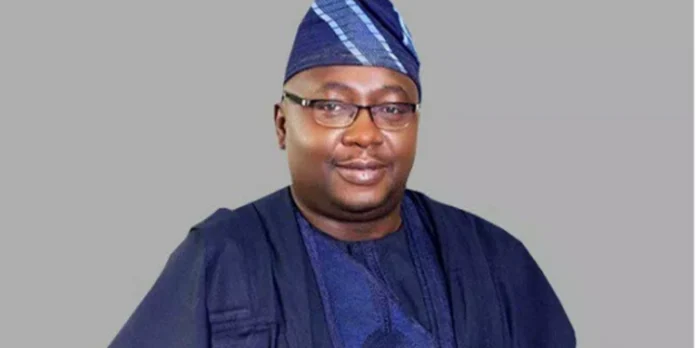
The Federal Executive Council (FEC) has approved ₦68.7 billion for critical electricity projects targeting universities and teaching hospitals across the country. Minister of Power, Adebayo Adelabu, announced the approval after Thursday’s FEC meeting, chaired by President Bola Tinubu at the State House in Abuja. He said the projects reflect the government’s commitment to improving electricity supply in essential sectors such as education and healthcare.
The main project involves engineering, procurement, and construction under the Energising Education Programme, implemented by the Rural Electrification Agency (REA). Adelabu said the initiative is aimed at reducing the energy cost burden on public universities and hospitals by providing access to reliable and high-quality electricity.
“The lack of stable power supply in many of our institutions is disturbing and directly hampers effective service delivery,” he stated. “Blackouts and erratic electricity have led to crisis situations, including industrial actions and disruptions in learning and healthcare services.”
He noted that similar renewable energy interventions—mostly solar-powered—have already been completed in several institutions with support from the World Bank. These include:
University of Abuja
University of Niger (12MW solar)
Usmanu Danfodiyo University, Sokoto (8MW)
Nigerian Defence Academy (2.6MW)
Federal University of Agriculture, Makurdi
With the newly approved funding, electrification projects will now extend to eight additional universities and teaching hospitals, including:
University of Lagos
Ahmadu Bello University, Zaria
Obafemi Awolowo University, Ile-Ife
University of Nigeria, Nsukka
University of Ibadan and its University College Hospital
University of Calabar
Federal University, Wukari
Adelabu said the new installations are expected to be completed within seven to nine months.
“This is a major step toward ensuring our universities enjoy uninterrupted electricity. Our institutions will never be the same again,” he remarked.
In addition to the education-focused project, the FEC also approved another initiative targeting rural Agricultural Centres of Excellence, using solar energy to support agro-based activities.
“This goes beyond lighting homes—it’s about empowering rural communities through access to productive, solar-powered agricultural equipment,” Adelabu explained.
The initiative will supply solar energy systems to support small and micro agricultural businesses, particularly in underserved areas, helping to power agro-processing tools and boost rural productivity.
Welcome once again to Thursday Chronicles, your weekly emotional support column disguised as vibes and cruise. If you’re the kind of person who keeps saying “Let’s link up soon,” but it has been two years and no linking has occurred, don’t worry, we’re all in this messy adult friendship soup together.
There was a time when friendship was easy. You’d meet someone in class, exchange biscuits, borrow pencil once, and boom, best friends for life. You didn’t need to overthink it. You saw each other every day, shared notes, gossiped about teachers, and fought over who got to sit at the window side in the bus.
Fast forward to adulthood, and making, or keeping, friends feels like trying to win a scholarship during ASUU strike. Hard. Confusing. Frustrating. Everybody is busy. Everybody is stressed. Everybody is managing one life problem or another. One person is chasing career. One is fighting rent. One is married and breastfeeding. Another is in Canada posting snow pictures while you’re in Lagos dodging flood.
Even planning a simple hangout now feels like solving a jigsaw puzzle blindfolded. You’ll say, “Let’s meet up,” and the back-and-forth begins:
“What time?” “Where?” “Is it on the mainland or island?” “Let’s reschedule, please.” You reschedule it so many times, the vibe eventually dies of natural causes. Friendship now lives in group chats. And even those are struggling for oxygen. Someone drops “Happy new month” and the rest respond one hour later with emojis, if they respond at all. The group that once buzzed with memes and daily updates is now as dry as a forgotten WhatsApp status. Everyone has silently muted it, but nobody wants to leave so they don’t look like a witch.
Then there’s the pressure. Some of us are dealing with personal stuff we don’t even know how to explain. Depression, financial stress, imposter syndrome, family drama, all bundled up in a smiling profile picture. So when your friend doesn’t check in or go ghost for weeks, it’s not beef. They’re probably just overwhelmed. Or broke. Or both.
Also, adult friendships are no longer built on proximity. Back then, it was easy, you saw each other in school, church, hostel, everyday. Now, people live in different cities, different time zones, and sometimes even different realities. You’re talking about NEPA and they’re talking about daylight saving time. How do you maintain a friendship when the only thing you currently have in common is your MTN number?
And don’t forget the emotional part. Friendships require effort, checking in, remembering birthdays, listening without judging, showing up when it matters. But life keeps demanding so much from us that we barely have enough to give. We’re tired. We’re overwhelmed. Sometimes we forget to be good friends, not because we don’t care, but because we’re running on E (empty).
Still, when the friendship is genuine, it survives. Maybe not with daily calls or constant texting, but with understanding. With, “I know we haven’t talked in weeks, but I still love you.” With “I saw this meme and thought of you.” With quick prayers, inside jokes, and soft reminders that you’re not alone.
Adult friendship teaches us that real connection is not always loud. Sometimes it’s in silent loyalty. In being there when it matters most. In forgiving the silence and choosing each other again and again, even when life tries to pull you apart.
So yes, friendship in adulthood is hard. But it’s not impossible. You just have to be intentional. Call your friends. Send that voice note. Laugh about old memories. Cry if you need to. Life is hard, but friendship makes it softer, even if it’s once in a while.
Thanks again for showing up for another episode of Thursday Chronicles, where we say the things your group chat has been ignoring. Whether you’ve got ten besties, two close pals, or you’re currently carrying all your friendship in one “LOL” reply, just know this: You’re still loved. You’re still thought of. You’re still valued, even in silence.
Same table, same gist next Thursday. Until then, try texting that one friend you’ve been meaning to check on. Life is short, but that message might just stretch the friendship a little longer.
Gold is rebounding following yesterday’s sharp losses, rising by more than 1% in early morning trading and reclaiming the $3,300 per ounce level. The recovery comes as market attention shifts back to the tariff issue, with the deadline for suspending tariffs on several of the United States’ major trading partners fast approaching. Today’s gains also reflect a rebound from losses that were deepened by the Federal Reserve’s hawkish stance.
President Donald Trump had threatened to impose steep tariffs on Canada, Mexico, Brazil, and others if no deal is reached before the end of the month. Trump previously stated that the suspension deadline, which ends today, would not be extended. The coming hours will reveal whether we will see an agreement that further alleviates concerns about the trade war or whether we are entering a new phase of heightened fears over inflation risks and elevated interest rates.
This uncertainty over the inflation outlook is leaving Federal Reserve policymakers divided and hesitant, a dynamic that became apparent following yesterday’s policy meeting.
Jerome Powell stated that it is too early to talk about rate cuts in September and reiterated concerns over rising inflation driven by tariffs. Despite division among Fed members, this stance has dimmed hopes for even two rate cuts by the end of the year, with current market odds falling to around 40%, according to the CME Fed Watch Tool. This pessimism regarding potential monetary easing had significantly pressured gold yesterday.
However, the tariff environment, whether involving extremely high or relatively moderate rates, may have effects on the economy that go beyond inflation and high interest rates. This could keep the door open for gold to recover despite a hawkish Fed. The U.S. economy continues to show signs of underlying weakness despite data that appears optimistic. In addition, uncertainty surrounding trade policy continues to weigh on investment and job creation.
For instance, while a 3% growth rate in the U.S. economy last quarter might have seemed surprising yesterday, the jump was largely due to a drop in imports caused by tariffs. Meanwhile, private domestic investment fell more than 15% year-over-year, as noted by the Wall Street Journal’s Editorial Board. They also believe that removing uncertainty over tariffs and immigration is essential to usher in a “golden era.”
Yet, gold’s recent lackluster performance seems at odds with these concerns. This divergence may be explained by market optimism over the resilience of the U.S. economy and its ability to weather negative shocks—whether inflationary or trade-related. So far, corporate earnings this season have supported this belief.
Moreover, gold appears to be losing one of the major catalysts behind its recent surge: central bank buying. According to the World Gold Council, central bank gold purchases dropped by 21% in the second quarter year-over-year. Consumer demand for gold jewelry also declined by 14% due to high prices.
Also, the ongoing monetary tightening is likely to keep Treasury yields at relatively high levels. Although gold often shrugs off elevated yields, the exceptionally low level of fear in the bond market makes rising yields more detrimental to gold. The MOVE index, which gauges uncertainty in the Treasury market, is currently at its lowest level this year and near its lowest since 2024.
The United States economy rebounded in the second quarter of 2025, expanding at an annual rate of 3%, according to the Commerce Department’s report released Wednesday. The growth marks a sharp reversal from the 0.5% contraction recorded in the first quarter.
The Q2 rebound was largely driven by a sharp drop in imports after a surge in the previous quarter, when businesses stockpiled goods ahead of anticipated tariff hikes. Consumer spending, the largest component of economic activity, also rose by 1.4% during the quarter.
However, the expansion was partially offset by declines in business and residential investment and a slowdown in exports. State and local government spending increased, helping to sustain the overall positive momentum.
Estimates from the Atlanta Federal Reserve’s GDPNow model suggest continued support for growth from personal consumption, government outlays, and investment in intellectual property. Imports were estimated to have fallen nearly 25%, while exports declined at a slower pace, leading to a net positive contribution from trade.
Real final sales to private domestic purchasers — a key measure of private demand — rose 1.2% in Q2, down from 1.9% in the previous quarter.
Inflation pressures appeared to ease during the period. The price index for gross domestic purchases increased by 1.9%, compared to 3.4% in Q1. The personal consumption expenditures (PCE) price index rose 2.1%, while the core PCE, excluding food and energy, climbed 2.5%, down from 3.5% in Q1.
Despite the stronger-than-expected GDP figures, the Federal Reserve has trimmed its full-year growth forecast for 2025 to 1.4%, down from 1.7% projected in March.
On the labor front, private businesses added 104,000 jobs in July — the strongest increase since March and exceeding forecasts of a 75,000 gain. This followed a revised loss of 23,000 jobs in June, suggesting renewed momentum in the job market.
Gains were led by the service sector, with leisure and hospitality adding 46,000 jobs, financial activities 28,000, and trade, transportation, and utilities 18,000. However, education and health services lost 38,000 jobs.
In the goods-producing sector, employment grew by 31,000, bolstered by construction (+15,000), natural resources and mining (+9,000), and manufacturing (+7,000).
Meanwhile, housing activity showed signs of cooling. Pending home sales fell by 0.8% in May, underperforming expectations for a 0.3% rise and reversing part of the 1.8% increase in April.
The Federal Government, in partnership with the African Development Bank (AfDB), is set to hold the groundbreaking ceremony for the Oyo State Special Agro-Industrial Processing Zone (SAPZ) on August 2, marking a key milestone in Nigeria’s agricultural transformation agenda.
According to a statement issued by the AfDB on Thursday in Abuja, the event will take place at the SAPZ Phase I site in Atan, Ijaiye, located in Akinyele Local Government Area of Oyo State. The project covers a 29-kilometre area and is supported by the Oyo State Government and several international development partners.
Leading the ceremony will be AfDB President, Dr. Akinwumi Adesina, alongside senior Nigerian government officials and representatives from co-funding institutions including the Islamic Development Bank (IsDB), International Fund for Agricultural Development (IFAD), and the Africa Grow Together Fund.
The Oyo SAPZ becomes the third zone inaugurated under Phase I of the programme, following earlier groundbreakings in Kaduna and Cross River States in April. With this, the initiative officially expands into Nigeria’s southwest, reinforcing the national commitment to rural industrialisation through agro-based development.
Strategically located on 300 hectares of land near the Lagos-Ibadan Railway Line, the Oyo SAPZ aims to unlock critical agricultural value chains, particularly in cassava, maize, poultry, and horticulture. It is expected to enhance food security, stimulate job creation, and attract agribusiness investments by leveraging improved logistics and market access.
Describing the initiative as AfDB’s largest agriculture-focused investment in Africa, the statement highlighted its alignment with the Bank’s Feed Africa High 5 agenda. The SAPZ programme is backed by a total financing package of $538 million, jointly funded by AfDB, IsDB, IFAD, and the Africa Grow Together Fund.
“This project represents Nigeria’s strategic drive towards agro-industrialisation by leveraging public-private partnerships to modernise agriculture and create inclusive prosperity across the value chain,” the AfDB noted.
It also reaffirmed the Bank’s long-standing development partnership with Nigeria, which spans over five decades and includes nearly $11 billion in cumulative commitments—with agriculture remaining a key focus area.
Oil prices surged to a six-week high after former U.S. President Donald Trump threatened punitive trade measures against India for continuing to import crude oil and military equipment from Russia.
In a post on his Truth Social platform, Trump announced that his administration would impose 25% tariffs on Indian imports, along with an unspecified penalty for India’s continued dealings with Moscow. He accused India of undermining global efforts to isolate Russia over its ongoing war in Ukraine and criticized the country’s high tariff regime.
“India is a friend, but its tariffs are far too high—among the highest in the world,” Trump wrote. “They’re buying oil and weapons from Russia when everyone wants Russia to STOP THE KILLING IN UKRAINE.”
Trump said the measures would take effect from August 1, aligning with the U.S. deadline for concluding a new bilateral trade deal. In 2024, the United States recorded a $45.8 billion trade deficit with India.
In response, the Indian government reiterated its commitment to finalizing a “fair, balanced, and mutually beneficial bilateral trade agreement.”
The geopolitical tension pushed Brent crude to trade near $73 per barrel, up nearly 7% this week, while West Texas Intermediate (WTI) hovered just below $70.
Meanwhile, data from the U.S. Energy Information Administration (EIA) on Wednesday showed a surprise build-up in commercial crude inventories, which rose by 7.7 million barrels to 426.7 million barrels in the week ending July 25. Analysts had expected a drawdown of about 2.3 million barrels.
The EIA also reported:
Strategic Petroleum Reserves rose by 200,000 barrels to 402.7 million barrels.
Gasoline inventories declined by 2.7 million barrels to 228.4 million barrels.
U.S. crude oil production increased by 41,000 barrels per day (bpd) to 13.31 million bpd.
Crude imports rose by 159,000 bpd to 6.14 million bpd.
Exports dropped by 1.16 million bpd to 2.7 million bpd.
According to the EIA’s latest Short-Term Energy Outlook, U.S. crude oil output is projected to average 13.37 million bpd in 2025.
The combination of geopolitical risk and shifting fundamentals in the U.S. oil market is likely to keep prices volatile in the near term, analysts said.
The average yield on Nigerian government Treasury bills rose on Wednesday as fixed income investors exited positions, signaling a shift in sentiment in the secondary market.
Recent sell-offs reflect growing investor caution, with the average yield climbing 10 basis points to 17.6%, according to reports from several investment banking firms. The uptick was most pronounced at the long end of the yield curve, driven by profit-taking and capital flight concerns amid falling spot rates.
Analysts note that declining yields in recent weeks—driven by excess liquidity, disinflation, and improvements in key macroeconomic indicators—had set the stage for a reversal, especially as the returns on short- and mid-term instruments became less attractive to investors, including foreign participants.
On Wednesday, investors offloaded Nigerian Treasury bills maturing on February 19, June 4, and July 9, causing yields to spike. Notably, the yield on the 344-day Treasury bill surged by 77 basis points.
Cordros Capital Limited reported that while average yields declined slightly at the short (-1 bp) and mid (-1 bp) segments of the curve—due to continued demand for bills maturing in 85 days and 176 days—the long end saw a steep increase of +22 basis points, reflecting risk-off sentiment.
The yield on the 05-Mar-2026 and 09-Jul-2026 bills both rose to 18.69%, up by 16 and 77 basis points, respectively.
In contrast, the Open Market Operations (OMO) segment saw a slight reprieve, with average yields contracting by 2 basis points to 24.7%.
The shifting dynamics in the fixed income market highlight investor sensitivity to changing macroeconomic signals and the delicate balance between risk and return in a volatile environment.
Excess liquidity in Nigeria’s banking system has continued to support tight short-term benchmark interest rates, with no signs of a funding shock. This comes despite a ₦185.9 billion outflow for bond settlement earlier in the week.
Market data from AIICO Capital showed that liquidity levels rose by ₦155.7 billion to close at ₦1.3 trillion, driven largely by a ₦459.0 billion increase in the standing deposit facility.
Interbank rates showed mixed performance, with the Open Repo Rate (OPR) flat at 26.50%, while the Overnight (O/N) rate dropped slightly by 12 basis points to 26.88%, suggesting improved liquidity conditions.
Analysts forecast that rates will remain moderate, supported by over ₦1 trillion in expected system liquidity, barring any major outflows.
On Wednesday, the Nigerian Interbank Offered Rate (NIBOR) posted mixed results. The overnight and 1-month tenors rose by 4 basis points each, while the 3-month and 6-month benchmarks dropped by 17 and 25 basis points, respectively, according to Cowry Asset Limited.
In the Nigerian Treasury Bills (NITTY) market, yields fell across most maturities, signaling a shift in investor sentiment. However, in the secondary market, average treasury bill yields rose 14 basis points to 17.76%, driven by sell-side pressure despite overall softening on the curve.
The 10th season of Big Brother Naija officially kicked off Sunday night with the introduction of 29 housemates, marking one of the largest opening night entries in the show’s history.
Themed “Ten over Ten,” the premiere captivated millions of viewers across Nigeria and beyond with its mix of glitz, live performances, and high-energy presentations. Organisers say this season aims to raise the bar with unexpected twists and intense gameplay.
The housemates, drawn from diverse professional and cultural backgrounds, include entertainers, entrepreneurs, content creators, and corporate professionals. Their introduction has already sparked widespread online buzz, with fans predicting rivalries, showmances, and potential alliances.
With a grand prize of ₦150 million and other rewards on the line, the contestants will compete in weekly tasks and face public votes, evictions, and scrutiny over the coming weeks.
This season is expected to maintain the show’s reputation as one of Africa’s most-watched reality TV programs, offering drama, entertainment, and social commentary in equal measure.
President Bola Ahmed Tinubu has approved a one-year extension of the tenure of the Comptroller-General of the Nigeria Customs Service (NCS), Bashir Adewale Adeniyi, effectively extending his stay in office until August 2026.
Adeniyi’s initial tenure was scheduled to end on August 31, 2025, but the extension, announced on Tuesday, is aimed at consolidating ongoing institutional reforms and advancing key policy initiatives under the Tinubu administration.
The development was contained in a statement issued by the President’s Special Adviser on Information and Strategy, Bayo Onanuga, who stated that the decision aligns with the administration’s vision to strengthen Customs operations, enhance trade facilitation, and ensure revenue optimisation.
According to the statement, “President Tinubu recognises Mr. Adeniyi’s steadfast leadership and commitment to service. The President is confident that this extension will further strengthen the Nigeria Customs Service in achieving its strategic mandate of trade facilitation, revenue generation, and border security.”
Adeniyi is currently leading a broad modernisation drive within the service, including the implementation of the National Single Window Project, Customs automation processes, and Nigeria’s commitments under the African Continental Free Trade Area (AfCFTA) protocol.
Appointed in an acting capacity in June 2023, Adeniyi succeeded Col. Hameed Ali (rtd) and was confirmed as substantive Comptroller-General in October 2023. Since taking office, he has spearheaded initiatives aimed at digitising Customs operations and improving inter-agency collaboration at the nation’s borders.
The extension is widely seen as a vote of confidence in Adeniyi’s leadership and a move to ensure continuity in the ongoing transformation of the Nigeria Customs Service.
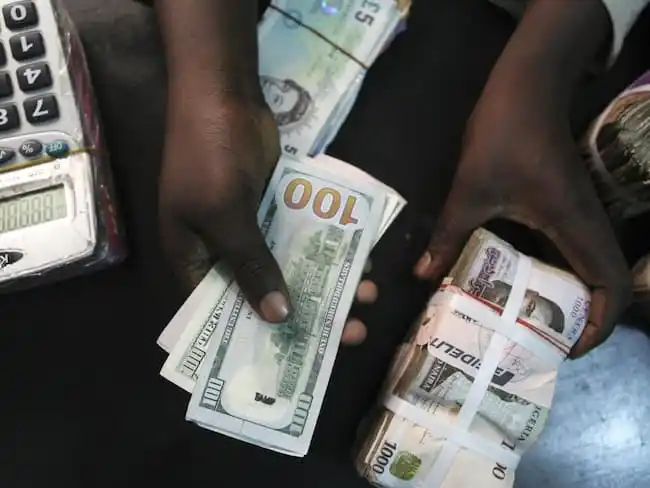
The exchange rate between the Naira and the US dollar, according to the data released on the FMDQ Security Exchange, the official forex trading portal, showed that the naira closed at 1550.00 per $1 on Thursday, July 31st, 2025. The naira traded as high as 1532.00 to the dollar at the investors and exporters (I&E) window on Wednesday.
Dollar to naira exchange rate today black market (Aboki dollar rate):
The exchange rate for a dollar to naira at Lagos Parallel Market (Black Market) players buy a dollar for ₦1545 and sell at ₦1550 on Wednesday 30th July, 2025, according to sources at Bureau De Change (BDC).
Please note that the Central Bank of Nigeria (CBN) does not recognize the parallel market (black market), as it has directed individuals who want to engage in Forex to approach their respective banks.
Dollar to Naira Black Market Rate Today
Dollar to Naira (USD to NGN)
Black Market Exchange Rate Today
Buying Rate
₦1545
Selling Rate
₦1550
Dollar to Naira CBN Rate Today
Dollar to Naira (USD to NGN)
CBN Rate Today
Highest Rate
₦1535
Lowest Rate
₦1532
Please note that the rates you buy or sell forex may be different from what is captured in this article because prices vary.
Week 5 pool results 2025: Football pools results, live football pool result today, pool result today saturday matches, pool results for this week, british and aussie pool result, football pools results and fixtures, pools panel results today, pool panel results and live score pool result today. We publish half-time results first of its kind.
Week 5 Pool Results: Football pools results for this week 5 2025 are published on this website immediately after full-time confirmation of live score results. We also publish the outcome of postponed matches by the football pools panel at half-time as decided by the football pools. This week’s Week 5 Pool Results are made available in partnership with Bizwatch Nigeria. Stay tuned for reliable and accurate updates throughout the week.
WEEK: 5; SEASON: UK 2025/2026; DATE: 02-August-2025
The Federal Government has announced plans to introduce mandatory drug testing for university students across Nigeria as part of efforts to curb rising substance abuse in tertiary institutions. Minister of Education, Prof. Tunji Alausa, disclosed this on Wednesday in Abuja at the launch of the National Drug Control Master Plan (NDCMP) 2024–2028. He said the initiative would help improve discipline, academic performance, and safety on campuses.
“This administration is committed to restoring sanity to campuses. Drug testing will be introduced in collaboration with school authorities to identify and rehabilitate students where necessary,” the Minister said.
He expressed concern over the alarming rate of drug abuse among students, noting its negative impact on learning and student well-being.
The NDCMP was developed by the National Drug Law Enforcement Agency (NDLEA) in partnership with other stakeholders. It outlines a national strategy to reduce drug demand and supply, strengthen institutional frameworks, and promote evidence-based prevention.
Chairman of the NDLEA, Brig. Gen. Mohamed Buba Marwa (retd), backed the move and called for stronger collaboration between universities, enforcement agencies, and health institutions in tackling the menace.
Prof. Mamman also urged higher institutions to integrate drug education into orientation programmes and work closely with health agencies for prevention and rehabilitation support.
In a bold step towards bridging the gender gap in technology-focused fields, and fostering innovation across Africa, Interswitch, leading African technology company focused on creating solutions that enable individuals and communities prosper, has partnered with Thrive Above and Beyond Foundation to deliver an intensive, hands-on STEM education programme for young girls.
The 7-day THRIVE Girls in STEM Programme, powered by Thrive Above and Beyond Foundation, a Nigerian nonprofit dedicated to empowering girls from underserved communities, was a dynamic, montessori-style bootcamp that provided female students, aged 16–20, with vital digital skills and tech exposure. Other programme partners include Wema Bank and Sara by Wema.
Through practical, learner-centred sessions, participants explored data organization and text formatting, HTML basics and interactive web design. They were also tutored on web accessibility and optimization techniques among other related skills.
In addition to classroom learning, the girls received tech starter kits, devices, and internet-enabled resources, courtesy of Thrive Above and Beyond Foundation and other partners. The programme culminated in a final project showcase, where participants presented real-world tech solutions, reinforcing both learning outcomes and confidence.
Speaking on the partnership, Yemisi Owonubi, the Head, Masterbrand, Communications and CSR at Interswitch, remarked,
“At Interswitch, we believe in a prosperous Africa, powered by our youth. We are proud to support initiatives that not only equip young people with essential STEM skills but also help close the gender gap in tech. Programmes like this are deeply aligned with our CSR priorities, and we’ll continue to invest in platforms that shape the innovators and problem-solvers of tomorrow.”
Bolaji John, Founder at Thrive Above and Beyond Foundation, also shared her thoughts,
“The THRIVE Girls in STEM Programme is about more than coding, it’s about cultivating leadership, curiosity, and innovation. Our goal is to demystify STEM for young girls, especially in underserved communities, and inspire them to become architects of their own future.”
This collaboration is one of many ways Interswitch is actualizing its purpose to inspire Africa to greatness through innovation, value creation, and excellence. As part of its long-standing commitment to youth empowerment and digital literacy, Interswitch continues to champion platforms such as InterswitchSPAK, its flagship CSR initiative aimed at nurturing future STEM leaders across the continent.
To find out more about Thrive Above and Beyond Foundation’s initiatives, explore their website and social media platforms @thriveaboveandbeyond.
Now you can find the Week 7 pool fixtures 2025: pool fixtures for this week, this week pool fixtures, football pools results and fixtures, pool fixtures this week, classic pool fixtures, Aussie pool fixtures, UK pool fixtures, advance pool fixtures, Australia pool fixtures, pool panel results, pool result today Saturday, pool results and fixtures this week, fortune soccer pool fixtures.
Find all the Week 7 pool fixtures on Bizwatchnigeria.ng as soon as they are released by the FPA (Football Pools Authority).
Pool Fixtures For This Week: 7; SEASON: UK 2025/2026
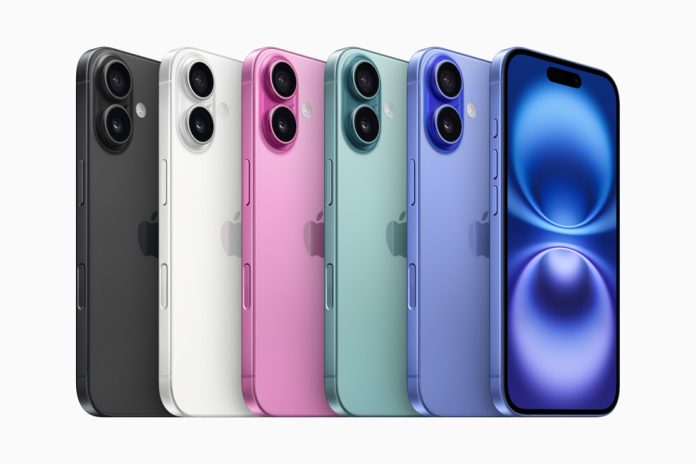
Let’s be honest for a second—most of us think we’ve got our iPhones figured out. We tap, scroll, snap, reply, repeat. But that elegant slab of glass and silicon sitting in your palm? It’s got more tricks up its sleeve than your last sales pitch.
Whether you’re a CEO toggling between Zoom calls and calendar invites or a marketing strategist juggling client briefs and coffee orders, your iPhone is quietly sitting there, capable of much more than you’ve probably asked it to do.
Here are 13 iPhone features we can almost guarantee you’ve overlooked—but once you know them, there’s no going back.
1. Scan Like You Own a Print Shop
Dragging a bulky printer-scanner into your workspace? Not in 2025. Your iPhone’s Notes app lets you scan documents like invoices, contracts, or even your kid’s artwork, clean and crisp.
How to:
Open the Notes app
Tap the camera icon → Scan Documents
Hover your phone over the page. Boom—captured.
Save it as a PDF, send it to your assistant, done.
It’s so seamless, you’ll wonder why you ever lined up at a business center.
2. Tap the Back—Yes, the Back
You’re on a call, someone says “screenshot that.” Fumbling with buttons? Nah. Just double-tap the back of your iPhone, and the screen’s captured. You can also launch WhatsApp, open your camera, or lock your phone.
Set it up:
Settings → Accessibility → Touch → Back Tap
Choose between Double or Triple Tap
Assign your action—up to you
Available from iPhone 8 and up (with iOS 14 or newer).
3. Your Keyboard is a Trackpad in Disguise
Here’s the thing—editing long emails or WhatsApp messages used to be a pain. That was before we discovered the spacebar trick. Just long-press the space bar, and voilà: your keyboard becomes a trackpad. Now you can glide to typos like a pro.
Try it. You’ll never go back.
4. Measure That Sofa—No Tape Needed
Bought a new couch online? Wondering if it’ll fit through your door? The Measure app turns your iPhone into a pocket-sized tape measure.
Do this:
Open Measure
Move your phone around to calibrate
Tap “+” to mark start and end points
It’s shockingly accurate and perfect for decorators, tailors, or… let’s be honest, online shoppers.
Bonus: Only works on iPhone SE or newer. Maybe it’s time to upgrade?
5. Name That Tune in 3 Seconds Flat
You’re in a cab, a song plays, it’s fire—but you don’t know the title. Instead of scrambling for an app, just add Shazam to your Control Centre.
How to:
Settings → Control Centre → Add Music Recognition
Hear a tune? Pull down Control Centre → Tap Shazam
Works on iPhones running iOS 14.2 or later. No app download needed.
6. Hide Those “Private” Photos Behind Face ID
Not every photo is for public consumption—wedding ring receipts, ID cards, or…well, you know. You can now lock them behind Face ID.
Steps:
Select the photo → Tap Share → Hide
Go to Settings → Photos → Use Face ID for Hidden Album
Because not everything needs to live in your main gallery.
7. Translate Conversations in Real Time
Planning that Paris trip or closing deals in Madrid? The built-in Translate app can handle live conversations on the fly.
Just:
Open Translate → Pick your languages
Speak or type → iPhone speaks back
No need for Google Translate anymore
Honestly, it’s like carrying a multilingual PA in your pocket.
8. Your Phone Can Be a Spirit Level
Installing shelves? Hanging frames? Don’t eyeball it—your iPhone’s got a Level tool built right into the Measure app.
Open Measure → Tap Level
Place your phone flat or on its side
It tells you the exact alignment
Your inner handyman just got a promotion.
9. Assign Vibes to Your VIPs
You know that moment when your phone’s silent but you feel who’s calling? That’s custom vibration. Set unique buzz patterns for key people—your spouse, your boss, or your personal shopper (don’t lie).
Steps:
Contacts → Select a contact → Tap Edit
Tap Vibration → Create a custom one
Because sometimes, you need to know it’s them before you even look.
10. Control Your Smart Home Like a CEO
Got smart bulbs, speakers, or air conditioners? The Home app on iPhone lets you control everything—lights, fans, TVs—from a single dashboard.
Do this:
Open Home
Add HomeKit-compatible devices
Control them or set schedules
It’s the kind of “boss move” your guests will admire silently.
11. Bring Back What You Thought Was Gone
Accidentally deleted a note, message, or photo? There’s a Recently Deleted folder quietly waiting to save you.
How to find it:
Go to Photos → Albums → Recently Deleted
Tap what you want back → Recover
You’ve got 30 days before it vanishes. Use them wisely.
12. Siri Shortcuts—Your Personal Assistant on Steroids
Imagine this: your alarm rings, your iPhone tells you the weather, turns on your prayer playlist, and opens Slack. Automatically.
Make it happen:
Open Shortcuts
Tap “+” to create a routine
Add actions like “Send Message,” “Open App,” “Play Music”
It’s like having a morning butler. Without the salary.
13. Secret Codes for the Curious
Feeling techy? Type *#06# for your IMEI or *3001#12345#* to access deep signal data and more hidden menus.
Careful though—this isn’t a playground unless you know what you’re doing. But it’s fun to know it’s there.
So… Are You Even Using 50% of Your iPhone?
Let’s face it—your iPhone isn’t just a phone anymore. It’s a translator, document scanner, interior designer, music hunter, and silent executive assistant. Most of these features are free and already sitting on your device. And if your phone is missing a few of them, maybe it’s time to rethink your upgrade. Because in the business of staying ahead, even your phone should be pulling its weight.
Chairman, Board of Trustees of the Association of Registered Freight Forwarders of Nigeria (AREFFN), Chief Augustine Ejike Metu, has called on regulatory agencies and government institutions to adopt the exemplary leadership style of the Nigeria Customs Service, particularly under the command of Comptroller (Dr.) Ben Oramalugo of the Seme Area Command.
Speaking during the recent roundtable organised by the Congress of Nigerian Maritime Media Practitioners (CONMMEP), Chief Metu, a seasoned administrator and maritime stakeholder delivered a robust analysis on trade facilitation, national development, and governance, urging a collective commitment to transparency and system reform.
Describing Comptroller Oramalugo as a “shining example” of effective leadership in the maritime sector, Chief Metu commended the Customs Area Controller for promoting seamless trade facilitation and enhancing revenue generation along the nation’s borders. He emphasised that sustained national growth hinges on visionary leadership and institutional integrity.
In a strong-worded statement, Chief Metu decried the continued importation and circulation of fake and adulterated products in Nigeria. He challenged relevant agencies to strengthen enforcement measures, adding that the proliferation of such goods poses serious risks to public health and economic stability.
He also charged members of the press to go beyond routine reportage by investigating and exposing systemic corruption and regulatory failures across the industry.
Reacting to the recent election of Nigeria’s Comptroller-General of Customs as Chairman of the World Customs Organisation (WCO) Council, Chief Metu lauded the international recognition and urged the Federal Government to consider extending the CG’s tenure to consolidate reform efforts.
He also addressed the recent suspension of Customs Code 846, advising authorities to revisit the decision to enhance trade facilitation without compromising national interest.
Highlighting the urgent need for good governance, technological adoption, and youth empowerment, Chief Metu reiterated his commitment to a better Nigeria. He urged citizens to stay focused on collective growth, embrace innovation, and actively promote societal transformation.
Chief Metu’s contributions at the CONMMEP forum reinforced his reputation as a pragmatic leader with deep insights into policy, governance, and economic reform. His advocacy remains grounded in:
Transparent and accountable governance
Institutional integrity and reform
Technological integration in trade
Constructive engagement with stakeholders
Mentorship and capacity development
The AREFFN BoT Chairman called for sustained dialogue between public and private sector actors, encouraging collaborative action towards revenue optimisation, trade efficiency, and national development. He also advocated for stronger mentorship pipelines for young professionals in the maritime and logistics ecosystem.
The Federal Ministry of Aviation and Aerospace Development has opposed a proposed bill seeking to relocate the Nigerian Safety Investigation Bureau (NSIB) from its purview to the Presidency.
During a public hearing on Wednesday, hosted by the joint House Committees on Special Duties and Aviation, lawmakers pushing for the amendment argued that the Bureau’s current position within the Ministry compromises its neutrality. They said that transferring it to the Presidency would strengthen its operational independence and improve the integrity of its investigations, particularly in the aviation sector.
Representing the Aviation Ministry at the hearing, Permanent Secretary Abubakar Kana urged legislators to retain the Bureau under the Ministry’s supervision, while instead enhancing its legal and operational frameworks to ensure functional independence.
“I recommend that the National Assembly and its relevant stakeholders retain the Nigerian Safety Investigation Bureau within the Federal Ministry of Aviation,” Kana stated.
However, his stance faced opposition from several government officials. Gagare Nadungu, Permanent Secretary for Political and Economic Affairs in the Office of the Secretary to the Government of the Federation (OSGF), backed the bill. He argued that the Presidency—through the SGF—offers a centralized structure better positioned to host the Bureau, ensuring broader oversight and institutional autonomy.
Onwusoro Maduka, Permanent Secretary of the Ministry of Special Duties and Intergovernmental Affairs, also supported the move, stressing that genuine independence is crucial for the NSIB to conduct transparent and effective investigations.
Speaking on behalf of Speaker Abbas Tajudeen, Deputy Chairman of the House Committee on Special Duties, Kwamoti Laori, said the amendment represents a proactive step toward improving transport safety and aligning Nigeria’s oversight structures with international best practices. He emphasized that aviation, land, and maritime transport collectively form the backbone of a modern economy and deserve robust institutional support.
Bill sponsor Isiaq Akinlade also weighed in, stating that housing the NSIB under the aviation ministry limits its effectiveness. He cited bureaucratic bottlenecks, weak inter-agency coordination, and a lack of institutional autonomy as key challenges under the current arrangement.
“The Bureau’s lack of independence raises questions about its impartiality,” Akinlade said. “International best practices favour independent investigative agencies. Relocating the NSIB to the Presidency will address structural weaknesses and empower it to function effectively across Nigeria’s multi-modal transport system.”
He further noted the overlapping mandates of agencies such as the Federal Road Safety Corps (FRSC), Nigerian Civil Aviation Authority (NCAA), Nigerian Maritime Administration and Safety Agency (NIMASA), National Inland Waterways Authority (NIWA), and Nigerian Railway Corporation (NRC)—all of which perform investigative roles across various transport sectors.
As debate continues, the proposed amendment has reignited conversations about the need for impartiality and institutional reform in Nigeria’s transport safety architecture.
Shares of Wema Bank, Stanbic IBTC, Guaranty Trust Holding Company (GTCO), and Zenith Bank have led a strong rally in Nigeria’s banking sector, recording significant year-to-date gains and outperforming the broader NGX Banking Index.
Wema Bank topped the chart with a return of 119.23% as of July 28. Stanbic IBTC followed with a 73.18% gain, while GTCO rose by 65.09%. Zenith Bank also delivered strong double-digit returns, helping drive the NGX Banking Index up by over 18% this year.
The surge is linked to renewed investor interest following the Central Bank of Nigeria’s bank recapitalisation directive, which requires a substantial increase in minimum capital. Anticipation of mergers, acquisitions, and stronger financial disclosures has intensified trading in bank stocks.
GTCO became the first Nigerian financial institution listed on the exchange to cross N100 per share, signalling rising investor confidence. The rally has added trillions of naira to the market capitalisation of top-tier banks.
Combined, GTCO, Zenith Bank, Access Holdings, UBA, and Ecobank now contribute over N11.07 trillion to the banking sector’s valuation, accounting for more than 15% of the entire Nigerian Exchange.
Analysts attribute the performance to improved market liquidity, lower yields on fixed-income securities, and expectations of strong half-year earnings. The NGX Banking Index gained more than 20% in July alone.
With recapitalisation efforts gathering momentum, analysts expect the bullish trend in banking stocks to continue into the second half of the year.
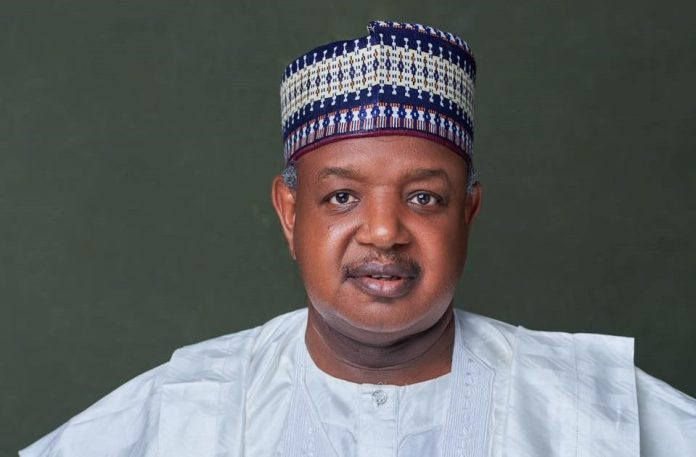
Minister of Budget and Economic Planning, Senator Abubakar Bagudu, says the fiscal health of Nigeria’s Northern states has significantly improved under President Bola Tinubu’s administration, with the region’s domestic debt dropping by 42.06 percent due to sweeping economic reforms.
Bagudu disclosed this during a presentation to the Sir Ahmadu Bello Memorial Foundation at a two-day interactive session on government-citizen engagement in Kaduna. The event, themed “Assessing Electoral Promises: Fostering Government-Citizen Engagement for National Unity,” focused on reviewing Tinubu’s promises to Northern stakeholders during the 2023 election campaign.
According to a statement from the ministry on Wednesday, Bagudu said total domestic debt for all 36 states and the Federal Capital Territory declined from ₦5.8 trillion to ₦3.8 trillion — a 33.4 percent drop. In the North alone, debt fell from ₦1.98 trillion to ₦1.14 trillion.
He attributed the improvement to Tinubu’s economic reforms, particularly the removal of fuel subsidy, which led to higher federally allocated revenue and reduced borrowing needs.
Bagudu noted that from May 2023 to June 2025, states and local governments saw their combined net statutory and VAT allocations more than double from ₦458.81 billion to ₦991.81 billion representing a 116 percent increase. This, he said, excludes additional revenue from FX gains and augmentation funds.
Gombe State, for instance, saw its allocation jump by over 272 percent, from ₦6.69 billion to ₦24.91 billion, while Kaduna State’s allocation rose by 252 percent to ₦42.01 billion.
Regionally, North Central states recorded a 145 percent rise in allocations, the North East 149 percent, and the North West 143 percent.
“These gains have created fiscal space for infrastructure and social investments without resorting to unsustainable debt,” Bagudu said.
He pointed to several ongoing infrastructure projects under Tinubu’s Renewed Hope Agenda, including the Sokoto-Badagry Superhighway, Kano-Maiduguri Road dualisation, and the AKK Gas Pipeline, among others.
The administration is also expanding rail infrastructure, with work progressing on the Kaduna-Kano Railway and light rail projects in Kano, Kaduna, and the FCT.
On healthcare, Bagudu said over 1,003 primary healthcare centres have been revitalised nationwide, with 10 new medical warehouses and upgrades at federal hospitals across Northern states. Through the MAMII programme, the region recorded 13.1 million antenatal visits, 4.2 million safe deliveries, 4,000 free Caesarean sections, and nutritional support for over six million women.
Addressing regional equity concerns, the minister insisted that President Tinubu has distributed projects and resources fairly across all regions.
“While some Northern leaders express concern over fairness, data shows that 19 governors and political appointees from the region see clear evidence of balanced development,” he stated.