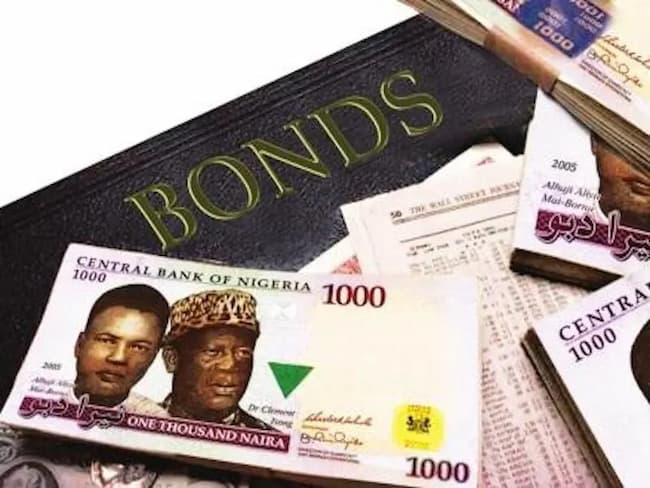
Yields on Nigerian government bonds climbed in the secondary market on Wednesday as investors reacted to the recent upward adjustment in Treasury bill rates, particularly the jump in the one-year tenor to 17.95%.
The persistent repricing of long-tenor Treasury bills—up from 16.04% two weeks ago—has weakened sentiment in the bond market, prompting sell-offs across several maturities.
Analysts reported broad yield expansion at both the short and mid segments of the curve, with notable movements in bonds maturing in 2027, 2028, and 2032. As a result, average yields expanded by 8 basis points to close at 16.70%.
AIICO Capital Limited noted sustained selling pressure at the short end, where most yields widened by more than 50 bps, with the exception of the 26-Apr-29 bond, which gained 20 bps to reach 17.11%.
In the mid-tenor category, moderate demand was observed for the 21-Feb-2031 and 27-Apr-2032 maturities, leading to yield declines of 5 bps and 6 bps to 17.33% and 17.14%, respectively. Conversely, caution around the 25-Jun-33 bond caused its yield to spike by 96 bps to 17.11%.
Activity at the long end remained subdued, except for the 21-Jan-42 maturity, which recorded a marginal 1 bp increase to 15.73%.
Overall, the average benchmark yield advanced by 8 bps to 16.70%. Analysts attribute the recent sell pressure to investors realigning their portfolios ahead of the upcoming bond auction scheduled for Monday, 15 December 2025.
The Central Bank of Nigeria (CBN) increased the yield on its 364-day Treasury bills to 17.95% during Wednesday’s ad hoc primary market auction, following an overwhelming surge in investor demand across major tenors.
The apex bank issued N700 billion in Treasury instruments across the standard 91, 182, and 364-day maturities. Total subscriptions reached N1.69 trillion, significantly higher than last week’s auction levels.
For the 91-day paper, the CBN offered N100 billion and recorded total bids of N106.07 billion. It allotted N103.36 billion at a stop rate of 15.30%, unchanged from the previous auction.
However, interest in the 182-day tenor was relatively weak. Against an offer of N150 billion, bids amounted to N23.60 billion, leading the bank to allot N13.64 billion at a steady rate of 15.50%.
The strongest investor appetite was recorded on the one-year bills, with subscription reaching N1.599 trillion compared to the N450 billion on offer. The CBN allotted N671.20 billion and raised the stop rate from 17.50% to 17.95%, despite broader disinflation signals.
The latest adjustment has made longer-tenor Treasury bills increasingly attractive to market participants seeking higher-yielding, low-risk instruments.
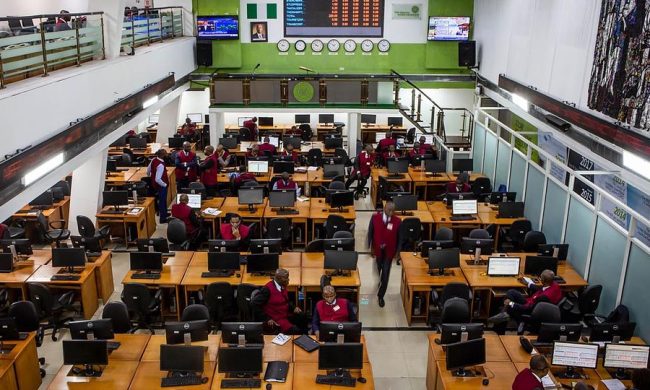
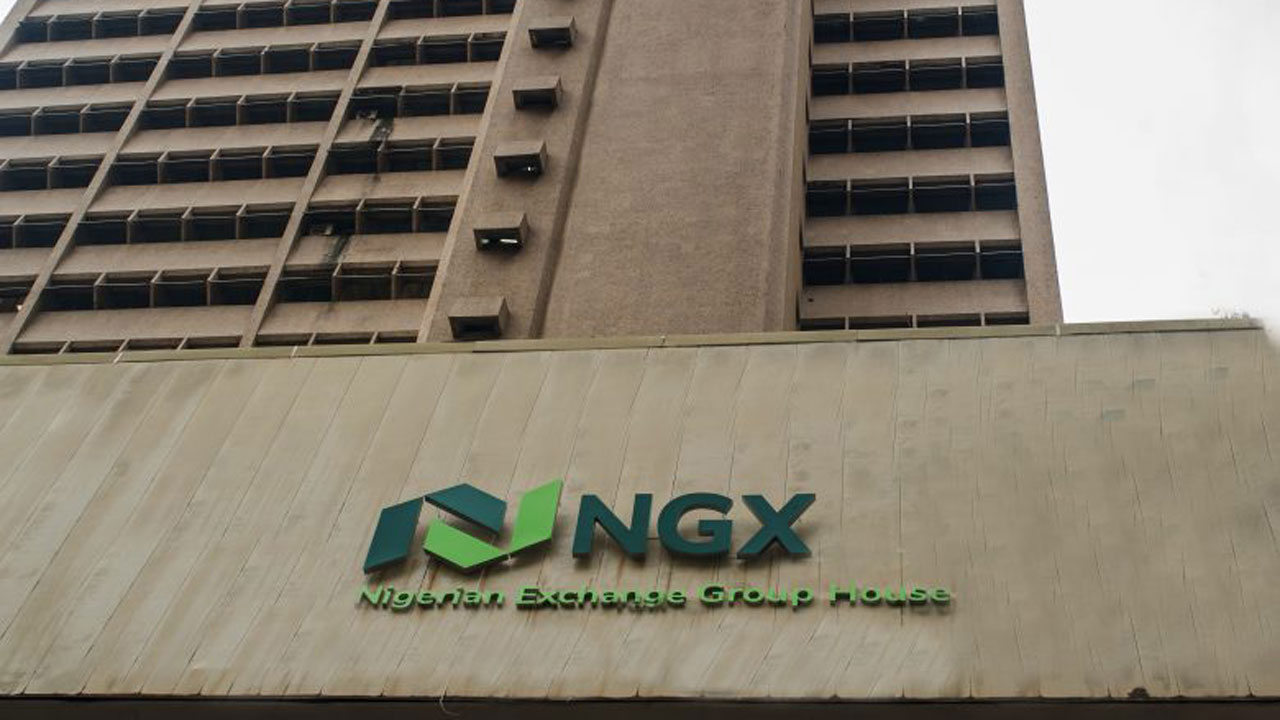
The Nigerian Exchange (NGX) closed Wednesday’s session with intensified sell pressure, resulting in a N34 billion reduction in total market value as risk-off sentiment spread across major counters.
Persistent declines in CHAMS, Halldane McCall, UACN, Sunu Assurances, and several other stocks dragged the broader market lower. Market capitalisation slipped from N93.658 trillion to N93.624 trillion, marking a N34 billion contraction. Likewise, the All-Share Index (ASI) retreated by 0.05% or 78.28 points to settle at 146,862.01 compared to 146,940.29 previously.
The Year-to-Date return moderated to 42.69%, although market breadth remained marginally positive, reflecting 28 gainers against 24 laggards.
Japaul Gold topped the gainers’ log with a 10% rise to N2.53, followed by Prestige Assurance at 9.40% to N1.63. MECURE advanced by 7.72% to close at N34.90, while The Initiates Plc added 7.30% to N12.50. Consolidated Hallmark Holdings also strengthened by 6.97% to end at N4.30.
On the downside, CHAMS Holding led the losers’ group, dropping 10% to N3.06. Halldane McCall followed with an 8.88% decline to N4. FG202034S2 shed 8.48% to N106.98, while UACN depreciated by 8.18% to N80.80. Sunu Assurances dropped 6.98% to close at N4.
Total market activity weakened significantly as 747.1 million shares valued at N12.4 billion were exchanged in 19,161 deals, compared to the prior session’s 1.9 million shares worth N30.2 billion across 23,038 trades.
CUTIX emerged the session’s most traded stock by volume with 122.91 million units, while GTCO recorded the highest value traded at N2.74 billion.
The naira continued its downward trajectory in both the official and parallel FX markets on Wednesday, despite the Central Bank of Nigeria (CBN) releasing $100 million to commercial banks earlier in the week in an effort to stabilise liquidity. The intervention reduced the number of active Bureau de Change operators to 82, yet currency pressures persisted.
The market remains weighed down by an imbalance between rising demand for foreign currency to settle international obligations and weaker inflows from major FX channels such as portfolio investors, exporters, non-bank corporates including oil-producing multinationals, and retail contributors.
Year-end payment commitments have significantly increased FX demand, but total inflows have stayed below $900 million, according to weekly market figures, well under the $1.4 billion recorded at the start of Q4.
The naira depreciated by 0.07% at the official window, closing at N1,455.38 per dollar, based on data from the CBN’s daily FX update. At the parallel market, the currency weakened further to N1,475 per dollar, reflecting persistent supply strain and negative sentiment across official and informal channels.
Last week, the apex bank injected $150 million into the official market after spending $400 million in November to sterilise excess naira in circulation. However, strong dollar demand sharply outpaced available supply, pushing the local currency to fresh lows.
MarketForces Africa confirmed the CBN’s new intervention, which was aimed at boosting supply and slowing depreciation, although traders report that liquidity pressures remain pronounced.
Meanwhile, Nigeria’s gross external reserves climbed to $45.382 billion in the midst of volatile global commodity price trends and foreign investment uncertainty.
Trading on the Nigerian Exchange (NGX) closed lower on Wednesday as the All-Share Index (ASI) slipped by 0.05%, reflecting a dip in overall investor confidence despite the debut listing of the Nigeria Infrastructure Debt Fund (NIDF).
The session ended on a slightly bearish note, with a mixed performance across key indicators. The benchmark ASI weakened by 0.05% due to cautious positioning from investors, while the total market capitalisation fell simultaneously by 0.04%.
Analysts attributed the disconnect in indicator movement to the listing of Chapel Hill Denham Management Limited’s Series 11 Nigeria Infrastructure Debt Fund, comprising 140,100,000 units priced at N100 each but listed at N109.50. The listing adjustment affected market metrics throughout Wednesday’s session.
At the close of trading, the ASI dipped by 78.29 basis points to settle at 146,862.00, while market capitalisation dropped by N33.81 billion to close at N93.62 trillion, representing a 0.04% loss.
Despite a favourable breadth, the downturn was mainly driven by profit-taking across select large and medium-cap stocks spanning multiple sectors, according to an investor note issued by Atlass Portfolio Limited.
Trading activity weakened significantly, with total market volume and value falling by 62.15% and 58.90%, respectively. Data from the NGX showed that 747.09 million units worth N12.43 billion were exchanged in 19,161 deals.
CUTIX led activity by volume, accounting for 16.50% of total trades, followed by FCMB (10.83%), CONHALLPLC (9.56%), FIDELITYBK (8.57%), and TANTALIZER (7.76%).
GTCO dominated the value chart, contributing 22.13% of the total value traded on the exchange.
On the gainers’ table, JAPAULGOLD led with a 10.00% rise, followed closely by PRESTIGE (+9.40%), MECURE (+7.72%), TIP (+7.30%), CONHALLPLC (+6.97%), IKEJAHOTEL (+6.58%), among 22 other advancing stocks.
In contrast, 23 equities closed lower. CHAMS and HMCALL topped the laggards after each recorded a 10.00% and 8.88% loss respectively, followed by UACN (-8.18%), SUNUASSUR (-6.98%), LINKASSURE (-4.35%), and CORNERST (-3.67%).
Overall market breadth remained positive with 28 gainers and 23 losers. Sectoral performance, however, leaned bearish: the Insurance index fell by 0.39%, Consumer Goods declined 0.14%, Oil & Gas slipped 0.08%, and Banking eased 0.04%. The Industrial and Commodity segments ended flat.
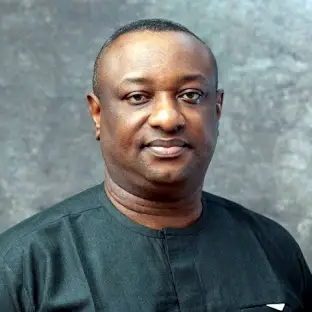
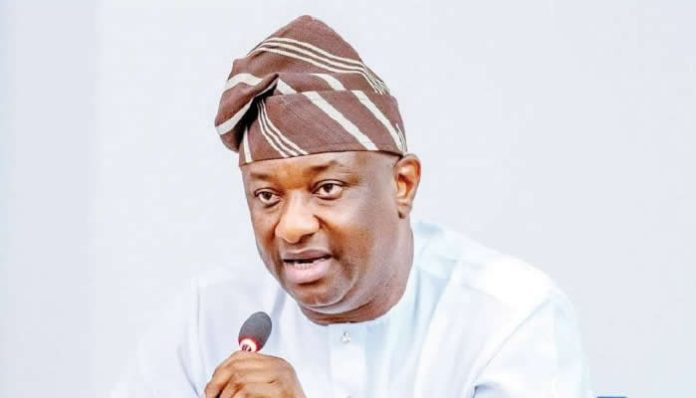
Minister of Aviation and Aerospace Development, Festus Keyamo, has attributed the sharp rise in domestic airfares to aircraft shortages and limited maintenance facilities across the country.
Keyamo spoke with journalists after the Federal Executive Council meeting on Wednesday. His comments followed a Senate summon over the escalating ticket prices, which lawmakers said may disrupt travel ahead of the festive season. The motion was raised by Senator Abdulfatai Buhari, representing Oyo North.
The minister said the federal government cannot regulate or cap fares because the aviation sector has been operating under a deregulated system since the administration of former military ruler Ibrahim Babangida. He explained that private airlines are permitted to set their own ticket prices.
He said he could not attend the Senate session due to the FEC meeting, adding that the Nigerian Civil Aviation Authority and airline operators represented him. According to him, several factors continue to push fares upward. These include scarcity of aircraft, high leasing costs, limited local maintenance infrastructure and foreign exchange expenses for overseas safety checks.
Keyamo said a notable improvement is the return of an international aircraft lessor to the Nigerian market for the first time in almost twenty years. He said this has allowed a local airline to secure a dry lease at one-third of previous rates. He added that cheaper leases will increase the number of aircraft available and strengthen competition, which should help reduce fares.
He expressed confidence that passengers will begin to see lower prices as more aircraft enter service.
Keyamo also addressed recent concerns raised by ECOWAS over multiple taxes and fees affecting airline operations. He said he has received the advisory from the regional body but noted that tax policy is outside his ministry’s powers. He said he has forwarded the concerns to fiscal authorities and discussions are ongoing.
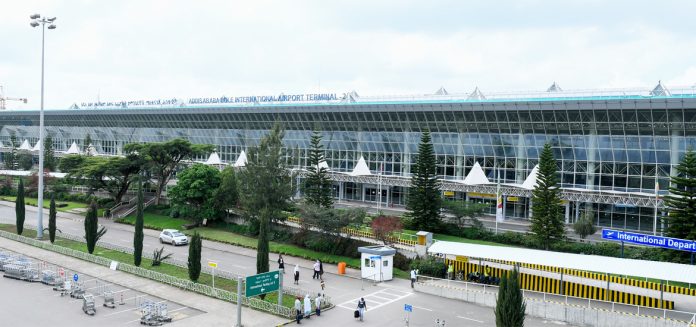
The minister reaffirmed the government’s support for the aviation sector while maintaining funding for critical infrastructure. He announced that the federal government has approved several upgrades across airports. These include improved navigation and communication systems and an extension of the maintenance contract with CCECC for the new terminal at Aminu Kano International Airport.
The approved projects include the installation of advanced surface movement guidance and control systems in Lagos and Abuja, modular air traffic control towers in eight airports and VHF radio communication upgrades in nine airports. These airports include Lagos, Port Harcourt, Ilorin, Abuja, Kano, Maiduguri and Sokoto.
Keyamo added that the federal government has approved biometric electronic gates at all international airports to speed up passenger clearance. He said the upgrades are in line with President Bola Tinubu’s directive to modernise aviation infrastructure and strengthen the safety and efficiency of air travel nationwide.
The Minister of Aviation and Aerospace Development, Festus Keyamo, has described the Ekiti Agro-Allied International Cargo Airport as a new phase in aviation development in Nigeria.
Keyamo, represented by the Permanent Secretary of the ministry, Yakubu Adam, spoke during the inaugural commercial flight operations of United Nigeria Airlines at the airport on Tuesday. He said the event was historic and signalled fresh opportunities for Ekiti State and the country.
According to him, the airport reflects the renewed hope agenda of President Bola Tinubu, particularly in job creation and infrastructure expansion. He also reaffirmed the ministry’s support for projects that promote growth and development.
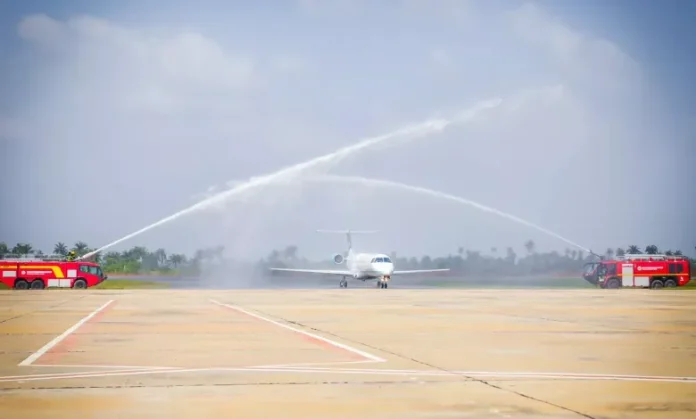
The first United Nigeria Airlines commercial flight, UN 0622, landed from Abuja at 11:00 am. It was received by Governor Biodun Oyebanji, former Governor Segun Oni, commissioners, technical advisers and other dignitaries. On board were the Permanent Secretary of the Aviation Ministry, Yakubu Adam, and former Ekiti governors Adeniyi Adebayo, Ayodele Fayose and Kayode Fayemi, as well as Senate Leader Opeyemi Bamidele. The second flight, UN 0623, departed for Lagos at 12:13 pm.
Founder of Afe Babalola University, Aare Afe Babalola, praised Governor Oyebanji for ensuring the airport became fully operational and reiterated his commitment to supporting the state.
Chairman of United Nigeria Airlines, Professor Obiora Okonkwo, commended the state government for creating a suitable environment for airline operations. He assured residents of the airline’s dedication to safety and added that the cooperation seen in Ekiti highlights the benefits of continuity in government.
Governor Oyebanji disclosed that the state has invested N49.7 billion in the construction and development of the airport, calling it one of the largest infrastructure projects in Ekiti’s history. He credited the progress to the contributions of past governors who supported the vision for the airport.
The Federal Executive Council has approved several projects across the industry, trade and aviation ministries, including the purchase of 200 electric buses and the adoption of a new national industrial policy.
Speaking to State House Correspondents after the meeting on Wednesday, the Minister of State for Industry, Trade and Investment, John Eno, said the Council approved the supply of 200 electric buses for the National Automotive Design and Development Council at a cost of N58 billion. He said the decision would support Nigeria’s automotive development plans and green mobility goals.
The Council also endorsed the Nigerian Industrial Policy 2025 and approved the design and construction of a new Bank of Industry headquarters at Eko Atlantic City, Lagos, at a cost of N187 billion.
Eno said the new industrial policy would guide Nigeria’s manufacturing and diversification efforts and help attract global development partners. He noted that foreign partners previously declined engagement because the country lacked an up-to-date industrial policy.
The Council also approved the construction of internal and access roads within the Lekki Medical Tourism Park, Lagos.
The Minister of Aviation and Aerospace Development, Festus Keyamo, SAN, said the Council approved several aviation infrastructure and safety projects. These include continued maintenance and technical support services at the Aminu Kano International Airport by the China Civil Engineering Construction Corporation, the firm that built the airport’s new terminal.
Other approvals include the construction of modular air traffic control towers in eight airports, installation of aeronautical frequency spectrum monitoring and interference detection systems, and upgrades to air-ground radio communication systems at nine airports.
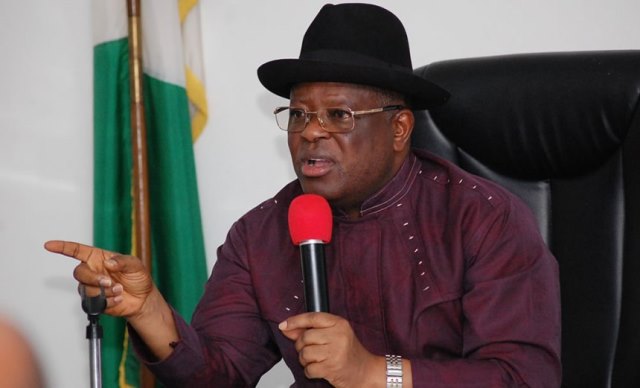
A land dispute has escalated in Lagos as Winhomes Estate Global Services Ltd. and its Managing Director, Ifeoma Okengwu, have sued Hitech Construction Company Ltd., the Minister of Works and Housing, David Umahi, and the Lagos State Government over alleged encroachment and demolition on an 18.838-hectare parcel of land in Okun-Ajah, Eti-Osa.
The suit, filed at the Lagos State High Court, seeks an injunction to stop further entry on the land pending compliance with the Lagos High Court Pre-Action Protocol. The action was instituted by the company, its MD, and purchasers within the estate. Their counsel is Lookman Fagbemi SAN.
In an affidavit sworn to by Abdullahi Mohammed, the applicants said the land is covered by Certificate of Occupancy No. 72, page 72, volume 2006AC, dated December 1, 2006. They stated that the Lagos State Government had issued a Right-of-Way clearance confirming the land is outside the alignment of the Lagos–Calabar Coastal Road.
Despite this, the applicants alleged that construction workers and government officials entered the land with soldiers, operatives of the Governor’s Office Task Force, thugs, and personnel of the Federal Ministry of Works. They claimed that buildings were demolished and construction equipment moved in without any statutory acquisition or notice as required under the Land Use Act.
They also alleged that parts of the land were marked for a proposed train station even though no revocation or compensation notice was issued.
The affidavit stated that signboards, halogen lights powered by generators and armed mobile policemen were deployed to secure the area. The applicants described the actions as trespass and an attempt to dispossess them.
In their memorandum of claim, which has been served on the Attorney-General of the Federation, the applicants are asking the court to affirm their ownership of the land and to declare that only they are entitled to obtain Governor’s consent over it.
They are also seeking N500 million in general damages for trespass, N200 million as litigation costs, and post-judgment interest at 20 percent until full payment.
Court To Hear Fraud Case Against Stella Oduah On Nov 22
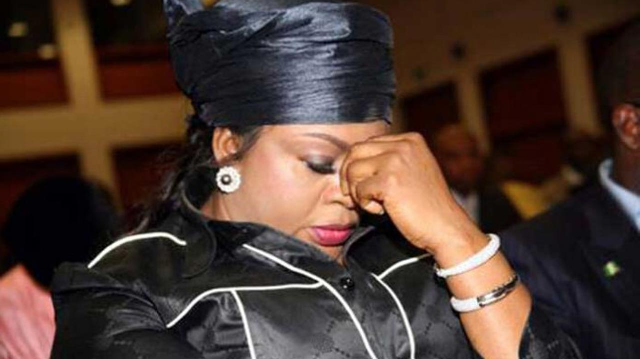
The Federal Government on Wednesday arraigned a former Minister of Aviation, Stella Oduah, before an Abuja High Court over alleged fraud involving N2.4 billion.
Oduah was arraigned alongside Gloria Odita on a five count charge bordering on obtaining by false pretence, criminal breach of trust and conspiracy.
According to the prosecution, the defendants allegedly conspired in January 2014 to obtain N2,469,030,738.90 from the Ministry of Aviation through Broad Waters Resources Nigeria Ltd and Global Offshore Marine Ltd under what investigators described as fraudulent claims.
The government alleged that Oduah and Odita falsely represented the payments as the cost of technical supervision and security logistics support services, despite knowing the claims were untrue. The offences violate the Advance Fee Fraud Act.
One of the counts alleges that on January 13, 2014, the defendants obtained N839,780,738.90 from the ministry under the same claim of technical supervision. Another count alleges that on February 12, 2014, they obtained N1,629,250,000 through Global Offshore Marine Ltd for security and logistics services.
In two additional counts, the Federal Government accused Oduah, as minister at the time, of dishonestly misappropriating the same sums which were earmarked for a contract awarded to 1-Sec Security Nigeria Ltd. The charge states that she authorised the transfer of the funds in breach of her official trust.
Both defendants pleaded not guilty.
Their counsel, Onyechi Ikpeazu SAN for Oduah and Wale Balogun SAN for Odita, moved applications for bail. Ikpeazu asked the court to grant Oduah bail on self-recognisance, noting she voluntarily travelled from the United States to honour the summons and had earlier been on EFCC administrative bail.
Attorney-General of the Federation, Lateef Fagbemi SAN, appeared personally for the prosecution. He did not oppose bail but urged the court to set a firm date for the commencement of trial. He noted that the defendants had been served with proof of evidence since November 27.
Justice Hamza Muazu admitted both defendants to bail on self-recognisance. He directed them to deposit their travel documents with the court and obtain permission before travelling.
The judge adjourned the matter to February 12 for the start of trial.
The Lagos Country Club has warned that high energy tariffs and persistent power shortages are hurting manufacturing and worsening inflation, calling on both government and the private sector to act urgently.
The warning was issued at the LCC Business Forum 2.0 held in Lagos, where industry leaders discussed strategies for dealing with rising living costs and weak consumer purchasing power.
Speaking at the event, Chairman of the Alliance for Economic Research and Ethics, Dele Oye, said Nigeria’s recent economic stability was driven largely by private sector resilience rather than government policy.
He said major industrial groups had continued to invest despite inflation, foreign exchange instability and high borrowing costs, and cited Dangote Industries as an example of long term value creation.
Oye criticised current economic policies, saying they were not suited to Nigeria’s realities. He argued that businesses must challenge structural bottlenecks such as expensive electricity, weak infrastructure and hostile regulations.
He also faulted tight monetary policies, warning that high interest rates were choking productive businesses and making profitability almost impossible.
Chief Economist and Partner at SPM Professionals, Paul Alaje, said monetary policy alone could not solve inflation in Nigeria. He stressed that supply side reforms were more effective in a country that is not primarily credit driven.
He said reliable power supply was the most critical factor for reviving industry and controlling long term inflation.
He added that insecurity, food price distortions and structural inefficiencies were key drivers of inflation, describing much of the current price pressure as man made.
Commissioner for Wealth Creation and Employment, Akinyemi Ajigbotafe, said the Lagos State Government had rolled out programmes to boost skills, expand employment and strengthen consumer purchasing power.
He said initiatives such as the Graduate Internship Programme, Leather Hub in Mushin and ICT training schemes were helping residents adapt to rising costs.
President of Lagos Country Club, Seyi Adewunmi, said the forum was created to support practical dialogue on national economic issues and strengthen business resilience.
He said inflation was not just a statistic but a daily reality for families and small businesses.
The Lagos Country Club urged companies to deepen investment in local manufacturing, adopt backward integration and confront policies that undermine industrial growth.
The forum was attended by economists, policymakers and business leaders who examined the causes of inflation and practical ways to stabilise consumer purchasing power.
Nigeria’s manufacturing sector grew by 1.25 percent in the third quarter of 2025 as persistent structural challenges continued to slow industrial expansion, according to the latest Gross Domestic Product report released by the National Bureau of Statistics.
Data from the report showed that weak performance in the textile and apparel as well as paper and pulp subsectors weighed heavily on overall sector output.
The textile and apparel segment remained in recession, contracting by 2.41 percent due to high production costs and smuggling of foreign products. The paper and pulp subsector also declined by 1.07 percent within the same period.
The manufacturing sector covers activities such as oil refining, cement production, food and beverages, chemicals and pharmaceuticals, plastics and rubber, electrical and electronics, metal works, motor vehicle assembly and other industrial activities.
The report showed that real growth in the sector was higher than the same period in 2024 but lower than both the second quarter of 2025 and the previous quarter. On a quarter on quarter basis, the sector recorded a growth of 8.65 percent.
Manufacturing contributed 7.62 percent to Nigeria’s real GDP in the third quarter of 2025. This was lower than the 7.82 percent recorded in the same quarter of 2024 and the 7.81 percent recorded in the second quarter of 2025.
Chief Executive Officer of the Centre for the Promotion of Private Enterprise, Muda Yusuf, said the weak performance was driven by high energy and logistics costs, expensive borrowing conditions, heavy dependence on imported raw materials and widespread smuggling.
He said these challenges continue to weaken competitiveness and limit job creation across the manufacturing sector.
Yusuf said stronger performance would require improved power supply, reduced logistics costs, better port efficiency and faster development of transport infrastructure.
He also recommended easier access to concessionary credit, lower import duties on industrial inputs, tougher action against smuggling and policies to ease supply chain pressures.
He added that while Nigeria’s economy is gradually recovering, stronger and more inclusive growth would depend on addressing long standing structural constraints in manufacturing, agriculture and trade.
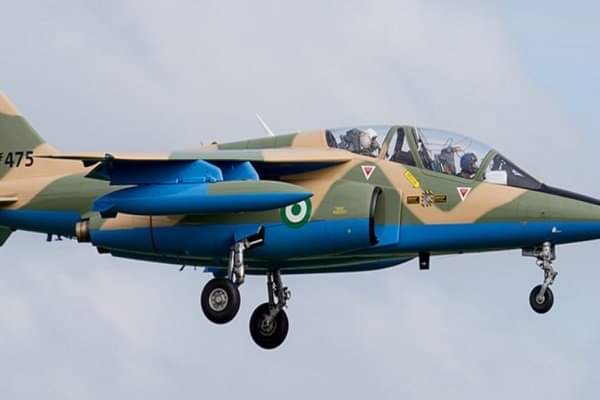
The Nigerian Air Force has said its aircraft that landed in Burkina Faso acted according to aviation safety procedures and that the crew members are safe.
The aircraft, a C 130, diverted into Burkina Faso airspace on December 8, 2025 after the crew observed a technical concern during a ferry mission to Portugal.
A statement issued by the Director of Public Relations of the Nigerian Air Force, Ehimen Ejodame, said the crew decided to make a precautionary landing at Bobo Dioulasso, which was the nearest available airfield.
He said the action was taken in line with standard safety procedures and international aviation protocols.
The statement added that the 11 crew members are safe and have received cordial treatment from authorities in Burkina Faso.
The air force also said the mission to Portugal will continue as planned once technical issues are resolved.
The development followed an earlier claim by the Confederation of Sahel States, made up of Burkina Faso, Mali and Niger Republic, which alleged that a Nigerian aircraft violated Burkina Faso airspace.
The regional bloc later authorised its member states to neutralise any aircraft found to be violating their airspace.
The Nigerian Air Force said it remains committed to safety standards and operational procedures and will continue to protect its personnel while carrying out its constitutional duties.
The Federal Government has announced plans to end financial subsidies for airports that are not generating profit as part of a new aviation reform drive aimed at improving efficiency and increasing revenue.
The Minister of Aviation and Aerospace Development, Festus Keyamo, made this known during a virtual meeting hosted by the National Orientation Agency on the Federal Government’s Roadmap for Sustainable Air Transport.
He said most federal airports operate at a loss and consume billions of naira monthly on diesel, maintenance and other running costs while recording low passenger traffic and weak revenue performance.
According to him, Lagos accounts for about 63 percent of total passenger traffic and a similar share of airport revenues, while many smaller airports record as little as one flight per day and struggle to maintain basic facilities.
Keyamo said the revenue imbalance has forced the government to divert income from major airports such as Lagos, Abuja and Kano to keep smaller airports running, a situation he described as unsustainable.
He said President Bola Tinubu has directed that non profitable airports be concessioned to private investors who will develop them into Aerotropolis hubs with hotels, conference centres and commercial facilities.
He said Enugu Airport has already been concessioned, while Port Harcourt Airport is at an advanced stage, with more airports under consideration.
Keyamo also disclosed that Nigeria’s compliance score under the Cape Town Convention on aircraft leasing has improved from 49.9 percent to 75.5 percent, the highest in Africa, following legal and regulatory reforms.
He said the improvement has helped Nigeria record its first dry aircraft lease in more than 15 years and is attracting new global financiers to support local airlines.
Keyamo said the government is working to help Nigerian airlines access more aircraft through leasing reforms so that they can compete on major international routes.
He noted that foreign airlines currently dominate routes to destinations such as the United Kingdom, United States, France and Canada because most Nigerian airlines lack the aircraft capacity to operate those routes.
He said the government plans to open competition on major international routes to drive down airfares and strengthen local carriers.
He cited Air Peace’s daily flights to Gatwick and Heathrow from Lagos and Abuja as a major step forward.
The minister also said Nigeria is working with the International Civil Aviation Organization to safely integrate unmanned aircraft systems into national airspace.
The Senate on Tuesday approved President Bola Tinubu’s request to deploy Nigerian troops to the Republic of Benin, following an attempted coup in the neighbouring country that has heightened regional security concerns.
The approval came on the same day the Economic Community of West African States (ECOWAS) raised fresh alarm over a resurgence of military takeovers and democratic backsliding across the sub-region. The concerns were voiced at the 55th Session of the Mediation and Security Council at the ministerial level, held in Abuja.
Benin Republic plunged into crisis on Sunday when members of the Military Committee for Refoundation seized the state broadcaster in Cotonou and declared President Patrice Talon removed from office.
The mutineers, led by Lt. Col. Pascal Tigri, claimed control of government institutions before loyalist forces—supported by a rapid deployment of Nigerian troops—restored order hours later.
The Presidency later described Nigeria’s swift intervention as evidence of President Tinubu’s commitment to safeguarding constitutional order in West Africa and preventing a further collapse of democracy in the region.
Senate President Godswill Akpabio read Tinubu’s request during plenary, urging lawmakers to endorse the mission aimed at “restoring governance” in Benin. The Senate granted immediate approval, though not without dissenting voices.
Deputy Senate President Jibrin Barau applauded the President’s action, calling Tinubu “a true democrat.”
But former Bayelsa State governor, Senator Seriake Dickson, objected that the matter should have been debated openly.
Akpabio quickly ruled him out of order, insisting that the chamber had already given unanimous consent and that “the President is not going to war, but protecting Nigeria’s borders.”
Senators Adams Oshiomhole and Opeyemi Bamidele reinforced the position, arguing that Tinubu acted within the law and in the interest of regional security.
Dickson later clarified he supported the intervention but urged ECOWAS leaders to address governance failures that fuel coups across the region.
ECOWAS: Region in a State of Emergency
Earlier at the ECOWAS ministerial meeting, the President of the ECOWAS Commission, Dr Omar Touray, delivered a stark assessment of West Africa’s political landscape, noting that the region now faces an “average of high risk” of instability.
Touray listed the key triggers, including:
Persistent military interventions in member states
Rising electoral exclusion and constitutional violations
Escalating terrorist activities and cross-border criminality
“The community is in a state of emergency,” he warned, adding that recent events in Guinea-Bissau and Benin underscore the fragility of democratic institutions.
Touray also cited worsening humanitarian conditions, referencing UNHCR data showing 7.6 million people displaced across West Africa, including over 6.5 million internally displaced persons, mostly in Nigeria, Burkina Faso, Niger and Mali.
He urged member states to uphold constitutional norms and strengthen collective security, praising President Tinubu’s leadership during the Benin crisis.
Sierra Leone’s Foreign Affairs Minister and Chair of the ECOWAS Council of Ministers, Timothy Kabba, stressed that the region must move beyond declarations and take concrete steps to reverse democratic decline.
“The attempted coup in Benin and the crisis in Guinea-Bissau are sobering reminders of our vulnerability,” he said. “Our people expect seriousness, unity, and results.”
A Region on Edge
West Africa is grappling with an unprecedented wave of political instability. Mali, Niger and Burkina Faso remain under military rule, while Guinea-Bissau recently joined the list. The foiled coup in Benin adds to growing fears that the region may be sliding into a new era of political volatility.
ECOWAS Heads of State are expected to meet in the coming days to consider recommendations from the ministerial session, including strengthened security cooperation, deeper diplomatic engagement, and firmer measures to deter military adventurism.
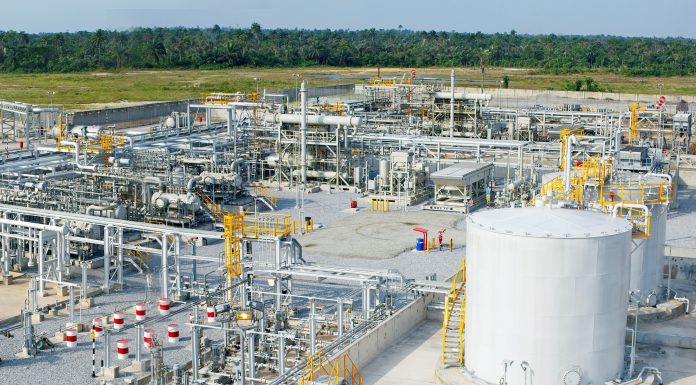
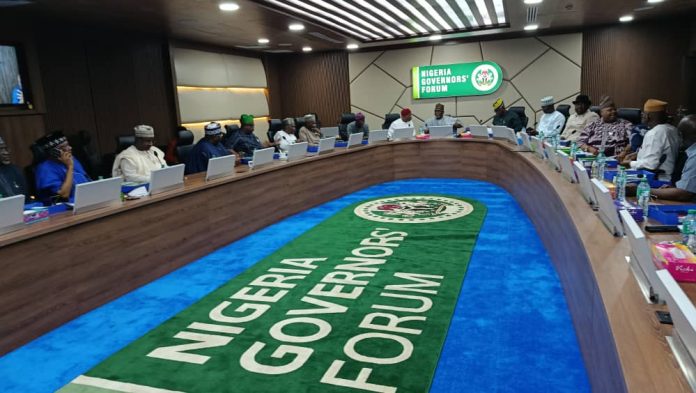
A renewed dispute has erupted between the Nigerian National Petroleum Company Limited (NNPCL) and Periscope Consulting, the audit firm engaged by the Nigeria Governors’ Forum (NGF), over an alleged $42.37bn (₦12.91tn) shortfall in oil revenue remittances to the Federation Account between 2011 and 2017.
Fresh submissions from both parties have now prompted the Federation Account Allocation Committee (FAAC) to order a joint reconciliation meeting in a bid to resolve the longstanding impasse. This directive is contained in FAAC’s November 2025 post-mortem report, obtained by our correspondent on Tuesday.
The dispute resurfaced months after The PUNCH reported an extension of the ongoing reconciliation exercise into December 2024, following unresolved discrepancies in remittances by revenue-generating agencies, including NNPCL.
Periscope Consulting had earlier accused NNPCL of failing to remit crude oil proceeds and other statutory revenues amounting to $42.37bn during the six years under review.
However, FAAC’s sub-committee confirmed that NNPCL formally rejected the audit, insisting that it owes no outstanding amount to the Federation Account.
According to the report, NNPCL maintains that all revenues due to the Federation were “properly accounted for,” disputing the audit firm’s claim of significant underpayments.
Periscope Consulting has countered NNPCL’s defence, reaffirming that its audit exposed “substantial gaps” in remittances that remain unresolved.
The sub-committee noted the conflicting positions and directed both parties to meet jointly to reconcile their records. “This assignment is work in progress,” the document stated.
The renewed confrontation is the latest in a series of disputes between state governments and NNPCL over alleged opacity in oil revenue flows. In February 2025, FAAC was forced to suspend its meeting following disagreements with NNPCL over an estimated ₦1.7tn in unremitted revenues, raising fears of delays in allocations to states heavily dependent on FAAC disbursements.
The NGF contracted Periscope Consulting after persistent complaints of gaps in NNPCL’s handling of crude oil sales, domestic allocations, subsidy deductions, and joint venture cash calls—areas critics say have historically lacked transparency.
Expert Describes Issue as a “Legacy Problem”
Renowned petroleum economist, Prof. Emeritus Wumi Iledare, described the alleged $42.37bn shortfall as symptomatic of systemic weaknesses in the pre–Petroleum Industry Act (PIA) regime.
He said the former NNPC’s overlapping regulatory and commercial roles made reconciliation “difficult and prone to disputes.”
According to him, “The future depends on disciplined implementation of the PIA, real-time monitoring, and continuous independent audits.”
FAAC’s post-mortem review also queried NNPCL’s reporting on the utilisation of the 30% Frontier Exploration Fund, a statutory allocation for oil and gas exploration in frontier basins.
NNPCL reportedly submitted utilisation records covering 2008–2024, but the sub-committee noted the absence of project-specific details linking expenditure to activities in each basin. FAAC has requested a breakdown of projects and costs, and is still awaiting NNPCL’s updated submission.
Reconciliation Ongoing
With both parties maintaining opposing positions, FAAC faces renewed pressure to reconcile accounts and restore confidence in oil revenue administration—critical for fiscal stability at federal, state, and local government levels.
The reconciliation process, the committee stressed, “remains ongoing.”
The Lagos State Commissioner for Transportation, Oluwaseun Osiyemi, will headline the BusinessDay Mobility and Logistics Conference 2025, scheduled for Wednesday, December 10, at Four Points by Sheraton, Victoria Island, Lagos.
Osiyemi is expected to open the high-level forum with a keynote address that will shape dialogue around strengthening Nigeria’s logistics backbone at a time when infrastructure deficits, fragmented multimodal systems, and persistent last-mile challenges continue to hinder trade and economic productivity.
His keynote, anchored on the theme “The Business of Logistics: Advancing Infrastructure, Connectivity and Last-Mile Solutions in Nigeria,” will spotlight the critical policy and operational reforms needed to enhance movement of goods across the country.
Organised by BusinessDay, the conference will bring together policymakers, private-sector leaders, innovators, financiers, the and service providers to assess the state of Nigeria’s logistics economy and chart pathways for a more efficient, technology-driven supply chain ecosystem.
Industry analysts say Osiyemi’s participation is particularly significant, given Lagos’ central role as Nigeria’s commercial hub and its ongoing efforts to advance urban mobility, improve freight management, and enhance coordination across ports, road networks, and inland logistics corridors.
His remarks are expected to emphasise the role of public-private partnerships, sustained infrastructure development, and coherent policy implementation in unlocking greater efficiency in the logistics value chain.
The event will also feature presentations and panel discussions from notable sector leaders, including Obiora Madu, Tunji Gomes (DP World), Goochukwu Ugboma, Amit Bose (Valency), Adebola Amoo (GridCode), Ibrahim Lawal, Samuel Ebidunni (MTN), Reynolds Shodeinde (CILT), Stephen Adedero (ASCN), and Oluwadamilola Emmanuel, Special Adviser to the Lagos State Governor on the Blue Economy.
Speakers will examine recurring infrastructure bottlenecks, the need to deepen intermodal transport links, and the expanding role of technology in enhancing last-mile delivery in both urban and rural markets. The conference is expected to conclude with a collaborative roadmap aimed at strengthening Nigeria’s logistics competitiveness and positioning the sector as a key driver of economic growth.
The Senate on Tuesday condemned the sharp rise in domestic airfares and summoned the Minister of Aviation and Aerospace Development, Festus Keyamo, alongside airline operators and regulators for urgent explanations.
The decision followed a motion moved by Senator Buhari Abdulfatai, who warned that the rising cost of air travel was restricting movement across the country and placing heavy financial pressure on Nigerians ahead of the festive season.
Lawmakers said one way fares on major routes, especially to the South South and South East, have risen by as much as 150 percent in recent weeks.
They noted that tickets that previously sold for about N120,000 are now being offered for between N300,000 and N600,000 on several routes, including the Abuja to Lagos corridor.
Abdulfatai told the chamber that the situation had gone beyond normal commercial practice and made air travel unaffordable for many Nigerians.
He said the situation was more worrying because worsening insecurity on highways has forced many travellers to rely on air transport despite the rising costs.
Several senators accused airlines of exploiting increased travel demand during the festive period.
Senator Adamu Aliero described the development as unacceptable. Senator Onyekachi Nwebonyi said fare increases of up to 400 percent on some routes showed the failure of the absence of a functional national carrier.
Nwebonyi warned that the trend could damage domestic tourism, business travel and inter state movement.
Senator Solomon Adeola said airlines have benefited from government concessions, including waivers on spare parts, and should have reflected these advantages in cheaper fares for passengers.
However, Senator Orji Kalu said airlines were also facing rising operational costs, foreign exchange pressures and high aircraft maintenance expenses.
Following the debate, the Senate directed the aviation minister, domestic airline representatives, the Nigerian Civil Aviation Authority and other relevant agencies to appear before the appropriate committees within days.
The hearing will examine the causes of the fare increases and recommend urgent measures to stabilise ticket prices ahead of the holiday travel rush.
The Minister of Works, David Umahi, has inspected sections of the Lagos-Calabar Coastal Highway in Akwa Ibom and Cross River states and praised the quality of work being done.
Umahi visited Sections 3A and 3B of the highway alongside members of the National Assembly and other stakeholders at the weekend. The project is being handled by Hitech Africa Construction Company and covers a 71.4-kilometre segment of the larger 750-kilometre highway. The sections were flagged off in April 2025.
He commended the contractor for maintaining high quality standards, using modern equipment and engaging skilled workers. He also praised the early completion of Section One, Phase One of the project in Lagos State, which was commissioned in June 2025 ahead of schedule.
The minister instructed the contractor to sustain the performance and work both day and night to meet timelines. He said the highway would include relief stations, solar lighting and CCTV cameras, with emergency response times of not more than 10 minutes.
Umahi called on residents of Akwa Ibom and Cross River, and Nigerians in general, to support President Bola Tinubu’s coastal highway vision.
He said the project aligns with long-standing national infrastructure dreams, including past visions for the Sokoto-Badagry Superhighway and other legacy road projects.
The Managing Director of Hitech Africa Construction Company, Dany Aboud, said the firm would increase manpower and resources and work round the clock to ensure that both sections are completed within the 36-month contract period.
Chairman of the Senate Committee on Works, Senator Mpigi Barinada, said the scale of earthworks, especially in swampy areas, justifies the size of the project’s funding. He assured Nigerians that the project would deliver value for money.
The Permanent Secretary of the Ministry of Works, Rafiu Adeladan, expressed confidence in the quality of work and said the project could be completed on time with continued commitment.
Earlier, senior ministry officials Musa Sa’idu and Vincent Okoruwa told the minister that the contractor is following approved designs and that there are no major obstacles to timely completion.
The Senior Special Assistant to the President on Community Engagement in the South South, Gift Johnbull, said the project would boost economic activities by helping farmers move produce such as yam, palm oil and garri to major markets.
During the trip, Umahi also inspected the Calabar-Odukpani-Itu Road project. He expressed concern over slow progress by Raycon and Company Nigeria Limited on a 9.7-kilometre section.
The minister rejected the contractor’s claim that mobilisation funds had not been released. He said contractors must achieve a reasonable level of work before such funds are paid.
He announced the termination of the contract and ordered an immediate stop-work directive. Umahi also directed that Hitech Africa Construction Company should take over the project on an emergency basis and assured that the work would be completed within two months.
A new housing market report has warned that Nigeria’s heavy reliance on imported building materials is putting the housing sector at serious risk.
The State of Lagos Housing Market Report said the country depends on imports for about 70 per cent of its building materials. It warned that this exposes the market to global supply disruptions and foreign exchange shocks.
The report noted that although Nigeria has abundant raw materials, weak local processing capacity has made it difficult to reduce dependence on imported products.
It recommended stronger local production through manufacturing hubs and incentives, better supply chains, consistent policies and increased investment. The report said these steps are needed to stabilise prices and reduce Nigeria’s housing deficit.
It said Lagos remains the centre of Nigeria’s construction and real estate activities, and trends in the state often reflect what happens nationally.
According to the report, Nigeria’s construction sector is projected to grow by eight per cent annually and could reach N25.72 trillion by 2025. It said the industry recorded a compound annual growth rate of 12.1 per cent between 2020 and 2024 and may grow by 6.4 per cent between 2025 and 2029, reaching N35.38 trillion by 2029.
The report said rapid urbanisation, population growth and expanding infrastructure projects in Lagos are driving demand for housing and commercial property.
It warned that rising material costs, inflation, supply chain problems, bureaucracy and high financing costs are slowing progress in the housing sector.
The report stated that construction growth is being driven more by rising prices than by actual expansion in building activity. It said affordability and supply problems are being masked by the increasing monetary value of projects.
It added that Lagos feels the impact of inflation, currency depreciation and supply chain inefficiencies more sharply than other parts of the country.
The report said fixing the building materials market in Lagos could serve as a model for broader national reforms.
The report also highlighted a sharp rise in the prices of essential building materials over the last decade.
In 2015, an 8mm local iron rod cost N87,000 per 133 units, while the imported version sold for N102,000. A 12mm local rod sold for N98,000 per 93 units, while the imported version was priced at N152,000.
By 2023, iron rods were selling at about N800,000 per tonne. Between May 2023 and May 2024, the price of a 12mm iron rod rose from N8,000 to N19,000, while a 16mm rod increased from N4,800 to N11,500.
By 2024, iron rods were selling at N1.6 million per tonne or more. The report said prices of iron rods and aluminium products have continued to rise into 2025.
The report was published by the Roland Igbinoba Real Foundation for Housing and Urban Development. Earlier editions were published in 2009 and 2016.