Now you can find the Week 9 pool fixtures 2025: pool fixtures for this week, this week pool fixtures, football pools results and fixtures, pool fixtures this week, classic pool fixtures, Aussie pool fixtures, UK pool fixtures, advance pool fixtures, Australia pool fixtures, pool panel results, pool result today Saturday, pool results and fixtures this week, fortune soccer pool fixtures.
Find all the Week 9 pool fixtures on Bizwatchnigeria.ng as soon as they are released by the FPA (Football Pools Authority).
Pool Fixtures For This Week: 9; SEASON: UK 2025/2026
Now you can find the Week 8 pool fixtures 2025: pool fixtures for this week, this week pool fixtures, football pools results and fixtures, pool fixtures this week, classic pool fixtures, Aussie pool fixtures, UK pool fixtures, advance pool fixtures, Australia pool fixtures, pool panel results, pool result today Saturday, pool results and fixtures this week, fortune soccer pool fixtures.
Find all the Week 8 pool fixtures on Bizwatchnigeria.ng as soon as they are released by the FPA (Football Pools Authority).
Pool Fixtures For This Week: 8; SEASON: UK 2025/2026
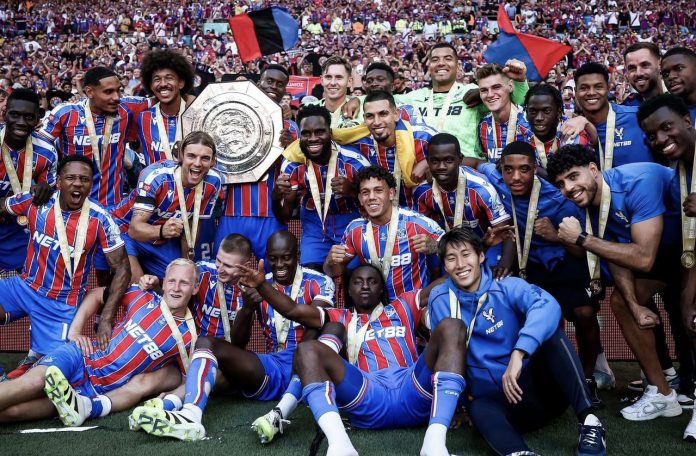
Crystal Palace secured their first-ever FA Community Shield title in spectacular fashion, defeating English champions Liverpool 3–2 on penalties after a thrilling 2–2 draw at Wembley Stadium.
Liverpool’s high-profile summer recruits wasted no time making an impact, with Hugo Ekitike finding the net just four minutes in. The forward linked up seamlessly with fellow newcomer Florian Wirtz before curling a precise strike into the bottom corner. Palace, however, responded immediately. Jean-Philippe Mateta converted from the penalty spot in the 17th minute after Alisson Becker was penalised for bringing him down, following a foul on Ismaïla Sarr by Virgil van Dijk.
The action remained relentless. Liverpool reclaimed the lead in the 20th minute when Jeremie Frimpong produced a clever chipped finish past Dean Henderson. Palace were then forced into an early change, with Will Hughes replacing the injured Daichi Kamada. Hughes came close to levelling with a shot over the bar, while Daniel Muñoz repeatedly caused trouble on the right flank.
After the break, Liverpool continued to press, with Ekitike twice going close. Yet Palace’s persistence paid off when Sarr slotted home via the post following a clever pass from Adam Wharton. The closing stages saw both sides push for a winner—Mohamed Salah was denied by Henderson, Mateta blazed over, and Justin Devenny narrowly missed with a curling effort.
The match was ultimately decided from the spot, with Devenny—who had nearly scored in open play—coolly dispatching the decisive penalty to crown Palace as Community Shield champions. The result extends Palace’s unbeaten run to 10 matches, while Liverpool’s wait for a 17th Shield title continues, marking just one win in their last seven appearances in the fixture as Premier League champions.
Chelsea ended their pre-season campaign on a high with a dominant 4–1 win over AC Milan at Stamford Bridge, lifting the VisitMalta Weekender trophy and setting the tone for the new Premier League season.
The Italian giants endured a nightmare start when, in the fifth minute, Andrei Coubis turned a cross into his own net under pressure. Chelsea doubled their advantage just three minutes later, with João Pedro heading home a pinpoint delivery from Pedro Neto, taking his tally to five goals in as many matches for the Blues.
Milan’s evening worsened in the 18th minute as Coubis was shown a straight red card for pulling Pedro down inside the box, leaving the visitors a man down for the remainder of the match. Despite the disadvantage, Milan held firm for the rest of the first half.
After the restart, Chelsea’s youthful stars seized control. Liam Delap extended the lead from the penalty spot after Estevao was brought down in the area. Milan pulled one back through Youssouf Fofana, who beat Robert Sánchez with a low strike. But Delap restored Chelsea’s three-goal cushion with a composed finish late on, sealing both his brace and Chelsea’s emphatic victory.
Chelsea now head into their Premier League opener against Crystal Palace full of confidence, having gone unbeaten in pre-season under their current setup.
Nigerian Afrobeats powerhouse David Adeleke, popularly known as Davido, and his longtime partner Chioma Rowland Adeleke have officially begun their much-anticipated white wedding festivities in Miami, Florida — and they’re sparing no expense.
The wedding, tagged “Chivido 2025”, commenced in spectacular fashion on Wednesday, August 6, with a Havana Night-themed pre-wedding party attended by a host of celebrities, family members, and close friends.
Star-Studded Havana Night Extravaganza
The pre-wedding event drew notable figures from the entertainment scene, including Zlatan Ibile, Adekunle Gold, B-Red, Davido’s elder sister Sharon Adeleke, and his elder brother Adewale Adeleke.
Videos circulating online showed Chioma dazzling in a fairy-tale-inspired white cut-out short dress, while Davido opted for a relaxed look paired with a cowboy hat, perfectly matching the night’s tropical and vibrant aesthetic. The couple’s arrival in Miami was accompanied by an entourage of family, close friends, and crew members, signaling the start of a wedding celebration expected to set new standards in Nigeria’s celebrity event scene.
A $3.7 Million Wedding Investment
Speaking ahead of the ceremony, Davido revealed that preparations for the Miami wedding had already cost an astonishing $3.7 million in cash. “We have spent $3.7 million in cash. So we should know what we are doing. We are going crazy,” the ‘Assurance’ hitmaker said while chatting with friends about the scale of the event.
The singer emphasized that the massive investment was aimed at creating a once-in-a-lifetime experience for their guests, blending luxury, entertainment, and heartfelt moments.
From Lagos to Miami: The Journey of Chivido 2025
This grand Miami wedding comes after the couple’s traditional marriage ceremony, which took place in Lagos, Nigeria, in June 2024. That event, dubbed the “Wedding of the Year,” was attended by an elite guest list featuring the Governors of Lagos and Osun States, the Ooni of Ife, prominent billionaire business figures, and an array of A-list celebrities.
During the traditional wedding, Davido made a touching promise to Chioma’s parents — pledging to protect, respect, and remain connected to their daughter.
A New Chapter in Davido’s Personal Life
In a recent interview, the multi-award-winning star opened up about his past mistakes, admitting that his lifestyle once caused strain in the relationship. He declared his commitment to faithfulness, explaining that the lessons learned from previous challenges have reshaped his values.
Davido also credited Chioma as a driving force behind his personal and professional success, revealing that his business endeavors often struggle whenever they are not on good terms. He praised her role as a loving stepmother to his other children, recalling a touching moment between Chioma and his daughter Hailey.
Anticipation for the Grand Ceremony
With the Havana Night party setting the tone and the staggering $3.7 million budget ensuring no detail is spared, all eyes are now on Miami for the grand white wedding. Industry insiders predict it could be the most glamorous Nigerian celebrity wedding ever hosted overseas.
As “Chivido 2025” unfolds, fans and well-wishers around the world are glued to social media, eager for updates on the couple’s big day — one that promises to blend African culture, international luxury, and the undeniable star power of one of Afrobeats’ most celebrated couples.
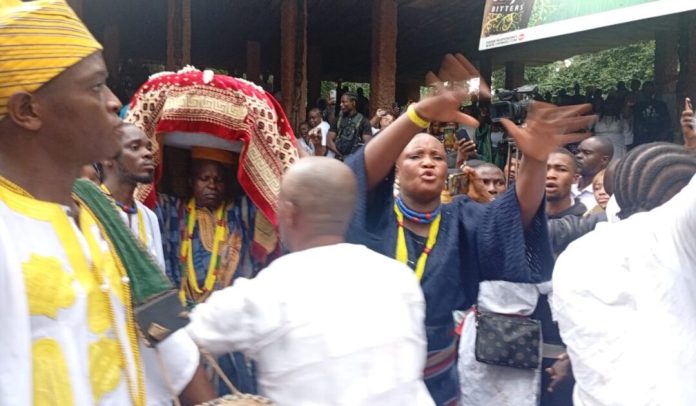
This year’s annual Osun-Osogbo Cultural Festival witnessed a notable deviation from tradition as a male carried the symbolic white calabash known as Igba Osun, a duty usually reserved for the Arugba Osun — a votary maid.
In March this year, a new Arugba Osun, Alimot Osunbunmi, was selected for the role. Traditionally, the position is held by a female virgin from the royal family, chosen through consultation with the Ifa oracle.
Osunbunmi succeeded Osuntomi Ewatomilola, who had carried the calabash for about 12 years before exiting the role after her marriage in August last year, shortly after completing her final duty as Arugba Osun.
Sources close to Ile Osun, located inside the Ataoja’s palace, disclosed — on condition of anonymity — that the Osun Chief Priest, identified simply as Adesina, carried the calabash instead of handing it to Osunbunmi, who was performing the duty for the first time.
Upon arrival at the Osun Sacred Grove, witnesses observed that Adesina bore the calabash, while Osunbunmi walked ahead of the procession, which was under heavy guard by soldiers, DSS operatives, and other security personnel.
The reason for this change in tradition could not be immediately confirmed.
Fuji music legend, Wasiu Ayinde Marshal, popularly known as K1 De Ultimate, has tendered an apology over the August 5, 2025 incident at the Nnamdi Azikiwe International Airport, Abuja.
In a statement personally signed on Friday, K1 expressed regret over the controversy but insisted that the flask he carried contained only water, not alcohol, as some reports alleged.
“The incident that occurred at the local wing of the Nnamdi Azikiwe International Airport was, to say the least, unfortunate. Unknown to many, I suffer from chronic dehydration, and my doctor strongly advised that I remain constantly hydrated. This is why I always carry a water flask with me. Contrary to the negative narrative being circulated in some quarters, the flask contained only water — not alcohol,” he stated.
K1 explained that the flask was empty during two separate security checks and was only filled with water at the airport lounge before he proceeded to the tarmac. He stressed that he had not yet boarded the aircraft, “let alone being deboarded,” adding that CCTV footage could verify his account.
The Fuji maestro apologised to the Presidency, the Ministry of Aviation, the Federal Airports Authority of Nigeria, the Nigerian Civil Aviation Authority, ValueJet, and Nigerians in general.
“I acknowledge and deeply regret the concerns that arose from the incident. It was never my intention to cause any disruption or violate aviation protocols. My unwavering patriotism and loyalty to the Federal Republic of Nigeria have never been in doubt. I would never do anything to tarnish the image I’ve built over the past five decades,” he said.
K1 reaffirmed his commitment to his role as a cultural ambassador for Nigerian music and thanked his fans for their unwavering support.
The West African Examinations Council has come under fire after temporarily denying access to the 2025 WASSCE results portal due to technical glitches. Following post-release quality checks, WAEC admitted that bugs were found in its backend systems, prompting it to suspend the result checker portal.
Candidates were advised to re-check their results after 24 to 48 hours. The Council linked the issue to a new anti-malpractice strategy involving paper serialisation for key subjects, including English and Mathematics.
The situation triggered widespread protests from students and condemnation from parents and education stakeholders. The Nigeria Union of Teachers and the National Association of Nigerian Students called the glitch unacceptable and urged greater accountability. NANS accused WAEC of incompetence and demanded leadership changes.
On social media, Nigerians expressed skepticism over WAEC’s 24-hour timeline to fix the errors, with many demanding transparency and possible script reviews.
The backlash was further fuelled by recent data showing only 38.32% of candidates passed with credits in five subjects, including English and Maths — the worst performance in a decade.
Parents and teachers criticised the Council’s push for full Computer-Based Testing by 2026, citing infrastructure and digital literacy challenges. WAEC has since apologised and promised updated results within 24 hours.
The Federal Ministry of Education confirmed the glitch had been resolved and reaffirmed support for phased CBT integration to uphold exam integrity.
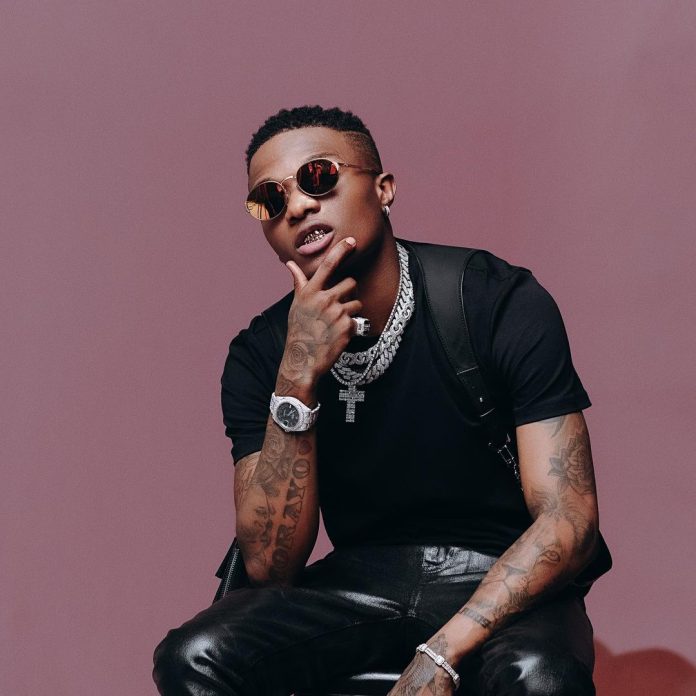
Nigerian music icon Wizkid is making headlines again with his appearance on American rapper Gunna’s latest album The Last Wun, released on August 8, 2025.
The 25-track project, which marks Gunna’s sixth studio album and his final under YSL Records and 300 Entertainment, features a lineup of international stars including Offset, Burna Boy, Asake, and Nechie. The album blends trap, Afrobeats, and R&B, drawing diverse reactions from fans worldwide.
Wizkid’s contribution immediately ignited debate on social media. While many fans praised his versatility and global reach, others were less impressed. On X (formerly Twitter), @GucciStarboi wrote, “Wizkid is no longer a normal human, he’s now a god!!! Jesus, see music.” Another user, @BigMallyX, praised his influence, calling him “the Most Versatile, Successful & Greatest African/Afrobeats artist.”
However, critics weren’t silent. Some Reddit users called Wizkid the album’s “worst feature,” while others on X questioned his relevance to the project. Still, his loyal base continues to defend his artistry and global impact.
Streaming numbers are still pending, but Gunna’s previous chart-topping records suggest The Last Wun is set for a strong Billboard 200 debut, potentially bolstered by Wizkid’s international following.
Regardless of the polarized opinions, Wizkid remains firmly in the spotlight, proving once again his place in the global music conversation.
Israel and Egypt have entered into a landmark $35 billion agreement for the export of natural gas, marking the largest energy deal in Israel’s history and significantly expanding energy cooperation between the two countries.
Under the deal, announced this week, Israel will supply a total of 130 billion cubic meters of gas from its Leviathan offshore field to Egypt through 2040 or until the full volume is delivered. The agreement will be executed in two phases, with the first phase expected to begin in early 2026 once new pipeline connections are completed.
According to officials, the first phase will see the delivery of 20 billion cubic meters of gas to Egypt. The second phase, which involves a major expansion of the Leviathan field, will supply an additional 110 billion cubic meters through a new transmission pipeline to be constructed via Nitzana, near the Israel-Egypt border.
The Leviathan consortium — made up of NewMed Energy, Chevron, and Ratio Oil Corp will oversee the expansion, while exports will be managed through Blue Ocean Energy.
Energy officials from both countries described the agreement as a milestone that will not only strengthen Israel’s energy security but also enhance Egypt’s position as a key processing and re-export hub for liquefied natural gas (LNG) in the Eastern Mediterranean.
“The deal represents a strategic partnership that promotes long-term regional stability and economic integration,” Israeli energy officials said in a joint statement.
To support the expanded exports, Israel will invest in critical infrastructure, including a third pipeline from Leviathan to its production platform, as well as upgrades to the Ashkelon-Ashdod pipeline, which links to Egypt. Leviathan’s annual output is expected to increase from 12 billion to over 21 billion cubic meters once the expansion is complete.
Leviathan began supplying gas to the Israeli market in late 2019 and started exports to Egypt in 2020. This latest deal will triple previous export volumes and significantly expand Israel’s role in the region’s energy landscape.
Egyptian officials said the deal aligns with Cairo’s long-term goal of becoming a regional energy hub. “This partnership enhances Egypt’s energy infrastructure and opens new avenues for regional cooperation,” an official from Egypt’s petroleum ministry said.
The agreement comes at a time of heightened political tensions in the region, particularly over Israel’s military campaign in Gaza. Despite the ongoing conflict, both countries appear committed to strengthening their economic and energy ties.
Regional analysts say the deal positions Israel and Egypt as strategic players in Europe’s search for alternatives to Russian gas, and could pave the way for similar arrangements with other countries in the Eastern Mediterranean.
France and South Korea had also vied for major energy projects in the region, but Israeli officials said the bids from Russia and China — in a separate nuclear energy context were ultimately more competitive.
The new agreement is expected to deepen Israel’s ties with Arab partners and contribute to long-term regional stability through economic interdependence, particularly in the energy sector.
In an effort to simplify access to official documentation for vehicle owners, the Nigeria Police Force has released a detailed nine-step process for obtaining a tinted glass permit via its official digital platform.
Motorists seeking to obtain this permit are now required to use the Police Specialized Services Automation Project (POSSAP) portal, accessible at www.possap.gov.ng, where they can register using one of three valid identification options: National Identification Number (NIN), Bank Verification Number (BVN), or Tax Identification Number (TIN).
After selecting a valid ID type, applicants must fill out a registration form with accurate and verifiable personal details. Upon completion, users are prompted to create a secure account and verify it through a confirmation code sent directly to their registered email.
Once account verification is successful, applicants can sign in with their credentials and proceed to the next stage—applying for the “Tinted Glass Permit” service. This section requires applicants to provide complete vehicle information and upload the necessary documents.
Users are urged to carefully cross-check all entered data and uploaded files for accuracy before proceeding to make the required payment using the available online payment options.
Following successful payment, applicants must schedule a mandatory vehicle inspection and biometric data capture appointment at any nearby Nigeria Police Force Intelligence Department office. This final step completes the application process and ensures verification of both the vehicle and the applicant’s identity.
This digitized process was launched in line with the Nigeria Police Force’s broader vision to boost transparency, improve service delivery, and eliminate unnecessary bureaucratic bottlenecks.
According to BizWatch Nigeria, the renewal of the tinted glass permit issuance was implemented following directives from the Inspector-General of Police, Kayode Egbetokun, as part of efforts to regulate the use of tinted vehicle windows while protecting citizens from undue harassment.
The official announcement came through a statement issued on Wednesday by Force Public Relations Officer, Olumuyiwa Adejobi, who explained that the new online system was a response to widespread public concerns about indiscriminate police stops targeting vehicles with factory-installed tints.
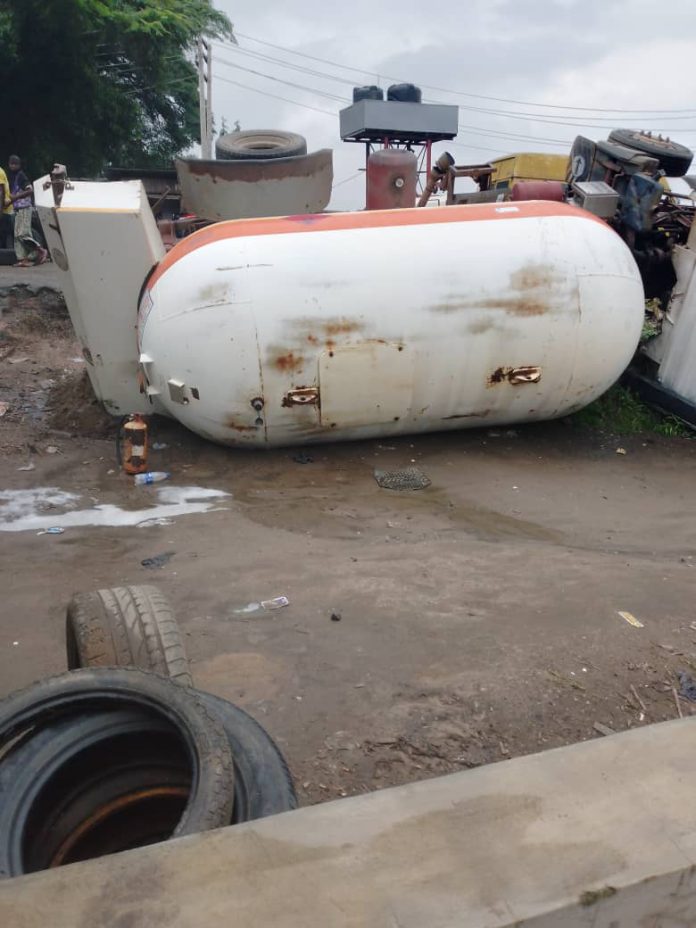
Five people sustained injuries on Thursday after a fuel tanker collided with a commercial bus at Toyota Bus Stop, inward Oshodi, Lagos State. The Lagos State Traffic Management Authority said the accident occurred near The Guardian newspaper headquarters and involved a PMS-laden tanker with registration number T28128LA and a Volkswagen T4 commercial bus, GGE 526 YG.
According to preliminary findings from the Oloto Police Division, the tanker experienced a sudden brake failure while travelling at high speed. It rammed into the bus, which was fully loaded with passengers, causing panic and chaos in the busy corridor.
LASTMA’s rescue team, working alongside the Lagos State Ambulance Service and the Lagos State Emergency Management Agency’s Rescue Unit, executed what the agency described as a coordinated and precise emergency operation. Officers secured the accident scene, extracted the injured, and ensured no secondary hazards arose from the tanker’s flammable cargo.
The five victims, including three women, two men, and the bus driver, were quickly attended to. One was rushed to hospital by a passerby, while the others were transported to medical facilities by state emergency services for urgent treatment.
LASTMA General Manager Bakare-Oki expressed sympathy to the victims and wished them a speedy recovery. He blamed the incident on excessive speeding and poor mechanical upkeep of heavy-duty vehicles, particularly tanker trucks.
He urged truck operators to maintain their vehicles in top mechanical condition, with special attention to braking systems, and to implement continuous driver training and retraining programmes. According to him, “The sanctity of human life must remain the paramount consideration in all road transport operations.”
The Federal Government of Nigeria (FGN) bond market remained relatively muted on Thursday, with benchmark yields posting a marginal uptick to close at 19.48%. Thin trading activity and cautious investor sentiment kept the secondary market subdued.
According to traders, yield movement across major maturities was minimal, with average rates inching up by just a basis point. The restrained action was largely driven by limited supply from the Debt Management Office (DMO) and investor anticipation of softer spot rates in the near term.
As a result, many fixed-income investors chose to maintain their positions, favoring a hold strategy in response to the tightened bond supply and macroeconomic uncertainties.
Activity levels were modest, with traders noting conservative buying and selling behavior aimed at optimizing yields on naira-denominated assets. Investors focused primarily on short- to mid-tenor instruments, especially as long-dated papers remained less attractive.
Yield repricing was notable in bonds maturing in 2029, 2031, and 2032, which advanced to 15.90%, 16.85%, and 16.30%, respectively. However, the FGN 2033 bond defied this pattern, climbing 10 basis points to settle at 16.65%.
Wealth and asset managers who had already secured favorable yields chose to hold their positions, especially given the tight issuance environment and limited new supply from the DMO.
Despite the low-key nature of Thursday’s session, analysts observed some bearish momentum in the wake of the treasury bills auction held on Wednesday. The secondary market has shown signs of weariness, with market players awaiting more significant macroeconomic signals before repositioning.
Across the yield curve, average returns expanded at the short end by 5 basis points, driven primarily by selloffs in the March 2037 bond, which saw its yield rise by 33 basis points. Yields in the mid and long segments remained flat, as trading volume in those tenors remained light.
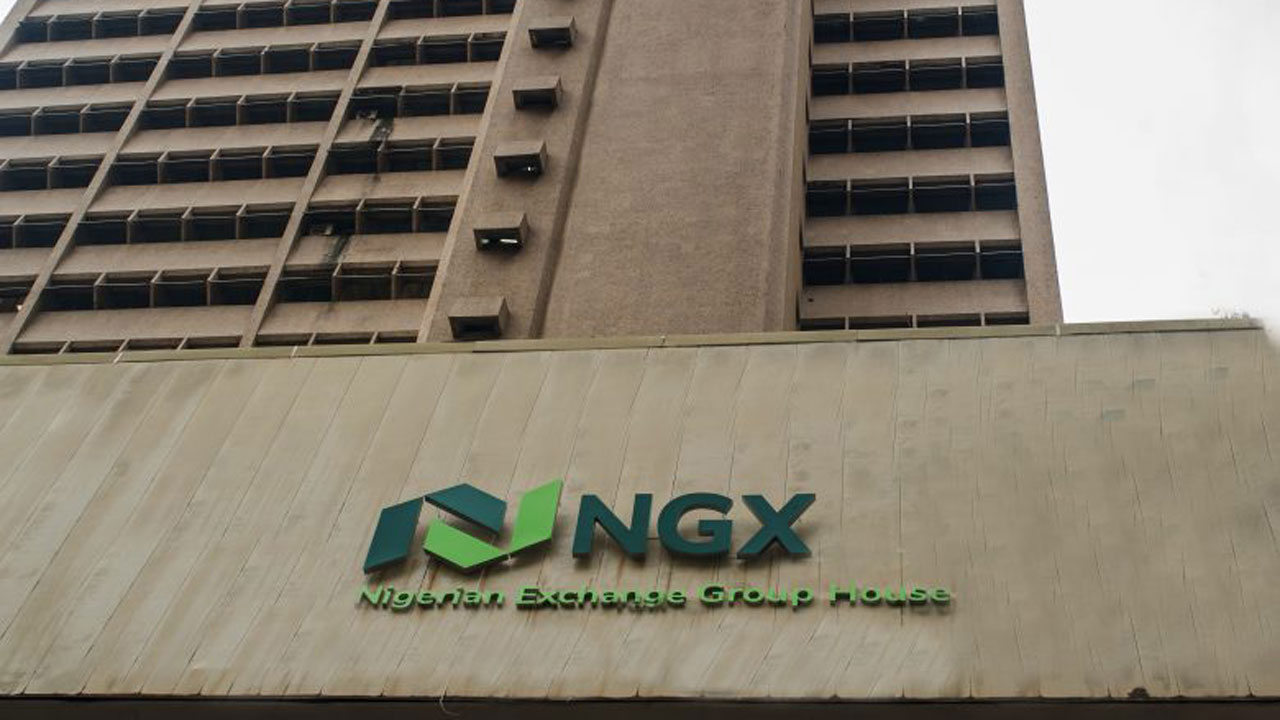
The Nigerian equities market recorded a significant boost on Thursday, with investors enjoying gains totaling approximately ₦479 billion. This surge came on the back of fresh reforms in the insurance sector, which have continued to spark investor confidence and push market sentiment higher.
At the close of trading on the Nigerian Exchange (NGX), key performance indicators pointed upward, with the All-Share Index appreciating by 0.52%. This development extended the market’s bullish trajectory to its 26th consecutive day, driving the year-to-date return to an impressive 42.4%.
Investor appetite remained strong, particularly for mid- and large-cap stocks. The insurance sector once again took center stage as the top-performing sector, rising by a remarkable 8.76%. This renewed rally is widely attributed to recent policy interventions and sector-wide reforms that have uplifted investor optimism and encouraged fresh capital inflows into insurance equities.
The NGX’s main index climbed by 755.49 points to end the session at a record high of 146,569.35 points, marking a 0.52% gain from Wednesday’s close. This milestone coincided with the equity market’s total capitalization appreciating by ₦478.82 billion to finish at ₦92.73 trillion.
Despite the bullish close, market activity slowed slightly. Total trading volume and value both fell by 26.51% and 16.45%, respectively.
According to a market update by Atlass Portfolio Limited, a total of 1.98 billion units valued at ₦27.26 billion were exchanged in 35,291 transactions. LINKASSURE emerged as the volume leader, accounting for 18.81% of total trades, followed by PRESTIGE (12.60%), VERITASKAP (9.19%), STERLINGNG (6.11%), and LASACO (2.97%).
In terms of value, GTCO took the lead, representing 10.78% of total traded value on the day.
AIICO, CORNERST, MANSARD, and UPL topped the gainers’ list with each seeing a 10% jump in share price. Other notable gainers included GUINNESS (+9.98%), UPDC (+9.94%), PRESTIGE (+9.93%), NEM (+9.93%), NGXGROUP (+9.92%), and 35 other stocks.
On the losing side, 33 equities saw their prices decline. CHAMS led the list of laggards, falling by 9.94%, followed by CAVERTON (-9.65%), UACN (-9.44%), MAYBAKER (-8.97%), OANDO (-8.47%), and BUACEMENT (-4.37%).
Market breadth remained positive with 44 gainers and 33 losers. Sectoral indices showed mixed results, with three of the five major sectors closing in the green. The insurance index led with an 8.76% jump, followed by consumer goods (+4.08%) and banking (+0.20%).
However, the industrial goods and oil & gas sectors experienced declines of 1.73% and 0.93%, respectively.
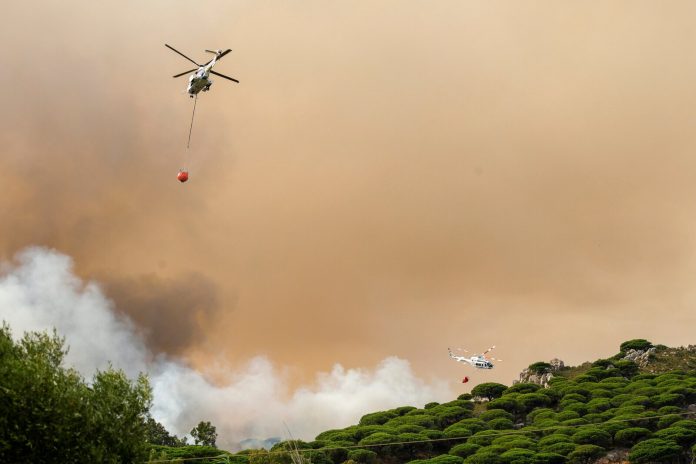
Firefighters in southern Spain have brought under control a fast-moving wildfire near the coastal town of Tarifa, which had forced the evacuation of over 1,500 people earlier this week, officials confirmed on Friday.
The blaze ignited on Tuesday in La Peña, a wooded area near a popular beach outside Tarifa, a town renowned for its windsurfing conditions. Authorities traced the fire’s origin to a camper van at a nearby campsite, from where it quickly spread due to intense winds.
Approximately 1,550 people and 5,000 vehicles were evacuated from campsites, hotels, and residences as a precaution. By Wednesday, officials had declared the fire stabilised, allowing evacuees to return.
Although the flames have been contained, firefighting crews will remain in the area to secure the perimeter and monitor for potential flare-ups, according to Andalusia’s regional fire agency, Infoca.
The wildfire comes amid an ongoing heatwave across Spain, with temperatures nearing 40°C (104°F) in several regions. Civil protection authorities have issued high to extreme wildfire risk alerts across much of the country, with the extreme heat expected to persist until at least Wednesday.
Stanbic IBTC Bank has rewarded 148 customers with a total of ₦23 million in the latest edition of its Reward4Saving Season 4 campaign, covering the months of May and June 2025.
The bank announced the winners on Thursday following the conclusion of the combined monthly and quarterly draws held at its head office in Lagos. According to the statement, 140 customers each received ₦100,000 in the monthly draw, amounting to ₦14 million, while the quarterly draw produced eight additional winners who shared ₦9 million in total cash prizes.
Of the quarterly winners, seven received ₦1 million each, representing the bank’s seven business zones, and one customer emerged as the grand winner with a ₦2 million cash prize.
The draws were supervised by representatives from the Federal Competition & Consumer Protection Commission (FCCPC), the Advertising Regulatory Council of Nigeria (ARCON), and the Lagos State Lotteries and Gaming Authority, ensuring transparency and regulatory compliance.
The promo, now in its fourth season, rewards customers who maintain a minimum of ₦10,000 in their Stanbic IBTC Savings Account or @ease Wallet for at least 30 consecutive days. The initiative aims to encourage a savings culture among Nigerians.
Since the beginning of Season 4 in May 2025, the bank has distributed ₦30 million to 218 winners. Overall, the Reward4Saving campaign has disbursed over ₦300 million to more than 2,000 customers since its launch in 2021.
Commenting on the recent draws, Emmanuel Aihevba, Country Head of Personal Banking at Stanbic IBTC Bank, said, “We are rewarding 148 savers with a total of ₦23 million to support their aspirations, ranging from education to entrepreneurship. This reflects our commitment to improving financial well-being and promoting saving habits across the country.”
Among the recipients was a retiree, Kesena Igben, who expressed gratitude after receiving his ₦100,000 prize. “My daughter came with me to receive my prize. On our way to the Stanbic IBTC office, she said, ‘Daddy, you are so excited.’ I said to her, ‘Did you know that this has saved me money on petrol expenses for two weeks?’”
Stanbic IBTC reiterated its pledge to continue rewarding customer loyalty and encouraging Nigerians to build a more secure financial future through consistent savings.
The Director-General of the Raw Materials Research and Development Council (RMRDC), Professor Nnanyelugo Ike-Muonso, has called for a strategic overhaul of Nigeria’s manufacturing model, urging the country to slash its dependence on imported raw materials by at least 60 per cent within the next five years.
Speaking at the 2025 edition of the Nigeria Manufacturing & Equipment and Nigerian Raw Materials Expo in Lagos on Tuesday, Ike-Muonso warned that Nigeria’s heavy reliance on imported inputs poses a structural threat to its industrialisation agenda.
“In the first nine months of 2024, Nigeria’s raw material import bill stood at ₦4.53 trillion. Over 70 per cent of manufacturing inputs are imported. This exposes a core weakness — we export raw, import refined, and outsource jobs and value before any real economic activity begins at home,” he stated.
To reverse this trend, Ike-Muonso recommended a minimum 60 per cent reduction in raw material imports, accompanied by a deliberate increase in local resource utilisation. He stressed that Nigeria already possesses the ingredients for rapid industrialisation, including over 120 commercially viable solid minerals, abundant agricultural produce, and a youthful workforce.
However, he said what remains lacking is “strategic coordination, bold implementation, and technology-backed commitment.”
Data from the National Bureau of Statistics shows that the manufacturing sector contributed only 9.62 per cent to Nigeria’s GDP in Q1 2025 down from 9.8 per cent in the same period last year further underscoring the sector’s stagnation despite the country’s untapped resource base.
To stimulate domestic manufacturing, the RMRDC boss called for tax incentives for local value addition, the creation of industrial hubs around strategic raw material zones, deeper industry-research collaboration, and financing for infrastructure and technology transfer. He also emphasised the integration of small and medium-sized enterprises across the industrial value chain.
As part of its own contribution, RMRDC has commissioned a Research and Demonstration Plant Complex at the rehabilitated Obasanjo Space Centre in Abuja, showcasing over 50 pilot plants and equipment designed and built locally. According to Ike-Muonso, the facility serves as “proof that Nigeria can transform raw materials into wealth, right here at home.”
He further revealed that the National Assembly has passed the RMRDC Amendment Bill 2025, which mandates a minimum of 30 per cent local value addition before any raw material can be exported. He described the legislation as “a turning point — from exporting raw jobs to nurturing them in our soil.”
He also noted that products manufactured locally at a commercial scale will be automatically protected under Executive Order 5, which bans imports of any such goods. Citing solar panels as an example, Ike-Muonso said the policy is already yielding results.
In line with this goal, he disclosed that the government is working to attract Chinese and other international manufacturers to relocate their production facilities to Nigeria, further boosting local content and job creation.
Also speaking at the event, President of the Manufacturers Association of Nigeria (MAN), Francis Meshioye, lauded the expo’s alignment with the Federal Government’s Nigeria First policy. He stressed the need to adopt cutting-edge technologies, smart factory systems, and sustainable practices to foster innovation and competitiveness in the sector.
“By embracing technology and promoting locally made goods, we are building long-term value for both the economy and our stakeholders,” he said.
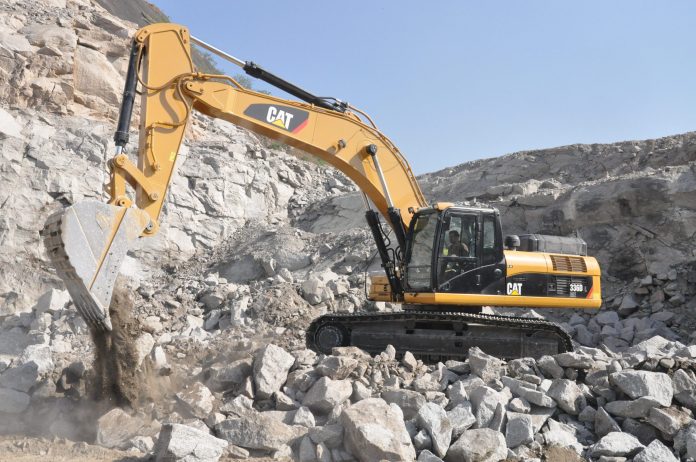
The Nigeria Security and Civil Defence Corps (NSCDC) has shut down an illegal quarry site in the Kuje Area Council of the Federal Capital Territory, Abuja, as part of its ongoing efforts to curb illegal mining across the country.
Thirteen suspects were arrested during the raid and have been charged in court, pending formal arraignment. The operation was led by the Mining Marshals, a newly commissioned unit of the NSCDC dedicated to tackling illegal mining activities and safeguarding critical national assets.
Commander of the Mining Marshals, Assistant Commandant of Corps (ACC) Attah John Onoja, confirmed that the suspects were working for a company that had been unlawfully occupying and exploiting a licensed quarry lease belonging to another firm for more than seven months.
“This operation underscores our commitment to zero tolerance for illegality in the mining sector,” Onoja said. “We will not allow any company to act outside the law or deprive legitimate operators of their rights.”
The Kuje quarry was reportedly operating without legal documentation, safety protocols, or environmental safeguards. Authorities say its operations posed a serious threat to both the environment and public safety.
The NSCDC noted that the closure aligns with the strategic direction of its Commandant General, Prof Ahmed Abubakar Audi, who has emphasized enforcement and regulatory compliance in the sector.
Onoja issued a strong warning to illegal miners across the country: “The era of impunity is over. We will continue to identify, investigate, and prosecute all violators, regardless of how remote their activities may be.”
As the 13 suspects await arraignment, the NSCDC reaffirmed its commitment to ensuring transparency and order in Nigeria’s mining sector, as part of wider national efforts to diversify the economy and improve internal security.
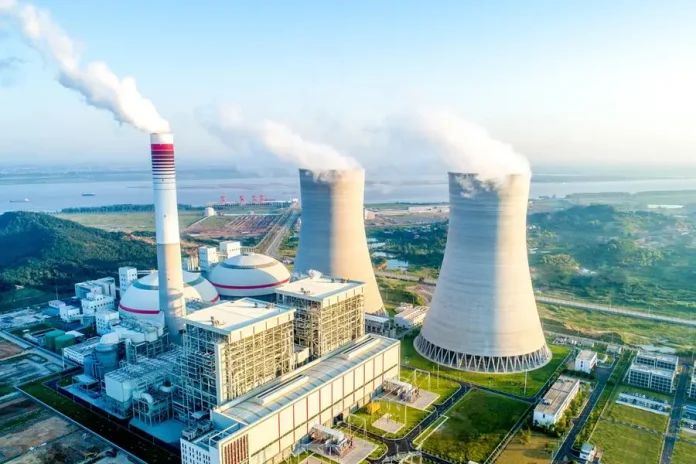
Russia has begun groundwork on Kazakhstan’s first nuclear power plant, expanding its energy influence in Central Asia as China and Europe compete for a foothold.
The project, announced Friday by both nations’ nuclear agencies, includes engineering surveys and site selection near Ulken, on Lake Balkhash. Kazakhstan, which supplies over 40 percent of global uranium, faces persistent electricity shortages despite its resource wealth.
“This is a strategic choice and a driver of long-term growth,” said Almasadam Satkaliev, head of Kazakhstan’s nuclear agency.
Rosatom, Russia’s state nuclear firm, will build the plant with a projected 60-year lifespan. The decision follows a competitive bidding process involving China, France, and South Korea. Kazakhstan cited Russian and Chinese proposals as the most viable.
China also plans two more nuclear plants in the country, with details expected by year-end. Meanwhile, Russia is advancing similar projects in Uzbekistan and Kyrgyzstan as it seeks to maintain regional dominance.
Public skepticism remains high in Kazakhstan due to the legacy of Soviet nuclear testing that exposed over a million people to radiation.
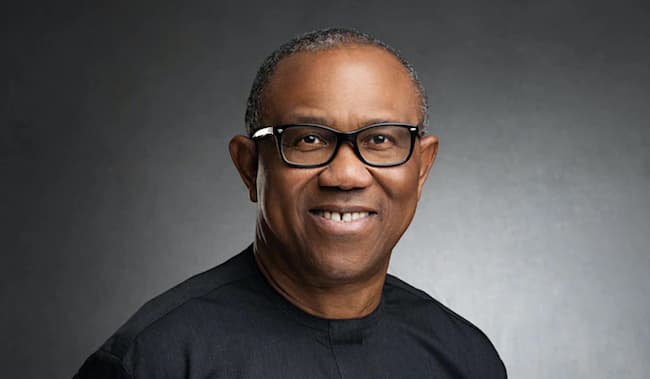
Former Labour Party presidential candidate, Peter Obi, has appealed to the Joint Admissions and Matriculation Board (JAMB) to adopt a more transparent and compassionate approach in handling the blacklisting of Computer-Based Test (CBT) centres across the country.
In a statement posted on his X handle on Friday, titled “JAMB: A Plea for Compassion”, Obi recounted his recent visit to the JAMB office in Amawbia, Anambra State, where he met a large number of frustrated students seeking to make changes to their courses or institutions. Many of the students told him they could no longer access such services at their nearest CBT centres due to sudden closures.
“Out of 28 JAMB-approved CBT centres in Anambra State, 17 have been blacklisted,” Obi revealed. “Sadly, many of the affected centres were not even informed of the specific reasons behind this action.”
He criticised the lack of transparency in the blacklisting process, noting that most of the centres were simply told they were “under investigation” without further explanation. As a result, students were forced to travel long distances to the JAMB state office to make changes, often more than once.
Obi raised concerns about the financial burden this places on students and their families. He noted that while the official cost of processing changes was about ₦1,500 at accredited centres, students reported paying as much as ₦15,000 at the state office, with some of the charges allegedly inflated by unofficial fees.
“These young Nigerians—already grappling with immense pressure—now face even greater financial, physical, and emotional strain,” Obi said. “The challenges they confront have prevented many from transferring to their preferred institutions, placing their academic futures at serious risk.”
He called on JAMB to consider more humane measures, such as allowing blacklisted centres to operate under strict monitoring until investigations are concluded, rather than enforcing outright shutdowns.
“Education remains the hope of our nation,” Obi said. “We must not allow bureaucratic bottlenecks and opacity to derail the dreams of our young people.”
Obi acknowledged that JAMB may have legitimate reasons for investigating certain centres but insisted that such actions must not come at the expense of students’ welfare.
His comments come amid growing public concern over rising costs in Nigeria’s education sector, particularly in a period marked by economic hardship, insecurity, and high youth unemployment.