






Key points
- Olusegun Obasanjo says Nigeria’s state-owned refineries are beyond revival.
- Blames poor maintenance, corruption, and structural inefficiencies for persistent failures.
- Calls for stronger private sector involvement, citing success of Nigeria Liquefied Natural Gas model.
Main story
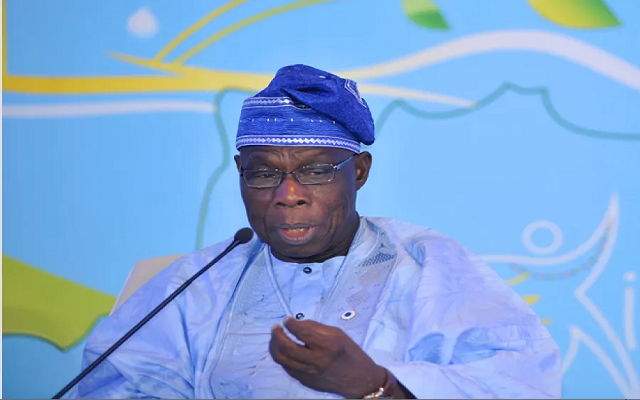
Former President Olusegun Obasanjo has reiterated his long-held position that Nigeria’s government-owned refineries may never become operational again, despite ongoing efforts by the Nigerian National Petroleum Company Limited to secure technical partners for their revival.
Speaking during a televised interview, Obasanjo said decades of mismanagement, weak maintenance culture, and entrenched corruption have rendered the Port Harcourt, Warri, and Kaduna refineries unviable.
He argued that public-private partnerships remain the most effective model for managing critical national assets, pointing to the success of Nigeria Liquefied Natural Gas, where private investors hold majority stakes.
According to him, attempts during his administration to привлечe global energy firms such as Shell Plc to operate the refineries failed, largely due to structural and operational limitations within Nigeria’s downstream sector.
The issues
Nigeria’s refining capacity has remained significantly underutilised for decades, despite billions of dollars spent on rehabilitation. The persistent reliance on fuel imports has exposed the economy to price volatility and foreign exchange pressures.
Obasanjo attributed the failure of the refineries to multiple factors, including their relatively small capacity, poor maintenance practices, and systemic corruption, which discouraged credible investors.
What’s being said
Obasanjo revealed that Shell Plc declined offers to manage the refineries, citing limited profitability in downstream operations, suboptimal plant size, and operational inefficiencies.
He also recounted a reversed deal under the late Umaru Musa Yar’Adua administration, where Aliko Dangote had offered $750 million to acquire a controlling stake in two refineries. The transaction was later cancelled following pressure from within the NNPC.
Obasanjo further claimed that about $16 billion has since been spent on refinery rehabilitation—an amount close to the cost of building the privately owned Dangote Refinery.
Meanwhile, the current NNPC Group Chief Executive Officer, Bayo Ojulari, has acknowledged that the refineries operate below international standards, making them commercially uncompetitive.
What’s next
The NNPC is expected to finalise the selection of technical partners by June 2026 as part of renewed efforts to reposition the refineries. However, industry stakeholders remain divided over whether rehabilitation or full privatisation offers a more sustainable solution.
Bottom line
Obasanjo’s remarks reignite the debate over Nigeria’s refining strategy, highlighting deep-rooted structural challenges and raising fresh questions about the viability of continued public sector control in the downstream oil sector.