









Key points
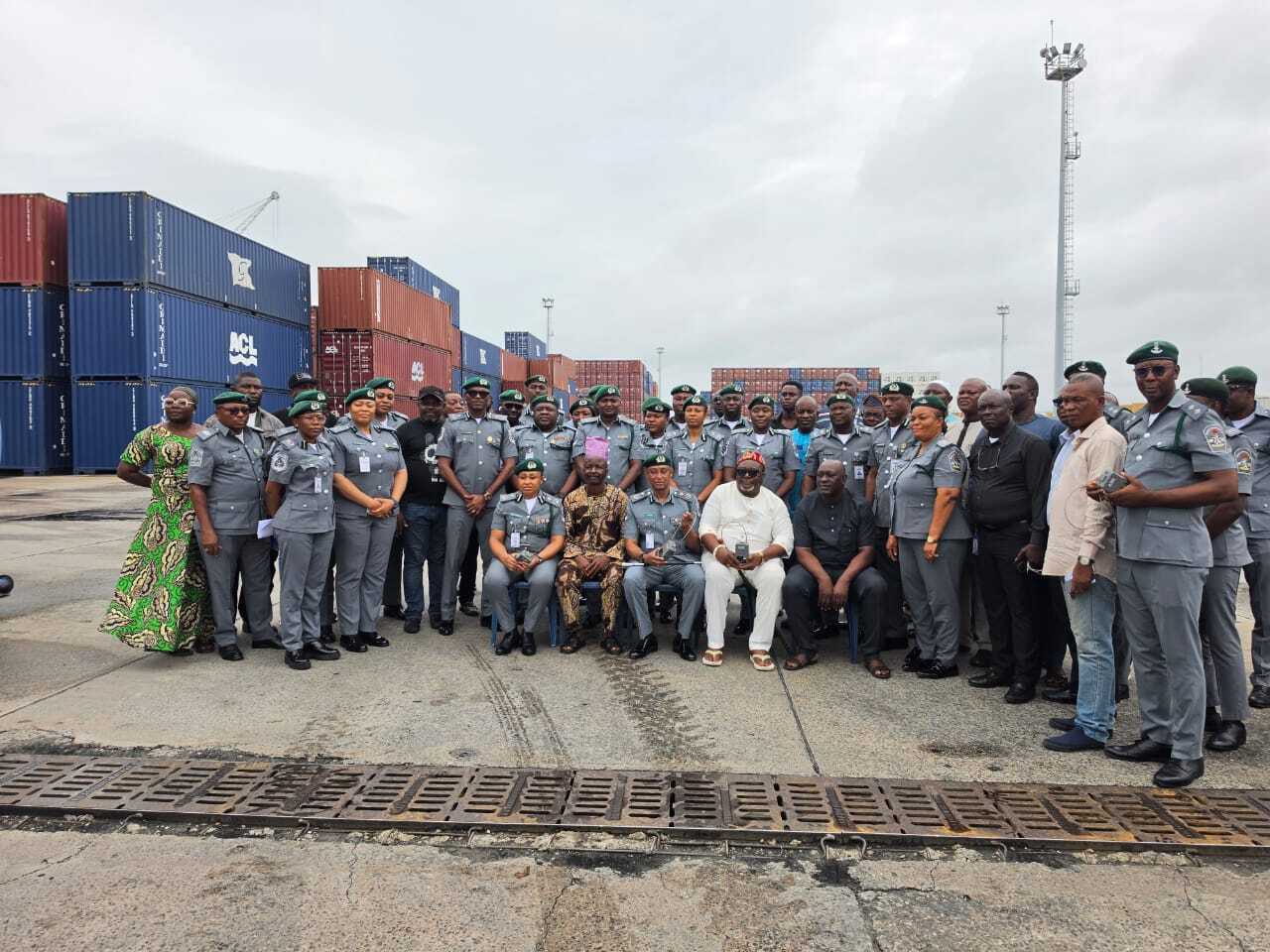
- The Nigeria Customs Service has sensitised stakeholders on the Electronic Cargo Tracking System (ECTS) at the PTML Area Command in Lagos.
- PTML becomes the second pilot command to deploy the ECTS after its successful rollout at the Apapa Area Command.
- The system enables real-time cargo monitoring using GPS technology to improve cargo security, revenue assurance and risk management.
- Stakeholders received practical training and witnessed a live demonstration of the ECTS platform.
- Customs urged terminal operators, licensed customs agents and other stakeholders to support the successful implementation of the initiative.
Main Story
The Nigeria Customs Service (NCS), Port and Terminal Multiservices Limited (PTML) Area Command, has sensitised stakeholders on the Electronic Cargo Tracking System (ECTS) as part of efforts to strengthen cargo monitoring, enhance revenue assurance and facilitate seamless trade through technology-driven customs operations.
The sensitisation workshop, held on Tuesday in Lagos, also marked the official flag-off of the Electronic Cargo Tracking System at the PTML Area Command, making it the second pilot command to deploy the initiative after its successful implementation at the Apapa Area Command.
Speaking at the event, the Acting Customs Area Controller, Deputy Comptroller Nura Miko, said the deployment underscores the Nigeria Customs Service’s commitment to modernising customs operations under the leadership of the Comptroller-General of Customs, Adewale Adeniyi.
He said PTML’s selection as a pilot command reflects its strategic importance to trade facilitation and revenue generation, adding that the Electronic Cargo Tracking System would improve operational efficiency and strengthen compliance across the cargo clearance process.
According to Miko, the technology provides real-time monitoring of cargo from departure to destination using Global Positioning System (GPS) technology, enabling Customs to detect route deviations, seal tampering and unauthorised stops instantly.
He explained that the system would optimise manpower deployment, improve data-driven risk management, enhance cargo visibility and strengthen revenue assurance while supporting the Service’s drive towards fully digital customs operations.
Miko urged terminal operators, licensed customs agents and other stakeholders to embrace the technology and collaborate with the Service to ensure its effective implementation.
In her welcome address, the Deputy Comptroller of Customs in charge of Valuation, Regina Owan, described the launch of the Electronic Cargo Tracking System as another milestone in the Nigeria Customs Service’s digital transformation agenda.
She said the platform would improve cargo integrity, reduce diversion, facilitate legitimate trade and reinforce national security, while encouraging participants to maximise the sensitisation programme to gain a full understanding of the system’s operations and benefits.
The workshop featured practical training sessions for Customs officers, terminal operators, licensed customs agents and other stakeholders on the procedures and operational requirements of the Electronic Cargo Tracking System. Participants also witnessed a live demonstration of the platform’s real-time cargo tracking capabilities to prepare them for its effective rollout.
The Issues
Cargo diversion, unauthorised route changes and limited real-time visibility have remained key challenges affecting customs operations and revenue collection. The deployment of the Electronic Cargo Tracking System is expected to improve cargo monitoring, reduce leakages, enhance compliance and support the Nigeria Customs Service’s broader digital modernisation agenda while facilitating legitimate trade.
What’s Being Said
Acting Customs Area Controller, PTML Area Command, Deputy Comptroller Nura Miko:
“The Electronic Cargo Tracking System provides real-time monitoring of cargo from departure to destination using GPS technology, enabling Customs to instantly detect route deviations, seal tampering and unauthorised stops. The system will optimise manpower deployment, enhance revenue assurance and strengthen risk management through improved data intelligence.”
He also urged terminal operators, licensed customs agents and other stakeholders to embrace the technology and work closely with the Service to ensure its successful implementation.
Deputy Comptroller of Customs, Valuation, Regina Owan:
“The launch of the Electronic Cargo Tracking System is another milestone in the Service’s digital transformation journey. The technology will improve cargo integrity, reduce diversion, facilitate legitimate trade and further strengthen national security.”
What’s Next
Following the sensitisation and pilot rollout at PTML, the Nigeria Customs Service is expected to monitor the system’s performance before extending the Electronic Cargo Tracking System to other commands nationwide. Continued stakeholder engagement, training and system evaluation will be critical to ensuring successful implementation and achieving the Service’s trade facilitation and revenue objectives.
Bottom Line
The deployment of the Electronic Cargo Tracking System at PTML marks another significant milestone in the Nigeria Customs Service’s digital transformation programme, with real-time cargo monitoring expected to improve compliance, strengthen revenue assurance and enhance trade facilitation across Nigeria’s ports.




, Port and Terminal Multiservices Limited (PTML) Area Command, has sensitised stakeholders on ...)