





Key points
- Permanent Secretary Mrs. Patience Oyekunle called on ministry staff and agencies to strengthen accountability, performance, and service delivery.
- The ministry reported eight core deliverables and 45 distinct performance indicators to the CRDCU in the first quarter of 2026.
- The petroleum sector generates over 50 percent of government revenue and contributes approximately 30 percent to Nigeria’s GDP.
- Key industry challenges identified include crude oil theft, underinvestment, project delays, and weak cost discipline.
- The Petroleum Technology Development Fund was highly commended for its ongoing support of capacity building and training.
Main Story
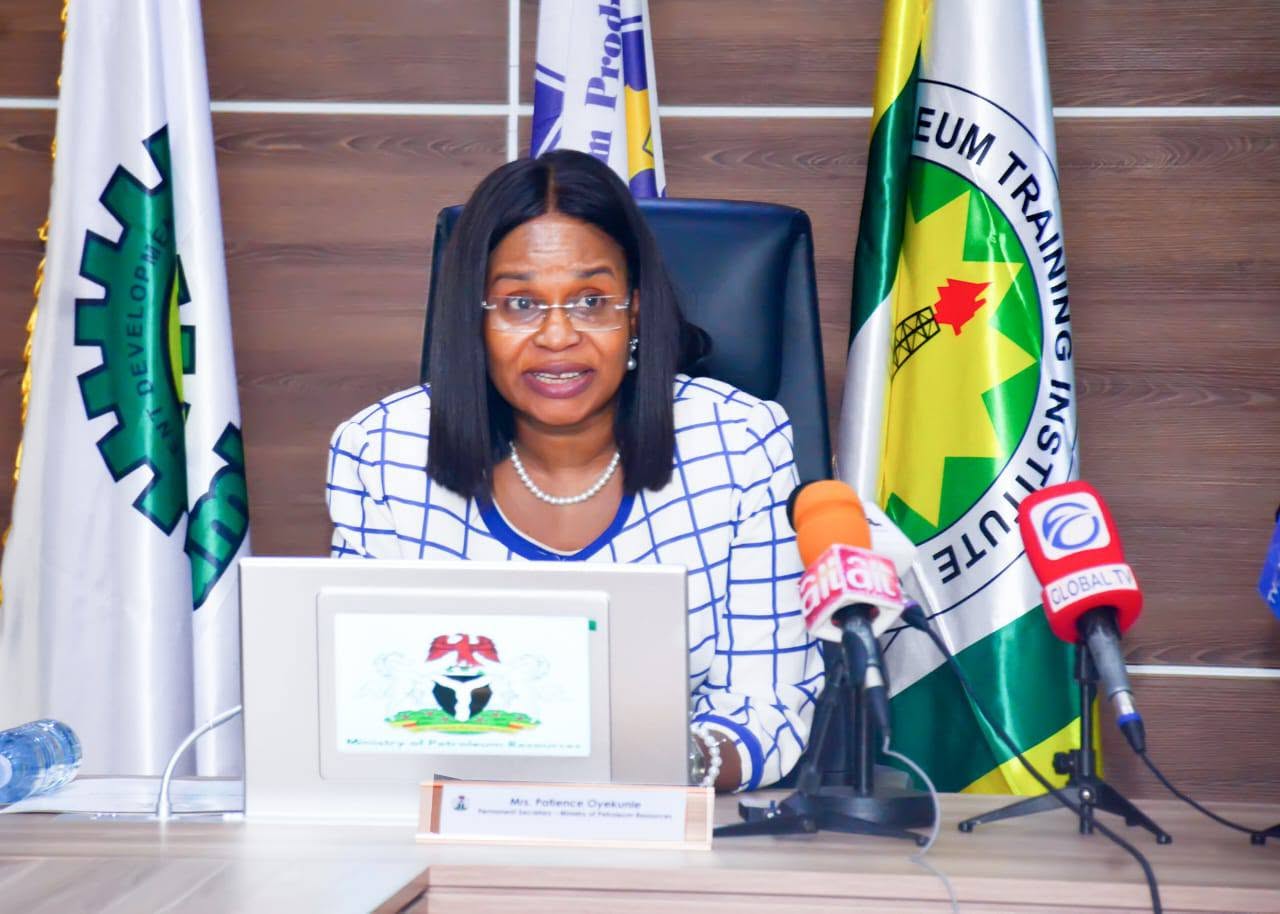
The Permanent Secretary of the Ministry of Petroleum Resources, Mrs. Patience Oyekunle, has urged ministry staff and its subsidiary agencies to strengthen accountability, institutional performance, and service delivery in alignment with the federal administration’s Renewed Hope Agenda.
Speaking on Wednesday in Abuja at the ministry’s 2026 Management Retreat themed “Driving Institutional Performance and Accountability in the Petroleum Sector for Sustainable National Development”, Oyekunle emphasized that the federal government has established clear performance targets and accountability mechanisms to ensure national priorities are effectively met.
Oyekunle highlighted that the creation of the Central Results Delivery Coordination Unit (CRDCU) and the implementation of the Quarterly Performance Assessment Framework underscore the government’s transition toward results-based governance. Given that the Ministry of Petroleum Resources holds a strategic position in unlocking energy and natural resources for sustainable development, she noted that public servants must continuously improve their internal capacity to plan, monitor, and report activities in a transparent manner that demonstrates clear value and impact.
The Permanent Secretary also commended the Petroleum Technology Development Fund (PTDF) for its continuous support of training and capacity-building initiatives across the sector.
In her remarks at the event, the ministry’s Director of Planning, Research and Statistics, Mrs. Kemi Yusuf, explained that the ministry is actively implementing “Priority Four” of the administration’s national agenda. Yusuf revealed that during the first quarter of 2026, the ministry successfully reported eight key deliverables and 45 performance indicators to the CRDCU.
These tracking metrics covered critical operations, including crude oil production, gas supply, petroleum products availability, regulatory efficiency, local content development, and stakeholder engagement.
Because the petroleum sector accounts for about 30 percent of Nigeria’s Gross Domestic Product (GDP) and drives more than 50 percent of total government revenue, officials maintained that maximizing institutional performance is imperative. However, the ministry identified severe ongoing bottlenecks, naming crude oil theft, underinvestment, project delays, weak cost discipline, and lingering regulatory gaps as major challenges constraining sector growth.
Designed as a collaborative platform, the management retreat provides participants an opportunity to review progress, identify institutional bottlenecks, promote data-driven decision-making, and develop practical strategies for improved service delivery.
The Issues
- Combating systemic crude oil theft and plugging regulatory gaps that continue to leak vital government revenue.
- Overcoming widespread underinvestment and costly project delays to meet the ministry’s 45 performance indicators.
- Enforcing strict cost discipline across diverse ministry agencies to ensure value-driven results-based governance.
What’s Being Said
- Stressing the responsibility of public officials, Permanent Secretary Mrs. Patience Oyekunle stated: “The Ministry of Petroleum Resources occupies a strategic position in the implementation of the administration’s priority of unlocking energy and natural resources for sustainable development. As public servants, we must continuously improve our capacity to plan, implement, monitor and report our activities in a manner that demonstrates value, impact and accountability.”
- Highlighting the economic stakes, Director of Planning, Research and Statistics Mrs. Kemi Yusuf noted: “The petroleum sector contributes about 30 per cent to Nigeria’s Gross Domestic Product (GDP) and more than 50 per cent of government revenue, making improved performance and accountability imperative.”
What’s Next
- The Ministry of Petroleum Resources will utilize the data-driven strategies from the retreat to compile its Q2 2026 performance report for the CRDCU.
- Ministry agencies will roll out practical solutions designed to target cost discipline and eliminate institutional project bottlenecks.
- The PTDF will align its upcoming training and capacity-building programs with the specific performance deliverables outlined by the management team.
Bottom Line
With the petroleum sector driving over half of national revenue, the Ministry of Petroleum Resources is leveraging the CRDCU assessment framework to enforce strict cost discipline and institutional performance, aiming to overcome oil theft and underinvestment through the Renewed Hope Agenda.