






Key points
- An estimated three million Nigerian adults are living with diabetes, according to International Diabetes Federation figures.
- The South-South region, including Edo State, is recording some of the country’s highest diabetes prevalence rates.
- Rising urbanization, sedentary lifestyles, and changing dietary habits are heavily driving the region’s higher case numbers.
- Delayed hospital presentations and myths regarding the chronic condition are significantly worsening patient health outcomes.
- Untreated diabetes can lead to severe health complications, including nerve damage, recurrent infections, and limb amputation.
Main Story
Diabetes is on the rise across Nigeria, with the South-South region—including Edo State—recording one of the highest prevalence rates in the country, a medical expert has warned.
The Medical Director of Owen Hospital, Dr. Nosa Ehigie, raised the alarm on Thursday during an interview with the News Agency of Nigeria (NAN), cautioning that cultural myths and delayed hospital visits are significantly worsening health outcomes among patients.
Ehigie explained that diabetes is a chronic medical condition caused by high blood sugar resulting from problems with insulin production or the body’s underlying inability to use insulin effectively. Citing estimates from the International Diabetes Federation (IDF), the medical expert noted that about three million Nigerian adults are currently living with diabetes.
He warned that this caseload could rise significantly in the coming years if stronger preventive measures, targeted medical interventions, and robust public awareness campaigns are not aggressively implemented.
The high prevalence recorded in the South-South region is heavily linked to increasing urbanization, sedentary lifestyles, and rapidly changing dietary habits among the population.
Ehigie outlined the different classifications of the disease, noting that Type 1 diabetes requires lifelong insulin treatment, whereas Type 2 diabetes is largely associated with modifiable lifestyle factors such as obesity and physical inactivity. He also identified gestational diabetes as a form of the disease that occurs specifically during pregnancy, requiring proper monitoring to prevent maternal and fetal complications.
Worryingly, the medical director warned that untreated diabetes leads to severe, long-term health complications. These include debilitating nerve damage, recurrent bodily infections, poor blood circulation, and, in extreme clinical cases, limb amputation.
To counter the trend, Ehigie urged Nigerians across all social and economic groups to undergo regular screening, adopt healthier lifestyles, and strictly avoid unverified herbal remedies, stressing that the disease does not discriminate based on wealth.
The Issues
- Combating widespread cultural myths and reliance on unverified herbal remedies that delay proper clinical diagnosis.
- Designing regional public health campaigns to promote physical activity and address dietary shifts in rapidly urbanizing areas.
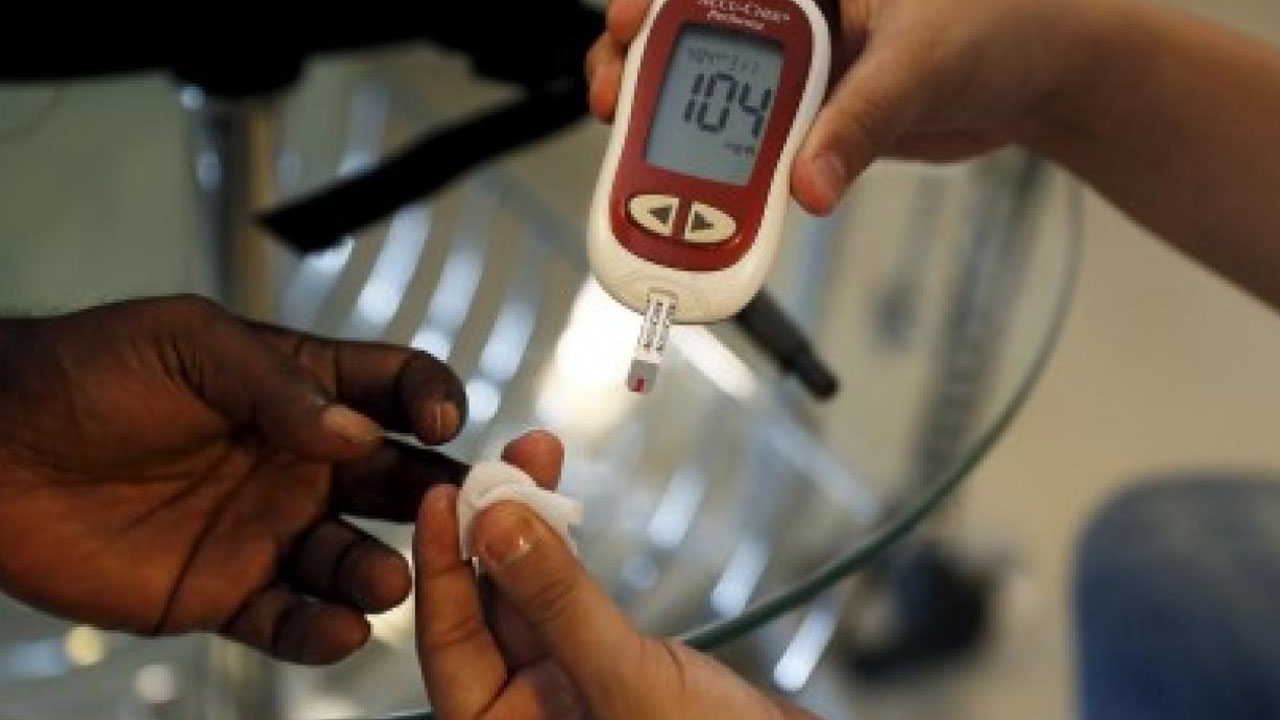
- Expanding accessible, routine blood sugar screening infrastructure to catch and manage Type 2 and gestational diabetes early.
What’s Being Said
- Addressing the systemic factors behind the regional health spike, the Medical Director of Owen Hospital, Dr. Nosa Ehigie, noted that the South-South region recorded a higher prevalence of diabetes due to increasing urbanisation, sedentary lifestyles and changing dietary habits.
- Warning against the dangers of seeking alternative, unproven treatments, Ehigie urged Nigerians to undergo regular screening, adopt healthier lifestyles and avoid unverified herbal remedies, stressing that diabetes affected people across all social and economic groups, not only the wealthy.
What’s Next
- Public health departments in Edo and other South-South states may expand community-based blood sugar screening initiatives.
- Non-governmental organizations and medical associations will scale up awareness campaigns to debunk local myths surrounding insulin and diabetes.
- Antenatal clinics will strengthen monitoring protocols to screen expecting mothers for gestational diabetes complications.
Bottom Line
With diabetes affecting roughly three million Nigerian adults, medical experts are calling for urgent lifestyle changes and regular screenings to counter high prevalence rates in the South-South region, warning that relying on myths and unverified herbal remedies only accelerates severe complications like amputation.