






Key points
- President Bola Tinubu reaffirmed his administration’s commitment to security, economic reforms and democratic governance during his 2026 Democracy Day address.
- He announced fresh honours for dozens of pro-democracy activists and approved the renaming of a Kaduna institution after the late General Shehu Musa Yar’Adua.
- Tinubu said terror-related deaths have fallen significantly, while economic reforms are beginning to restore fiscal stability and investor confidence.
Main story
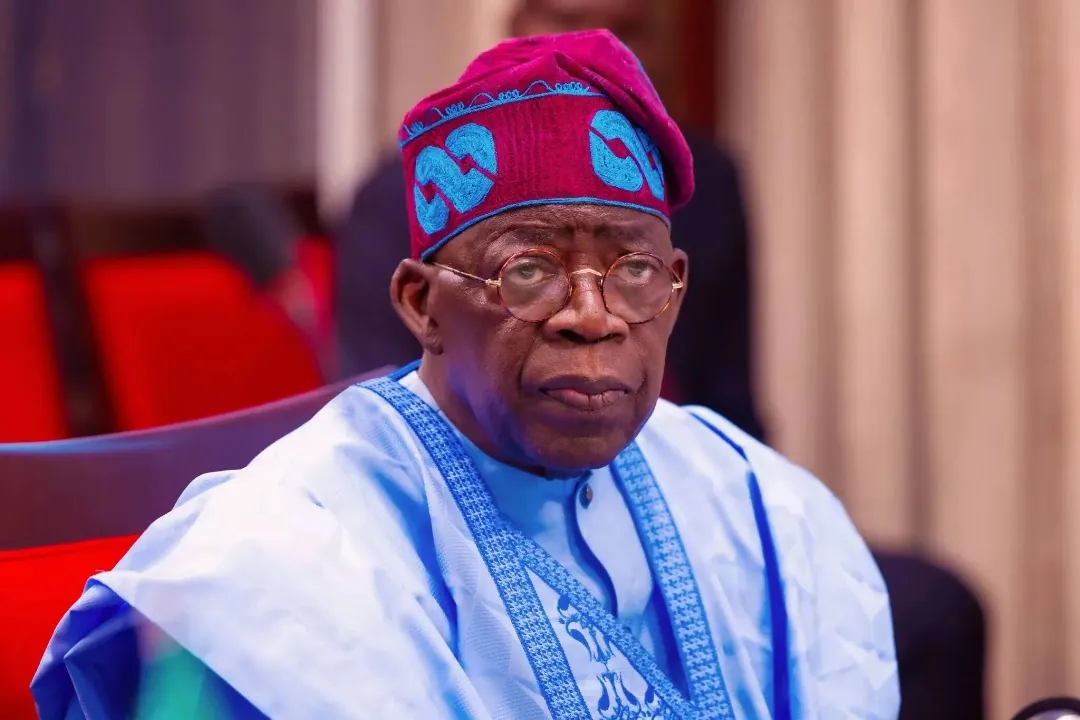
President Bola Tinubu on Friday used his 2026 Democracy Day address to reaffirm his administration’s commitment to strengthening democracy, tackling insecurity and delivering economic prosperity, while paying tribute to the heroes of the June 12 struggle.
Addressing Nigerians on the occasion of the country’s 27th uninterrupted year of democratic rule, Tinubu described democracy as the collective achievement of Nigerians who have consistently resolved political differences through constitutional means rather than violence.
He called on the Independent National Electoral Commission (INEC), security agencies and political parties to ensure peaceful and credible governorship elections in Ekiti and Osun states, stressing that public confidence in the electoral process remains essential to democratic consolidation.
The President also urged the National Assembly, judiciary, media and civil society organisations to continue playing their roles as guardians of democracy, noting that constructive criticism is necessary for national development.
On security, Tinubu acknowledged growing public concerns following the abduction of schoolchildren in Oyo and Borno states but assured Nigerians that his administration remains determined to restore peace across the country.
According to him, the government has declared a security emergency, approved the recruitment of more than 50,000 police officers and thousands of military personnel, and allocated a record N5.41 trillion to defence and security in the 2026 budget.
The President said recent military operations had degraded terrorist networks, including an operation against an ISWAP command centre in Arege, Borno State. He disclosed that terror-related deaths had declined by 81 per cent since 2015, while more than 13,000 terrorists were neutralised within the past year.
Tinubu also revealed that over 124,000 former fighters and their dependants had surrendered through Operation Safe Corridor since 2023, while warning bandits, kidnappers and terror sponsors to either surrender or face the full force of the law.
Turning to the economy, the President defended his administration’s reforms, saying they were necessary to rescue Nigeria from fiscal instability and economic uncertainty inherited in 2023.
He said reforms implemented over the past three years had improved revenue generation, strengthened fiscal transparency and restored investor confidence across key sectors, including agriculture, manufacturing, mining, energy, transportation and technology.
The President highlighted improvements in domestic petroleum refining, efforts to address challenges in the electricity sector and ongoing investments in infrastructure, agriculture and export promotion.
According to him, over 1,000 small and medium-scale enterprises have been certified for export, while non-oil exports grew by 21 per cent in the last year.
The issues
Tinubu’s address comes at a time when Nigeria continues to grapple with security challenges, economic hardship, inflation and rising public concerns over the cost of living.
While government officials point to improvements in macroeconomic indicators and security operations, many Nigerians continue to demand faster relief from economic pressures and more decisive action against insecurity.
The President’s speech also reflects the administration’s effort to balance security priorities with economic reforms aimed at achieving long-term growth and prosperity.
What’s being said
Tinubu maintained that democracy must go beyond political freedoms and translate into tangible improvements in the lives of citizens.
“June 12, 1993, revealed the possibility of a true Nigerian nation. The heroes of June 12 secured political freedom. Our challenge is to secure economic freedom,” he said.
The President said his administration remains focused on reducing inflation, increasing food production, creating jobs and improving living standards.
He also emphasized the importance of local government autonomy, arguing that effective grassroots governance is essential to tackling insecurity and ensuring that democratic dividends reach all Nigerians.
In recognition of contributions to democracy, Tinubu announced national honours for dozens of journalists, activists, labour leaders, politicians and military officers who participated in the June 12 struggle.
He further approved the renaming of the Institute of Petroleum Studies in Kaduna as the General Shehu Musa Yar’Adua University of Geological Sciences and Engineering Technology.
What’s next
The Federal Government is expected to continue implementing its security and economic reform programmes while monitoring progress on key national targets.
Attention will also focus on the upcoming governorship elections in Ekiti and Osun states, which the President described as important tests of Nigeria’s democratic institutions.
Additionally, the full list of Democracy Day national honours is expected to be formally released in the coming days.
Observers will be watching closely to see whether improvements claimed by the administration translate into measurable gains in security, employment, electricity supply and living standards.
Bottom line
President Tinubu’s Democracy Day address sought to reassure Nigerians that his administration’s reforms are beginning to yield results despite persistent economic and security challenges. By combining tributes to democracy heroes with promises of improved security and economic prosperity, the President framed the next phase of governance as a collective effort to transform political freedom into shared national prosperity.